Why Ohio Rose Buds Fail To Open In Summer Heat And What To Do
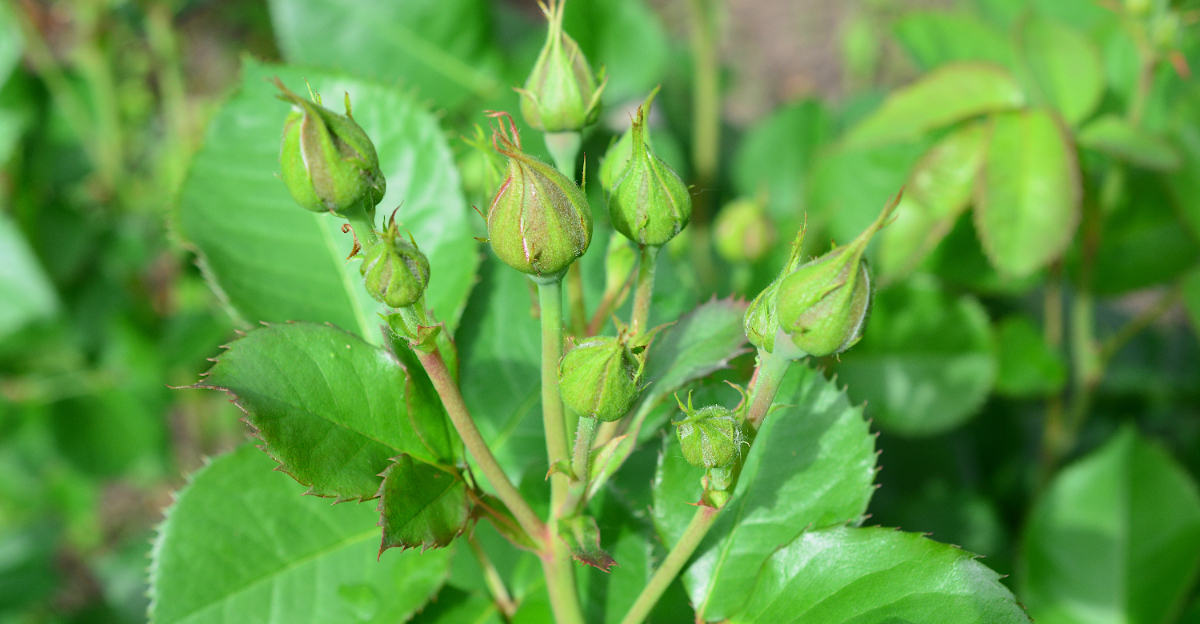
A rose bud that stiffens, browns at the edges, and never opens is one of the more frustrating sights an Ohio garden produces in summer. The plant is clearly trying.
The bud is there. And then nothing, a tight, failed bloom that sits on the stem until it drops without ever delivering what it promised.
Ohio summer heat is often the first thing that gets blamed, and heat does play a role. But balling rose buds, the term for this specific failure, trace back to a more specific set of conditions than temperature alone.
Humidity, variety selection, and a handful of care factors all contribute in ways that most Ohio rose growers never connect to the problem they keep seeing. The fix depends on understanding what is actually causing it.
Some causes have straightforward solutions. Others require a longer look at what is growing and where.
1. Water Deeply Before Heat Locks Buds Shut
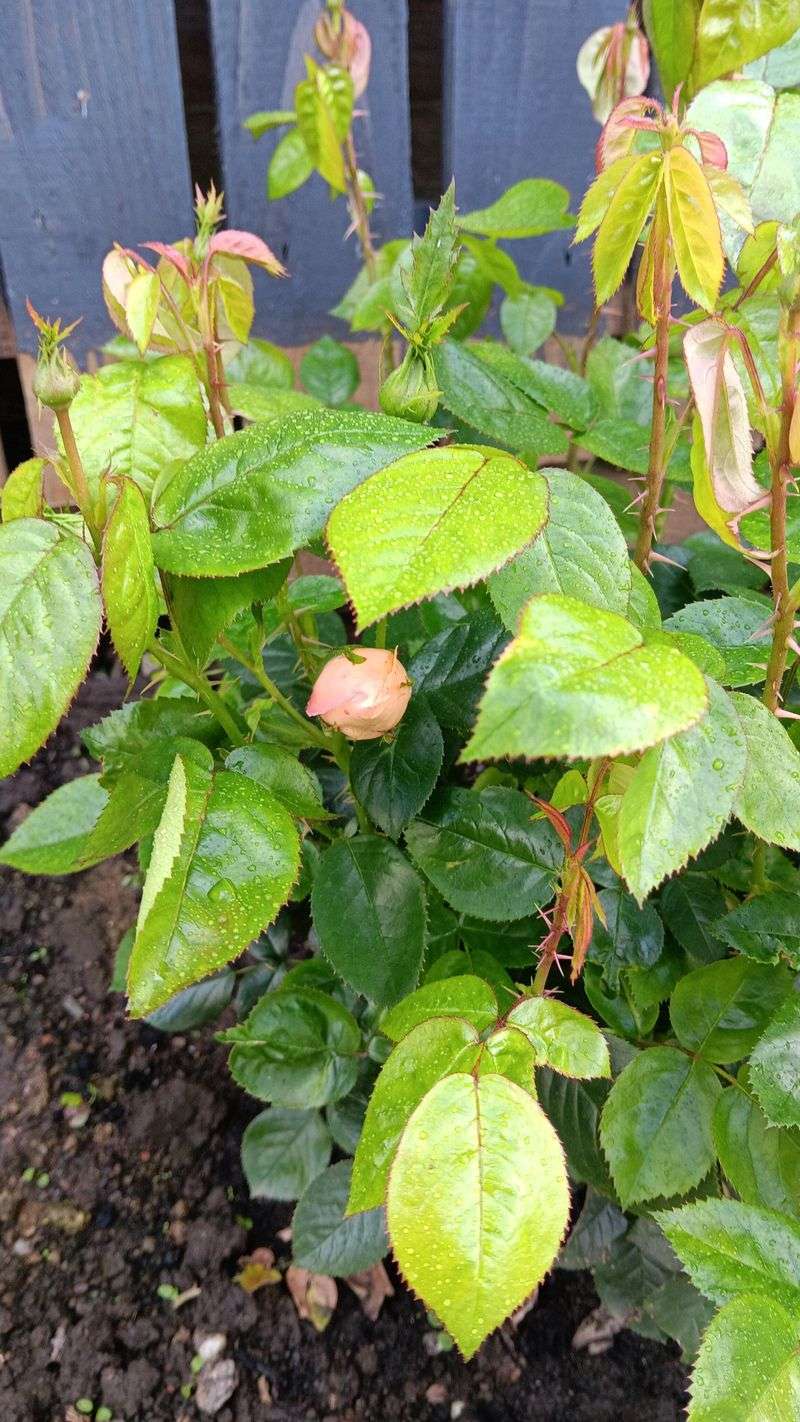
A dry root zone is one of the fastest ways to stall a developing rose bud. When soil dries out during a heat wave, roots struggle to move water and nutrients up to the plant.
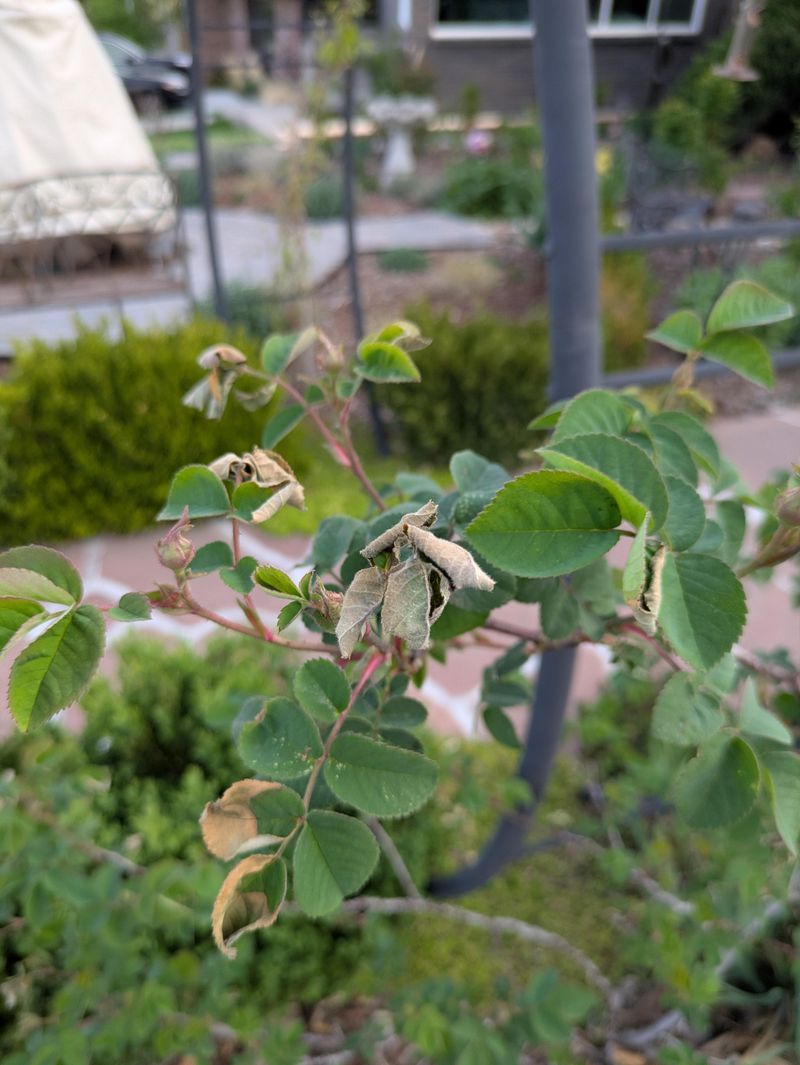
Buds near the top of the cane are often the first to feel that stress, staying tight or browning at the edges before they ever open.
The goal is to water deeply and steadily at the root zone, not just sprinkle the surface. OSU Extension guidance notes that shallow watering encourages shallow roots, which makes plants even more vulnerable during dry stretches.
Aim to wet the soil several inches down, and check moisture by pressing a finger two inches into the ground near the base of the plant.
Containers and raised beds dry out faster than in-ground plantings, so they may need more frequent attention during hot weeks. Sandy soil also drains quickly and may need deeper, more consistent watering.
The target is evenly moist soil, not soggy or waterlogged ground, because overly wet roots can cause their own problems.
Watering at the base keeps foliage dry and reduces disease pressure. A soaker hose or drip line works well for this.
Keep in mind that deep watering supports the plant, but it does not guarantee every stalled bud will open, especially if pests or disease are also involved.
2. Check Buds For Thrips Before Blaming The Weather
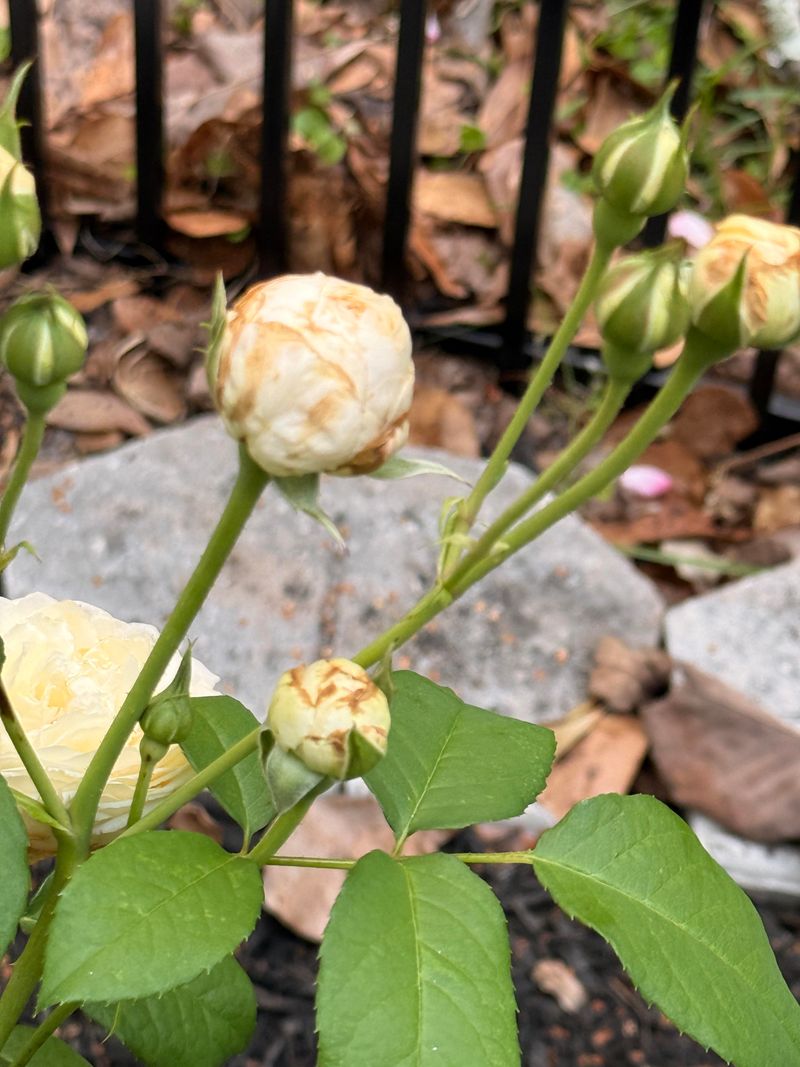
A bud that stays shut, looks streaked, or has petals that seem glued together might not be struggling because of the heat at all. Thrips are tiny, slender insects that feed inside rose buds, and their damage can look a lot like heat or moisture stress from the outside.
Integrated pest management guidance from university extension sources identifies western flower thrips and other species as common rose pests. These pests can distort buds and prevent normal opening.
Inspecting buds carefully is the best way to tell the difference. Try gently opening a damaged bud over a sheet of white paper and tapping the petals lightly.
Thrips are very small, usually less than a twentieth of an inch, but they will show up as tiny moving specks against a white background. Check the inner petals and the bud base, where feeding damage often appears as silvery streaks or brown flecking.
Your Ohio Garden Changes Every Week. Your Plan Should Too.
Gardening in Ohio changes quickly throughout the season. Every Friday you’ll receive a simple weekly plan showing exactly what to plant, prune, fertilize, harvest, and protect so you never miss the right timing.
Comparing what you find with photos from OSU Extension or your local cooperative extension office can help you confirm whether thrips are present.
If you suspect an infestation, integrated pest management guidance recommends starting with non-chemical controls where possible.
If a pesticide seems necessary, always follow the product label and current extension recommendations for timing and application.
Do not skip this inspection step. Treating for heat stress when thrips are actually the cause will not solve the problem, and buds will keep failing through the season.
3. Remove Brown Buds Before Rot Spreads
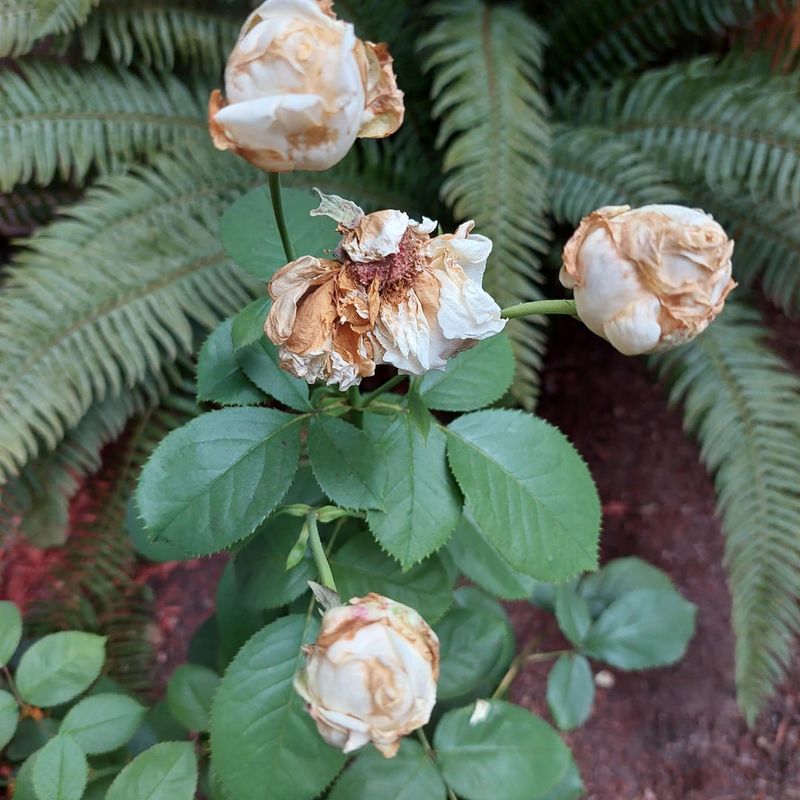
Brown, mushy, or fuzzy-looking buds are a signal worth taking seriously. Plant pathology resources describe botrytis bud blight as a condition that can turn rose buds brown and soft.
Caused by the fungus Botrytis cinerea, it can sometimes produce a grayish fuzzy coating in humid conditions. Damp weather, crowded growth, and poor air circulation can all raise the risk.
Not every brown bud has botrytis. Heat scorch, thrips damage, and physical injury can also cause browning.
But when buds look soft, smell off, or show fuzzy growth, removing them promptly is a smart move regardless of the exact cause. Clip the affected buds cleanly with sanitized shears, and place them directly into a bag or bin away from your Ohio garden.
Do not drop them on the soil or toss them into a compost pile casually, since fungal spores can spread.
Fallen petals and old blooms on the ground can also harbor botrytis, so clearing debris around the base of the plant is worth doing regularly. Avoid overhead watering, which keeps foliage and buds wet longer than needed.
Good airflow between canes helps surfaces dry faster after rain.
If you see botrytis signs returning season after season, consult your local extension office about site improvements and whether a fungicide fits your situation. Always follow label directions if you use one.
Removing damaged buds early remains the most practical first step.
4. Mulch Roots To Keep Summer Moisture Steady
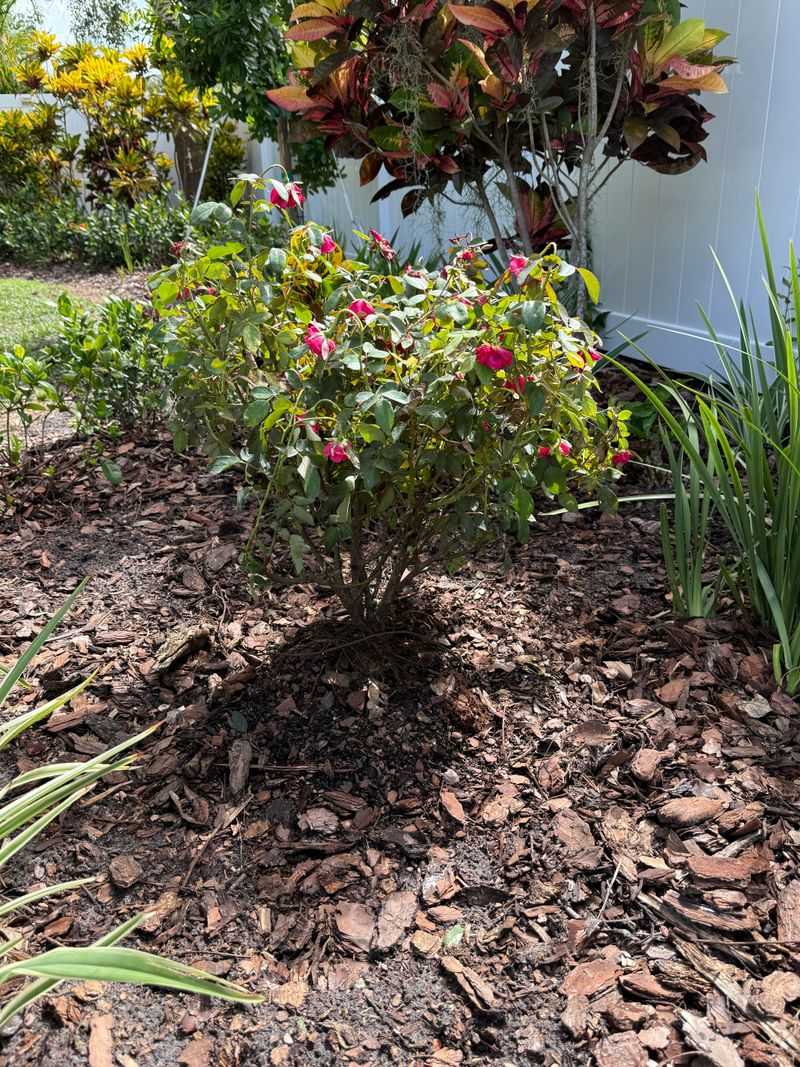
Bare soil around rose roots heats up quickly on hot afternoons, and that temperature spike can make moisture evaporate faster than roots can absorb it.
A layer of mulch around the root zone acts as a buffer, slowing evaporation and keeping soil temperatures more stable during the hottest part of the day.
University extension sources recommend organic mulches like shredded bark or wood chips for this purpose.
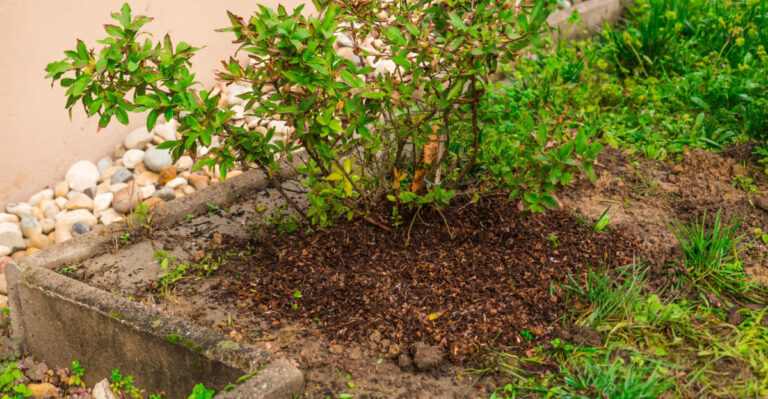
Apply mulch two to three inches deep around the plant, spreading it out to the drip line if possible. Keep the mulch a few inches away from the crown and canes.
Piling mulch directly against the base of the plant can hold moisture against the stem and create conditions that invite rot or disease. A clean gap between the mulch ring and the plant itself is an easy habit to build.
Mulch works best when it is paired with deep watering, not used as a substitute for it. If the mulch layer has thinned out from rain, wind, or decomposition, refresh it during dry stretches to keep the benefit consistent.
Decomposed mulch also adds a small amount of organic matter to the soil over time, which can improve moisture retention gradually.
During Ohio summers, dry spells can arrive quickly after stretches of humidity. Keeping that mulch layer in good shape is one of the lower-effort steps that supports everything else you are doing for your roses.
5. Give Roses Morning Sun And Afternoon Relief
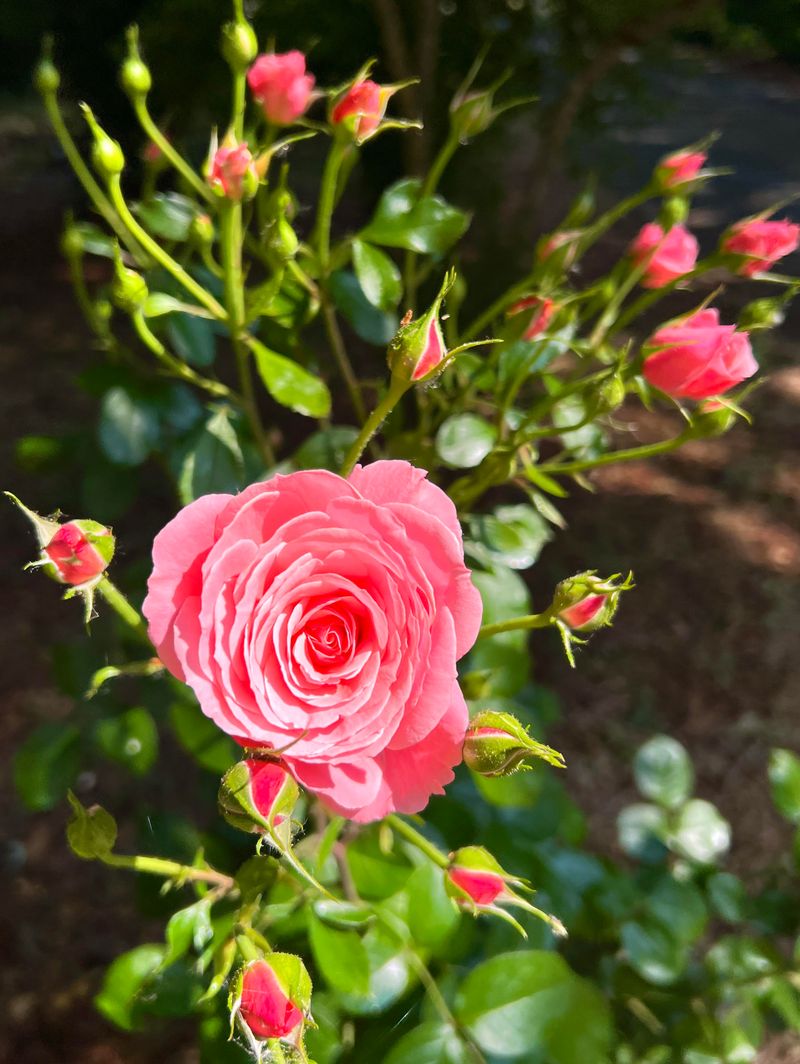
Roses are sun-loving plants, and most varieties need at least six hours of direct light each day to flower well. Horticulture experts advise that too little sun weakens bloom production and makes plants more prone to disease.
But there is a difference between good sun and punishing afternoon heat on a western-facing wall during a July heat wave.
In some Ohio garden spots, buds on the most exposed side of the plant may stall or scorch more often than buds on a slightly sheltered side. Paying attention to where your buds fail most often can tell you something useful about your site.
If a fence, trellis, or taller shrub provides light afternoon filtering on the hottest side, that can help. It can offer relief without shading the plant into poor bloom production.
Creating deep shade around roses is not the answer. A heavily shaded rose will produce fewer buds, stretch toward light, and become more vulnerable to fungal issues.
The goal is to find or create a site where the plant gets strong morning light and is not baking against a heat-reflecting surface all afternoon.
Moving an established rose is not a quick summer project. It is better planned for fall or early spring when the plant is less stressed.
For now, observe the site carefully and make notes for future adjustments. Understanding your garden’s heat patterns is a practical step toward better blooms next season.
6. Skip Heavy Feeding During Brutal Heat
Reaching for fertilizer when buds stall feels like a logical fix, but timing matters a lot. Pushing a heat-stressed rose with heavy feeding can encourage soft new growth that wilts quickly in high temperatures.
OSU Extension and university horticulture sources advise that fertilizer applications work best when plants are actively growing in stable conditions. They do not work as well when plants are already under heat and moisture stress.
If your soil has not been tested recently, a soil test through your local extension office is a smart starting point. Feeding based on what your soil actually lacks is more effective than guessing.
When you do fertilize, water the plant thoroughly before and after applying, so the roots are not absorbing nutrients from dry soil, which can cause burn.
During a heat wave, it is often better to hold off on any large fertilizer push and focus on steady watering and mulch instead. Once temperatures moderate and the plant shows signs of active growth again, a balanced feeding can help support the next round of buds.
Follow the product label for rates and timing, and avoid applying more than recommended.
Roses do need nutrients to flower well, and this section is not suggesting you stop feeding altogether. A stressed plant in extreme heat is not in the best condition to use heavy feeding effectively.
Adding that pressure can make things harder rather than easier during the hottest stretches of summer.
7. Prune For Airflow Without Stripping The Plant
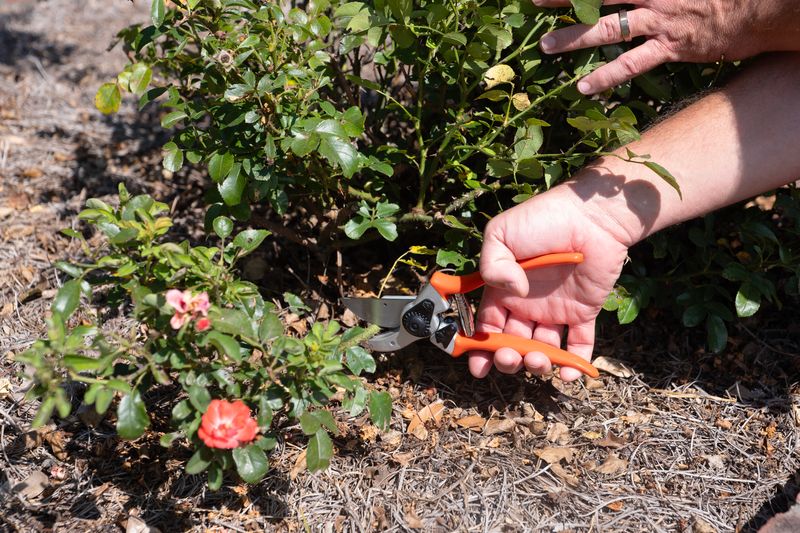
Crowded canes and tangled interior growth can trap humidity close to the plant. That slows the drying of wet surfaces after rain and creates conditions where fungal problems are more likely to develop.
Light pruning that opens up the center of the plant can improve airflow without putting the rose under more stress during an already difficult summer.
Focus on removing withered wood, diseased stems, crossing canes, and stems that grow inward toward the center of the plant. Clipping spent blooms is also worthwhile, since old flowers left on the plant can harbor disease and signal the plant to slow bud production.
Use clean, sharp bypass pruners and wipe the blades between cuts if you are working around diseased material.
Leaves are important during summer. They feed the plant through photosynthesis and help shade the canes from direct sun.
Stripping a rose of most of its foliage in an attempt to solve an airflow problem can leave it weaker and more vulnerable to heat and pests. The goal is selective, thoughtful removal, not a dramatic cutback.
Harsh summer pruning is generally not advised unless a specific problem, like a severely diseased cane, makes it necessary.
If you are unsure how much to remove, consult your local cooperative extension office or compare your plant’s condition with extension diagnostic photos.
Small, careful cuts made consistently through the season are more effective than one aggressive pruning session.
8. Help New Buds Open When Cooler Nights Return
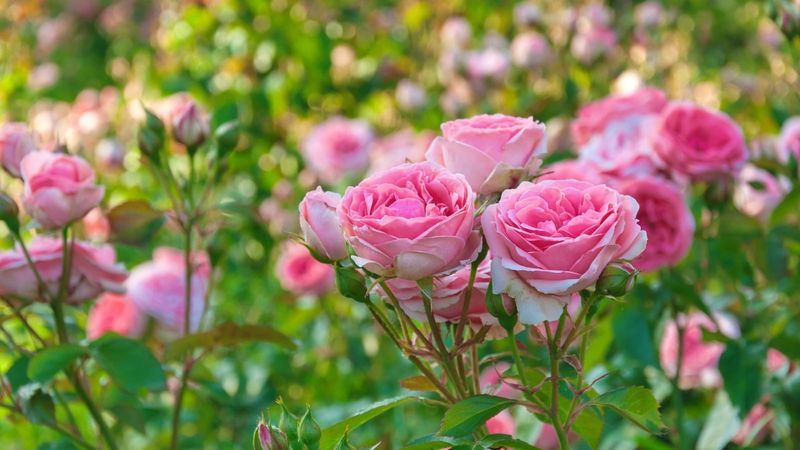
Some roses that stall in peak summer heat do recover and push a fresh flush of buds once nights cool down and water becomes more reliable. That rebound is worth preparing for.
Keeping the plant evenly watered, maintaining the mulch layer, and removing any lingering damaged buds gives the next round of growth a cleaner start.
Watch for signs of thrips or botrytis continuing into the cooler stretch. A plant that struggled with pest or disease pressure in July may carry some of that pressure into late summer if conditions are not addressed.
Remove fallen petals and old blooms regularly, and check new buds early for the kinds of damage described earlier in this guide.
Avoid a heavy fertilizer push right as cooler nights arrive if the plant is still showing signs of stress. Wait until you see healthy new growth moving, then consider a modest feeding based on your soil’s needs and the product label’s guidance.
Rushing growth too fast in late summer can produce soft stems that are not ready for the first cool nights of fall.
Unopened buds are worth treating as a signal, not just a disappointment. They point toward something the plant needed more of, whether that was water, airflow, pest control, or a better site.
Taking care of the roots and clearing out damage gives your roses a stronger chance to recover. Staying patient with the next flush helps them reward you with the blooms they were building toward all along.