Why Your Pepper Plants Are Dropping Flowers In North Carolina Heat
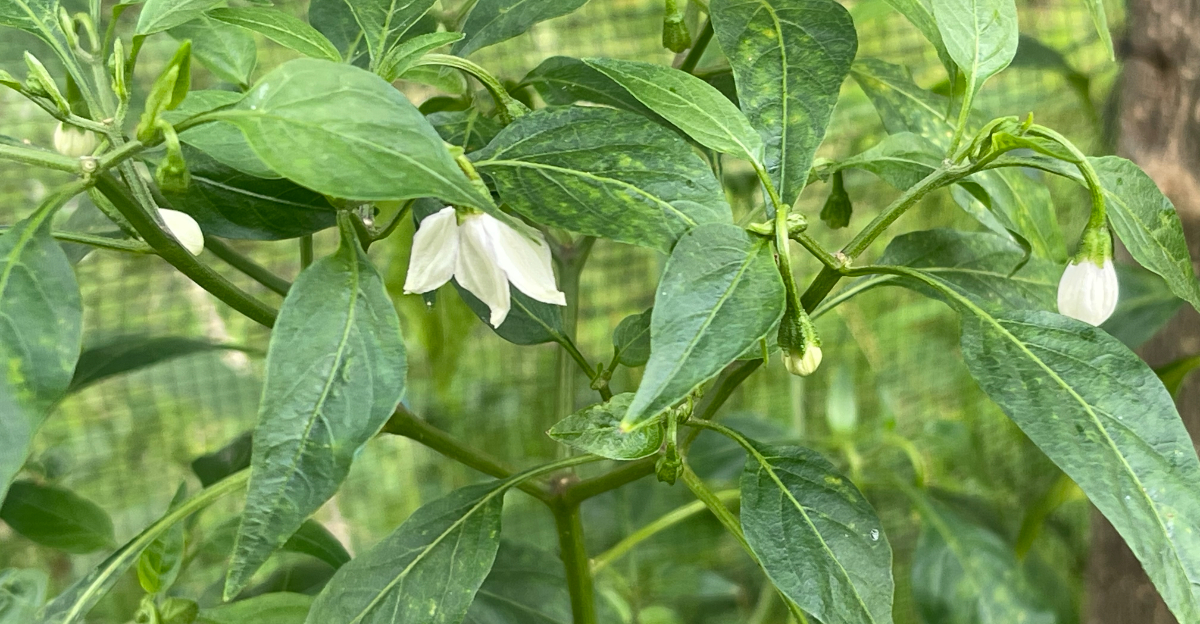
You checked on your pepper plants and the flowers are gone before a single one turned into fruit. No obvious damage, no insects you can see, they just dropped.
It’s one of the more discouraging things that happens in a North Carolina summer garden, especially when the plants themselves look perfectly healthy otherwise. The heat is usually part of the story, but it’s rarely the whole story.
Pepper flowers are sensitive to a specific combination of conditions, and North Carolina summers have a way of hitting several of those triggers at once.
Understanding what’s actually happening gives you something to work with instead of just waiting and hoping.
Some of the causes are outside your control, but several of them aren’t, and making even one or two adjustments can be enough to keep your plants productive through the hottest part of the season.
1. Excessive Heat Stresses Pepper Plants And Reduces Flower Retention
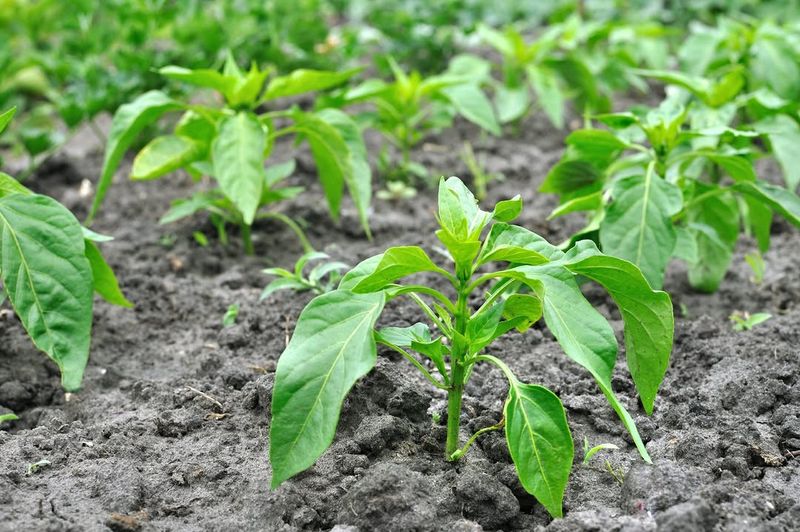
North Carolina summers are no joke. When daytime temperatures climb above 90 degrees Fahrenheit and nighttime lows stay above 75 degrees, pepper plants hit a biological wall that makes flower retention nearly impossible.
The pollen becomes sterile in these conditions, meaning even if a bee visits the flower, fertilization simply will not happen.
Heat stress pushes the plant into survival mode. Instead of putting energy into fruit production, the plant conserves resources by dropping flowers it cannot successfully set.
This is a completely natural response, not a sign that your plant is failing. Peppers are actually hardwired to do this when conditions are unfavorable.
Shade cloth rated at 30 to 40 percent light reduction can make a noticeable difference during peak heat weeks, typically July through mid-August in most North Carolina growing zones.
Setting up a simple shade structure on the south or west side of your plants during the hottest afternoon hours can bring leaf temperature down by 10 degrees or more. Even a temporary canopy made from old bed sheets works in a pinch.
The goal is reducing heat load without cutting off too much sunlight, so your plants stay productive while staying cool enough to hold onto those precious blooms through the worst of summer.
2. Inconsistent Watering Leads To Bud Abortion
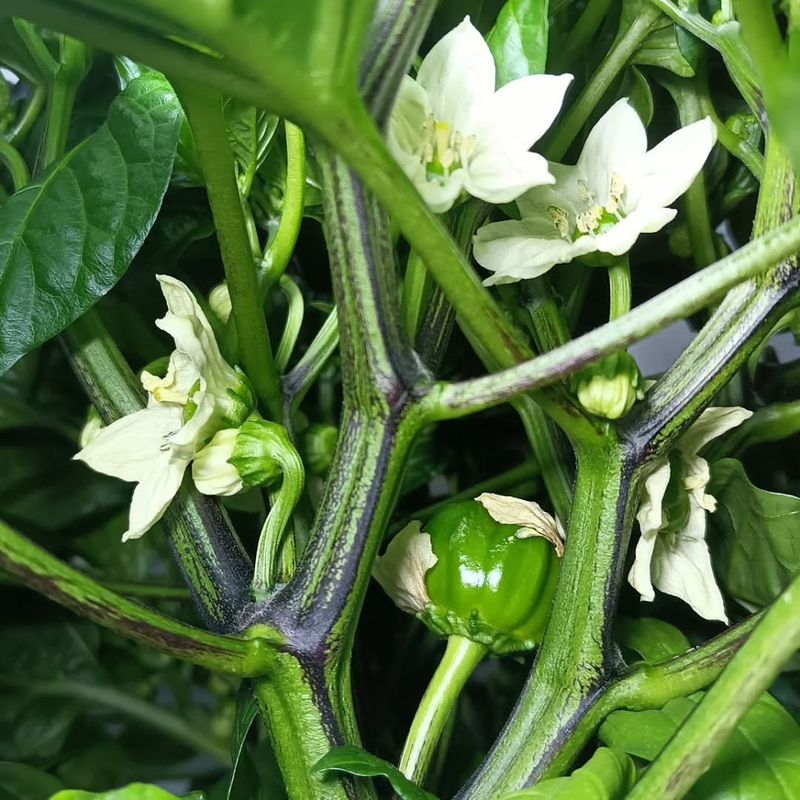
Picture this: your pepper plant gets a deep soaking on Monday, then nothing for five days while temperatures stay in the upper 80s. By the time you water again, the plant has already shed its flower buds as a stress response.
This cycle of feast and famine is one of the most common causes of flower drop in North Carolina gardens, and it happens more often than most gardeners realize.
Both underwatering and overwatering create problems. Drought stress causes the plant to abort buds to reduce its water demand.
Overwatering, on the other hand, suffocates roots and limits nutrient uptake, which also triggers bud loss. The sweet spot is consistently moist soil that drains well and never stays waterlogged.
For in-ground beds, aim for about one to one and a half inches of water per week during summer, adjusting for rainfall. Raised beds dry out faster and may need watering every one to two days during heat waves.
Your North Carolina Garden Changes Every Week. Your Plan Should Too.
Gardening in North Carolina changes quickly throughout the season. Every Friday you’ll receive a simple weekly plan showing exactly what to plant, prune, fertilize, harvest, and protect so you never miss the right timing.
Container-grown peppers are the trickiest because they can dry out within 24 hours in full sun. Drip irrigation or soaker hoses are excellent investments for keeping moisture levels steady without the guesswork.
Checking soil moisture two inches below the surface before watering helps you stay consistent and keeps your plants flowering strong through summer.
3. Nutrient Imbalances Reduce Flower Development
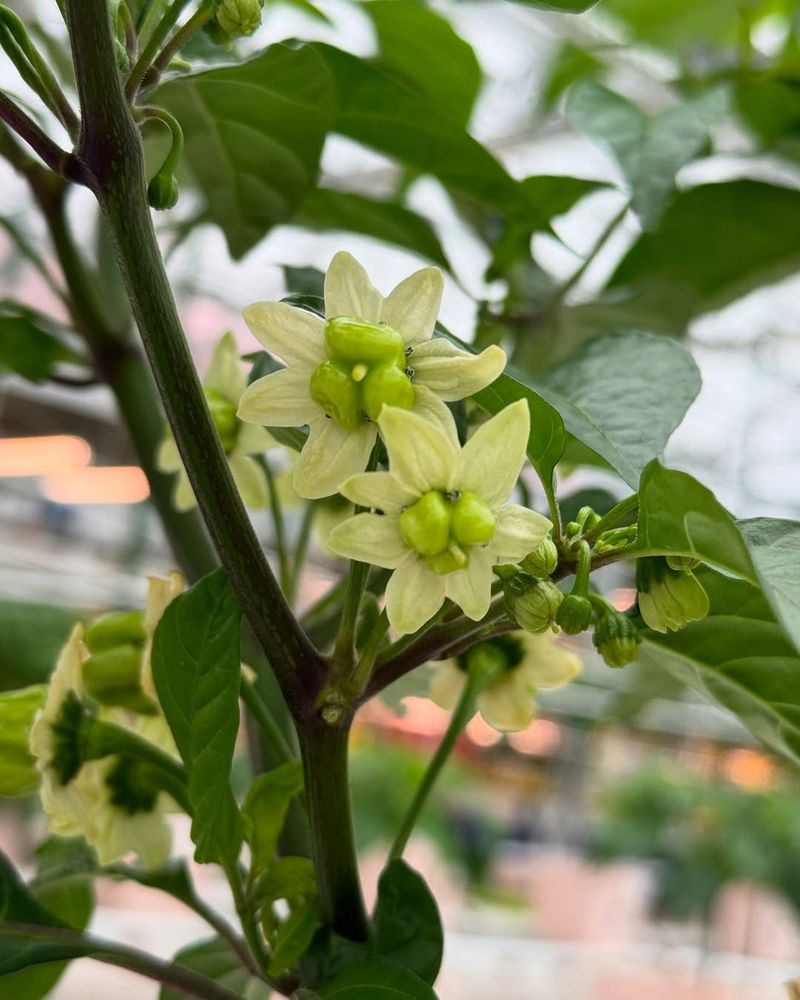
Too much of a good thing can backfire fast in the garden. When pepper plants receive excessive nitrogen, they respond by pushing out lush, dark green leaves with impressive vigor, but flower production takes a serious hit.
Nitrogen fuels vegetative growth, and when it is overdone, the plant simply has no reason to shift into reproductive mode.
This is especially common when gardeners use the same high-nitrogen fertilizer they use for their lawn or leafy greens on their pepper plants.
A fertilizer heavy in nitrogen but low in phosphorus and potassium will almost always result in beautiful plants with disappointing flower counts.
Phosphorus is the nutrient that directly supports root development and flower formation, while potassium strengthens overall plant health and stress tolerance.
Switching to a balanced fertilizer like a 5-10-10 or 10-10-10 blend once your plants are established and beginning to bud is a smart move for North Carolina gardeners.
Feeding every two to three weeks during the growing season, rather than weekly, helps prevent nutrient overload.
Organic options like bone meal and compost tea are gentler on the plant and provide a steady, slow release of nutrients.
If your plants look lush but flowerless heading into July, ease off nitrogen entirely and give them a phosphorus boost to encourage those blooms to return.
4. Poor Pollination Causes Flower Loss
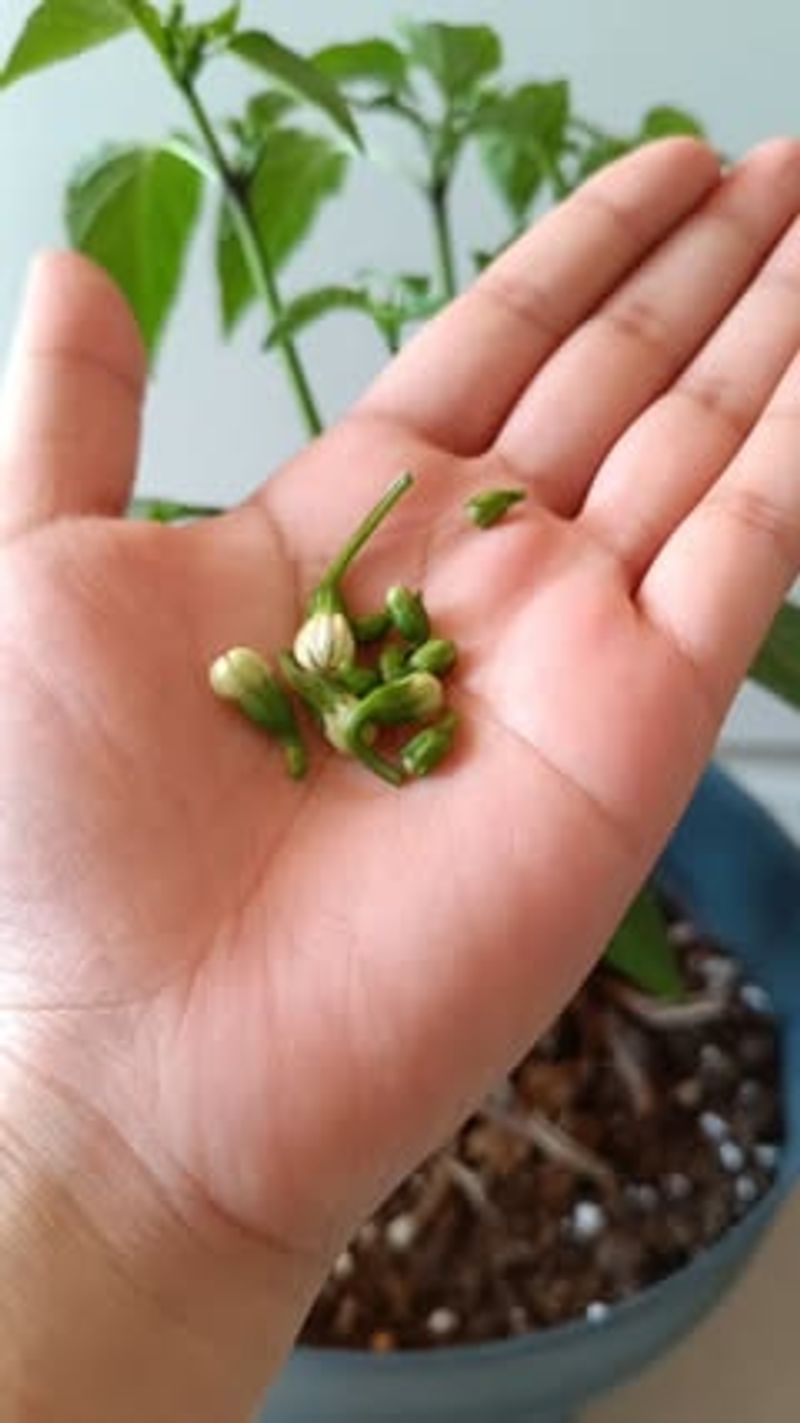
Pepper flowers need to be pollinated to develop into fruit, and when pollination fails, those flowers simply fall away.
In North Carolina, high heat and humidity during summer can make pollen sticky and clumpy, reducing its ability to transfer properly even when pollinators are present.
Add in a drop in bee activity during the hottest midday hours, and you have a recipe for widespread flower loss.
Attracting more pollinators to your garden is one of the best long-term strategies you can use. Planting flowers like basil, marigolds, and zinnias nearby draws bees and other beneficial insects that will naturally visit your pepper blooms.
Native bees, especially bumblebees, are actually better pepper pollinators than honeybees because they use a technique called buzz pollination that shakes loose pollen more effectively.
Hand pollination is a reliable backup when natural pollinator activity is low. Simply use a small, soft paintbrush or a battery-powered toothbrush to gently vibrate or brush the inside of each open flower for a few seconds in the morning.
Morning is the best time because pollen is freshest and temperatures are cooler. Pepper flowers face slightly downward, so tapping the stem gently also helps release pollen onto the stigma.
Combining pollinator-friendly planting with occasional hand pollination can noticeably improve fruit set even during the toughest North Carolina heat waves.
5. Crowded Plants Increase Flower Drop
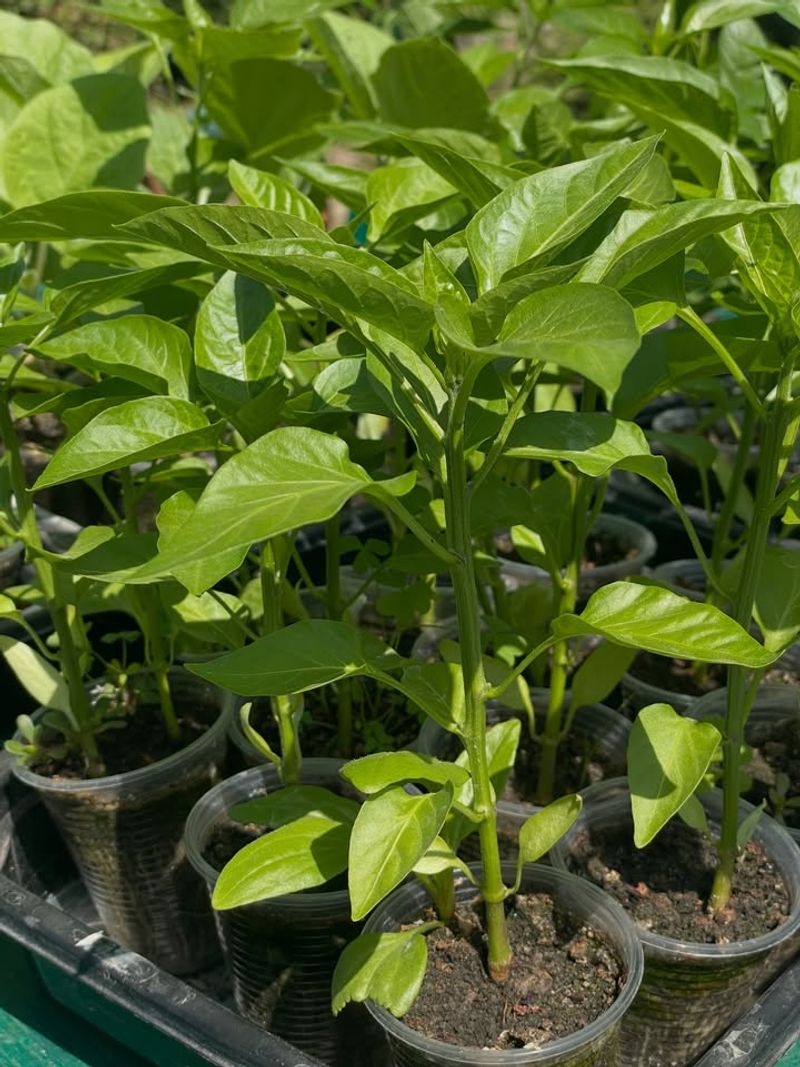
When pepper plants are packed too tightly together, something quietly goes wrong beneath the canopy. Airflow drops, humidity builds up between the leaves, and heat gets trapped right where the plants are most vulnerable.
These combined stressors push plants into a defensive mode that often results in flower and bud drop before the season really gets going.
North Carolina summers bring enough humidity on their own without plants creating even more of it around themselves.
Fungal issues thrive in stagnant, moist air, and stressed plants caught in those conditions have a harder time holding onto developing buds.
Proper spacing gives each plant room to breathe and allows sunlight to reach the lower branches where many of the first flowers form.
For most sweet and hot pepper varieties, spacing plants 18 to 24 inches apart in rows set 24 to 36 inches apart provides the airflow and light penetration they need.
If your plants are already in the ground and too close together, strategic pruning can help open up the canopy without having to move anything.
Removing a few of the lowest branches and any crossing stems improves air circulation significantly.
Thinning out dense interior growth also reduces the plant’s energy demand, which can redirect resources back toward flower production. A little breathing room goes a long way in the Carolina heat.
6. Mulch Helps Moderate Soil Temperature And Moisture
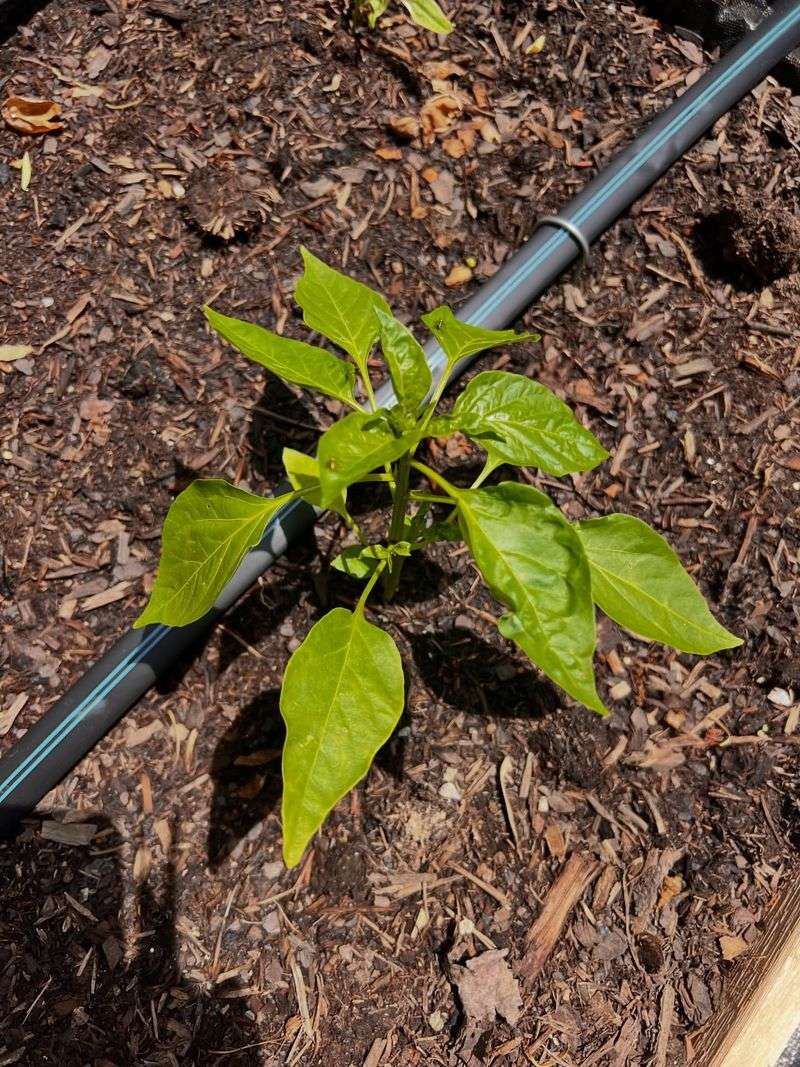
Bare soil in a North Carolina summer garden can reach temperatures well above 130 degrees Fahrenheit on a sunny afternoon, and that kind of extreme soil heat radiates upward and stresses plant roots in a major way.
Hot roots lead to water stress, nutrient uptake problems, and ultimately flower drop. A good layer of mulch acts like a protective blanket that keeps everything underneath cooler and more stable.
Straw, shredded leaves, and wood chip mulch are all excellent options for pepper beds.
Applying a two to three inch layer around the base of each plant, keeping it a couple of inches away from the main stem, can reduce soil temperature by 10 to 20 degrees compared to bare ground.
That difference alone can help peppers hold onto their flowers through the hottest stretches of summer.
Mulch also slows evaporation dramatically, which means the soil stays moist longer between waterings. This is a huge benefit for North Carolina gardeners dealing with both blistering heat and unpredictable summer rain patterns.
Organic mulches like straw and shredded leaves break down over time and add nutrients back into the soil, which is an added bonus heading into fall.
Refreshing your mulch layer midseason if it has thinned out keeps the benefits consistent and your pepper plants much more comfortable through the long, hot Carolina growing season.
7. Transplant Shock Or Late Season Stress Triggers Flower Loss
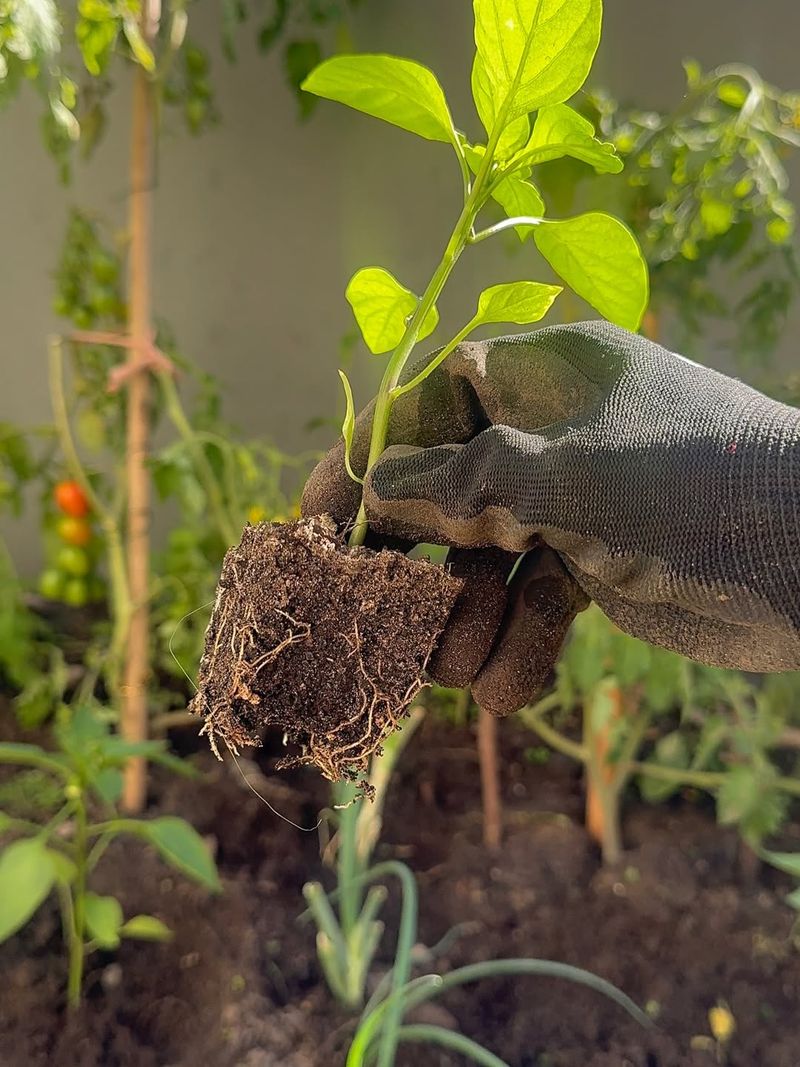
Freshly transplanted pepper plants have a lot going on beneath the surface. Their roots are adjusting to new soil, recovering from the disruption of being moved, and trying to establish themselves while managing whatever weather gets thrown at them.
When transplanting happens during or just before a North Carolina heat wave, the combination of root stress and high temperatures almost always triggers flower and bud drop.
Timing matters enormously. In most of North Carolina, the sweet spot for transplanting peppers outdoors is late April through mid-May, when soil temperatures are consistently above 60 degrees but before the brutal heat of July arrives.
Getting plants in the ground early gives them time to establish strong roots before they face their first real summer stress test.
Hardening off seedlings before transplanting is a step that many gardeners skip but should not. Gradually exposing indoor-grown starts to outdoor conditions over seven to ten days reduces transplant shock significantly.
Once in the ground, providing shade for the first week or two using a floating row cover or temporary shade cloth helps new transplants settle in without the added burden of intense sun.
Watering consistently right after transplanting, even if the weather looks cloudy, supports root recovery.
A well-established plant heading into summer heat holds onto its flowers far more reliably than one still struggling to find its footing in new soil.
8. Excessive Sun On Young Buds Causes Flower Scorch
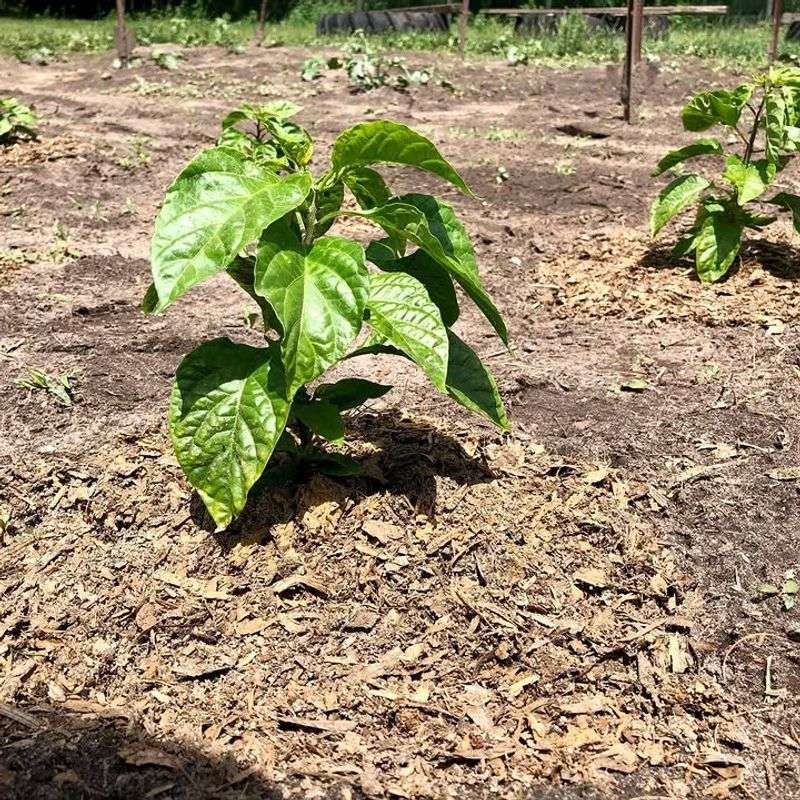
Young pepper buds are surprisingly delicate, and intense direct sunlight hitting them during the hottest part of the day can cause a kind of scorching that leads directly to flower drop.
This is especially true in the open, south-facing garden spots that are common in North Carolina yards, where plants receive unfiltered sun from late morning straight through late afternoon without any relief.
The issue is not just about air temperature. Solar radiation heats the surface of developing buds directly, and on a clear 95-degree day, that direct exposure can push bud surface temperatures well beyond what the plant can handle.
The result is premature flower drop that looks mysterious because the plant otherwise seems healthy and well-watered.
Orienting shade structures to block afternoon sun while still allowing morning light is the most effective approach.
Morning sun is gentler and more beneficial for photosynthesis, while afternoon sun in North Carolina summers is where most of the damage happens.
A 30 percent shade cloth on the west side of your pepper bed, set up from around noon onward, can protect buds without reducing plant vigor.
Taller companion plants like sunflowers or corn planted on the west side of your pepper rows can also provide natural afternoon shade.
Protecting early-season buds through the hottest weeks gives your plants the window they need to set fruit successfully before fall arrives.
9. Salt Build-Up In Containers Stresses Roots And Triggers Flower Drop
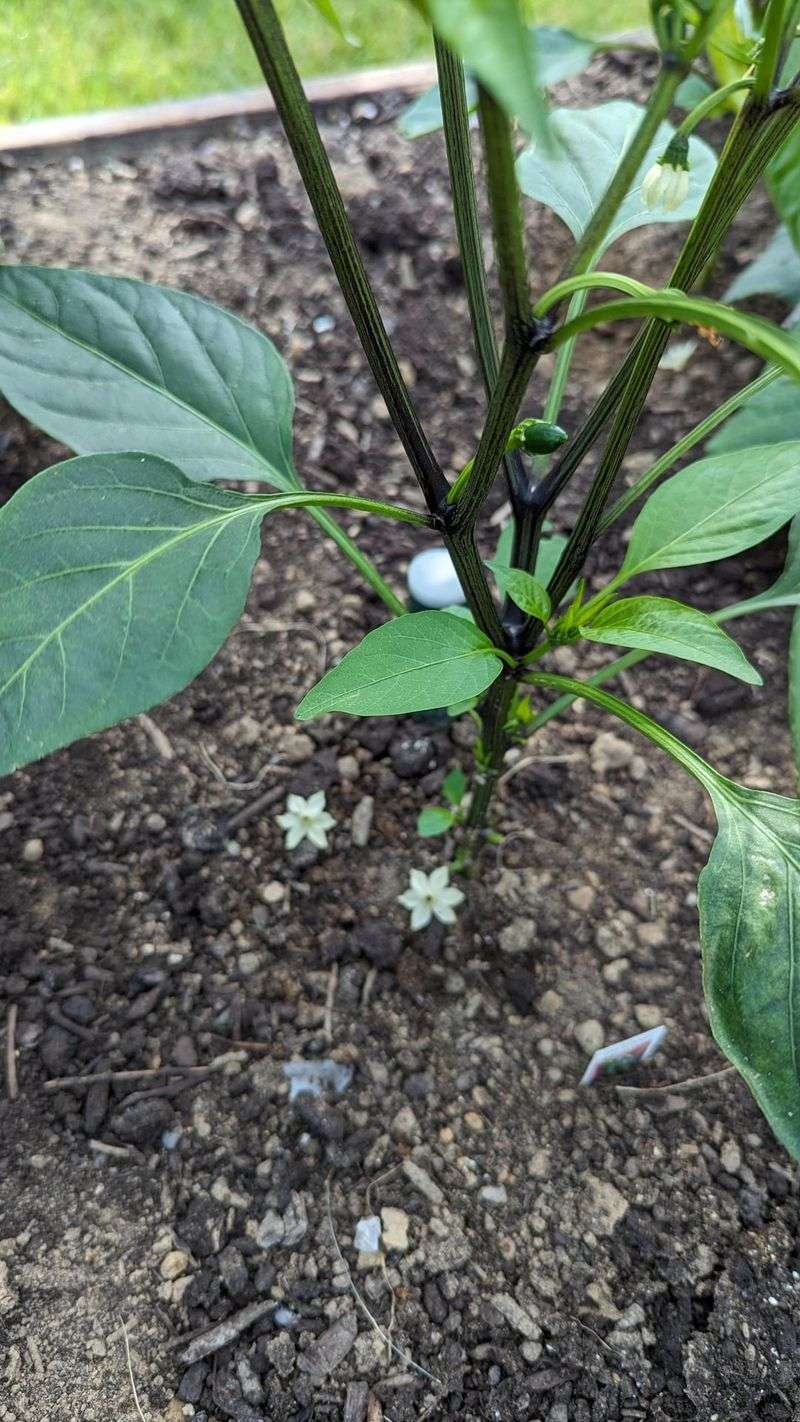
Container gardening is incredibly popular in North Carolina, especially for gardeners working with small patios or balconies. But containers come with a challenge that in-ground beds do not face nearly as often: salt accumulation.
Every time you fertilize, mineral salts from the fertilizer build up in the potting mix, and over time, those salts create an environment that makes it harder for roots to absorb water even when the soil is moist.
This condition is sometimes called fertilizer burn or osmotic stress. Roots surrounded by high-salt soil actually lose moisture to the soil rather than absorbing it, which leaves the plant in a state of constant mild dehydration.
A plant that cannot absorb water properly under summer heat conditions will drop its flowers quickly as a stress response.
Flushing containers thoroughly every four to six weeks helps clear out accumulated salts. To flush properly, water the container slowly and heavily until water runs freely from the drainage holes for several minutes, carrying dissolved salts with it.
If a white crust has built up on the soil surface or around the pot rim, that is a clear sign flushing is overdue. Using a high-quality potting mix with good drainage and switching to a slow-release organic fertilizer reduces salt buildup significantly.
Refreshing the potting mix entirely at the start of each new growing season gives container peppers the cleanest possible start and the best chance of holding flowers through summer heat.
10. Pests And Diseases Can Stress Plants Enough To Lose Flowers
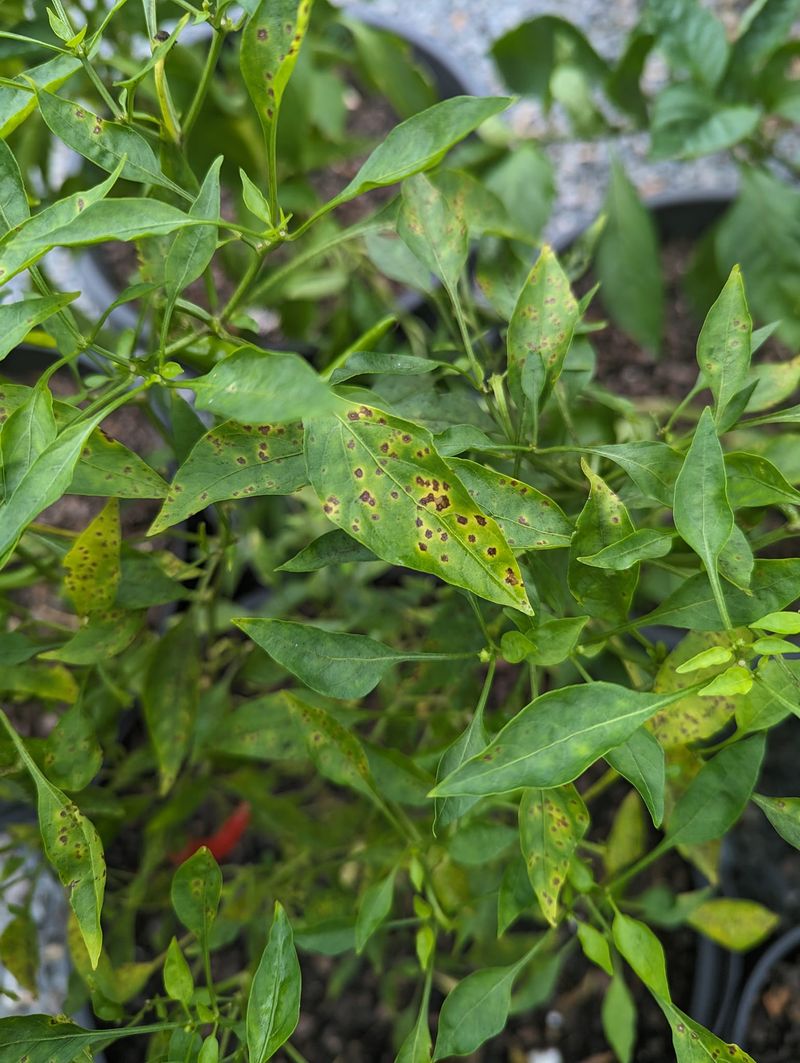
Aphids, thrips, and spider mites are three of the most common pest problems pepper growers face in North Carolina, and all three have the ability to stress plants badly enough to cause widespread flower drop.
These insects feed on plant tissue and sap, weakening the plant’s ability to support developing buds.
Thrips are especially problematic because they actually feed inside the flowers themselves, causing direct damage that leads to bud drop before the flower even fully opens.
Spider mites thrive in hot, dry conditions, making them a particular problem during North Carolina’s midsummer heat waves.
A heavy mite infestation can cause a plant to look dusty or bronzed on the leaf surface, and the stress of dealing with thousands of tiny feeders drains energy that the plant would otherwise put toward flowering.
Fungal diseases like Botrytis and bacterial leaf spot also contribute to flower drop when they spread to developing buds.
Early detection is the most powerful tool you have. Check the undersides of leaves weekly, especially during hot stretches, and look for tiny insects, webbing, or unusual spotting.
A strong spray of water removes many soft-bodied insects on contact. Neem oil applied in the early morning is an effective organic option for managing aphids, mites, and thrips without harming beneficial insects.
Keeping plants well-spaced, well-watered, and free of diseased foliage reduces the conditions that attract pests and keeps your pepper plants flowering confidently through the heat.