What Ohio Gardeners Plant Near Wooden Decks And Fences To Keep Carpenter Bees Away
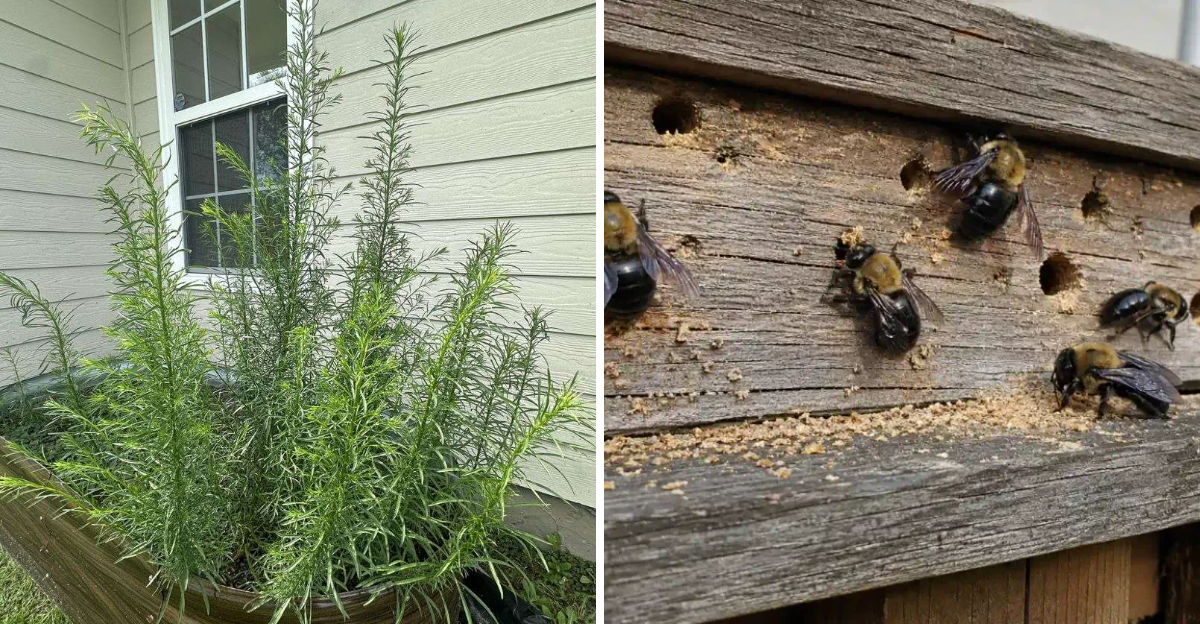
Carpenter bees and Ohio wooden structures have a relationship that homeowners did not agree to and cannot seem to end. The same deck gets drilled season after season, and the same fence boards take damage every spring.
Every deterrent tried buys a few weeks before the bees find their way back to the same spots. Most carpenter bee strategies focus on the wood itself.
Stains, plugs, traps, decoys. What rarely comes up is what grows nearby and whether it is pulling carpenter bee attention toward the structure or away from it.
Certain plants have scents and flower shapes that carpenter bees find far more appealing than wood. Positioned near a deck or fence, they give the bees somewhere better to be than the structure they keep targeting.
Not a complete solution on its own. But a yard that feeds carpenter bees well tends to be a yard where the wood takes less damage.
1. Plant Mint In Pots Near The Deck Edge
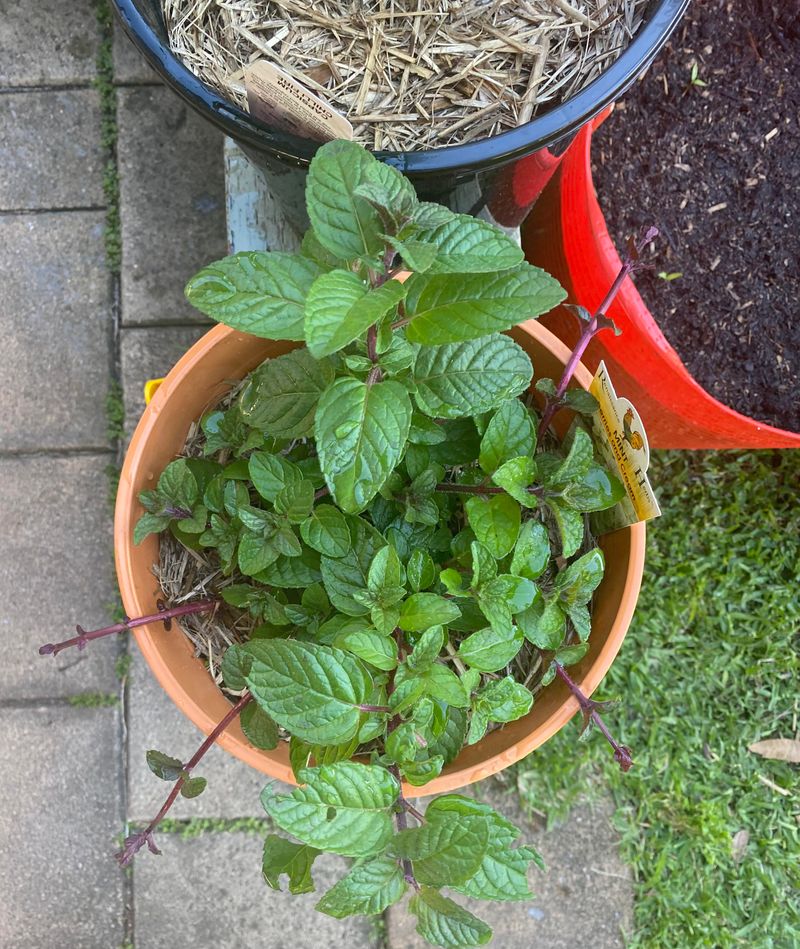
A pot of mint sitting near the deck steps can do more than flavor your iced tea on a summer afternoon. Ohio gardeners sometimes place mint containers along deck edges as part of a layered, scent-forward planting plan.
The strong fragrance is appealing to people and may make the immediate area feel less like a quiet nesting zone. However, mint is not a proven barrier against carpenter bees drilling into nearby boards.
The most important thing to know about mint is that it spreads aggressively. Planting it directly into a garden bed near your fence or deck can quickly turn into a maintenance headache.
Keeping it in containers gives you control over where it grows and how far the roots travel. Choose pots with drainage holes, use a quality potting mix, and water consistently so the plants stay healthy and fragrant all season.
Place mint containers where they receive at least partial sun, ideally four to six hours of direct light daily. Pinching back flower heads encourages bushier growth and keeps the scent strong.
Move pots away from boards during wet spells to avoid trapping moisture against the wood. Remember, sealed and painted deck surfaces are far more effective at discouraging nesting than any herb border.
Mint works best as one piece of a broader, wood-focused prevention plan.
2. Use Lavender Where Hot Dry Boards Bake
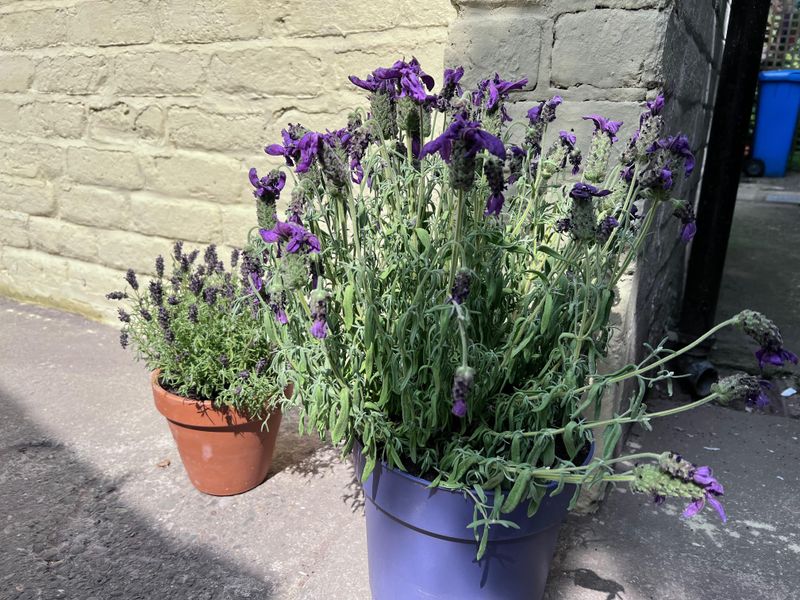
Few plants feel more at home along a sun-soaked fence line than lavender. On those long July afternoons, wooden boards absorb heat and bare wood practically invites nesting activity.
A well-placed lavender border can add color, fragrance, and a sense of a tidy, cared-for yard. Horticulture sources describe lavender as a sun-loving, drought-tolerant plant that thrives in well-drained soil.
That makes it a practical fit for the dry, exposed areas near fences and deck perimeters.
English lavender varieties tend to be more reliably cold-hardy in many local Ohio gardens compared to tender types like Spanish lavender. If you are unsure which variety suits your region, university extension sources or a local garden center can help you choose.
Your Ohio Garden Changes Every Week. Your Plan Should Too.
Gardening in Ohio changes quickly throughout the season. Every Friday you’ll receive a simple weekly plan showing exactly what to plant, prune, fertilize, harvest, and protect so you never miss the right timing.
Plant lavender in full sun with excellent drainage, and avoid soggy spots where standing water can rot the roots or encourage mold against nearby boards.
Keep lavender trimmed after blooming to maintain a compact, attractive shape. Give it room to breathe so it does not trap moisture against fence wood.
Lavender scent may contribute to a less inviting atmosphere near wooden surfaces. However, it does not replace the protection that painted or sealed wood provides.
Inspecting boards each season for round entry holes matters far more than the planting border alone.
3. Tuck Rosemary Beside Sunny Fence Lines
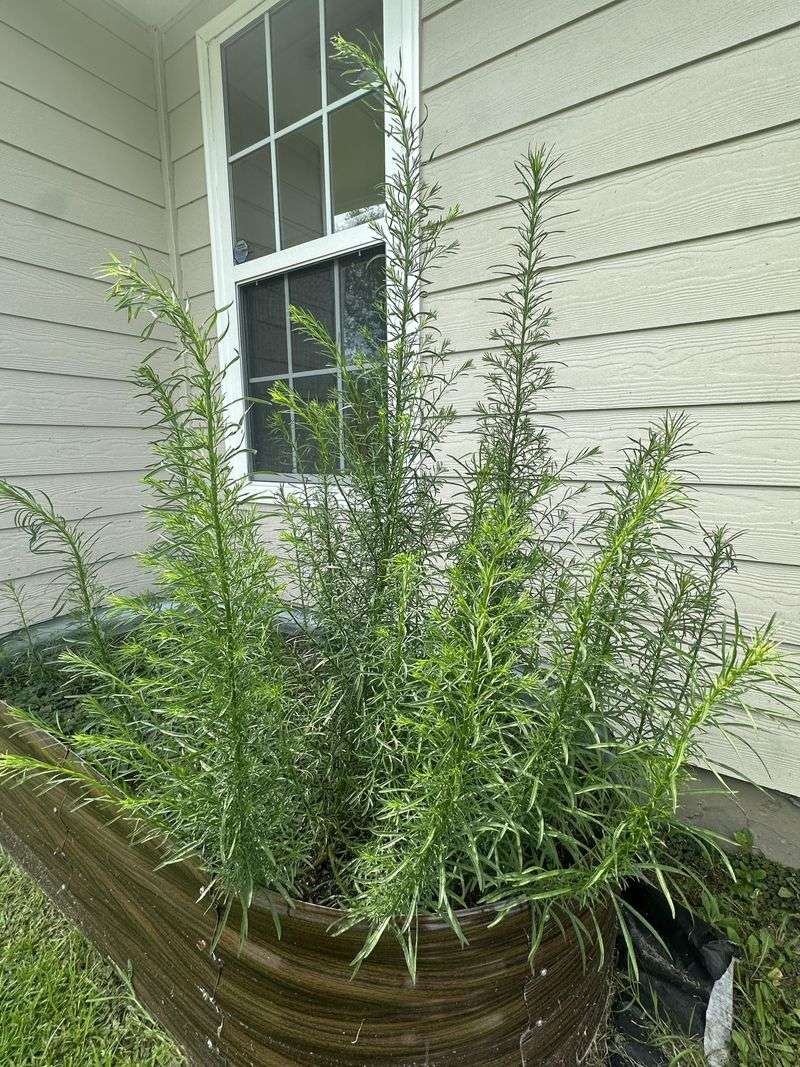
Reaching past a sun-warmed fence board to snip a sprig of rosemary for dinner is one of those small garden pleasures that makes the whole backyard feel purposeful.
Rosemary is a highly fragrant Mediterranean herb that Ohio gardeners sometimes tuck near sunny fence lines or deck borders as part of a scent-layered planting approach.
The piney, sharp aroma is noticeable to people, and some gardeners use it as a companion plant in high-traffic outdoor zones.
Before planting rosemary directly in the ground near your fence, check its hardiness carefully. Rosemary is not reliably winter-hardy across all parts of Ohio, particularly in northern regions where temperatures can dip well below freezing.
Growing it in containers gives you the flexibility to move plants indoors before the first hard frost. That protects your investment and keeps the herb productive for more than one season.
Place rosemary containers where they get at least six hours of direct sun each day. Use a well-drained potting mix and avoid overwatering, since rosemary dislikes wet roots.
Keep pots a few inches from fence boards to allow airflow and prevent moisture buildup. Rosemary scent may be one pleasant layer in your yard’s overall approach.
However, carpenter bee prevention still depends most heavily on protecting exposed wood through paint, sealant, and regular structural inspection each spring.
4. Add Basil Near Railings And Patio Doors
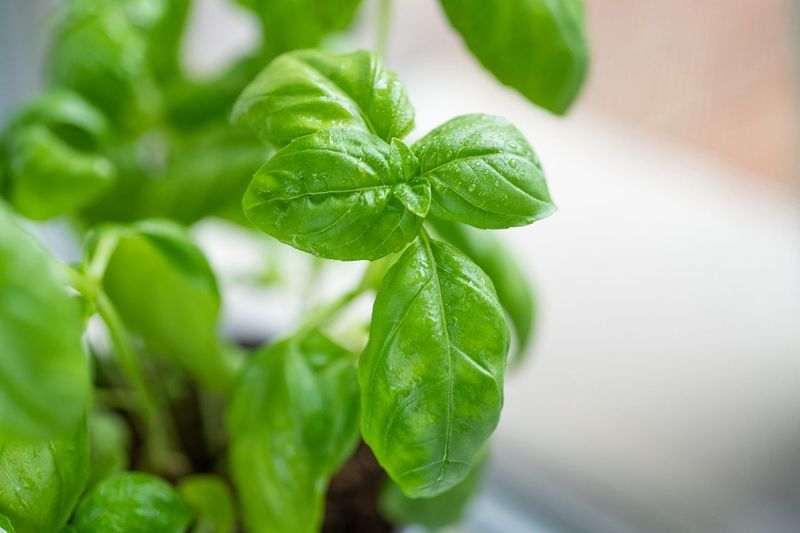
Stepping out the patio door and brushing past a pot of basil is one of summer’s most satisfying sensory moments. That bold, spicy fragrance fills the air instantly.
It is part of why some Ohio gardeners choose to keep basil containers near railings, steps, and high-traffic outdoor areas. Basil brings both a useful harvest and strong scent to the spaces closest to your home’s wooden surfaces.
Keep carpenter-bee expectations realistic here. Basil may contribute to a fragrant planting plan near your deck, but it is not a proven deterrent for nesting activity in structural wood.
What basil does do well is reward consistent attention. Harvest leaves regularly to keep plants bushy and productive.
Pinching off flower heads before they fully open encourages more foliage growth and keeps the scent concentrated throughout the season.
Basil is warm-season and frost-tender, so wait until nighttime temperatures stay reliably above 50 degrees Fahrenheit before setting pots outside. Water consistently because basil wilts quickly in dry heat.
Use containers so you can move plants easily if weather turns. Position pots where they do not block stairs or railings, keeping pathways clear and safe.
Most importantly, check your railings and deck boards regularly for round holes. Basil dresses up the space nicely, but sealed and painted wood does the real structural work of making those boards less appealing for nesting.
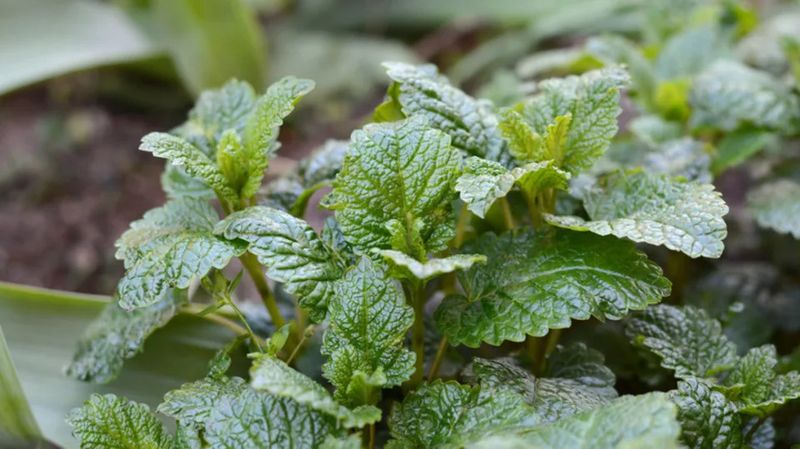
5. Keep Lemon Balm Contained Before It Spreads
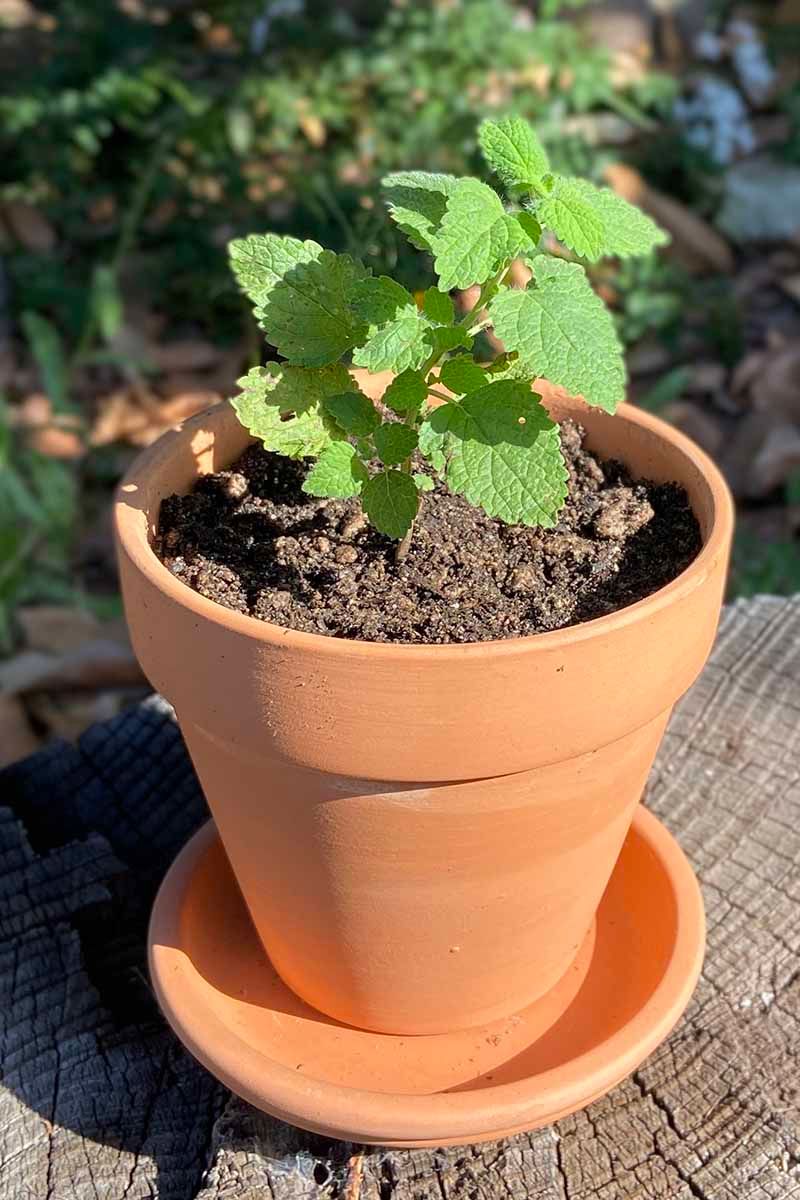
Anyone who has grown lemon balm without a plan quickly learns what the word “vigorous” really means in gardening.
This mint-family herb spreads readily by both roots and seed when conditions suit it, and a patch near a patio or fence can double in size before the season ends.
The fresh, citrusy scent makes it appealing near outdoor living areas, and some gardeners include it as part of a fragrant planting border around decks and fence lines.
Because lemon balm can become weedy in open beds, containers or clearly defined raised borders are the safer choice near patios. Cut the flower heads before seeds fully form if you want to slow its spread.
Use sturdy pots with drainage holes, and check regularly that roots are not escaping through the bottom into surrounding soil or mulch. A plant that takes over a bed creates a new maintenance problem and can trap moisture against nearby boards.
Place containers where they get partial to full sun, and water moderately since lemon balm tolerates some drought once established. Keep pots pulled slightly away from fence boards to allow airflow and prevent dampness from sitting against the wood.
As for carpenter bees, lemon balm scent may add to a layered planting approach, but it does not prevent nesting in unprotected wood.
Inspecting your fence boards and deck surfaces each spring and maintaining protective coatings remains the most reliable prevention step.
6. Let Marigolds Brighten High Traffic Wood Zones

A row of bold orange and yellow marigolds along a deck border or fence corner can make the whole yard look intentional and well-tended.
Marigolds are cheerful annuals that thrive in full sun, and they have long been part of pest-deterrent folklore in home gardens.
Their pungent scent is noticeable, which is likely why they appear so often in natural-pest-management discussions.
For carpenter bees specifically, the evidence is soft. Marigolds are not a proven structural deterrent, and planting them near a fence does not stop a bee from drilling into bare or weathered wood nearby.
What marigolds do offer is reliable color, easy care, and a tidy visual border that signals a maintained, active yard. Horticulture sources confirm marigolds are straightforward annuals for sunny spots with decent drainage.
That makes them a low-effort addition to any deck or fence planting zone.
Plant marigolds after the last frost date, give them full sun, and trim spent blooms to keep flowering going all season. Use them to frame deck steps, line fence corners, or fill gaps in a mixed fragrant border.
While you enjoy the color they bring, make it a habit to inspect nearby boards for round holes about the size of a dime.
Marigolds make a maintained wood zone look cared for and attractive, but painted and sealed surfaces are what truly reduce the appeal of those boards as nesting sites.
7. Seal Bare Wood Before Bees Start Drilling
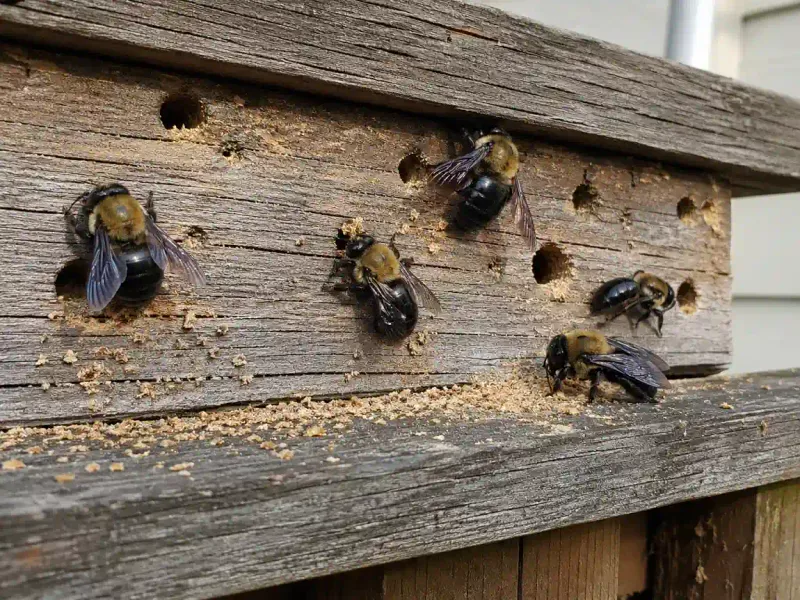
A weathered deck rail with peeling paint and rough, bare wood is practically an advertisement for carpenter bee nesting.
OSU Extension and university-level integrated pest management guidance consistently point to unprotected wood as the primary attractant.
Carpenter bees prefer to drill into soft, bare, or weathered wood for their nesting galleries. Sunny exposed boards are especially vulnerable during late spring when nesting activity peaks.
Painting or sealing exposed wood surfaces is the most source-backed prevention step available to homeowners. A quality exterior paint or wood sealant that fully covers the surface makes boards far less appealing for nesting.
University extension sources note that paint tends to offer stronger protection than stain alone, since stain may not fully seal the wood grain.
Inspect railings, fascia boards, pergola beams, fence boards, and the underside of deck structures each spring before activity begins.
Fill old holes only after the season has ended and galleries are confirmed empty, following OSU Extension or university guidance on timing and methods.
If active nesting is severe, consider consulting a qualified pest professional rather than attempting chemical treatments on your own.
Avoid broad insecticide use that could harm pollinators and other beneficial insects.
Carpenter bees play a real role in pollinating native plants and garden crops, so the goal is protecting your wood, not eliminating every bee in the yard.
Sealed, painted, and well-maintained surfaces are your strongest and most reliable line of defense.
8. Pair Fragrant Plants With Painted Protected Boards
A freshly painted fence line edged with pots of lavender and mint is more than just a pretty backyard scene. It represents the layered approach that makes the most sense for protecting wooden structures while keeping the yard welcoming and pollinator-friendly.
Fragrant plants may add mild discouragement to the immediate area, but their real value is in making a well-maintained space look and feel intentional.
Each spring, walk the perimeter of your deck and fence before planting season starts. Look for round holes about the size of a dime in railings, beams, fascia boards, and fence boards.
Touch up any spots where paint or sealant has worn, cracked, or peeled. Refreshing protective coatings regularly is far more effective than any planting border on its own.
University extension sources reinforce that bare and weathered wood is the main reason carpenter bees choose a particular structure.
When arranging fragrant plants near wooden surfaces, keep containers pulled a few inches away from boards to allow airflow. Trim any herb or flower growth that leans heavily against fences or railings, since trapped moisture can speed up wood deterioration.
Watch for new holes each season and address them promptly. Herbs and flowers can dress up the deck beautifully and add a layer of scent to the space.
But protected wood is what truly helps keep carpenter bees from treating your Ohio backyard structures like prime nesting real estate.