8 Full-Sun Container Plants That Survive Georgia Deck Heat All Summer
Georgia deck heat does not play fair.
By July, the boards feel like a skillet, the railing burns your hand, and every pot seems to dry out before lunch. One thirsty container can go from cute to crispy so fast it feels personal.
Most plants sold as “sun lovers” were not built for a Georgia deck with reflected heat, hot wind, and roots trapped in a baking pot.
That is why the right plant matters more than another desperate watering round.
Some container plants actually seem to perk up as the season gets meaner. They keep blooming, stay full, and make a deck look alive from Memorial Day through Labor Day, as long as the pot drains well and the watering stays steady.
So which plants can handle that much sun without turning your summer deck into a sad little plant hospital?
Start with tough bloomers and heat-happy foliage that do not panic when July leans hard. Give them room, drainage, and water, then let them show off all season.
1. Lantana Laughs At Deck Heat
That railing gets hot enough to fry an egg by noon, and somehow lantana just keeps blooming.
This tough shrubby annual is practically built for Georgia summers. It handles full sun, reflected heat off siding, and the kind of blazing afternoon light that reduces most other annuals to a sad puddle by August.
Lantana belongs in containers that are at least 12 to 14 inches wide.
Bigger pots hold more soil moisture, which matters because Georgia deck heat can drain a small pot in hours. Use a quality potting mix and make sure your container has solid drainage holes.
Soggy roots are one of the few things that can actually stop lantana in its tracks.
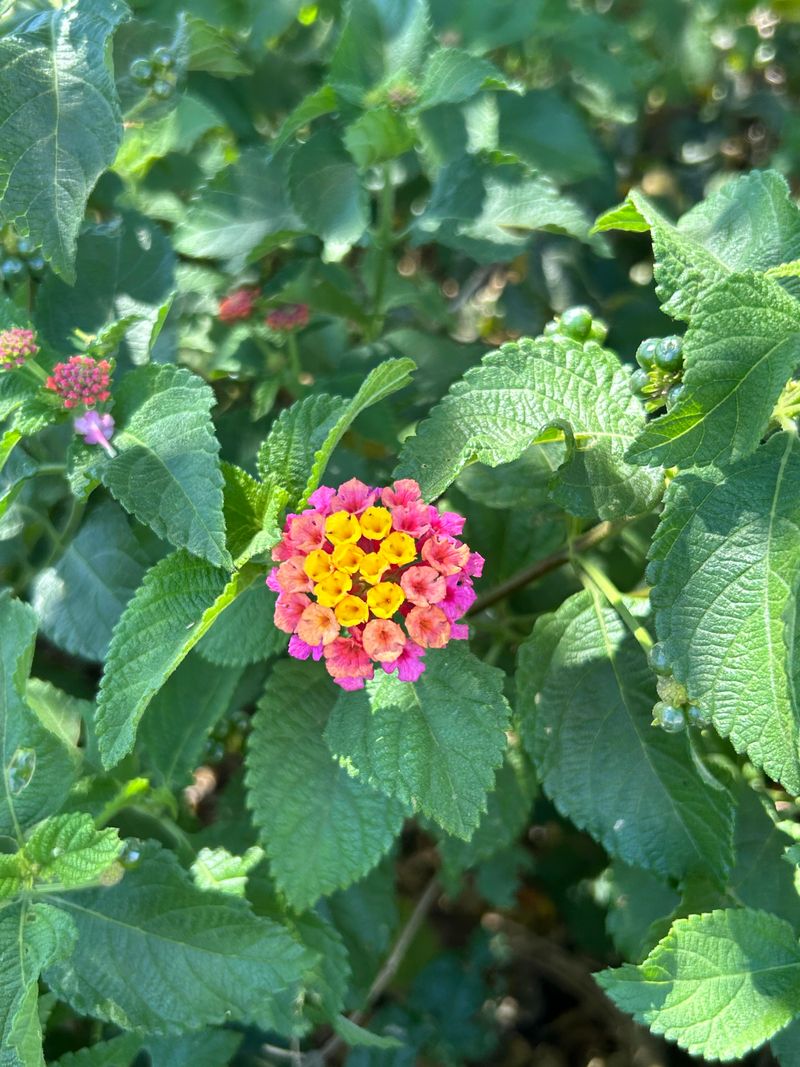
The flower clusters shift colors as they age, moving from yellow to orange to pink or red depending on the variety.
That color-changing habit gives one plant the look of several blooming at once. Compact varieties like Bandana or Luscious work especially well in pots without getting leggy.
Lantana is also a butterfly magnet. Swallowtails, skippers, and Gulf fritillaries will visit all season long.
Water deeply when the top inch of soil feels dry. Fertilize every two to three weeks with a balanced liquid fertilizer and lantana will reward you with color until the first frost taps it on the shoulder.
2. Pentas Keep Pollinators Visiting
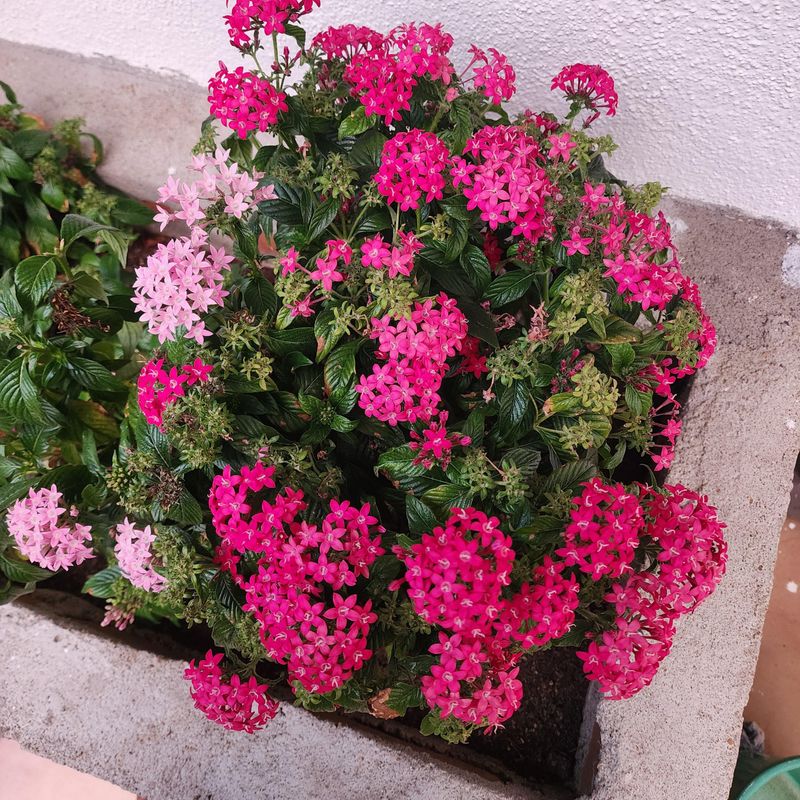
A butterfly landed on the pentas before the morning coffee was even poured.
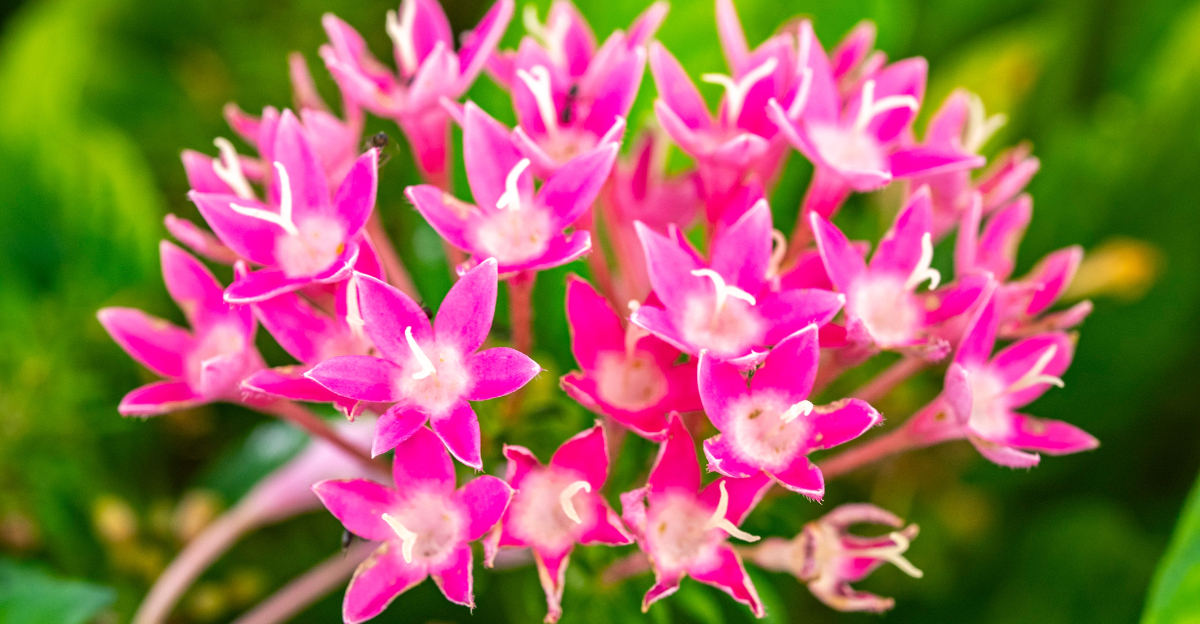
That kind of early activity is exactly what makes this plant so satisfying on a Georgia deck. Pentas, sometimes called star flower, produces tight clusters of tiny star-shaped blooms that pollinators simply cannot resist.
This plant runs on heat. The hotter and sunnier the spot, the better it performs.
It blooms continuously from late spring all the way through fall without needing much encouragement.
Pentas comes in red, pink, white, and lavender, so you can mix colors in a single large pot for a display that keeps changing as new blooms open.
Your Georgia Garden Changes Every Week. Your Plan Should Too.
Gardening in Georgia changes quickly throughout the season. Every Friday you’ll receive a simple weekly plan showing exactly what to plant, prune, fertilize, harvest, and protect so you never miss the right timing.
Choose containers at least 10 inches deep to give the roots room to settle in.
Good drainage is non-negotiable. Pentas does not like wet feet, and a pot that holds standing water will stall the plant fast. Water consistently, checking soil moisture every day or two during Georgia heat waves.
Feed pentas every two to three weeks with a balanced fertilizer to keep blooms coming strong.
If the plant starts looking a little stretched in late summer, cut it back by about one-third. It will bounce back quickly with fresh growth and a new flush of flowers.
UGA Extension recommends pentas as one of the most reliable heat-tolerant annuals for Georgia landscapes.
3. Angelonia Stays Upright And Bright
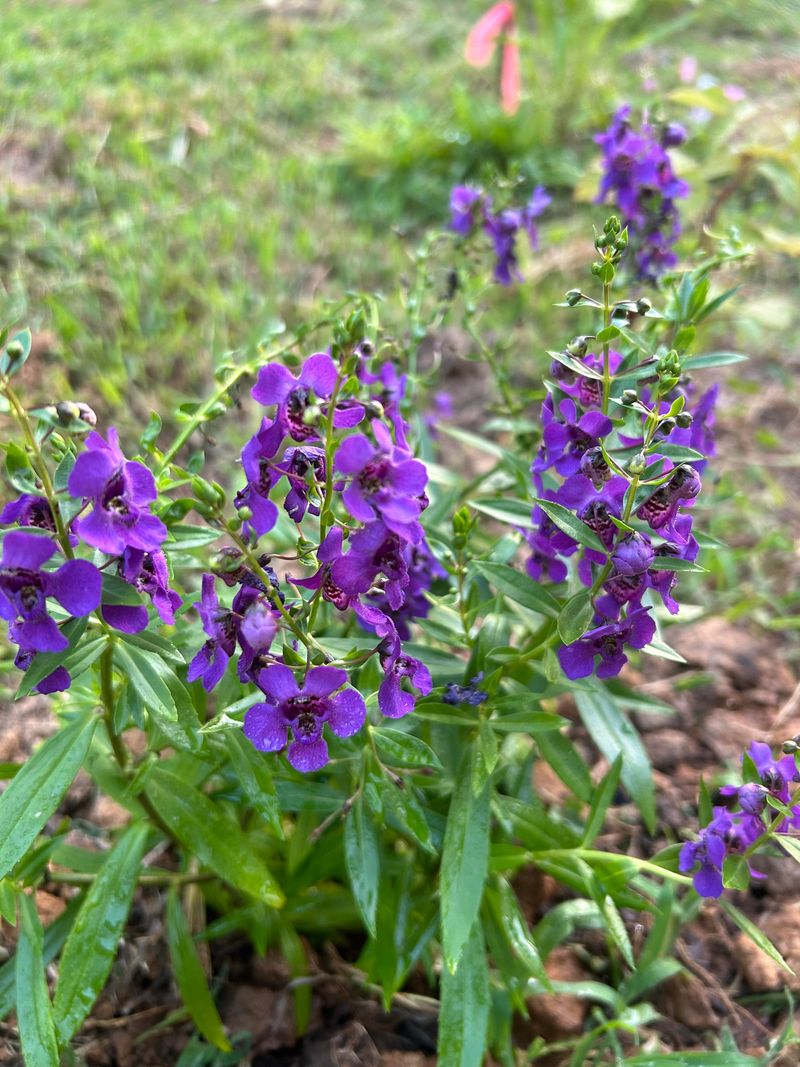
While other plants flop and fade by August, angelonia stands tall like it has something to prove.
Often called summer snapdragon, this underrated annual brings vertical structure to container arrangements without demanding much in return. It just blooms, all summer, without complaint.
Angelonia grows 12 to 24 inches tall depending on the variety, making it a solid thriller in a mixed container.
Pair it with trailing plants like scaevola or sweet potato vine and you have a polished, professional-looking pot that holds its shape even through the worst Georgia heat. The flower spikes come in purple, pink, white, and bicolors, adding real visual punch.
One of the best things about angelonia is its heat and humidity tolerance.
UGA Extension notes that angelonia thrives in hot, sunny conditions and handles the kind of sticky Georgia summers that make other annuals shut down. It even has a faint grape or vanilla scent that you catch when brushing past the stems.
Plant angelonia in a container at least 10 to 12 inches deep.
Use a well-draining potting mix and water when the top inch of soil is dry. Snipping off spent spikes keeps the plant tidy and encourages faster reblooming. Fertilize every two to three weeks for the strongest flower production all season long.
4. Portulaca Loves Hot Dry Pots
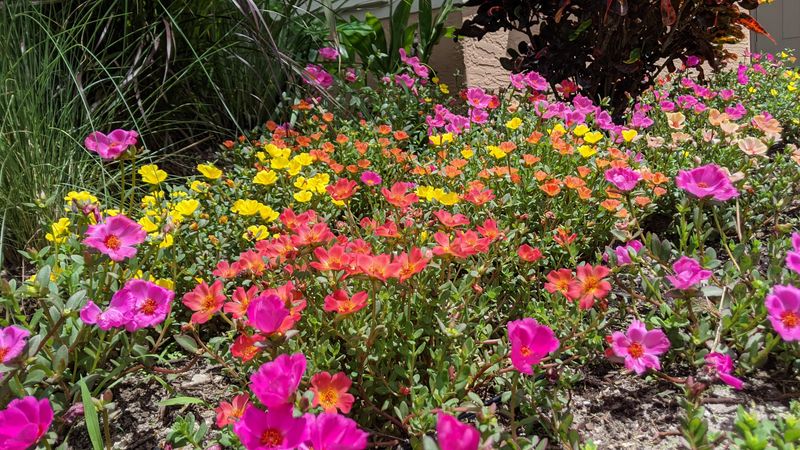
Forgot to water for three days during a Georgia heat wave? Portulaca probably did not even notice.
This succulent-leafed annual, also known as moss rose, stores moisture in its thick stems and leaves, giving it a built-in backup plan that most plants simply do not have.
Portulaca is made for the hottest, driest spots on a deck. It actually blooms better when the soil dries out between waterings.
Plant it in a shallow container with excellent drainage and full sun exposure, and it will reward you with a carpet of bright, silky flowers in shades of red, orange, yellow, pink, and white.
One thing to know is that portulaca flowers open in sunlight and close at night or on cloudy days.
That is totally normal behavior, not a sign of stress. Newer varieties like Pazzaz and Mojave have been bred to stay open longer, even on partly cloudy days, which makes them a strong choice for deck containers.
Use a sandy or gritty potting mix if possible, or mix perlite into standard potting soil to improve drainage.
Portulaca does not need heavy fertilizing. A light application of balanced fertilizer once a month is plenty. Overwatering and heavy soil are the two fastest ways to frustrate this plant.
Keep it lean, keep it sunny, and portulaca will bloom its heart out all summer.
5. Zinnias Bring Fast Summer Color
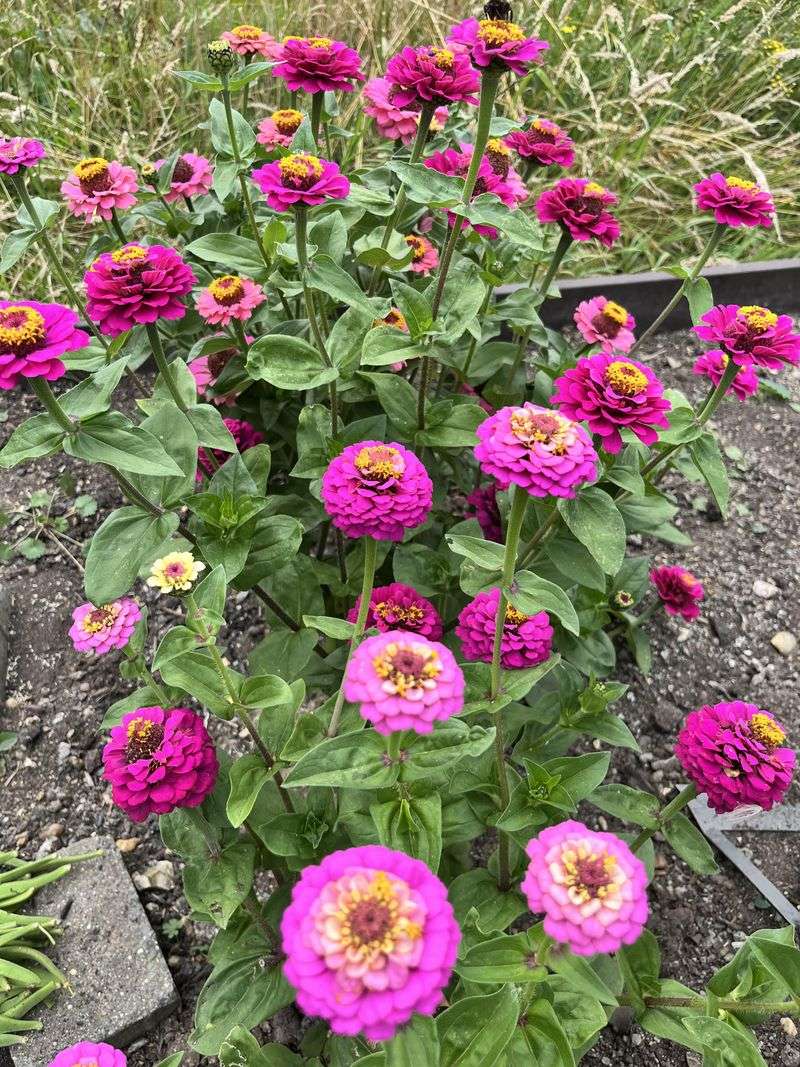
Seed to bloom in about eight weeks. That is the zinnia promise, and it delivers every single time.
Few annuals bring as much bold, saturated color to a deck container as quickly or as affordably as zinnias. They are the speed demons of the summer garden.
Zinnias love heat, and Georgia gives them plenty of it.
Plant them in a wide, deep container, at least 12 inches across, so roots have space to spread. They need full sun, at least six to eight hours a day, and consistent moisture.
The pot should drain freely because zinnias sitting in wet soil are prone to root concerns, especially in the high humidity of a Georgia summer.
Trimming spent blooms is the single most important task with zinnias.
When a flower fades, snip it off just above the next leaf node. That simple cut tells the plant to push out more blooms instead of putting energy into seeds.
Do this regularly and your zinnias will keep flowering from late spring through the first cool nights of October.
Choosing mildew-resistant varieties like Zahara or Profusion makes a real difference in Georgia’s humid conditions.
Space plants so air can move between them, and water at the base rather than overhead. A balanced fertilizer applied every two to three weeks keeps plants vigorous and blooming.
Zinnias also make excellent cut flowers, so snip a few for a vase and enjoy them indoors too.
6. Vinca Handles Harsh Afternoon Sun
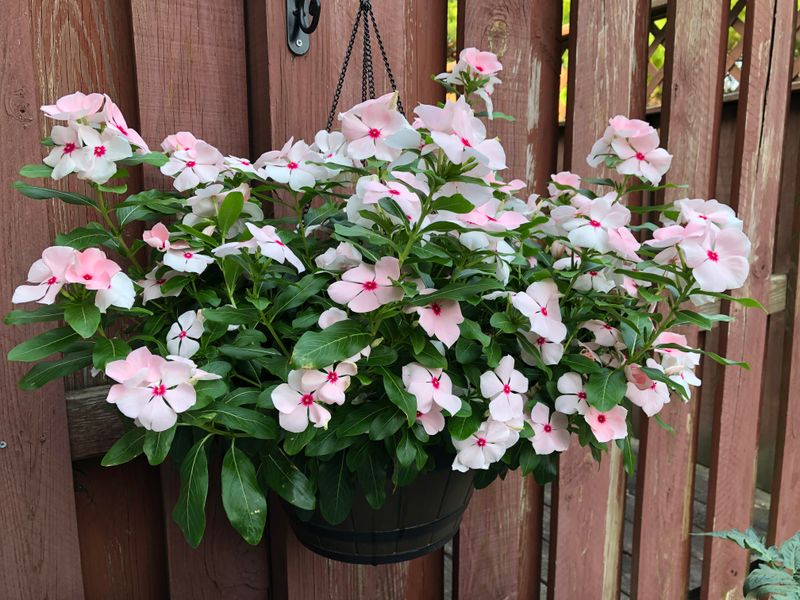
Three in the afternoon, the deck thermometer reads 97 degrees, and the annual vinca looks completely unbothered.
Annual vinca, also called catharanthus or periwinkle, is one of the most heat-resilient flowering plants you can put in a Georgia deck container, and it earns that reputation every summer without much fuss.
The glossy dark green leaves reflect light beautifully, and the flowers come in white, pink, red, coral, and bicolor combinations.
Vinca blooms continuously without trimming, which makes it one of the lower-maintenance options on this list. It just keeps going, producing new flowers all on its own through the hottest weeks of the year.
Drainage is critical with annual vinca.
It is susceptible to aerial phytophthora, a fungal issue that shows up when soil stays too wet for too long.
UGA Extension strongly recommends well-draining soil and containers with good drainage holes. Do not let pots sit in standing water, especially during rainy stretches in summer.
Varieties in the Cora, Titan, and Mega Bloom series are bred specifically for heat tolerance and disease resistance, making them smart picks for Georgia conditions.
Water when the top inch of soil is dry. Fertilize every two to three weeks with a balanced or bloom-boosting fertilizer.
7. Scaevola Trails Without Fuss
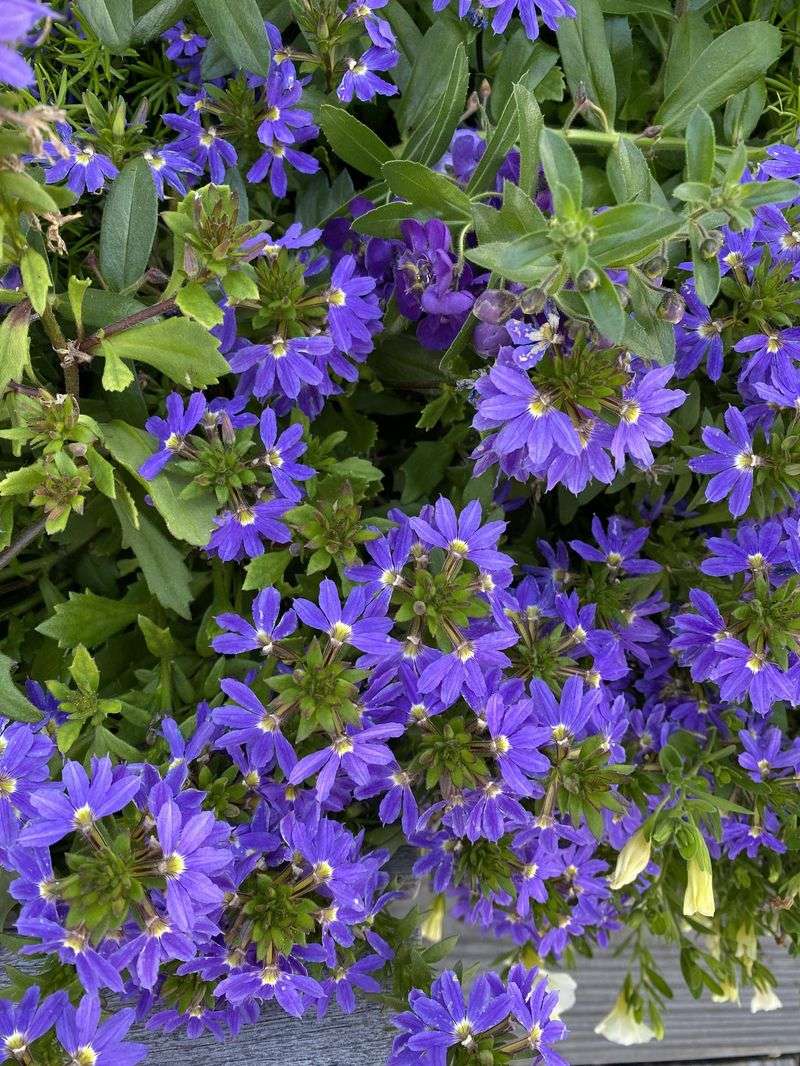
A pot on the deck railing, cascading blue-purple flowers spilling over the edge without a single faded bloom in sight.
That is scaevola doing exactly what it does best. This Australian native is built for heat, coastal wind, and relentless sun, which means Georgia summers barely slow it down.
Scaevola, also called fan flower, gets its name from the unusual half-fan shape of each bloom.
It is a trailing plant, making it perfect for the edges of mixed containers, hanging baskets, or window boxes where you want something to drape downward with natural grace.
The blue and purple color range is genuinely rare among heat-tolerant annuals, which makes scaevola stand out in any deck arrangement.
It blooms from spring to frost without needing trimming.
The plant self-cleans, dropping spent flowers on its own and pushing out new ones continuously. That makes it one of the most hands-off options for a busy deck gardener who wants color without constant maintenance.
Plant scaevola in containers with excellent drainage and a quality potting mix.
Water consistently, checking soil moisture every day or two in peak summer heat. Fertilize every two to three weeks with a balanced liquid fertilizer.
Scaevola pairs beautifully with upright plants like angelonia or pentas in mixed pots, creating a full, layered look that stays attractive from May through October.
8. Sweet Potato Vine Fills The Spill
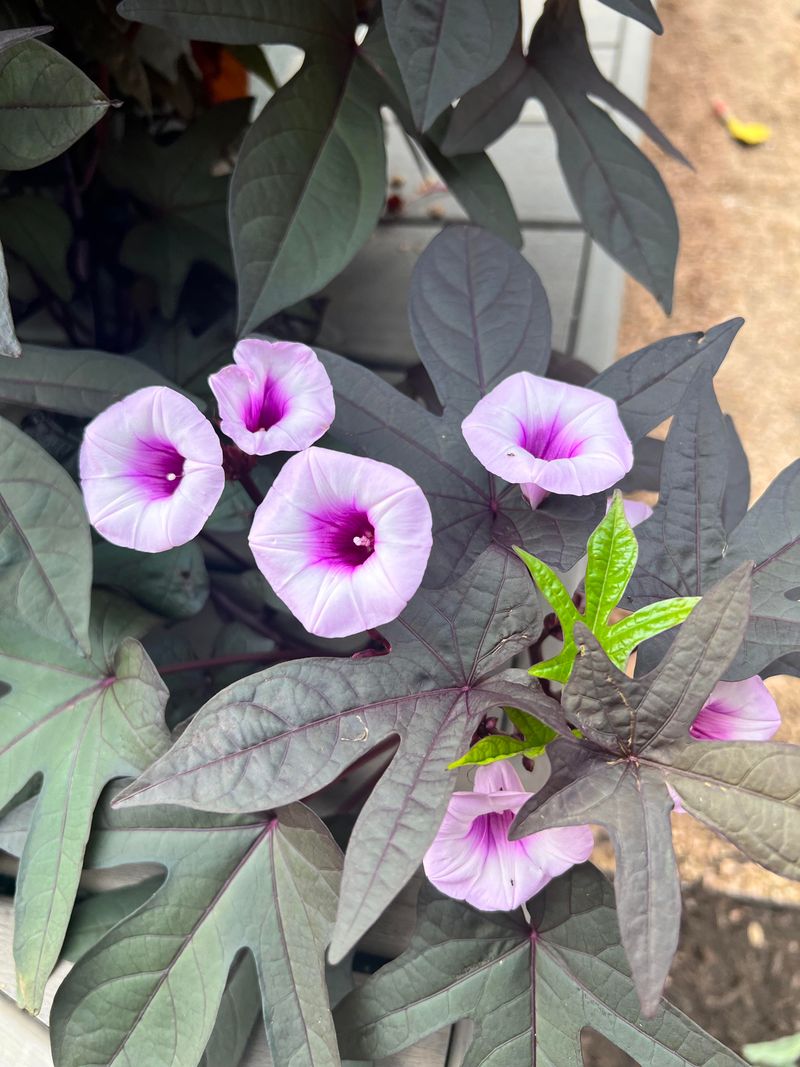
Nothing fills a container edge quite like sweet potato vine going full throttle in July heat.
The leaves are bold, the vines are fast, and the color choices range from electric chartreuse to deep burgundy to almost black.
It does not bloom in any showy way, but the foliage alone is enough to make a pot look lush, layered, and professionally designed.
Sweet potato vine thrives in full sun and heat.
In fact, the hotter the spot, the more vigorously it grows. On a Georgia deck, it can easily trail two to three feet out of a container by midsummer. That makes it an ideal spiller in the classic thriller-filler-spiller container formula.
Pair chartreuse varieties like Margarita or Sweet Caroline Light Green with bold upright bloomers like zinnias or lantana for striking contrast.
Deep-colored varieties like Blackie or Sweet Caroline Purple look dramatic next to bright white or pale pink flowers. Mixing leaf shapes and colors in one pot creates a display that holds visual interest even between bloom cycles.
Plant sweet potato vine in a large container, at least 14 to 16 inches wide, to give the roots space to spread.
This plant is thirsty in peak heat and will wilt noticeably if the pot dries out completely. Fertilize every two to three weeks.
Trim back runners that get too long to keep the container looking tidy and proportional through the end of summer.