What Old Ohio Farmhouse Gardens Did That Modern Gardens Have Completely Forgotten
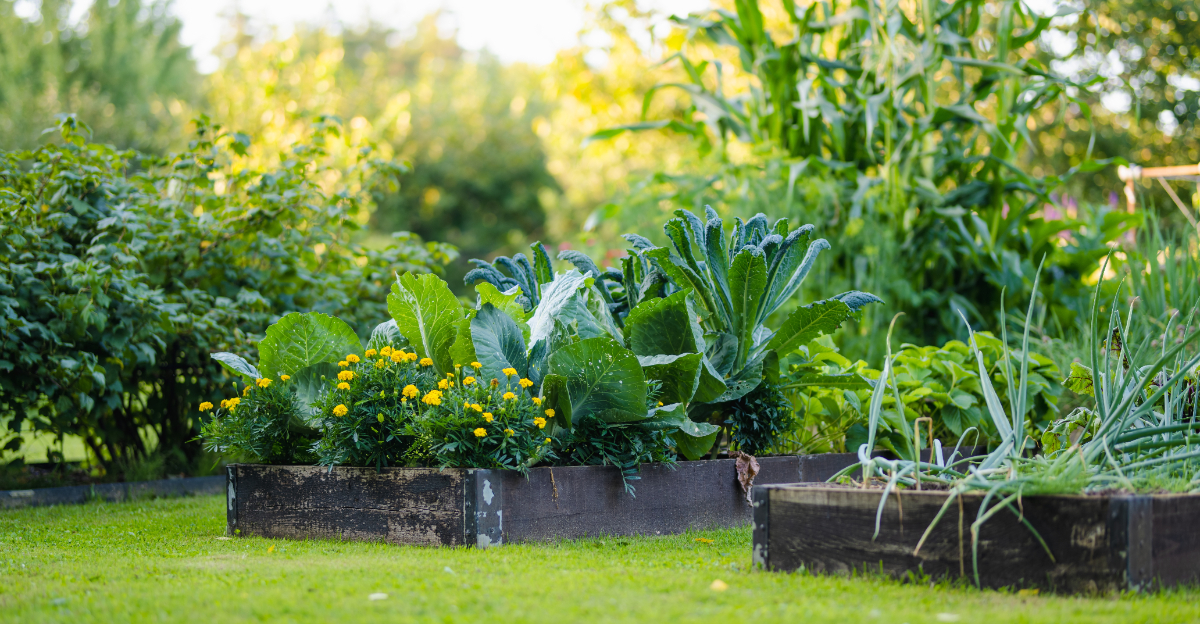
Ohio farmhouse gardens from a century ago were not pretty by accident. They were practical first.
The beauty came from that practicality in ways most modern gardens have traded away without realizing what they lost. The people who kept those gardens were not following trends.
They were solving problems. And the solutions they landed on held up for generations.
Modern Ohio gardens have more products, more information, and more plant options than any farmhouse gardener ever had access to. They also have more pest pressure, more soil problems, and more maintenance than most homeowners want.
The old gardens had answers that never made it into mainstream gardening culture. Companion planting logic, soil practices, structural choices that produced results modern approaches keep trying to replicate with products instead of principles.
Some of what was forgotten is worth remembering.
1. Plant Food Flowers And Herbs In One Working Bed
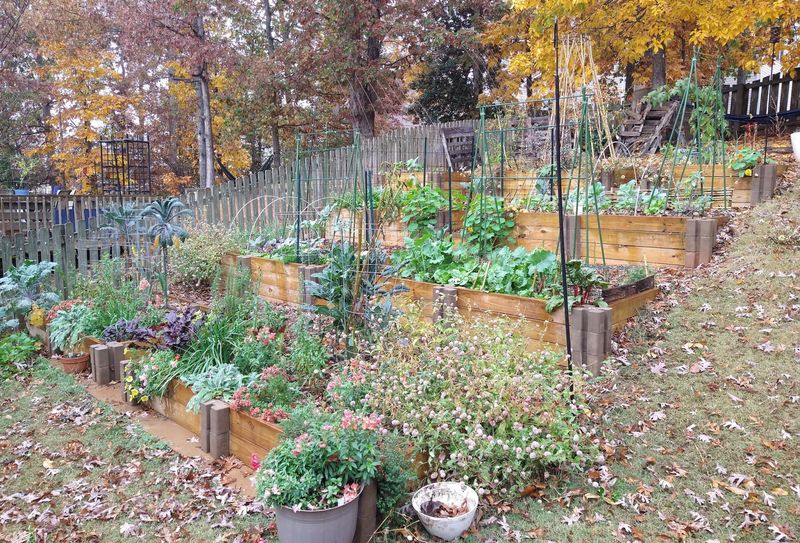
A row of beans beside a cluster of zinnias might look casual, but that combination was a deliberate choice in many old working gardens. Mixing vegetables, herbs, and flowers in one bed was not a design trend.
It was a practical system that made the most of available space, sunlight, and daily harvest time. Polyculture planting means growing different plant types together.
It can support soil health, attract beneficial insects, and give gardeners more flexibility in small spaces.
Old farmstead beds often included a useful flower like calendula or marigold growing at the end of a vegetable row. Herbs like dill or parsley tucked between crops added fragrance and drew in pollinators without crowding the main harvest.
The goal was not a perfect arrangement. The goal was a bed where almost every plant earned its spot.
Modern gardeners can adapt this idea easily in raised beds or small plots. Keep spacing appropriate for each plant so airflow stays good and harvesting stays easy.
Do not overcrowd hoping that more plants will automatically help each other. Choose companions that share similar water and sun needs.
Mixing food, flowers, and herbs in one working bed does not require a big yard. It just requires thinking about each plant as part of a useful whole rather than placing it for looks alone.
2. Keep The Kitchen Garden Steps From The Back Door
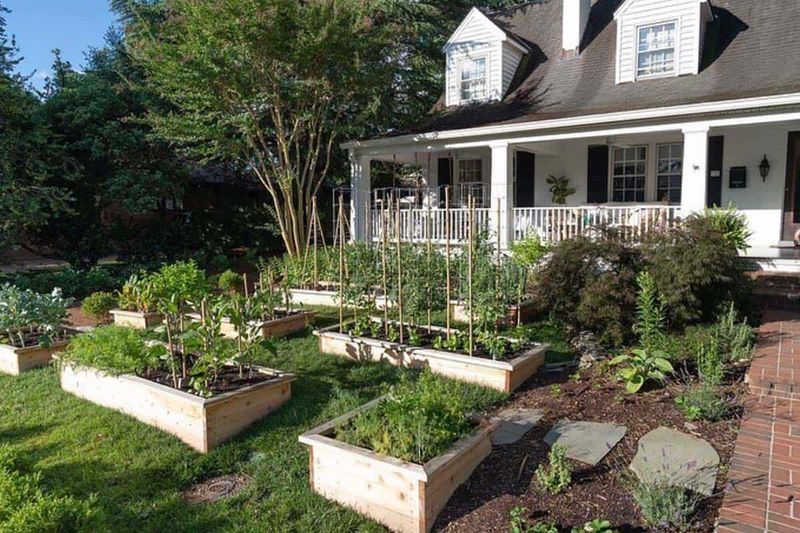
Picture a worn path from the back door to a small patch of herbs, onions, and greens. That path existed on countless old homesteads across Ohio because convenience was not a luxury.
It was the reason a plant actually got harvested. When cooking herbs, salad greens, or green onions grew within a few steps of the kitchen, families used them every day.
When those same plants were planted far across a large yard, they were often forgotten until they bolted or went to seed.
Historical society records and agricultural history sources describe kitchen gardens as a core feature of working homesteads. These small, intensively planted areas near the house supplied everyday ingredients without requiring a long walk.
OSU Extension has noted that placement affects how consistently gardeners maintain and harvest plants. A garden that is easy to reach is a garden that actually gets used.
Your Ohio Garden Changes Every Week. Your Plan Should Too.
Gardening in Ohio changes quickly throughout the season. Every Friday you’ll receive a simple weekly plan showing exactly what to plant, prune, fertilize, harvest, and protect so you never miss the right timing.
Modern homes can apply this principle on any lot size. Place frequently used herbs like parsley, basil, chives, or thyme near a kitchen door, a patio edge, or a walkway you pass daily.
Keep greens and small crops close to a water source so watering stays quick. Even a few containers near a back step can serve as a working kitchen garden.
The key is not the size of the space. The key is putting the plants you reach for most in the place you will actually reach them.
3. Grow Herbs For Cooking Preserving And Everyday Use
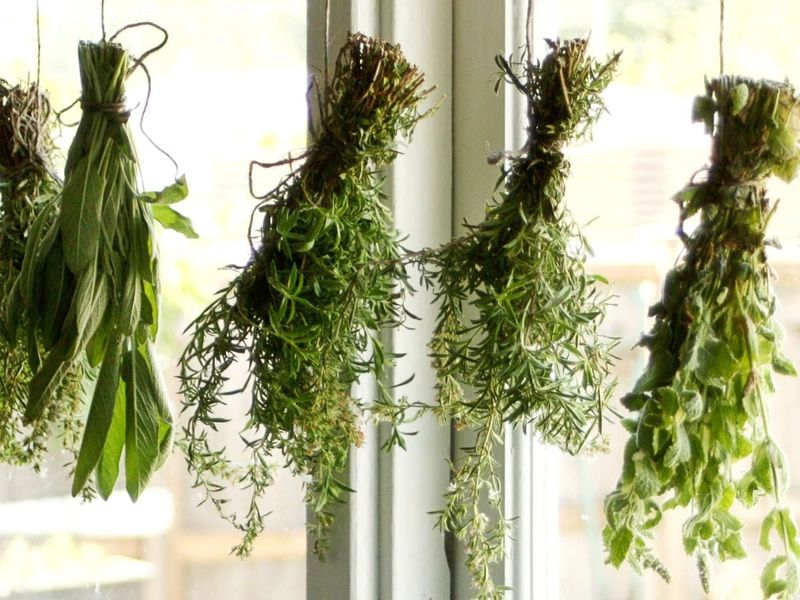
Herbs were workhorses in old farmhouse gardens. They did not sit in decorative pots waiting to be admired.
They were harvested regularly for cooking, dried in bundles for winter use, and tucked into pantry shelves alongside preserved vegetables. Parsley, sage, thyme, and dill were common in gardens across Ohio because they were genuinely useful in the kitchen.
They were also easy to grow in the region’s varied climates, from northern clay soils to milder southern areas.
Dill earned its place not just as a flavoring but as a pickling herb used when putting up cucumbers and beans for winter. Sage and thyme dried well and kept their flavor through cold months.
OSU Extension recommends harvesting herbs before they flower for the best flavor, and drying them in a warm, well-ventilated space away from direct sunlight.
These are habits that old farmstead gardeners followed naturally because their food supply depended on getting the harvest right.
Mint is worth growing but worth containing. It spreads aggressively and will take over a bed if planted directly in open soil.
Grow it in a buried pot or a contained edge to keep it manageable. Choose herbs your household will genuinely use.
A small, well-tended herb patch of five or six varieties you actually cook with will serve you far better than a large collection of plants that never get touched.
4. Let Flowers Earn Their Place Beside Vegetables
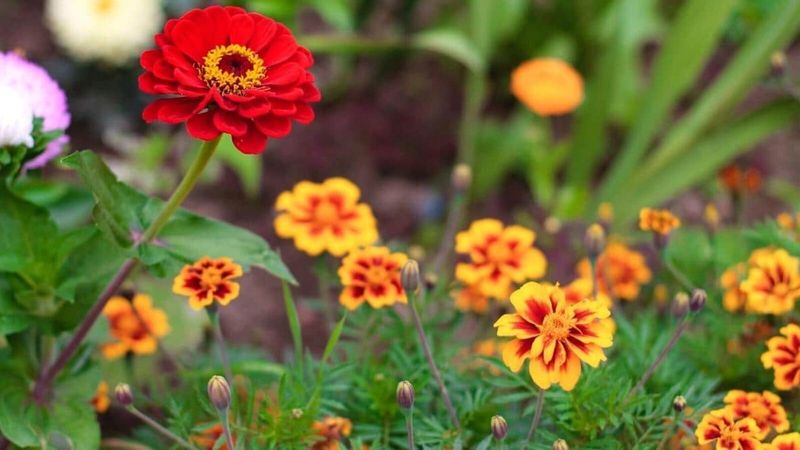
Hollyhocks standing tall along a fence beside a row of tomatoes was not an accident of old farmhouse style. Flowers in working gardens had jobs.
They attracted pollinators that helped fruit set on vegetable crops. They supplied cut flowers for the house.
They marked bed edges and kept paths clear. Some, like calendula, had a long history of use in household preparations.
Old farmstead gardeners did not separate beauty from usefulness the way many modern gardens do.
Marigolds have been grown near vegetables for generations, though the old claim that they repel all pests is oversimplified. Horticulture experts do note that French marigolds can deter certain nematodes in the soil when planted densely.
More reliably, bright flowers like zinnias and cosmos draw in bees and other beneficial insects that support pollination across the entire garden.
Cockscomb, hollyhocks, and native wildflowers added color while pulling in pollinators that benefited nearby crops.
Place flowers at the ends of vegetable rows, along path edges, or near the garden entrance where they get full sun and do not shade shorter crops. Give them enough space so they do not crowd vegetables or block airflow.
Zinnias and marigolds are easy to grow from seed, inexpensive, and reliable across most of Ohio. Let a few go to seed at the end of the season and you may not need to buy transplants the following year.
Flowers that work are worth every inch of space they take.
5. Save Seeds From Plants That Proved Themselves
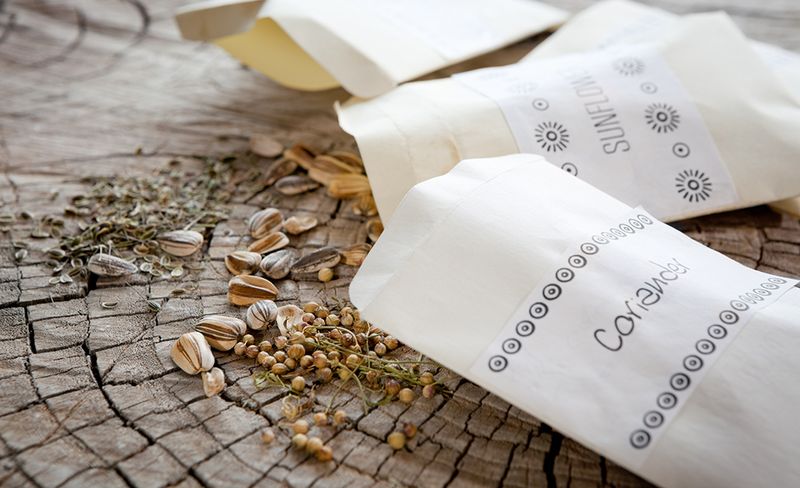
A seed envelope on a windowsill in late summer tells a quiet story. Someone decided that plant was worth keeping.
Old farmstead Ohio gardeners saved seed from the plants that performed best in their own soil and weather, not from catalog descriptions or outside recommendations. A tomato that set fruit well in a wet summer was worth saving from.
So was a bean that produced heavily on a dry hillside or a squash that stored without rotting through winter.
Seed-saving works best with open-pollinated and heirloom varieties. These plants pass their traits reliably to the next generation.
Hybrid varieties, labeled F1 on seed packets, do not produce true-to-type offspring, so saving seed from hybrids often gives unpredictable results.
University extension sources and seed-saving organizations like Seed Savers Exchange recommend letting seed mature fully on the plant before collecting.
They also recommend drying seed thoroughly before storage to prevent mold.
Corn, squash, and brassicas can cross with nearby relatives. Gardeners saving seed from these plants should follow isolation distance guidelines from extension or seed-saving sources.
Store dried seed in labeled paper envelopes in a cool, dry, dark location. Check viability each spring by germinating a few seeds on a damp paper towel before planting the full batch.
Seed-saving is not complicated, but it does reward patience and careful attention to detail that old farmstead gardeners understood well.
6. Use Every Sunny Corner Before Buying More Land
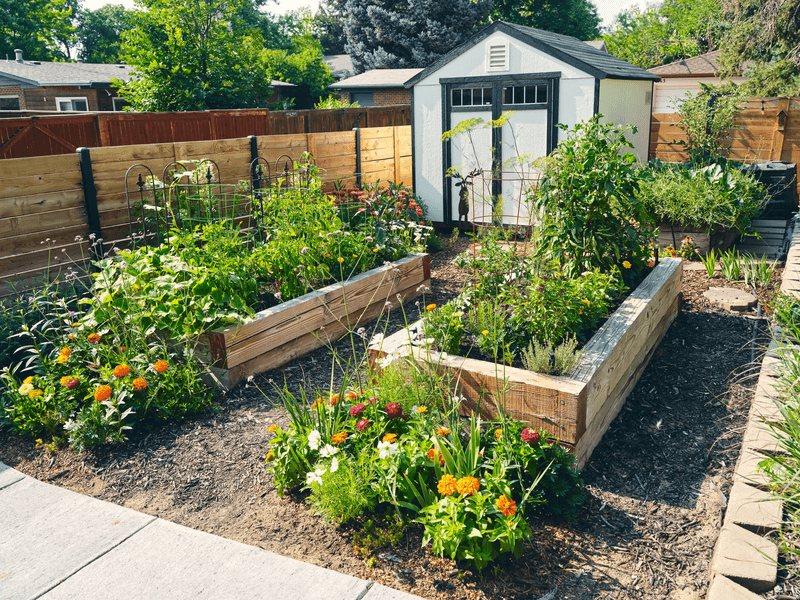
Sunny corners, fence lines, and narrow strips along paths were not wasted on old homesteads. Every patch of good sunlight was a potential growing space when the garden needed to feed a household through the seasons.
This habit of looking at the whole yard and asking where something useful could grow is one of the most practical lessons from old farmstead gardening. It is also one of the easiest to bring back on a modern lot.
Start by walking your yard at midday and noting where full sun falls for six or more hours. A south-facing fence line can support pole beans or cucumbers on a simple trellis.
A sunny strip beside a driveway can hold a row of annual herbs or compact flowers. Steps and walkways can have containers tucked beside them without blocking foot traffic.
Vertical growing on fences and trellises multiplies usable space without requiring more ground area.
Respect plant spacing even when working in tight spots. Crowding plants to fit more into a corner often leads to poor airflow, disease pressure, and smaller harvests.
Compact varieties of tomatoes, peppers, and greens are bred for small spaces and work well in overlooked sunny pockets. Also consider drainage and access before planting a new area.
A corner that stays wet after rain or sits too close to a property line may need a different solution. Work with the space honestly and it will reward you well.
7. Build Soil With Scraps Leaves And Barnyard Lessons
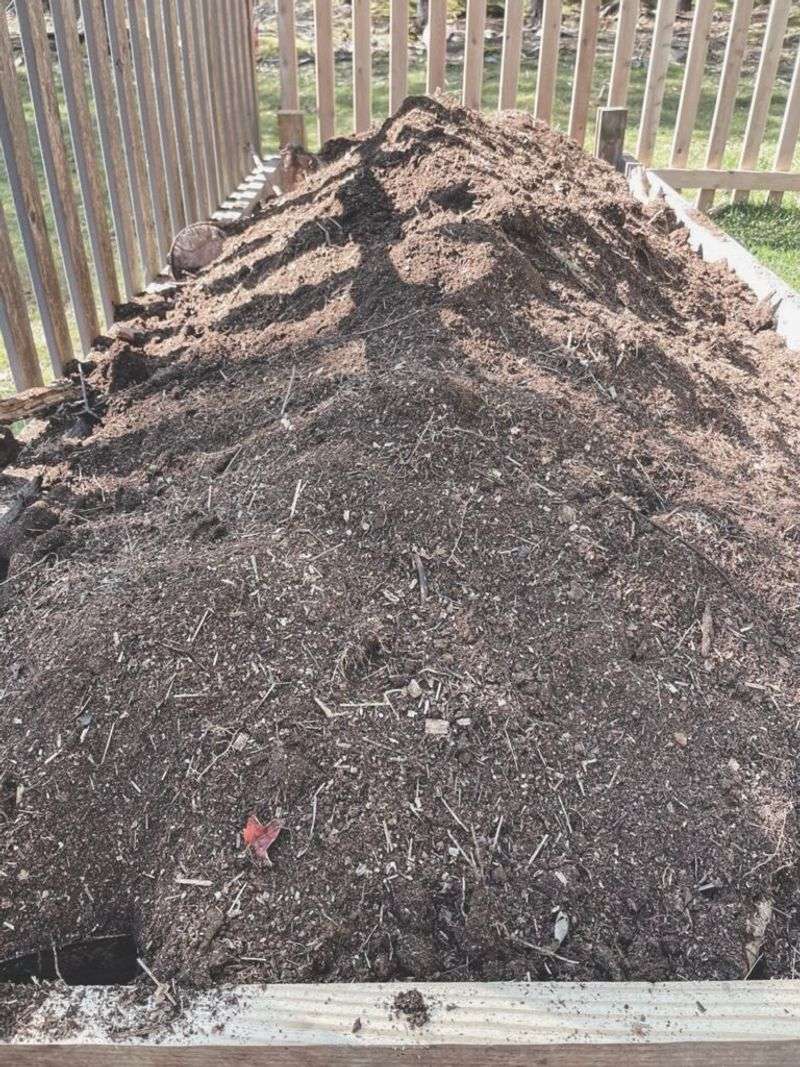
Rich, dark compost at the bottom of an old pile was worth more than any bag of fertilizer to a farmstead gardener. Old homesteads built soil over years by returning organic matter back to the ground.
Fallen leaves, kitchen vegetable scraps, plant clippings, and where available, aged manure from farm animals, went back into the soil to feed the next season’s crops. The result was not instant, but it was lasting.
Healthy soil held moisture better, supported more earthworms, and grew stronger plants over time.
Modern gardeners can follow the same principle safely. Finished compost from a backyard bin or a municipal compost program improves soil structure and feeds soil biology without the risks that come with raw materials.
Shredded leaves are one of the best free soil amendments available in most yards each fall. OSU Extension recommends incorporating shredded leaves into garden beds or using them as mulch to suppress weeds and retain moisture through the growing season.
Manure requires careful handling near edible crops. Food-safety guidance from university extension sources recommends using only well-aged or commercially composted manure in vegetable gardens.
It also recommends avoiding fresh manure on beds where crops will be harvested within 120 days. Do not compost meat, grease, or dairy in open piles, as these materials attract rodents and create safety concerns.
Building soil is a slow process, but every shovel of finished compost you add today is an investment the garden will return season after season.
8. Make The Garden Useful Before Making It Perfect
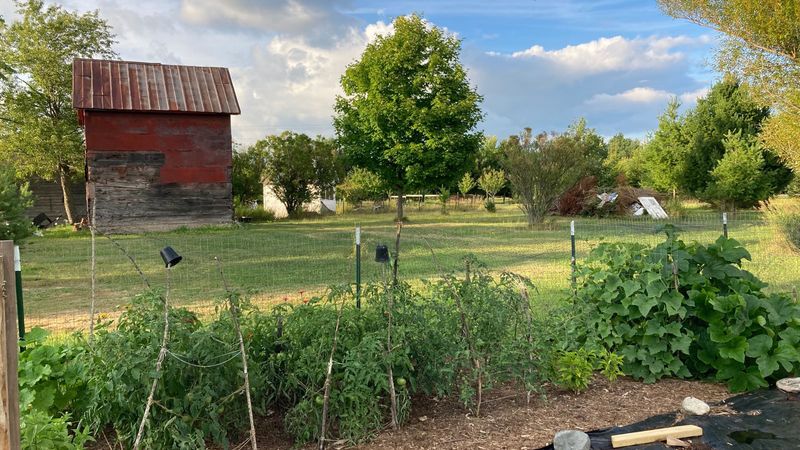
A harvest basket sitting on a worn garden path says more about a good garden than a perfectly edged bed ever could.
Old farmstead gardens were judged by what they produced, how reliably they supplied the kitchen, and how well they held up through a tough summer.
Appearance mattered, but it came second to function. A plant that produced well, stored well, and grew back reliably next year was worth keeping regardless of how it looked in the middle of the season.
Modern gardeners sometimes spend more energy on the look of a garden than on what the garden actually does. Paths get edged.
Mulch gets raked smooth. But the herbs go unharvested, the tomatoes split on the vine, and the compost bin sits empty.
Shifting focus toward usefulness changes the whole experience. Choose plants with a clear purpose in your household.
Harvest often, because regular picking encourages most crops to keep producing. Let a few flowers go to seed at the end of the season so they return next year without extra cost.
Keep paths clear and accessible so the garden stays easy to work in. Compost regularly and safely to keep soil improving each season.
Allow the garden to be a little imperfect and a little lived-in, because that is what a working garden looks like. The old farmhouse lesson worth carrying forward is simple.
A garden becomes beautiful not because every inch is manicured, but because it works, feeds, and gives back season after season.