The Invasive Tree Spreading Spotted Lanternfly Through Ohio Yards
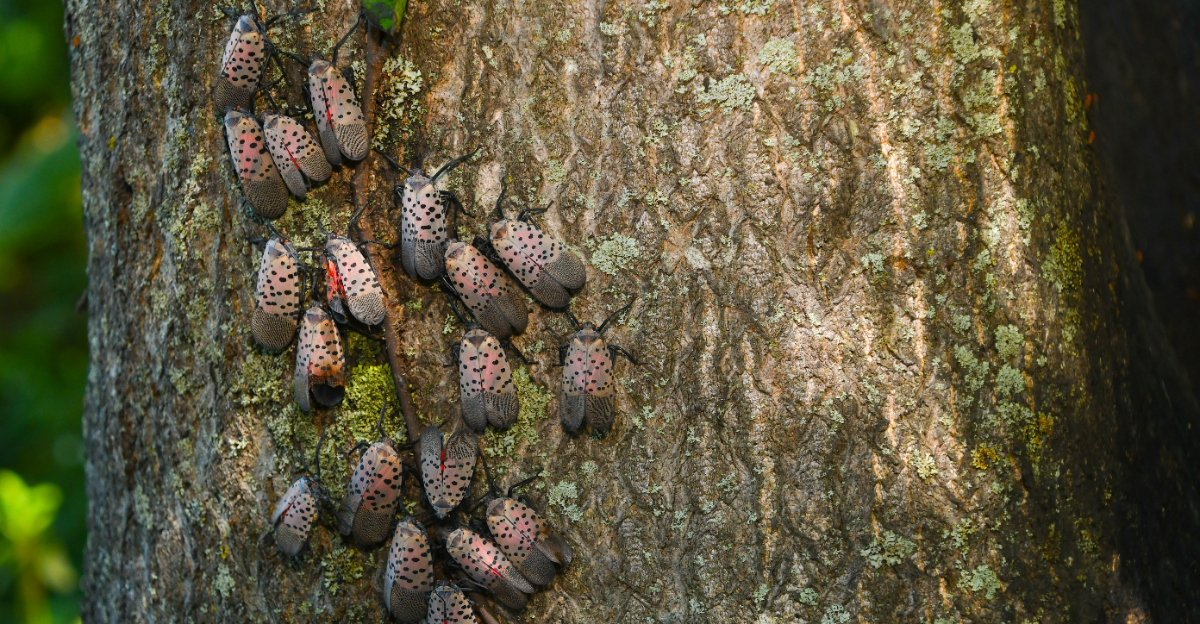
Spotted lanternfly has become one of Ohio’s most serious pest concerns, and most of the conversation focuses on the insect itself. What gets far less attention is the tree that makes the whole problem possible.
Without it, spotted lanternfly populations collapse. With it, they thrive, spread, and move into new territory faster than any control effort can keep up.
That tree is already growing in Ohio yards across the state. Sometimes planted on purpose.
More often it arrived uninvited and got mistaken for something harmless before it had a chance to establish. It is not a subtle plant once you know what to look for.
Most Ohio homeowners have no idea what role it plays in the spotted lanternfly story. A tree that should come out immediately keeps standing because nobody connected the dots.
That connection is worth making before another season passes.
1. Tree-Of-Heaven Is The Invasive Tree To Watch First
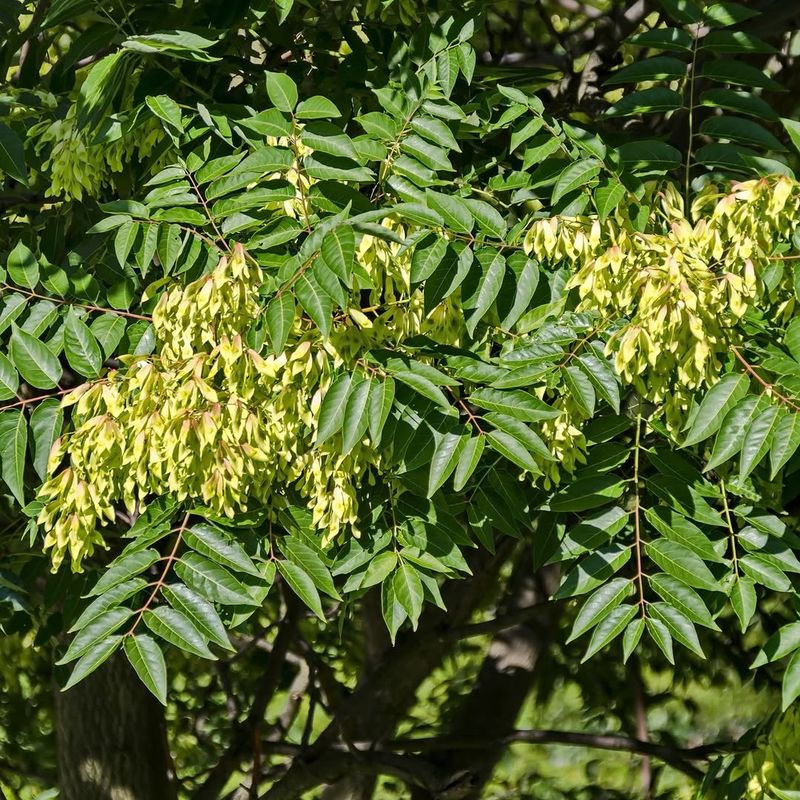
A skinny trunk rising from a fence crack can look harmless until the leaves reveal what it really is. Tree-of-heaven, known scientifically as Ailanthus altissima, is officially listed as an invasive plant in this state.
It shows up in yards, alleys, roadsides, fence lines, vacant lots, and any patch of disturbed soil it can find.
This tree does not wait for an invitation. It moves into neglected corners, pushes through pavement edges, and climbs along fences before most homeowners notice it.
Once established, it grows quickly and competes with native plants for space, water, and light.
Ohio State University Extension and the Ohio Department of Natural Resources both recognize tree-of-heaven as a plant that causes real harm to local ecosystems. It is not a native species.
It was introduced from China in the 1700s and has spread widely across North America since then.
The reason it matters so much right now goes beyond its aggressive growth. Tree-of-heaven is also a key host plant for spotted lanternfly, a destructive invasive insect now confirmed in parts of this state.
Paying attention to this tree early is one of the smartest moves a homeowner can make.
2. Spotted Lanternfly Uses This Tree As A Favorite Host
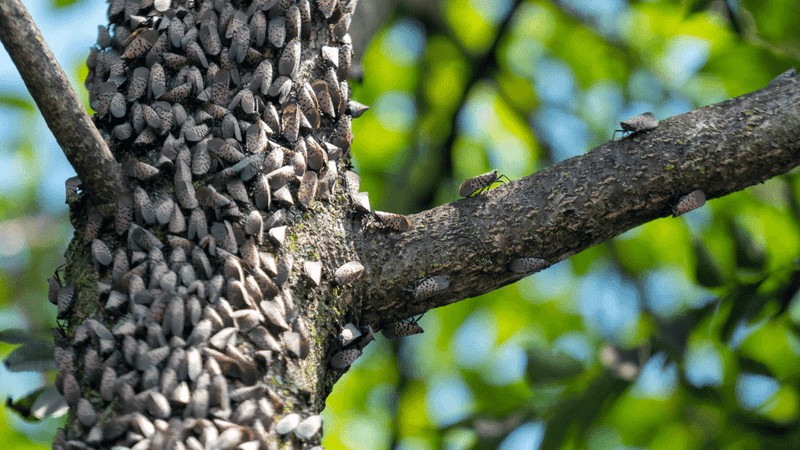
Spotted lanternfly feeds on dozens of plant species, including grapes, apples, hops, and many ornamental trees. But tree-of-heaven stands out as one of its most favored hosts.
Where both the tree and the insect are present, the tree can actively support lanternfly populations through the season.
This feeding relationship matters a lot for Ohio homeowners. Spotted lanternfly has been confirmed in several counties across this state, and its range is still expanding.
The pest feeds by piercing plant tissue and sucking out sap. That feeding weakens plants and produces a sticky waste called honeydew, which can lead to sooty mold growth on leaves, branches, and surfaces below.
Tree-of-heaven is not the only plant spotted lanternfly uses, and not every tree-of-heaven will have lanternflies on it. But the presence of this invasive tree in a yard or neighborhood creates a more hospitable environment for the pest where it is already present.
Your Ohio Garden Changes Every Week. Your Plan Should Too.
Gardening in Ohio changes quickly throughout the season. Every Friday you’ll receive a simple weekly plan showing exactly what to plant, prune, fertilize, harvest, and protect so you never miss the right timing.
Penn State Extension and Ohio Department of Agriculture resources both point to removing or managing tree-of-heaven. That is considered a useful part of reducing spotted lanternfly pressure.
Knowing the connection between the two is the starting point for making informed decisions about your landscape.
3. Smooth Leaflets With Tiny Base Teeth Help Identify It
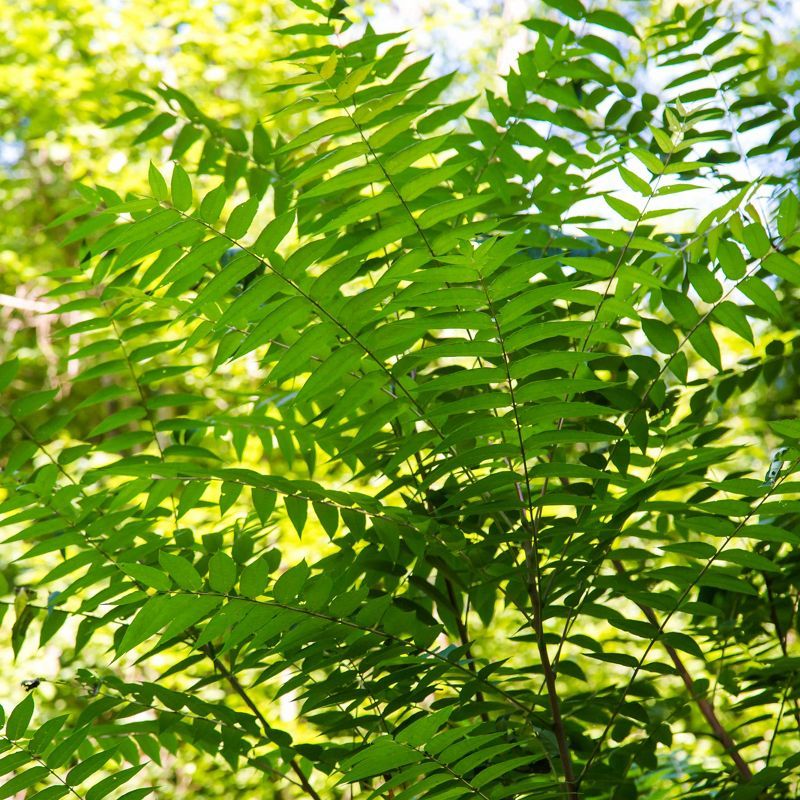
A crushed leaf from this tree has a smell that is hard to forget. Many people describe it as peanut butter gone wrong, or a strong, unpleasant oily odor.
That smell alone is one of the quickest field identification clues for tree-of-heaven.
The leaves are large and compound, meaning each leaf is made up of many smaller leaflets attached to a central stem. A single leaf can have anywhere from 11 to 41 leaflets depending on the tree’s age and growing conditions.
The leaflets themselves are mostly smooth along the edges, which helps separate this tree from similar-looking native species like sumac or black walnut.
Look closely at the base of each leaflet. You will usually find one to a few small bumps or notches called glandular teeth.
These tiny teeth are a reliable identification feature. They are located right at the base of the leaflet, not along the full edge.
Young trees and root sprouts often have very large leaves, sometimes surprisingly large for the size of the stem.
If you find a fast-growing shoot with enormous compound leaves, a smooth bark, and that distinctive odor when a leaf is crushed, tree-of-heaven is a strong possibility.
Confirm with local extension resources before taking action.
4. Fast-Growing Shoots Can Pop Up Along Fences And Alleys
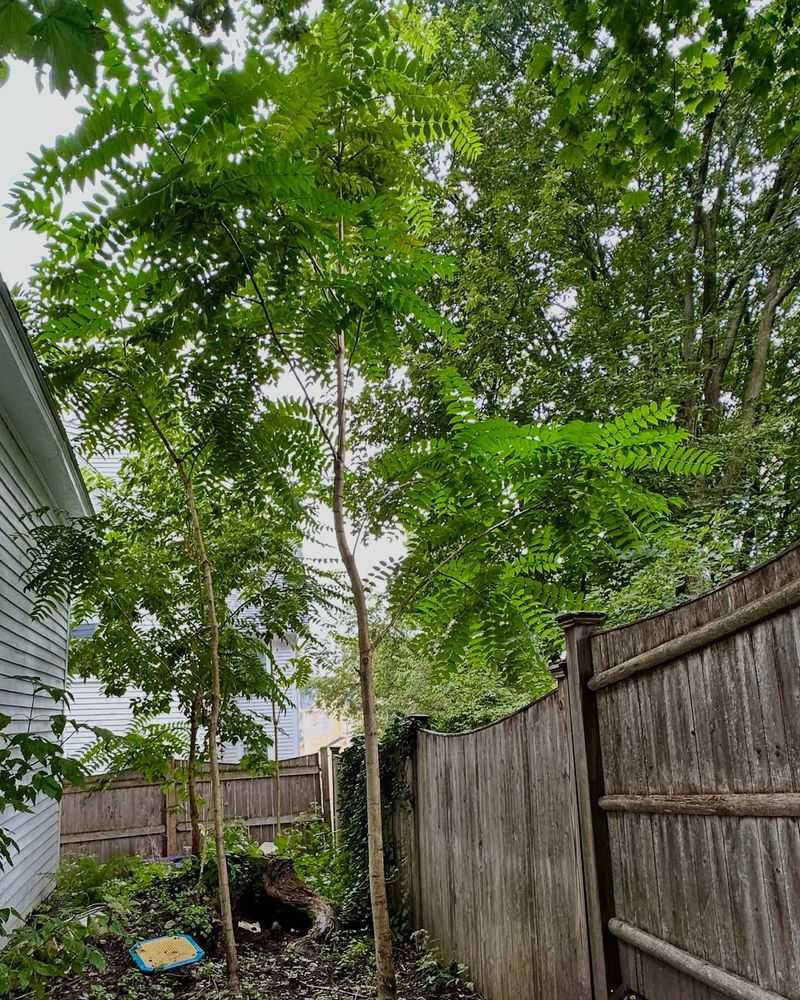
Along a back alley or a neglected fence line, tree-of-heaven does not grow slowly. It is one of the fastest-growing trees in North America, and it uses that speed to establish itself before most people realize what is happening.
Young shoots can grow several feet in a single season under good conditions.
This tree thrives in disturbed areas. Construction edges, roadsides, vacant lots, and spots where soil has been turned or compacted are all common starting points.
It does not need rich soil or regular water. It is highly tolerant of poor, dry, and compacted conditions, which makes it especially common in urban and suburban neighborhoods.
Root suckers are a big part of how this tree spreads in yards. A single established tree can send up new shoots from its root system across a wide area.
Those suckers can appear several feet away from the main trunk, which surprises many homeowners who thought they only had one tree to deal with.
Recognizing these fast-growing shoots early gives you more options. Small seedlings and young sprouts are easier to manage than a mature tree.
Checking fence lines, alley edges, and disturbed corners of your property at least once or twice each growing season is a practical habit worth building.
5. Female Trees Spread Thousands Of Papery Seeds
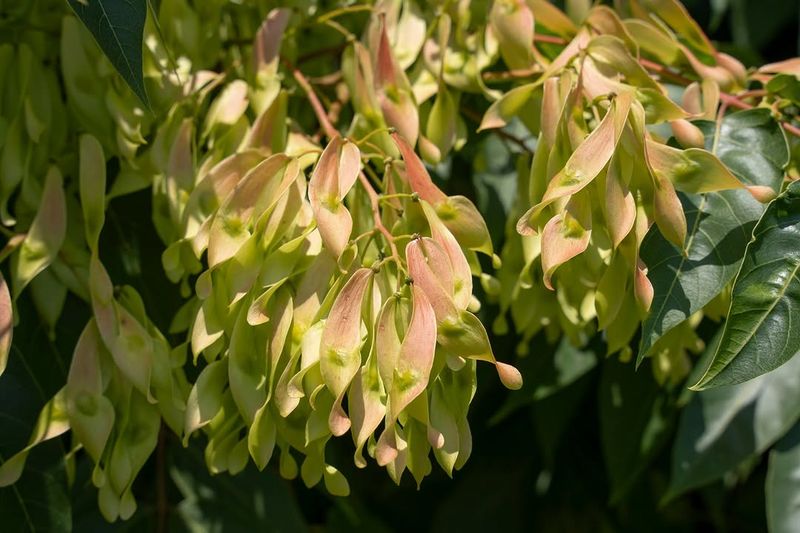
Late summer brings something eye-catching to tree-of-heaven. Female trees produce large, hanging clusters of papery winged seeds called samaras.
Each seed has a twisted, propeller-like wing that helps it spin and travel on the wind. A single mature female tree can produce tens of thousands of these seeds in one season.
Those seeds travel. Wind carries them into neighboring yards, across alleys, along roadsides, and into natural areas nearby.
That is why one tree-of-heaven in a vacant lot can eventually result in seedlings popping up in multiple surrounding properties. The seeds are lightweight and move farther than most people expect.
Seed production starts when trees are relatively young, sometimes within just a few years of establishment. That means even a small tree can begin contributing to local spread before it reaches a size most homeowners would think to remove.
Watching for seed clusters in late summer can help you catch female trees earlier.
One practical note: tree-of-heaven is dioecious, meaning individual trees are either male or female. Male trees produce flowers with an unpleasant smell but no seeds.
Female trees are the ones contributing to seed spread. If you can identify seed clusters on a tree near your yard, you are looking at a female, and that tree is actively spreading.
6. Cutting Alone Can Make Tree-Of-Heaven Resprout Harder
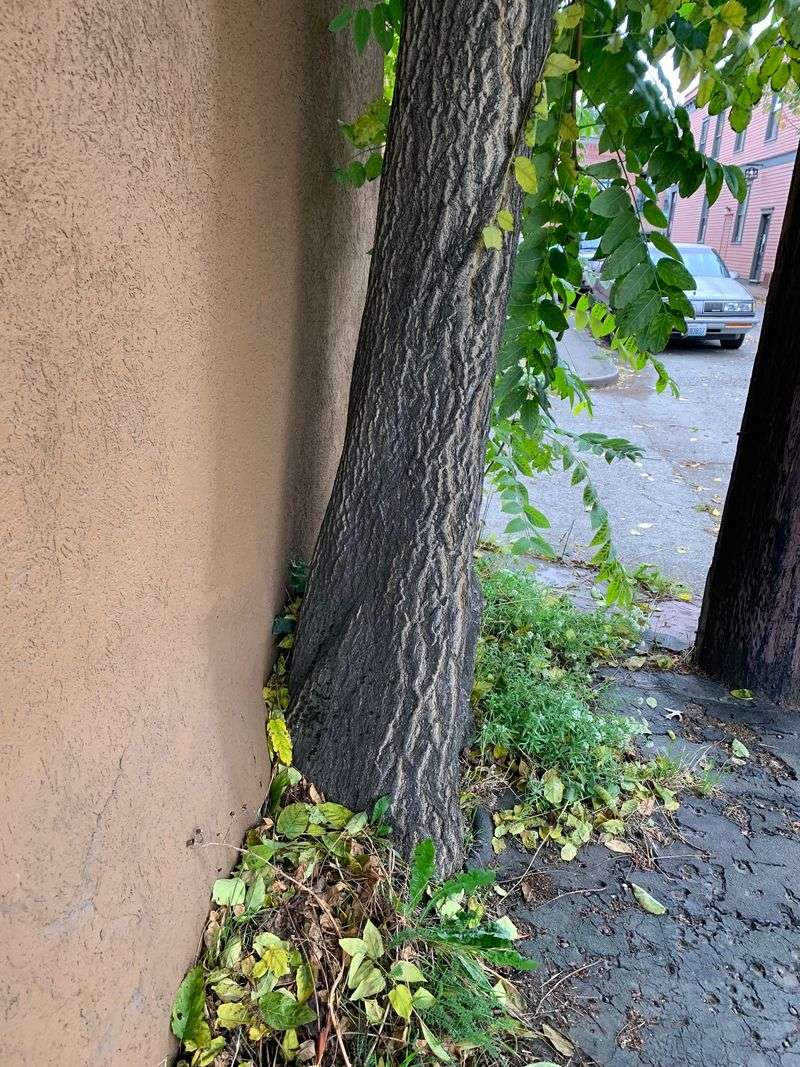
Grabbing a saw and cutting a tree-of-heaven to the ground feels like the obvious move. But cutting alone, without a follow-up plan, often makes the problem worse.
Tree-of-heaven responds to cutting by sending up a burst of new sprouts from the stump and from its root system. Those sprouts can come back faster and thicker than the original tree.
This resprouting response is one of the reasons tree-of-heaven is so difficult to manage. The root system stays alive and has stored energy to push new growth.
Without treating the stump or roots at the right time and in the right way, cutting just resets the clock rather than solving the problem.
Ohio State University Extension and the Ohio Department of Natural Resources both recommend following established control guidance for this species. Timing matters.
The method matters. For large trees, trees near structures, or trees on steep or difficult terrain, do not guess.
Contacting a certified arborist or your local extension office is a smart and safe approach.
If herbicide treatment is part of the plan, always follow the product label and current official guidance. Do not mix chemicals or try unverified home remedies.
Proper control takes more than one step, but doing it right the first time saves significant effort in the seasons that follow.
7. Removing Host Trees May Help Reduce Lanternfly Pressure
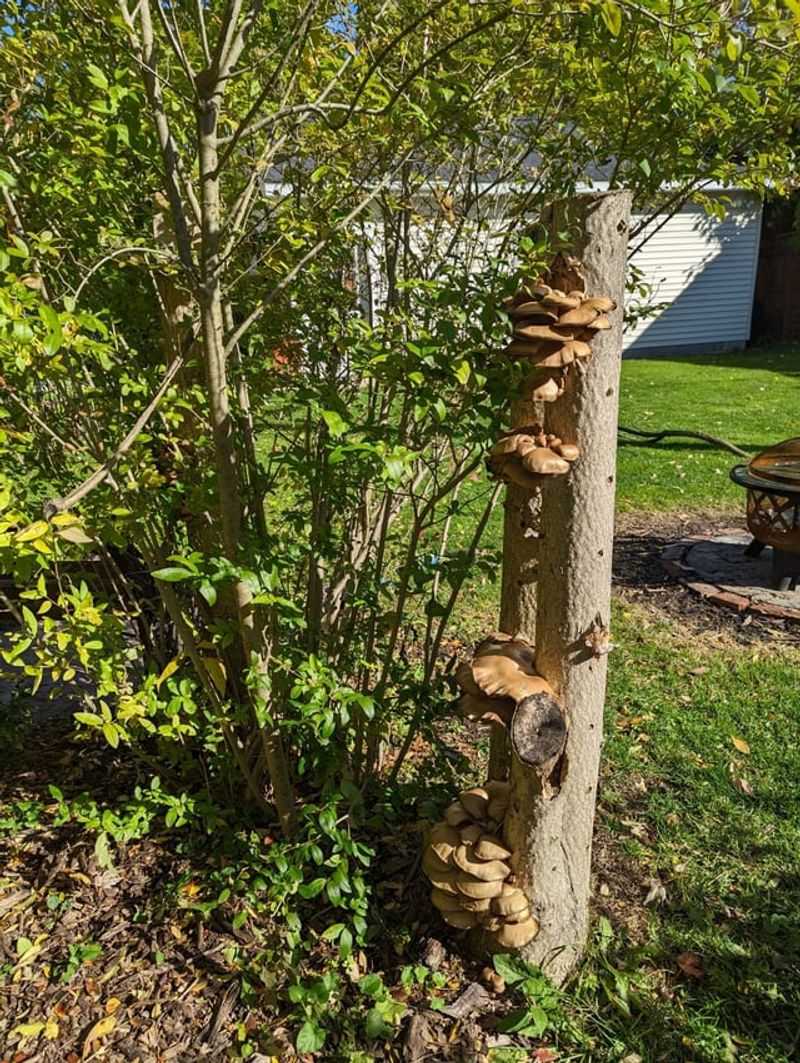
Managing spotted lanternfly is not as simple as removing one tree and calling it done. But where tree-of-heaven is present on a property, addressing it is considered a meaningful part of a broader management approach.
Fewer host trees in a yard means fewer resources available to support lanternfly populations in that immediate area.
That said, spotted lanternfly uses many host plants. Grapes, maples, willows, and other common landscape trees can also be used for feeding.
Removing tree-of-heaven reduces one major resource, but it does not eliminate all possible lanternfly activity in the area. A whole-yard and whole-neighborhood perspective matters.
The Ohio Department of Agriculture and Ohio State University Extension both emphasize monitoring as part of any management plan.
That means checking trees and shrubs for egg masses in fall and winter, watching for nymphs in spring, and looking for adult insects in late summer.
Early detection on your property gives you more response options.
Reporting what you find is also part of the picture. If you spot lanternfly egg masses or adult insects while managing tree-of-heaven, that information is valuable to state and local officials tracking the pest’s spread.
Removal and monitoring work best when they happen together, not as separate unconnected actions.
8. Report Spotted Lanternfly Before It Spreads Farther
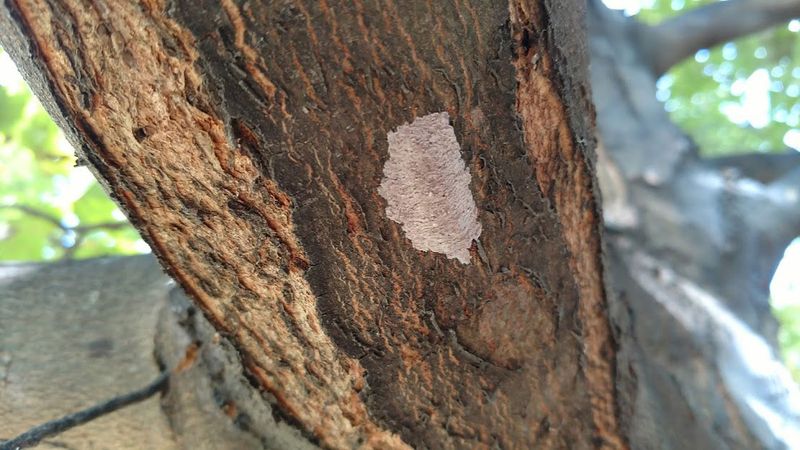
Spotting something unusual on a tree trunk or branch is worth a second look. Spotted lanternfly egg masses can be easy to miss.
They look like a smear of dried mud or grayish-brown putty on bark, wood, stone, or even outdoor furniture. Each mass can contain 30 to 50 eggs arranged in rows under that waxy coating.
If you think you have found spotted lanternfly or its egg masses, the right move is to photograph it carefully without disturbing it. Note the location as specifically as you can, including the address or a nearby landmark.
Then report it through the Ohio Department of Agriculture or your local county extension office using their current reporting channels.
Do not move egg masses, branches, firewood, or any plant material from a suspected location. Moving infested material is one of the main ways spotted lanternfly spreads to new areas.
Even well-meaning cleanup efforts can accidentally transport the pest if infested items are loaded into a vehicle and driven elsewhere.
Reporting sightings helps officials track the spread and respond faster. Every confirmed sighting adds to a clearer picture of where the pest is moving.
You do not need to be a pest expert to make a useful report. A clear photo and a location are enough to get the right people involved quickly.