Pennsylvania Gardeners, This One Watering Habit Can Weaken Calibrachoa
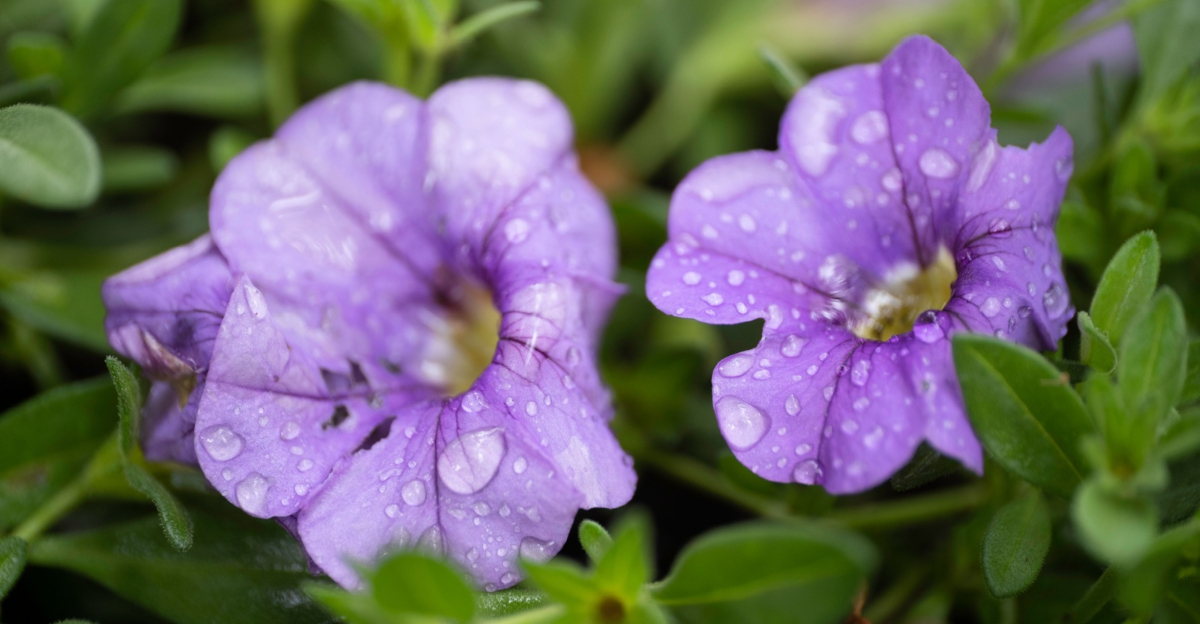
Calibrachoa is one of those container plants that looks absolutely effortless when it is happy, spilling tiny blooms over the edges of porch pots and hanging baskets in colors that seem almost too cheerful to be real.
Pennsylvania gardeners love it for exactly that reason.
The tricky part is that calibrachoa has one significant opinion about how it likes to be treated, and soggy roots are not on the approved list. Pennsylvania summers make this surprisingly easy to get wrong.
A dry, blazing afternoon followed by a heavy soaking rain followed by another hot stretch creates the kind of inconsistent moisture situation that stresses these plants without anyone doing anything obviously wrong.
The good news is that a few straightforward habits around drainage, watering timing, and light feeding can keep calibrachoa looking fuller and more colorful all season long.
1. Soggy Potting Mix Weakens Calibrachoa Fast
After a heavy summer rain rolls through Pennsylvania, it can be tempting to assume your porch pots are well watered and move on.
The problem is that calibrachoa sitting in soggy potting mix for too long can develop stressed roots, even when the plant looks fine on the surface.
Roots need both moisture and air to function well, and soil that stays waterlogged cuts off that air supply.
When the potting mix stays wet day after day, roots can struggle to absorb nutrients properly. You might notice yellowing leaves, fewer blooms, or stems that look limp even though the soil feels soaked.
These signs can be easy to confuse with underwatering, which sometimes leads gardeners to add even more water and accidentally make the problem worse.
Calibrachoa generally does best when the potting mix stays evenly moist but not saturated. The difference between moist and soggy might seem small, but it matters quite a bit for root health.
Pressing a finger about an inch into the soil before watering is a simple way to check whether more water is actually needed.
Pennsylvania gardeners who develop this quick checking habit tend to catch soggy conditions before they have a chance to stress the plant.
2. Calibrachoa Thrives In Well-Drained Containers
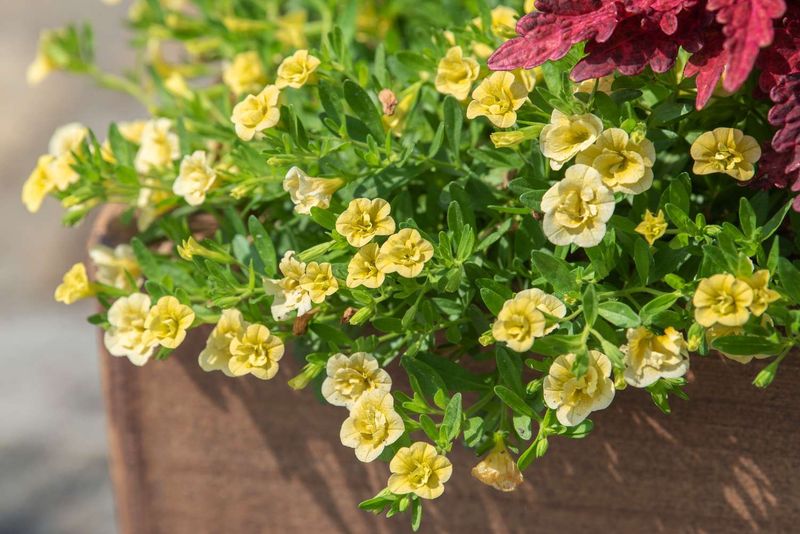
Walk through any Pennsylvania garden center in late spring and you will likely spot calibrachoa displayed in containers that allow water to flow freely through the bottom. That is not a coincidence.
Free-draining containers are one of the most practical things you can offer this plant, and the type of pot you choose plays a bigger role than many gardeners expect.
Containers made from terracotta, fabric grow bags, or plastic pots with multiple drainage holes tend to work well because they allow excess water to escape rather than pool around the roots.
Decorative pots without drainage holes, or pots sitting inside solid saucers that collect standing water, can trap moisture and create the soggy conditions calibrachoa roots do not handle well over time.
If you love the look of a decorative outer pot, one option is to keep the calibrachoa in a plain nursery pot with drainage holes and simply set that inside the decorative container. This way you get the visual appeal without sacrificing drainage.
Your Pennsylvania Garden Changes Every Week. Your Plan Should Too.
Gardening in Pennsylvania changes quickly throughout the season. Every Friday you’ll receive a simple weekly plan showing exactly what to plant, prune, fertilize, harvest, and protect so you never miss the right timing.
After a rain or a watering session, checking that water is not pooling inside the outer pot is a good habit to build.
Pennsylvania patios can go from bone dry to completely soaked after a summer storm, so containers that drain freely give the plant a better chance to recover quickly without sitting in standing water.
3. Small Blooms Make It A Porch Favorite
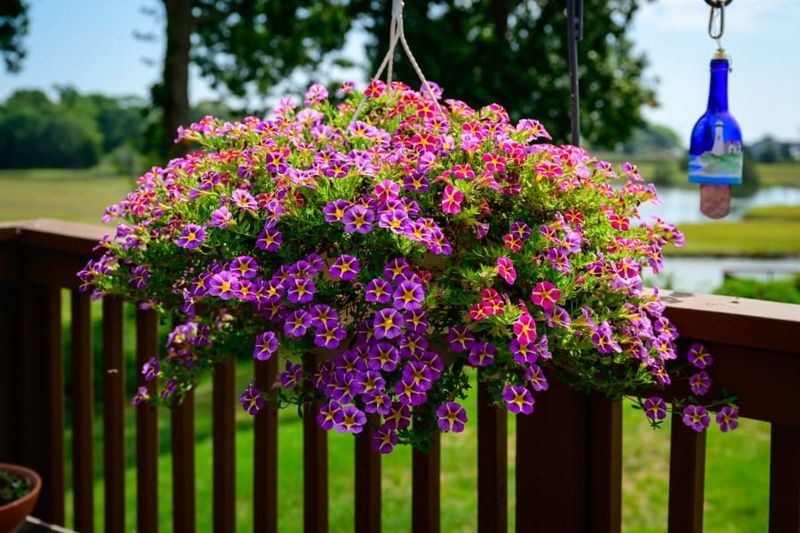
Few container plants put on a show quite like calibrachoa.
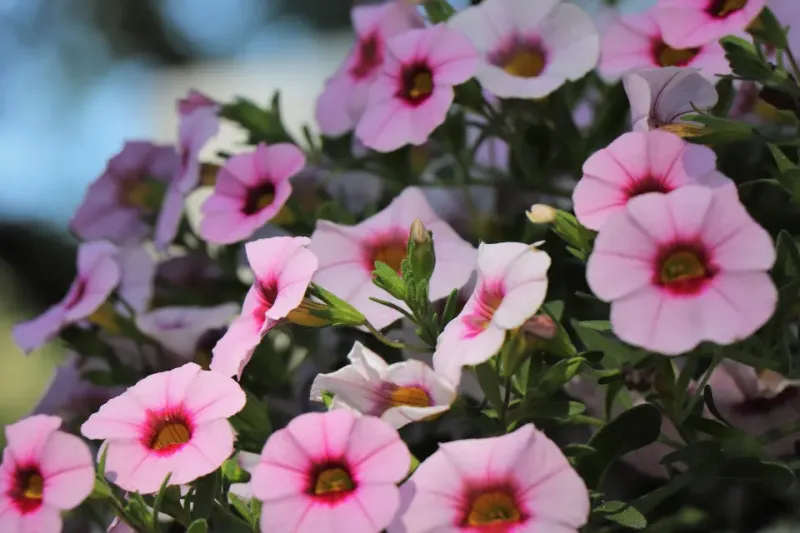
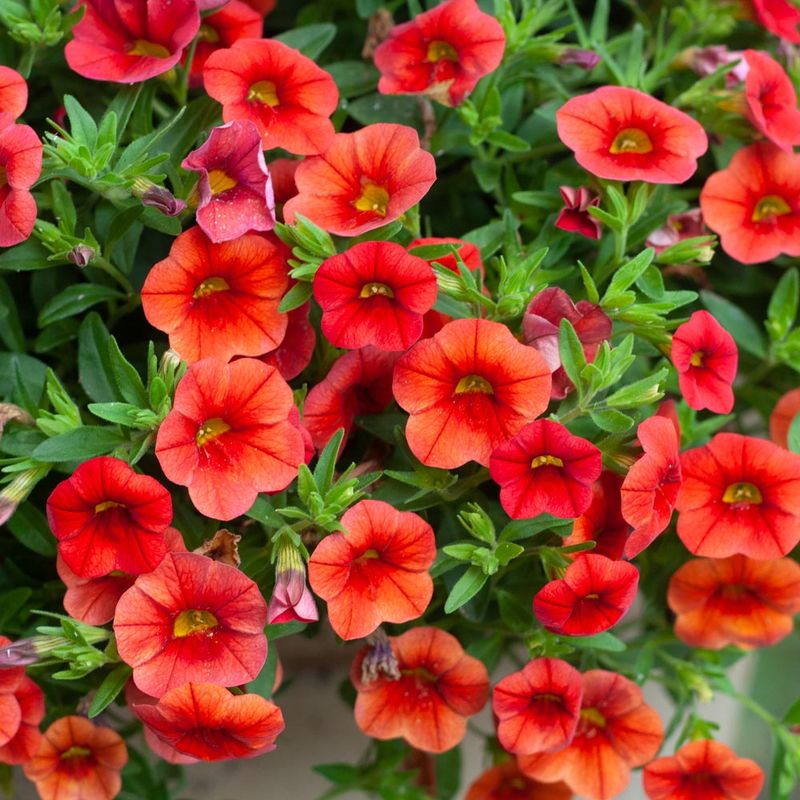
The tiny blooms, which look like miniature petunias, come in shades of pink, purple, red, yellow, coral, and white, and they tend to keep appearing throughout the growing season rather than fading out after a single flush.
For Pennsylvania porches, front steps, and window boxes, that kind of reliable color is hard to beat.
Part of what makes calibrachoa so popular with home gardeners is how low-maintenance it can feel once it is settled into the right container with good drainage and adequate sunlight.
The plant tends to branch and fill in naturally without much deadheading, which means those small blooms keep coming without requiring gardeners to pinch spent flowers every few days.
That self-cleaning quality makes it a practical choice for busy homeowners who want color without constant fussing.
The trailing habit of calibrachoa also makes it an ideal choice for hanging baskets and tall patio urns where the stems can spill downward and create a full, lush look.
Pennsylvania gardeners often pair it with upright plants like angelonia or spike dracaena to create layered container arrangements.
Keeping the potting mix consistently moist but well-drained helps the plant maintain that full, blooming appearance rather than thinning out mid-season when summer heat and uneven watering begin to take a toll.
4. Hanging Baskets Dry Differently Than Patio Pots
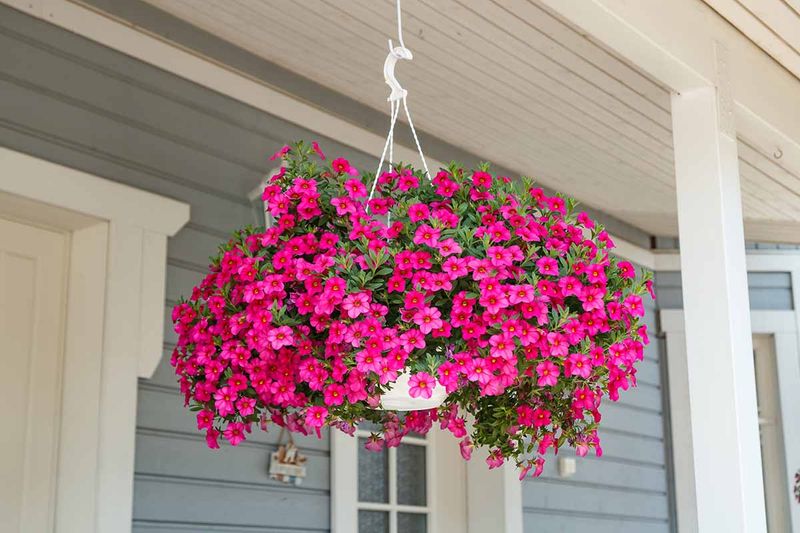
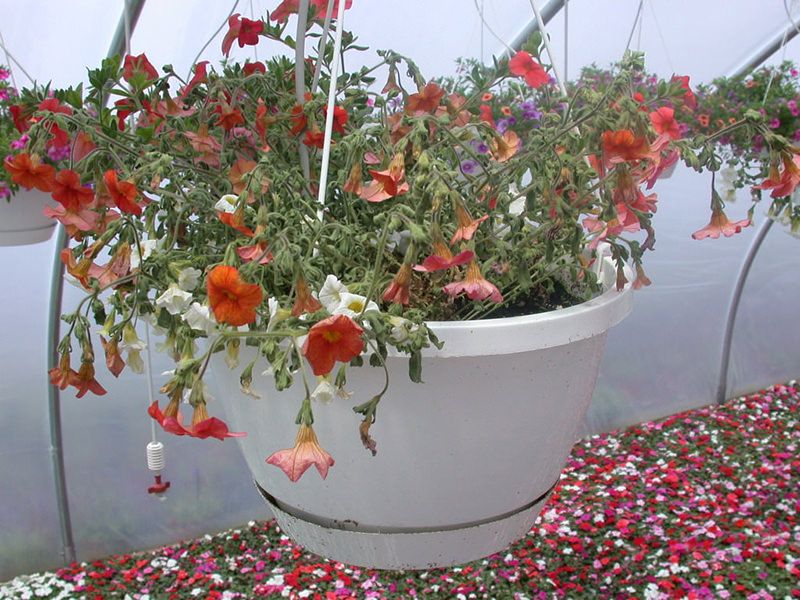
Hanging baskets on a Pennsylvania porch or pergola are exposed to moving air on all sides, which means they can dry out noticeably faster than a pot sitting on the ground.
On a hot, breezy July afternoon in Pennsylvania, a hanging basket might need water every day or even more frequently, while a large patio container in a shadier spot might still feel moist from two days ago.
Treating both containers exactly the same way can lead to problems in either direction.
The size and material of the basket also affects how quickly it dries. Coco-lined wire baskets, for example, tend to dry faster than solid plastic hanging pots because moisture can evaporate from the sides as well as the top.
Checking the weight of the basket by gently lifting it is one way to get a feel for how much moisture remains, since a lighter basket often signals that it is ready for water.
Rather than watering on a fixed schedule, paying attention to each individual container is a more reliable approach.
Calibrachoa in a hanging basket might need attention every morning during hot Pennsylvania summers, while a larger patio pot might only need watering every couple of days.
Sticking a finger into the potting mix or using a simple moisture meter can take the guesswork out of the routine and help prevent both underwatering and the soggy conditions that stress roots over time.
5. Morning Checks Help Prevent Overwatering
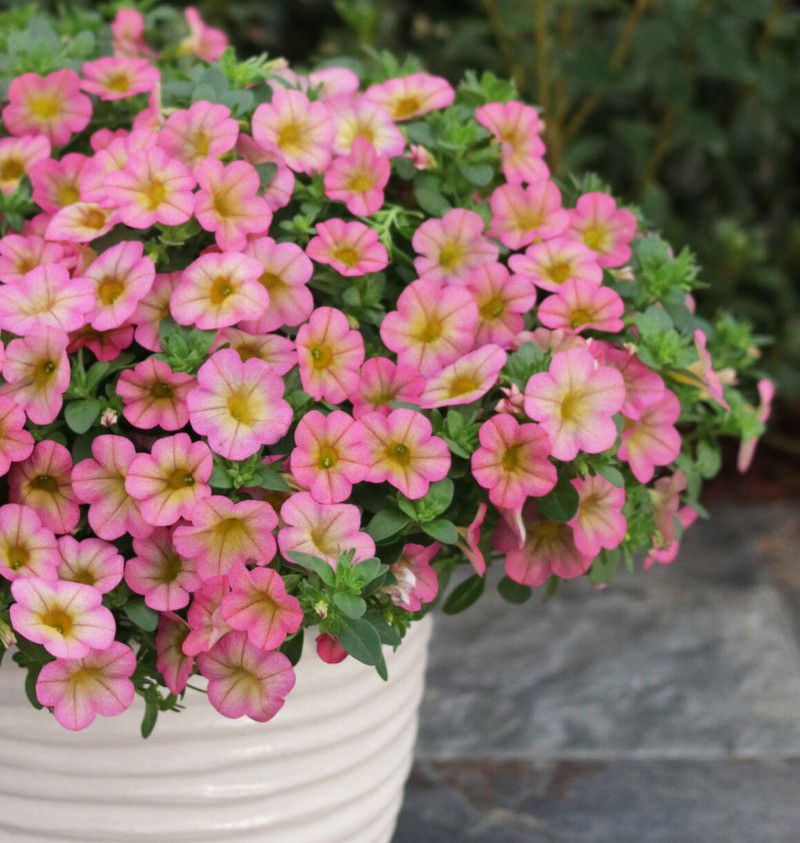
Before the heat of a Pennsylvania summer afternoon builds, morning is one of the best times to check on container plants.
Calibrachoa in porch pots and hanging baskets can look different at 7 a.m. than they do at 3 p.m., when heat and sun may cause temporary wilting even in plants that have plenty of moisture.
Checking in the morning gives a more accurate picture of what the potting mix actually needs.
A simple finger test works well here. Pressing a finger about an inch into the potting mix tells you whether the soil is still moist from the last watering or whether it has dried enough to need more.
If the mix feels damp and cool, waiting another day is usually fine. If it feels dry and pulls away from the edges of the pot, that is a good signal that watering is needed.
Building a morning check into a daily routine also helps catch other issues early, like containers that are draining poorly, saucers filling with standing water overnight, or spots where heavy rain has left the potting mix saturated.
Pennsylvania summers can shift quickly from dry spells to multi-day rain events, and staying aware of those changes helps calibrachoa stay in better shape throughout the season.
Consistent morning attention is a small habit that can make a noticeable difference in how full and healthy the plants look by late summer.
6. Drainage Holes Matter More Than Extra Water
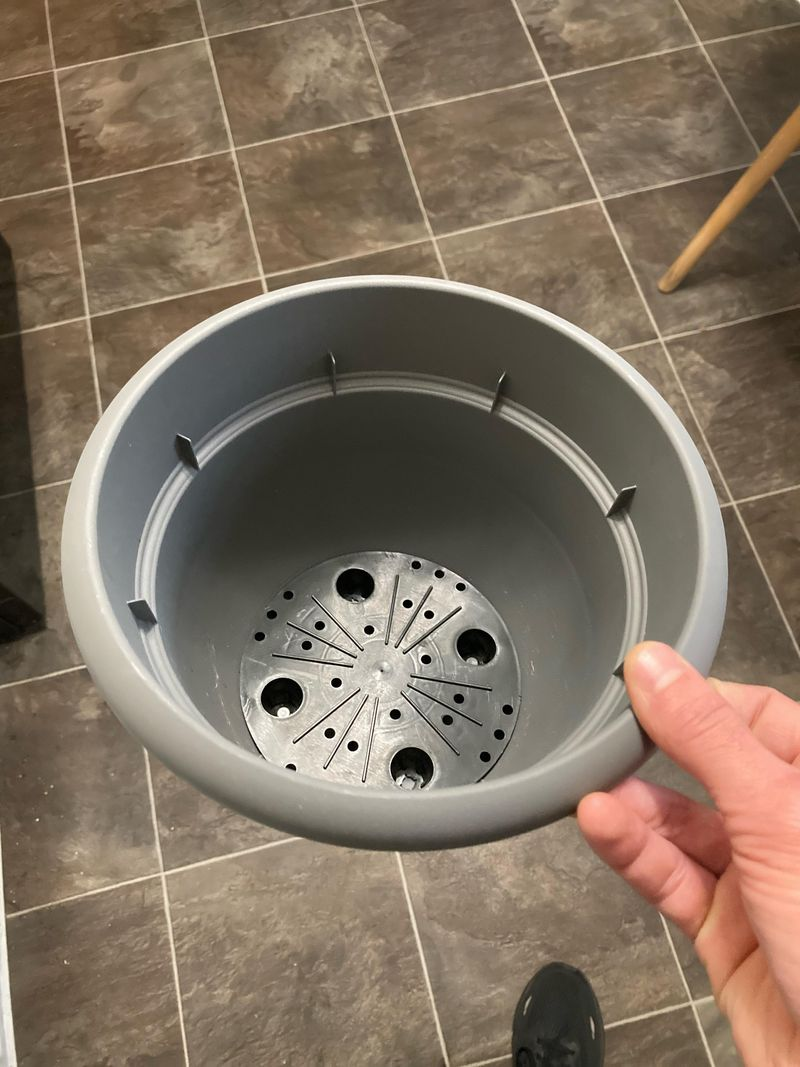
Water sitting in the bottom of a pot with no way to escape is one of the more common issues that shows up in Pennsylvania porch containers.
Decorative planters, window boxes, and large ceramic urns often look beautiful but lack adequate drainage holes, or the holes get covered by pot liners and gravel layers that slow drainage without improving it.
Calibrachoa roots sitting in that trapped water can become stressed over time, even if the top of the potting mix looks dry.
One of the most practical things a gardener can do before planting calibrachoa is check that the container drains freely. Holding the pot up and running water through it to see how quickly it flows out is a quick test.
If water trickles out slowly or pools at the bottom, adding more drainage holes with a drill or switching to a different container may be worth considering before planting season gets underway.
Gravel layers at the bottom of containers are a popular tip but do not always improve drainage the way people expect. Water still needs an exit point to leave the pot entirely.
Focusing on clear, unobstructed drainage holes is more effective than adding layers inside the container.
Pennsylvania gardeners who prioritize good drainage from the start tend to deal with fewer root stress issues during the summer and find that their calibrachoa stays more vigorous and blooms more consistently through the season.
7. Light Feeding Keeps Blooms Coming
Container-grown calibrachoa relies on the gardener to replenish nutrients because watering gradually flushes fertilizer out of the potting mix over time. A light, consistent feeding routine tends to work better for this plant than heavy, infrequent doses.
Too much fertilizer at once can cause its own set of issues, including leaf burn or lush foliage growth at the expense of blooms.
A balanced water-soluble fertilizer applied at roughly half the recommended strength on a regular basis, such as every one to two weeks during the growing season, is a common approach for calibrachoa in containers.
Some gardeners also use a slow-release granular fertilizer worked into the potting mix at planting time, then supplement with liquid feeding as the season progresses.
Both approaches can work, though reading and following product label directions is always a good starting point.
Pennsylvania summers are long enough that calibrachoa in porch containers can benefit from feeding from late spring through early fall.
If blooms start to thin out or the plant looks pale and less vigorous mid-season, a light feeding along with a check of the watering routine may help the plant recover.
Feeding and watering are connected because a plant stressed by soggy soil may not respond well to fertilizer either.
Getting the moisture balance right first tends to make the feeding routine more effective and the blooms more consistent through the warmer months.
8. Sunlight Helps Plants Stay Full And Colorful
Pennsylvania patios and porches can offer a wide range of light conditions, from full afternoon sun on a south-facing deck to dappled shade under a pergola or large tree.
Calibrachoa generally performs best with at least six hours of direct sunlight each day, and containers placed in shadier spots may produce fewer blooms and develop a looser, leggier growth habit over time.
Sunlight and watering are more connected than they might seem. A calibrachoa container sitting in full sun will dry out faster and need more frequent watering than the same plant in a partly shaded spot.
Moving containers around on a Pennsylvania porch to find the right balance of sun and shelter is something many gardeners do through trial and observation rather than following a fixed rule.
If a calibrachoa plant starts looking thin or producing fewer blooms by midsummer, checking its light exposure is worth doing alongside a review of the watering routine.
Sometimes a container has shifted into a shadier spot as nearby plants grow taller, or a seasonal change in the sun angle has reduced the direct light the pot receives.
Adjusting the container’s position to capture more morning or midday sun can sometimes help the plant fill back in and bloom more freely.
Pennsylvania’s long summer days give calibrachoa plenty of opportunity to thrive when light, water, and drainage are all working together reasonably well.