Fertilizers That Double Ohio Tomato And Veggie Yields
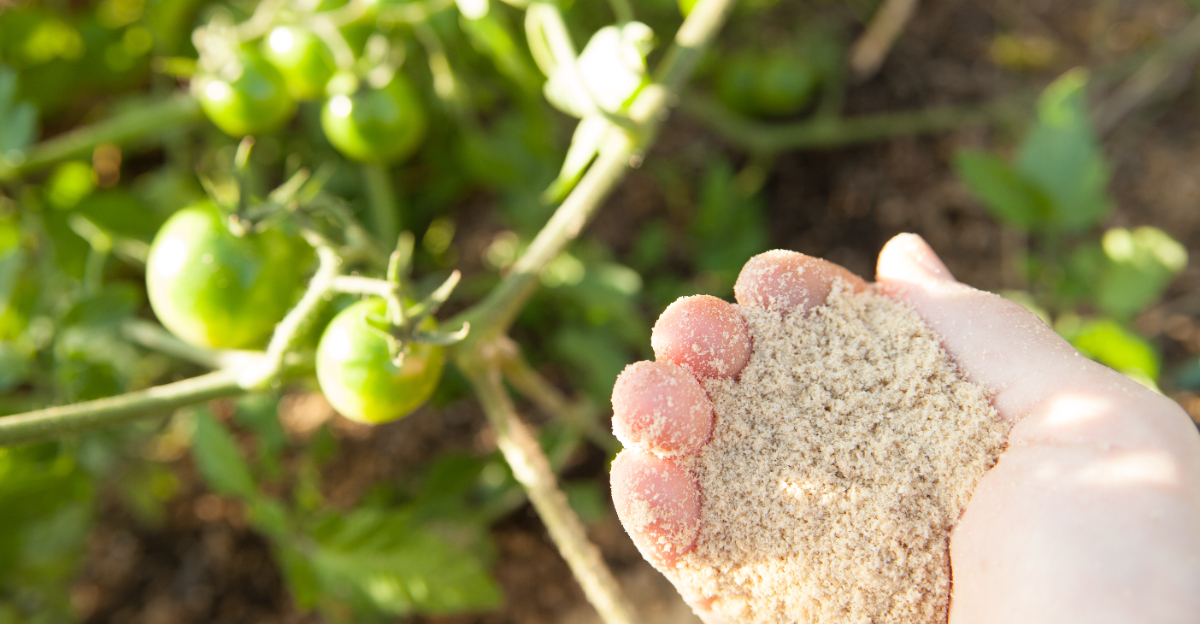
Most Ohio vegetable gardeners fertilize. Few of them fertilize strategically, and the gap between those two approaches shows up clearly at harvest time.
Same soil, same seeds, same Ohio summer. The yields from a garden that got the right fertilizer at the right moment can look almost unfair compared to one that just got fed on a general schedule.
Fertilizer is not one size fits all in a vegetable garden. Ohio’s specific soil conditions and growing season create a context that generic bag instructions were never written for.
The products that actually move the needle for Ohio tomatoes and vegetables are not always the most marketed ones. Some of the most effective options have been quietly outperforming popular brands in gardens for years without much fanfare.
What gets applied, when it goes on, and how it matches the specific demands of each crop is what separates a decent harvest from a great one.
1. Start With Compost Before Reaching For Anything Stronger
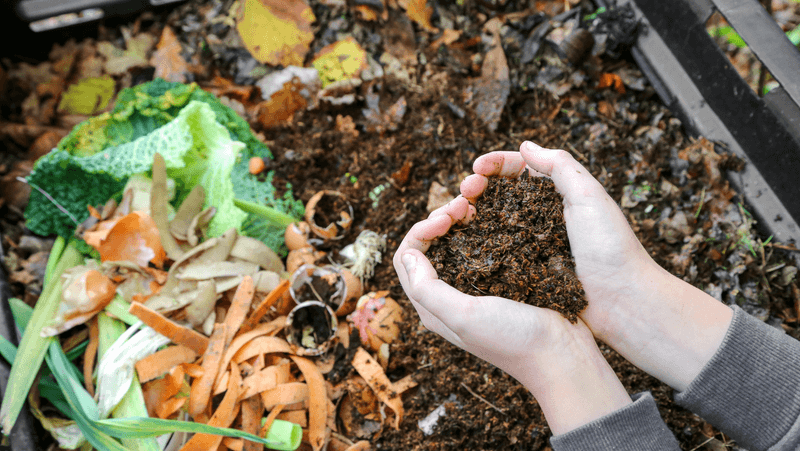
A half-empty compost pile sitting near the garden shed might be the most underrated tool a vegetable grower has. Finished compost can improve soil structure, support microbial activity, and help soil hold water more effectively during dry summer stretches.
OSU Extension guidance notes that compost adds organic matter, which benefits soil health over time. These are real advantages, even if compost alone is not a guaranteed yield doubler.
The key word is finished. Unfinished or still-smelly compost can introduce pathogens near edible crops and may even tie up nitrogen temporarily as it continues breaking down.
Food-safety guidance explains that raw or partially composted manure should not be applied close to harvest time. Well-aged compost is a safer choice around vegetables.
Mixing finished compost into beds before planting is a practical starting point. Side-dressing established plants during the season can also help, but use moderation.
Nutrient content in compost can vary widely depending on what went into the pile, so it does not replace a soil test when precise nutrient decisions matter. Think of compost as a soil builder that prepares the ground to use fertilizer more efficiently.
Starting here before reaching for stronger products often leads to steadier, healthier plant growth all season long.
2. Use Balanced Fertilizer When Soil Tests Show A Need
Picking up a bag of fertilizer without a soil test is a little like guessing at a prescription without seeing a doctor first. Balanced fertilizer typically means the product contains similar or proportional amounts of nitrogen, phosphorus, and potassium.
Those amounts are often shown as three numbers on the label, like 10-10-10. That kind of product can be useful, but only when the soil actually needs all three nutrients in roughly equal amounts.
Ohio State University Extension strongly encourages home gardeners to test their soil before adding fertilizer. A soil test report tells you what nutrients are already present, what is missing, and what the pH reads.
Nutrient availability is closely tied to pH, so even if nutrients are present, a pH that is too high or too low can prevent plants from absorbing them properly. Most vegetables prefer a pH between 6.0 and 7.0.
Your Ohio Garden Changes Every Week. Your Plan Should Too.
Gardening in Ohio changes quickly throughout the season. Every Friday you’ll receive a simple weekly plan showing exactly what to plant, prune, fertilize, harvest, and protect so you never miss the right timing.
Following label rates matters just as much as choosing the right product. Applying more than the label recommends does not speed up plant growth and can damage roots or waste money.
Horticulture experts warn that excess fertilizer can also leach into groundwater. Using a soil test to guide the decision removes the guesswork and helps Ohio gardeners spend smarter.
It also keeps the vegetable bed productive and balanced throughout the season.
3. Feed Tomatoes Carefully Once Fruit Starts Setting
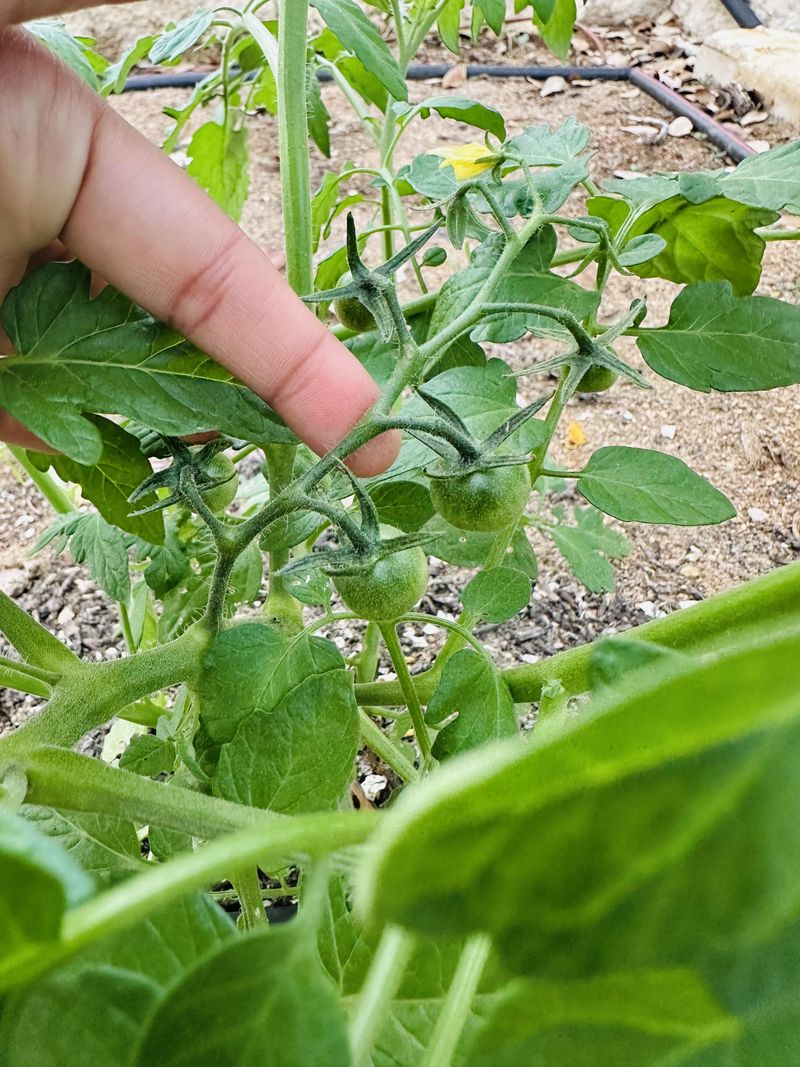
Picture a tomato plant loaded with dark green leaves but almost no fruit by midsummer. That frustrating scenario often traces back to fertilizer timing rather than bad luck.
Once tomato plants begin setting fruit, their nutritional needs shift. Heavy nitrogen feeding at that stage can push the plant to keep producing lush foliage instead of directing energy toward developing tomatoes.
University extension sources explain that tomatoes need a moderate, steady nutrient supply rather than large single doses. Before planting, a soil test can guide how much starter fertilizer to use.
Once fruit begins forming, lighter feeding based on plant color and growth observations tends to work better than routine heavy applications. A plant that looks pale or stunted may still need support, so the goal is balance rather than cutting off nutrients entirely.
Tomatoes also depend on consistent moisture, good pollination, warm daytime temperatures, and disease management. Fertilizer cannot compensate for dry spells, blossom drop from heat, or fungal disease spreading through wet foliage.
OSU Extension vegetable guidance reminds growers that fruit set is influenced by many factors beyond feeding.
Watching the plant closely, watering steadily at the base, and using fertilizer as a targeted tool gives tomatoes the best chance of producing a satisfying, heavy harvest.
It works better than treating fertilizer as a routine fix.
4. Choose Slow Release Fertilizer For Steadier Growth
Not every fertilizer hits the soil and moves on quickly. Slow-release products are designed to break down gradually, feeding plants over weeks rather than all at once.
That steadier delivery can reduce the sharp nutrient surges that sometimes push weak, fast growth early in the season. It also helps prevent plants from being underfed later when it matters most.
University extension sources note that slow-release fertilizers can be useful for vegetable gardens when applied according to label directions. That includes some organic options made from composted materials or natural protein sources.
Not all organic fertilizers act the same way, though. Release rates depend on temperature, moisture, and soil biology, so results can vary.
Reading the product label carefully before applying is always the right first step.
Watering after applying granular slow-release fertilizer helps move nutrients toward the root zone where plants can actually use them. Dry soil slows the process and can leave nutrients sitting on the surface.
Overuse is still a risk even with slow-release products, so following recommended rates rather than adding extra is the safer approach. Horticulture experts point out that slow-release feeding is not automatically better for every crop or every soil type.
Matching the product to what a soil test shows the garden needs remains the most reliable way to support steady, productive vegetable growth through the season.
5. Add Nitrogen Only Where Leafy Crops Need It
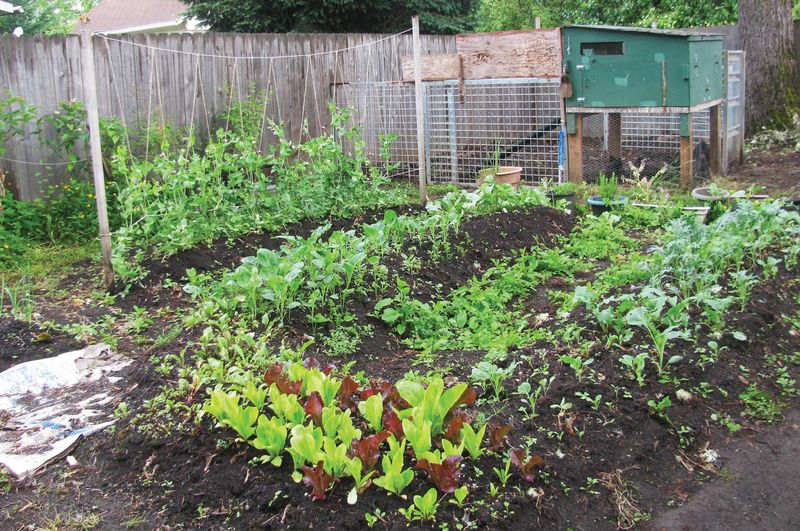
A row of spinach or kale that has slowed down and started looking pale is often sending a simple message: it could use a nitrogen boost.
Leafy vegetables depend on nitrogen more directly than fruiting crops because nitrogen drives the green, leafy growth that makes those plants worth harvesting.
OSU Extension guidance explains that nitrogen is a key nutrient for vegetative development. That makes it especially relevant for crops like lettuce, chard, kale, and spinach.
That said, more nitrogen is not always the answer. Excess nitrogen can push overly soft, lush growth that attracts pests and may make plants more vulnerable to disease.
A soil test helps determine whether nitrogen is actually low before any application. Applying small amounts and watching how plants respond over a week or two is a more careful approach than dumping a large dose and hoping for results.
Watering after nitrogen application helps move it into the root zone. Nitrogen can volatilize or run off if left sitting on dry soil or applied before a heavy rain.
Heat, bolting, insect pressure, and harvest timing also affect how well leafy crops perform, so nitrogen is only one part of the picture.
Matching the nutrient to the crop stage and what the soil test recommends keeps feeding practical, cost-effective, and far less likely to cause problems down the row.
6. Avoid High Nitrogen Feeds That Delay Tomatoes
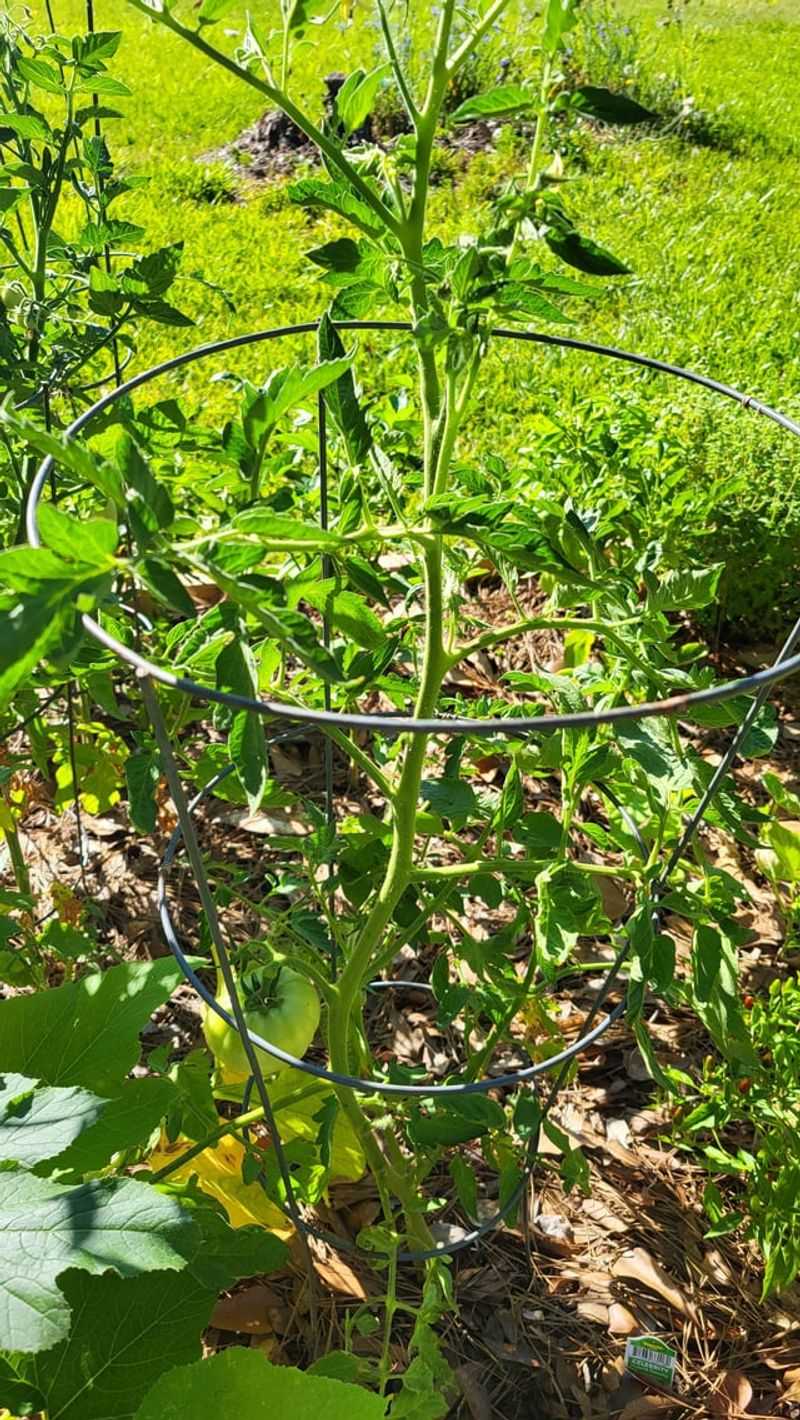
A big, bushy tomato plant covered in beautiful dark leaves but almost no tomatoes is a classic sign that something is off with the feeding program. Excess nitrogen is one of the most common culprits.
When tomato plants get too much nitrogen, especially during or after flowering, they tend to keep growing foliage rather than shifting energy toward fruit development.
University extension sources back this up, noting that high nitrogen can delay or reduce fruiting in tomatoes and other fruiting vegetables like peppers and squash.
Lawn-type fertilizers are a common mistake in vegetable gardens. Those products are often high in nitrogen because lawns need it, but applying them repeatedly around tomato beds creates exactly the kind of imbalance that delays fruit.
Reading the fertilizer label before applying and choosing a product designed for vegetables helps avoid that problem. Watching for signs of excess, like unusually large plants with few flowers or fruit, is a useful habit throughout the growing season.
Nitrogen is not the enemy. Tomato plants still need it, particularly early in the season when they are establishing roots and building a strong structure.
The goal is balance, not starvation. Adjusting the feeding program based on what the plant shows and what a soil test recommends keeps nitrogen working in the plant’s favor rather than against it.
Smarter feeding, not more feeding, tends to produce better tomato results.
7. Match Phosphorus And Potassium To Soil Test Results
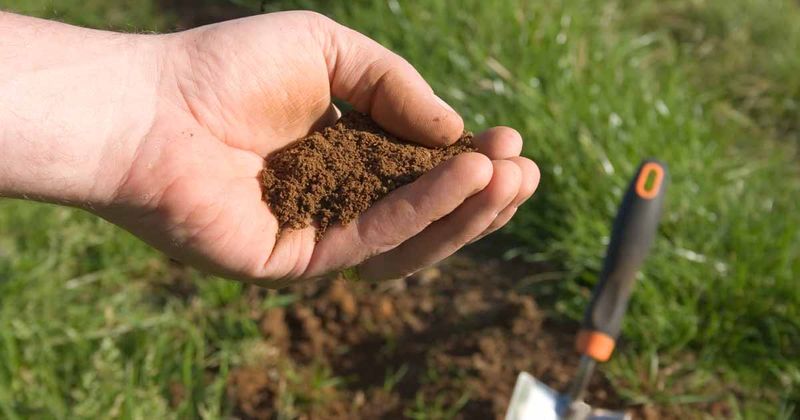
Phosphorus and potassium are often sold as the nutrients that boost blooms and strengthen plants. Adding them without a soil test can be unnecessary or even counterproductive.
Many Ohio soils already have adequate or even high phosphorus levels from years of fertilizer applications, meaning more is not needed and could actually create problems.
Soil-testing guidance from university extension sources explains that excess phosphorus can interfere with the plant’s ability to absorb certain micronutrients.
Those include zinc and iron.
Phosphorus runoff is also a concern when the nutrient is overapplied. It can move into nearby waterways and contribute to algae growth, which is a real environmental issue in parts of this state.
Potassium plays a role in water regulation within plant cells and can support overall plant health. But the need depends on what a soil test actually shows, not on a general assumption that more is better.
Choosing fertilizer based on soil-test recommendations rather than guessing keeps both nutrients in balance. A soil test report typically includes specific recommendations for how much of each nutrient to add, if any.
Following those numbers instead of defaulting to heavy doses saves money and protects the garden environment. It also avoids the kind of nutrient imbalances that can quietly reduce plant health and productivity over several seasons.
Precision beats guessing every time.
8. Water After Feeding So Nutrients Reach The Roots
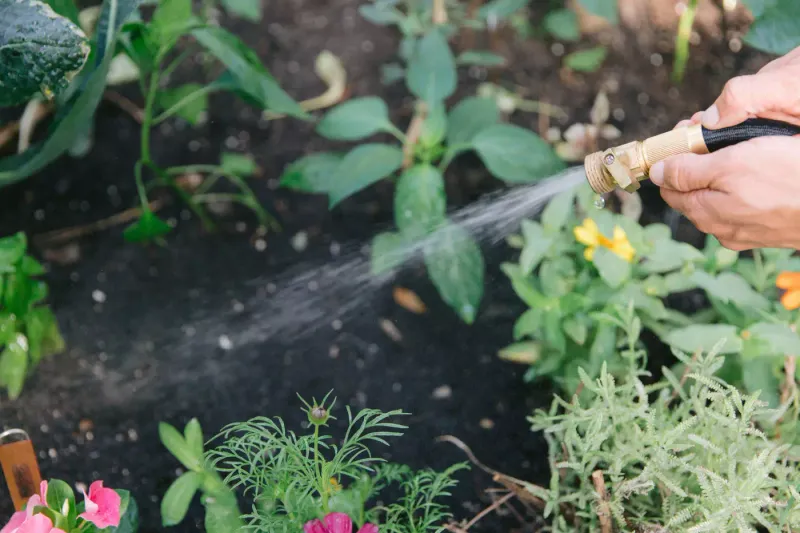
Dry soil and fertilizer do not work well together. Granular fertilizer sitting on the surface of a dry raised bed during a hot July afternoon is not helping the plants much at all.
Nutrients need moisture to dissolve and move down into the root zone where plants can actually absorb them.
Watering after applying fertilizer is one of the simplest and most effective steps an Ohio gardener can take to get real value from the product being used.
OSU Extension vegetable gardening guidance notes that consistent soil moisture is important for nutrient uptake and overall plant health. Applying fertilizer to drought-stressed plants during extreme heat can also cause fertilizer burn.
That happens when concentrated nutrients damage roots or foliage instead of feeding them. Waiting until temperatures cool slightly and giving plants a good drink before and after fertilizing reduces that risk considerably.
Overwatering carries its own problems. Too much water can leach nitrogen and other soluble nutrients below the root zone before plants have a chance to use them, especially in sandy or light soils.
Finding the right moisture balance, enough to move nutrients in without washing them away, is the practical goal. Steady, moderate watering throughout the growing season supports nutrient uptake and reduces plant stress.
It also gives every fertilizer application the best possible chance to do its job. Fertilizer is not a miracle, but the right product, applied at the right time, in well-watered soil, can help vegetables turn good care into a genuinely better harvest.