Oregon Homeowners Should Know These Unspoken Fence Etiquette Rules
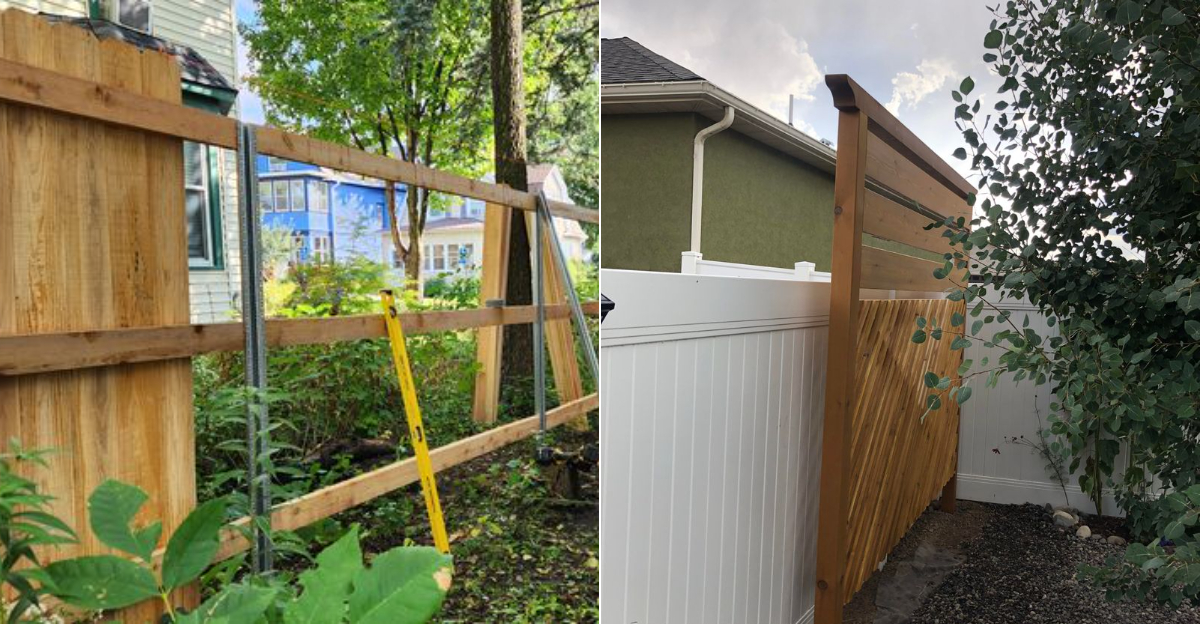
Fence projects have a funny way of turning friendly Oregon neighbors into people who suddenly study property lines like courtroom evidence. A new fence may seem simple, but the etiquette around it can get awkward fast.
Height, style, shared costs, repairs, pets, privacy, and that one post sitting suspiciously close to the line can all create drama. The rules that matter are not always written in city code or HOA paperwork.
Some are just about being a decent neighbor before the hammering starts. A quick conversation can save you months of side-eye over the rhododendrons.
Before you build, replace, stain, or “just fix your side,” it helps to know the fence manners homeowners quietly expect. Your yard can get more privacy without turning the block into a tiny suburban cold war.
1. Talk Before The Fence Goes Up
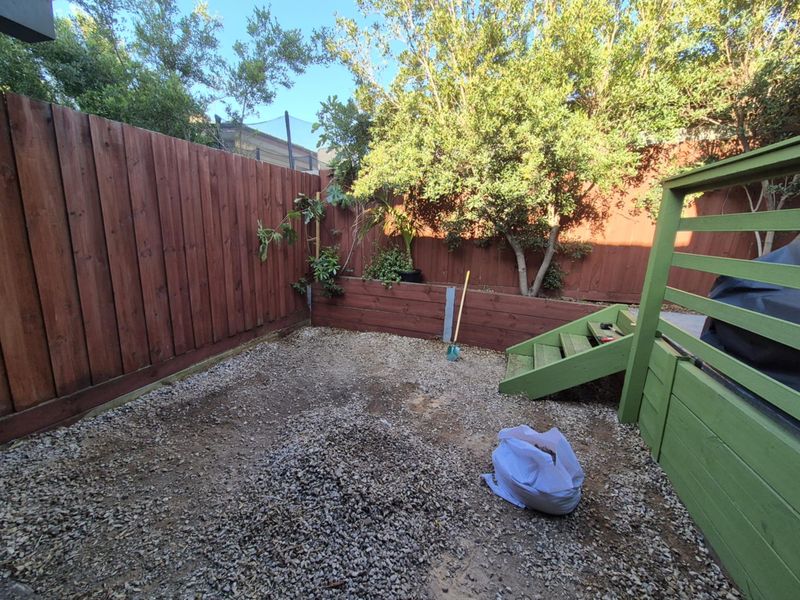
Good fences may make good neighbors, but good conversations make even better ones. Before a single post gets driven into the ground, take time to talk with the people living next door.
A quick chat can prevent a lot of confusion and hard feelings later on.
Let your neighbor know your plans early. Tell them what kind of fence you are thinking about, where it will go, and when you plan to start.
You do not need their permission if the fence is on your property, but giving them a heads-up shows respect.
Some neighbors may have concerns you had not thought about. Maybe they have a dog that uses a shared path.
Maybe they were planning to build something along the same stretch. Hearing them out gives you a chance to find a solution before anything is built.
Being upfront also helps avoid the awkward moment where someone walks outside to find construction happening right next to their yard without any warning. That kind of surprise rarely starts a good conversation.
You might also discover that your neighbor wants to share the cost of a shared fence. That kind of agreement can save both of you money and lead to a better result.
A short, friendly talk before work begins sets the tone for everything that follows and keeps the relationship on solid ground throughout the entire project.
2. Check The Property Line First
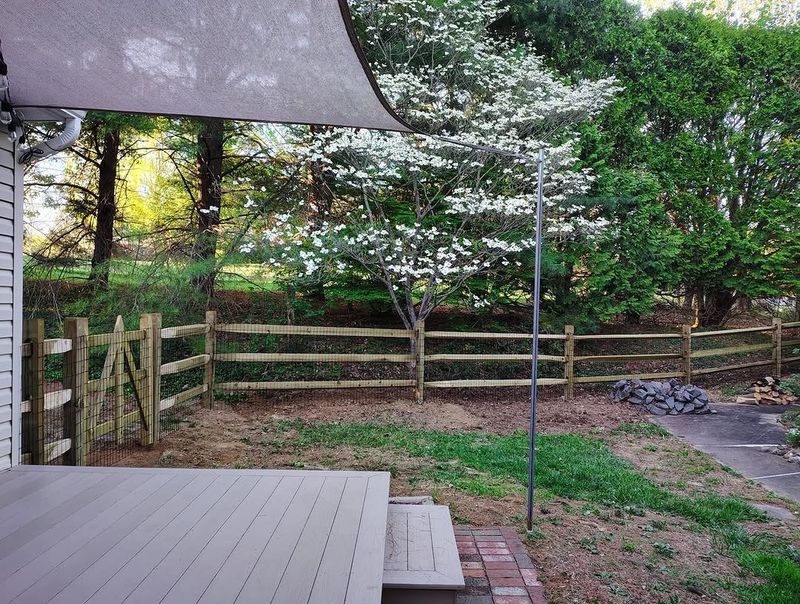
Many fence disputes start the same way: someone builds without checking where their property actually ends. It is one of the most common and costly mistakes a homeowner can make.
A fence built even a foot over the line can become a serious legal issue.
Before any materials get ordered, hire a licensed land surveyor to confirm your property boundaries. Old survey stakes can shift or disappear over time.
Relying on a neighbor’s word or an old map is risky and could lead to big problems down the road.
Oregon local county offices often have property records you can look up online. But official documents are not always as accurate as a physical survey done by a professional.
Spending a few hundred dollars on a proper survey is far cheaper than dealing with a boundary dispute later.
Your Oregon Garden Changes Every Week. Your Plan Should Too.
Gardening in Oregon changes quickly throughout the season. Every Friday you’ll receive a simple weekly plan showing exactly what to plant, prune, fertilize, harvest, and protect so you never miss the right timing.
Once you know exactly where your line is, mark it clearly before any digging starts. This protects you and gives your contractor clear guidance.
It also shows your neighbor that you took the right steps and are not just guessing.
Knowing your property line also helps you understand whether a fence is considered shared or solely yours. That matters when it comes to maintenance costs and responsibilities.
A clear boundary is the foundation of a fence project done right, and it removes any room for future arguments about who owns what.
3. Keep The Finished Side Facing Out
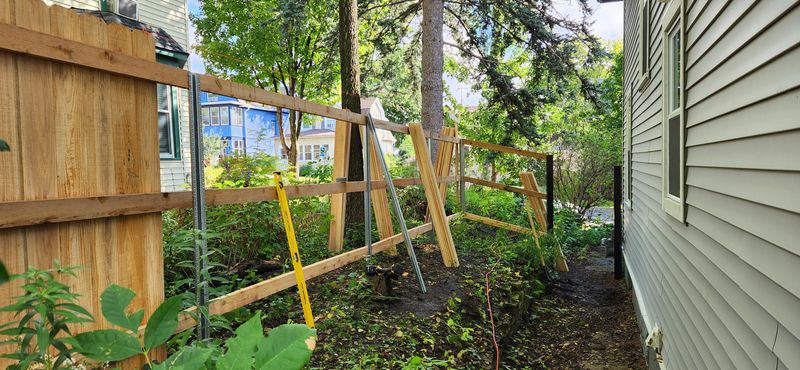
There is a long-standing tradition in residential fencing that most experienced contractors know well: the finished side of the fence should face outward toward the neighbor or the street. The support posts and framing face inward toward your own yard.
This is not a written law in most places, but it is a widely respected custom.
Putting the polished side out shows consideration for your neighbors and for anyone passing by. It gives the neighborhood a cleaner, more welcoming look.
The rougher structural side stays hidden on your property where only you see it.
Some homeowners flip this around because they want the nicer side for themselves. That is understandable, but it can come across as thoughtless.
Imagine looking out your window every day at the back of someone else’s fence posts and rails. It is not exactly a pleasant view.
A few fence styles, like shadowbox or board-on-board designs, look finished on both sides. These are a great option when you want the best of both worlds.
They are popular in Oregon for exactly that reason.
If you are replacing an old fence, check which way the previous one faced and try to match it. Consistency along a shared fence line looks better for everyone involved.
Small choices like this one show that you care about more than just your own yard, and that kind of thoughtfulness builds real goodwill with the people around you.
4. Know The Height Limit Before Building
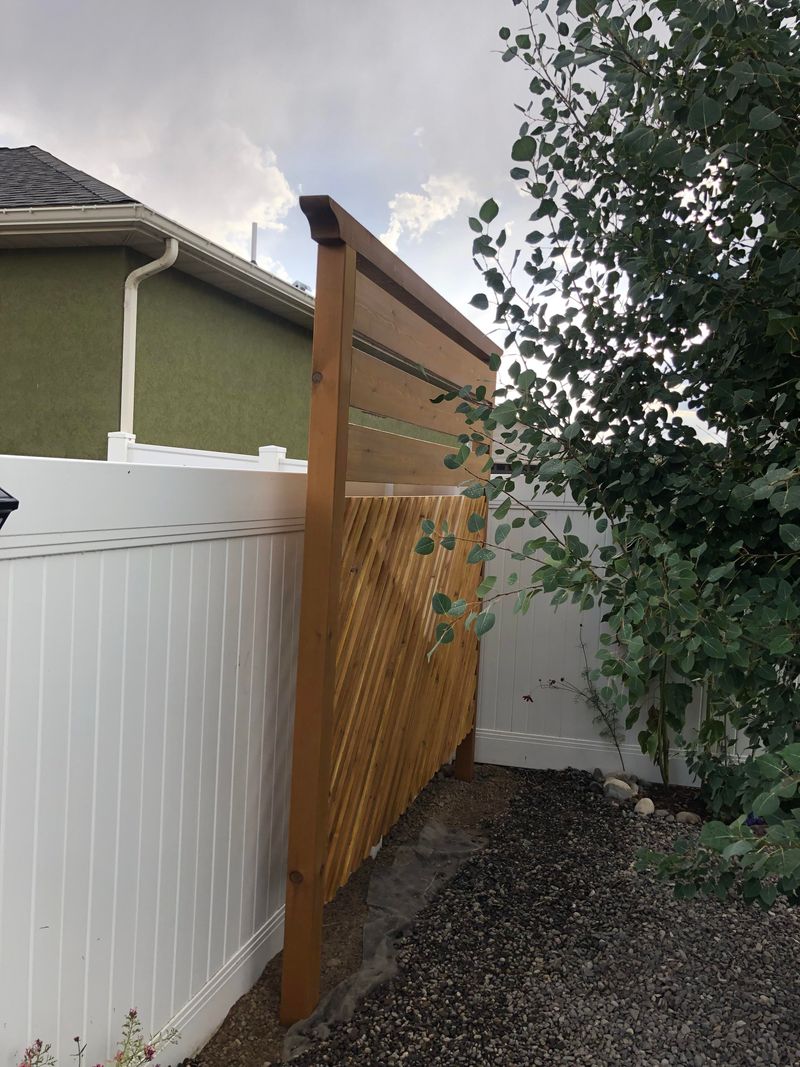
Height rules for fences are set by local zoning codes, and they vary quite a bit depending on where you live.
In most residential areas across Oregon, backyard fences are limited to six feet tall, while front yard fences are often capped at four feet.
Building higher than allowed without a permit can mean tearing the whole thing down.
Before you buy a single board, contact your local city or county planning office. Ask about the fence height rules for your specific zone.
Some neighborhoods also have homeowners association rules that are stricter than local codes.
Height limits exist for good reasons. They protect sightlines, allow natural light to reach neighboring yards, and help maintain the open feel of a neighborhood.
A fence that is too tall can make a yard feel boxed in and may block sunlight from a neighbor’s garden.
If you need extra privacy and the standard height is not enough, there are legal ways to add height.
Lattice toppers, trellis panels, or strategic plantings can extend your visual privacy without technically raising the fence height.
Talk to your local planning office about what options are allowed.
Getting the height right from the start saves you a huge headache. Permits may be required for certain heights, and skipping that step can result in fines or forced removal.
A fence that meets all the rules gives you peace of mind and keeps your project on solid legal footing from day one.
5. Don’t Block A Neighbor’s View Suddenly
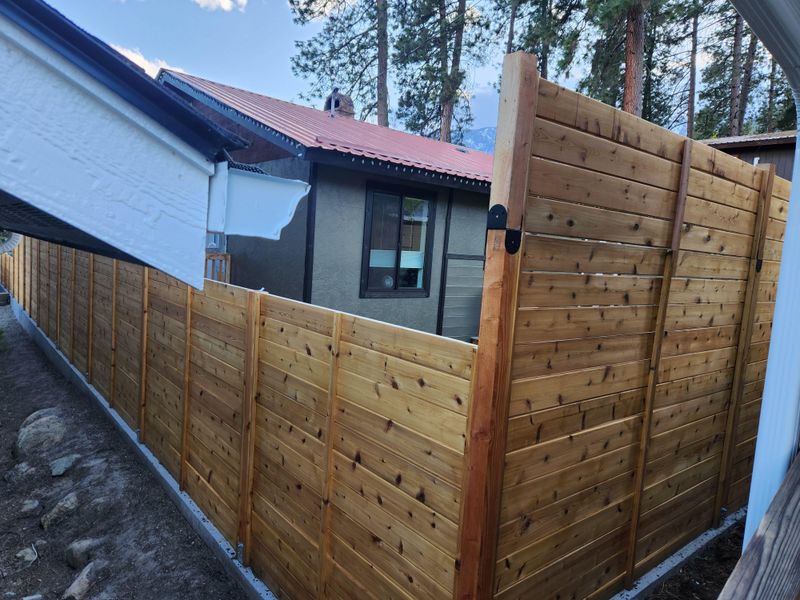
Putting up a tall, solid fence overnight without any warning can feel like a slap in the face to a neighbor who has enjoyed a certain view for years.
Even if it is completely legal, doing it suddenly and without notice can seriously damage your relationship with the people next door.
Views matter to people. Whether it is a mountain backdrop, a garden, or just an open green space, many homeowners in Oregon have chosen their homes partly because of what they can see from their windows.
Taking that away without a word is a sure way to create lasting resentment.
The fix is simple: talk to your neighbor first. Explain what you are planning and give them time to prepare.
You might be surprised. Some neighbors may have no issue at all.
Others might appreciate the chance to discuss alternatives, like a lower fence or a different placement.
Being transparent does not mean you have to change your plans. You still have the right to build what is allowed on your property.
But giving your neighbor fair notice shows that you respect them as a person, not just as someone living next to you.
In some cases, a compromise can actually lead to a better outcome for both sides. Maybe a partial fence or a different fence style gives you the privacy you want while preserving some of their view.
Creative solutions are more possible when both sides feel heard and respected before anything gets built.
6. Keep Gates From Swinging Over The Line
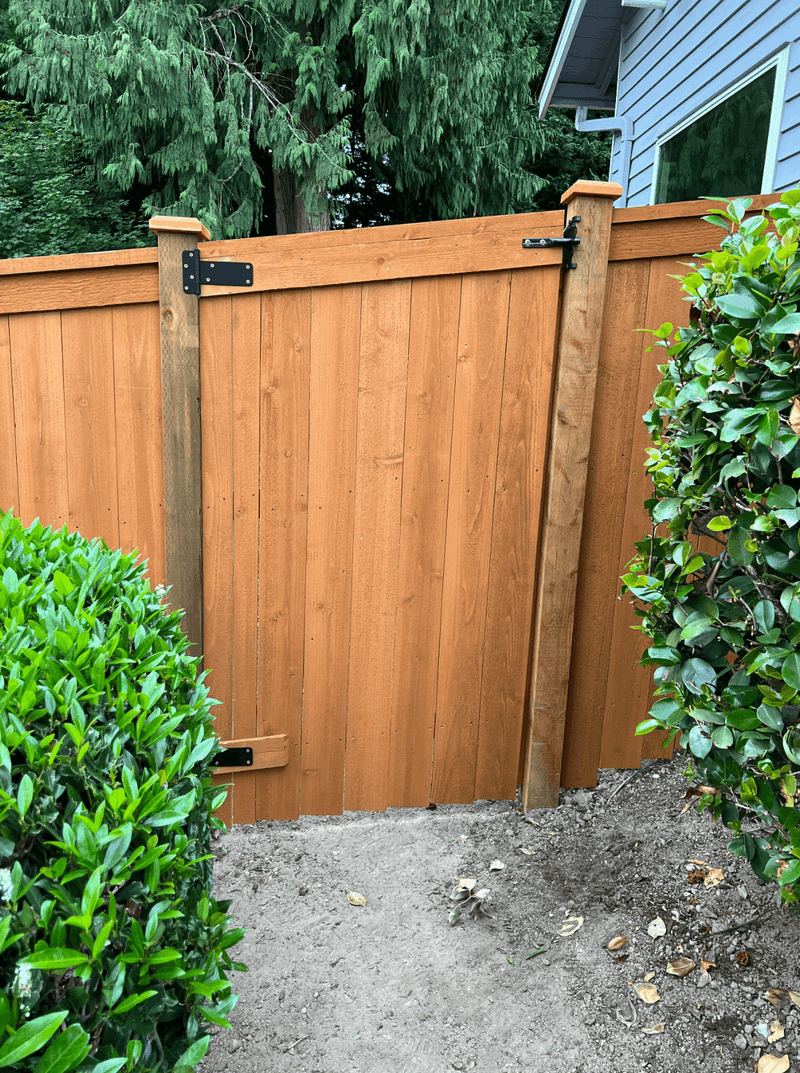
Gates are easy to overlook when planning a fence, but they can become a real source of friction between neighbors if they are not set up correctly.
A gate that swings outward and crosses the property line is technically an encroachment on your neighbor’s land. Even a few inches over the line can create a legal issue.
Always design your gate so it swings inward, toward your own property. This keeps the movement of the gate entirely within your space.
It also tends to be safer since an outward-swinging gate can be a hazard near sidewalks or shared driveways.
If you are replacing an old gate or building a new one, double-check the swing direction before installation. It is a small detail that is easy to get right from the start.
Fixing it after the fact usually means taking the gate off and rehinging it, which costs extra time and money.
Some homeowners install gates without thinking about clearance. Make sure the gate clears the ground properly and does not drag, especially in areas with wet winters like much of this state.
A gate that sticks or drags becomes a daily frustration and may end up left open, which defeats the purpose of having one.
Taking time to plan your gate carefully shows attention to detail. A well-hung gate that stays on your side of the line is a small thing, but it reflects the kind of thoughtful homeowner you are.
Neighbors notice these things more than you might expect.
7. Trim Vines Before They Cross The Fence
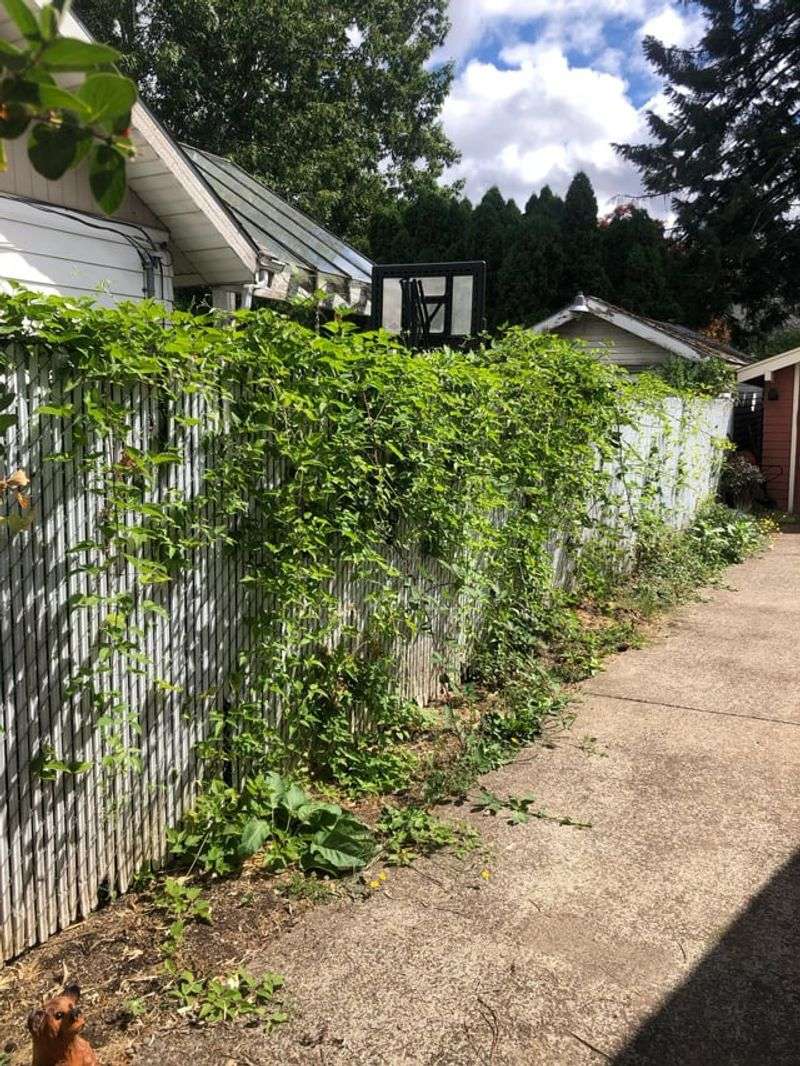
Plants growing along a fence can look beautiful, but they can also become a problem if they are not managed carefully.
Vines especially have a way of spreading fast and quietly crossing onto a neighbor’s property before anyone notices.
Once they are established on the other side, they can be hard to remove and may cause damage to the fence itself.
Keeping your plants trimmed and contained is part of being a responsible fence owner. Check your fence line regularly, especially during the rainy growing season that much of Oregon experiences.
A quick trim every few weeks during peak growth can prevent a much bigger job later.
If a vine or plant has already crossed the line, address it promptly. Do not wait for your neighbor to complain.
Proactively cutting it back and keeping it on your side shows that you are paying attention and that you care about the shared space between your properties.
Some vines can actually damage wooden fences by trapping moisture and encouraging rot. Ivy and other heavy climbers can also pull fence boards loose over time if they are not kept in check.
Managing your plants protects your fence as much as it protects your neighbor’s yard.
Talking to your neighbor about shared plantings is also a good idea. If you both enjoy a particular vine or climbing plant, you might agree on a maintenance plan that works for both sides.
Shared responsibility can turn a potential problem into a fun and creative garden project you both take pride in.
8. Ask Before Attaching Anything To Shared Fencing
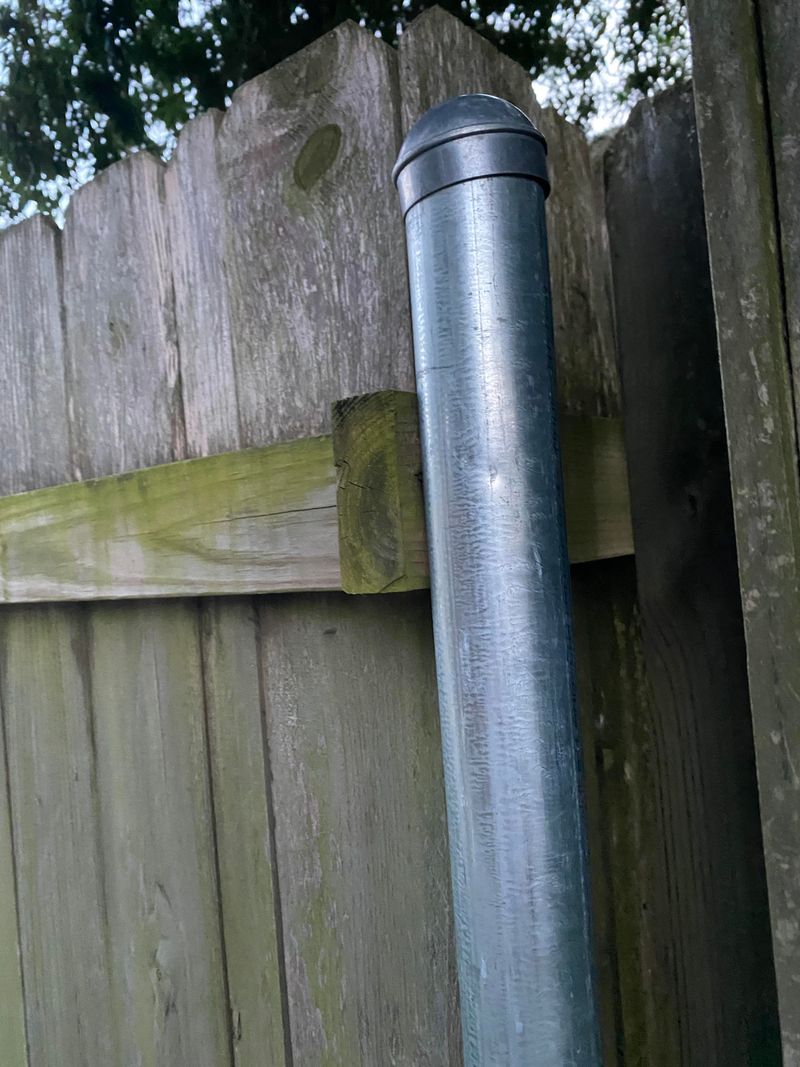
Shared fences come with shared responsibilities, and that means shared decision-making too.
If a fence sits on the property line between two homes, neither owner has the right to make changes to it without the other’s agreement.
Attaching things to a shared fence without asking first is one of the most common fence etiquette mistakes people make.
It might seem harmless to hang a garden hook, a birdhouse, or a string of lights on the fence. But if that fence belongs to both of you, anything attached to it is technically on shared property.
Your neighbor may not want extra weight on the fence, or they may simply prefer a clean look on their side.
Always ask before you attach anything, no matter how small it seems. A simple question takes thirty seconds and can prevent an uncomfortable conversation later.
Most neighbors will say yes, but giving them the chance to weigh in is the respectful thing to do.
The same rule applies to painting or staining a shared fence. Even if you plan to use the same color, checking with your neighbor first is good practice.
They may want to be involved in the decision or may have preferences about the product used.
Treating shared fencing like the shared asset it truly is builds trust and mutual respect. When both neighbors feel ownership and input, they are more likely to contribute to upkeep and repairs.
That kind of partnership makes fence ownership easier and far more pleasant for everyone involved on both sides of the line.