Companion Flower Wisconsin Gardeners Pair With Strawberries For More Pollinators
A strawberry patch in Wisconsin can look perfect on paper and still disappoint at harvest time. Rows are weeded, soil is rich, and sunlight pours in for hours, yet the berries that show up are small, lopsided, and oddly pale on one side.
The missing piece is often invisible until someone points it out. Strawberry flowers need repeated visits from bees to form full, plump fruit, and a patch that pollinators skip barely gets pollinated at all.
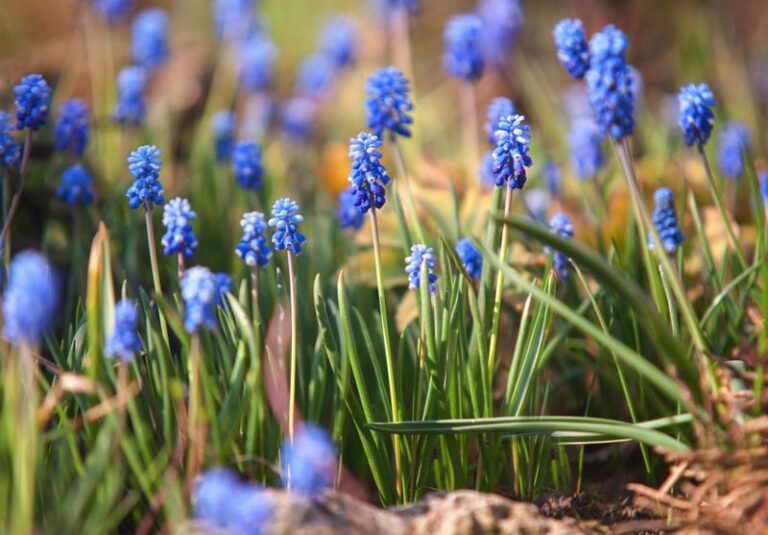
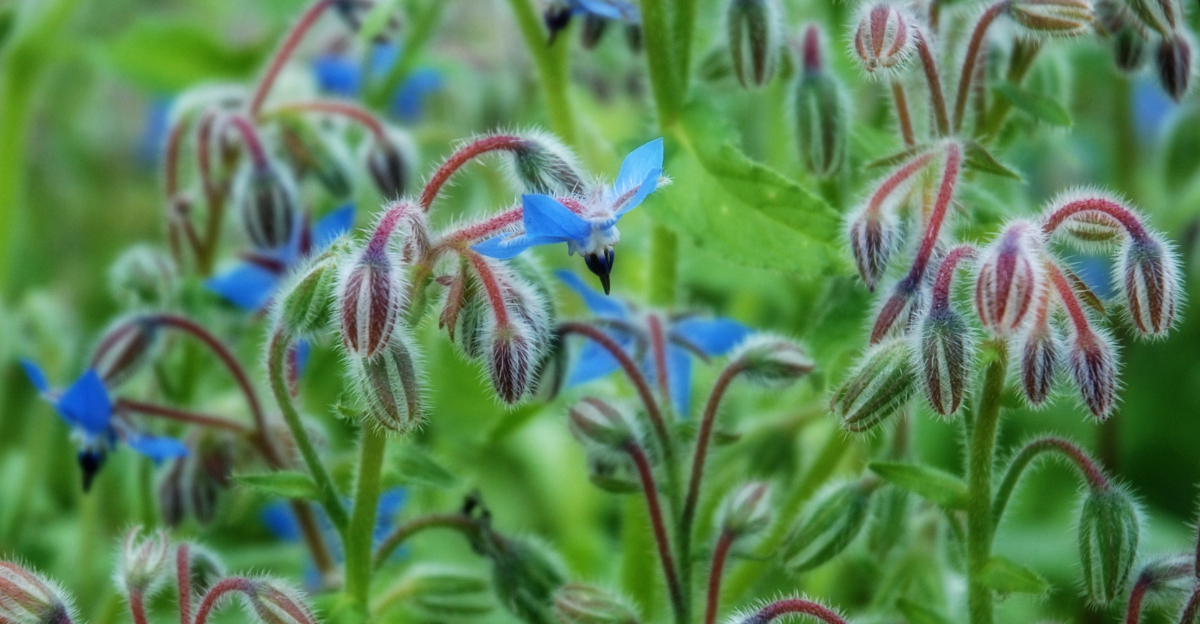
This is where one unassuming companion plant changes the whole equation. Its clusters of star-shaped blue blooms seem to send out a signal that local bee populations cannot ignore.
Gardeners across the state have started tucking it between their strawberry rows, with noticeable results. Once the flowers open, the patch starts humming, quite literally, and the berries that follow tell their own story.
This Small Flower Solves A Big Strawberry Pollination Problem
Strawberries need help. Without pollinators visiting each bloom, your harvest turns into a sad pile of tiny, lopsided berries.
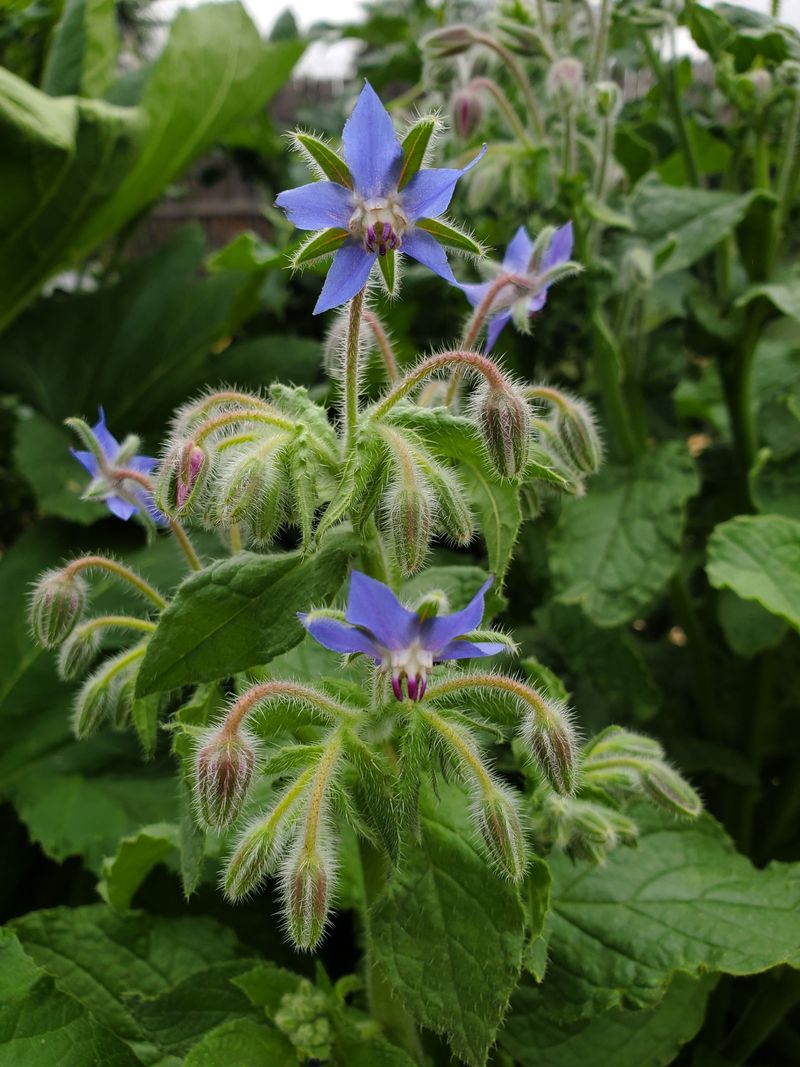
That is where borage steps in, and it does the job beautifully. Borage, also called starflower, produces clusters of vivid blue blooms that strongly attract bees.
Each flower holds a rich nectar reward, which keeps pollinators coming back day after day. More bee visits mean more fully pollinated strawberry flowers, and that equals bigger, rounder, more satisfying fruit.
The companion flower Wisconsin gardeners are pairing with strawberries is borage, and the reason is straightforward. Bees are drawn to blue flowers more strongly than almost any other color in the garden.
Borage also blooms over a long season, so pollinators have a consistent food source right next to your berry patch. That steady presence keeps beneficial insects nearby rather than wandering off to a neighbor’s yard.
Gardeners who have tried this pairing often report noticeably fuller berry clusters by midsummer. One season of growing borage alongside strawberries is often enough to make it a regular part of the garden plan.
The plant itself grows about two feet tall and wide, making it a visible and accessible landing pad for bees. Planting even three or four borage plants near your strawberry bed can help improve fruit set and overall yield.
Borage Draws Bees And Butterflies All Season Long
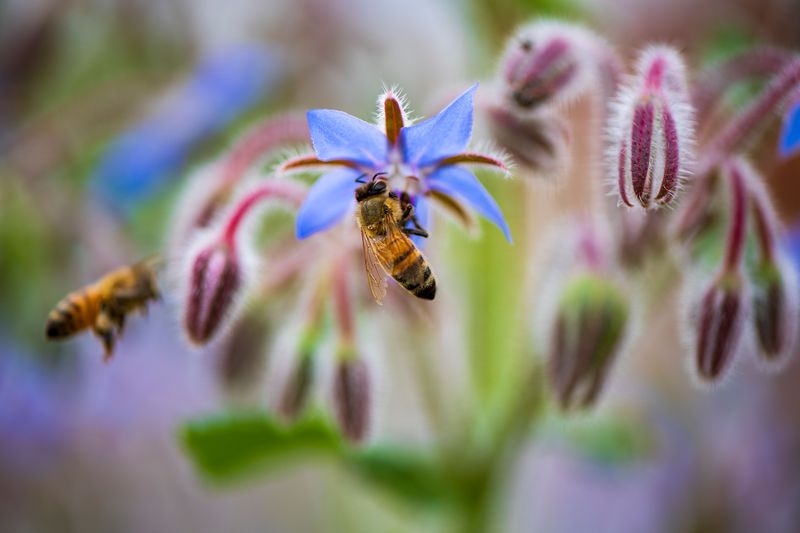
Picture your strawberry patch buzzing with activity from June through September. That is exactly what happens when borage is in the mix.
Borage blooms throughout most of the season, from early summer until the first frost, which is a rare and valuable trait. Most flowers have a short window of bloom time, but borage just keeps going.
That extended season matters because strawberry plants also produce runners and secondary blooms well into late summer. Having pollinators present throughout that whole stretch means most blooms get a fair chance at becoming fruit.
Honeybees are the most frequent visitors to borage, but bumblebees love it just as much. Bumblebees are also faster and more persistent visitors than honeybees, which makes them especially effective pollinators for your berry plants.
Your Wisconsin Garden Changes Every Week. Your Plan Should Too.
Gardening in Wisconsin changes quickly throughout the season. Every Friday you’ll receive a simple weekly plan showing exactly what to plant, prune, fertilize, harvest, and protect so you never miss the right timing.
Butterflies also show up regularly, attracted by the same bright blue color that pulls in the bees. Painted ladies, cabbage whites, and even occasional swallowtails have been spotted nectaring on borage in Midwestern gardens.
Gardeners consistently report more insect activity around strawberry beds once borage is established nearby.
Beyond just numbers, the diversity of pollinators increases too. A wider variety of beneficial insects creates a more resilient garden ecosystem overall, which benefits every plant in the yard, not just the strawberries.
Where To Plant It Near Your Strawberry Bed
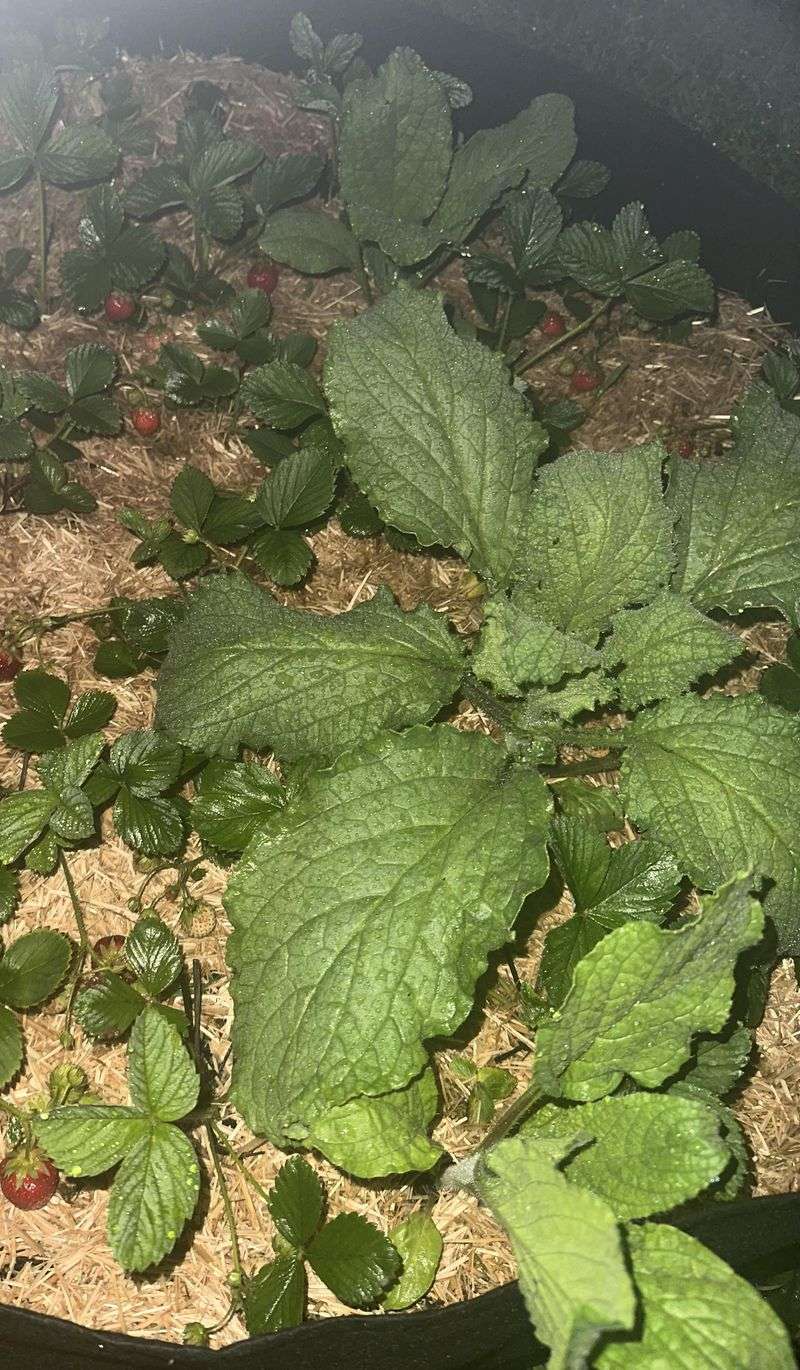
Placement matters more than most gardeners realize. Putting borage in the wrong spot means pollinators still have to travel too far to reach your strawberries.
The best approach is to tuck borage plants along the border of your strawberry bed. Aim for no more than three feet of distance between the borage and the nearest strawberry crowns.
Bees tend to forage in tight clusters, so keeping both plants close together encourages insects to move between them naturally. A borage plant on each end of a strawberry row works especially well for longer beds.
Raised beds make this pairing even easier to manage. You can plant one borage at each corner of the bed, giving pollinators easy access from every side without crowding your strawberry plants.
Borage prefers full sun, which fits well with what strawberries need. Both plants thrive with at least six hours of direct sunlight daily, so they compete for the same light without one shading out the other.
Avoid planting borage directly on top of your strawberry crowns, since it can get bushy and block airflow. A few inches of breathing room keeps both plants healthy and productive through the season.
If your strawberry patch runs along a fence or garden edge, plant borage on the south-facing side. That position maximizes sun exposure for the borage blooms and makes them even more visible and attractive to passing pollinators.
Borage Grows Well In Wisconsin With Little Care
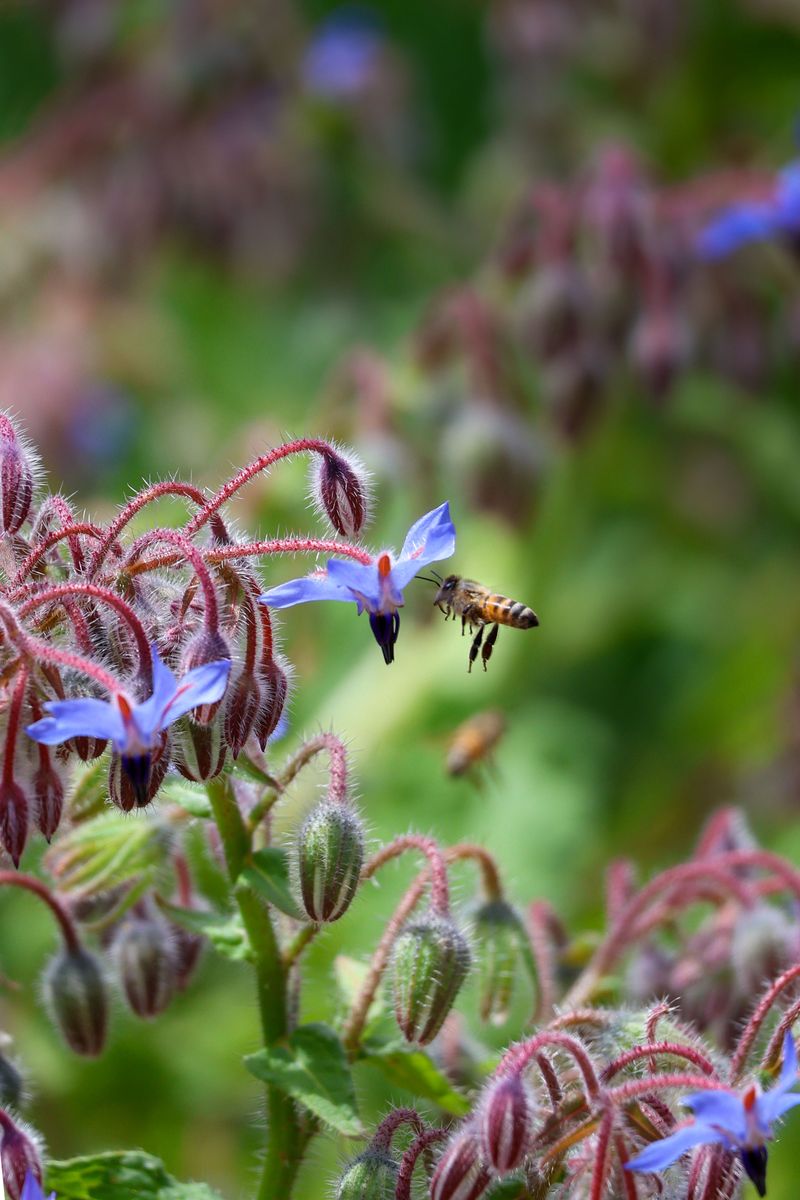
Some companion plants sound great in theory but become a chore to maintain. Borage is not one of those plants.
Direct sow borage seeds into the garden after the last frost, which in southern Wisconsin typically falls in early to mid-May, and later in northern parts of the state. Seeds germinate quickly, usually within seven to fourteen days, and seedlings grow fast once they get going.
The plant is drought tolerant once established, so you do not need to water it separately from your regular strawberry watering schedule. It pulls its weight without demanding extra attention from you.
Borage is not picky about soil quality either. It performs well in average garden soil and does not require heavy fertilizing, which makes it a low-cost addition to any existing bed.
Wisconsin summers can swing between cool and humid to hot and dry within the same week. Borage generally holds up well through those swings, which keeps pollinators coming even during unpredictable stretches of weather.
The plant does grow tall quickly, so give it a little room to spread. Spacing plants about eighteen inches apart prevents them from flopping over each other and keeps the blooms upright where pollinators can easily access them.
One minor heads-up: the leaves and stems have tiny bristly hairs that can irritate sensitive skin. Wearing light garden gloves when handling borage makes the experience much more comfortable for most growers.
It Also Helps Keep Common Strawberry Pests Away
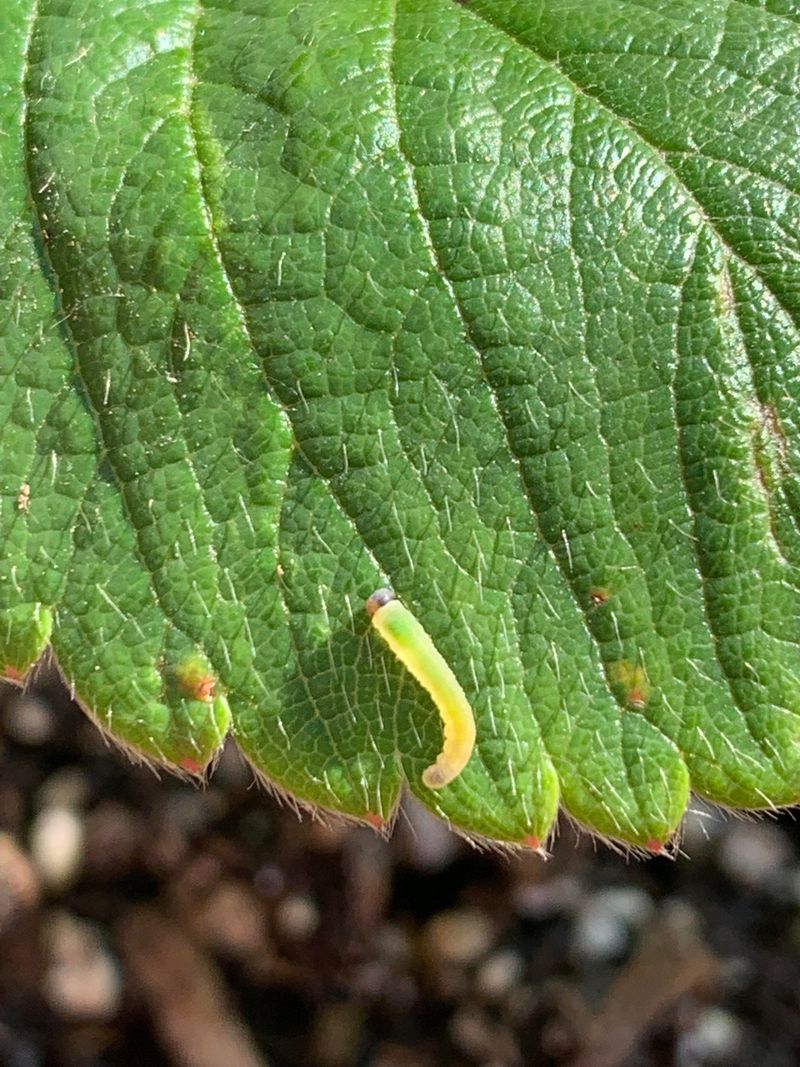
Pollinators are the headline act, but borage brings a bonus most gardeners do not expect. It also helps protect your strawberry plants from common garden pests.
Aphids and spittlebugs are common strawberry pests in the Midwest, and both can weaken plants and reduce fruit quality. Some gardeners report fewer of these pests near borage, though the evidence is mostly anecdotal.
The strong scent of borage leaves is believed to confuse or deter certain insects that would otherwise zero in on nearby plants. While research is still ongoing, generations of gardeners have observed fewer pest problems near borage-planted beds.
Aphids are one of the most frustrating strawberry pests in the Midwest. They cluster on tender new growth, weaken plants, and spread viral diseases that can reduce fruit production for the entire season.
Borage also attracts predatory insects like lacewings and parasitic wasps, which feed on aphids and other soft-bodied pests. Bringing in those natural predators creates a built-in pest management system without any sprays or chemicals.
Strawberry plants stressed by pest pressure produce fewer and smaller fruits. Reducing that stress through companion planting is a smart move for a home gardener.
The combination of pest deterrence and pollinator attraction makes borage a productive companion plant. You get two significant garden benefits from a single, easy-to-grow flower that costs almost nothing to plant.
Letting It Self-Seed For Years Of Pollinators
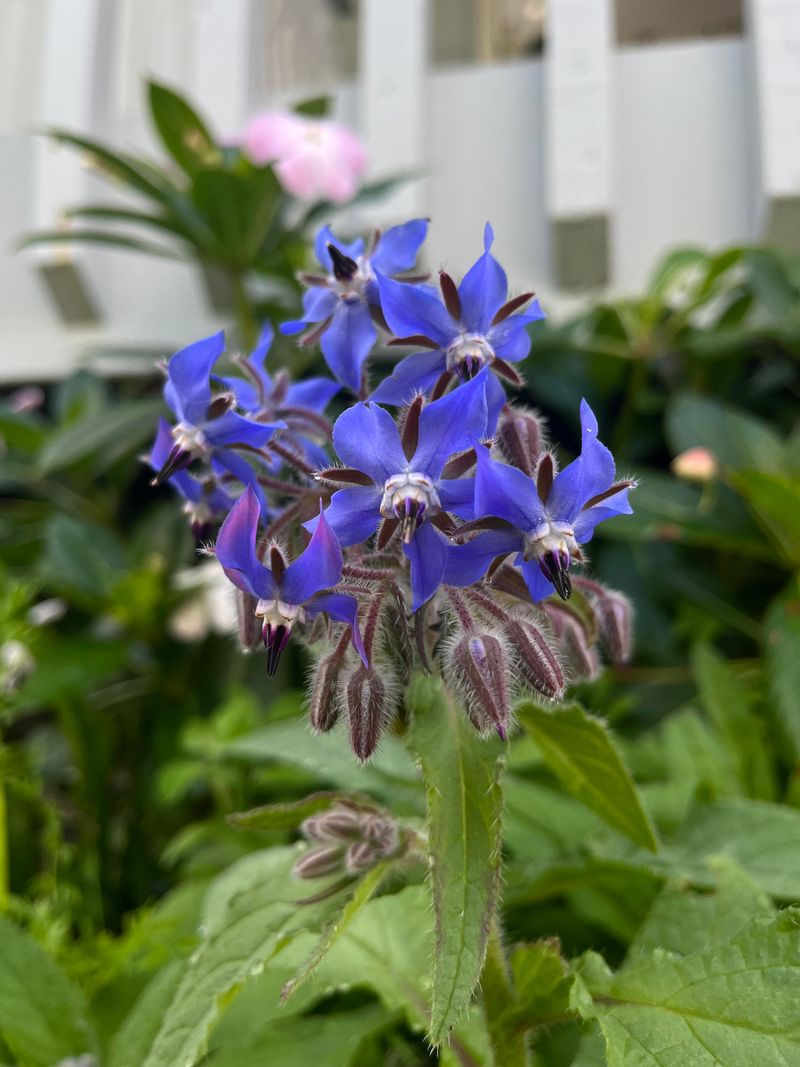
Here is the best part about borage: you only have to plant it once. After that, it takes care of itself year after year through natural self-seeding.
Borage produces seeds prolifically as the season winds down. Those seeds drop into the soil, overwinter naturally, and sprout the following spring right where you need them most.
By the second year, you will likely have more borage seedlings than you started with. Thin them out to your preferred spacing, and the rest will grow into full, blooming plants by early summer.
This self-seeding habit makes borage one of the most cost-effective companion plants you can add to your garden. One seed packet purchased once can supply your strawberry bed with pollinators for many years.
If seedlings pop up in spots you did not plan for, they transplant easily when young. Move them to the edges of your strawberry bed before the taproot gets too deep, and they settle in without missing a beat.
Leaving a few plants to fully mature and drop seeds at the end of each season is the key to keeping the cycle going. Resist the urge to pull everything out in fall, and let nature do the replanting for you.
Plant it once, tend it lightly, and enjoy years of buzzing, beautiful, productive strawberry harvests.