These 7 Houseplants Illinois Homeowners Can Water With Just Ice Cubes
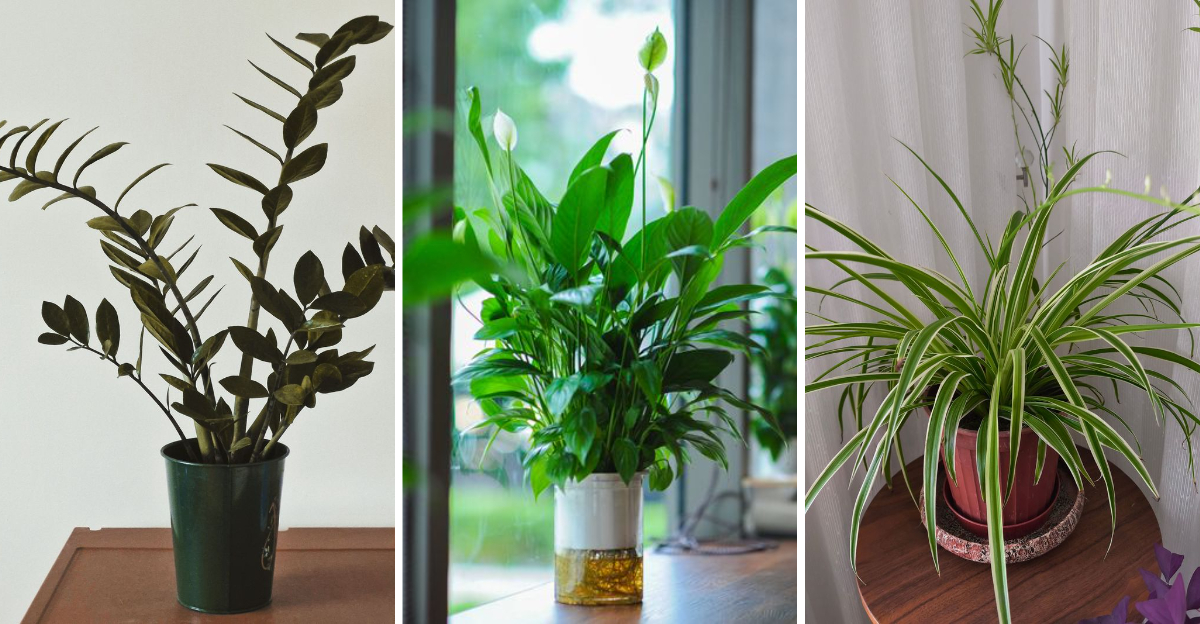
A cube of ice sitting on potting soil looks almost too casual to matter. Yet it might be the most patient watering method available to Illinois plant owners. Winter radiators strip moisture from indoor air within hours.
Summer humidity swings the opposite direction. Houseplants get caught between these two extremes, and most watering habits fail somewhere in that gap. Some flood the roots in one go. Others leave soil dry for stretches that quietly add up.
Melting ice changes the timing entirely. Instead of a sudden soak, water seeps downward in small increments. Roots get the chance to absorb moisture as it arrives, rather than scrambling to process a sudden downpour.
Overwatered plants often show more visible damage than underwatered ones. This slow-release approach sidesteps that risk almost by accident.
1. Phalaenopsis Orchids Thrive On Slow Melting Moisture
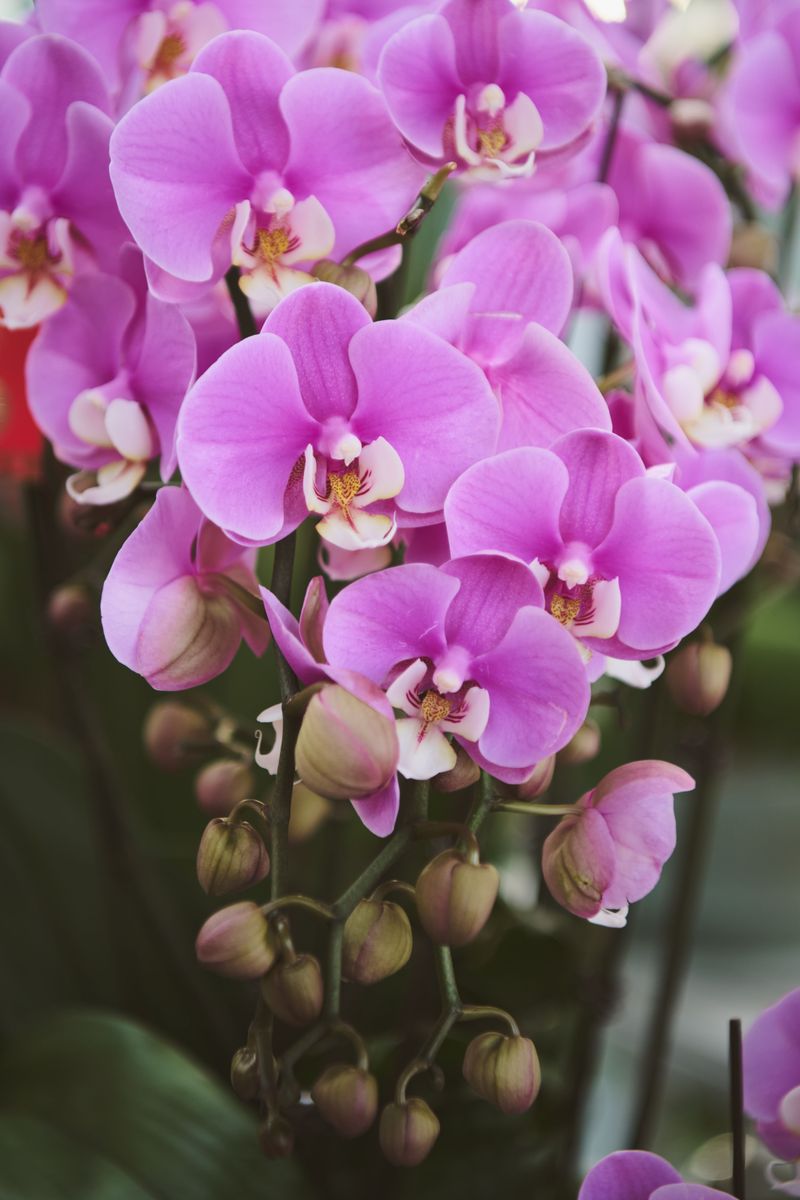
Phalaenopsis orchids have a reputation for being fussy, but that reputation is mostly undeserved. These stunning bloomers actually prefer a slow, controlled drip of moisture, which is exactly what melting ice cubes deliver.
Most orchid owners make one big mistake: they flood the pot all at once. Roots sitting in pooled water quickly rot, and that is when the trouble starts.
Healthy orchid roots typically appear green and firm to the touch. Overwatered roots often turn brown and mushy, which is usually the first visible warning sign.
Ice cubes placed directly on the bark or growing medium melt gradually over an hour or two. That slow release mimics the light tropical rains orchids experience in their natural habitat.
For a standard 6-inch pot, about three ice cubes per week is the sweet spot. Illinois winters are especially dry indoors, so consistent weekly watering keeps blooms lasting longer.
Avoid placing ice directly on the roots or leaves, since cold contact can stress the plant. Set the cubes on the growing medium and let gravity do the rest.
One fun fact: Phalaenopsis orchids can rebloom if cared for correctly, sometimes producing flowers twice a year. The ice cube method keeps moisture steady without guesswork, giving you the best shot at a second bloom cycle.
Houseplants watered with ice cubes tend to show stronger root systems over time. Orchids cared for this way often reward patient Illinois homeowners with months of gorgeous color.
2. Snake Plants Handle Infrequent Watering Well
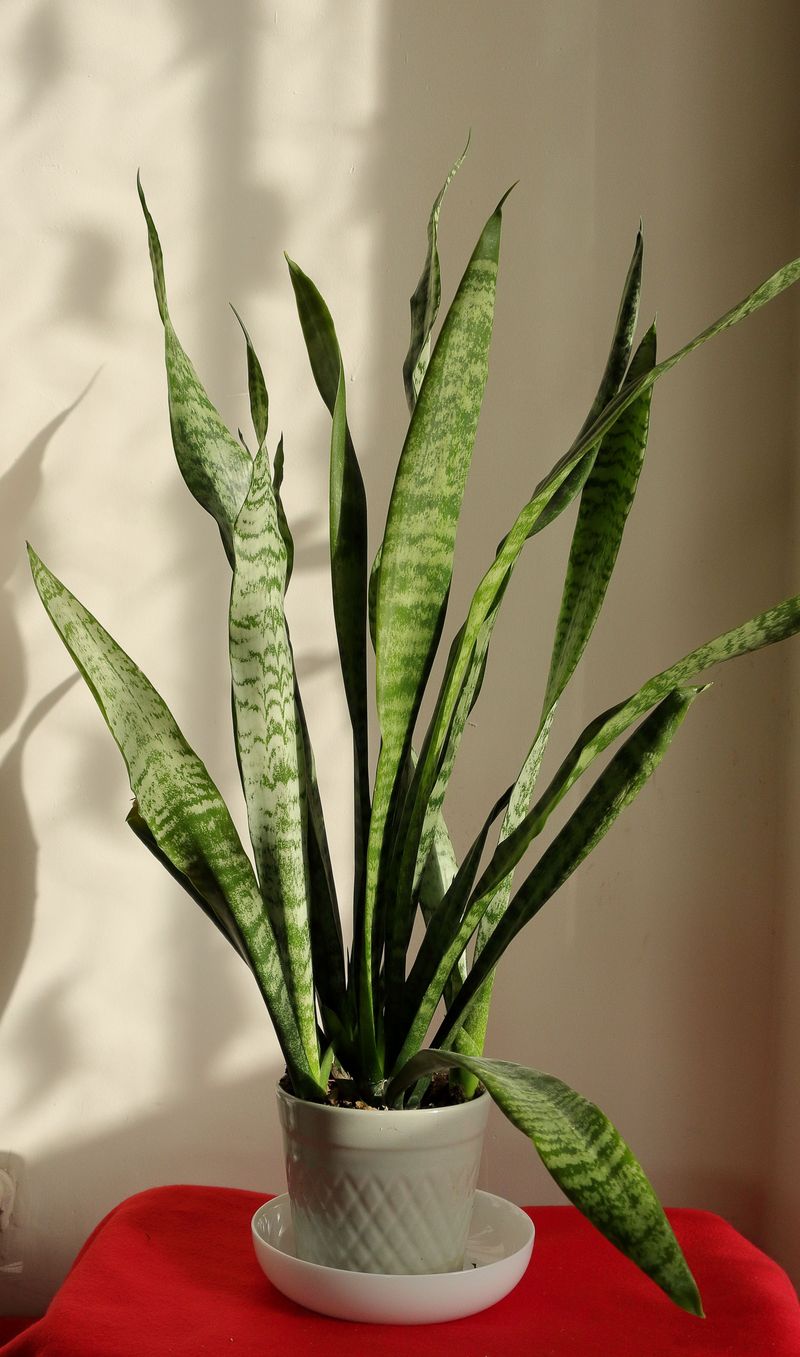
Snake plants are among the most reliable houseplants for low-maintenance care. They tolerate neglect, low light, and inconsistent watering better than almost any other indoor green.
Using ice cubes with snake plants works surprisingly well because of one key trait: these plants hate sitting in soggy soil. The slow melt prevents overwatering almost automatically.
Place two or three ice cubes on the soil surface every ten to fourteen days. In Illinois winters, when heating systems dry out indoor air fast, that schedule keeps moisture levels balanced without overdoing it.
Snake plants store water in their thick, waxy leaves, so they draw from reserves between watering sessions. Ice cubes simply top off the tank without overwhelming the roots.
Your Illinois Garden Changes Every Week. Your Plan Should Too.
Gardening in Illinois changes quickly throughout the season. Every Friday you’ll receive a simple weekly plan showing exactly what to plant, prune, fertilize, harvest, and protect so you never miss the right timing.
Root rot rarely shows up in snake plants watered this way. The slow melt simply does not give fungus the damp conditions it needs to spread.
Yellowing leaves are usually the first sign something is off with watering habits. Switching to ice cubes often stops that yellowing before it spreads further.
One thing to watch for is the pot size. A large pot holds more soil and retains moisture longer, so you may need even fewer cubes per session.
These plants also grow slowly, which means they are not pulling heavy nutrients or water from the soil at a rapid pace. That makes the ice cube method a natural match for their laid-back lifestyle.
A healthy snake plant can live for decades with minimal fuss. Illinois homeowners who want a low-maintenance green companion will find that ice cube watering keeps this tough plant thriving season after season.
3. ZZ Plants Need Very Little Water To Stay Healthy
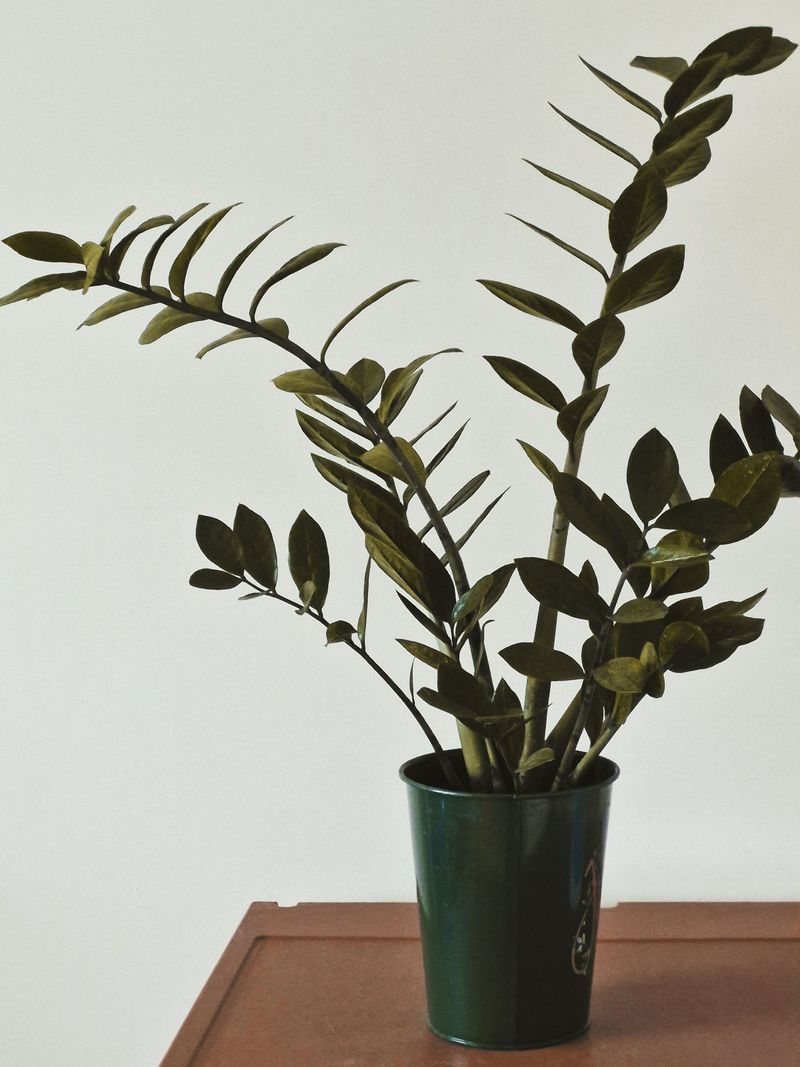
ZZ plants look like they belong in a design magazine, and they practically take care of themselves. Their thick, waxy leaves and fat underground rhizomes store water for weeks at a time.
Overwatering is the number one way to harm a ZZ plant, and ice cubes make that mistake nearly impossible. The slow melt gives roots just enough moisture without flooding the rhizomes below.
In most Illinois homes, one or two ice cubes every two weeks is plenty during the growing season. Winter months call for even less, since the plant slows its growth significantly when daylight shortens.
The rhizomes act like little water batteries, holding reserves that the plant taps during dry spells. Ice cubes replenish those reserves gradually, which closely matches the plant’s natural rhythm.
Yellow leaves on a ZZ plant almost always point to too much moisture rather than too little. This is one of the few cases where less attention truly means a happier plant.
Bright indirect light and minimal watering are the two things ZZ plants love most. Pair those conditions with the ice cube method, and you have one of the easiest houseplant setups imaginable.
Did you know ZZ plants were only widely introduced to the houseplant market in the late 1990s? Before that, they were mostly used in commercial landscaping in tropical regions.
Illinois homeowners who travel frequently or simply forget to water will appreciate how forgiving this plant truly is. Ice cube watering fits perfectly into a busy lifestyle without sacrificing a lush, healthy-looking plant.
4. Pothos Vines Tolerate Irregular Watering With Ease
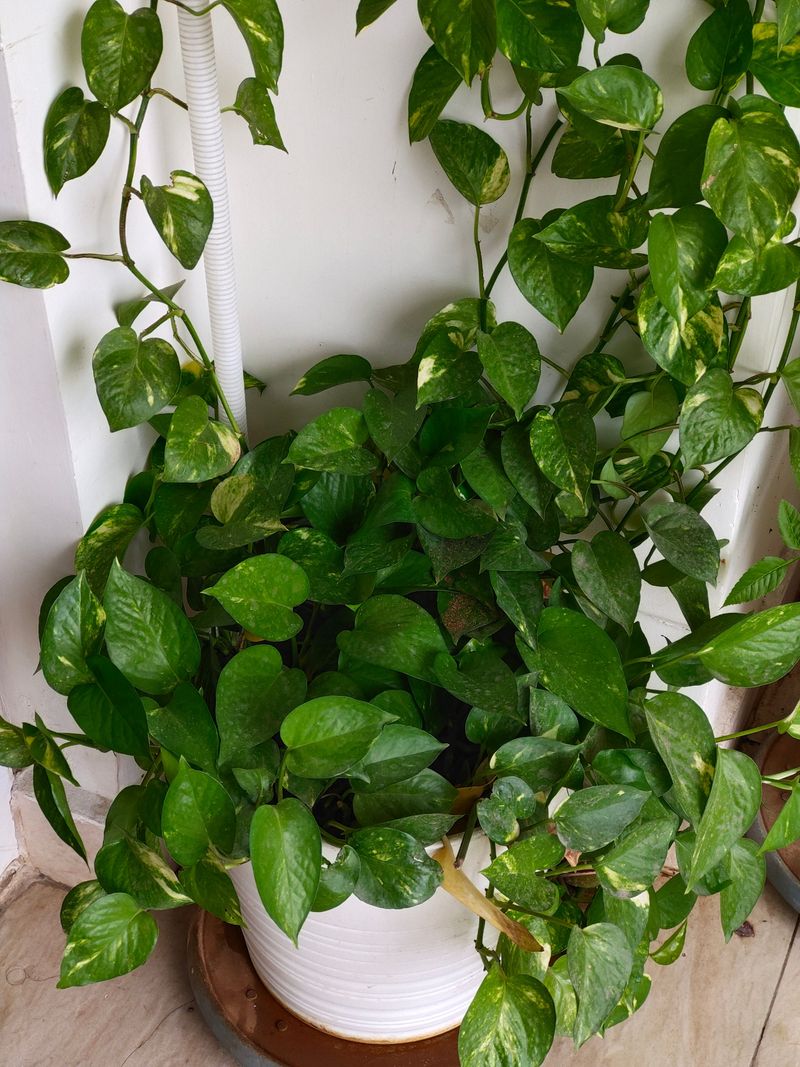
Pothos vines are the houseplant equivalent of a good-natured friend who rarely complains. They trail beautifully, grow fast, and bounce back from neglect with almost cheerful resilience.
Using ice cubes with pothos works especially well because the vine’s roots prefer to dry out slightly between sessions. A slow melt from three or four cubes gives moisture without waterlogging the soil.
Illinois homes with inconsistent humidity levels can stress pothos vines into yellowing leaves. The ice cube method delivers steady hydration that helps the plant maintain its bold, green color through dry heating seasons.
Pothos grows quickly under the right conditions, so it does pull water faster than slower plants like ZZ or snake plants. Watering with ice cubes every seven to ten days keeps pace with that moderate thirst.
One smart tip is to place the cubes near the base of the stems rather than at the pot’s edge. That targets the root zone directly and reduces evaporation before the water reaches where it matters.
Leggy growth with sparse leaves often signals a pothos reaching for more light rather than more water. Ice cube watering will not fix a lighting problem, so pairing the two matters.
Pothos vines can grow in soil or water, which tells you something about their flexible nature. They adapt to different moisture conditions without much drama, making them perfect for beginners and busy homeowners alike.
For Illinois homeowners who want trailing greenery without constant attention, pothos is a top pick. Ice cube watering keeps these vines lush, long, and looking effortlessly beautiful all year long.
5. Spider Plants Prefer Staying On The Dry Side
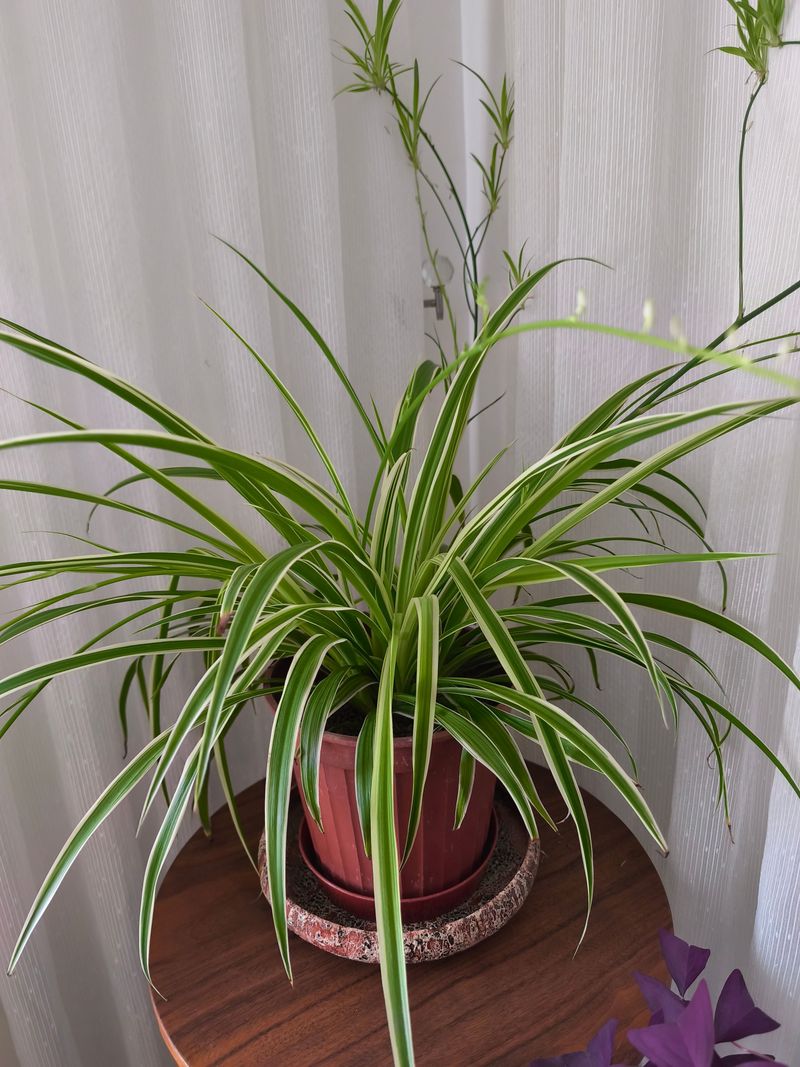
Spider plants have been a staple of American homes since the 1970s, and for good reason. They are cheerful, fast-growing, and remarkably forgiving about how often you water them.
The key to a happy spider plant is avoiding soggy roots, which the ice cube method handles naturally. Slow melting prevents pooling, and the plant absorbs moisture at a comfortable, unhurried pace.
Spider plants prefer to stay on the drier side between waterings, so two or three cubes every ten days is usually ideal. During Illinois summers, you might bump that up slightly, but never soak the pot all at once.
These plants produce long, arching offshoots called spiderettes, which dangle like little green satellites. A well-hydrated parent plant produces more of these babies, giving you plenty to share with neighbors or propagate into new pots.
Root-bound spider plants often push spiderettes out faster than usual, treating new offshoots as a sort of escape plan. Repotting every year or two keeps the parent plant from feeling quite so crowded.
One thing that makes spider plants unique is their sensitivity to fluoride in tap water. Melting ice cubes made from filtered water reduces that fluoride exposure and keeps leaf tips from browning.
Brown leaf tips are the most common complaint from spider plant owners, and hydration is often the culprit. Switching to the ice cube method with filtered water can clear that problem up within a few weeks.
Spider plants thrive on a little neglect paired with smart watering habits. Illinois homeowners who master the ice cube approach will enjoy full, bushy plants that practically grow themselves.
6. Peace Lilies Benefit From Controlled Moisture Release
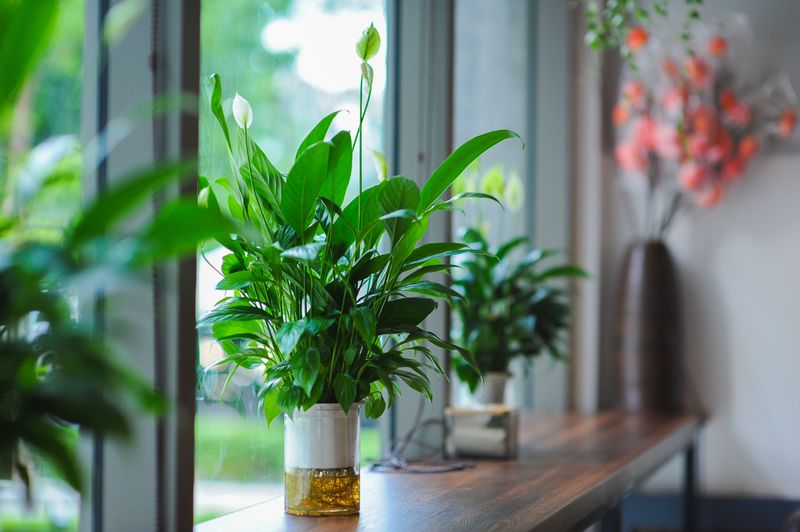
Peace lilies are dramatic in the best possible way. They droop visibly when thirsty and perk back up within hours of a good drink, making them one of the most communicative houseplants around.
That dramatic drooping has led many owners to overcompensate by flooding the pot. Ice cubes offer a smarter solution, releasing moisture slowly so roots stay evenly hydrated without sitting in excess water.
In Illinois homes, peace lilies do well in bathrooms or kitchens where ambient humidity stays higher. But even in drier rooms, the controlled release from melting cubes keeps soil consistently moist at the right level.
Three to four ice cubes every seven to ten days works well for a standard peace lily in a 6-inch pot. Larger pots need slightly more, but the principle stays the same: slow and steady beats a sudden flood.
Peace lilies are also known for filtering indoor air pollutants like ammonia and benzene. Keeping them healthy through proper watering means you get both beauty and cleaner air in your living space.
One detail many owners overlook is drainage. Even with ice cubes, a pot without drainage holes can trap water at the bottom and cause root issues over time.
Yellowing leaves near the base often mean the plant sat in standing water for too long. Emptying the saucer after each watering session prevents that buildup entirely.
Always pair the ice cube method with a well-draining pot for the best results. A thriving peace lily is one of the most rewarding sights in any Illinois home, and controlled moisture is the secret behind it.
7. Anthuriums Do Well With Slow, Steady Hydration
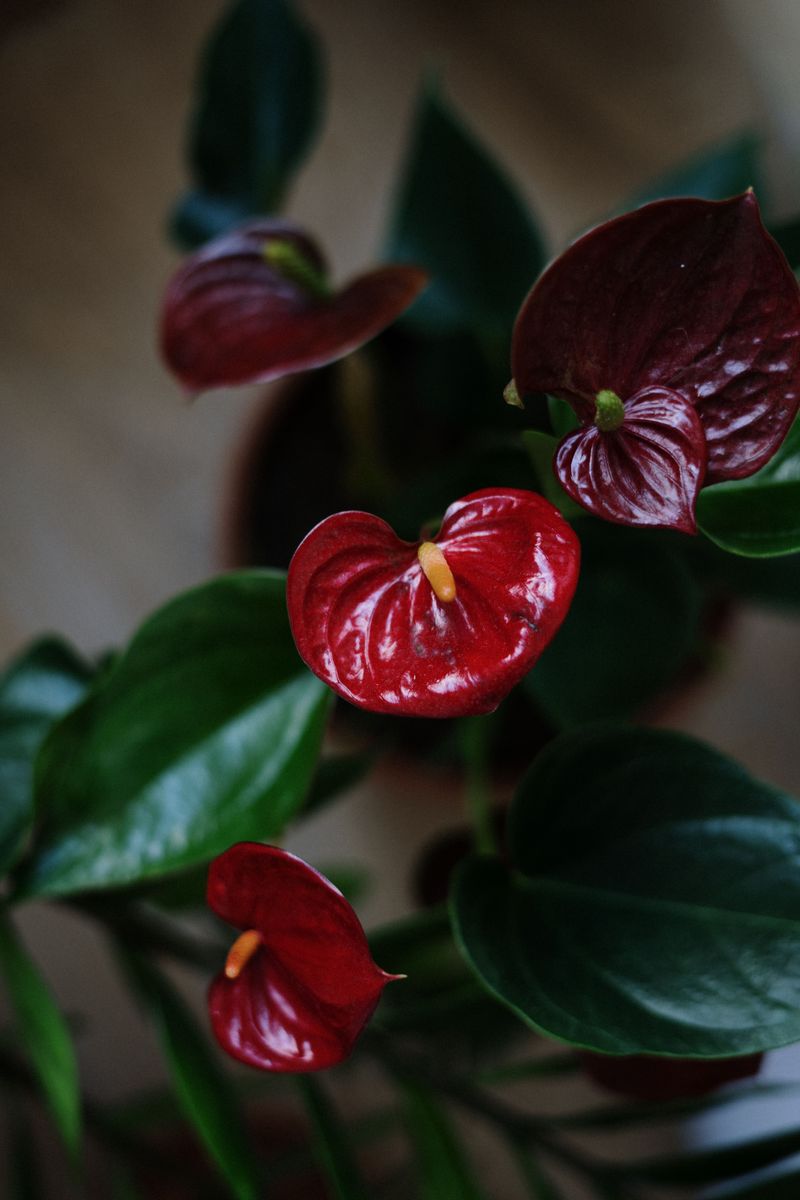
Anthuriums look like something out of a tropical greenhouse, with their shiny, heart-shaped blooms in red, pink, or white. They bring a bold splash of color to any Illinois home without demanding constant attention.
Slow, steady hydration is exactly what anthuriums need to stay healthy, and that is where ice cubes shine. Overwatering is the fastest route to root rot with this plant, so the gradual melt makes a meaningful difference.
Place three to four ice cubes on the soil surface once a week during warmer months. In winter, when the plant rests, scaling back to every ten days gives roots the breathing room they prefer.
Anthuriums grow naturally in tropical rainforests, where moisture comes in short, intense bursts followed by drying periods. Ice cube watering mimics that pattern in a way that standard hose-and-pot methods rarely achieve.
Leaves that turn pale or washed out often signal too much direct sun rather than a watering problem. Moving the plant a few feet back from the window usually restores that deep green color.
The blooms on a healthy anthurium can last for months, which makes proper watering feel like a worthwhile investment. Consistent moisture without excess keeps those waxy flowers vibrant and long-lasting.
One quirky fact: anthurium blooms are not actually flowers. The colorful part is a modified leaf called a spathe, and the true flowers are the tiny bumps along the central spike.
Illinois homeowners who water anthuriums with ice cubes often notice healthier roots and longer bloom cycles. For anyone who wants houseplants that look exotic but behave simply, anthuriums watered this way are a perfect fit.