This Georgia Tree Looks Harmless But Is More Toxic Than Rattlesnake Venom
It is easy to look at a healthy tree and assume there is nothing unusual about it. If it has a full canopy and blends in with everything around it, there is little reason to think twice.
That is why the biggest surprises in a yard often come from the plants that seem completely harmless. Their appearance creates a false sense of safety.
Nature has a way of hiding its strongest warnings behind the most familiar sights, and that can catch anyone off guard.
One tree growing in Georgia is a perfect example of that. Its familiar appearance gives no clear hint that it contains extremely powerful natural toxins.
Knowing what it looks like is not about avoiding every tree you see.
It is simply a reminder that even the most familiar landscapes can hold a few unexpected surprises worth recognizing.
1. Black Locust Contains Highly Toxic Compounds
Black locust contains naturally occurring toxins in several parts of the tree. The bark, seeds, leaves, and young shoots are all considered poisonous if eaten.
Among those parts, the bark and seeds usually contain the highest concentrations. Robin and phasin are the primary toxic proteins found in black locust.
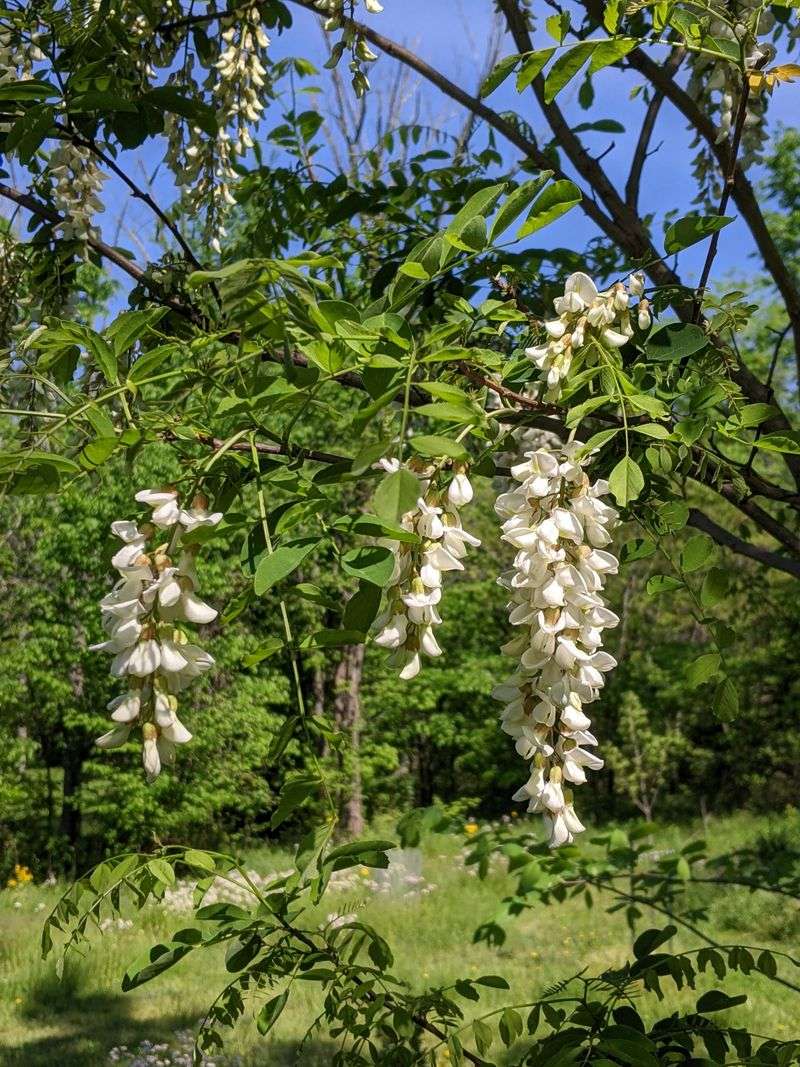
Most people would never expect a tree with such an ordinary appearance to contain powerful toxins. Fragrant white flowers and bright green leaves give it a much more inviting look.
That contrast makes it easy to overlook when growing near homes, trails, or pasture fences. Simple recognition can go a long way toward preventing accidental exposure.
Mature trees are commonly found in open fields, woodland edges, and along rural roads. Fast growth and durable wood have also made black locust a popular choice for fence posts.
Despite those useful qualities, its poisonous parts should never be treated as harmless.
Proper identification is especially important before planting, pruning, or removing this tree from a landscape.
Keeping its poisonous parts in mind helps reduce unnecessary risks around homes, gardens, and pasture areas.
2. The Bark And Seeds Carry The Highest Risk
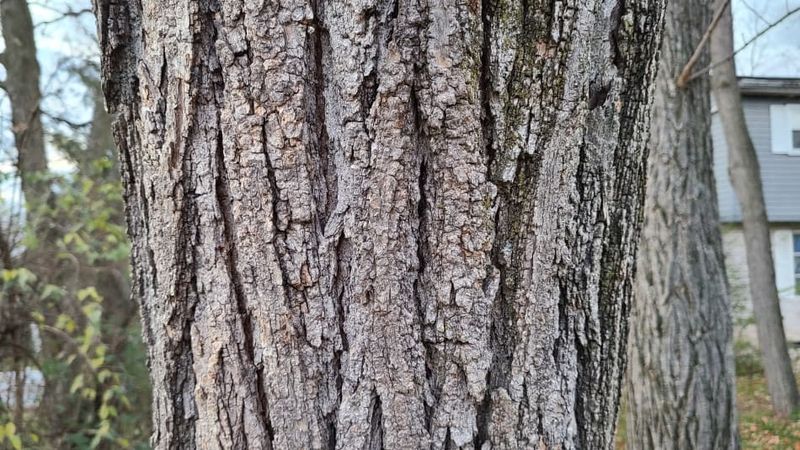
Not every part of black locust contains the same amount of toxic compounds. The bark and seeds are generally regarded as the most hazardous parts of the tree.
Young bark also contains toxic proteins, making fresh growth a greater concern than older wood. Leaves and shoots are poisonous as well, although they are not usually considered the highest-risk parts.
Seed pods often remain on the tree after flowering and may also fall to the ground. Curious children, pets, and grazing livestock are more likely to come into contact with them in those situations.
Bark becomes another concern when branches break or trees are trimmed, leaving fresh surfaces exposed.
Fence posts made from black locust should never be chewed by livestock because the wood can still contain toxic compounds.
Simple precautions can greatly reduce the chance of accidental exposure. Fallen seed pods should be collected where children or animals spend time outdoors.
Pruned branches and bark are also best removed instead of leaving them within easy reach.
Your Georgia Garden Changes Every Week. Your Plan Should Too.
Gardening in Georgia changes quickly throughout the season. Every Friday you’ll receive a simple weekly plan showing exactly what to plant, prune, fertilize, harvest, and protect so you never miss the right timing.
Recognizing which parts of black locust present the greatest risk makes it much easier to manage the tree safely around the landscape.
3. The Fragrant Flowers Can Be Misleading
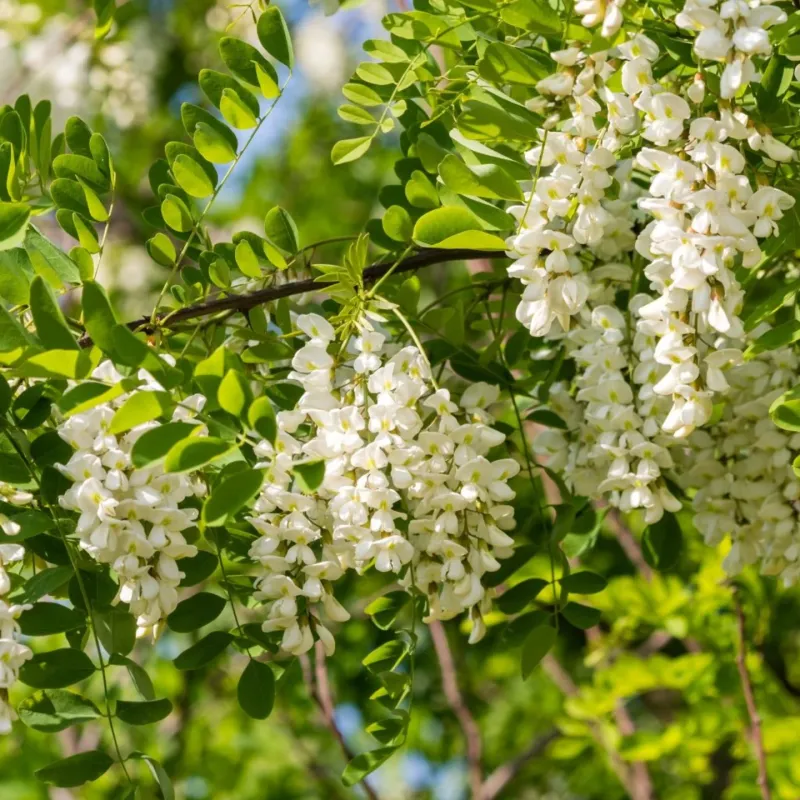
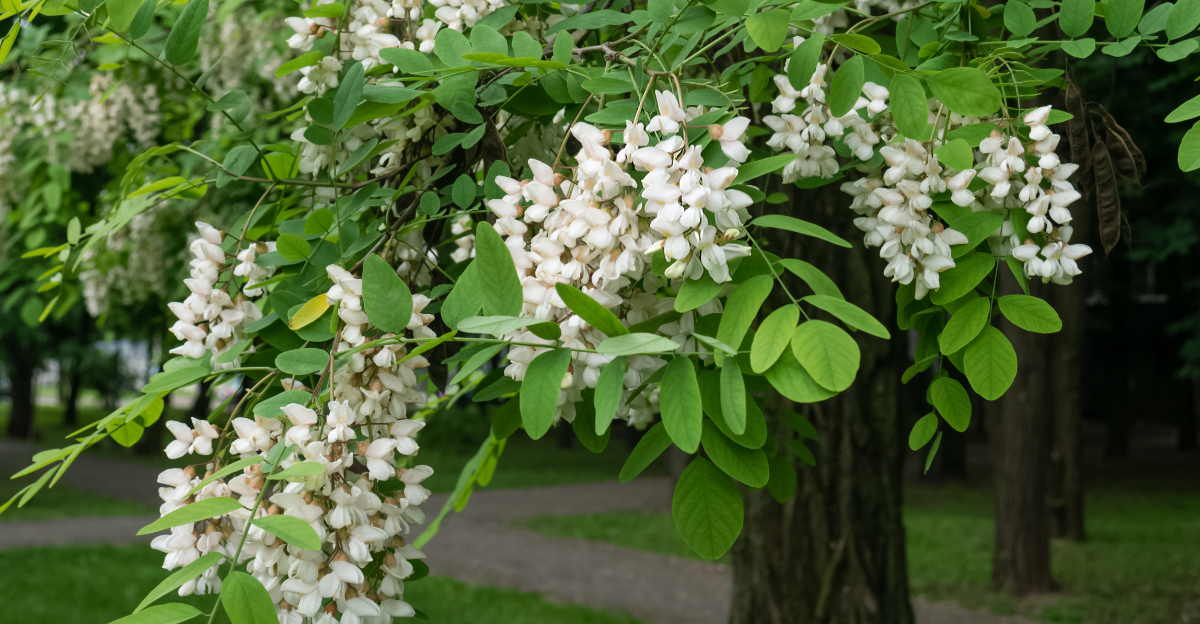
Large clusters of white flowers are one of the most recognizable features of black locust during late spring. Their sweet fragrance attracts countless bees and other pollinators throughout the blooming season.
Many beekeepers value the blossoms because they produce nectar used to make light-colored black locust honey. The flowers also give the tree an ornamental appearance that stands out in the landscape.
That attractive display can easily create the impression that every part of the tree is equally harmless. In reality, the flowers are considered far less toxic than the bark, seeds, or young shoots.
Even so, that does not mean the tree should be treated as edible or safe to forage without proper knowledge. Similar-looking trees can also cause confusion, especially while they are in bloom.
Flowering usually lasts only a couple of weeks before flat green seed pods begin to develop. Those pods gradually mature and darken as the growing season continues.
Paying attention to these seasonal changes makes it easier to recognize black locust throughout the year instead of only during its brief flowering period.
4. Robin And Phasin Are The Tree’s Main Toxic Proteins
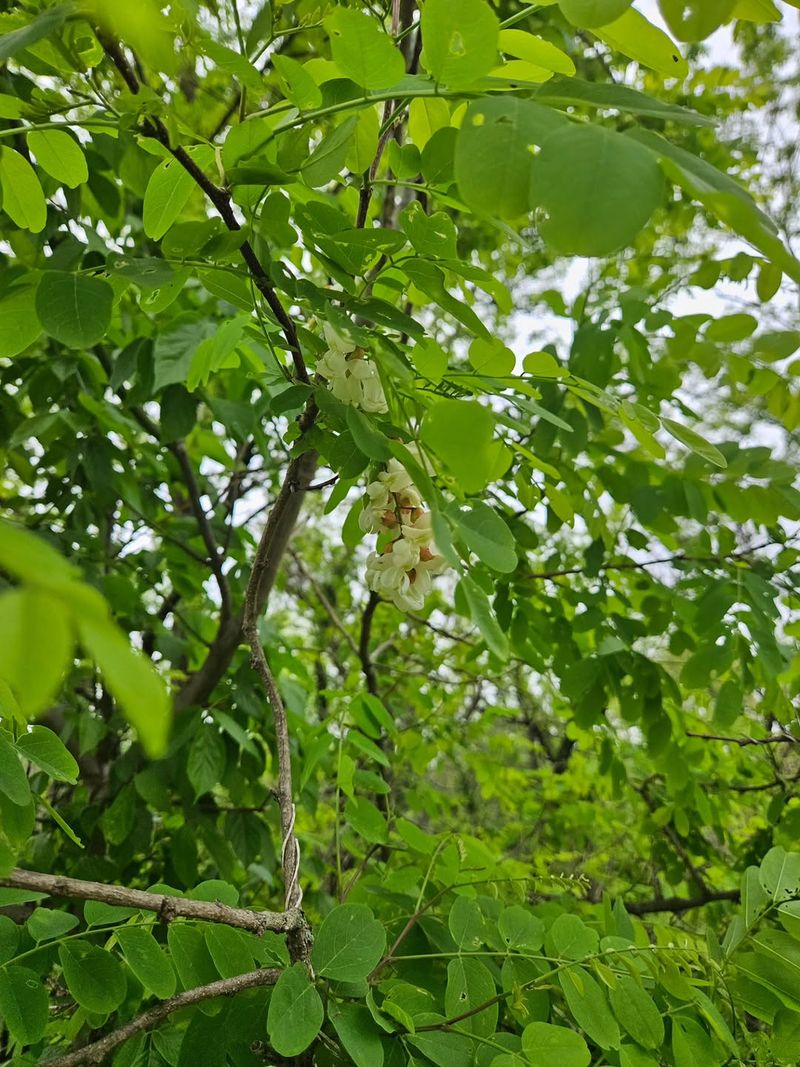
Robin and phasin are the primary toxic proteins found in black locust. They occur naturally in the tree and are responsible for its poisonous properties.
These compounds are present in different tissues rather than being limited to a single part of the tree. Their concentrations can vary between the bark, seeds, leaves, and young shoots.
Plants produce defensive chemicals for many different reasons, and black locust is one example of that natural process. Those compounds help discourage animals from feeding on vulnerable parts of the tree during growth.
Similar chemical defenses occur in many plant species, although the specific compounds differ from one plant to another.
Black locust stands out because it contains multiple toxic substances instead of relying on a single one.
The overall toxicity comes from the combination of naturally occurring compounds present throughout the plant, with the highest concentrations generally found in the most hazardous tissues.
Their presence is one of the defining characteristics that distinguishes black locust from many other familiar landscape trees.
The amount of these toxic proteins is not always identical throughout the tree and can vary depending on the plant part and its stage of growth.
Although black locust has valuable uses for timber and erosion control, those benefits do not reduce the poisonous nature of its toxic tissues.
5. Young Growth Contains Higher Toxin Levels
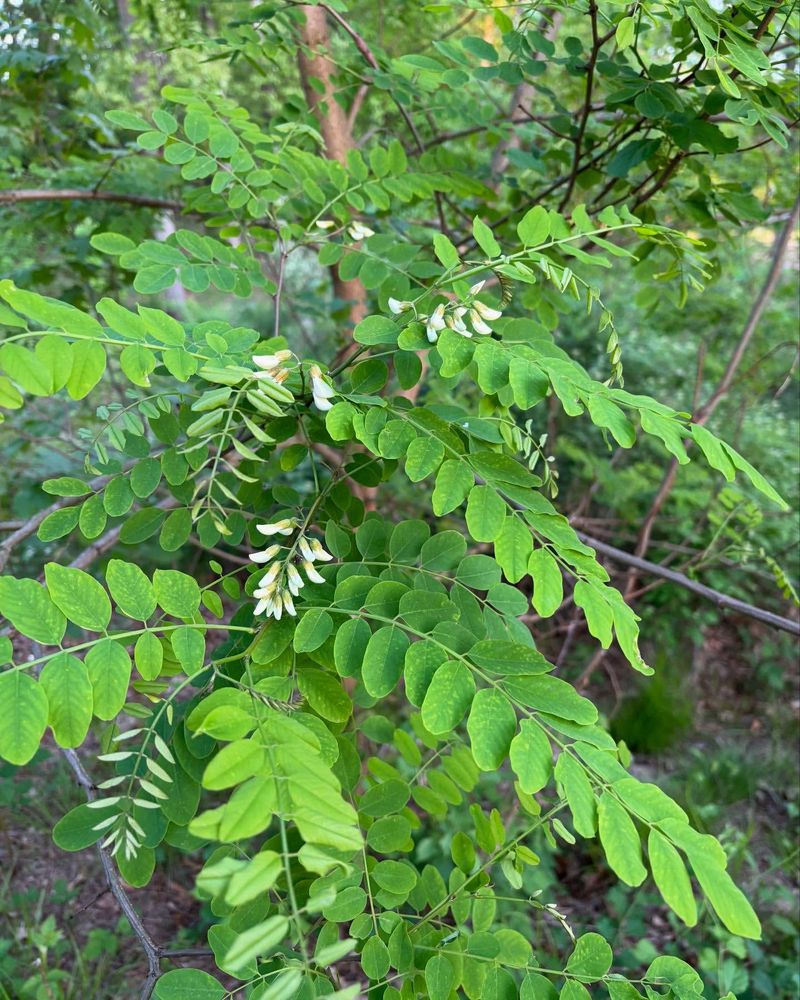
Fresh growth deserves more attention than many people realize. Young shoots, tender leaves, and newly formed bark generally contain higher concentrations of toxic compounds than older, fully matured parts of the tree.
That difference is one reason spring and early summer are often considered the period of greatest concern around black locust.
New shoots are softer and easier for browsing animals to eat than older branches. Fresh bark is also thinner, making it more accessible where young trees or recently cut stems are present.
Fallen twigs and storm-damaged branches can expose this newer growth, increasing the chance that curious animals will sample it.
Saplings present a similar concern because nearly the entire plant consists of young tissue. Small trees growing along fence lines, woodland edges, or neglected corners of a property may go unnoticed until they become established.
Removing unwanted saplings while they are still small is usually much easier than dealing with mature trees later.
As the tree ages, the bark becomes thicker and the branches become harder, but poisonous compounds remain present throughout its life.
Even so, the younger portions of black locust are generally regarded as containing the highest concentrations, making fresh growth the part that deserves the greatest caution.
6. Black Locust Is Often Mistaken For Other Trees
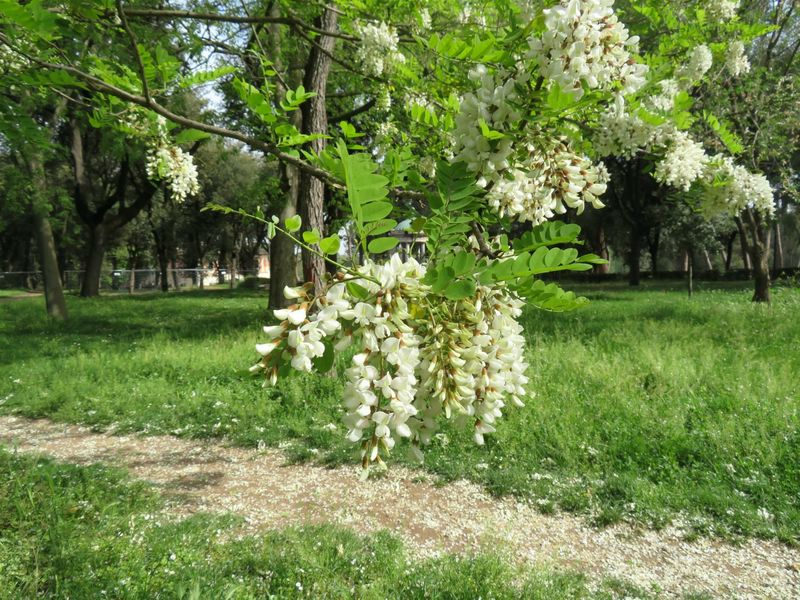
Several common trees share enough features with black locust to cause confusion at first glance. Similar leaves, comparable growth habits, and spring flowers can make identification more difficult, especially when viewed from a distance.
Looking at a single feature is rarely enough to identify the tree with confidence. A closer inspection usually reveals the differences.
Honey locust is one of the species most often confused with black locust. Although both have compound leaves, honey locust typically develops large, branching thorns along its trunk and major limbs.
Black locust instead has much smaller paired spines where each leaf attaches to the twig. Those paired spines are one of its most reliable identification features.
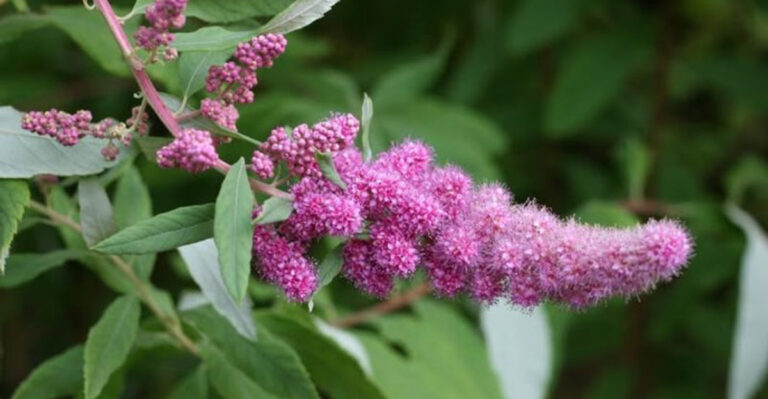
Mimosa is another tree that can cause confusion because its foliage appears delicate and feathery. Its flowers, however, are pink and fluffy rather than white and drooping.
Black locust also develops hanging seed pods after flowering, while mimosa produces flatter pods that differ in appearance and texture.
Comparing several characteristics instead of relying on leaves alone makes it much easier to distinguish black locust from other familiar trees.
7. Proper Identification Helps Prevent Exposure
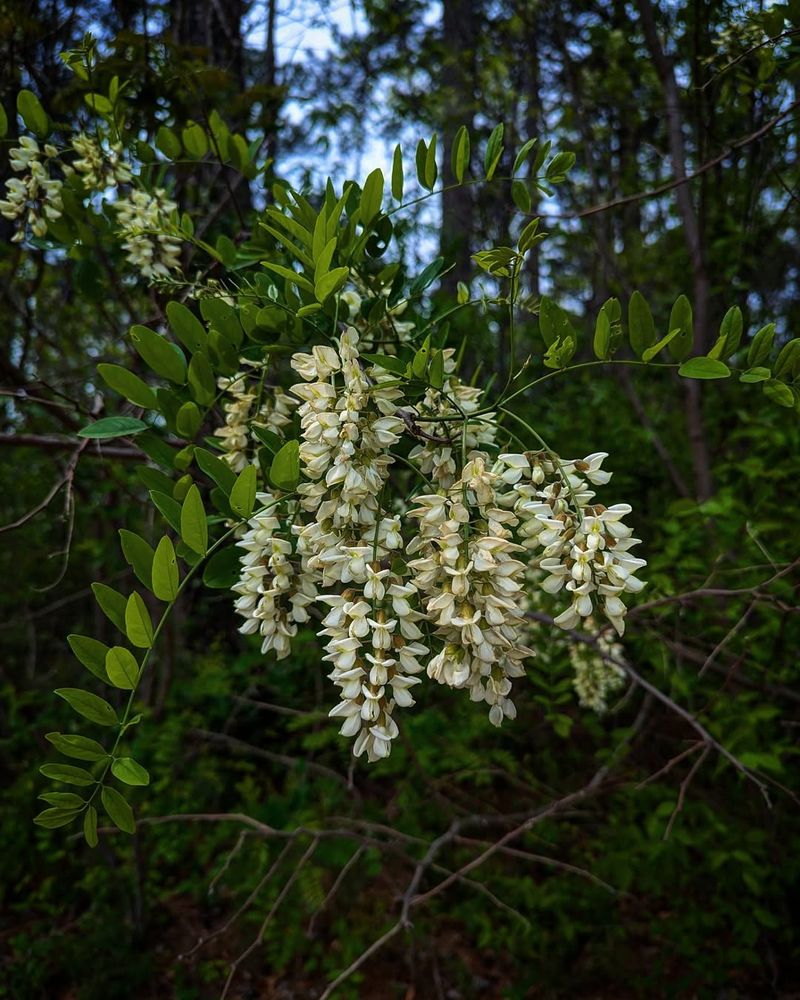
Correct identification starts with looking at several features instead of relying on a single one. Bark, leaves, flowers, seed pods, and thorns all provide useful clues throughout the year.
Seasonal changes can alter the tree’s appearance, so checking multiple characteristics gives a more reliable result. Taking a closer look usually prevents confusion with similar species.
Mature bark is dark gray to brown and develops deep, rope-like ridges as the tree ages. Leaves are made up of small oval leaflets arranged along a central stem.
During late spring, fragrant white flower clusters hang beneath the branches before giving way to flat seed pods.
Small paired spines near the base of each leaf are another feature that helps separate black locust from many other trees.
Field guides and reputable plant identification apps can provide additional confirmation when a tree is unfamiliar.
Comparing several photos taken during different seasons is often more useful than relying on a single image.
Local extension resources also offer identification information for common trees found in the region. A careful inspection is usually enough to distinguish black locust from other species growing nearby.