Georgia Gardeners Use These 8 Plants Near Vegetables For Fewer Pest Surprises
Many Georgia gardeners have been there.
You walk out to your vegetable bed on a bright summer morning, and something has already been chewing through your tomatoes or squash overnight.
The instinct is to spray. But spraying everything in sight can wipe out the very insects that were already working in your favor, and once those beneficial insects are gone, pest populations tend to rebound faster and harder than before.
A smarter move is tucking certain flowering plants right alongside your vegetables to attract beneficial insects that naturally keep pest populations in check.
This is not a new idea. It is one of the oldest forms of pest management available, and it works with Georgia’s long, warm growing season rather than against it.
The plants below have become favorites among Georgia home gardeners who got tired of losing crops and started planting differently instead.
Some of them are probably already in your yard. Others might surprise you completely.
Either way, what they do for your garden’s insect ecosystem is worth understanding before you plan your next bed.
1. Sweet Alyssum
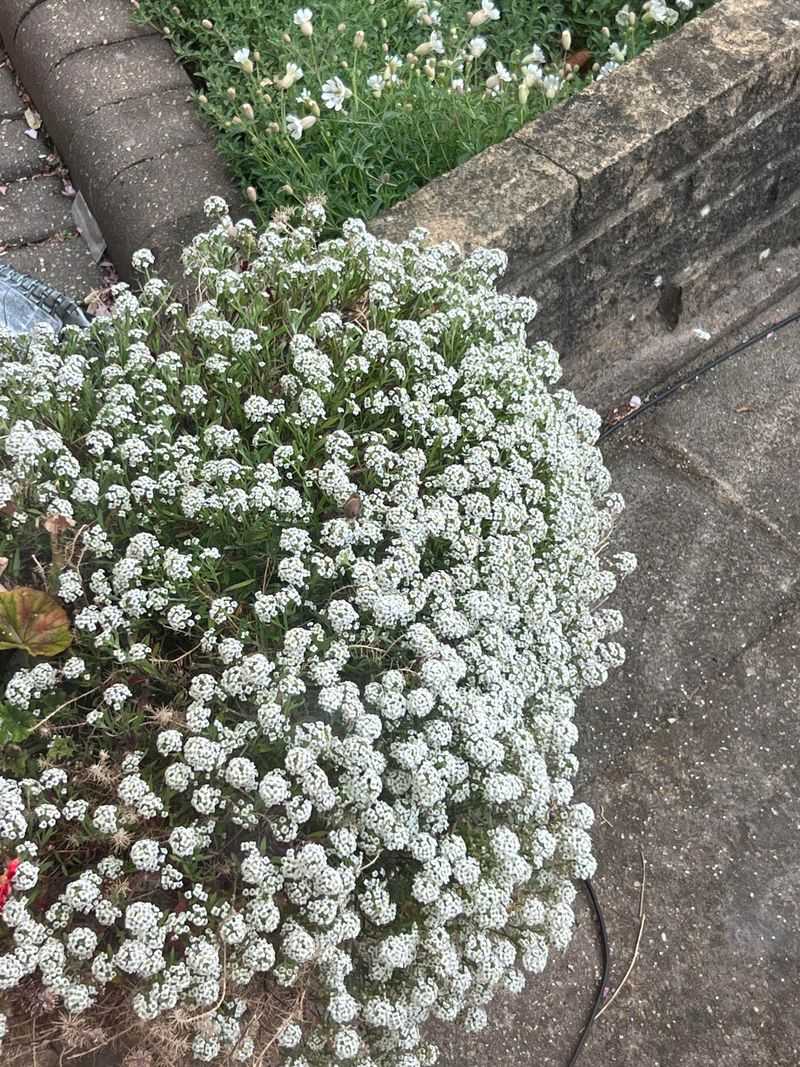
Walk past a patch of sweet alyssum and you will catch a faint honey scent drifting up from a cloud of tiny white flowers.
That fragrance is not just pleasant for people. It is a welcome signal to some of the smallest and most useful insects in your garden.
Hoverflies and parasitic wasps, both known for feeding on or parasitizing common vegetable pests, are strongly attracted to the small-scale blooms that sweet alyssum produces in abundance.
What makes sweet alyssum especially useful is the size of its flowers.
Large blooms can be tough for tiny beneficial insects to access. Sweet alyssum keeps things compact and open, giving those small helpers easy reach to nectar and pollen.
Providing diverse floral resources to support natural enemy populations in vegetable gardens is one of the core principles of smart integrated pest management, and sweet alyssum fits that role almost perfectly.
In Georgia, sweet alyssum thrives in spring and fall when temperatures stay mild.
Plant it along the edges of raised beds or tuck it between rows of lettuce, kale, or broccoli. It stays low, so it will not shade out your vegetables.
Let it reseed itself and it often returns on its own.
One planting can feed beneficial insects across multiple seasons without much effort on your part.
That is a pretty solid return on investment for such a small flower. It takes up almost no space and asks for almost nothing in return.
2. Dill
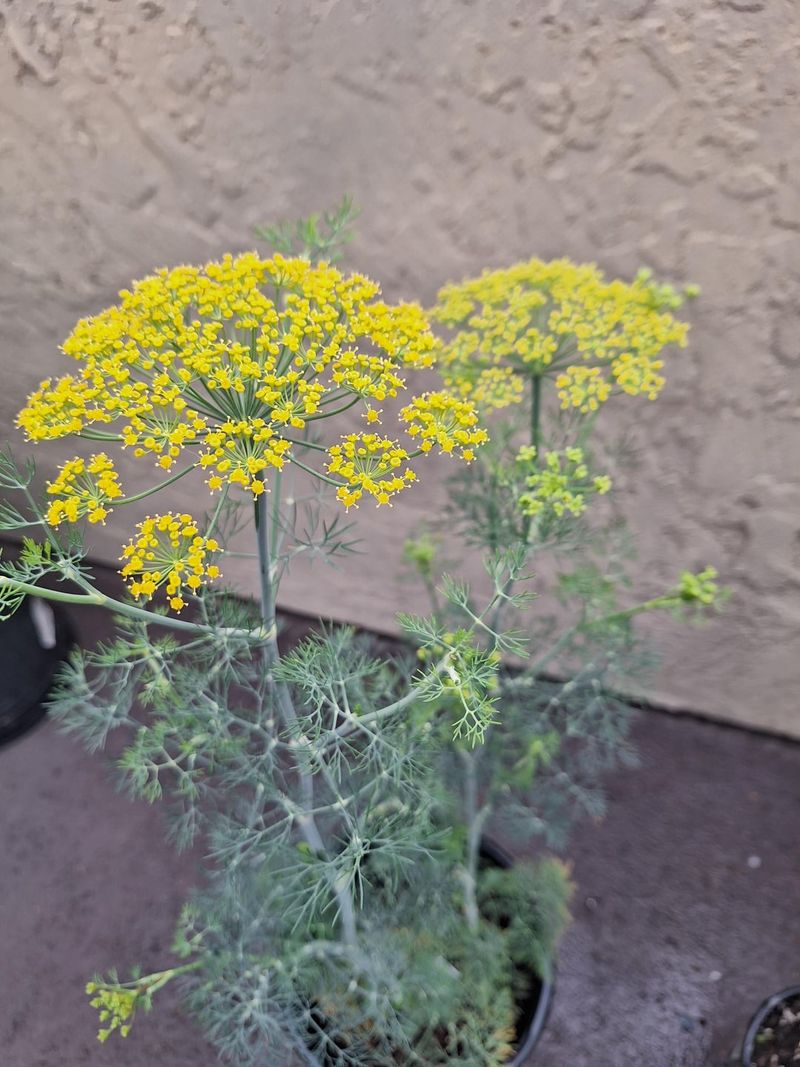
Dill has a split personality in the garden, and that is actually a good thing.
Most cooks grow it for the feathery leaves that pair so well with cucumbers and fish. But once dill bolts and opens those wide, umbrella-shaped flower clusters, something more interesting happens.
Parasitoid wasps, which lay their eggs inside or on common garden pests like aphids and caterpillars, show up in noticeable numbers.
Those flat-topped blooms, called umbels, are the key.
Your Georgia Garden Changes Every Week. Your Plan Should Too.
Gardening in Georgia changes quickly throughout the season. Every Friday you’ll receive a simple weekly plan showing exactly what to plant, prune, fertilize, harvest, and protect so you never miss the right timing.
Parasitoid wasps are small insects with short mouthparts, and they need flowers with easily accessible nectar. The open structure of dill flowers is almost perfectly designed for them.
Once these wasps move into your garden space, they start searching for host insects to use for their young. That biological activity works quietly but consistently against pest populations.
Integrated pest management principles encourage habitat plantings that support natural enemies rather than relying on broad-spectrum sprays that can remove both pests and their predators at once.
Dill fits that role naturally.
Plant it near tomatoes, peppers, or beans and let at least a few stalks go to flower. You can still harvest the leaves from the lower portions of the plant while the top blooms freely.
Staggering your dill plantings every few weeks keeps flowers available through more of Georgia’s long growing season.
It is one of the simplest ways to keep useful wasps close to where you need them most, without spending a single dollar on pest control products.
3. Cilantro
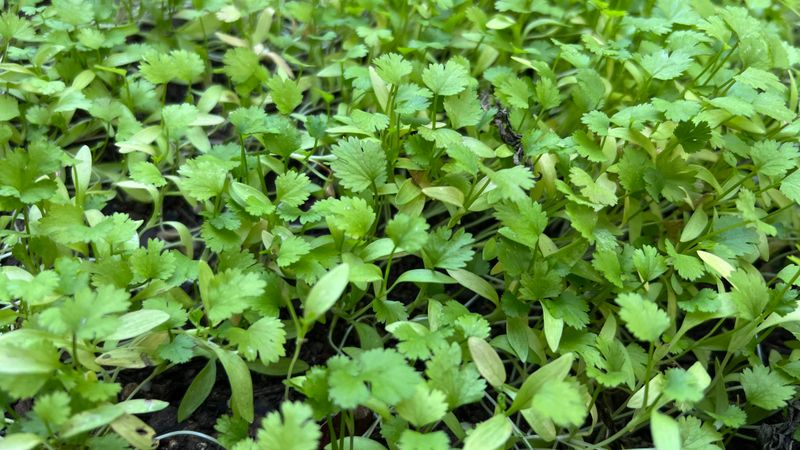
Many herb gardeners pull cilantro out the moment it starts to bolt.
That instinct is understandable because bolted cilantro turns bitter fast. But here is the thing: those small white flower clusters that appear when cilantro bolts are some of the most beneficial blooms you can have near a vegetable bed.
Letting even one or two plants go to flower instead of yanking them all out can make a real difference in the insect activity around your garden.
Cilantro flowers attract a wide range of beneficial insects including hoverflies, lacewings, and small parasitic wasps.
Lacewing larvae are especially useful because they feed aggressively on soft-bodied pests like aphids, whiteflies, and small caterpillars.
Having adult lacewings nearby means eggs get laid near pest populations, and the larvae go to work quickly.
In Georgia’s warm climate, cilantro bolts quickly once summer heat sets in.
You can use that tendency to your advantage by planting cilantro in early spring and then simply letting the last round of plants flower as temperatures rise.
The blooms last for a few weeks and attract insects during a period when vegetable gardens need the most support.
Tuck bolting cilantro near squash, beans, or tomatoes and let the insects do the scouting for you.
Rotate new cilantro seed in fall for another round of flowers before winter arrives.
It is one of those moments where doing less in the garden actually produces better results than doing more.
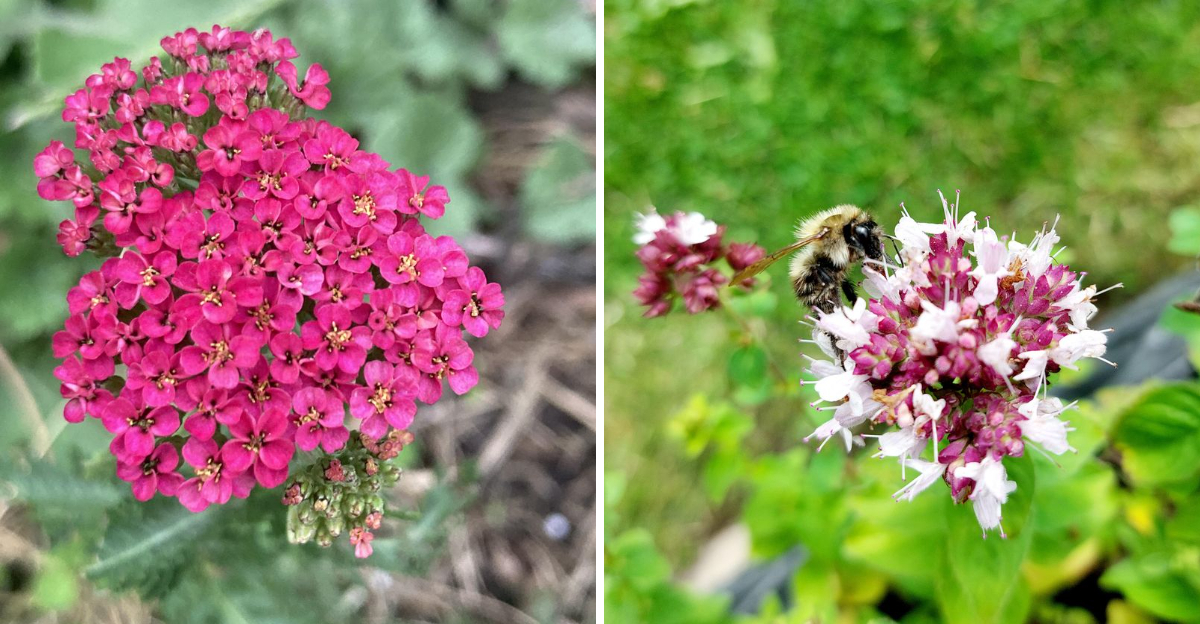
4. Yarrow
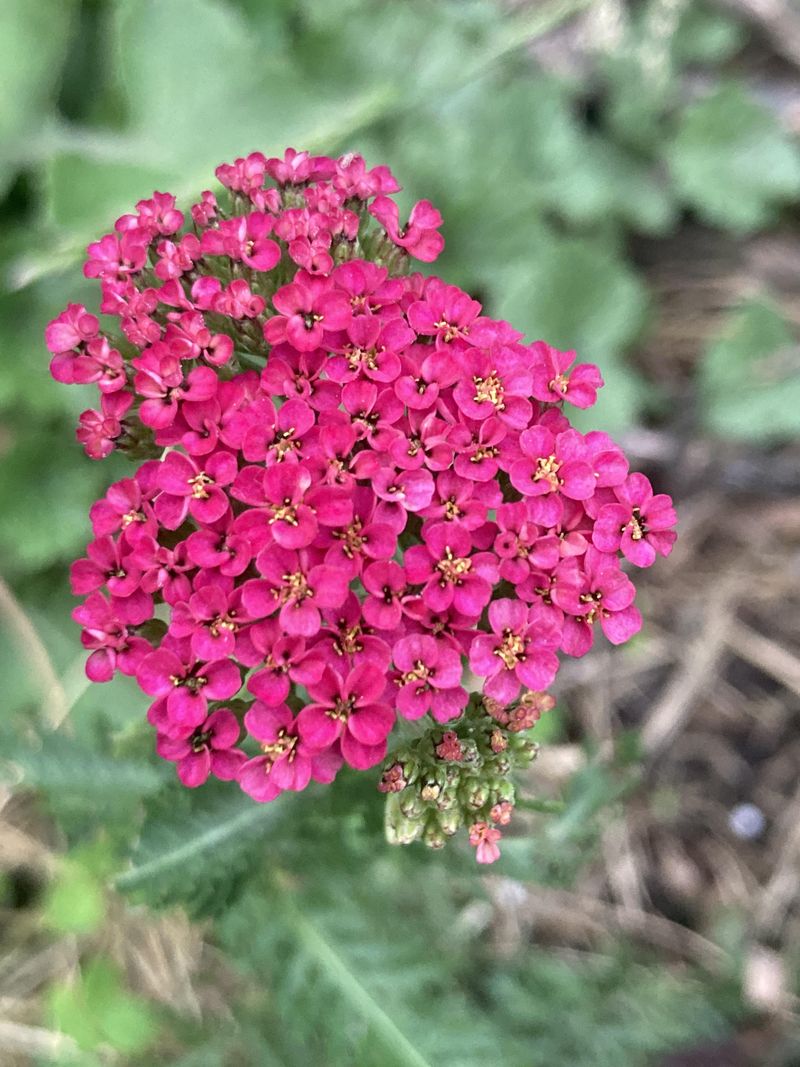
Yarrow is one of those plants that looks almost architectural in a garden.
Those flat, wide flower clusters sit at the top of sturdy stems like little platforms, and that design is no accident from a beneficial insect perspective.
Predatory insects and parasitic wasps need stable surfaces to land on while they feed. Yarrow delivers exactly that, making it one of the most insect-friendly flowers you can grow near vegetables.
The flat-topped clusters hold dozens of tiny individual flowers packed tightly together.
This gives small insects the option to move across the surface and access nectar without expending much energy.
Ladybugs, lacewings, parasitic wasps, and predatory beetles have all been observed feeding on yarrow blooms in studies tracking beneficial insect habitat in mixed plantings.
That kind of insect diversity near vegetable beds supports a more balanced garden ecosystem over time.
Georgia gardeners have an advantage with yarrow because it is genuinely tough.
It tolerates Georgia’s summer heat reasonably well, especially when planted in a spot with good drainage. Native and adapted yarrow varieties come in yellow, white, and pale pink, giving you some design flexibility too.
Plant yarrow at the edge of vegetable beds or in borders nearby.
It spreads slowly over time and can be divided to fill more space.
Avoid overwatering it because yarrow prefers drier conditions. Once established, it comes back reliably each year with very little maintenance needed from you.
5. Basil
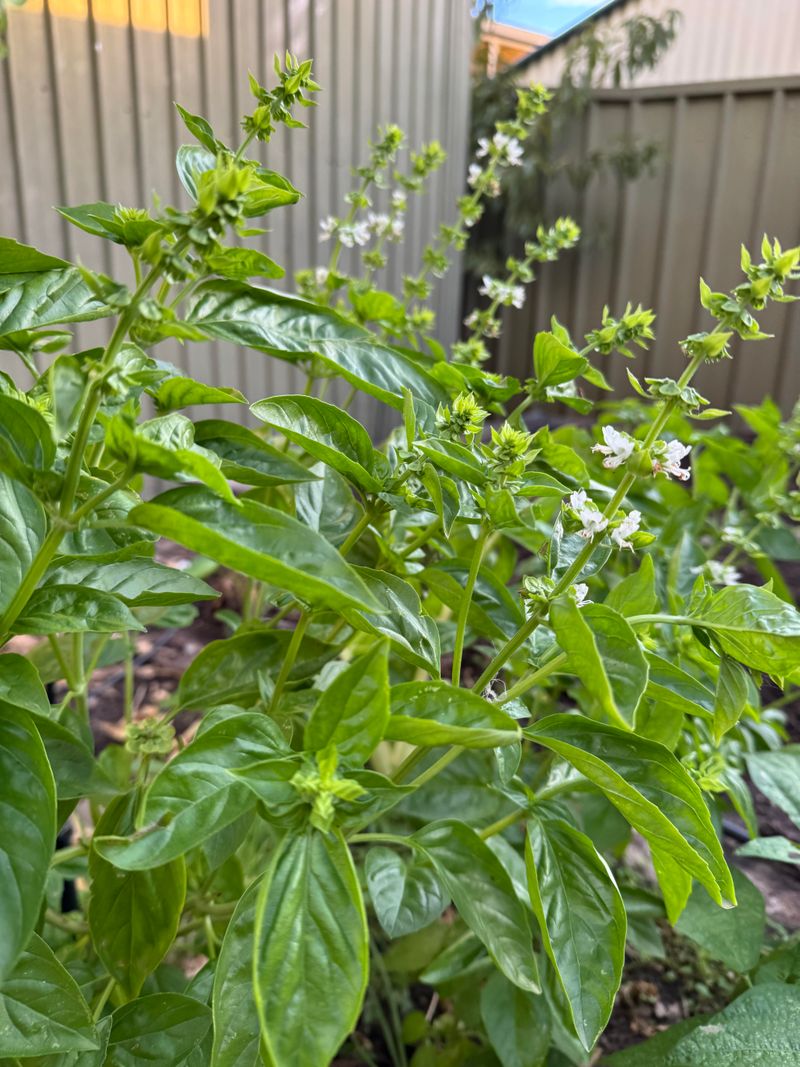
It is probably already in your garden, sitting near your tomatoes where it has been for years.
Many gardeners pinch the flower buds off religiously to keep the leaves coming. That is smart for the kitchen, but letting a few basil plants bloom toward the end of the season opens up a different kind of value.
Those small white or pale purple flower spikes attract bees, hoverflies, and other pollinators that also visit your vegetable plants nearby.
The connection between pollinators and vegetable production is direct.
Better pollinator activity around squash, cucumbers, peppers, and tomatoes translates to better fruit set and higher yields. Basil flowers give pollinators another reason to stay in your garden longer.
More time in the garden means more visits to your vegetable blooms. It is a simple chain reaction that costs you almost nothing if you are already growing basil anyway.
Beyond pollination, basil’s strong aromatic oils may also play a role in confusing or deterring some pest insects that rely on scent to locate host plants.
Diversifying plantings is part of a broader integrated approach rather than depending on any single strategy, and basil fits naturally into that plan.
Grow some basil for cooking and let one or two plants flower freely near your squash or bean rows.
You get herbs for the kitchen and a little extra insect activity for the garden. Not a bad deal for something you were probably already growing anyway.
6. Sunflowers
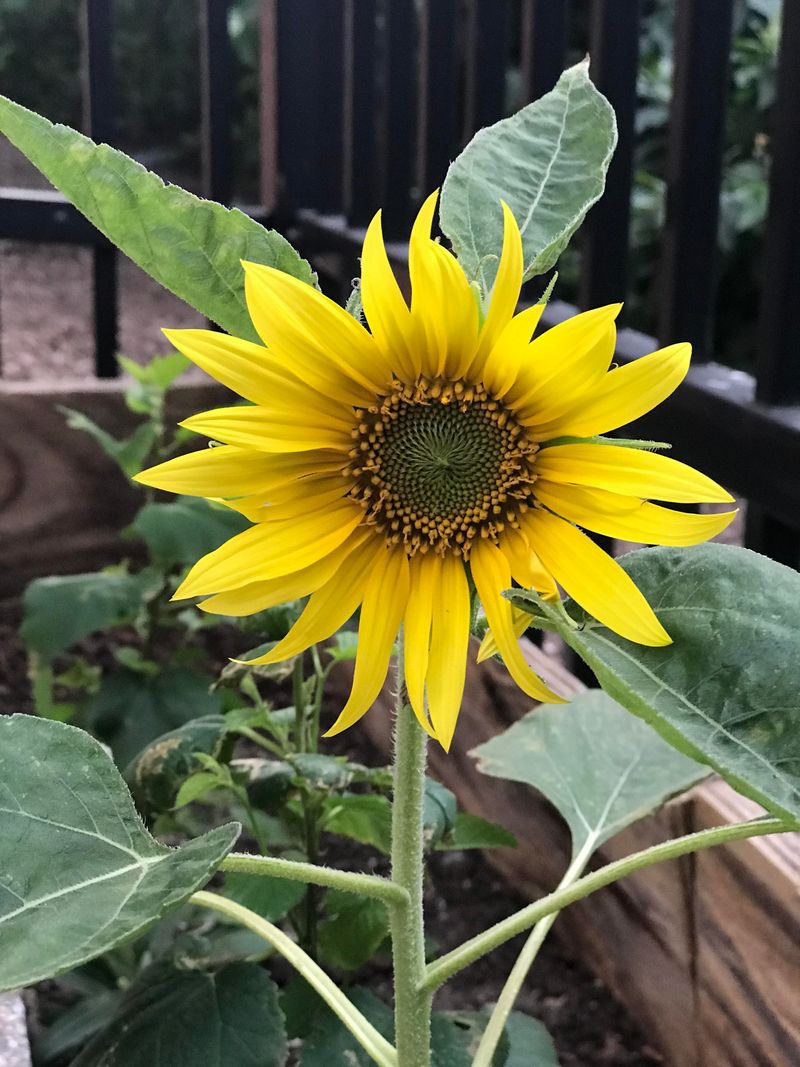
There is something almost magnetic about sunflowers.
They pull in birds, bees, and plenty of other wildlife, but what often goes unnoticed is the insect activity happening all along the stems and leaves, not just at the flower head.
Aphids sometimes colonize sunflower stems, and that sounds like a problem until you realize it quickly draws in predatory insects like ladybugs and lacewings that are hunting for exactly that kind of food source.
This creates a kind of insect buffet effect near your vegetable garden.
Predatory insects that arrive to feed on aphids on sunflower stems do not stay in one spot. They move through the garden, and while they are moving, they encounter pest populations on your squash, tomatoes, and peppers too.
Planting sunflowers at the border of your vegetable garden essentially gives predatory insects a reason to show up and hang around longer.
Sunflowers also attract parasitic wasps through their pollen and nectar, especially in varieties that retain accessible pollen rather than the fully pollen-free types bred for cut flower markets.
Georgia’s long warm season is ideal for sunflowers, and succession planting every few weeks keeps blooms going from early summer into fall.
Taller varieties can provide light afternoon shade to cool-season vegetables during warm spells.
Smaller varieties work well tucked between rows without taking over.
Either way, sunflowers earn their place in a garden that is trying to work with nature rather than against it.
7. Native Coneflowers
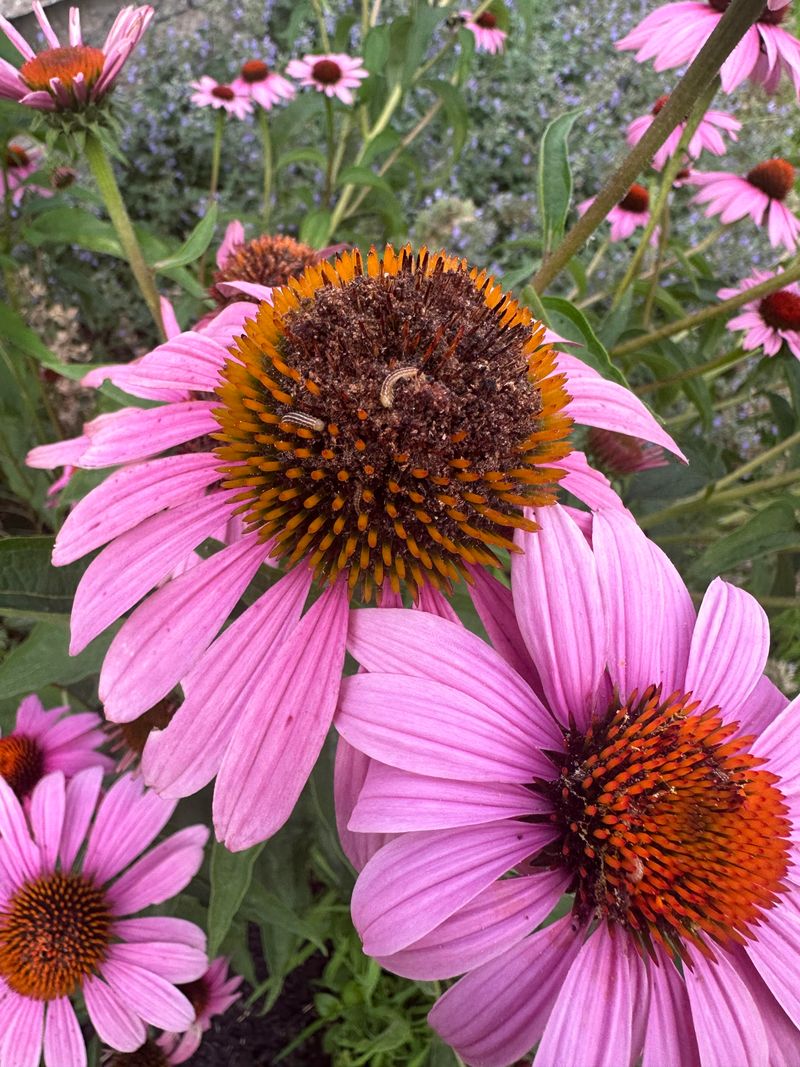
Purple coneflower, known botanically as Echinacea purpurea, is native to much of the southeastern United States, which means Georgia’s climate suits it extremely well.
Native plants and native insects have evolved together over long periods, and that relationship shows up clearly in the garden.
Coneflowers support a broader range of native bee species than many non-native ornamentals, and those bees are often the same ones that visit vegetable blooms nearby.
Beyond bees, coneflowers attract a surprising variety of beneficial insects including soldier beetles and parasitic wasps that feed on garden pests.
The slightly rough, cone-shaped center of the flower gives insects good footing while feeding.
That textured surface, combined with a long bloom time stretching from early summer into fall in Georgia, means coneflowers provide consistent support across much of the vegetable growing season.
One of the most practical things about native coneflowers is their low maintenance profile once established.
They handle Georgia’s summer heat and occasional drought stretches without much complaint. Plant them in a sunny border near your vegetable beds and they will return reliably each year, spreading slowly to fill in gaps.
Leaving the seed heads standing after bloom also supports birds through fall and winter.
Coneflowers are not a pest solution on their own, but as part of a diverse planting strategy, they contribute meaningfully to the kind of balanced insect community that makes a vegetable garden more resilient over time.
8. Herbs
Somewhere along the way, herb gardening became almost entirely about harvest.
Pinch the flowers, keep the leaves coming, maximize production. That approach makes sense for the kitchen but leaves a gap in the garden’s insect ecosystem.
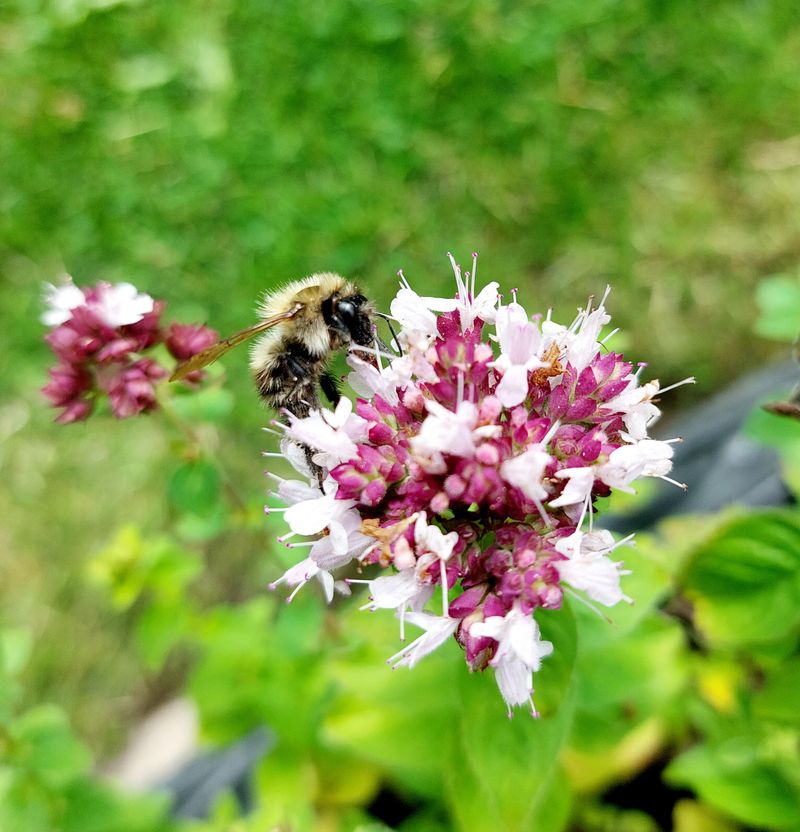
Herbs like oregano, thyme, fennel, and even mint produce flowers that are remarkably attractive to beneficial insects when they are allowed to bloom freely.
Letting some of your herbs go to flower on purpose is one of the most low-effort ways to support a healthier garden environment.
Oregano and thyme produce small tubular flowers that parasitic wasps find especially appealing.
Fennel, much like dill, produces large umbrella-shaped blooms that draw in a wide range of natural enemies. These are not just pollinators passing through.
Many of the insects visiting herb flowers are actively hunting for pest insects to feed on or to use as hosts for their young.
That kind of biological activity does not require any spraying, purchasing, or extra work from you.
The simplest approach is to designate a few herb plants each season as your flower producers.
Keep the rest trimmed for cooking. This way you do not lose your entire herb harvest, but you still give beneficial insects something to work with near your vegetable beds.
Stagger which herbs you let bloom so that flowers are available across different weeks of the season.
Scouting your garden regularly while this insect activity is happening gives you a much clearer picture of what is actually going on between the plants and the pests.
That habit alone can reduce the urge to reach for a spray bottle, which is usually the best outcome for everyone involved.