The Best Time Of Day To Water Container Plants In Michigan When Temperatures Spike
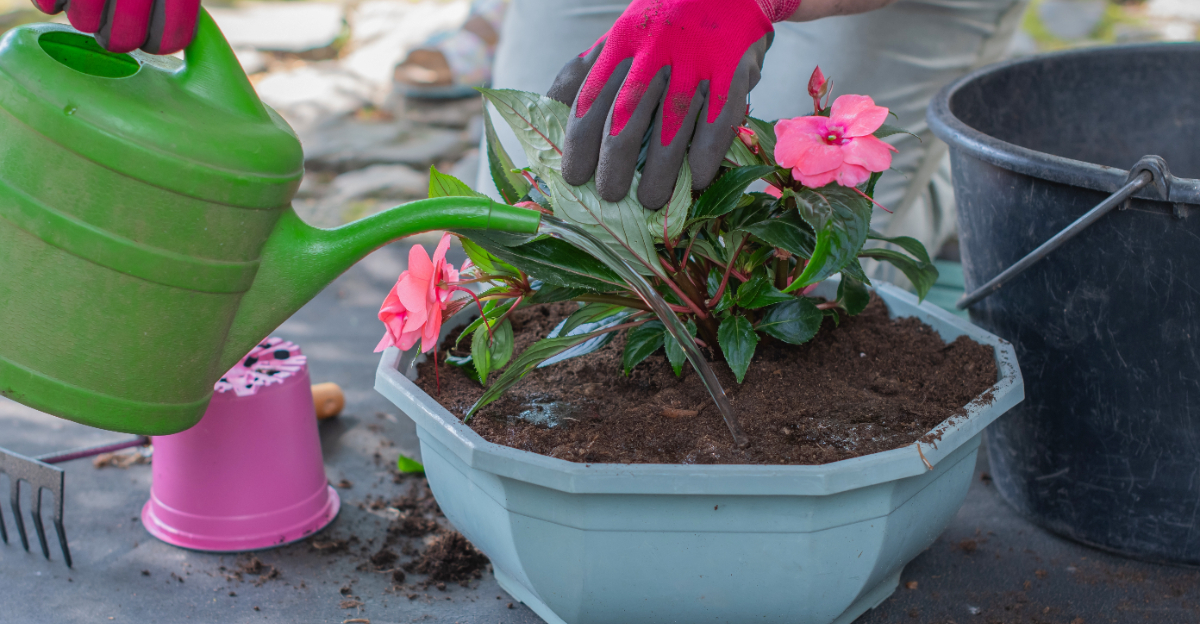
Container plants during a Michigan heat spike are operating in a fundamentally different environment than anything growing in the ground nearby.
Plant pots soak up sunlight, making the soil much hotter than the outside air. Because the roots are sitting in that extra heat, when you water your plants can either keep them healthy or accidentally cook them.
Watering at the wrong moment during a heat spike accelerates the very stress it was meant to relieve.
Watering at the right time keeps the soil temperature steady and ensures the water actually reaches the roots instead of evaporating instantly. This helps potted plants survive sudden heatwaves without wilting and dying.
1. Early Morning Is The Best Time
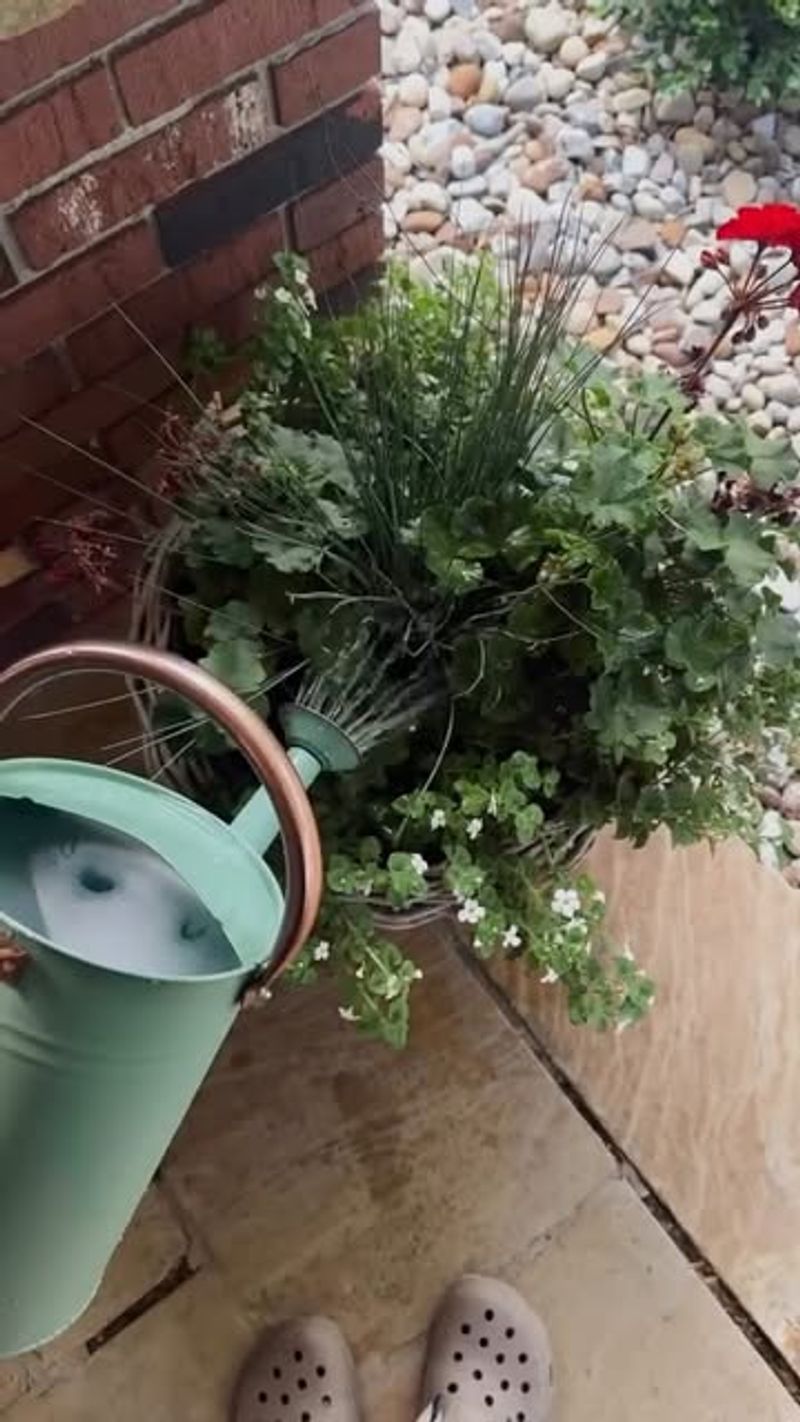
Something almost magical happens in the garden during those first quiet hours of the morning. The air is cool, the sun is low, and your container plants are ready to soak up every drop of water you give them.
For Michigan gardeners dealing with temperature spikes, early morning watering is hands down the smartest move you can make.
When you water in the morning, plant roots get a full drink before the heat of the day arrives. That moisture gets pulled down into the root zone and stored where plants need it most.
By the time temperatures climb into the 80s or 90s, your containers already have a solid reserve of moisture working for them.
Morning watering also gives any water that splashes onto leaves plenty of time to dry off naturally. Wet foliage sitting in hot afternoon sun can sometimes cause stress to leaves, so letting them dry before midday is a smart habit.
The sun is gentle in the early hours, which means water loss from evaporation is much lower too.
Aim to water between 6 a.m. and 9 a.m. if you can. That window gives you the best results during a heat spike.
Even on cooler days, keeping this routine trains you to check on your plants consistently, which is really the heart of good container gardening.
Starting your day with a quick walk through your patio or porch to check containers is a satisfying routine that pays off big when the heat turns up.
2. Containers Dry Faster Than Garden Beds
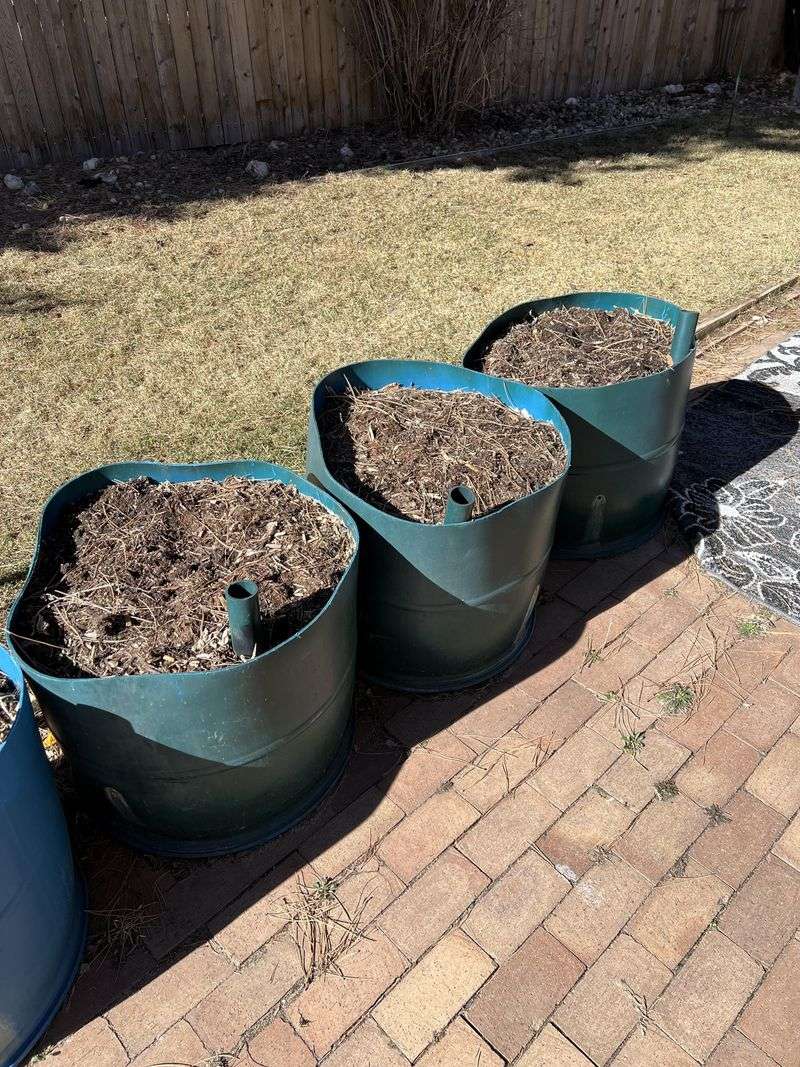
Here is something a lot of new gardeners do not expect. A container plant can go from perfectly watered to severely stressed in just a few hours on a hot Michigan afternoon.
That speed is not an accident. Pots simply cannot hold moisture the way a garden bed can, and understanding why helps you stay ahead of the problem.
Garden beds are connected to a much larger volume of soil. That soil acts like a giant sponge, holding moisture deep underground where it stays cooler and takes longer to evaporate.
A container, on the other hand, only holds whatever potting mix fits inside it. Once that limited supply dries out, there is nowhere else for roots to reach.
It gets worse during a heat spike because pots are exposed on all sides. The sun heats up the outside walls of the container, the wind pulls moisture from the surface, and warm air surrounds the whole pot.
Your Michigan Garden Changes Every Week. Your Plan Should Too.
Gardening in Michigan changes quickly throughout the season. Every Friday you’ll receive a simple weekly plan showing exactly what to plant, prune, fertilize, harvest, and protect so you never miss the right timing.
Dark-colored containers absorb even more heat, which can warm the root zone quickly and speed up moisture loss dramatically.
Terracotta pots are especially quick to dry because they are porous and allow moisture to escape through the sides. Plastic and glazed ceramic pots hold water a little longer, but they still dry out far faster than in-ground plants during extreme heat.
Knowing your containers are working against the clock during a heat spike is the first step toward keeping up with their needs before plants show signs of serious stress.
3. Check Small Pots First
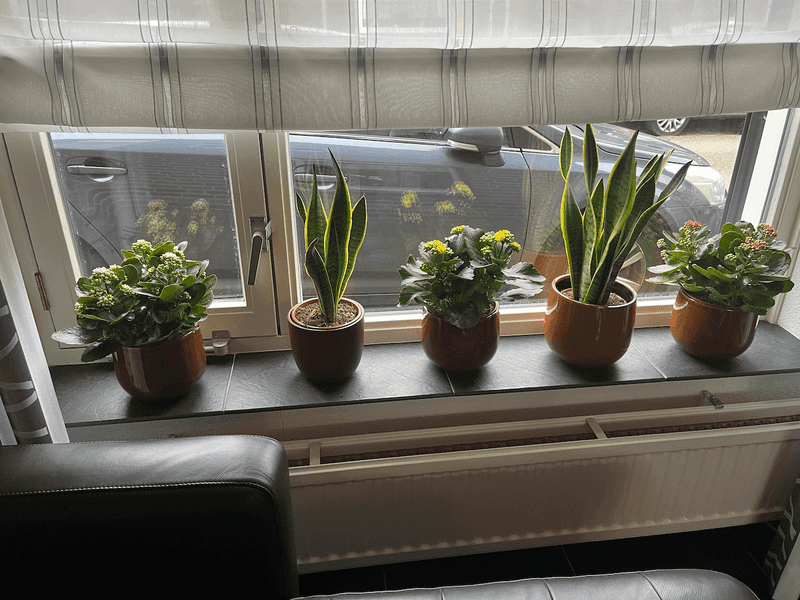
Not all pots are created equal when a heat wave rolls through Michigan. Small containers are the first ones to run into trouble, and they need your attention before any of the larger pots on your patio or porch.
A tiny herb pot can go bone dry in just a couple of hours on a scorching afternoon.
The reason is simple math. A small pot holds a small amount of potting mix, which means it holds a small amount of moisture.
There is almost no buffer when the temperature spikes. Herbs like basil, cilantro, and parsley are especially sensitive.
Annuals like petunias and marigolds in small pots can go from perky to wilted surprisingly fast. Make it a habit to check your smallest containers first thing in the morning. Press your finger about an inch into the potting mix.
If it feels dry at that depth, it is time to water. Do not wait for the plant to start drooping before you act, because by then the roots have already been under stress for a while.
Vegetable plants in small containers, like lettuce or cherry tomatoes, also need close attention during hot weather.
These plants are actively growing and producing, so they burn through moisture faster than ornamental plants that are just putting on a show.
Grouping small pots together in a slightly shaded spot can slow down how fast they dry out. Even partial afternoon shade makes a noticeable difference during a Michigan heat spike, giving you a little more breathing room between waterings.
4. Hanging Baskets May Need A Second Check
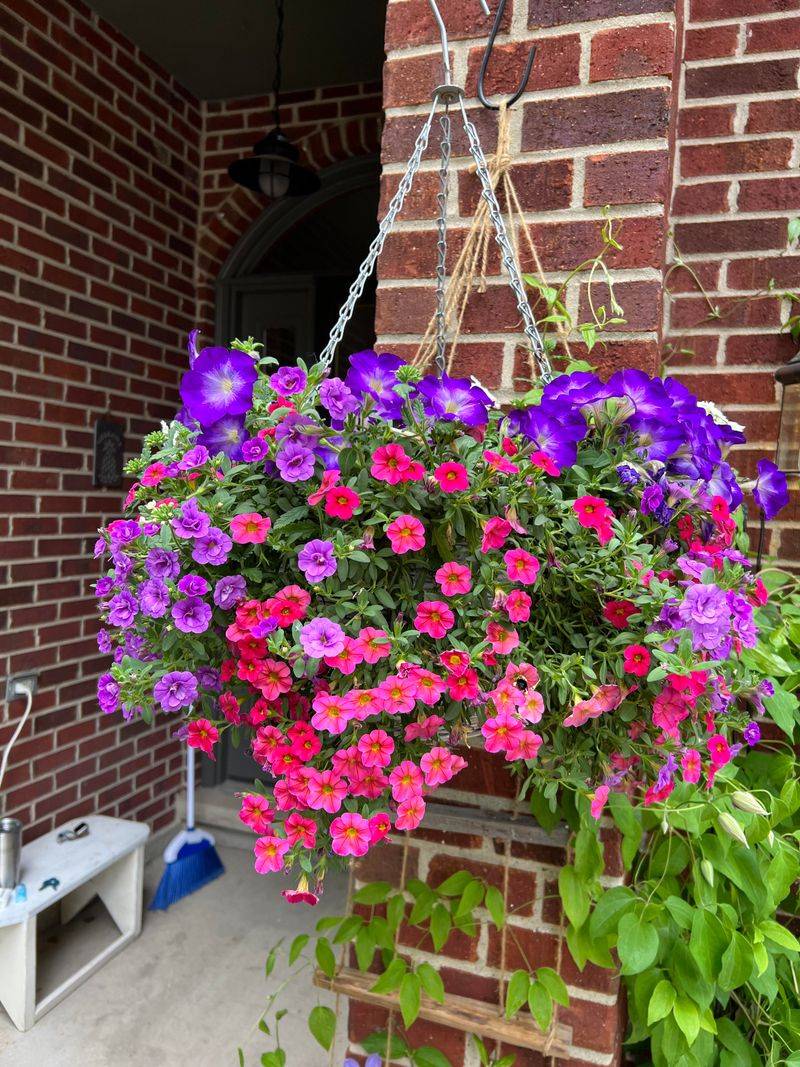
Hanging baskets are some of the most beautiful additions to any Michigan porch or patio, but they also happen to be the most demanding plants to keep up with during a heat spike.
If you have ever watered a basket in the morning and found it bone dry by late afternoon, you are not doing anything wrong. That is just how baskets behave in extreme heat.
The exposure a hanging basket gets is unlike anything else in your garden. Wind moves around the basket from every direction.
Sun hits the top, the sides, and even reflects up from below. The basket itself is usually made from wire or a porous liner that releases moisture quickly.
All of that adds up to incredibly fast drying, sometimes within just a few hours.
On a day when temperatures climb above 85 degrees Fahrenheit, plan to check your hanging baskets at least twice. Water in the morning as part of your regular routine, then go back and check again in the early afternoon.
Lift the basket slightly if you can. A light basket almost always means a dry basket.
When you water a hanging basket, go slow and be thorough. Water until you see it dripping steadily from the bottom of the basket.
A quick splash from above often just wets the surface without reaching the roots tucked deeper inside.
Some gardeners find that adding a water-retaining gel or moisture-holding fiber to the liner helps baskets hold water longer during Michigan heat waves, which can cut down on how often you need to check them.
5. Water Deeply Until The Whole Root Ball Is Moist
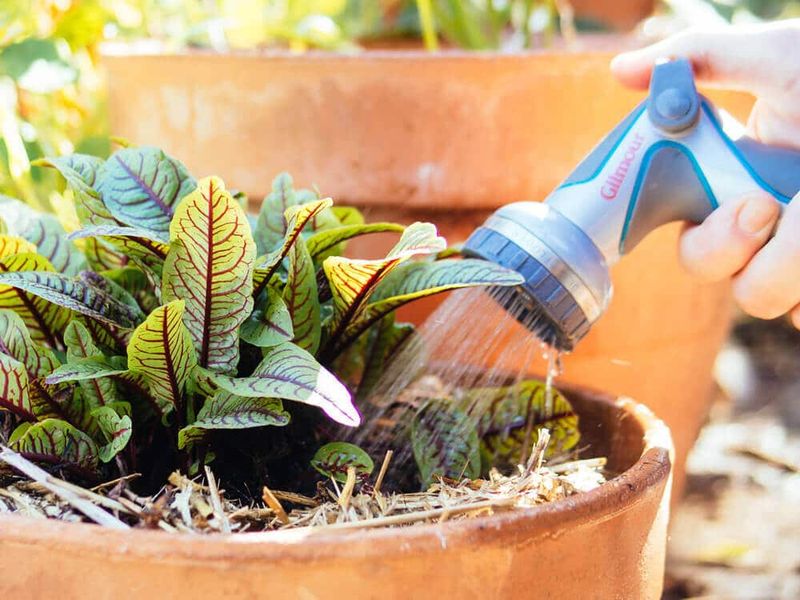
A quick splash of water might look like enough, but in reality it can leave the lower half of your container completely dry. The top inch or two of potting mix gets wet and looks fine from the outside, but the roots sitting deeper in the pot are still thirsty.
This is one of the most common mistakes container gardeners make during a heat spike.
Roots grow throughout the entire root ball, not just at the top. If water does not reach the bottom portion of the pot, those lower roots are working without any moisture at all.
Over time, this causes uneven stress inside the plant and can lead to poor growth, leaf curl, or flowers dropping early.
The trick is to water slowly and steadily. Give the potting mix time to absorb the water rather than letting it run straight down the sides of the pot and out the drainage holes before soaking in.
You can pour water in stages, letting it absorb for a minute before adding more.
You know you have watered deeply enough when water begins draining freely and consistently from the holes at the bottom of the container. That is your signal that moisture has traveled all the way through the root ball and reached every layer of the pot.
For very large containers, this process might take several minutes. It is worth the extra time.
A deeply watered plant is far more resilient during a Michigan heat spike than one that only received a surface rinse, and you will notice the difference in how healthy and strong your plants look.
6. Avoid Evening Watering As The Main Habit
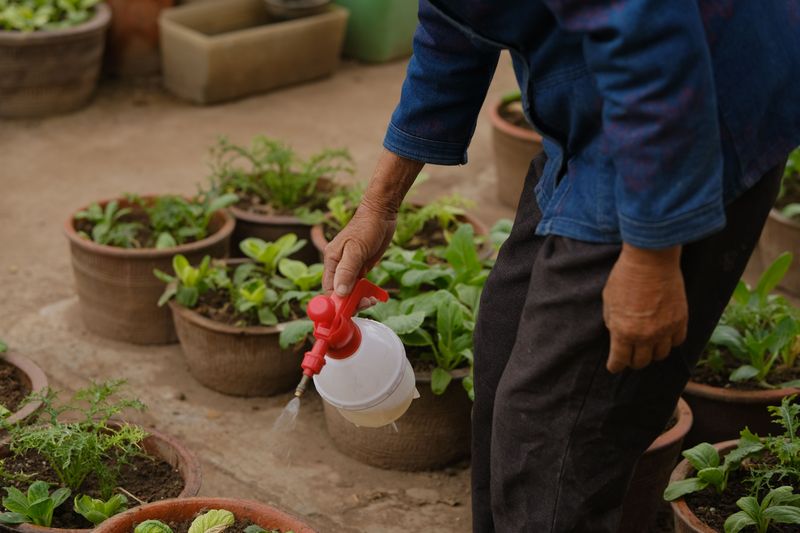
Evening watering might seem like a convenient option after a long hot day, but making it your regular routine can quietly cause problems for your container plants over time.
When water sits on leaves and in tight spots between stems through the night, conditions become just right for fungal issues to take hold and spread. Michigan summers can bring humid nights, especially in July and August.
When you combine that humidity with wet foliage from an evening watering session, you create exactly the kind of environment that encourages powdery mildew and other moisture-related plant problems.
Crowded containers are especially vulnerable because air circulation between plants is limited.
That said, there is an important exception to keep in mind. If a container plant is severely wilted and struggling in the evening heat, watering it is absolutely the right call.
A plant that needs water right now should get it. The goal is simply to avoid making evening the go-to time every single day when morning is available to you.
When you do water in the evening out of necessity, aim the water at the soil rather than spraying it over the leaves. Keeping foliage as dry as possible reduces the chance of problems while still giving the roots the moisture they need to recover overnight.
Shifting your schedule to mornings whenever possible makes a real difference in plant health across the whole season.
Think of evening watering as your backup plan rather than your primary routine, and your containers will reward you with stronger, healthier growth all summer long.
7. Mid Day Watering Is For Emergencies
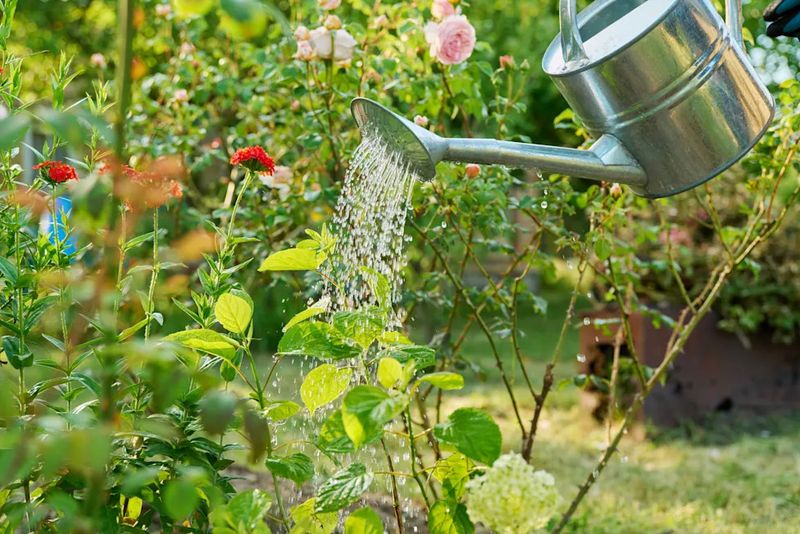
Watering in the middle of a blazing Michigan afternoon is not the ideal plan, but sometimes a container plant leaves you no choice.
If you walk past a pot and the plant is severely wilted, drooping all the way down with limp leaves and stems, waiting until morning is simply not an option. That plant needs water now, and you should give it some.
During a heat spike, midday conditions make watering less efficient. The sun is at full strength, the air is hot and dry, and any moisture on the soil surface evaporates quickly before it can soak in.
Wind can carry moisture away before it even reaches the root zone. These conditions make it harder for your watering effort to have the full impact you want.
When you do need to water at midday, focus the water directly on the soil and avoid spraying the leaves. Wet leaves under intense afternoon sun can sometimes cause stress to the foliage.
Pour the water slowly and close to the base of the plant so it goes where the roots actually are.
After watering, if it is possible to move the container to a shadier spot for the rest of the afternoon, that small change can make a big difference in how quickly the plant bounces back.
Even a few hours of afternoon shade during extreme heat can dramatically reduce how much water a pot loses.
Midday watering is a rescue tool, not a routine. Use it when a plant clearly needs help, but keep building toward that strong morning watering habit that sets your containers up for success every day.
8. The Best Routine Is Morning Plus Monitoring
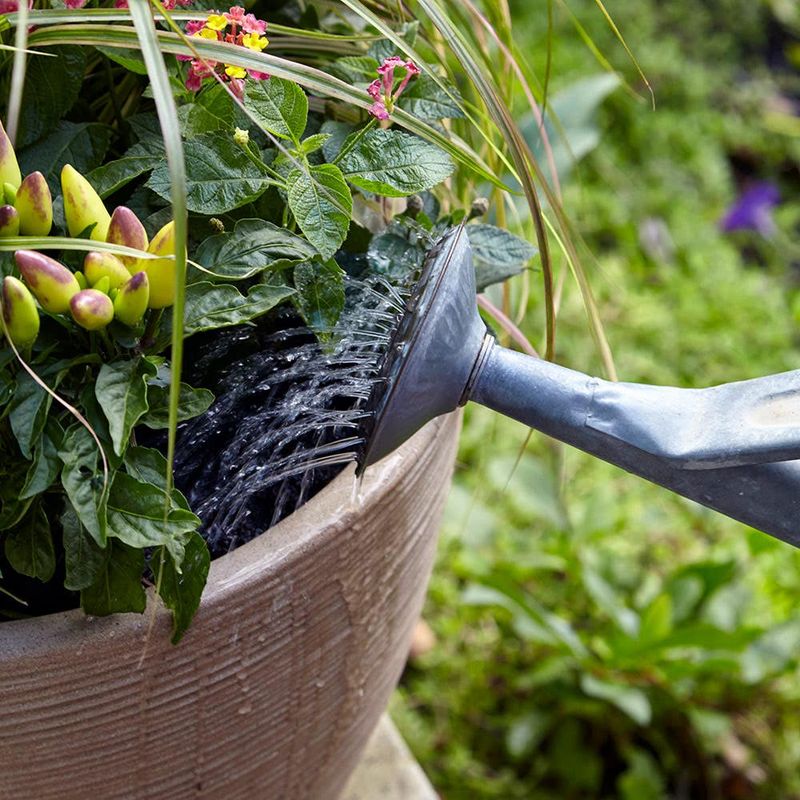
Building a solid watering routine during a Michigan heat spike is less about following strict rules and more about staying tuned in to what your plants actually need each day.
The best approach combines a reliable morning watering with smart monitoring throughout the rest of the day, so nothing gets missed and no plant gets pushed too far.
Start each morning by doing a quick walk through your container garden. Check the soil in your smallest pots and hanging baskets first since those dry out fastest.
Press a finger an inch into the potting mix of each container. Water anything that feels dry at that depth, and water slowly and deeply until it drains from the bottom.
After your morning routine, check in on your hanging baskets and small pots again around midday or early afternoon on the hottest days. These are the containers most likely to need a second round of water before evening arrives.
A light lift test tells you a lot because a dry basket feels noticeably lighter than a watered one.
If water is pooling in saucers under your pots, empty them after about 30 minutes. Letting pots sit in standing water for too long can cause root problems over time, even during a heat wave. Proper drainage keeps roots healthy and breathing well.
On the most intense heat days, consider moving smaller stressed containers to a spot that gets afternoon shade. Even two or three hours out of direct sun can cut moisture loss significantly.
Morning watering plus consistent monitoring is the winning combination that keeps Michigan container plants thriving all summer long.