15 Fruits, Vegetables, And Herbs For A Self-Sufficient Tennessee Garden
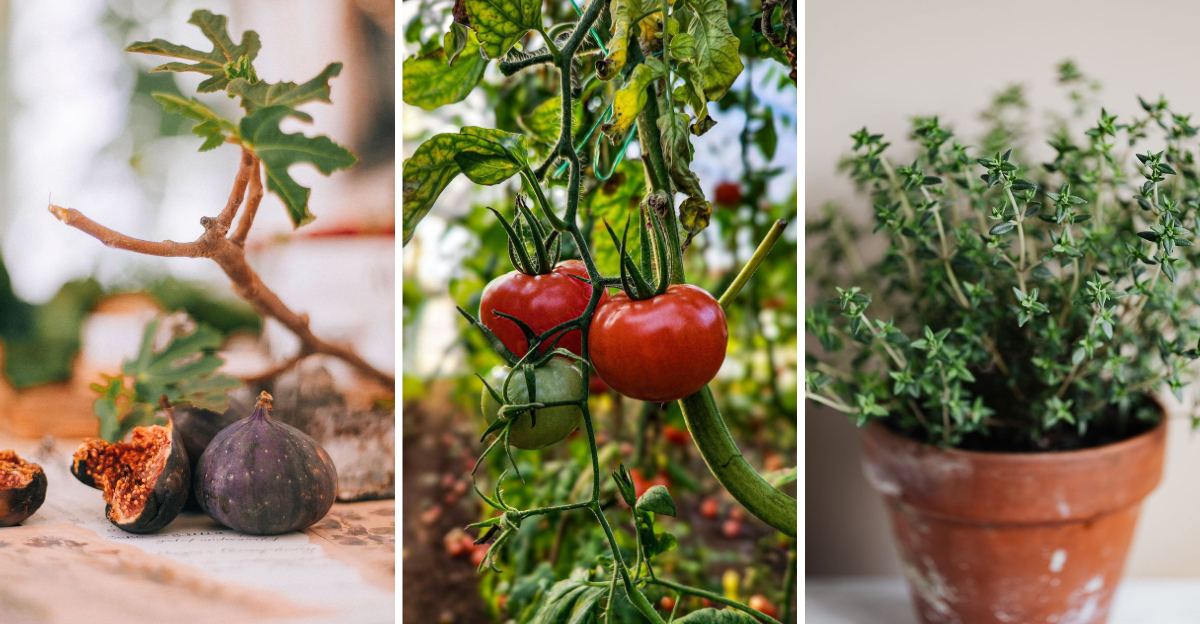
There’s a certain thrill in eating something you grew with your own two hands. Tennessee makes that thrill easy to chase.
The soil here doesn’t play hard to get. Long summers stretch out like an invitation. Winters stay soft enough to keep working the ground. Rain shows up often enough that your plants rarely go thirsty.
You don’t need acres to make it work. A patch of dirt does the job. So does a few containers on a porch, or a handful of raised beds. Any of these can turn into a real harvest.
You just need crops that actually thrive in Tennessee weather. Tomatoes sprawl. Greens multiply. Herbs practically refuse to quit. Start small. Stay consistent.
Within a season you’ll be walking out your back door for dinner ingredients instead of driving to the store.
Growing your own food isn’t just possible here. It’s practically the default setting. Once you taste the difference, there’s no going back.
1. Blackberries
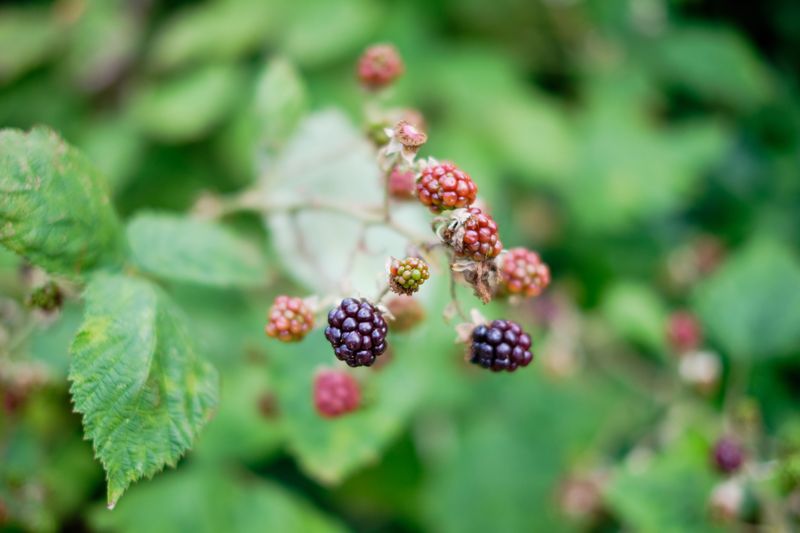
Blackberries grow wild across Tennessee hills, and that tells you everything you need to know. They love the heat. They tolerate poor soil. They produce massive amounts of fruit with almost no fuss.
Plant them along a fence line and let them do their thing. Within two years, you’ll have more berries than you can eat fresh off the vine.
Thornless varieties like Ouachita are a smart pick for family gardens. No painful harvesting, no torn sleeves.
They ripen in mid-summer and taste like summer itself, sweet and bold, with just enough tartness to keep things interesting.
Blackberries freeze beautifully, so nothing goes to waste. Toss a handful into pancakes come winter and you’ll remember exactly why you planted them.
A self-sufficient Tennessee garden almost always starts with a row of these hardworking canes.
2. Strawberries
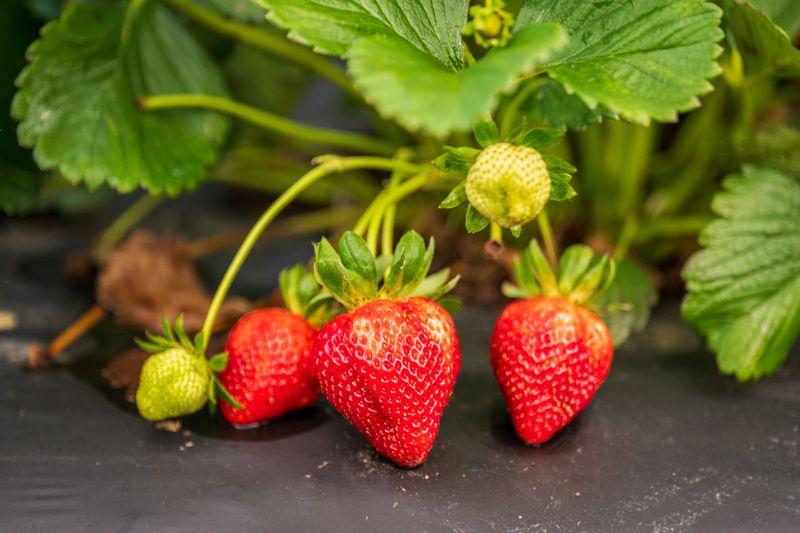
Nothing beats biting into a sun-warmed strawberry you grew yourself. Strawberries thrive in Tennessee. They produce fruit as early as April, making them one of the first harvests of the season.
June-bearing varieties like Chandler and Earliglow do especially well here. They put out a heavy crop all at once. That’s perfect for making jam or freezing for later.
Plant them in well-drained soil and give them full sun. Raised beds work wonderfully, and they keep slugs from crashing your harvest.
Strawberry plants spread on their own through runners. One small investment grows into a bigger patch each year, no extra work or money required.
That kind of free multiplication is exactly what self-sufficient gardening is all about. Come spring, you’ll be glad you started.
3. Blueberries
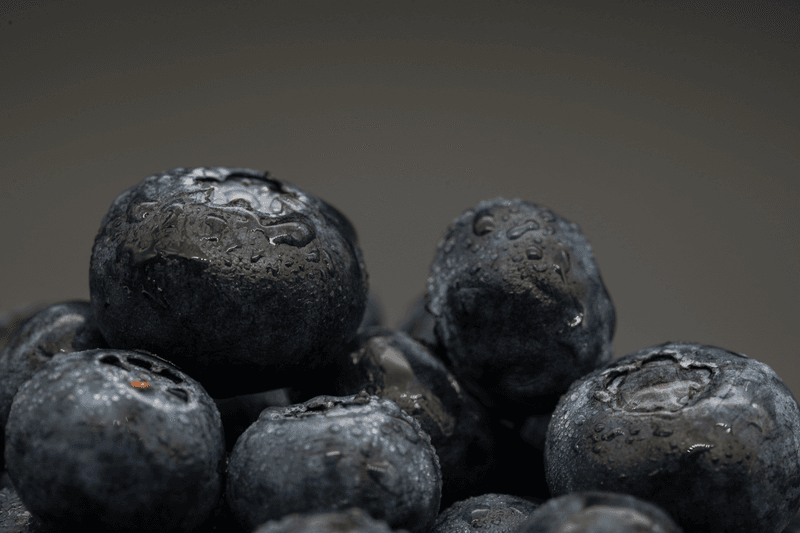
Blueberries are a long-term relationship, not a quick fling. They take a couple of years to hit their stride, but once they do, a single established bush can produce fruit for decades.
Tennessee soil tends to be slightly acidic, which blueberries absolutely love. Rabbiteye varieties like Tifblue handle the summer heat well.
They produce generous harvests across most of the state. Gardeners in cooler zone 6a areas may find Northern highbush varieties more reliable.
Your Tennessee Garden Changes Every Week. Your Plan Should Too.
Gardening in Tennessee changes quickly throughout the season. Every Friday you’ll receive a simple weekly plan showing exactly what to plant, prune, fertilize, harvest, and protect so you never miss the right timing.
Plant at least two different varieties near each other for better pollination and bigger yields. Bees will handle the rest of the work for you.
Fresh blueberries, frozen blueberries, blueberry muffins at 7 a.m. on a Tuesday. Planting these bushes is one of the best garden decisions you will ever make for long-term food independence.
4. Apples
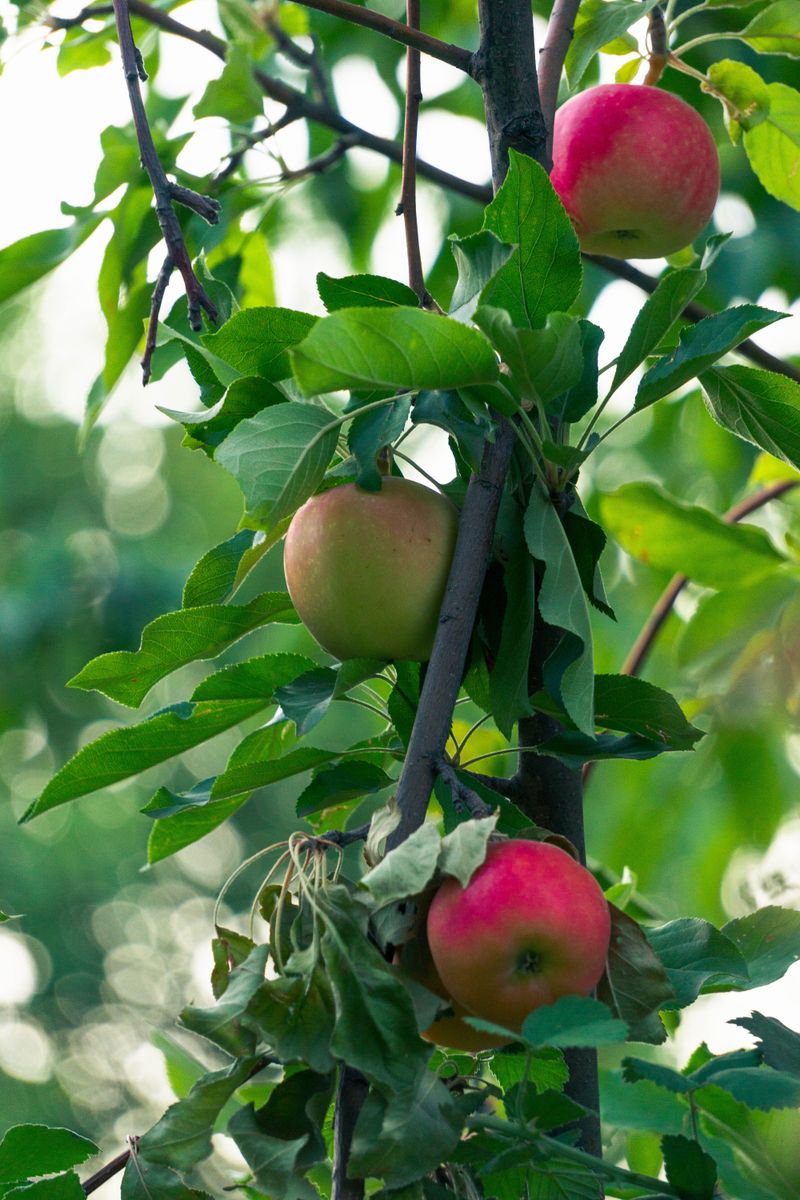
An apple tree in your yard adds a lot to your food supply. One mature tree can produce hundreds of pounds of fruit in a single season, feeding a family for months.
Tennessee sits in a sweet spot for apple growing. Varieties like Arkansas Black, Gala, and Fuji all perform well across the state.
Choose disease-resistant types to keep your workload manageable. Fire blight and apple scab are common here, so picking the right variety saves a lot of heartache later.
Apples store well in a cool cellar, can be pressed into cider, and dry beautifully for snacking all winter. For a truly self-sufficient Tennessee garden, an apple tree is not optional, it is essential.
5. Figs
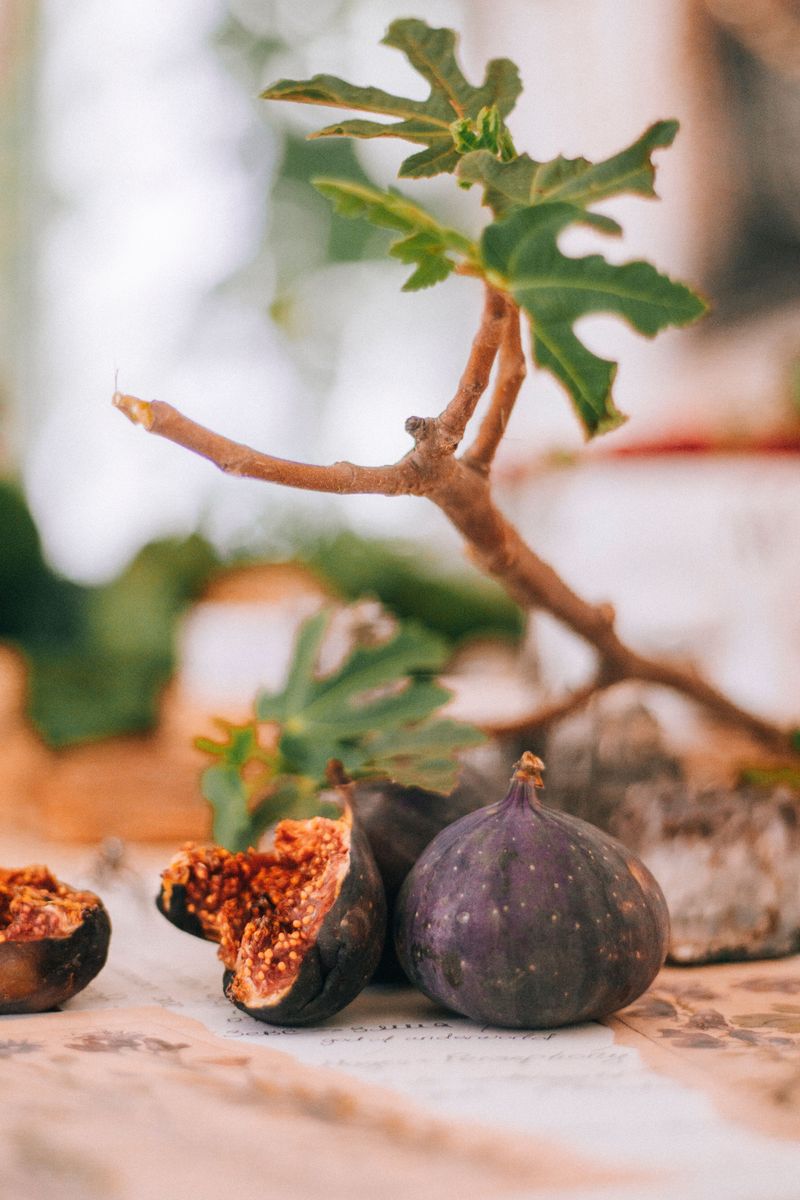
Figs feel almost exotic, yet they are one of the easiest fruits you can grow in the South. Tennessee summers give fig trees exactly the heat they crave, and the results are spectacular.
Brown Turkey is the most popular variety here and for good reason. In the warmer parts of Tennessee, it can produce two crops per season, though in cooler zone 6a areas it may lose its top growth in winter and produce just one.
Fig trees need very little water once established, and they rarely get serious pest problems. That low-maintenance personality makes them a dream addition to any food garden.
Eat them fresh, dry them, or turn them into a rich jam that pairs with everything from cheese to pork. Growing figs feels indulgent, but in Tennessee, it is surprisingly practical.
6. Tomatoes
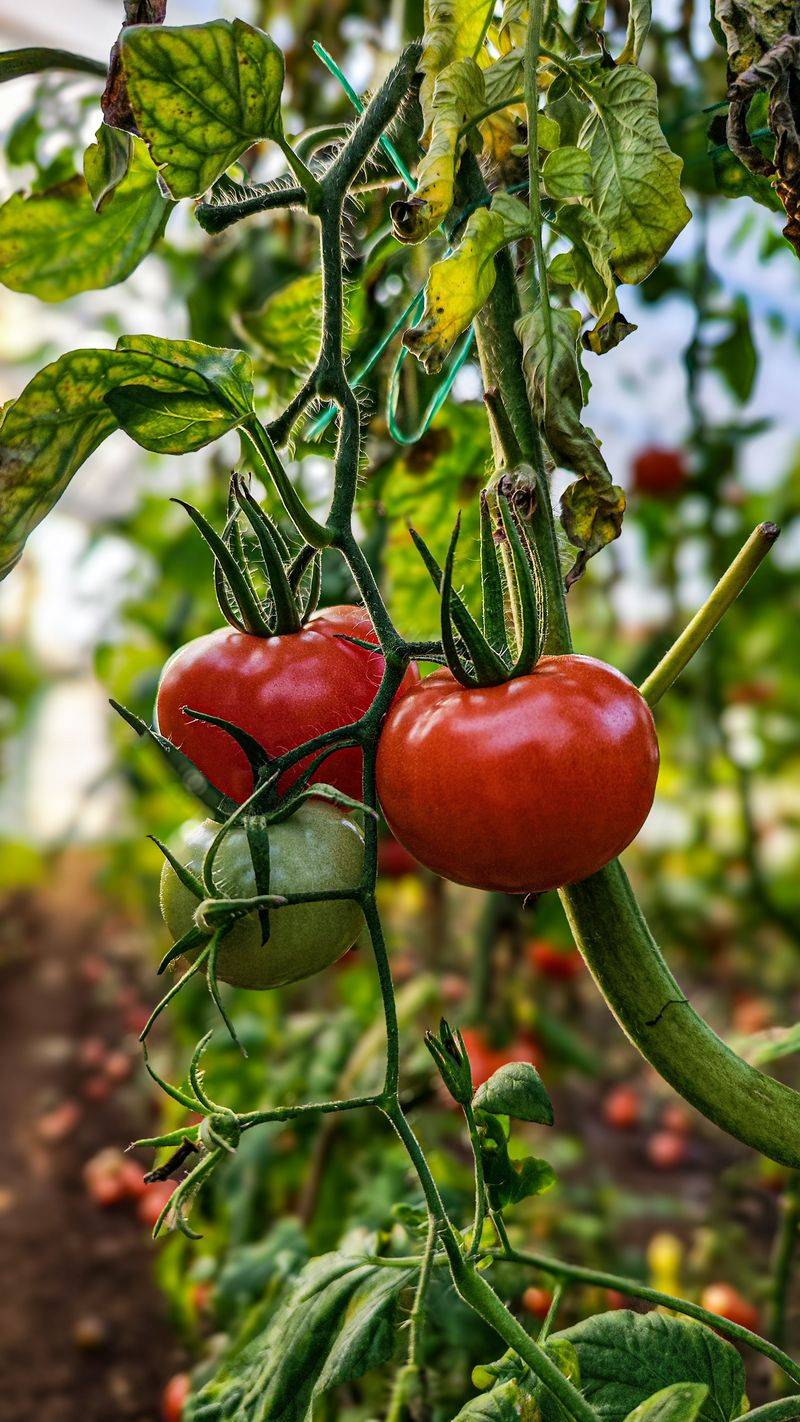
Ask any Tennessee gardener what they grow first and the answer is almost always tomatoes. These sun-loving plants are the backbone of a self-sufficient Tennessee garden and produce abundantly from June through September.
Cherokee Purple is a heritage variety with deep roots in this region, known for its rich, smoky flavor. Celebrity and Better Boy are reliable workhorses if you want big yields with minimal drama.
Plant after the last frost, which can range from late March in West Tennessee to early May in the higher elevations of East Tennessee. Give them a sturdy cage or stake early, before you think you need one.
Tomatoes can be canned, frozen, dried, or turned into sauce that lasts all winter. Few things feel more satisfying than opening a jar of homegrown tomatoes in January.
7. Green Beans
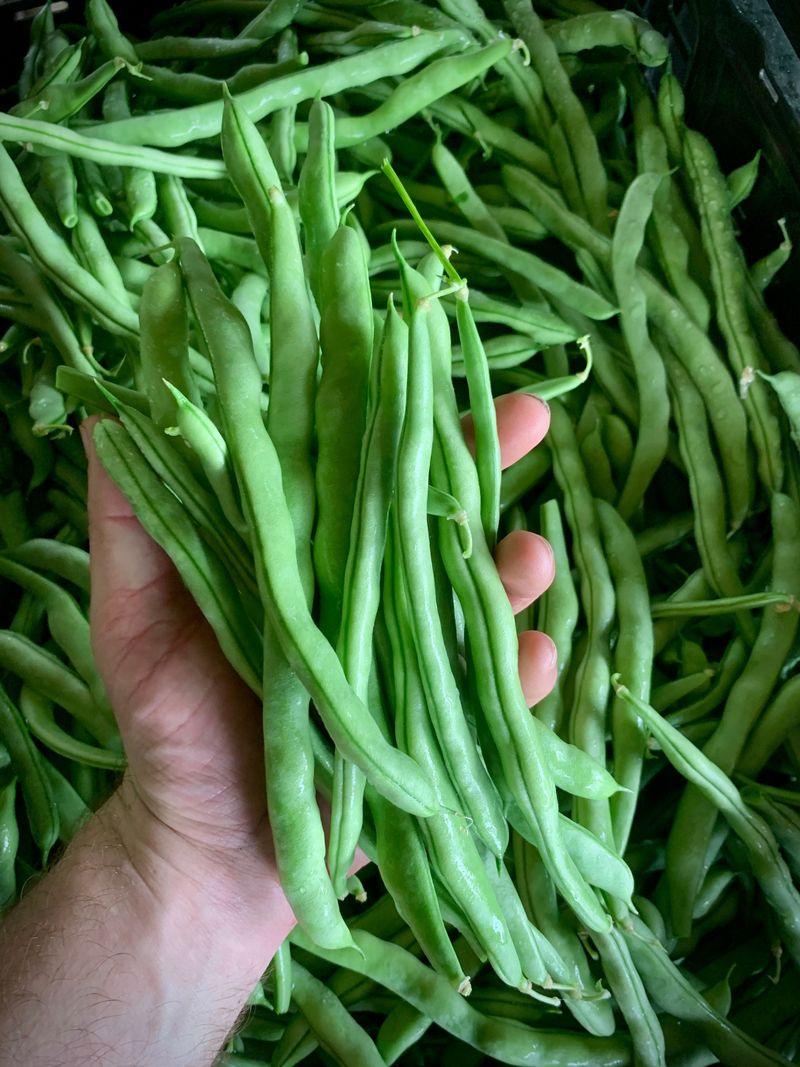
Green beans are the workhorse of the Southern garden, and they have earned that reputation honestly. They grow fast, produce heavily, and ask for almost nothing in return.
Bush beans are great for small spaces, but pole beans produce longer and need less replanting throughout the season. Kentucky Wonder is a classic pole variety with serious Southern heritage and outstanding flavor.
Direct sow seeds after the last frost and watch them take off within days. Warm Tennessee soil gets them sprouting fast, sometimes in as little as a week.
Pressure canning green beans is a time-honored tradition across the state. A well-stocked pantry full of home-canned beans is one of the most comforting sights a self-sufficient gardener can see.
8. Squash
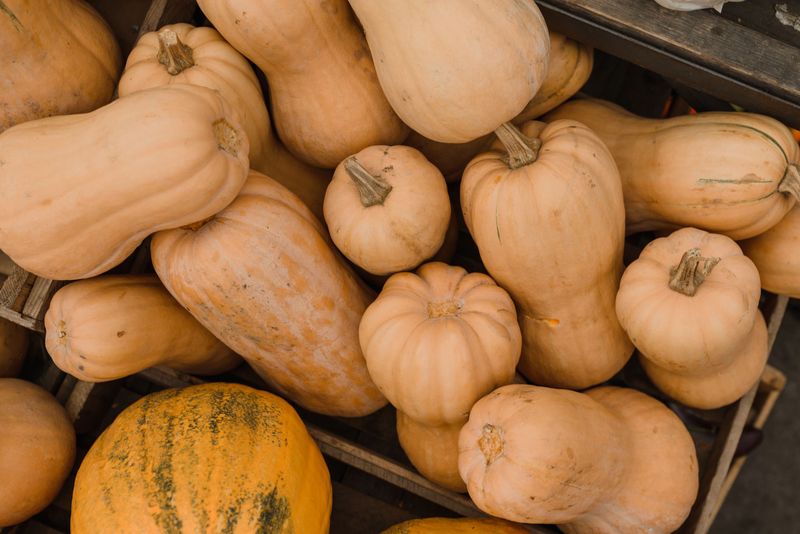
Squash grows so fast in Tennessee that you might feel like it is trying to take over. That abundance is exactly what makes it such a valuable crop for food independence.
Summer squash like zucchini and yellow crookneck produce from early summer until frost. Winter squash like butternut stores for months in a cool, dry spot without any canning required.
Plant in hills with rich compost worked into the soil. Squash is a heavy feeder and rewards well-amended beds with a large amount of fruit.
One or two butternut squash plants can easily fill a pantry shelf for winter soups and roasted sides. Squash is the quiet overachiever of any serious food garden, and it belongs in yours.
9. Sweet Potatoes
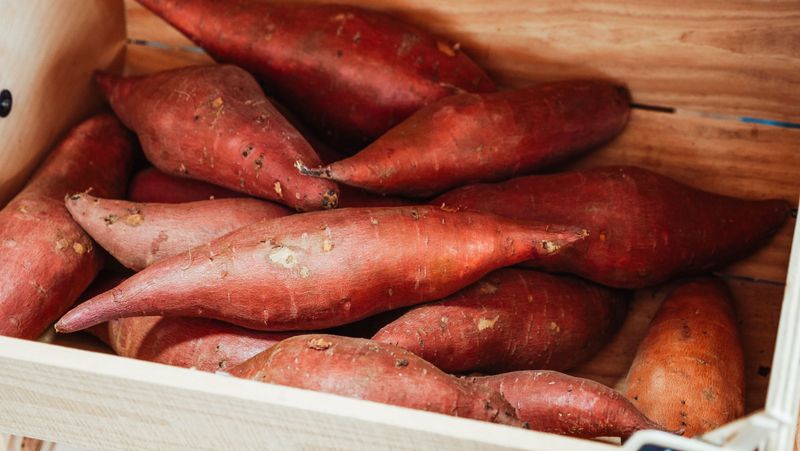
Sweet potatoes were practically made for Tennessee. The long, hot summers give them the warmth they need to form big, dense roots packed with nutrition and natural sweetness.
Plant slips, not seeds, around late May when the soil has warmed through. Space them generously because the vines spread wide and need room to run.
Beauregard and Covington are top-performing varieties for this region. Both cure well after harvest and store for months in a cool, dark location without refrigeration.
Curing sweet potatoes at around 85 degrees for a week after harvest dramatically improves their flavor and shelf life. Few crops offer this kind of calorie-dense, long-lasting storage value for a self-sufficient household.
10. Collard Greens
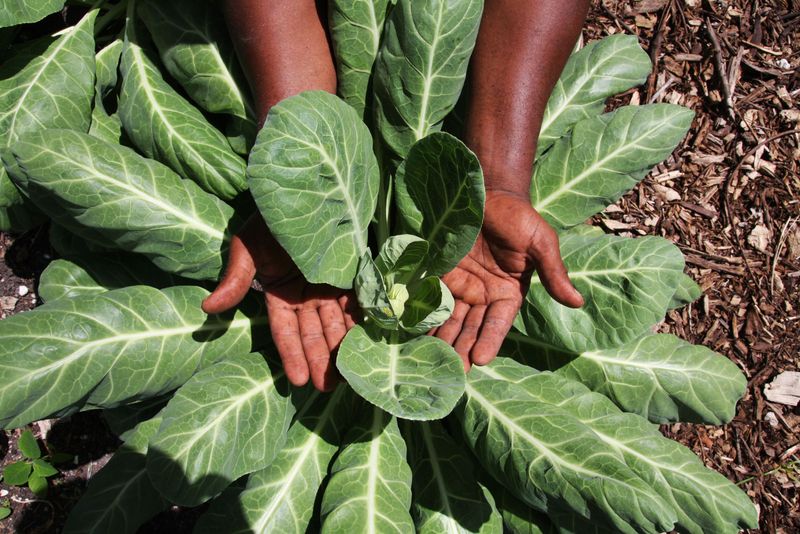
Collard greens are a Southern staple that thrives in Tennessee from spring all the way through winter. Frost actually improves their flavor, making them sweeter and more tender after a cold snap.
Start seeds in late summer for a fall harvest that keeps giving well into December. They are incredibly cold-hardy and will outlast almost every other plant in your garden.
Georgia Southern and Vates are two reliable varieties that hold up well through temperature swings. Both produce big, broad leaves perfect for long, slow cooking with smoked meat or beans.
Collards are loaded with vitamins K and C, making them one of the most nutritious crops you can grow. Plant them once and they will keep producing leaves for months on end.
11. Basil
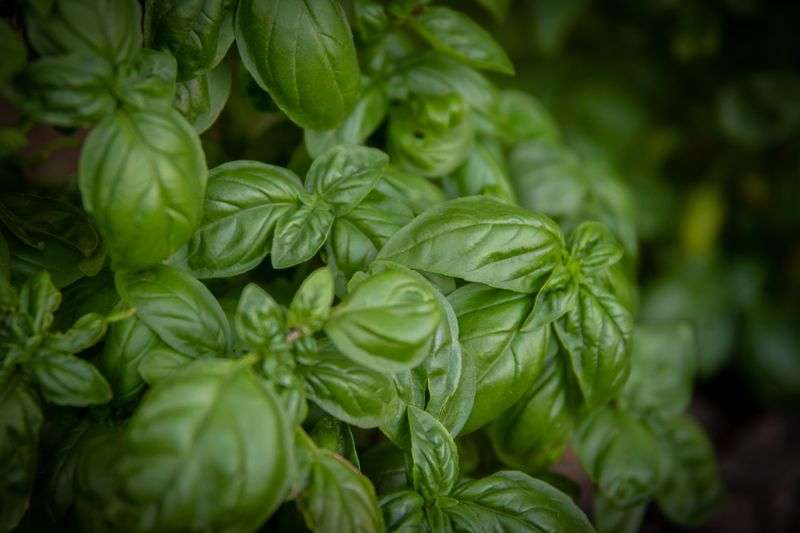
Basil is the herb that makes a tomato garden complete, and in Tennessee, they grow beautifully side by side. Plant basil near your tomatoes and both plants seem to thrive on the companionship.
Genovese basil is the classic choice for fresh eating and pesto, but Thai basil and lemon basil add exciting variety to any herb patch. All of them love the Tennessee summer heat.
Pinch off flower buds as soon as they appear to keep the plant producing lush leaves all season. Once basil bolts, the leaves turn bitter and lose much of their flavor.
Blend extra basil into pesto and freeze it in ice cube trays for easy winter use. That one simple trick stretches your summer harvest straight through the cold months.
12. Rosemary
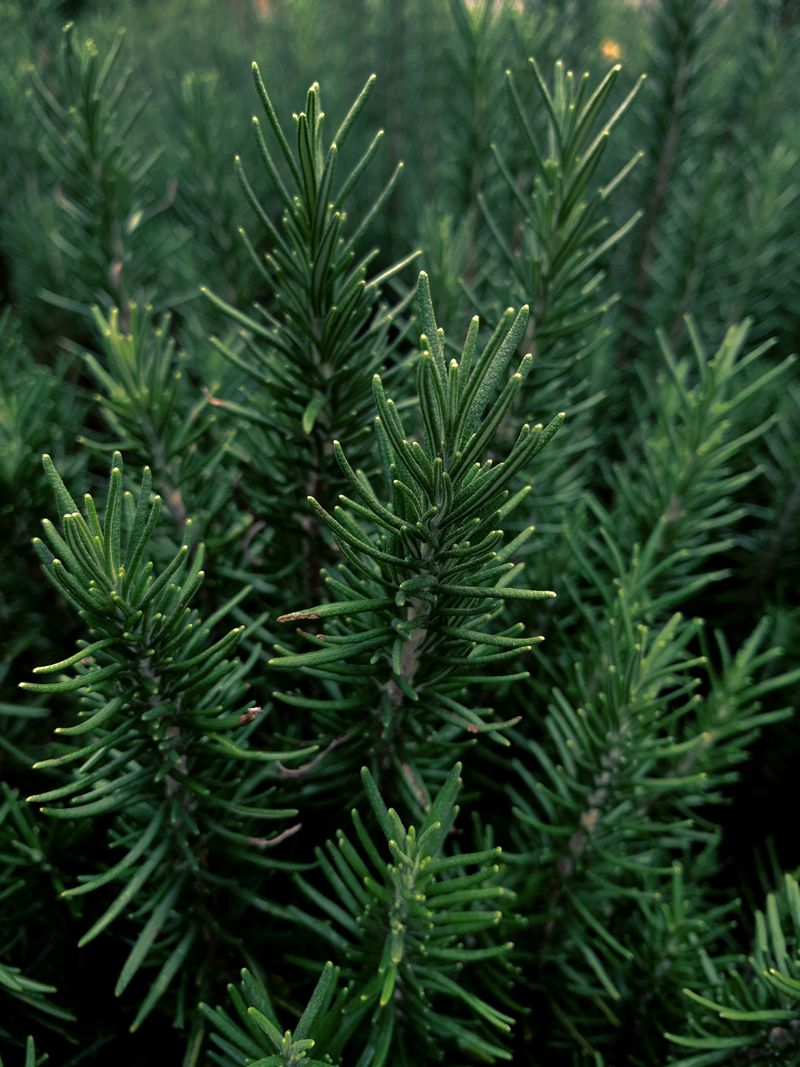
Rosemary is practically indestructible in Tennessee, which makes it a perfect fit for a low-maintenance self-sufficient garden. Once established, it shrugs off drought, heat, and neglect with remarkable ease.
Plant it in a sunny spot with well-drained soil and it will reward you for years. Rosemary can grow into a small woody shrub that doubles as a beautiful landscape plant.
Arp and Salem are cold-hardy varieties that handle Tennessee winters without much protection. Snip sprigs year-round for roasting meats, seasoning bread, or infusing olive oil at home.
Dried rosemary retains its flavor well and makes a thoughtful homemade gift when tied with kitchen twine. Growing this herb means you will never reach for an overpriced grocery store jar again.
13. Thyme
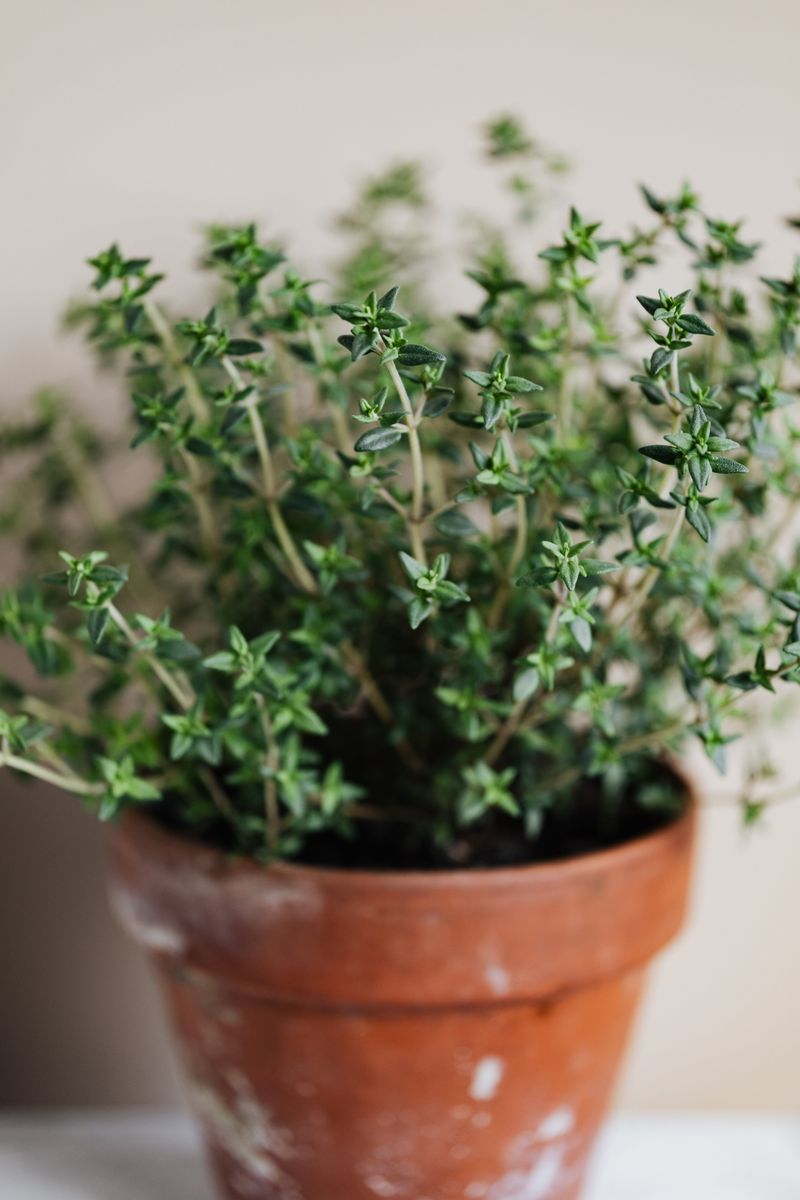
Thyme is the kind of herb that earns its keep quietly and consistently. It takes up almost no space, needs very little water, and delivers bold flavor to every dish it touches.
English thyme is the most common culinary type and handles Tennessee summers and winters without complaint. Plant it along a garden border or in containers near your kitchen door for easy access.
Thyme loves full sun and lean soil, so skip the heavy fertilizing. Too much nitrogen makes the leaves lush but strips away the aromatic oils that make this herb worth growing.
Bundle fresh thyme stems and hang them to dry in a warm corner of your kitchen. Within a week, you will have months worth of dried herb ready to season soups, stews, and roasted vegetables.
14. Oregano
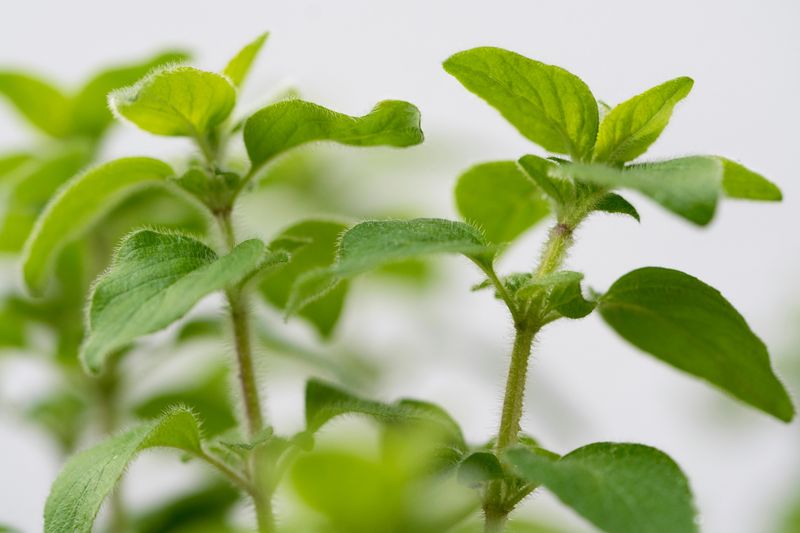
Oregano might be the most underrated herb in the Southern garden. It grows aggressively, tolerates heat and drought, and provides a steady supply of bold, aromatic leaves all season long.
Greek oregano has the strongest flavor and is the variety most cooks reach for in the kitchen. Plant it once and it will come back year after year with almost no effort on your part.
Harvest stems in the morning before the sun gets too intense, when the oils are most concentrated. Tie small bunches together and hang them upside down to dry in about two weeks.
Homegrown dried oregano puts the grocery store version to shame in terms of fragrance and flavor. For a self-sufficient Tennessee garden, this herb is a must-have that belongs in every raised bed.
15. Mint
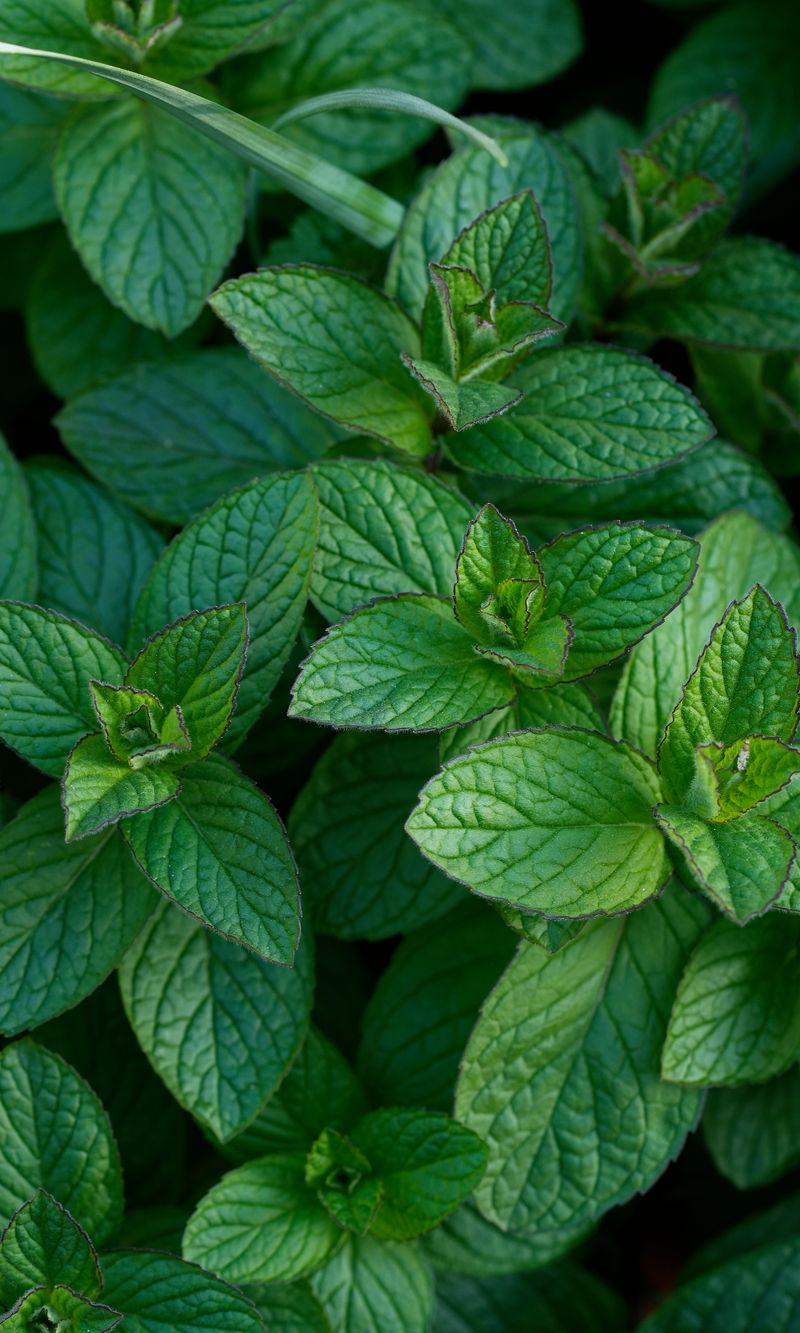
Mint is the wild child of the herb garden, full of energy and impossible to ignore. It spreads fast and smells incredible, filling the air with a cool, clean scent every time you brush past it.
Plant mint in containers rather than directly in the ground unless you want it to take over your entire garden. That contained energy means you always have a fresh supply without the chaos.
Spearmint and peppermint both do well in Tennessee and have dozens of uses beyond tea. Use them in cocktails, salads, homemade syrups, and even as a natural pest deterrent around other plants.
A pot of mint on the porch is one of life’s simple, satisfying pleasures. It rounds out a self-sufficient Tennessee garden with flavor, fragrance, and a little wild spirit.