These 8 Fruit Trees Virginia Gardeners Grow With Less Effort Than Apples
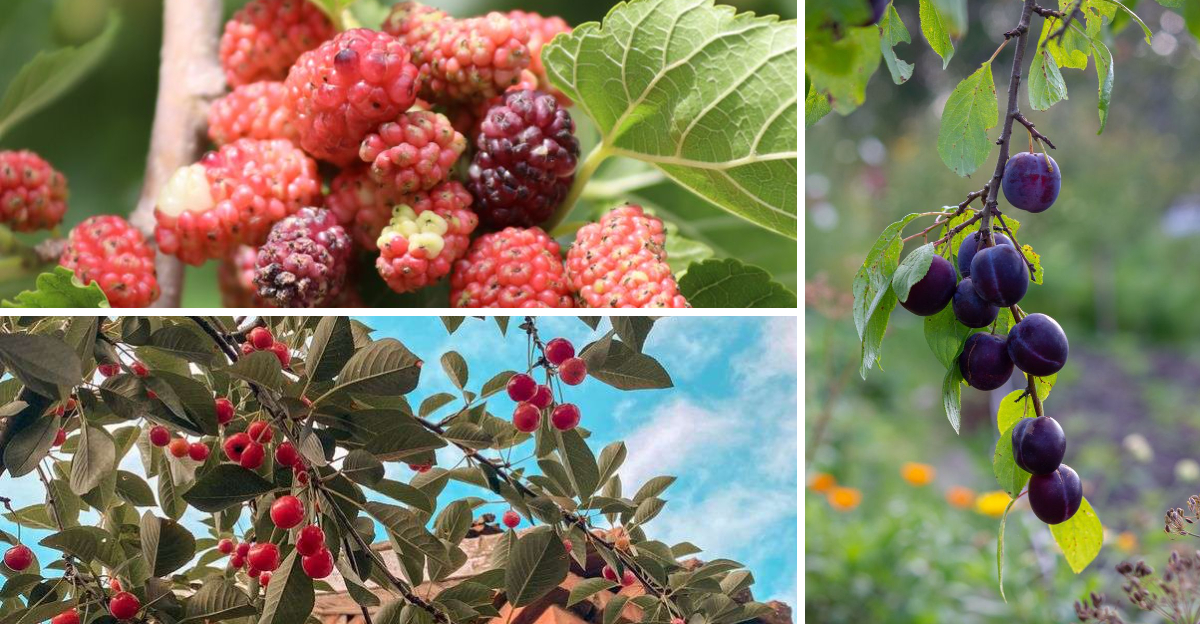
Apple trees get all the attention, and all the headaches that come with them. Between fungal sprays, pruning schedules, and pest patrols, a backyard orchard can start to feel like a part-time job nobody signed up for.
Virginia’s clay soil and humid summers only add to the challenge, turning a simple harvest dream into a season of frustration for many first-time growers. Fortunately, apples are not the only option worth planting.
Several fruit trees settle into Virginia yards with barely a fuss, rewarding minimal care with reliable baskets of fruit.
These eight trees prove a thriving orchard can run on neglect instead of a spray calendar. Pick one, plant it, and watch your yard do the rest of the work.
1. Fig Trees Thrive With Minimal Pruning
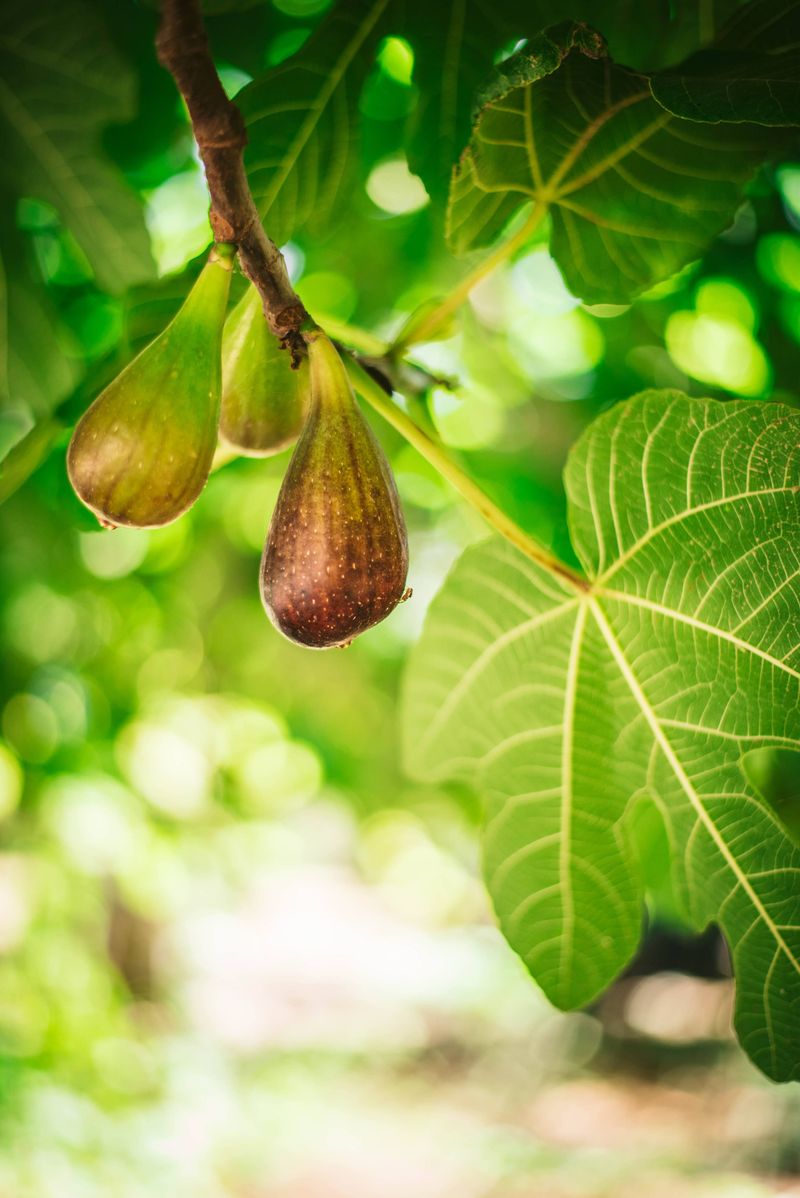
Forget the pruning anxiety. Fig trees are almost insultingly easy to grow in Virginia.
Unlike apples, figs do not demand a complicated spray routine to stay healthy. They brush off most pests like they have somewhere better to be.
Plant a Brown Turkey or Celeste variety and you are halfway to harvest before you even pick up a shovel. Both handle Virginia summers with impressive calm.
Figs prefer full sun and well-drained soil, but they are not picky about perfection. Even slightly sandy or clay-heavy ground works fine once the tree settles in.
Watering young trees once a week during dry spells is usually enough. After the first two years, rainfall handles most of the work.
One thing to watch: figs can get nipped by a hard frost. Wrapping the base with burlap in November protects the roots through cold snaps.
By late summer, you will pull fruit straight off the branch and eat it warm from the sun. Nothing from a grocery store comes close to that flavor.
Harvest season stretches from midsummer into early fall, giving you weeks of fresh fruit. Many gardeners freeze extras for smoothies or bake them into jam.
Figs also make beautiful landscape plants with their broad, tropical-looking leaves. Your neighbors will ask what that gorgeous tree is before they even notice the fruit.
Low maintenance, high reward, and no guilt about skipping pruning day. Fig trees are the fruit tree you did not know you needed.
2. American Persimmon Needs Almost No Care
Some trees just want to be left alone. American persimmon is one of them.
This native species evolved right here in the mid-Atlantic region. It already knows how to handle Virginia weather, soil, and wildlife pressure without any help from you.
An American persimmon settles into its spot and mostly handles the rest on its own. Once the roots take hold, seasonal care shrinks down to little more than an occasional glance.
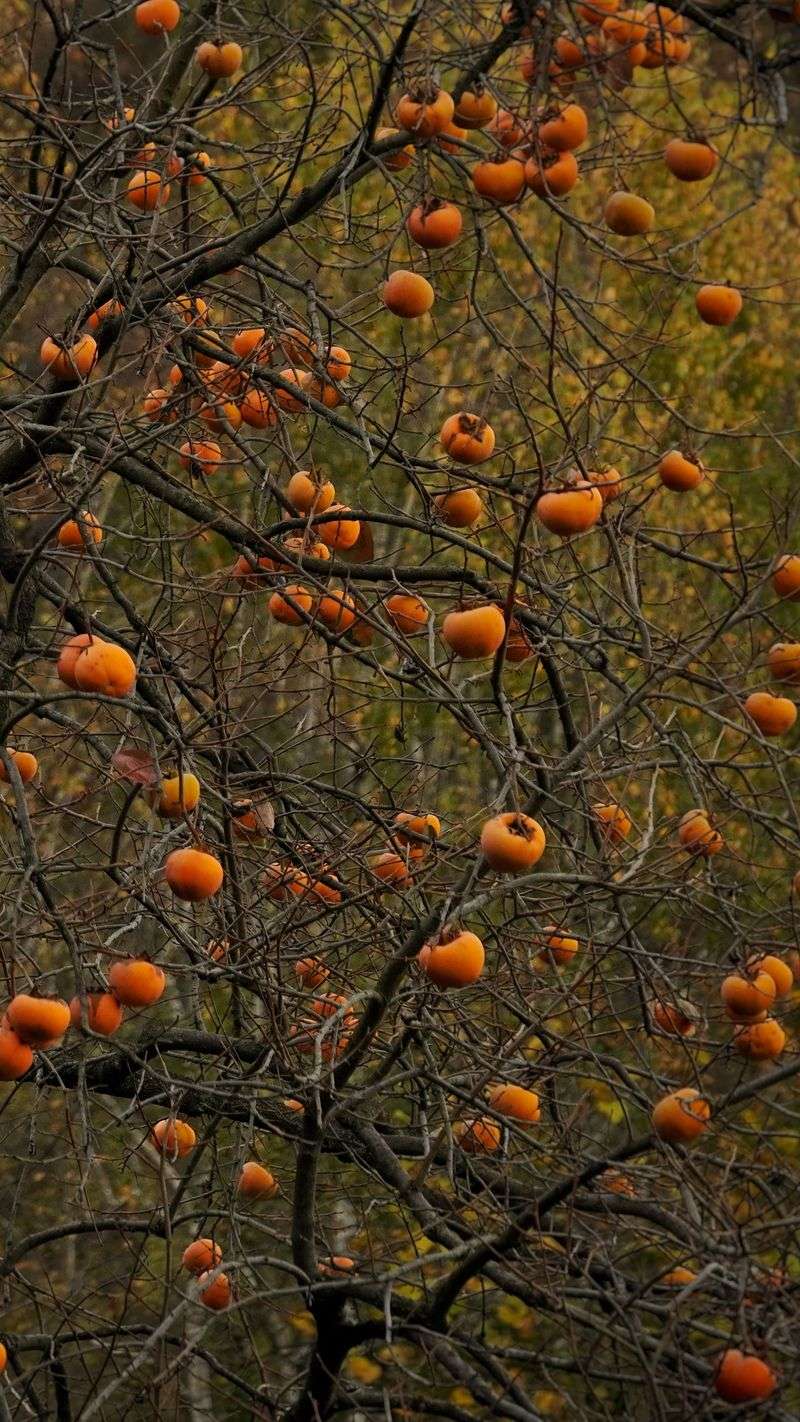
The fruit ripens in October after the first frost softens it. Before that moment, the taste is puckery and sharp. After frost, it turns into sweet, custardy gold.
Wildlife loves persimmons too, so expect deer, foxes, and birds to share your harvest. Since most seedling trees are either male or female, planting one of each nearby is what makes fruiting possible at all.
Your Virginia Garden Changes Every Week. Your Plan Should Too.
Gardening in Virginia changes quickly throughout the season. Every Friday you’ll receive a simple weekly plan showing exactly what to plant, prune, fertilize, harvest, and protect so you never miss the right timing.
These trees grow well in poor soils where other fruit trees would struggle. Rocky hillsides, clay-heavy patches, and dry slopes are no obstacle for this tough native.
Height can reach 35 to 60 feet if left unpruned. Many gardeners keep them trimmed to 15 feet for easier picking, and the tree handles that just fine.
Persimmons are also stunning in fall. The bright orange fruit against bare gray branches looks like nature hung ornaments on purpose.
If you want a fruit tree that earns its place in the yard without demanding attention, persimmon is a top pick. Plant it once and enjoy it for decades.
Effort is minimal. Reward is seasonal, beautiful, and surprisingly delicious. This tree belongs in more Virginia yards than it currently occupies.
3. Montmorency Cherries Skip The Pollination Fuss
Sweet cherries need a partner to produce fruit. Montmorency does not.
This tart cherry variety is self-fertile, meaning one tree gives you a full crop without needing a second tree nearby. That alone makes a real difference for small yards.
Montmorency is also more disease-resistant than most sweet cherry types. It shrugs off common fungal problems that would sideline a Bing cherry in a wet Virginia spring.
The trees stay compact, usually topping out around 15 feet. That manageable size makes pruning, netting, and harvesting far easier than dealing with a towering tree.
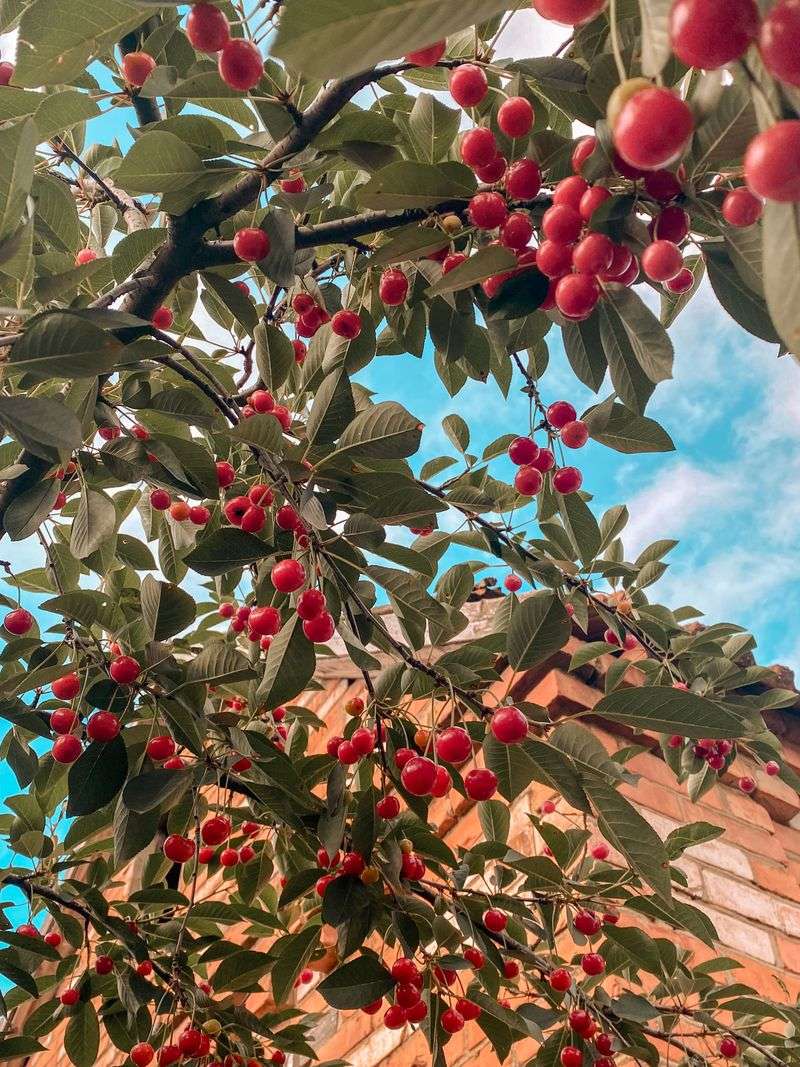
Fruit ripens in late June, giving you a window of bright red cherries perfect for pies, jams, and juice. Fresh off the branch, they have a tangy pop that sweet cherries simply cannot match.
Plant in full sun with good drainage and your tree will typically start rewarding you within three to four years. Early harvests start small but grow more generous each season.
Birds are the main competition at harvest time. A simple net draped over the canopy keeps most of them out without a lot of effort.
Montmorency cherries also freeze beautifully. Pit a batch and toss them in the freezer for cobblers and smoothies all winter long.
Pruning once a year in late winter keeps the shape tidy and the fruit production strong. That single task is usually all the tree asks of you.
For a cherry tree that works with you instead of against you, Montmorency is the easy winner every time.
4. Jujube Trees Ask For Almost Nothing
Most fruit trees come with a list of demands. Jujube arrives with almost none.
This deciduous tree, sometimes called the Chinese date, has settled into Virginia yards without needing much convincing. Full sun and decent drainage are about the only real requirements it has.
Varieties like Li and Lang thrive in USDA zones 6 through 9, a range that comfortably covers most of Virginia. Even rocky or slightly alkaline soil rarely slows them down.
Pests and diseases tend to leave jujube trees alone. Occasional aphids or scale insects show up now and then, and a simple application of insecticidal soap usually handles them.
Watering matters most in the first year or two while roots establish. After that, established trees handle Virginia’s dry summer stretches without much extra help.
The Li variety is self-fertile, so a single tree can produce a full crop on its own. Planting a second variety like Lang or Honey Jar nearby tends to boost the yield further.
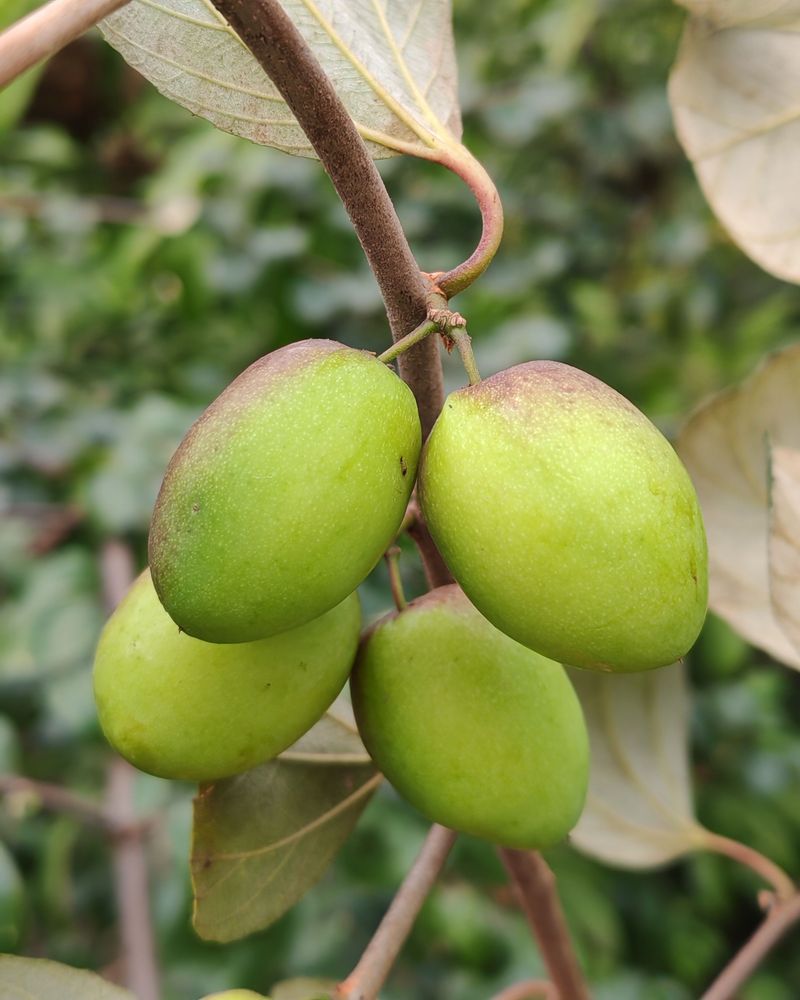
Fruit ripens from late summer into fall, starting crisp and pale green before turning a deep reddish brown. Fresh jujubes taste something like a sweet, slightly tangy apple, while dried ones lean closer to dates.
Pruning is a light task here. Removing damaged or crossing branches once each winter keeps the shape tidy, and little else is required.
Root suckers occasionally pop up a few feet from the trunk. Pulling or mowing them keeps the tree from spreading further than planned.
Jujube trees also bring some genuine landscape appeal, with glossy leaves and a gently zigzagging branch pattern. Soft yellow fall color rounds out the display before the leaves drop.
For a fruit tree that asks for a sunny spot and little else, jujube fits the bill nicely. Once it settles in, seasons tend to pass with barely any attention needed from you.
5. Mulberry Trees Grow Fast And Ask Little
Some fruit trees test your patience before they test your cooking skills. Mulberry rewards patience almost immediately.
This vigorous tree grows quickly in Virginia yards, often adding several feet of height in a single season. Once established, it needs remarkably little coaxing to keep producing fruit.
Varieties like Illinois Everbearing are self-fertile, so one tree can produce a full harvest without a partner nearby. Other cultivars benefit from a second tree, though most home growers do fine with just one.
Mulberries tolerate a wide range of soil types, including the clay-heavy ground common across much of Virginia. Full sun brings the best fruit, though the tree tolerates a bit of shade without much complaint.
Pest and disease pressure stays fairly light here. Occasional issues like leaf spot or minor scale insects rarely require more than basic sanitation to manage.
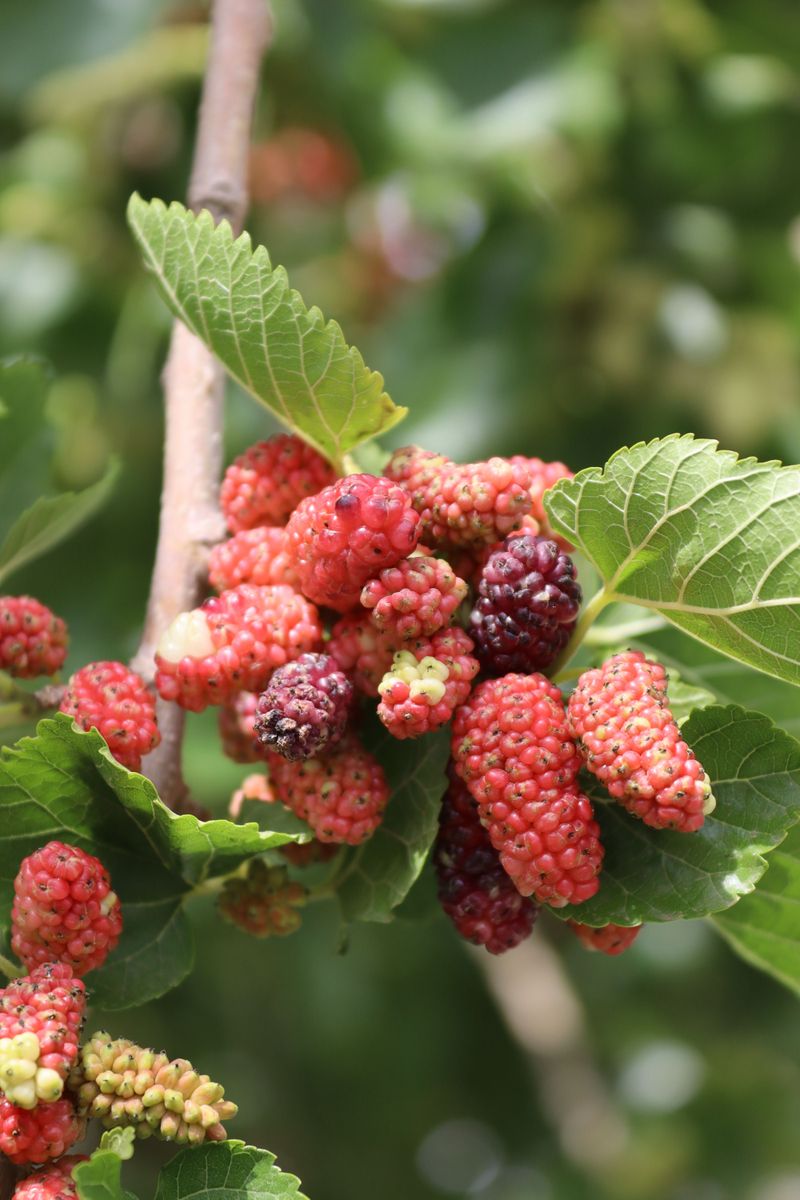
Fruit ripens over several weeks in early summer rather than all at once. That staggered ripening means fresh berries keep appearing on the branch for weeks instead of vanishing in a single harvest window.
Birds enjoy mulberries just as much as people do, and they tend to announce a ripe tree with plenty of noisy activity. Netting helps if you want first pick of the crop.
Ripe berries can stain a patio or driveway if the tree hangs directly overhead. Planting it a short distance from paved areas sidesteps that particular cleanup task.
Pruning mostly involves controlling size, since mulberries can grow tall without guidance. Cutting back in late winter keeps the tree at a manageable height for picking.
The berries work well eaten fresh, baked into pies, or stirred into jam. Their flavor lands close to blackberry, sweet with a mild tang and a soft, juicy bite.
Fast growth, light care, and a long harvest window make mulberry a solid pick for a Virginia yard. Once it settles in, this tree tends to keep producing for decades with very little asked in return.
6. Pear Trees Resist Common Orchard Problems
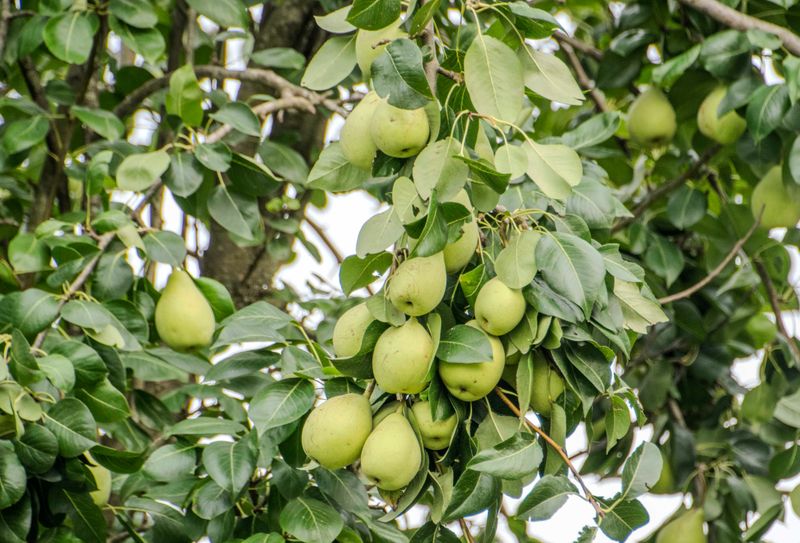
Pear trees bring old-fashioned charm and modern toughness to the backyard orchard. They are one of the most underrated choices for Virginia gardeners.
Kieffer and Harrow Sweet are two varieties that perform especially well here. Both resist fire blight, the bacterial disease that devastates apple trees across the region.
That resistance alone makes pears noticeably easier to manage than apples. You skip the intensive spray schedules and still walk away with a solid harvest.
Pears prefer slightly heavier soil than most fruit trees. Virginia’s clay-rich ground, which frustrates so many gardeners, actually suits pear trees quite well.
Most pear varieties need a second tree for cross-pollination. Plant two different varieties within 50 feet of each other and both will produce reliably.
Fruit ripens in late summer through early fall depending on the variety. Unlike peaches, pears should be picked slightly underripe and allowed to ripen indoors at room temperature.
That counter-ripening trick sounds counterintuitive but it works beautifully. Pears ripened on the tree tend to turn grainy at the core before the outside softens.
Once established, pear trees need very little water. Their deep root systems find moisture even during dry August stretches that stress shallower-rooted trees.
Pruning once a year keeps the structure clean and productive. Aim for an open center or modified central leader shape to let air circulate through the canopy.
Reliable, resilient, and genuinely beautiful in bloom. A pear tree is the kind of investment that pays dividends for thirty years or more.
7. Plum Trees Adapt To Most Soil Types
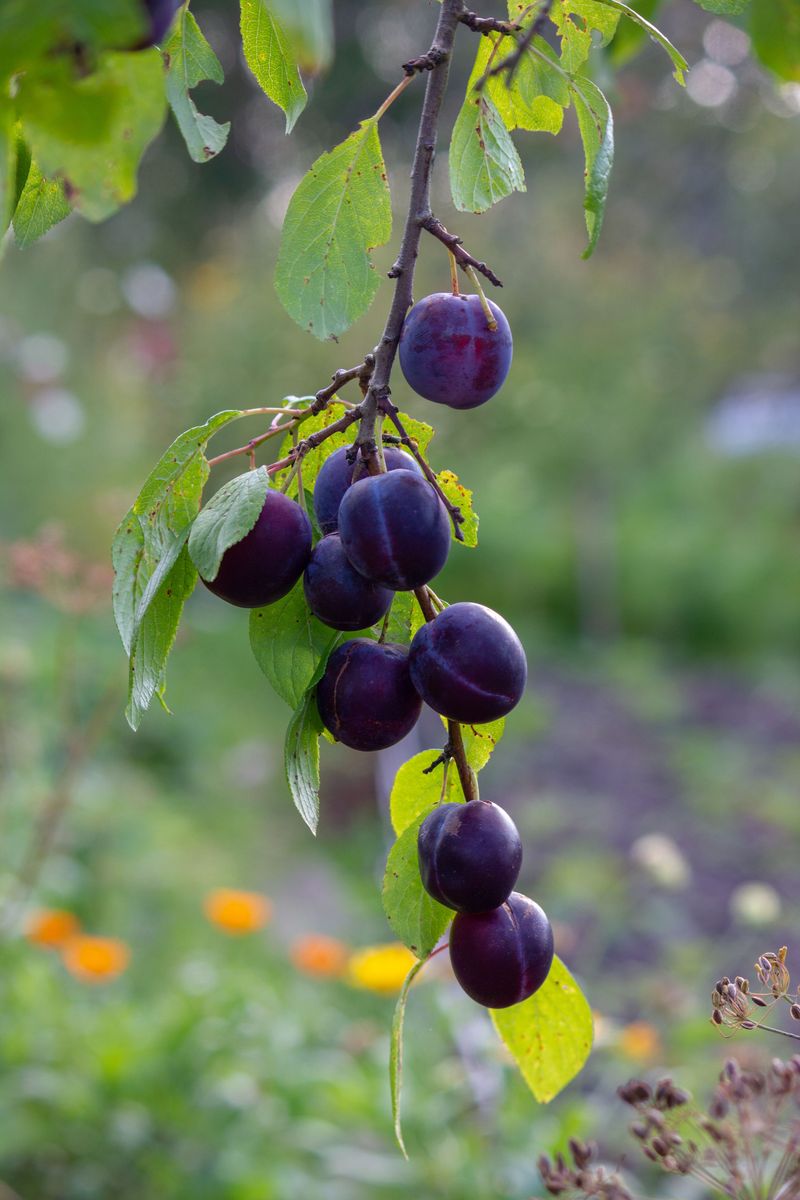
Clay soil, sandy loam, or something in between? Plum trees do not much care either way.
That soil flexibility makes plums one of the most practical fruit trees for Virginia gardeners who are working with less-than-perfect ground. Most yards qualify without any amendments at all.
Japanese plum varieties like Methley and Santa Rosa are especially well-suited to the mid-Atlantic climate. They generally handle humid Virginia summers well, though their early bloom can occasionally run into a late spring frost.
Methley is self-fertile, which means you can plant just one tree and still get fruit. That is a big deal for gardeners with limited space or a tight budget.
Plums ripen earlier than most stone fruits, often in late June or early July. That early window means fresh fruit on the table before the summer heat peaks.
The flavor ranges from sweet to richly tangy depending on the variety. Both styles work wonderfully in jams, galettes, or simply eaten straight from the branch.
Brown rot is the main disease concern, and black knot occasionally shows up on older branches. Good air circulation and prompt removal of infected fruit keep both from becoming a serious problem.
Pruning plums is straightforward. Remove crossing branches and any bare wood each winter to keep the canopy open and the tree productive.
Adaptable, productive, and pleasantly low-drama. Plum trees earn their spot in any Virginia backyard without asking much in return.
8. Paw Paw Trees Tolerate Shade Better Than Most
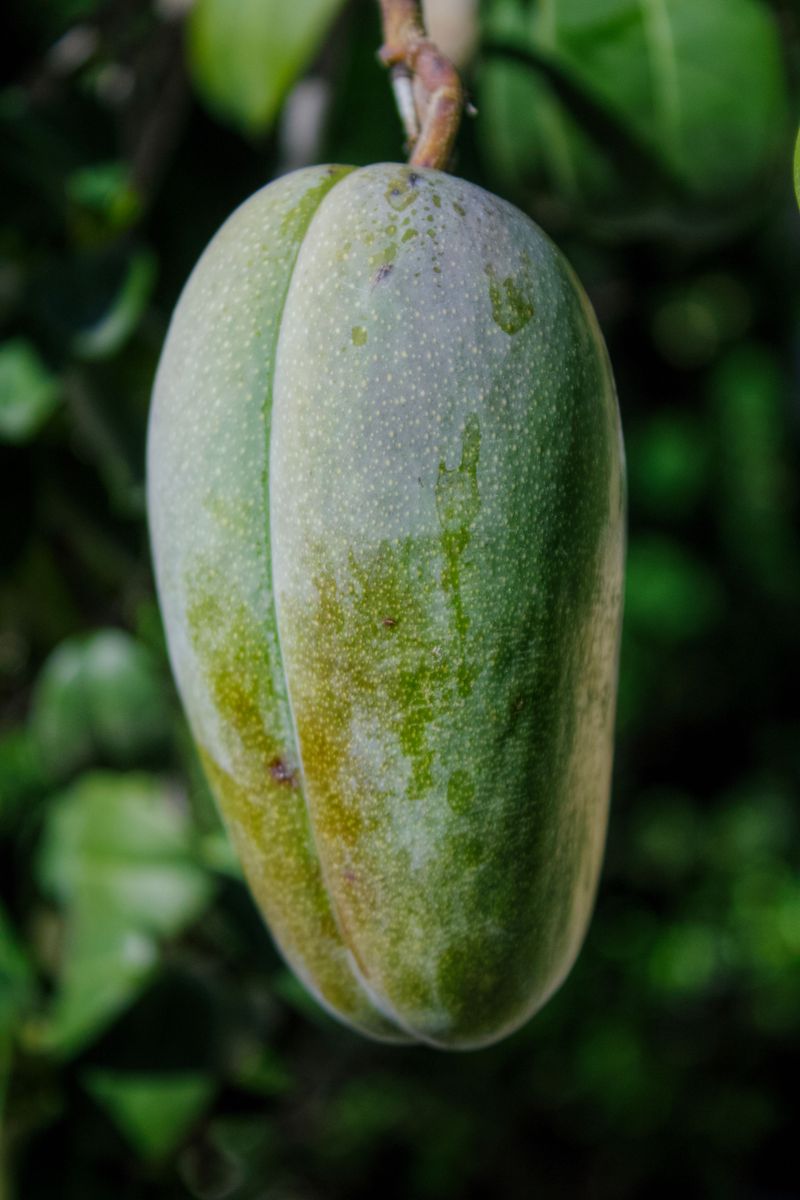
Most fruit trees demand full sun from day one. Paw paw is more forgiving, at least while it is young.
This native North American tree tolerates shade well while young, though it produces its best fruit once mature in full sun to partial shade. Few other common fruit trees can claim that.
The fruit itself is a revelation for first-timers. Creamy, custardy, and tropical-tasting, it has been compared to a cross between banana and mango.
Pawpaws grew up in this region long before backyard orchards existed, and it shows in how little they ask for. Skipping the fertilizer routine and winter coddling tends to suit this tree just fine.
Plant at least two genetically different trees for cross-pollination. Seedling trees work better than clones for this purpose, and they are usually cheaper to buy.
Fruit ripens in September and early October. You will know it is ready when the skin turns slightly yellow-green and the flesh gives under light pressure.
Fresh paw paws do not ship or store well, which is why you almost never see them in grocery stores. Growing your own is by far the most reliable way to enjoy them.
Wildlife loves paw paws intensely. Deer tend to leave the leaves alone, but squirrels and raccoons will compete for the fruit as harvest approaches.
Picking slightly early and ripening indoors for a day or two solves most of that competition. Refrigerated, ripe paw paws keep for about a week.