The July Tomato Watering Mistakes That Can Ruin A California Harvest
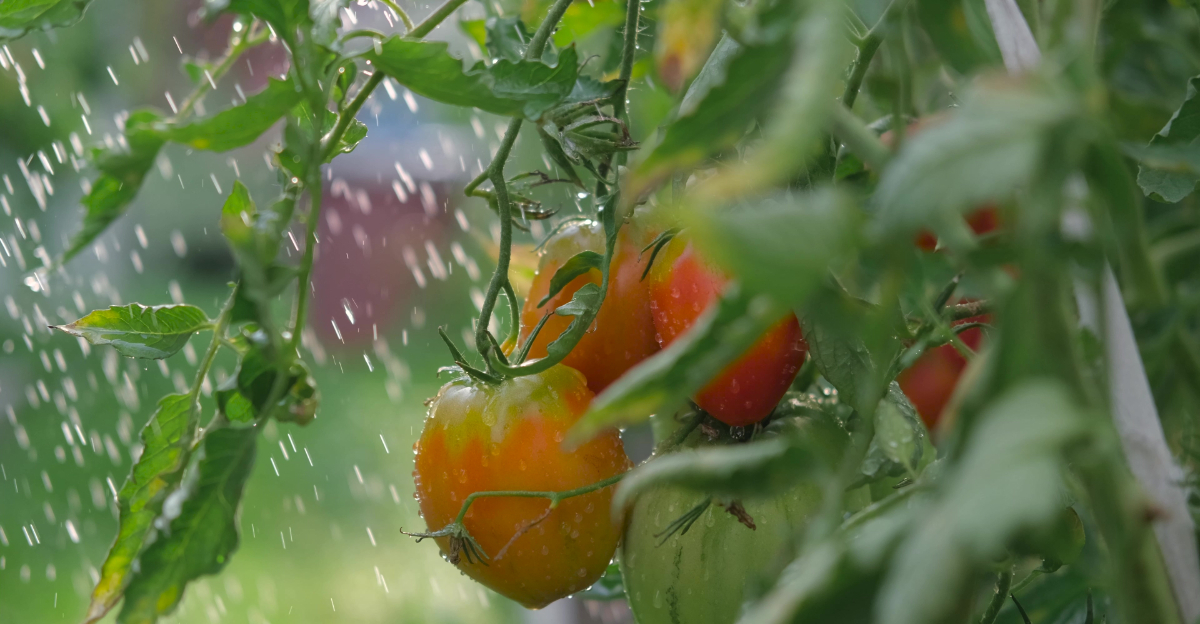
California tomatoes in July are not here for your chaotic watering era.
One day of neglect, one random flood, or one enthusiastic splash-fest over the leaves can turn a promising harvest into a backyard soap opera. Hot weather pushes tomato plants hard.
Uneven moisture can lead to wilting, cracked fruit, blossom drop, disease problems, and that heartbreaking moment when gorgeous green tomatoes suddenly look personally wronged.
The tricky part is that many watering mistakes seem harmless at first. A quick sprinkle, a late rescue soak, or watering whenever the plant looks dramatic might feel helpful, but tomatoes want deep, steady moisture at the roots.
They do not want mood swings. July is the time to get consistent, check the soil before guessing, mulch like you mean it, and stop treating the hose like a panic button.
Your tomatoes can handle summer heat better when their watering routine stops acting messy.
1. Irregular Watering Splits Ripening Fruit
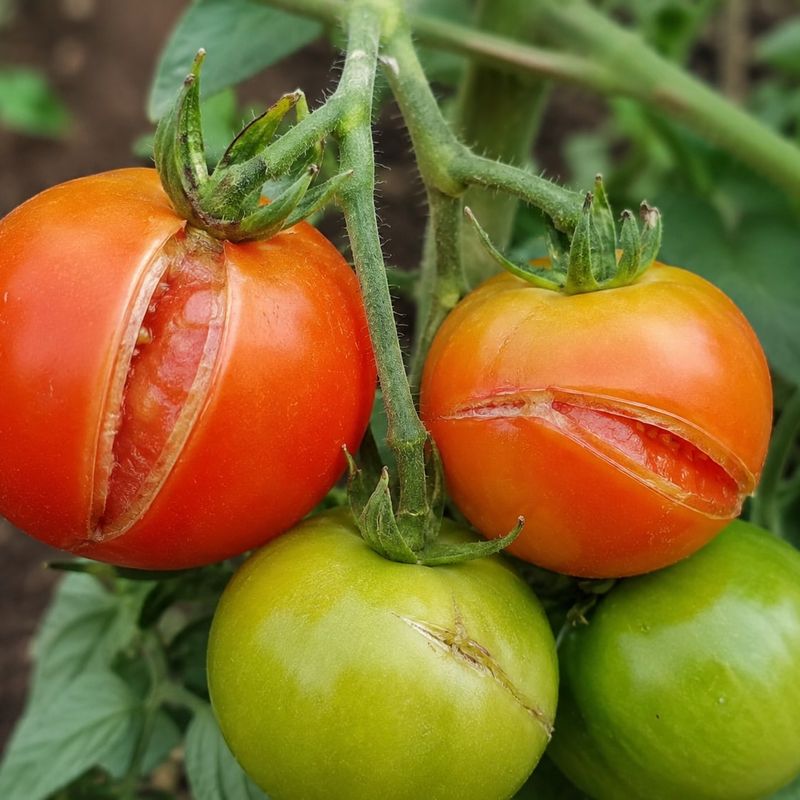
Cracked tomatoes are one of the most frustrating sights in a summer garden. You wait patiently for weeks, the fruit looks almost perfect, and then a deep split runs right through the skin.
That crack almost always comes from uneven watering.
When tomatoes go through dry spells followed by a sudden flood of water, the inside of the fruit grows faster than the skin can stretch. The skin splits open under the pressure.
This happens most often in July when temperatures spike and gardeners water in a panic after skipping a day or two.
Consistency is the key word here. Your tomatoes want the same amount of moisture delivered at the same time each day.
A drip system set on a timer is the most reliable way to achieve this. Hand watering works too, but only if you stick to a real schedule.
Check your soil moisture at a depth of about two inches before you water. If it still feels damp, hold off.
If it feels dry and crumbly, water slowly and deeply. Aim for the base of the plant, not the leaves or fruit.
Mulching around the base of each plant also helps smooth out moisture swings between waterings. A two-inch layer of straw or wood chips holds soil moisture longer during hot afternoons.
That buffer keeps the roots from experiencing those dramatic wet-to-dry shifts that cause fruit to crack.
2. Dry-To-Soaked Swings Trigger Blossom-End Rot
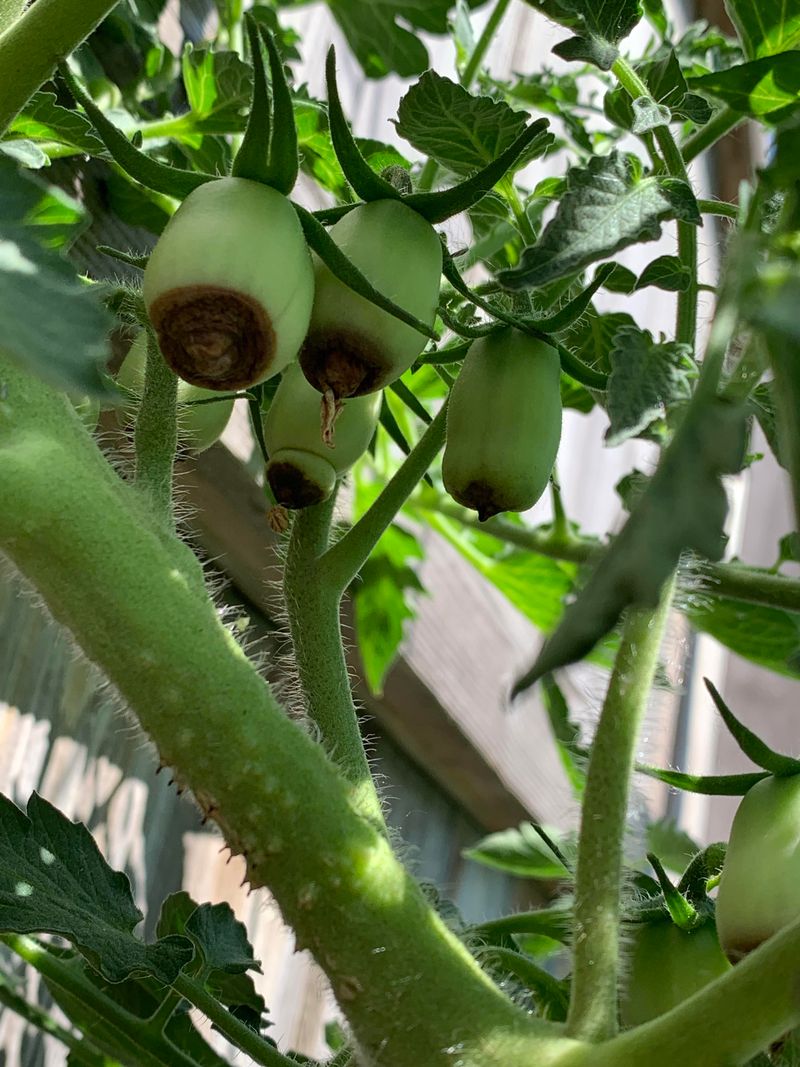
Blossom-end rot looks alarming the first time you see it. The bottom of the tomato turns dark brown, then black, and the skin becomes leathery and sunken.
Many gardeners blame the soil, but the real cause is almost always watering that swings between too dry and too wet.
Here is what actually happens. Tomatoes need calcium to build healthy cell walls in the fruit.
Calcium moves through the plant with water. When the soil dries out, calcium stops moving.
When you then flood the plant with water, the sudden rush does not fix the deficiency fast enough for the fruit already forming on the vine.
Your California Garden Changes Every Week. Your Plan Should Too.
Gardening in California changes quickly throughout the season. Every Friday you’ll receive a simple weekly plan showing exactly what to plant, prune, fertilize, harvest, and protect so you never miss the right timing.
The damage happens quietly before you even notice it on the outside. By the time the dark spot appears, those cells at the bottom of the fruit have already collapsed.
No spray or quick fix reverses it once it starts.
Preventing blossom-end rot means keeping soil moisture steady every single day in July. Water deeply and slowly so moisture reaches the full root zone.
Avoid shallow, frequent splashes that only wet the top inch of soil.
Adding calcium to the soil before the season starts helps too. But during July, consistent watering is your most powerful tool.
A steady supply of moisture keeps calcium moving through the plant continuously, which protects new fruit as it forms and grows through the hottest weeks of summer.
3. Midday Watering Disappears Too Fast
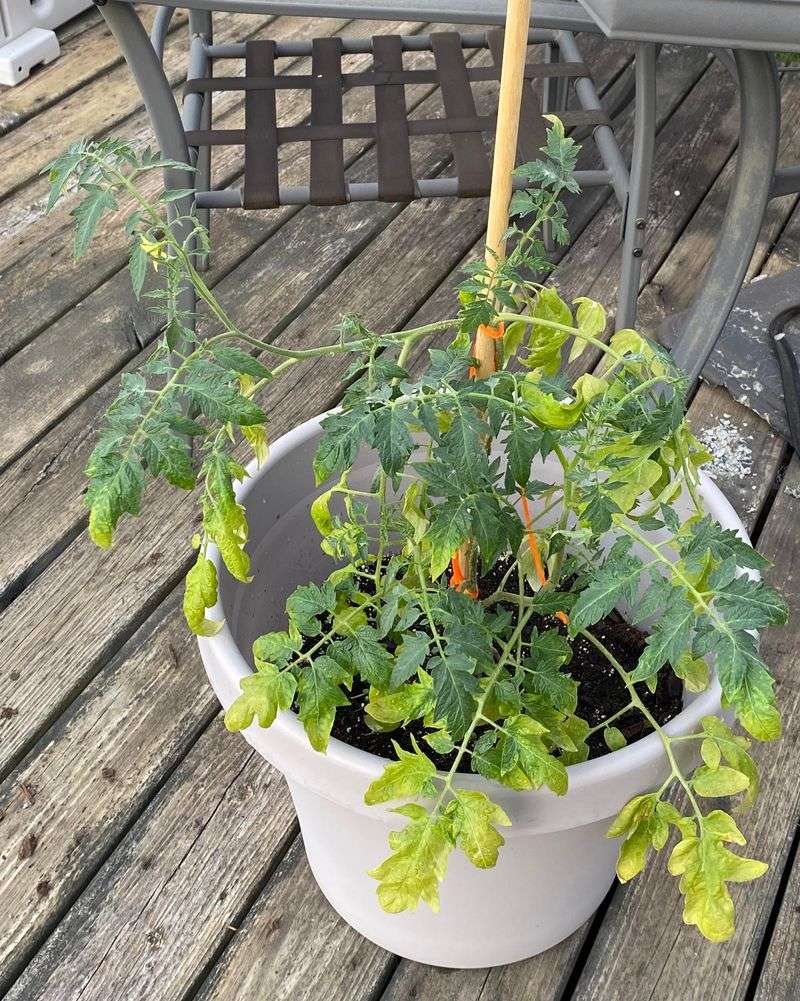
Watering tomatoes at noon on a July day in California feels productive, but most of that water never reaches the roots.
The sun is at its strongest, the soil surface is scorching, and water evaporates before it can soak in properly.
You end up wasting water and leaving your plants thirsty at the same time.
Studies on irrigation efficiency show that midday watering can lose up to 30 percent more moisture to evaporation compared to early morning watering.
In the Central Valley, where July temperatures regularly push past 100 degrees, that number can be even higher.
Your plants feel the difference. The best time to water tomatoes is early in the morning, ideally before 9 a.m.
The soil is cooler, the air is calmer, and water has time to soak down to the root zone before the heat kicks in.
Plants absorb moisture more efficiently during cooler hours.
Evening watering is the second choice, but it comes with a risk. Wet soil overnight can encourage fungal problems in some areas, especially in coastal regions where humidity stays higher after sunset.
Morning is still the safer bet. If you use a drip system, set the timer to run at 6 or 7 a.m. If you hand water, make it part of your morning routine before the day heats up.
That simple shift in timing can noticeably improve how well your plants hold up through the hottest part of the day.
4. Wet Leaves Invite Disease Problems
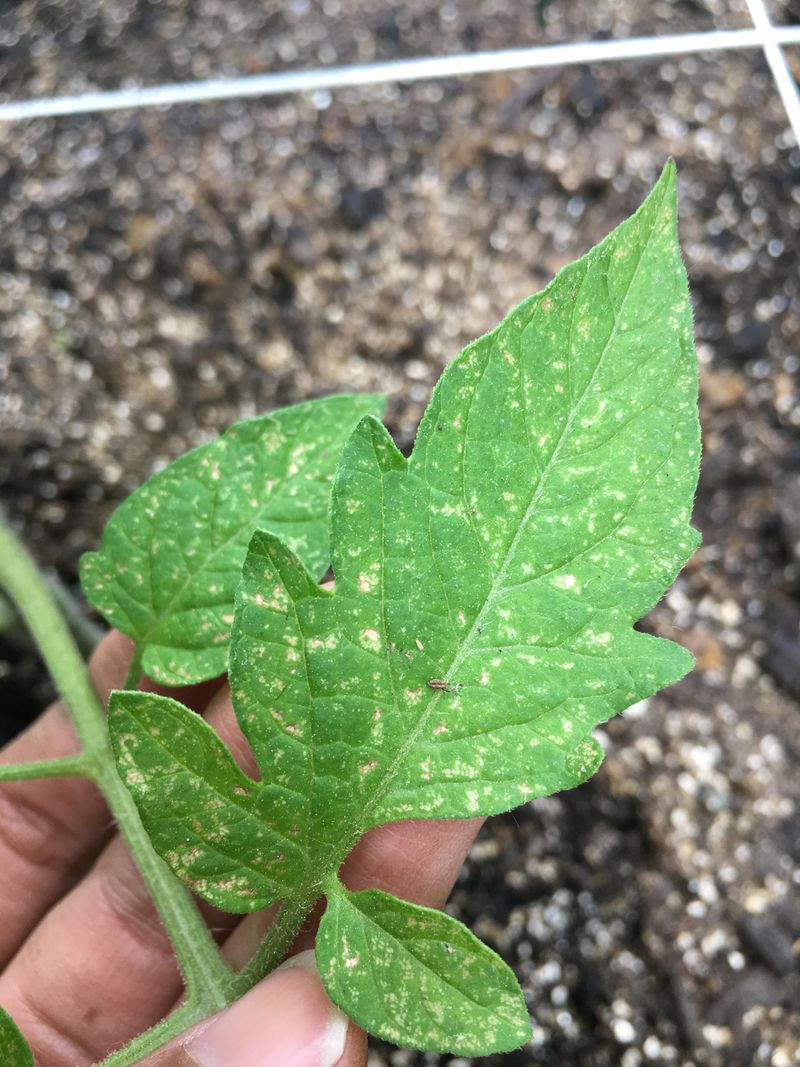
Overhead watering feels easy and satisfying, but spraying water onto tomato leaves in July is one of the fastest ways to invite disease into your garden.
Wet foliage creates the perfect environment for fungal spores to settle, germinate, and spread.
Early blight and septoria leaf spot are the two most common problems triggered by wet leaves in California. Both start as small spots on the lower leaves and work their way up the plant.
Once either disease takes hold in July heat, it moves quickly and can strip a plant of most of its foliage within two to three weeks.
The fix is straightforward. Water at the base of the plant, not from above.
A soaker hose or drip line keeps moisture in the soil where roots can use it. The leaves stay dry, and fungal spores have nowhere to take hold.
If you do use a sprinkler or overhead hose, always water in the early morning so leaves dry out quickly as the day warms up.
Wet leaves sitting overnight or through a foggy coastal morning are far more vulnerable to disease than leaves that dry off within an hour or two of watering.
Removing lower leaves that touch the soil also helps. Soil splash from watering can carry fungal spores onto tomato leaves.
Keeping the bottom six inches of the plant clear of foliage helps reduce disease pressure during the long, hot weeks of July.
5. Containers Dry Out Faster In July Heat
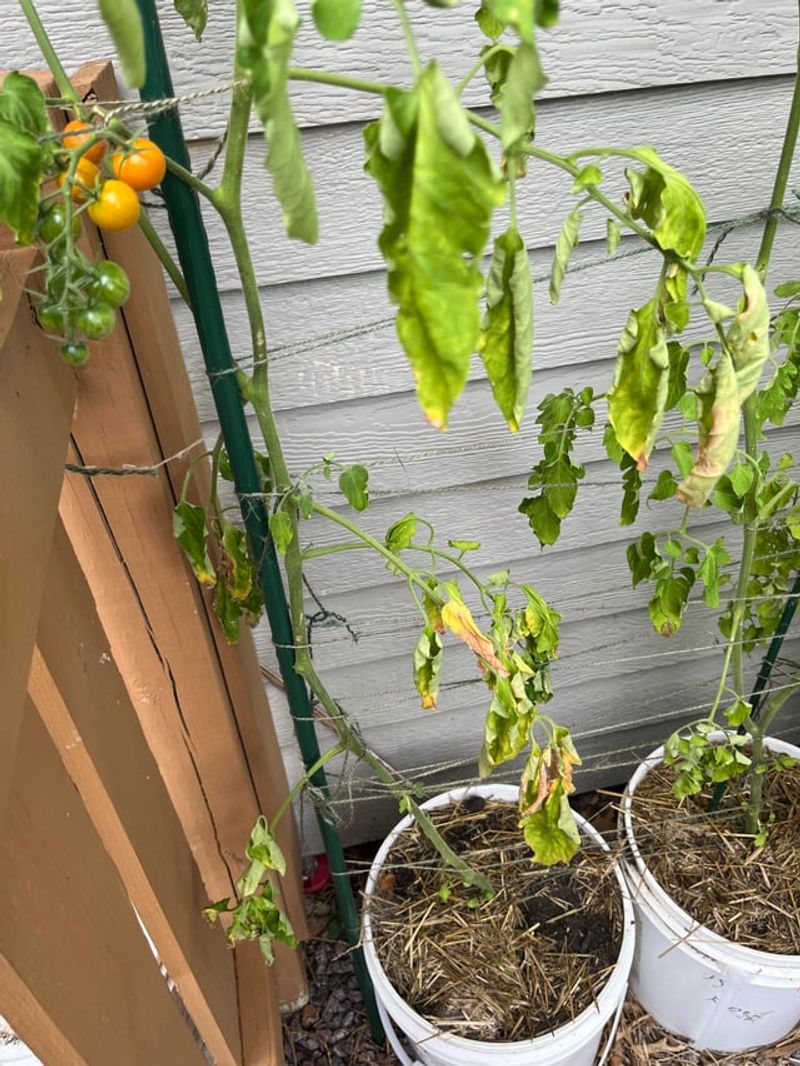
Growing tomatoes in containers is popular in our state, especially in smaller yards and on patios. But pots and planters behave very differently from garden beds during a July heat wave, and many container gardeners do not adjust their watering schedule to match.
A five-gallon container sitting in direct sun can dry out completely in less than 24 hours when temperatures climb past 95 degrees. Terracotta pots are especially fast to lose moisture because they breathe through their walls.
Even large fabric grow bags can go bone dry overnight in the hottest inland areas.
Container tomatoes in July often need watering twice a day. Check the soil in the morning and again in the late afternoon.
Stick your finger two inches into the soil. If it feels dry at that depth, water slowly until it drains from the bottom of the pot.
Grouping containers together in a slightly shaded spot during peak afternoon hours helps reduce how fast they dry out. A patio umbrella or shade cloth positioned from about 1 p.m. to 4 p.m. can cut soil temperature in containers by a surprising amount.
Using a larger container also makes a real difference. A 10-gallon pot holds moisture much longer than a five-gallon one.
If your container tomatoes are struggling in July, upsizing the pot is one of the most effective changes you can make for next season.
6. Bare Soil Lets Roots Bake
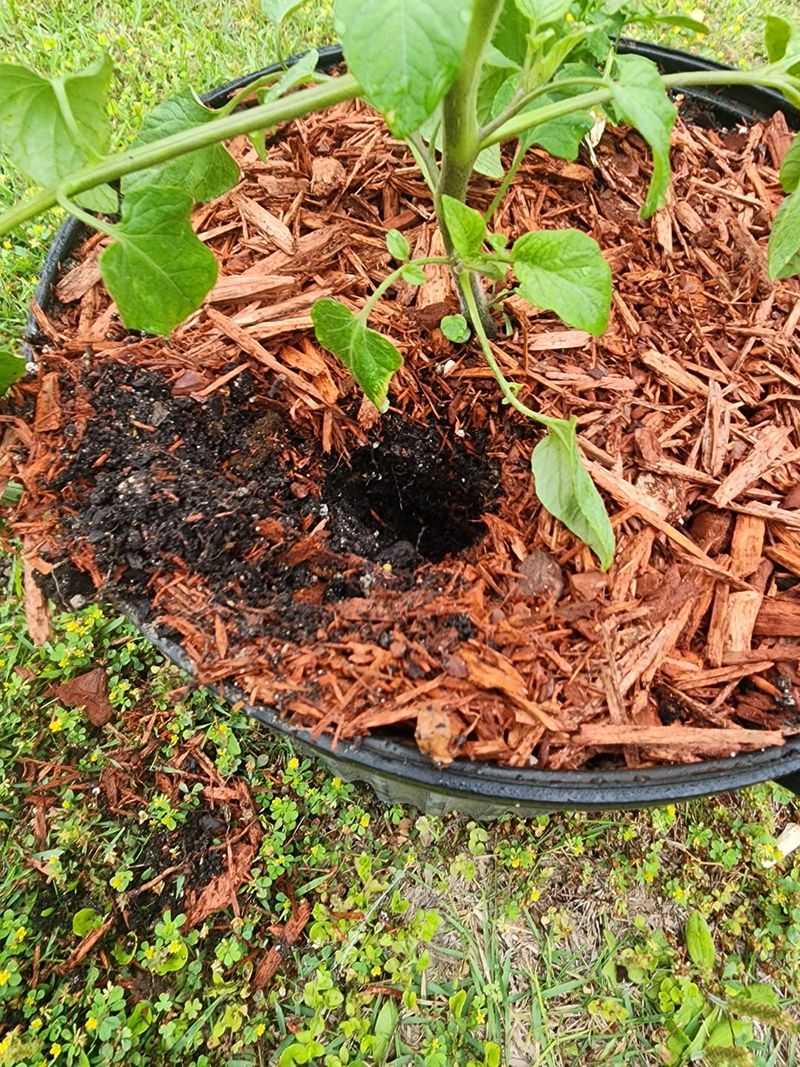
Walk through any productive tomato garden in July and you will almost always find a thick layer of mulch around every plant. That is not an accident.
Bare soil in summer heat becomes a problem that watering alone cannot solve.
When the sun hits exposed soil directly, surface temperatures can reach well above 130 degrees Fahrenheit. Tomato roots sit just a few inches below that surface.
They are not designed to work properly in baked, overheated soil. Heat-stressed roots absorb water and nutrients poorly, which means your plant suffers even when you water regularly.
A two-to-three-inch layer of organic mulch changes everything. Straw, shredded leaves, wood chips, or even torn-up cardboard placed around the base of the plant acts as an insulating blanket.
It keeps the soil underneath noticeably cooler and holds moisture in the ground much longer between waterings.
In northern California regions, where summer fog can make gardeners think mulch is unnecessary, bare soil still heats up fast during the sunny afternoons that follow morning overcast. Mulch is a smart move no matter which part of the state you garden in.
Apply mulch after your first deep watering of the season and refresh it in July if it has broken down or thinned out. Keep it a few inches away from the main stem to prevent rot.
That simple step protects roots, conserves water, and reduces how often you need to water during the hottest stretch of summer.
7. Overwatering Suffocates Stressed Roots
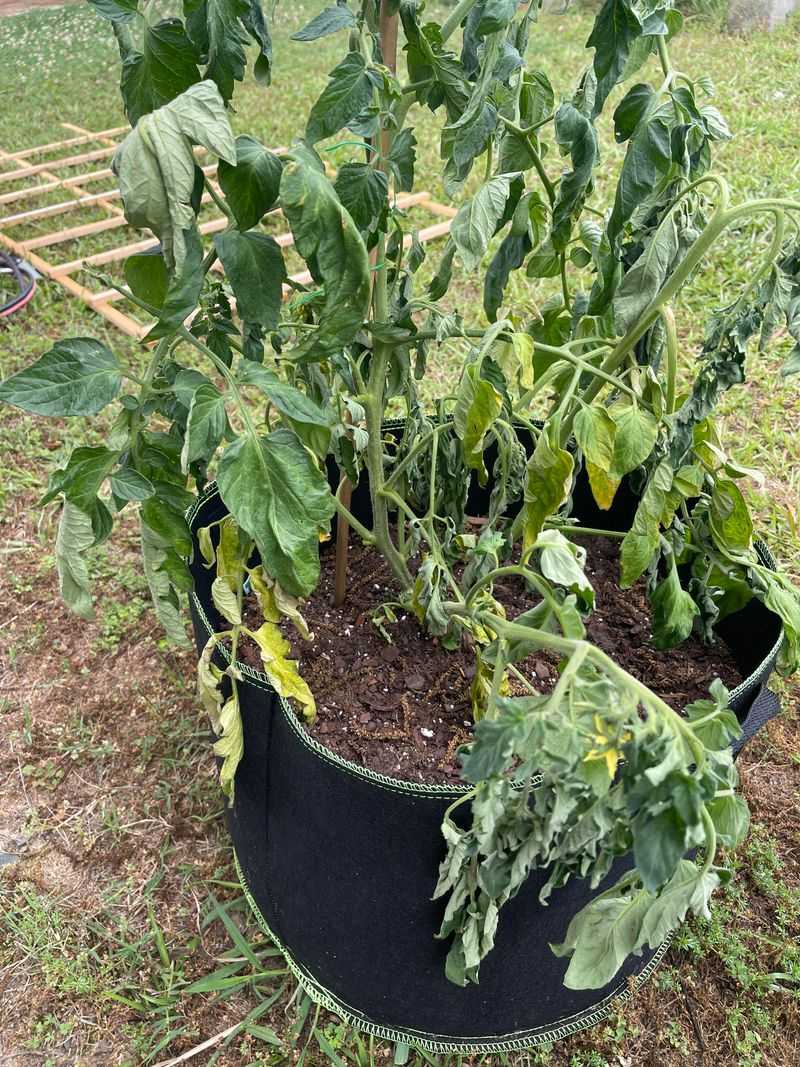
More water does not always mean a healthier plant. In July, when gardeners see wilting tomato leaves, the first instinct is to grab the hose.
But wilting in the middle of a hot afternoon is often just the plant conserving moisture, not a sign of drought stress.
Overwatering is actually one of the more common mistakes in California during peak summer. Heavy clay soils found in many parts of the Central Valley and the Bay Area hold water much longer than sandy soils do.
Watering on a fixed schedule without checking actual soil moisture leads to roots sitting in soggy ground for hours at a time.
Roots need both water and oxygen to function. Waterlogged soil pushes all the air out of the spaces between soil particles.
When roots cannot breathe, they stop absorbing nutrients. The plant looks yellow, droopy, and weak, which ironically looks a lot like drought stress to an untrained eye.
Before you water, always check the soil. Push a finger or a wooden dowel two inches into the ground near the root zone.
If it comes out with damp soil clinging to it, skip watering that day. Only water when the soil at that depth feels dry.
Improving drainage in heavy soils by adding compost helps prevent overwatering problems long-term.
Raised beds also give you much better control over soil moisture than in-ground planting in dense or compacted soils that drain poorly.
8. Skipping Morning Checks Costs You Fruit
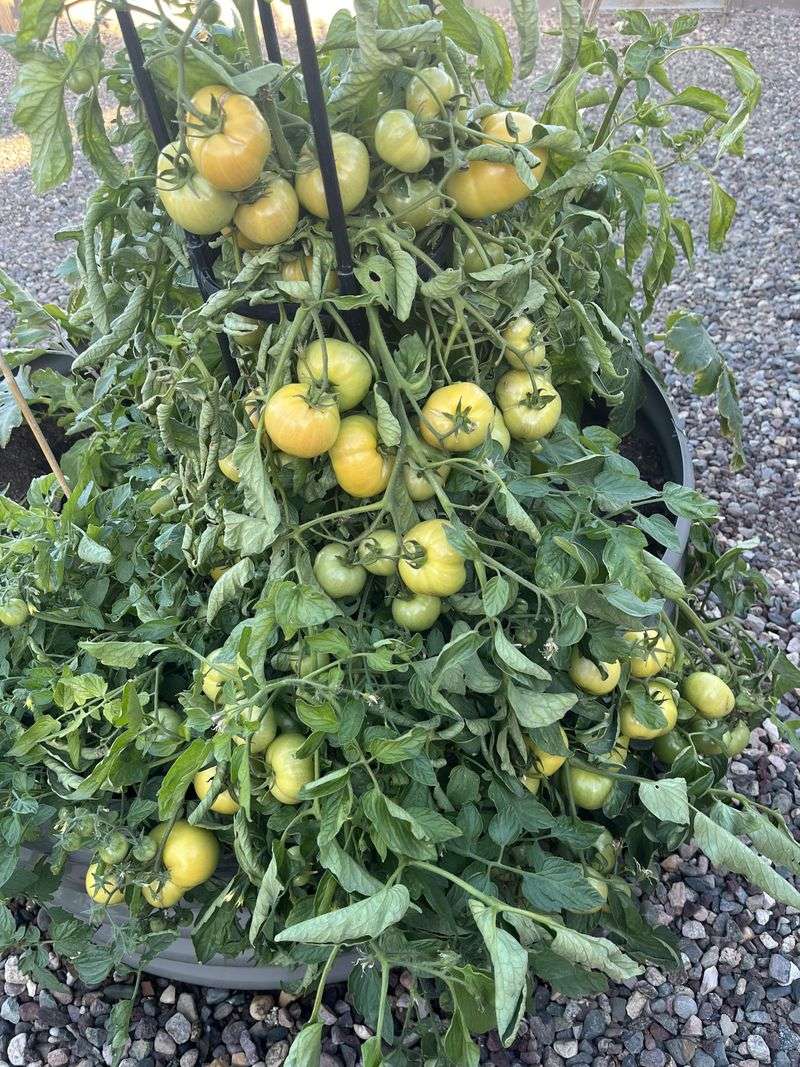
A two-minute walk through the garden each morning might be the single most valuable habit a tomato grower can build in July.
Skipping that daily check is where a lot of harvests quietly fall apart, not from one big mistake, but from small problems that go unnoticed for days at a time.
Morning checks let you catch soil that dried out faster than expected overnight. They let you spot the early signs of stress before a plant reaches a critical point.
You might notice a drip emitter that clogged, a soaker hose that shifted off-target, or a container that tipped and drained too fast.
July weather in California changes quickly. A hot, dry wind can pull moisture out of the soil in hours.
A cooler, foggy morning along the coast might mean your plants need far less water than the day before.
Relying on a fixed schedule without daily observation means your watering plan is always one step behind the actual conditions.
Look at the leaves first thing in the morning. Healthy tomato leaves should stand upright and look firm.
Leaves that already look slightly curled or dull before the heat of the day sets in are telling you the plant is already under stress.
Keep a simple garden notebook if it helps. Jot down what you observed and what you did.
Patterns become clear fast, and that information helps you fine-tune your watering routine as July progresses and conditions keep shifting.