Drip Irrigation Vs Soaker Hoses In North Carolina Gardens And Which Handles Summer Heat Better
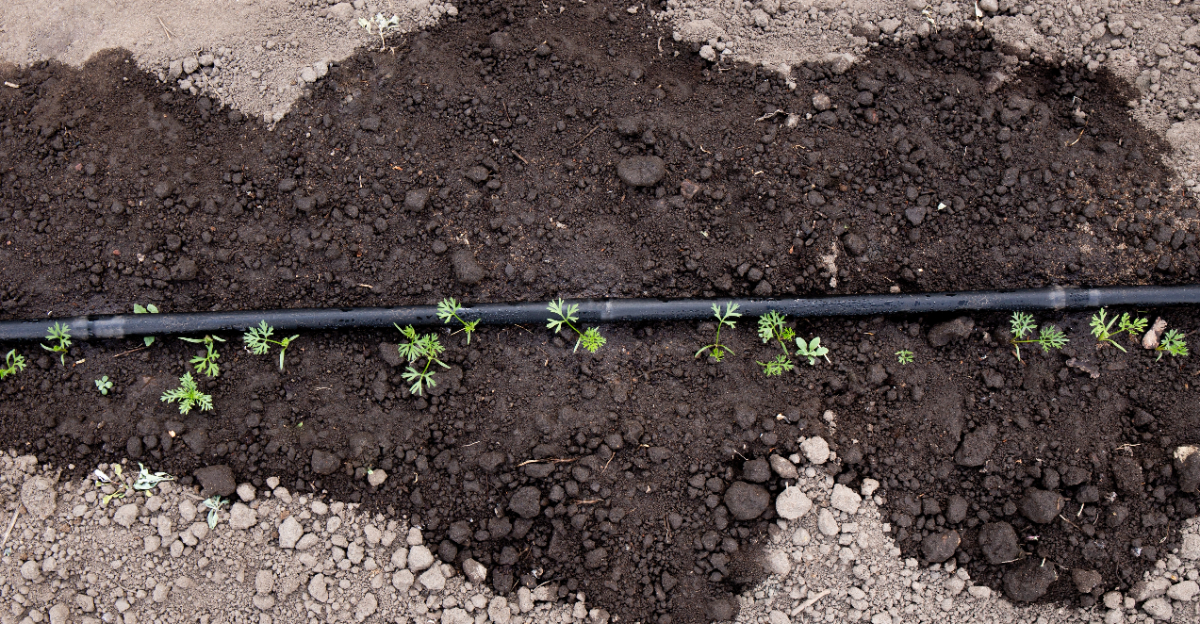
Both systems promise efficient water delivery and reduced disease pressure from overhead watering, and both deliver on those promises in general terms.
Where they diverge is in how each one performs under the specific pressures of a North Carolina summer, and those differences are significant enough to affect plant health, water bills, and maintenance demands through the hottest stretch of the growing season.
Clay soil, sandy coastal ground, and the variable rainfall patterns that move across different regions of the state all interact differently with each system.
Choosing between them based on general recommendations rather than North Carolina-specific performance data leads a lot of gardeners to the wrong answer for their particular situation.
1. Drip Irrigation Handles Summer Heat Better Overall
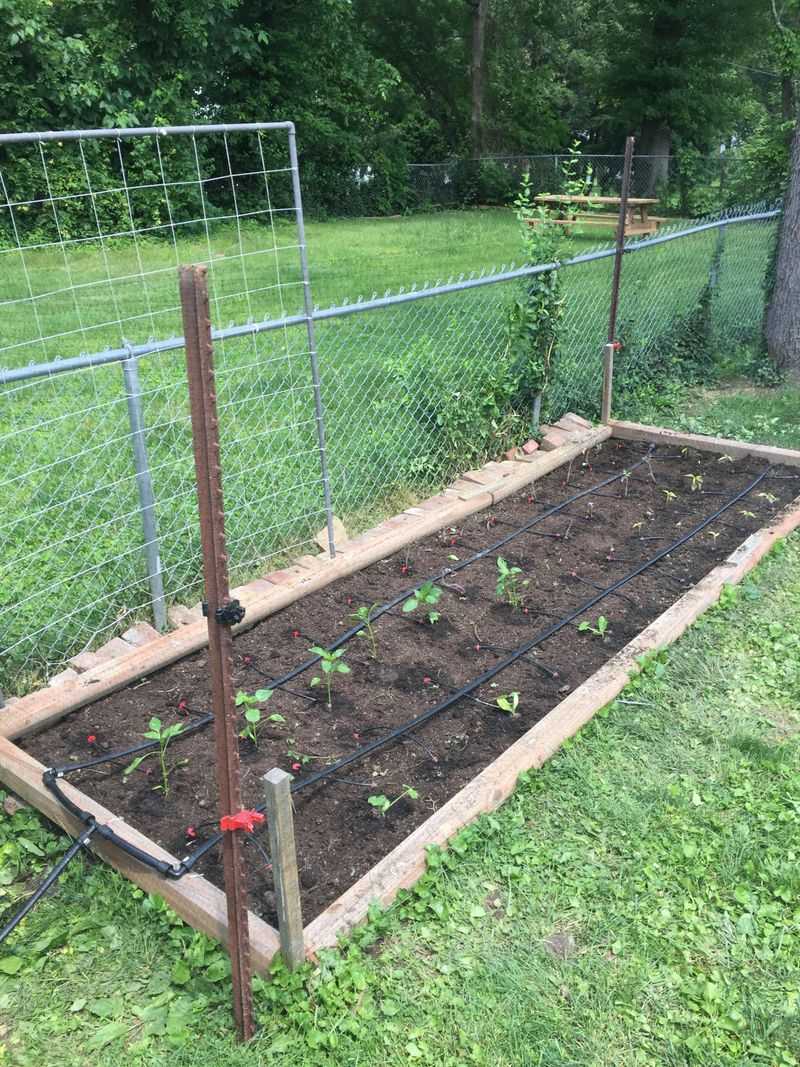
When North Carolina summers turn scorching, drip irrigation really proves its worth. Unlike soaker hoses that release moisture along their entire length, drip systems use small emitters to send water straight to each plant’s root zone.
That targeted delivery means less water is wasted and plants stay consistently hydrated even when temperatures push into the 90s.
One big advantage is that drip systems pair beautifully with automatic timers. You can set them to water early in the morning, which is the best time to water during hot weather, and the system handles everything without you having to be outside in the heat.
Timers also help you stay consistent, which is something plants really need during long dry spells.
Drip systems are also easy to customize. Emitters come in different flow rates, so you can give thirsty plants like tomatoes and squash more water while giving herbs like rosemary or thyme a lighter amount.
Soaker hoses deliver the same moisture level along the whole line, which can over-water some plants and under-water others in a mixed bed.
Soaker hoses still work great for simple row gardens and small raised beds where all the plants have similar water needs. They are a solid, low-effort choice for gardeners who want basic root zone watering without setting up a full system.
But when summer heat really cranks up across North Carolina, drip irrigation gives you more control and more consistent results season after season.
2. Both Are Better Than Overhead Sprinklers
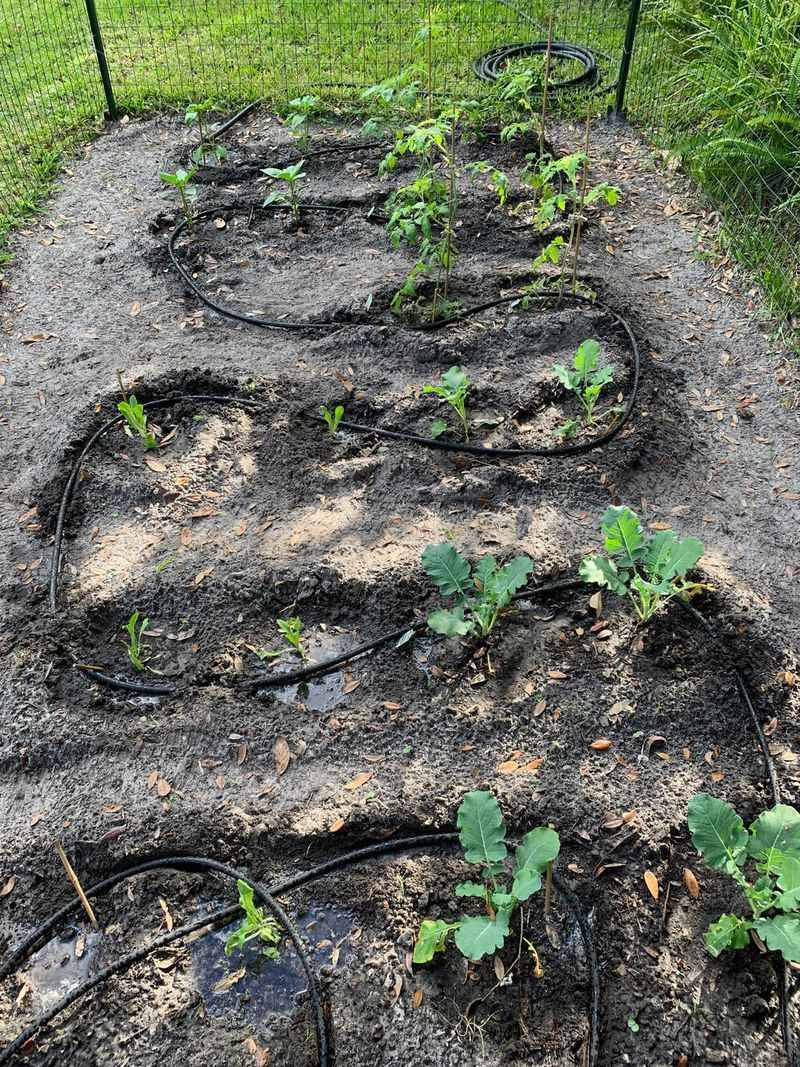
Sprinklers look satisfying in action, but for a hot North Carolina garden they can actually cause more problems than they solve. Wetting plant leaves in the middle of the day creates a warm, damp environment that certain fungal diseases absolutely love.
Tomatoes, peppers, cucumbers, squash, beans, and many herbs are especially vulnerable to leaf diseases when their foliage stays wet too often.
Both drip irrigation and soaker hoses deliver water directly to the soil, which means the leaves stay dry and the roots get exactly what they need.
Keeping foliage drier reduces the chances of common problems like early blight on tomatoes, powdery mildew on squash, and leaf spot on peppers. That alone can save a lot of frustration during a long growing season.
There is also a water efficiency angle worth thinking about. Overhead sprinklers lose a surprising amount of moisture to evaporation, especially during hot afternoons when the air is dry and the sun is intense.
Your North Carolina Garden Changes Every Week. Your Plan Should Too.
Gardening in North Carolina changes quickly throughout the season. Every Friday you’ll receive a simple weekly plan showing exactly what to plant, prune, fertilize, harvest, and protect so you never miss the right timing.
Drip systems and soaker hoses keep water at ground level, which means more of it actually reaches the roots instead of disappearing into the air.
Flowers also benefit from this approach. Many popular garden flowers, including zinnias, marigolds, and dahlias, perform better when their petals and leaves stay dry.
Switching from overhead watering to either a soaker hose or drip system is one of the most practical upgrades any North Carolina gardener can make for a healthier, more productive summer garden.
3. Soaker Hoses Are Easier For Beginners
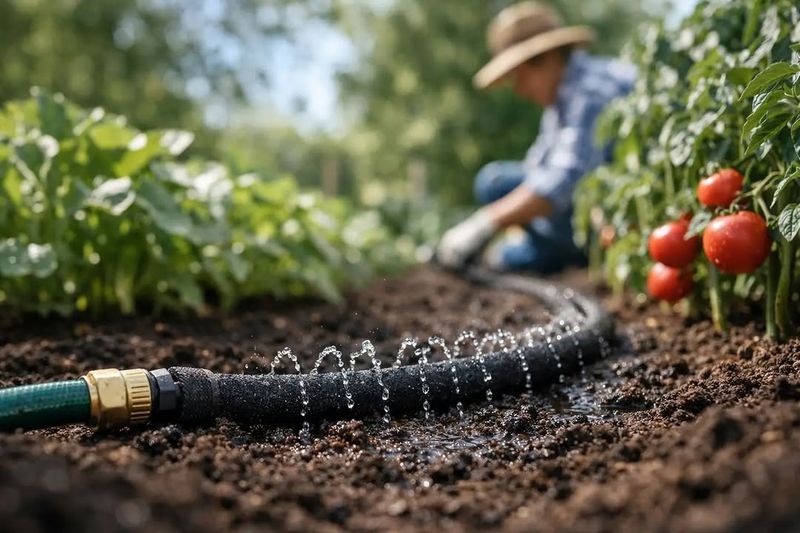
Starting a garden for the first time comes with plenty of decisions, and figuring out irrigation does not have to be one of the stressful ones. Soaker hoses are one of the most beginner-friendly watering tools available, and for good reason.
You simply lay them along your planting rows, connect them to a standard garden hose, and turn on the water. That is really about all there is to it.
The setup requires no special tools, no complicated fittings, and no knowledge of water pressure or emitter flow rates. Most soaker hoses are sold in lengths that work well for typical home garden beds, and they can be cut to size if needed.
Beginners in North Carolina often find that a soaker hose covers a 25 to 50 foot row easily and costs far less than building out a drip system from scratch. Covering the hose with a thin layer of mulch makes a noticeable difference.
Mulch slows evaporation and keeps the soil from drying out too quickly between watering sessions, which is especially helpful during North Carolina’s hot and sometimes unpredictable summer months.
Even a two-inch layer of straw or shredded leaves over the hose can meaningfully improve moisture retention.
Soaker hoses are a great match for gardeners who want simple, reliable root zone watering without designing a full irrigation layout. They work especially well in straight garden rows with similar crops like beans, lettuce, carrots, or herbs.
For anyone just getting started, a soaker hose is a smart and affordable first step toward better garden watering habits.
4. Drip Systems Are Better For Precision
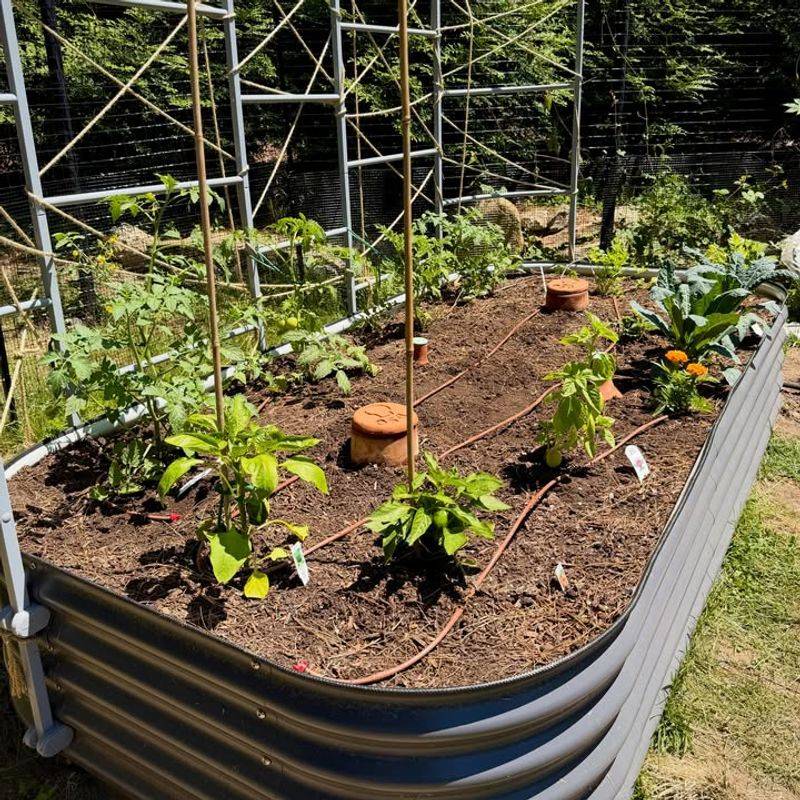
Picture a raised bed packed with tomatoes on one end, a cluster of basil in the middle, and a row of eggplant along the back edge. Every one of those plants has different spacing and different water needs.
A soaker hose running through that bed would water everything at the same rate, which sounds convenient but often means some plants get too much and others do not get enough.
Drip irrigation solves that problem by letting you place individual emitters exactly where each plant needs them. You can run a single drip line through the bed and attach emitters at custom intervals that match your actual planting layout.
Emitters also come in different flow rates, so a large tomato plant can receive more water per hour than a compact herb like thyme growing just a few feet away.
This level of precision really pays off during long hot stretches in North Carolina. When temperatures stay above 90 degrees for days at a time, inconsistent watering leads to problems like blossom end rot in tomatoes and bitter fruit in peppers.
A well-configured drip system keeps moisture levels steady, which helps plants stay productive even when the heat is relentless.
Precision also means less water wasted on bare soil between plants. Every drop goes where it is actually needed, which is both environmentally responsible and easier on your water bill.
For gardeners managing mixed beds or raised beds with several different crops, drip irrigation offers a level of control that a basic soaker hose simply cannot match across a full hot summer season.
5. Soaker Hoses Can Clog And Wear Out Faster
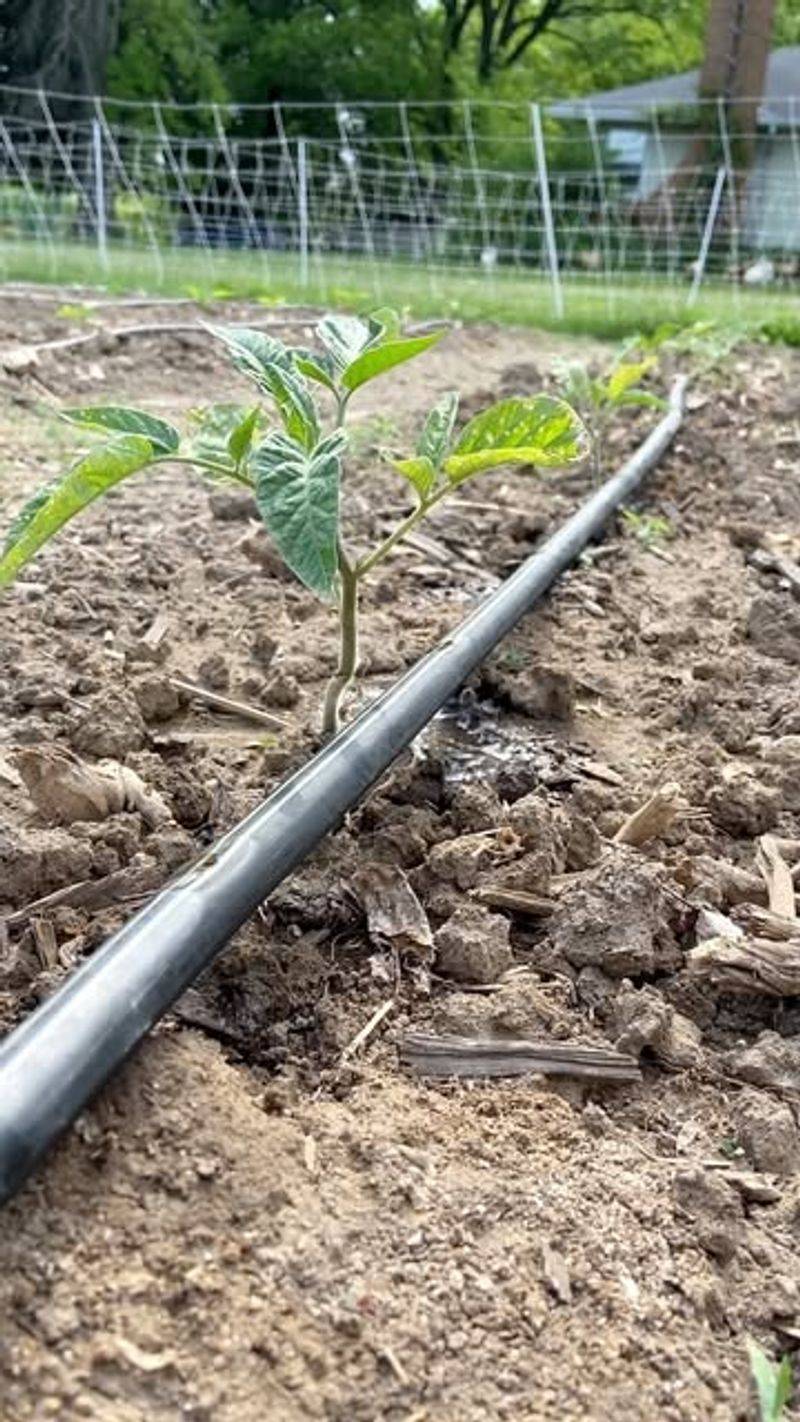
Soaker hoses are genuinely useful tools, but they do come with a few limitations that are worth knowing before you rely on them all summer. One of the most common issues is clogging.
Soaker hoses are made from porous rubber or recycled material, and those tiny pores can gradually get blocked by minerals in the water, soil particles, or algae growth over time.
Once clogging starts, the hose waters unevenly, leaving dry patches along the row. Uneven watering is a real problem in North Carolina’s summer heat. If one section of your bean row gets half the water of another, the plants will show it quickly.
Yellowing leaves, wilting at midday, and slower fruit production are all signs that something in the watering system is not working evenly. Checking your soaker hose regularly for dry spots is one of the simplest ways to catch this problem early.
Soaker hoses also tend to wear out faster than quality drip systems. Sun exposure, repeated pressure changes, and general outdoor use can cause them to crack or split within a few seasons.
A drip irrigation system made with good tubing and quality emitters can often last five to ten years with basic maintenance, while a soaker hose might need replacing every two to three years.
None of this means soaker hoses are a bad choice. For smaller gardens and simple layouts, they are still a practical and affordable option.
Just plan to check them throughout the season, flush them occasionally to clear any buildup, and replace them when performance starts to drop noticeably.
6. Drip Irrigation Costs More At First
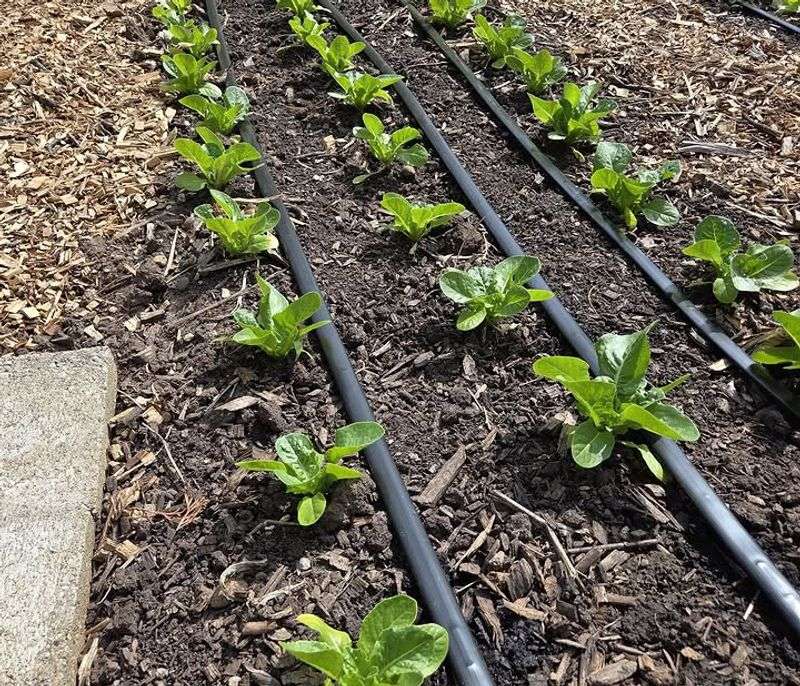
Walking into a garden center and pricing out a full drip irrigation system can feel a bit overwhelming at first.
Between the main supply tubing, smaller distribution lines, individual emitters, a filter, a pressure regulator, and connectors, the parts list adds up quickly.
Add a programmable timer to the setup and the total cost can easily reach $50 to $150 or more depending on the size of the garden you are trying to cover.
Compare that to a soaker hose, which might cost $15 to $30 for a 50-foot length, and it is easy to see why beginners often start with the simpler option.
The upfront difference in price is real, and for a gardener working with a tight budget or just testing out a new planting area, a soaker hose makes a lot of financial sense in the short term.
That said, the investment in drip irrigation tends to pay off over time. A quality drip system lasts much longer than a soaker hose, often staying functional for many years with minimal upkeep.
For North Carolina gardeners managing large raised beds, multi-row vegetable gardens, fruit plantings, or heat-sensitive crops like melons and peppers, the ability to automate and fine-tune watering saves both water and effort across multiple growing seasons.
The timer alone can change the way you garden. Knowing that your plants will be watered consistently every morning, even when you are busy or traveling, takes a real weight off.
When you factor in the water savings, the longer lifespan, and the reduced plant stress from steady watering, the higher starting cost of drip irrigation becomes much easier to justify.
7. Mulch Makes Both Systems Work Better
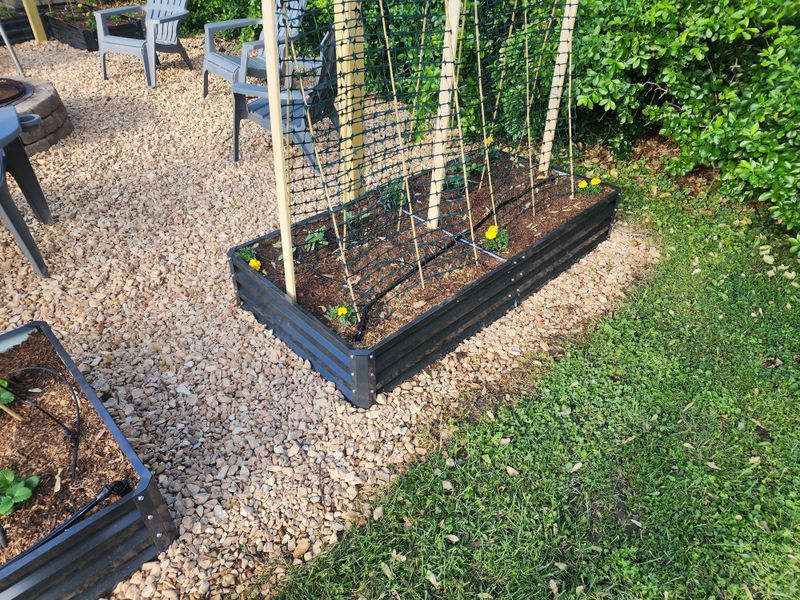
No matter which watering system you choose, mulch is one of the most powerful tools you can add to your North Carolina summer garden. Bare soil loses moisture quickly in the heat, sometimes drying out within hours of watering on a hot afternoon.
Mulch acts like a blanket over the soil, slowing that evaporation and keeping the ground consistently moist between watering sessions.
Straw is one of the most popular mulch choices for vegetable gardens because it is lightweight, easy to spread, and breaks down slowly over the season.
Shredded leaves are another excellent option, especially if you have plenty from the previous fall.
Pine straw works beautifully in North Carolina gardens and is widely available throughout the state. Compost used as mulch adds nutrients while also helping with moisture retention, which gives plants a double benefit.
A two to three inch layer of mulch over your soaker hose or drip line can meaningfully reduce how often you need to water.
It also keeps soil temperatures cooler, which helps roots stay comfortable and active even when the air temperature climbs well above 90 degrees.
Cooler soil means healthier roots, and healthier roots mean stronger plants through the hottest part of summer.
One thing to remember is to keep mulch a few inches away from plant stems. Piling it directly against stems can trap moisture and create conditions where rot or fungal issues develop.
Pull the mulch back slightly around each plant base and you will get all the benefits without the risk. Mulch and a good watering system together make a genuinely powerful combination for summer gardening success.
8. Choose Drip For Control And Soaker Hoses For Simplicity
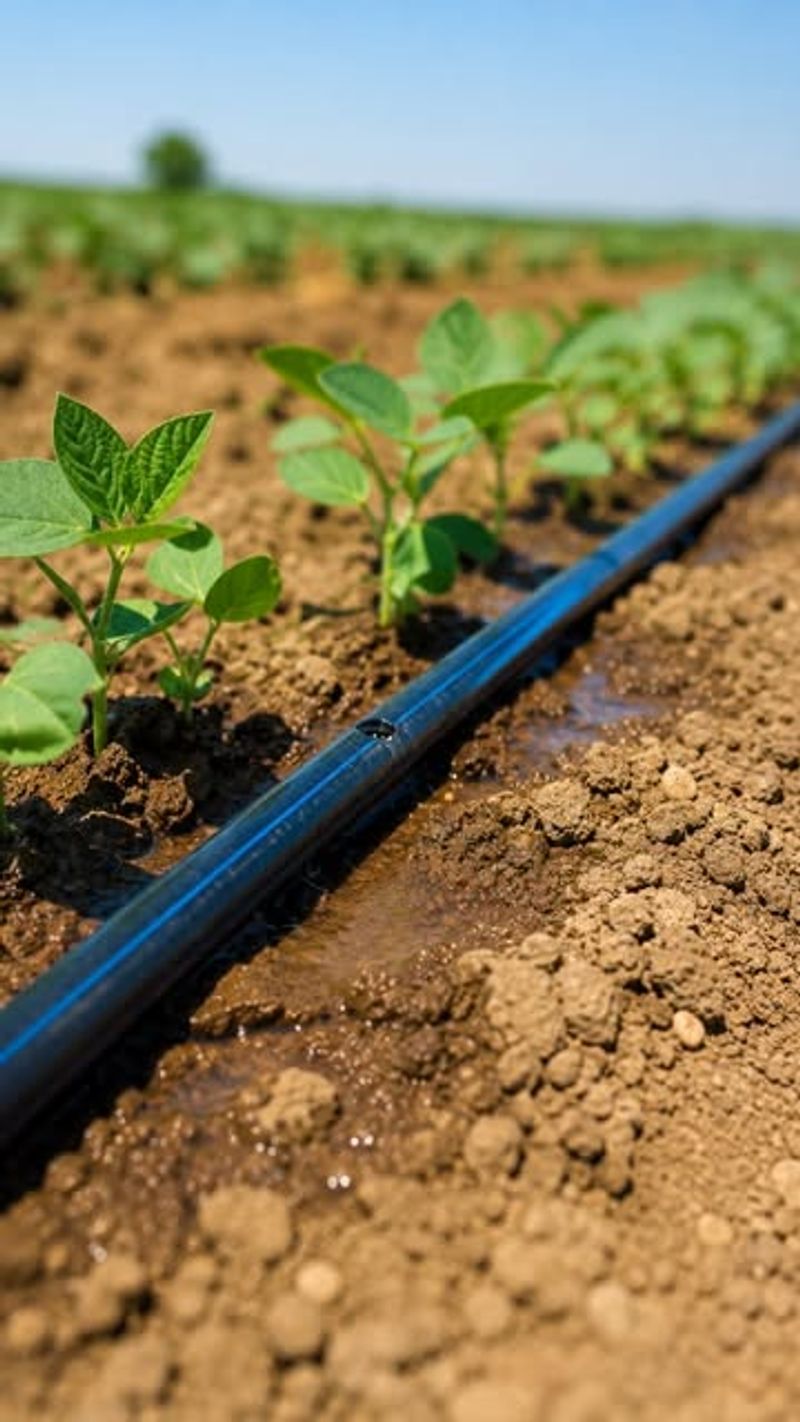
At the end of the day, the choice between drip irrigation and soaker hoses comes down to what your garden actually needs and how much time you want to spend managing your watering setup.
Both systems are genuinely better than overhead sprinklers, and both do a solid job of delivering moisture to the root zone where plants can actually use it.
The real question is how much control you want and how much simplicity you need. Drip irrigation is the stronger choice for gardeners dealing with large beds, mixed plant spacing, raised bed setups, or crops that are particularly sensitive to heat stress.
Tomatoes, melons, peppers, eggplant, and cucumbers all respond well to the steady, precise watering that a drip system provides.
Pair that system with a timer and you have a setup that practically runs itself through the hottest weeks of a North Carolina summer. Soaker hoses shine in situations where simplicity is the priority.
A single row of beans, a small herb bed, a compact raised bed with one crop type, or a flower border along a fence are all situations where a soaker hose handles the job perfectly well without any complicated setup.
They are affordable, quick to install, and easy to move around as your garden layout changes from season to season.
Whichever system you choose, the most important principle stays the same. Water slowly, water deeply, and always water at the soil level rather than from above.
Plants that receive consistent, deep watering develop stronger root systems, handle heat more confidently, and produce better results from planting through the final harvest of the season.