Skip These 7 Jobs, And Your Virginia Roses Won’t Bloom As Well Next Year
Your roses just finished the hardest stretch of their year. They’re quietly asking for help. Most gardeners lavish attention on spring pruning and summer trimming, then walk away the moment the heat breaks. That’s the mistake.
Late summer and early fall are the seasons roses remember. Neglect them now, and you’ll spend next April wondering why your canes look thin and your blooms come in stingy.
Virginia’s shifting weather, warm days sliding into cool nights, makes this window even more critical than gardeners realize.
A rose bush left to fend for itself through a Virginia autumn often goes into winter without the support it needs.
It shows the following spring. The good news is that a handful of well-timed jobs, done right now, can completely change that outcome.
Stay ahead of these tasks. Your roses will reward you with the kind of spring display that stops neighbors mid-walk.
1. Trim Spent Blooms For A Fresh Flush
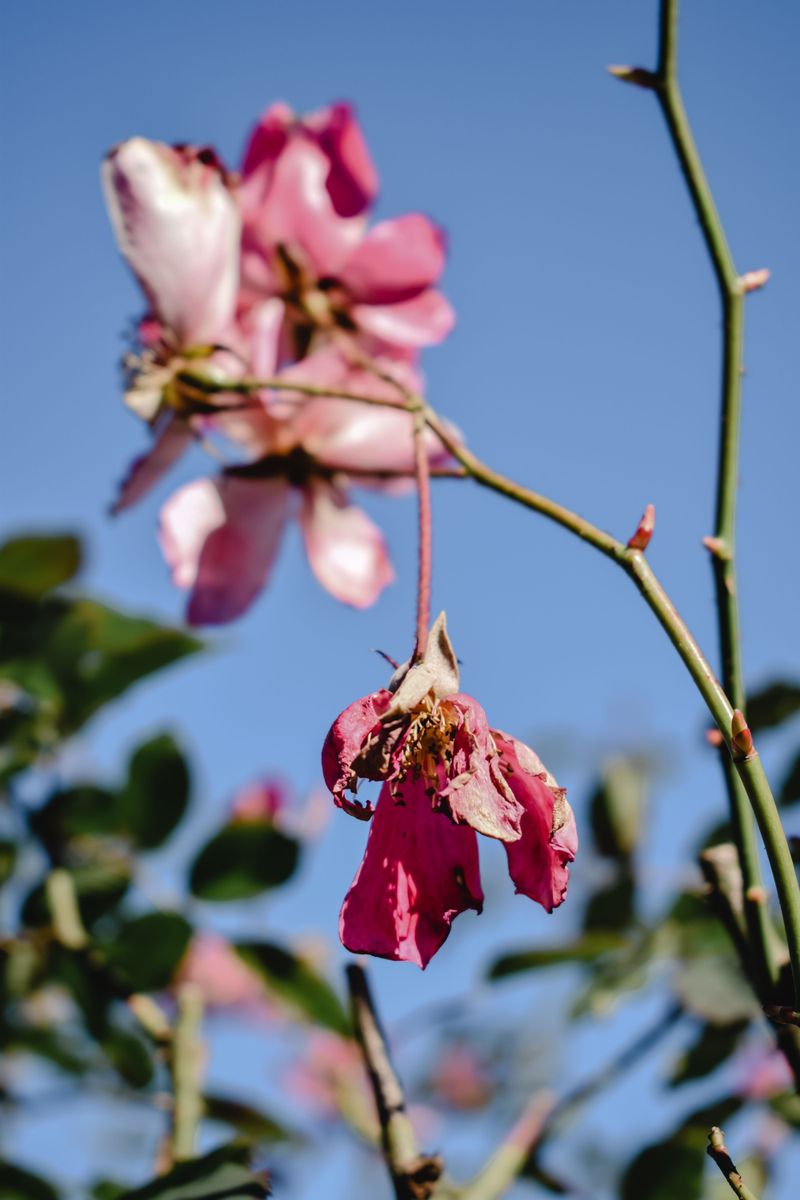
Those faded, papery blooms clinging to your rose canes are not just tired-looking. They are quietly drawing energy your plant could spend on new flowers.
Every day they hang on, your rose shifts its focus toward a task you never wanted it to start.
Grooming your roses means removing spent blossoms before the plant forms a rose hip. Once a rose moves into hip production, it slows down on fresh buds and starts focusing on seeds instead.
That’s the opposite of what you want heading into fall. Snip just above the first set of five leaflets below the spent flower.
That is the sweet spot where new growth will sprout fastest, and it’s worth training your eye to find it without hesitation.
In Virginia’s long growing season, you can still coax two or even three more flushes before the first frost arrives. That is a lot of color to leave on the table if you skip this step.
Use clean, sharp bypass pruners every single time. Dull blades bruise stems instead of cutting cleanly, and bruised stems are more prone to disease.
Wipe your blades with rubbing alcohol between plants. Moving from bush to bush without cleaning your tools can spread fungal issues faster than most gardeners realize.
Some gardeners toss spent blooms into the compost bin, but if your roses showed any signs of trouble, set those clippings aside for the trash instead. Composting affected plant material can bring the same issue right back into your soil.
Make this grooming a weekly habit from now through October. Your roses will reward that small investment with a strong fall flush that brightens up the whole yard.
2. Water Deeply During Dry August Stretches
That wilted, slightly dusty look your roses get in late summer is not just a phase. It’s a sign your plant is stretching its roots to find moisture that simply isn’t there.
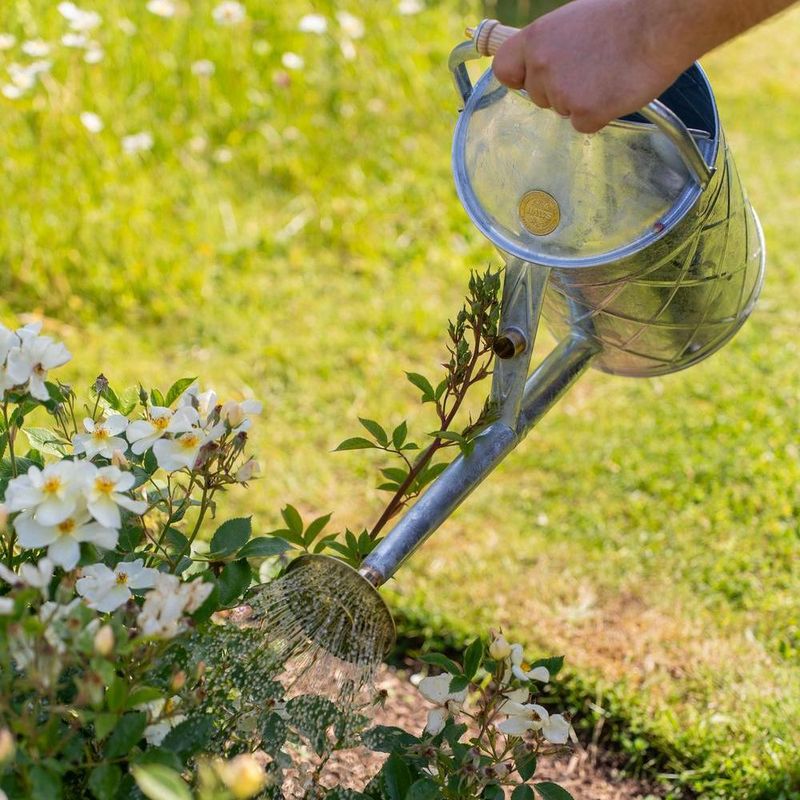
Shallow watering habits can make this worse instead of better. Deep watering means soaking the soil enough to reach roots several inches down, not just wetting the surface.
Your Virginia Garden Changes Every Week. Your Plan Should Too.
Gardening in Virginia changes quickly throughout the season. Every Friday you’ll receive a simple weekly plan showing exactly what to plant, prune, fertilize, harvest, and protect so you never miss the right timing.
When roses only get a light sprinkle, they grow shallow root systems that struggle the moment the weather turns dry and hot.
Aim for the base of the plant, not the leaves. That is where moisture actually reaches the roots instead of evaporating off in the afternoon sun.
In Virginia’s August heat, a slow soak once or twice a week beats a daily light watering by a wide margin. That steady depth encourages roots to grow downward, giving your rose a stronger foundation heading into fall.
Use a soaker hose or drip system whenever possible. A slow, steady flow gives the soil time to absorb water instead of letting it run off before it soaks in.
Water early in the morning, before the heat sets in. Evening watering can leave leaves damp overnight, and damp foliage sitting in cooler air makes fungal issues more likely to take hold.
Check soil moisture with a simple finger test before watering again. Roses that get consistent, deep moisture through late summer head into fall with stronger canes and healthier root systems.
Keep this watering rhythm going through September. Your roses will respond with steadier growth and a fall flush that holds up beautifully, even after a dry summer stretch.
3. Feed With Potassium-Rich Fertilizer For Next Season
Most gardeners think of fertilizer as a spring job, but the feed you give in late summer shapes next year’s performance. Potassium is the nutrient that builds strong canes and boosts cold hardiness before winter arrives.
A fertilizer with a higher third number on the bag, like a 5-10-15 formula, delivers the potassium your roses need right now. That third number tells you the potassium level at a glance.
Avoid high-nitrogen feeds after August in Virginia. Nitrogen pushes leafy, tender new growth that cannot harden off before frost, leaving canes vulnerable to cold damage.
Potassium, on the other hand, thickens cell walls and helps the plant manage water stress. Think of it as a toughening treatment that prepares your roses for winter and fuels the energy stored for spring.
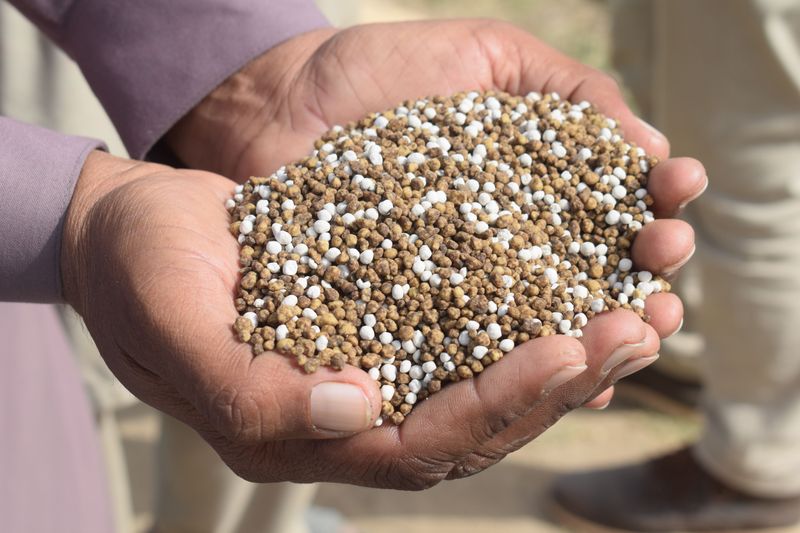
Granular fertilizers work well at this time of year because they release slowly as the soil cools. Scratch them lightly into the top inch of soil and water thoroughly after application.
Liquid potassium supplements are another solid option if you want faster uptake. Apply them at the base, not on leaves, to avoid any chance of burn in late-summer heat.
Stop all fertilizing about six weeks before your average first frost date. In Virginia’s cooler mountain regions that may mean wrapping up by mid-September, while gardeners in warmer coastal areas like Hampton Roads can often continue into late October.
Roses that get this late-season potassium boost enter dormancy better equipped. Come spring, those well-fed canes break dormancy faster and produce blooms that make all the effort worthwhile.
4. Check Leaves For Black Spot And Mildew
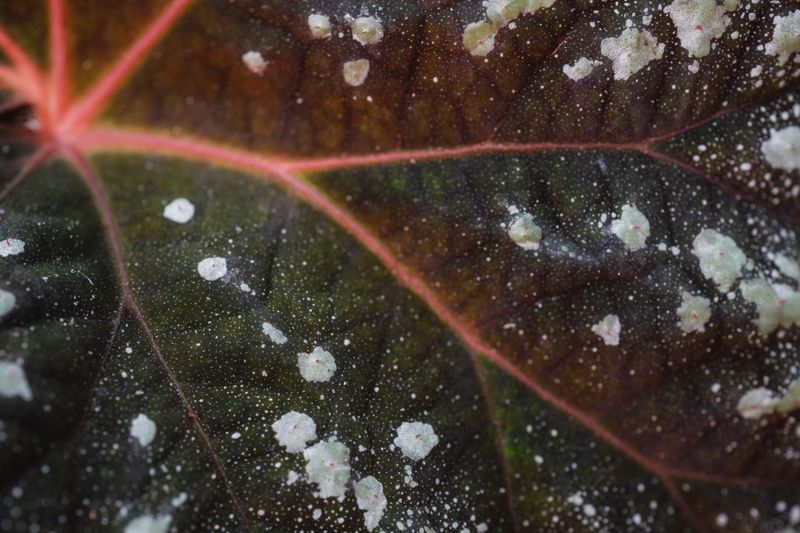
Spotting trouble early makes a real difference with rose diseases. Black spot shows up as dark circular marks on leaves, often ringed with yellow, and it spreads fast in warm, humid conditions.
Virginia summers create favorable conditions for both black spot and powdery mildew. Catching either one early keeps a manageable problem from spreading across the whole bush.
Powdery mildew looks like someone dusted the leaves with flour. It tends to appear during warm days followed by cool nights, which describes late summer in Virginia almost perfectly.
Walk your rose beds at least once a week and flip leaves over to check the undersides. Many infections start on the bottom of the leaf before spreading to the top surface.
Remove any infected leaves immediately and drop them into a trash bag, not your compost pile. Leaving infected foliage on the ground is like leaving the problem on a slow timer.
Neem oil spray is a widely used organic option, particularly effective against powdery mildew, with more modest results against black spot. Apply it in the early morning or evening to avoid burning leaves in peak heat.
Baking soda mixed with a small amount of horticultural oil and water is a home remedy some gardeners use against early mildew, though results can vary.
Consistency matters more than the product you choose, so spray on a regular schedule. Roses that go into fall healthy hold their leaves longer and store more energy for next spring.
Every diseased leaf you remove now is one less problem waiting for you when the season begins again.
5. Mulch The Base To Retain Moisture
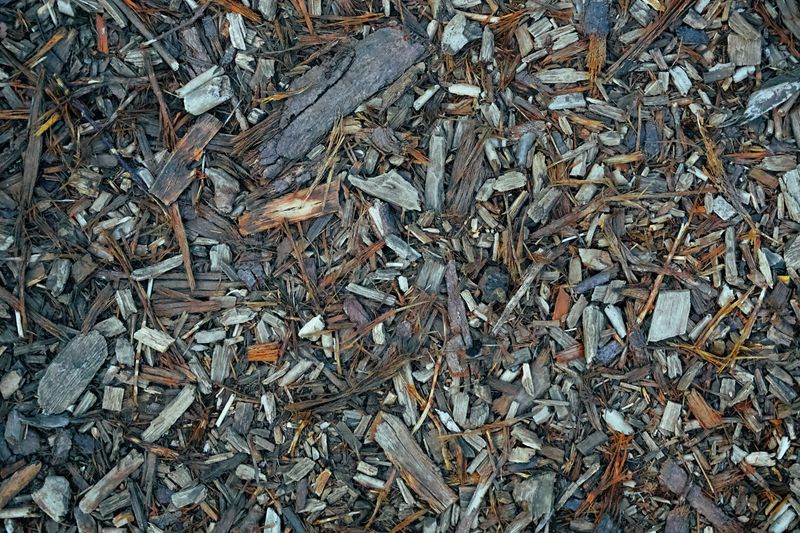
A bare patch of soil around a rose base is a missed opportunity. Mulch does three important jobs at once: it holds moisture in, keeps roots cool, and slowly feeds the soil as it breaks down.
In Virginia’s late summer heat, soil can lose moisture quickly between watering sessions. A two-to-three inch layer of mulch can cut that moisture loss dramatically.
Shredded hardwood bark is a popular choice because it breaks down slowly and looks tidy in a garden bed. Pine straw works well too and is widely available across the state.
Keep mulch pulled back about two inches from the main cane at the base. Mulch piled against the cane traps moisture right at the crown, which encourages rot and disease.
Fresh mulch applied now also begins moderating soil temperature as nights cool through September and October. Consistent soil temperature helps roots stay active longer, building reserves for next spring’s growth.
Avoid using dyed wood mulch near roses if you can. Some gardeners prefer to skip dyed products as a precaution, since the sourcing and additives in cheaper mulch can be inconsistent.
Compost makes an excellent mulch alternative because it feeds the soil biology while protecting the surface. A thin layer of finished compost topped with bark mulch gives you the benefits of both materials.
Mulching is one of the lowest-effort tasks on this list with one of the highest payoffs. Roses that stay consistently moist and cool at the roots simply perform better when bloom season returns.
6. Prune Lightly To Remove Crossing Canes
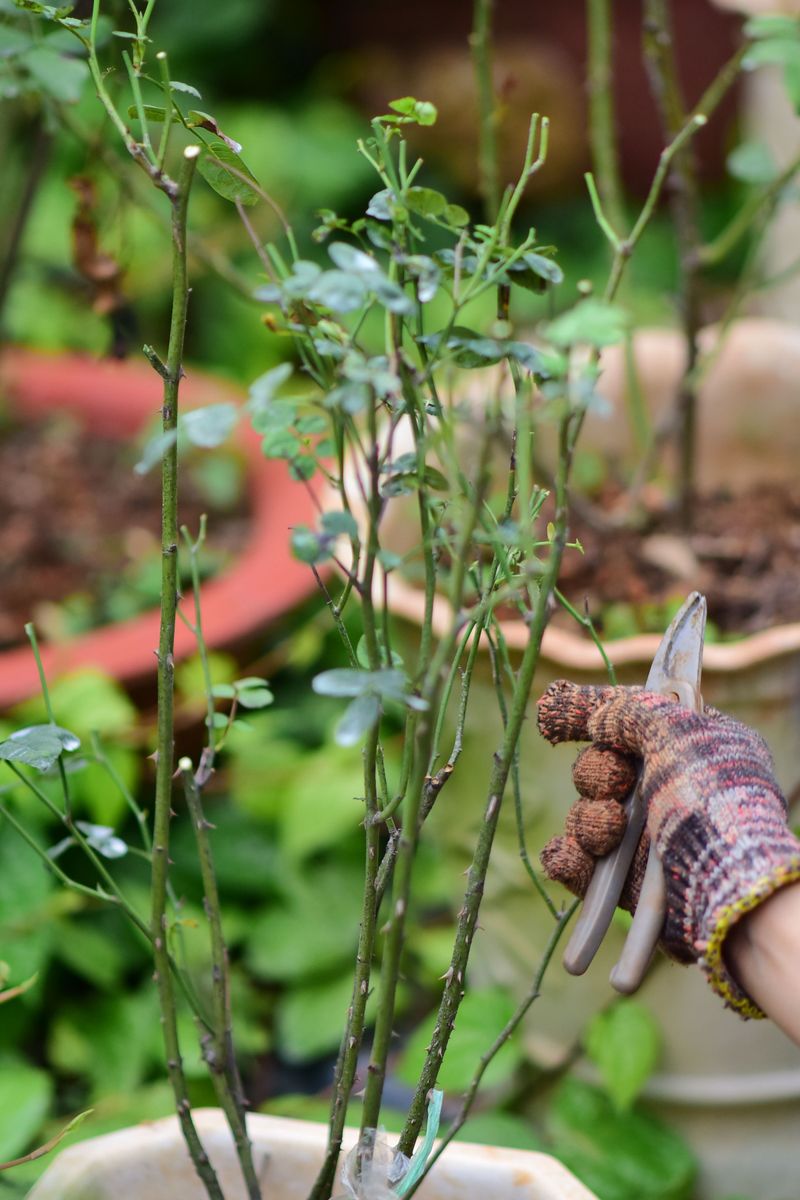
Crossing canes are an easy problem to overlook in a rose bush. They rub against each other with every breeze, creating wounds that become entry points for disease and pests.
Late summer is not the time for heavy pruning in Virginia. A hard cut now pushes out tender new growth that will not harden before frost, leaving the plant weaker heading into winter.
Light pruning is a different story entirely. Removing canes that cross through the center of the bush improves air circulation without triggering aggressive regrowth.
Good airflow through the center of a rose bush is one of the best natural defenses against fungal disease. Tight, tangled canes trap humidity and create shaded pockets where mildew thrives.
Step back and look at the overall shape before you make any cuts. Identify the two or three canes that cross the most heavily through the center and remove those first.
Cut each unwanted cane back to its point of origin on the main stem. Leaving short stubs behind creates unproductive wood that harbors disease and looks untidy through the off-season.
After each cut, seal the exposed end with white craft glue or a commercial cane sealer. That simple step blocks boring insects from nesting inside the open cane during fall and winter.
Roses pruned this way enter dormancy with a cleaner structure and better airflow. Come spring, that open center channels energy into productive canes that push out fuller, healthier blooms.
7. Clear Fallen Leaves To Stop Disease Overwintering

Fallen rose leaves look harmless lying on the ground, but they are not. Those leaves carry the spores of black spot, rust, and other fungal diseases right through winter, ready to reinfect your roses the moment spring arrives.
Clearing leaf litter from your rose beds is one of the most impactful things you can do before the season ends. It breaks the disease cycle before it gets a chance to restart.
Rake thoroughly under and around every rose bush, getting into the spaces where leaves collect against canes. Spores hide in layered leaf piles and stay viable even through hard freezes.
Bag all collected leaves and put them in the trash rather than the compost pile. Unless your compost system reaches very high internal temperatures, it will not neutralize fungal spores reliably.
Do this job more than once as leaves continue to fall through October and November. A single cleanup in early fall misses the bulk of the leaf drop in many parts of Virginia.
After clearing the leaves, consider applying a fresh layer of clean mulch to cover any spores that may have reached the soil surface. That physical barrier adds one more layer of protection.
Some gardeners follow up with a dormant oil spray once the leaves are gone and temperatures drop below fifty degrees. That treatment smothers overwintering spores and insect eggs clinging to canes.
Keeping fallen leaves cleared is the final piece for Virginia roses that bloom beautifully year after year. Finish this task and your roses head into winter with a healthier start.