North Carolina Gardeners Have One Last Chance To Plant Warm Season Crops Before Summer Takes Over
North Carolina gardeners have a very specific enemy right now, and it is not pests, it is not disease, and it is definitely not the weather. It is the calendar.
Late May in North Carolina is one of those rare moments when everything lines up. The soil is warm. The days are long.
The conditions are genuinely ideal for warm-season crops to get established and charge toward a productive summer.
But here is the thing most gardeners do not fully appreciate until they have already missed it. This window closes fast, and it does not reopen until fall.
Do you know exactly how many days you have left before summer heat starts working against your garden instead of for it?
The difference between planting this week and planting two weeks from now is not just timing. It is the difference between a productive summer garden and a lot of hopeful effort that goes nowhere.
The clock is already running.
Late May Window Keeps Soil Warm Enough For Seeds To Sprout
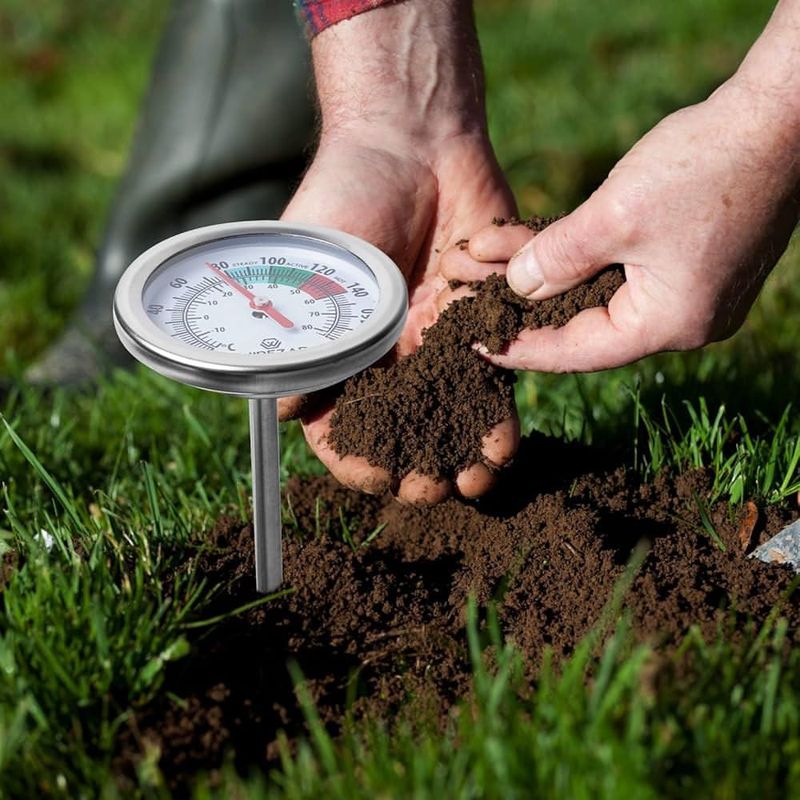
Grab a soil thermometer before you do anything else this week. The date on the calendar is not the signal your seeds are waiting for. Soil temperature is.
Most warm-season vegetables need soil at least 60 to 65 degrees Fahrenheit before they will reliably sprout. In North Carolina, late May typically delivers exactly that across most of the state.
The Piedmont and Coastal Plain regions often read between 68 and 75 degrees at a four-inch depth during this stretch. That warmth is what pushes seeds to crack open and send out their first roots.
The problem is that window closes faster than most gardeners expect. Once June heat builds consistently, soil temperatures can spike above 90 degrees in raised beds and sandy soils.
At that point, heat actually stresses germinating seeds rather than helping them. Hot soil can cause seed coatings to harden and slow water absorption significantly.
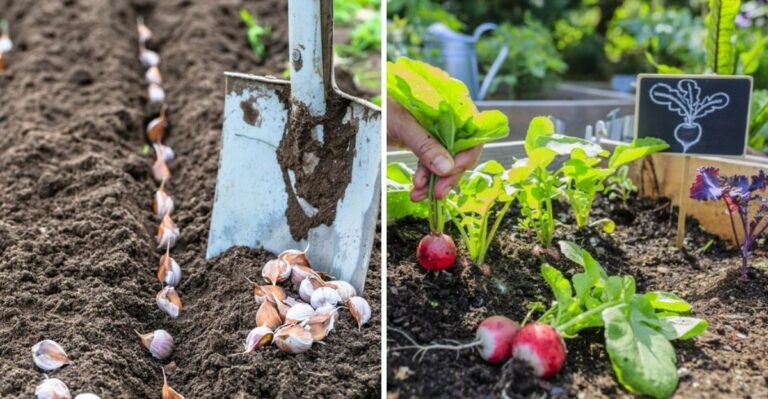
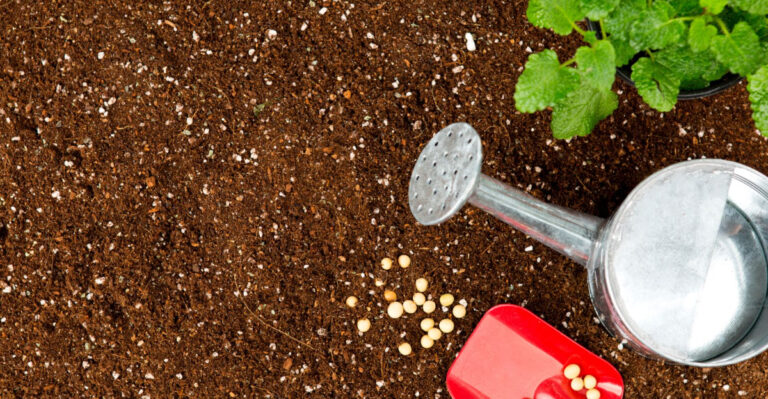
Push seeds into the ground at the correct depth for each crop. Beans go in about one inch deep. Squash seeds prefer an inch to an inch and a half. Water gently right after planting to help soil make contact with the seed coat.
Consistent moisture during germination matters just as much as soil temperature. Keep the planting area evenly moist until sprouts appear. Do not let it dry out between waterings and do not flood it either.
The seeds are ready. The soil is ready. The only question is whether you are going to let this window close without doing anything about it.
Plant Now To Avoid Reduced Growth As Heat Becomes Constant
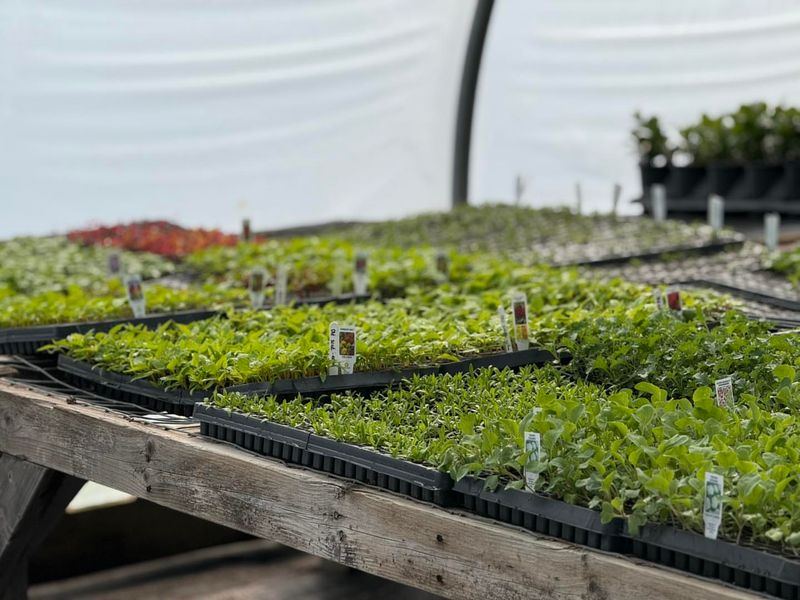
Timing a garden is a lot like timing a road trip. Leave too late and you hit traffic. Plant too late and your crops hit a wall of heat they were never built to push through.
Warm-season crops planted after their optimal window consistently produce lower yields than those put in on time. That is not opinion. It is what the data shows repeatedly across different crops and regions.
When soil temperatures stay above 90 degrees for extended periods, plants shift energy away from fruiting and toward basic survival.
Your North Carolina Garden Changes Every Week. Your Plan Should Too.
Gardening in North Carolina changes quickly throughout the season. Every Friday you’ll receive a simple weekly plan showing exactly what to plant, prune, fertilize, harvest, and protect so you never miss the right timing.
Photosynthesis slows. Water uptake becomes less efficient. Young plants spend more time stressed than growing. That translates directly into smaller harvests and longer waits before anything is ready to pick.
Planting now gives your crops three to four weeks of manageable heat before the intense summer pattern locks in across North Carolina.
That early establishment period is when roots spread, stems thicken, and the plant builds the structure it needs to carry a heavy fruit load later in the season.
Get transplants of tomatoes, peppers, and eggplant into the ground this week. For direct-sown crops like beans, squash, and cucumbers, sow seeds immediately and water daily until sprouts appear.
Gardeners in mountain counties above 2,000 feet should adjust planting dates by five to seven days based on local conditions. The window is still open up there, but it is slightly narrower.
Plant now or explain to your tomatoes why you waited. They will not be sympathetic.
Warm-Season Crops Love Soil At 65°F And Above Before Heat Arrives
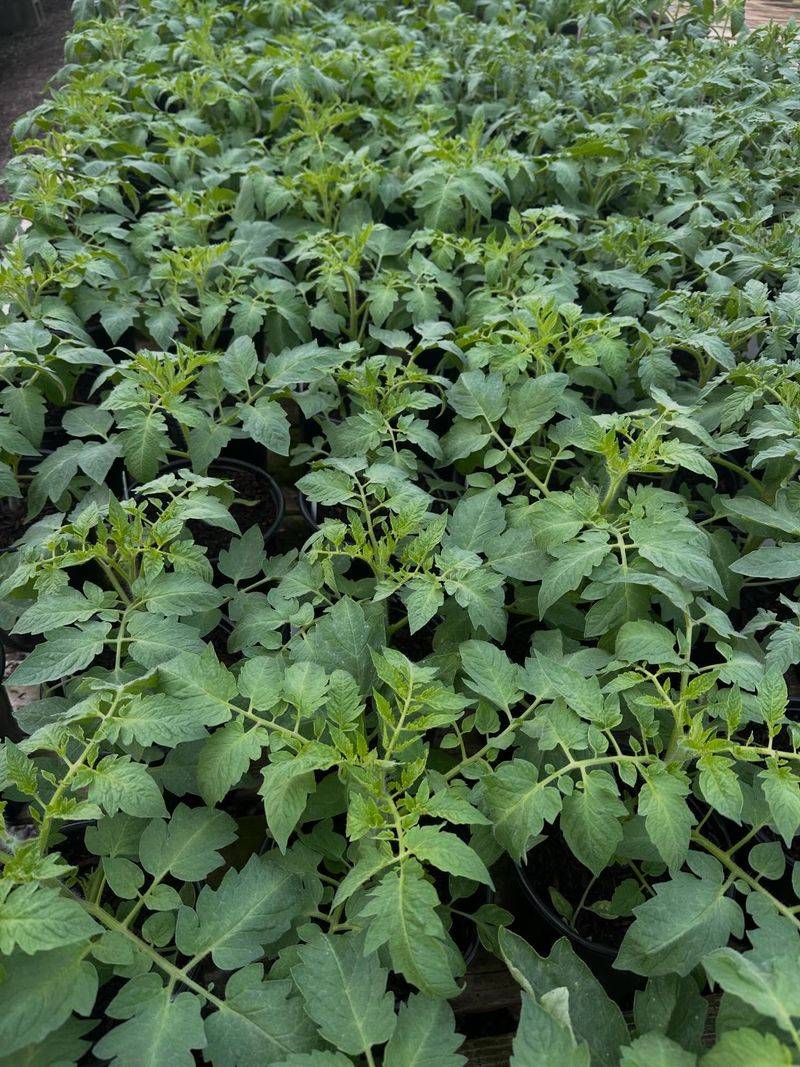
Sixty-five degrees Fahrenheit in the soil is not just a preference for warm-season crops. For most of them, it is the actual starting line.
Below that threshold, germination slows significantly. Transplant roots struggle to expand. Young plants sit in place rather than pushing forward, which is exactly the opposite of what you need heading into summer.
Cucumbers, squash, melons, and beans all perform best when soil temperatures sit between 65 and 85 degrees at planting time.
Tomatoes and peppers prefer the upper end of that range, around 70 to 80 degrees, for the fastest root establishment after coming out of containers.
Right now, most garden beds in the North Carolina Piedmont and Coastal Plain are sitting in that ideal zone. Mountain regions may still be a few degrees cooler.
Gardeners in Asheville or Boone should check their soil before planting rather than relying strictly on the date.
A basic soil thermometer costs a few dollars and removes all the guesswork. Push it four inches deep in the morning for the most accurate reading.
One practical move before planting is to lay black plastic mulch over your bed for three to five days. It absorbs solar energy and can raise soil temperature by four to eight degrees.
Seeds that go into 72-degree soil behave completely differently than seeds in 58-degree soil. One of them is ready to grow. The other is just sitting there reconsidering its options.
Tomatoes And Peppers Set Fruit Best When Planted Before Peak Heat
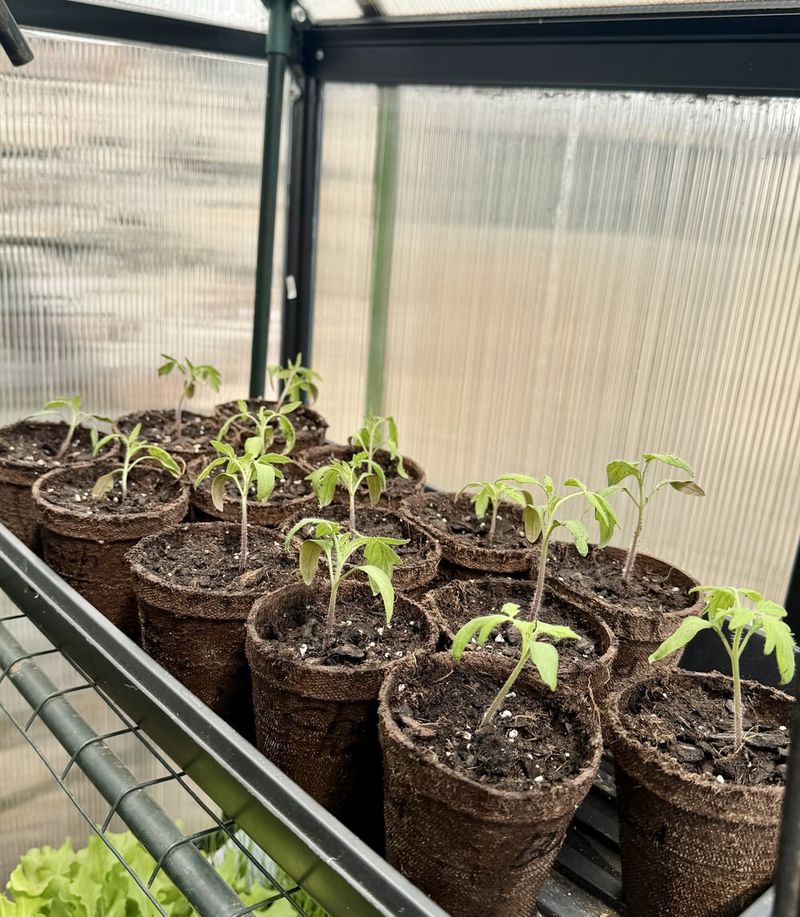
Ask experienced North Carolina gardeners about their biggest tomato regret and many of them give the same answer.
They planted a week or two too late, the heat arrived, and the blossoms dropped without setting a single fruit. It is one of the most common and most avoidable frustrations in the state.
Tomatoes drop their flowers when nighttime temperatures stay above 75 degrees or daytime temperatures push past 95 degrees consistently.
That pattern starts showing up across much of North Carolina by mid to late June. Plants that went in the ground during late May have enough time to set a solid first flush of fruit before those conditions arrive.
Peppers face a similar situation. They are slightly more heat-tolerant than tomatoes but still set fruit most reliably when daytime temps stay below 90 degrees during flowering.
Getting pepper transplants in the ground by late May gives them the best shot at strong first-season production across most of the state.
Prepare planting holes with a small amount of balanced fertilizer or compost mixed into the bottom. Water transplants deeply at planting, then again every two to three days for the first two weeks while roots spread out.
Consistent moisture during the first three weeks after transplanting is directly linked to stronger early fruit set and better overall performance through summer.
Get those transplants in the ground before the heat makes the decision for you. Your future salsa is counting on this.
Beans And Squash Establish Roots Best In This Final Cool Stretch
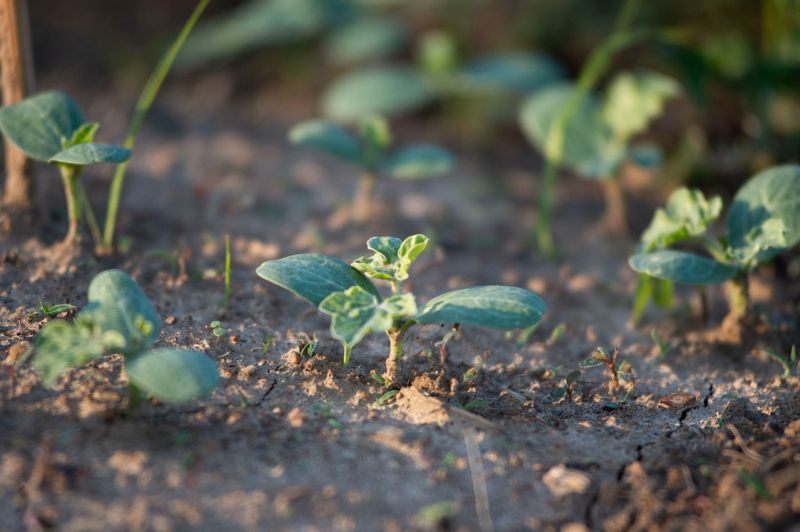
Beans and squash are two of the most satisfying crops in a Carolina garden. Fast, productive, and genuinely easy to start from seed.
Both of them also have a strong preference for getting their roots settled before the ground heats up significantly.
Bush beans typically go from seed to harvest in about 50 to 60 days under good conditions. That timeline works perfectly with a late May planting.
Seeds root aggressively in the still-moderate soil, stems build strength through early June, and plants are ready to flower right as longer days provide maximum sun for pod fill.
Summer squash moves even faster. Zucchini and yellow squash can reach first harvest in as little as 45 to 50 days. The key is getting those initial roots deep into the soil before temperatures climb.
Squash roots spread surprisingly wide once established and can pull moisture from a large area, making the plant considerably more resilient to heat stress later on.
Direct sow both crops about one inch deep. Space bean seeds three to four inches apart in rows. For squash, plant two or three seeds per hill and thin to the strongest plant after sprouting.
Water the planting area well before sowing, not just after. Pre-moistening the soil helps seeds make immediate contact with moisture and leads to faster, more uniform germination across the bed.
Beans and squash planted now will be producing before your neighbors have even figured out what to do with their garden this summer. That is not a competition. But it kind of is.
Delay Past This Week And Growth Will Slow In High Soil Temps
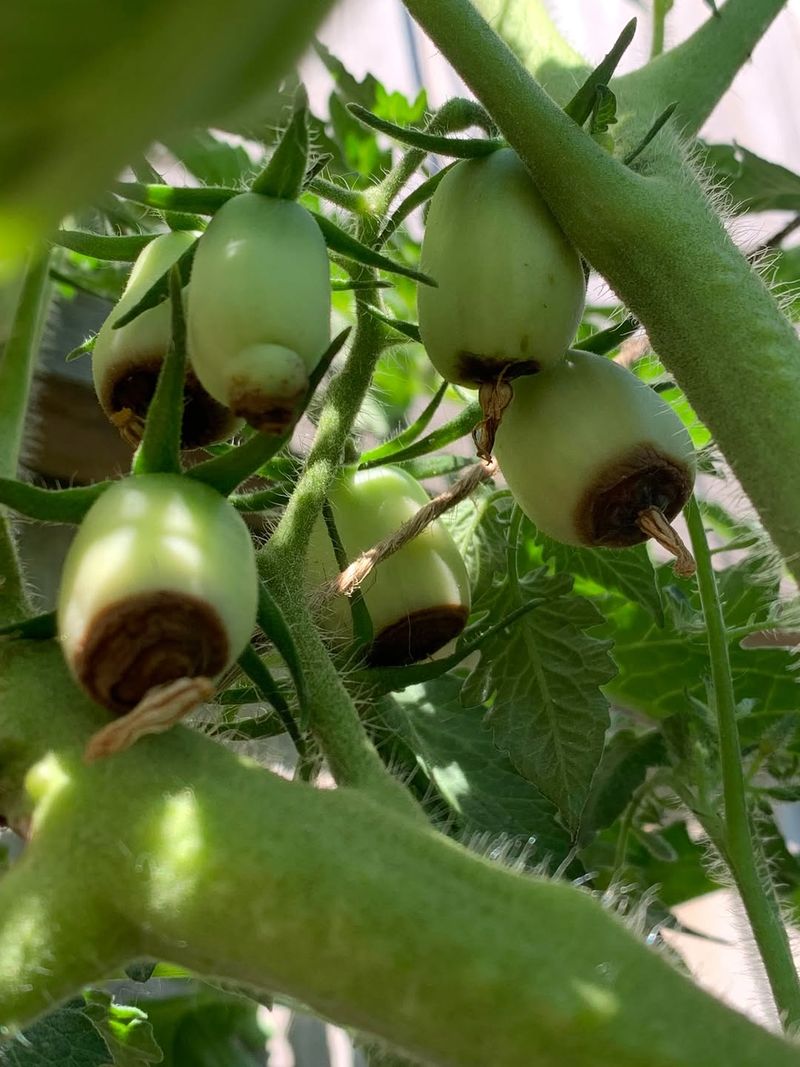
Here is a number worth keeping in mind: 95 degrees. That is the soil surface temperature at which many warm-season vegetable seedlings begin showing measurable stress responses.
Slowed root expansion. Reduced water uptake. Stunted shoot growth. In North Carolina, surface soil temps can reach that mark on sunny June days, especially in raised beds and dark containers.
Waiting even one week past the optimal planting window can push young transplants directly into that zone.
They spend their critical first two weeks managing heat rather than establishing roots and building structure. A plant that looks alive but is not really growing leads to poor fruit set and a shorter productive season overall.
Planting calendars for the North Carolina Piedmont list the last recommended dates for tomatoes and peppers as late May to early June.
Later plantings consistently face greater heat stress during establishment. The Coastal Plain offers slightly more flexibility due to coastal breezes, but the window still closes quickly regardless of region.
Stop waiting for the perfect weekend. If transplants are sitting in starter trays or small pots right now, they need to go in the ground.
Roots in a small container heat up much faster than roots in open garden soil. Transplants held past their optimal size in containers lose root efficiency and take longer to recover after planting.
That delay can push your harvest back by two weeks or more. Two weeks of harvest lost to hesitation. That is a lot of tomatoes to leave on the table.
Plant In Morning Sun To Give Young Crops A Fighting Start
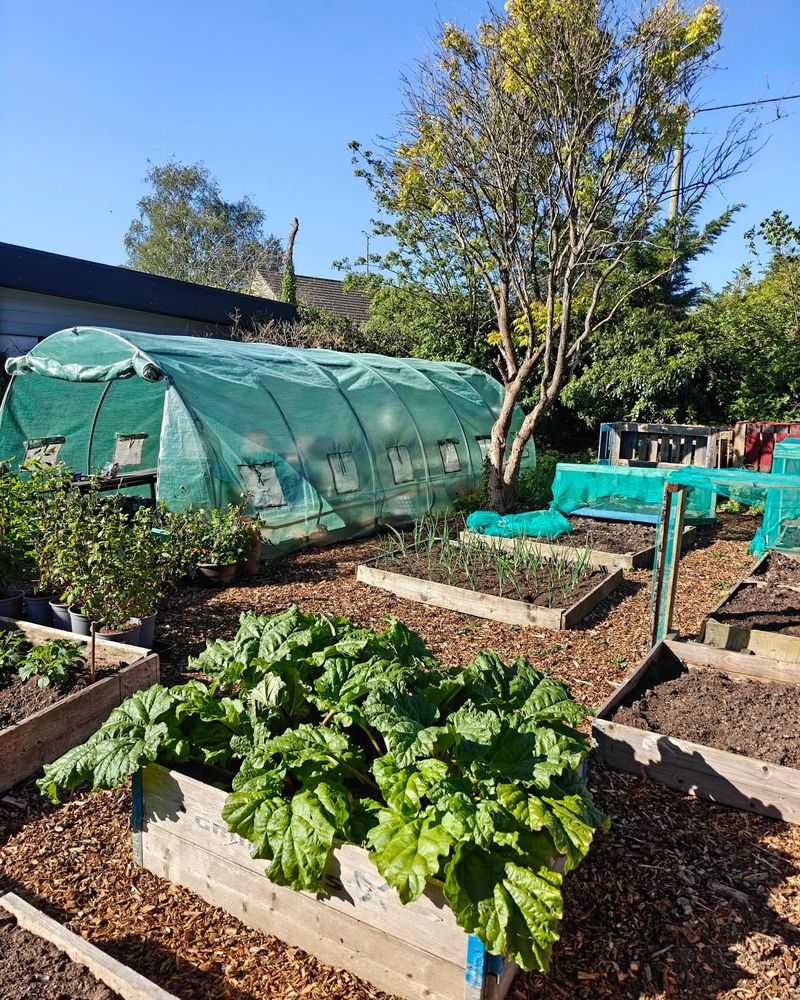
Late May mornings in a North Carolina garden are worth getting up for. The air is cool. The soil holds overnight moisture. The sun is gentle enough to welcome new transplants rather than immediately stress them.
Planting in the morning gives transplants several hours of manageable sunlight before midday heat arrives.
Roots begin making contact with surrounding soil while temperatures are still comfortable. By the time the afternoon sun gets serious, plants have already had a meaningful head start on settling in.
Avoid planting during the hottest afternoon hours. Transplants set out between noon and four face immediate heat stress on exposed leaves and stems before roots have chance to pull water from the new soil.
After planting, water the base of each plant thoroughly and apply a light layer of mulch around the stem without touching it.
This locks in soil moisture through the heat of the day and keeps roots in a cooler environment as they establish.
Morning planting combined with same-day mulching can reduce transplant stress by keeping root-zone temperatures noticeably lower than unmulched beds during afternoon heat peaks.
Early morning garden sessions also come with the bonus of no one asking you to do anything else yet. Protect the morning. Your crops and your sanity will both thank you.
Thick Mulch Helps Roots Stay Moist As Summer Heat Takes Hold
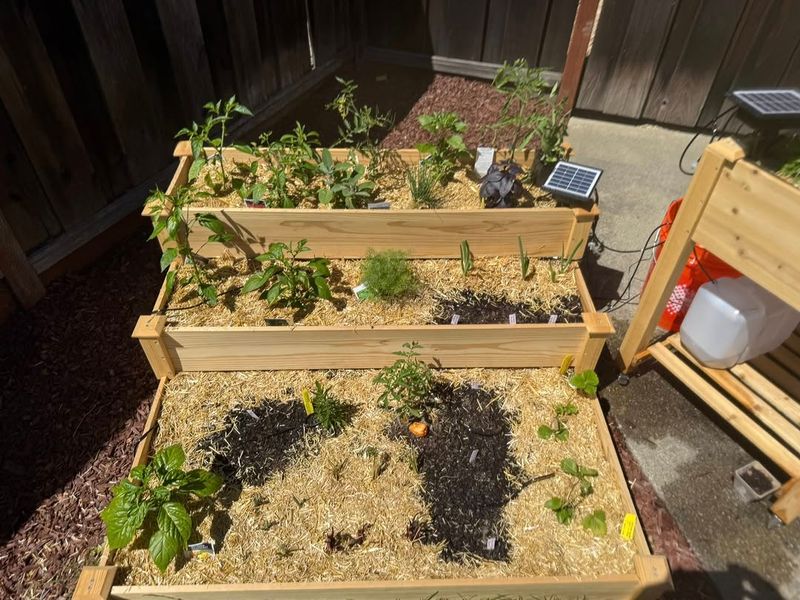
Straw, shredded leaves, wood chips, pine needles. Any of these spread three to four inches thick around your vegetable plants right now can change how your garden handles the heat that is coming.
Mulch is not optional in a North Carolina summer vegetable garden. It is one of the most effective and least expensive tools available, and most gardeners still do not use enough of it.
A proper mulch layer slows water evaporation from the soil surface. That means less frequent watering and less stress on your plants between irrigation cycles.
It also keeps soil temperatures more stable throughout the day, reducing the wild swings between morning cool and afternoon heat that slow nutrient uptake and confuse root systems.
Apply two to four inches of organic mulch around vegetable plants. Keep it pulled back slightly from the base of stems to allow airflow and prevent moisture from sitting directly against plant tissue.
Straw and shredded leaves are popular choices because they break down slowly and add organic matter to the soil as they decompose. Wood chips work well for perennial beds and around larger plants.
Mulched vegetable beds can retain significantly more soil moisture compared to bare soil under the same watering schedule. That difference compounds quickly during a stretch of 90-degree days.
Reapply mulch mid-season if it compresses or breaks down, keeping the protective layer thick through July and August.
Your plants cannot ask for mulch. But if they could, every single one of them probably would be asking right now.