What July Monsoon Rain Really Does To Arizona Garden Soil
Arizona monsoon rain feels like a miracle until the yard starts tattling.
One minute the sky is dust and heat. The next, water pounds the ground, mulch floats toward the fence, weeds wake up, and that stubborn garden bed still feels dry below the surface.
That is the desert trick.
A July storm can dump an inch of rain fast enough to flood a street without giving tomato roots the slow soak they actually need.
Hard crusted soil sheds water. Caliche blocks drainage. Salts shift. Roots gasp. Seeds hiding in the soil suddenly throw a little green party.
So what really happens beneath your feet when monsoon rain hits an Arizona garden? Start with the surface, then follow the water.
The puddles, crusts, runoff paths, and muddy low spots all tell you how your soil works, where it fails, and how to make the next storm far more useful for vegetables, trees, and desert-friendly beds that need every drop to count before the heat grabs it back again by noon.
1. Crusted Soil Sheds Water Fast
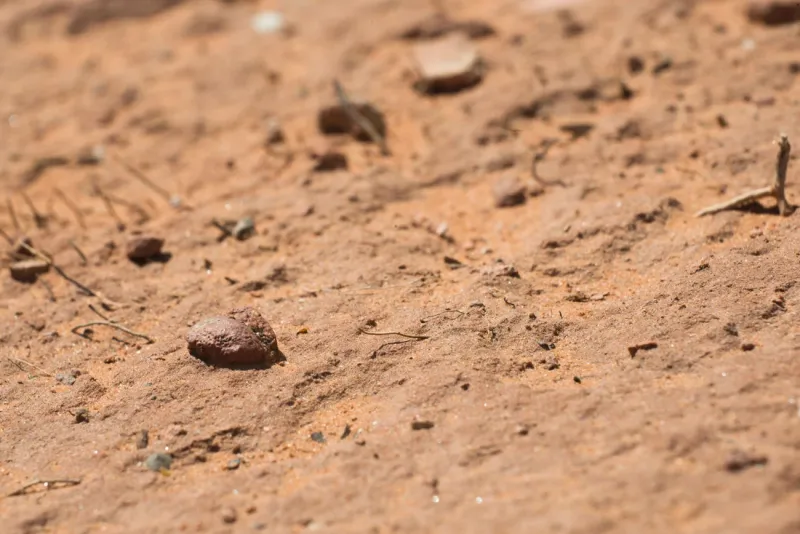
After weeks of Arizona heat, the top of a garden bed can turn strangely hard.
It may look like regular soil, but that thin surface layer can act more like a lid. Fine clay and silt particles settle after earlier moisture, then bake into a tight crust once the sun takes over.
When monsoon rain hits that sealed surface, the first rush often runs across the top instead of sinking down.
That is how a yard can flood near the gate while the soil four inches below a tomato plant still feels dry. Very rude behavior from a storm that sounded so generous.
Crusted soil also makes runoff stronger. Water gains speed, carries loose particles with it, and leaves low spots muddy while higher beds stay thirsty.
Break the crust before storms become regular.
Use a hand rake, small cultivator, or gloved fingers to rough up the top inch of soil around vegetables, shrubs, and young trees. Do not dig aggressively around roots. The goal is simply to open tiny entry points for water.
A thin layer of compost worked into the surface helps too. Organic matter keeps particles from locking together as tightly after the next rain.
Mulch over that improved surface, and the whole bed becomes more welcoming to water.
The storm still arrives fast, but at least your soil stops acting like a parking lot.
2. Caliche Keeps Moisture Shallow
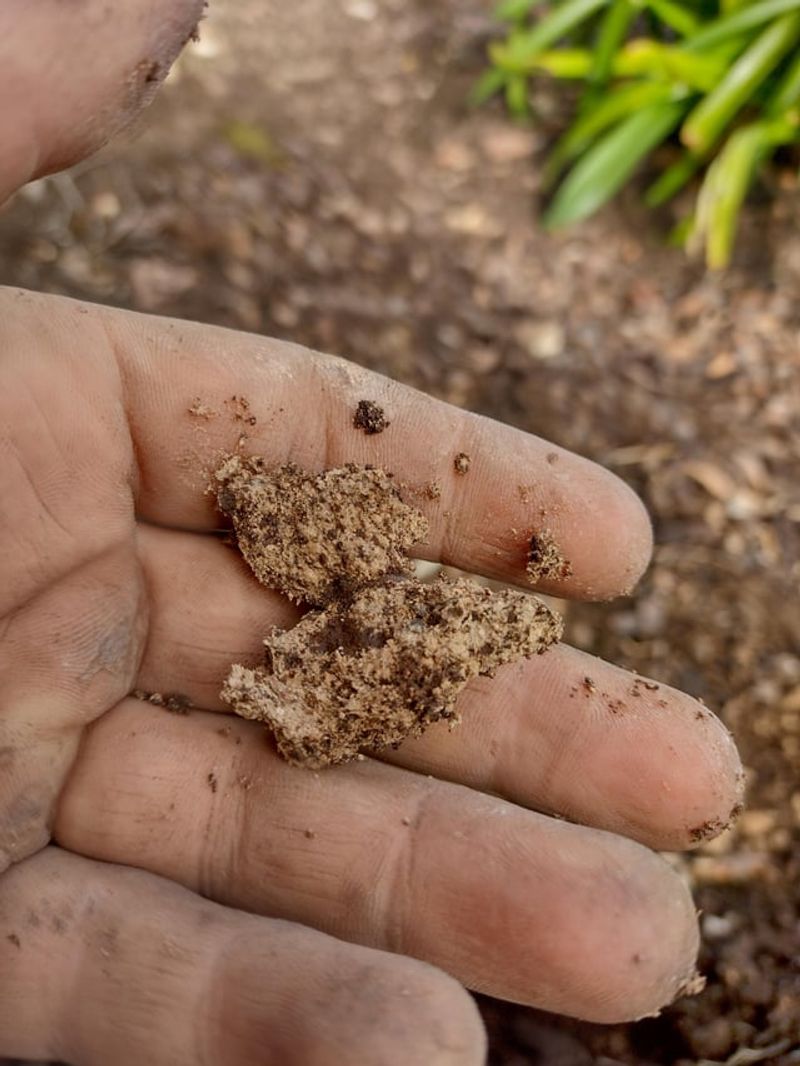
Many Arizona gardeners meet caliche by accident.
The shovel goes down, hits something hard, and the whole project suddenly feels like archaeology with worse snacks. Caliche is a calcium-rich hardpan layer that can sit beneath desert soil like a hidden sidewalk.
Monsoon rain does not pass through it easily.
Water soaks down, reaches that hard layer, then collects above it. That can create a shallow wet zone where roots sit with too much moisture, even while the soil closer to the surface dries out again a few days later.
Your Arizona Garden Changes Every Week. Your Plan Should Too.
Gardening in Arizona changes quickly throughout the season. Every Friday you’ll receive a simple weekly plan showing exactly what to plant, prune, fertilize, harvest, and protect so you never miss the right timing.
Confusing? Absolutely.
A plant can suffer from wet roots and dry topsoil in the same week. That is why caliche creates so many mixed signals after a heavy storm.
Before major planting, test your soil depth with a long screwdriver, metal rod, or soil probe. Push down in several spots and notice where the resistance starts.
Vegetables and shallow-rooted plants often do better in raised beds where roots sit above the hardpan. Trees and large shrubs may need wider planting areas, careful drainage planning, or species adapted to desert soils.
Do not dig a small bathtub-shaped hole in caliche and fill it with soft amended soil.
That can hold water around roots after storms. Wider, shallower improvement usually works better than one narrow pit.
Caliche is stubborn, but knowing where it sits gives your garden a fighting chance.
3. Dry Soil Resists The First Burst
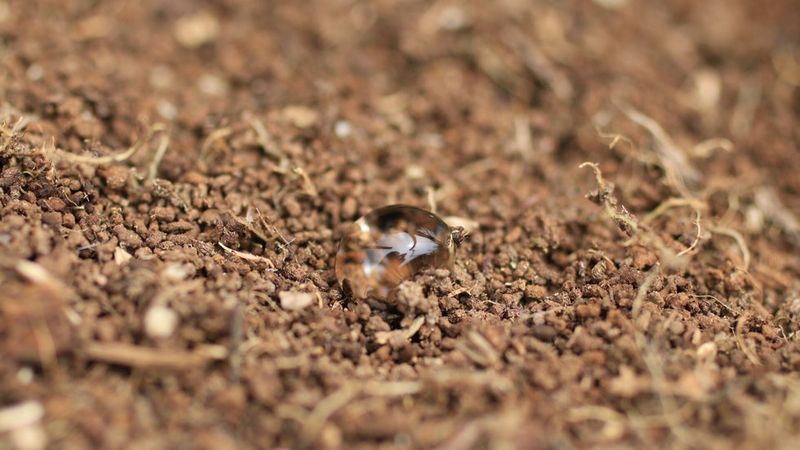
Dry desert soil can get oddly stubborn.
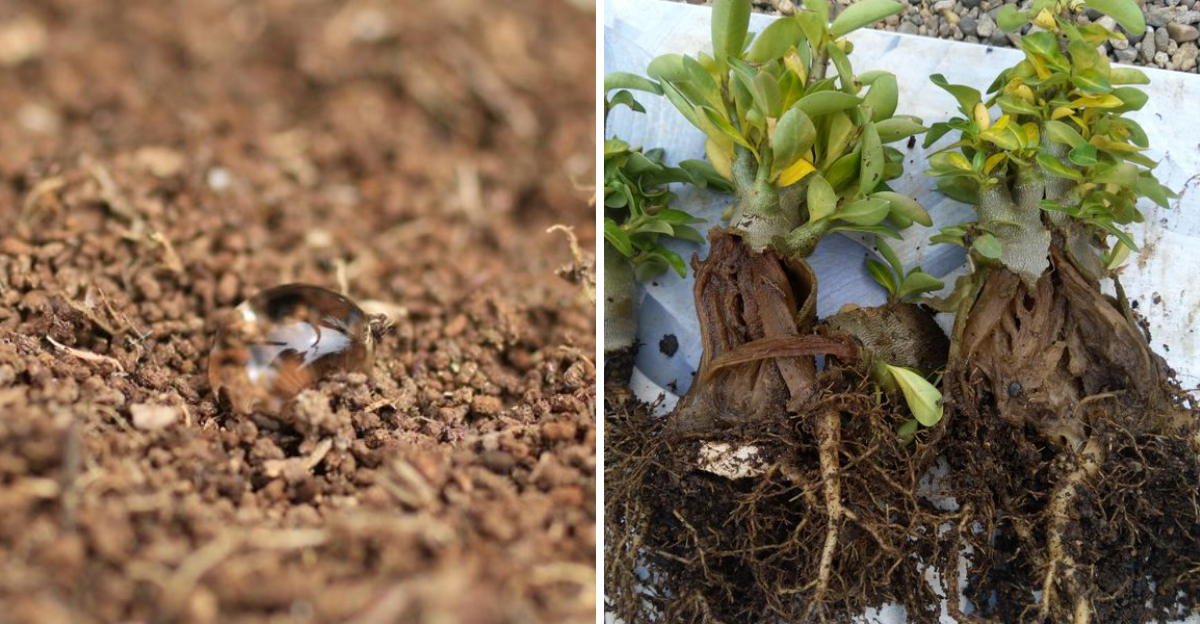
After long stretches without moisture, some soil surfaces begin to resist water instead of absorbing it. The first burst of monsoon rain may bead, slide, or rush away before the ground has time to soften.
It looks like rain. It sounds like rain. The roots may still get very little.
This happens more often in beds that stay bare, hot, and dry for weeks. Organic particles can form a water-resistant coating around soil grains, especially near the surface.
Once that happens, the first storm spends too much energy running off instead of soaking in. That is garden comedy with bad timing.
Mulch is the easiest prevention. A three to four inch layer of wood chips, shredded leaves, or other coarse organic mulch keeps the surface cooler and slightly more active between storms.
That living top layer accepts water better when the monsoon finally arrives.
Pre-wetting extra-dry beds before a forecast storm can also help. A slow morning soak softens the surface so later rainfall moves into the soil more evenly.
Focus this step on vegetable beds, container-adjacent planting areas, and young trees that still depend on consistent root-zone moisture.
Once soil accepts water, the rest of the storm becomes more useful.
The rain stops bouncing off the surface like it was denied entry at the door.
4. Mulch Moves When Flow Runs Hard
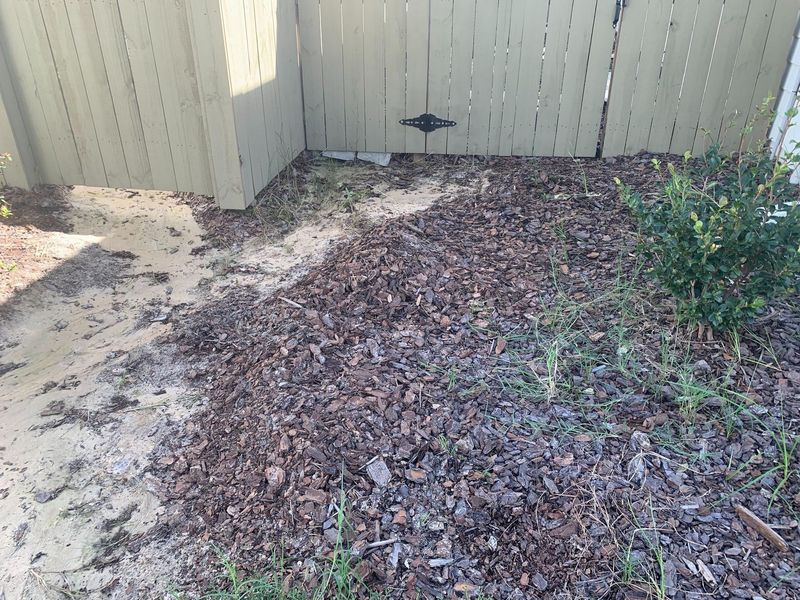
Monsoon runoff has no respect for your neat mulch job.
One afternoon the bed looks perfect. After one hard storm, wood chips sit against the fence, straw gathers in a corner, and the vegetable rows look freshly exposed.
Loose mulch floats and shifts when water moves fast across hard ground.
That matters because bare soil takes the next hit directly. Raindrops compact the surface, crusting gets worse, and the bed loses the cooling layer that helped roots survive between storms.
A moved mulch pile is not just messy. It changes how the soil handles heat and water for weeks afterward.
Choose heavier mulch where water crosses the yard. Coarse wood chips, shredded bark, and larger plant-based mulch pieces usually stay better than fine bark dust or light straw.
Use rocks, edging, logs, or shallow berms as small speed bumps along bed edges.
The goal is not to block all water. The goal is to slow it enough that mulch stays near the plants rather than joining a neighborhood parade.
After a major storm, walk the garden and pull displaced mulch back into place while the soil is still damp.
That quick reset protects the next rain event.
Arizona monsoon season rewards gardeners who tidy the water path, not just the plant bed. Mulch works best when it stays where the roots actually need it.
5. Salts Shift Below The Surface
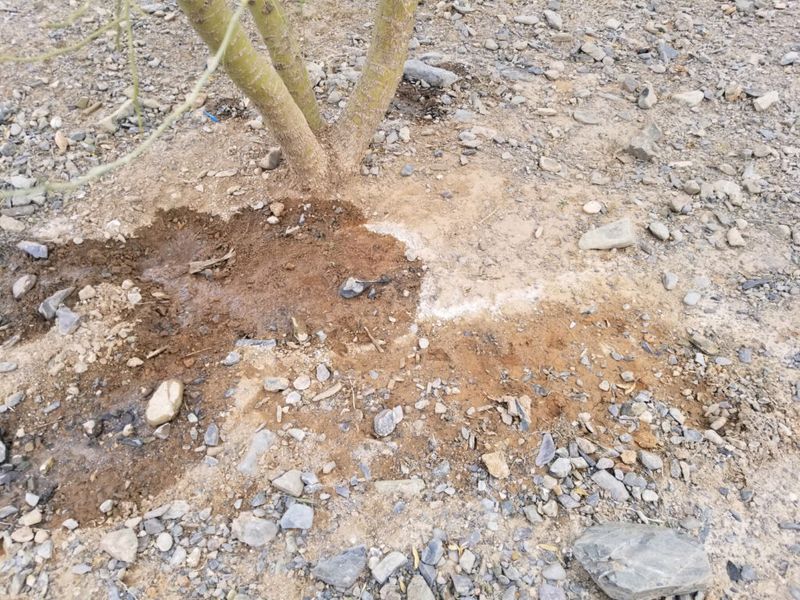
Arizona irrigation leaves a salty calling card.
Tap water and well water both carry dissolved minerals. During dry months, moisture evaporates and salts creep upward, sometimes leaving pale crusts on soil or containers.
Monsoon rain can help push those salts down.
A deep, steady soak moves salt away from the surface and, in good conditions, below the main root zone. Plants that looked tired from salty soil may perk up after several useful storms, especially once roots get access to a cleaner moisture zone.
That is one of the genuine gifts of monsoon season.
The catch is drainage.
Salt does not disappear like a magic trick. It moves with water. Caliche, compacted clay, or poorly draining beds can trap salts right where roots live. One intense storm may shift the problem rather than solve it.
Watch for salt clues after rain.
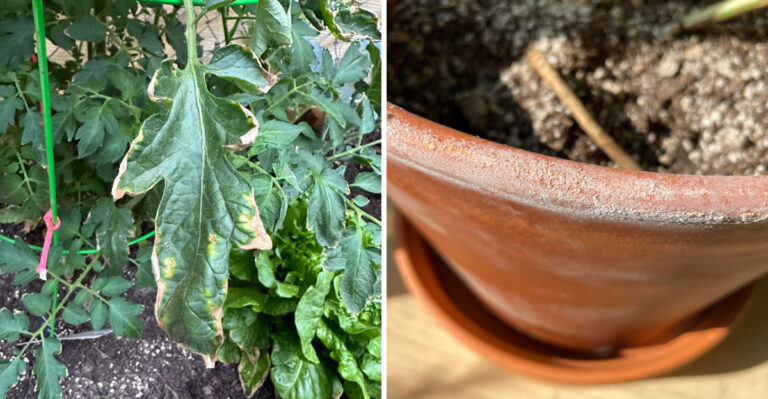
White crust near drip lines, brown leaf tips, slow growth, and repeated stress despite watering all deserve attention. Containers are especially vulnerable because salts concentrate in a limited soil space.
Deep watering between storms can help complete the flushing process, as long as the pot or bed drains freely.
For containers, water until liquid runs from the drainage holes, then let the pot breathe.
Salt management is not glamorous, but it matters in Arizona. Monsoon rain can help, yet the soil still needs good drainage to turn that help into real relief.
6. Roots Get A Brief Oxygen Squeeze
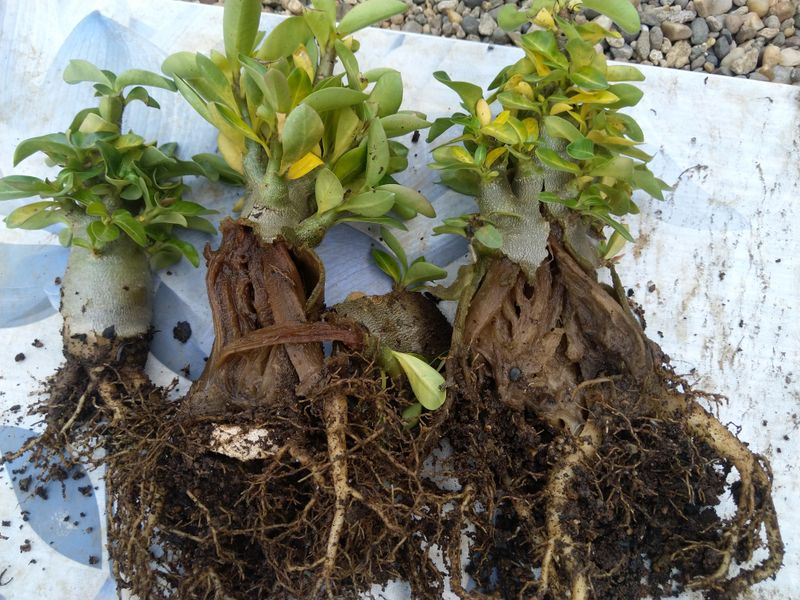
Roots need water, but they also need air.
That detail gets forgotten during monsoon season because the rain looks so helpful. When soil becomes saturated, water fills the pore spaces where oxygen usually sits. Roots suddenly have less air available, and stressed plants can react fast.
That is why a plant may wilt in wet soil after a hard storm.
It is not being dramatic for fun, although tomatoes do enjoy a performance. The roots may be struggling to breathe while surrounded by more moisture than they can use.
Sandy soils usually drain quickly enough to avoid long trouble. Clay-heavy spots, compacted beds, and caliche layers hold water longer and make the oxygen squeeze worse.
Vegetables, herbs, and young transplants often show stress first.
Yellowing leaves, limp growth, or sudden decline after a storm can point to poor drainage rather than thirst.
Check the soil before adding more water. Wet soil plus more irrigation can stretch the problem longer.
Raised beds help by lifting roots above the saturation zone. Slightly sloped bed surfaces also move stormwater away from crowns and stems.
For trees and shrubs, avoid planting too deep, because a buried crown in wet soil invites trouble.
After a big monsoon, patience matters. Let the soil drain, let roots breathe again, and resist the urge to fix wet soil with the hose.
7. Weeds Wake Up After The Soak
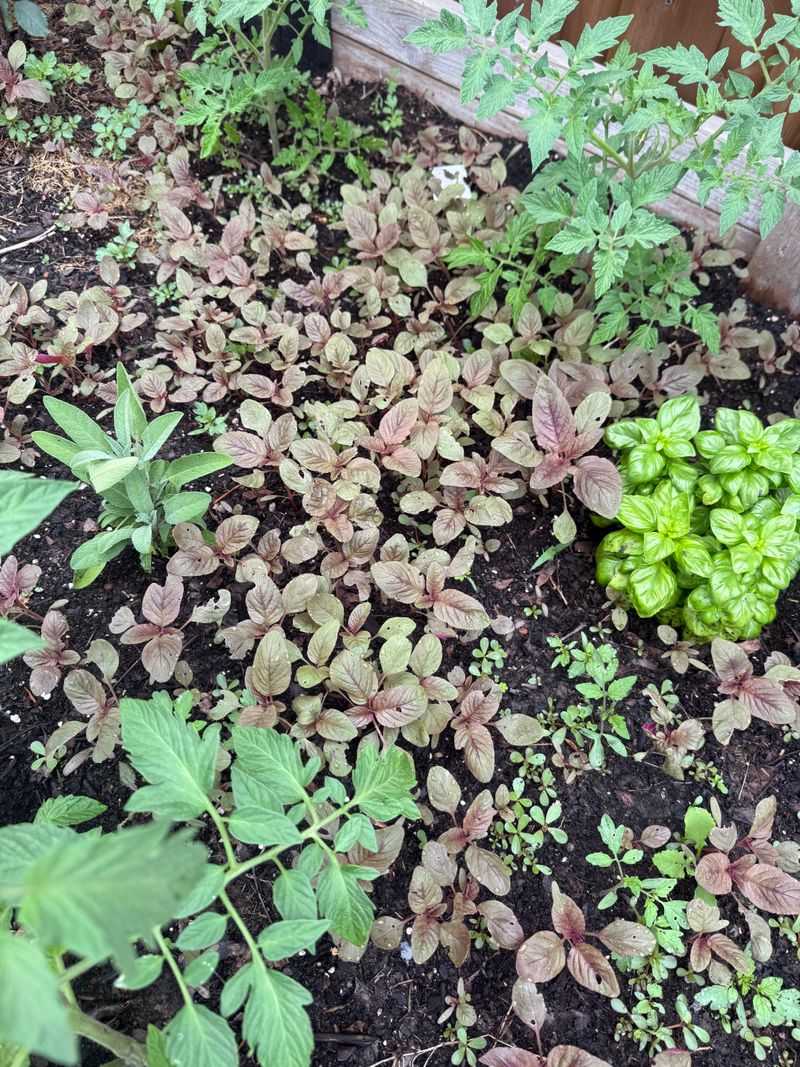
Arizona weed seeds have patience that feels almost personal.
They sit through brutal heat, dry soil, and months of nothing, waiting for one good monsoon soak. Then, seemingly overnight, the yard grows a green fuzz you absolutely did not invite.
July rain is the starting bell.
Puncturevine, spurge, amaranth, Bermuda grass, and plenty of other opportunists can germinate quickly once warm soil finally gets moisture. The first flush may look harmless because the seedlings are tiny.
That is the best moment to act.
Small weeds pull easily from damp soil. A stirrup hoe, hand hoe, or quick pass with gloved hands can clear hundreds of seedlings before they anchor deeply.
Wait two weeks, and the same patch becomes a sweaty Saturday problem with opinions.
Mulch helps by blocking light from the soil surface. Three to four inches of coarse mulch can reduce germination and make any survivors easier to spot.
Walk the yard forty-eight hours after a storm and again a few days later. Focus on gravel edges, vegetable paths, bare soil, and the downhill side of beds where seeds collect with runoff.
Do not let the first green wave set the tone for fall.
Monsoon weeds are fast, but early gardeners are faster. Catch them small, and the whole yard feels much less bossy by September.
8. Basins Show Where Water Belongs
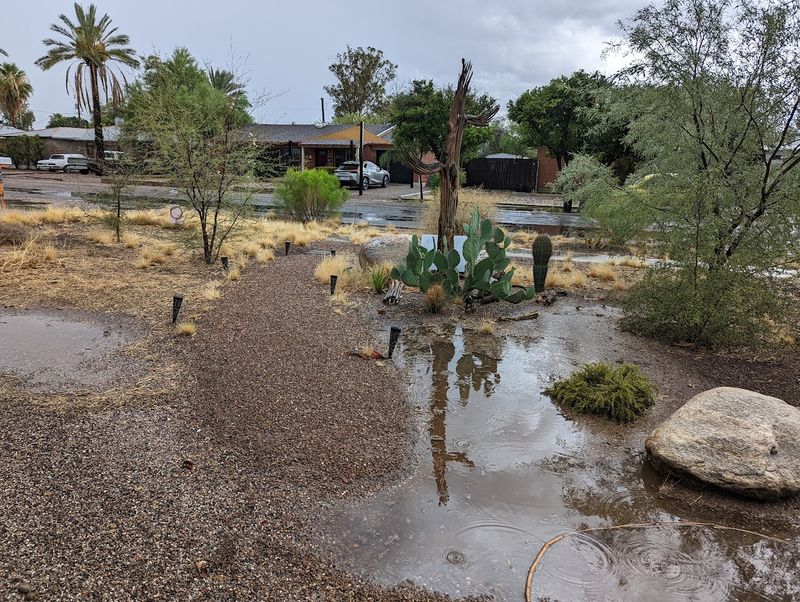
A puddle after a monsoon is not just a nuisance.
It is a map.
Low spots, runoff paths, downspout splash zones, and damp rings around trees all show where water naturally wants to travel. Arizona gardeners who pay attention to those clues can turn storm chaos into a useful watering plan.
Walk the yard after a safe, finished storm and watch where moisture lingers.
A shallow puddle near a tree may show a good place for a basin. Water racing past a shrub may show where a small berm could slow the flow. A muddy strip along a path may reveal a drainage route that needs better direction.
Basins work especially well around desert trees and shrubs.
A low ring of soil, often four to six inches tall, can hold rain long enough for it to soak in near the root zone. Keep the basin wide, not tight against the trunk. Water belongs over the roots, not piled around bark.
Downspouts can also feed planted basins when the grade allows it.
That turns roof runoff into a resource instead of a driveway flood.
Watch how fast each basin drains. Water that sits too long may point to compaction or caliche beneath the surface.
The monsoon is messy, loud, and occasionally ridiculous. Still, it tells the truth about your soil. Follow the water, and the garden gets smarter every July.