These Are The Arizona Plants That Protect Your Home From Scorpions At The Foundation
Scorpions always seem to appear in the places people least expect. One may turn up near the front door, another along a wall, or one might be spotted moving through the narrow space beside the house after dark.
Those encounters are often enough to make people pay closer attention to the area around the foundation.
The plants growing closest to the home can play a bigger role than many realize. Dense growth and crowded planting areas create more places for pests to hide during the day.
A more open foundation planting can make those spaces less appealing.
Arizona landscapes do not have to sacrifice beauty to create a less welcoming environment for scorpions. Some plants make it harder for scorpions to find shelter near the foundation without sacrificing curb appeal.
Choosing the right ones can make a noticeable difference around the home.
1. Society Garlic Produces A Strong Aroma Near Foundations
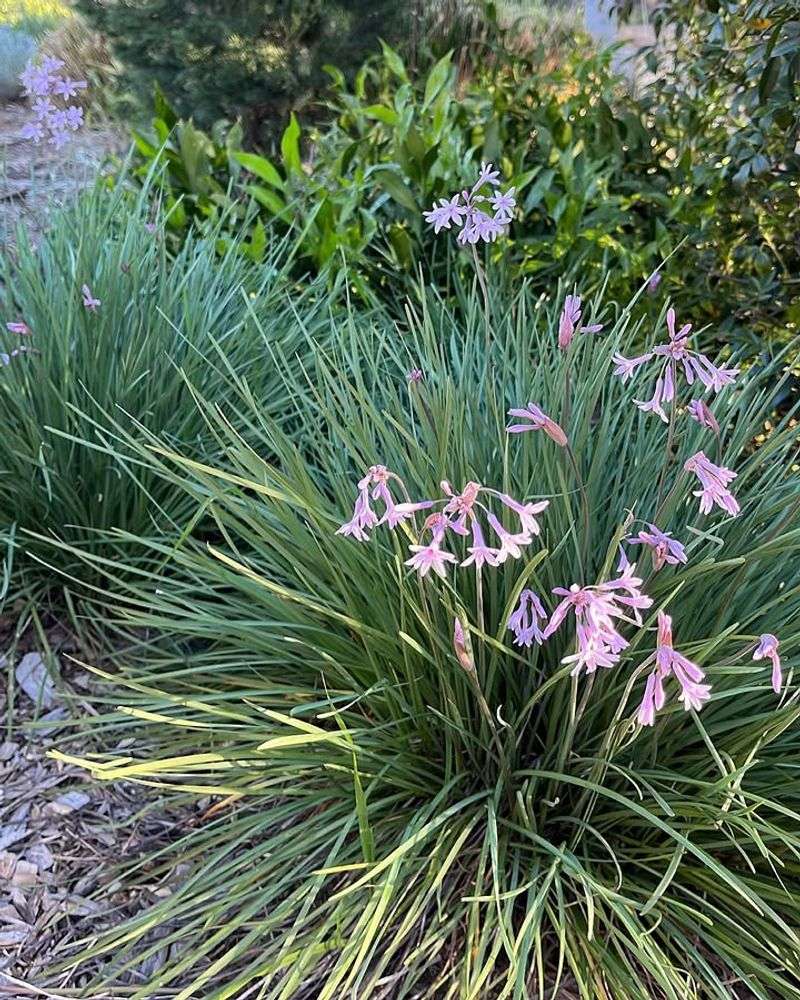
Few plants pull double duty quite like Society Garlic. It looks beautiful with soft purple blooms, but that sharp garlic scent near your foundation is what makes it worth planting.
Society Garlic releases a strong sulfur-based aroma from its leaves and roots. Insects tend to avoid areas where that scent is heavy.
Fewer insects near your foundation means fewer food sources drawing scorpions in.
Plant it close to the base of exterior walls for the best effect. It grows in tight clumps, so spacing plants about 18 inches apart creates a solid fragrant border.
It handles full sun and dry soil really well.
Watering needs are low once established. In desert climates, it actually performs better with minimal irrigation.
Overwatering can cause root rot, so lean on the dry side.
Society Garlic grows about 18 to 24 inches tall. That height keeps the scent at ground level, right where you need it most.
Trim it back occasionally to keep it tidy and encourage fresh growth.
One thing worth noting: the scent is strongest when leaves are crushed or brushed. Planting it where foot traffic occasionally grazes it can help release that aroma more consistently.
It is a reliable, drought-tolerant choice that earns its spot along any desert home foundation.
A dense planting can also help reduce open hiding spots right along the foundation where scorpions tend to travel.
2. Citronella Geranium Releases A Noticeable Citrus Scent
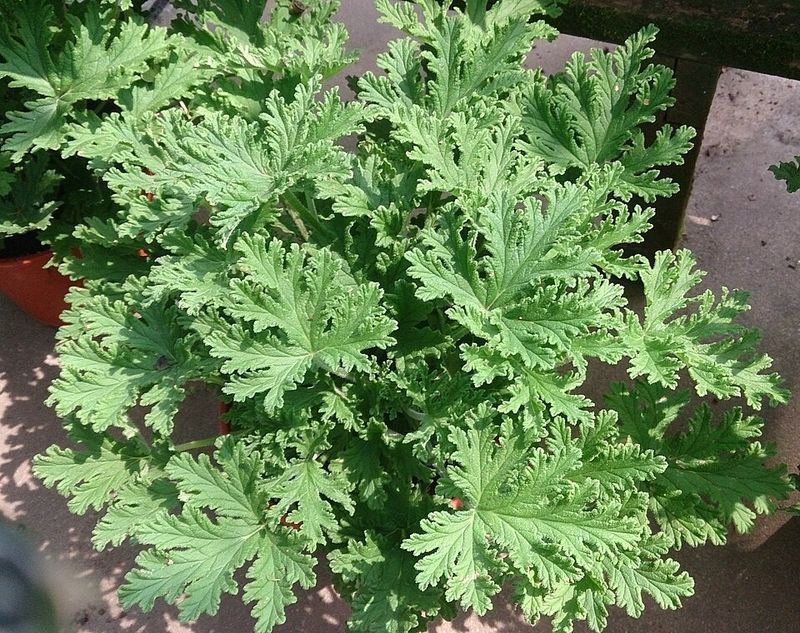
Walk past a Citronella Geranium and you immediately notice that sharp, lemony punch. It is not subtle.
That strong citrus scent is exactly why it earns a spot along home foundations.
Technically called Pelargonium citrosum, this plant releases its aroma through glands in the leaves. Brushing the foliage releases an even stronger burst.
Planted near entry points, it creates a fragrant barrier bugs tend to avoid.
Scorpions hunt insects, so disrupting insect activity near your foundation indirectly reduces scorpion attraction. Citronella Geranium is one of the easier ways to do that naturally.
It works best when planted in groups rather than as single specimens.
Hot, sunny spots suit it perfectly. It actually thrives in the kind of intense heat that breaks down other plants.
Your Arizona Garden Changes Every Week. Your Plan Should Too.
Gardening in Arizona changes quickly throughout the season. Every Friday you’ll receive a simple weekly plan showing exactly what to plant, prune, fertilize, harvest, and protect so you never miss the right timing.
Sandy or well-draining soil is ideal, and it handles drought reasonably well once established.
Container planting works great if you want flexibility. Pots can be moved right against the foundation during warmer months when pest activity spikes.
Just make sure drainage holes are clear so roots do not sit in water.
Keep in mind that no plant completely stops scorpions on its own. Citronella Geranium is one layer of a broader strategy.
Paired with sealing foundation cracks and reducing moisture, it becomes a genuinely useful part of your pest management routine.
3. Rue Has A Distinctive Fragrance In Hot Weather
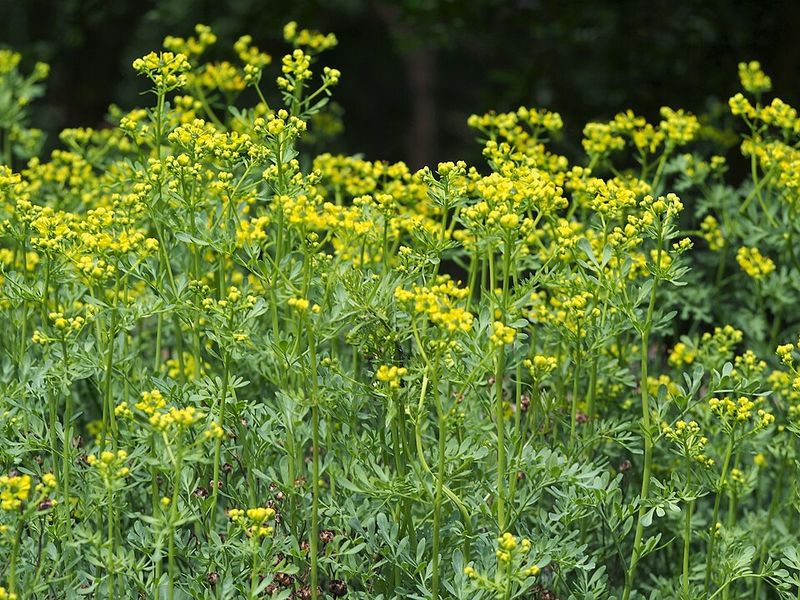
Rue has been used as a pest-deterrent herb for centuries. Old-school gardeners swore by it, and modern desert gardeners are rediscovering why.
In hot weather, Rue releases a sharp, bitter aroma from its blue-green foliage. That scent intensifies under direct sun.
Near a foundation in a warm climate, the smell becomes a consistent presence that many insects find repellent.
Plant Rue in full sun and well-draining soil. It handles rocky, poor soil better than most herbs.
Dry conditions actually concentrate the essential oils in the leaves, which makes the scent stronger during peak heat.
Space plants about 18 to 24 inches apart along the foundation line. Rue grows into a compact, rounded shrub reaching about two feet tall.
That low, dense form keeps the fragrant foliage right at ground level where it counts.
One important heads-up: Rue sap can cause skin irritation in some people, especially in sunlight. Wear gloves when trimming or handling it.
That is a real limitation worth knowing before planting it in a high-traffic area.
Despite that caution, Rue earns its place in a foundation planting plan. It is extremely drought tolerant, requires almost no fertilizing, and stays evergreen in mild winters.
Scorpions follow insects, and Rue helps push insects away from the areas where you least want them gathering.
Its compact shape also leaves fewer shaded pockets along the foundation, making the area less inviting for insects seeking shelter.
4. Marigolds Produce A Strong Garden Scent
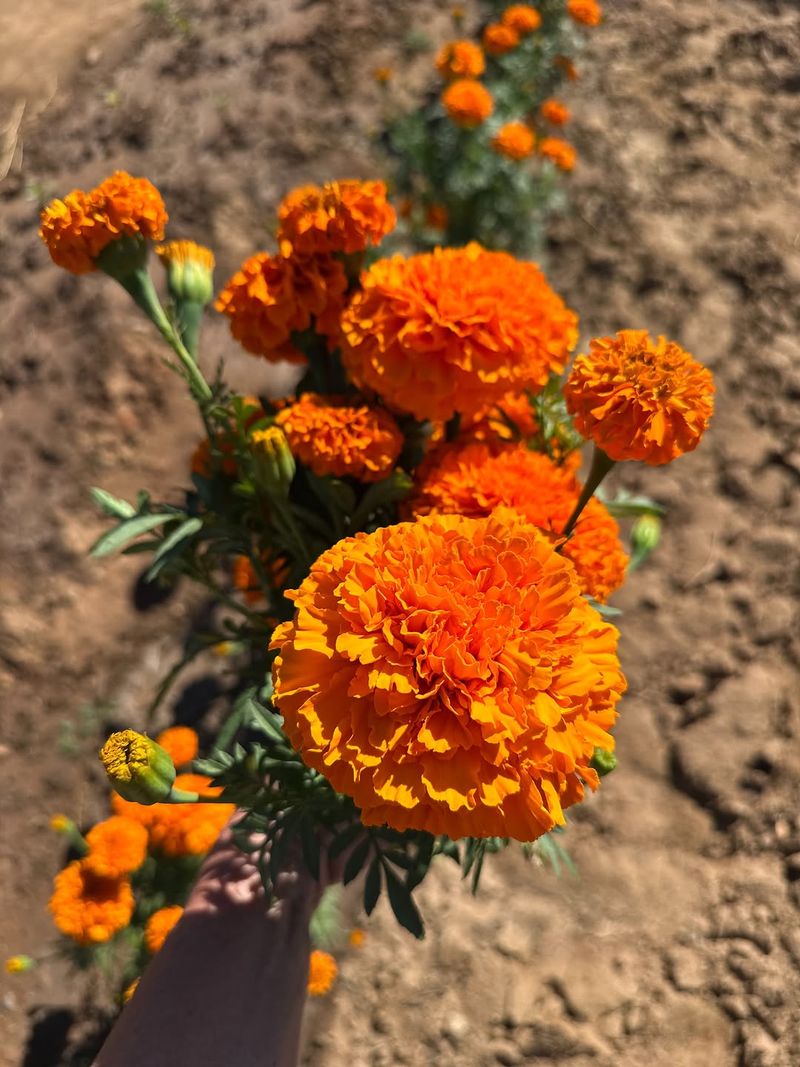
Marigolds are probably the most recognized pest-deterrent plant in any garden. That familiar sharp, almost medicinal scent is the reason they keep showing up in foundation plantings across warm climates.
Terpene compounds in marigold foliage and blooms create a strong smell that many insects actively avoid. Reduced insect activity near your foundation means fewer reasons for scorpions to patrol that zone.
It is a straightforward chain reaction.
African Marigolds, the tall variety, tend to have the strongest scent. French Marigolds are smaller but still effective and work well in tighter foundation beds.
Either type thrives in full sun with moderate watering.
Plant them close together for a dense fragrant line. Six to eight inches apart creates a solid border that looks good while working hard.
Deadhead spent blooms regularly to keep plants producing fresh flowers and maintaining that scent output.
Marigolds are warm-season annuals in most climates, meaning they will need replanting each year. In very mild desert winters, they sometimes survive longer than expected, but plan for seasonal replanting to keep the border consistent.
They are inexpensive, widely available, and easy to grow from seed or transplant. For a budget-friendly foundation planting that adds color and a functional scent barrier, Marigolds are hard to beat.
Just keep them watered during the hottest stretches to prevent early stress.
5. Mexican Oregano Thrives With Fragrant Leaves
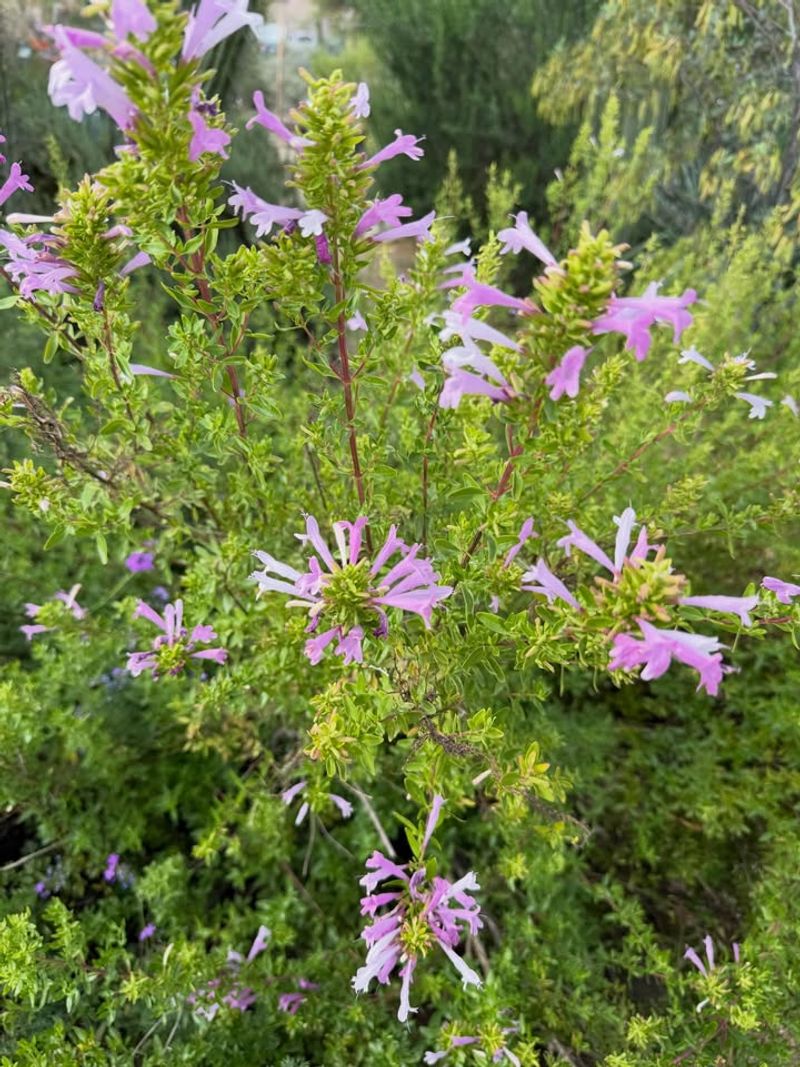
Mexican Oregano is not the same as Italian oregano from the grocery store. It is a woody shrub built for heat, drought, and tough desert conditions, and its leaves pack a serious aromatic punch.
Lippia graveolens, its botanical name, produces leaves loaded with essential oils. Crush a leaf and the smell hits hard, sharp, and herbal.
Planted densely along a foundation, that scent becomes a consistent sensory barrier that insects tend to steer around.
It grows well in full sun and thrives in alkaline, rocky soil, which is exactly what many desert yards offer. Once established, it needs very little supplemental water.
In fact, overwatering weakens the plant and dilutes its natural oils.
Mexican Oregano can reach four to six feet tall if left unpruned. Keeping it trimmed to two or three feet creates a tighter, more manageable foundation border.
Pruning also encourages new leafy growth, which is where the strongest scent concentration lives.
Pollinators love the small flowers it produces in warm months. That is a bonus for the garden overall, even if it is not directly related to pest deterrence.
Worth noting: scent alone does not guarantee scorpion avoidance. Mexican Oregano works best as part of a layered approach.
Combine it with foundation sealing and moisture control for a genuinely practical pest management strategy that holds up over time.
6. Artemisia Produces Strongly Scented Silver Foliage
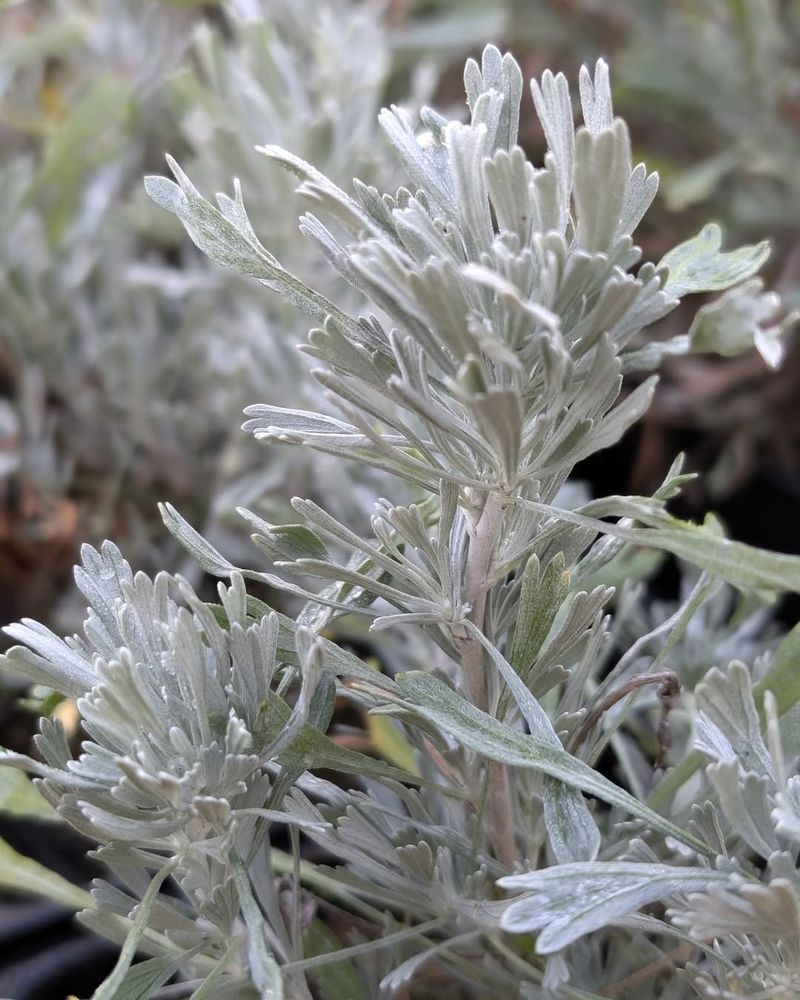
Silver, feathery, and intensely fragrant, Artemisia stands out in any foundation planting. That striking foliage is not just decorative.
It contains strong volatile compounds that create a powerful scent barrier in hot weather.
Camphor and other aromatic chemicals in Artemisia leaves become especially potent under direct sun. In a hot climate, the plant almost continuously releases scent into the surrounding air.
Insects that rely on smell to navigate often avoid areas saturated with that kind of chemical presence.
Several varieties work well in dry landscapes. Artemisia ludoviciana, sometimes called Silver Wormwood, is a common choice.
Powis Castle is another popular cultivar with beautiful mounding silver growth that stays compact near foundations.
Plant in full sun with excellent drainage. Sandy or gravelly soil suits it perfectly.
Artemisia genuinely struggles in clay or wet conditions, so amending the soil before planting is worth the effort if drainage is questionable.
It spreads moderately through underground runners, which can fill in a foundation border nicely over time. If spreading becomes excessive, a simple root barrier solves the problem without much hassle.
Pruning back hard in late winter encourages fresh, strongly scented new growth. That fresh growth carries the highest concentration of aromatic oils.
For a low-water, high-impact foundation planting that works visually and functionally, Artemisia is one of the most reliable options available in desert gardening.
7. Curry Plant Releases A Distinct Herbal Aroma In Heat
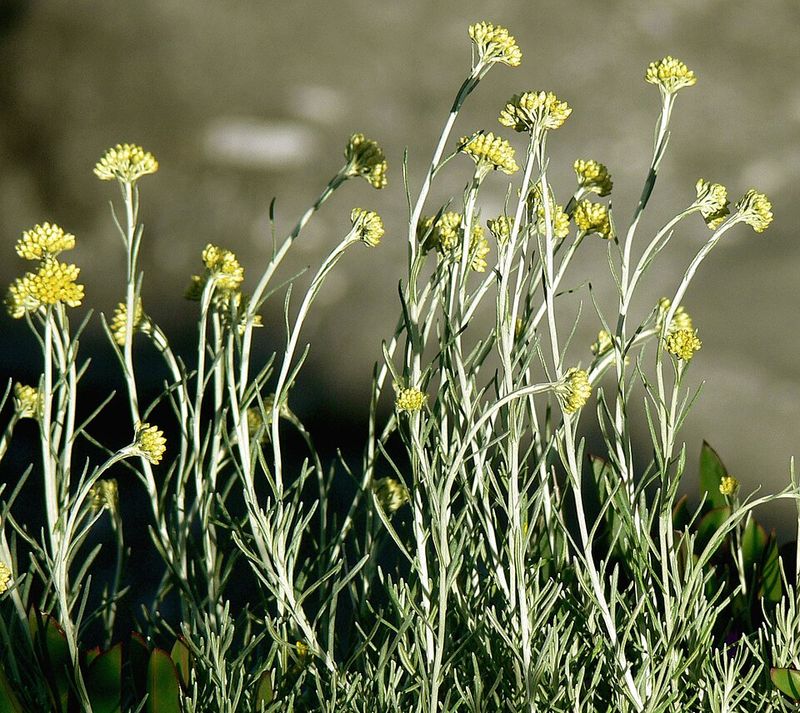
Helichrysum italicum, commonly called the Curry Plant, smells exactly like what its name suggests. Step near it on a hot afternoon and the warm, spiced herbal scent is unmistakable.
That aroma comes from a rich blend of essential oils concentrated in its narrow, silvery leaves. Under intense heat, those oils volatilize and release into the surrounding air.
Near a foundation, that creates a zone of scent that many insects find disorienting or unattractive.
Curry Plant is a Mediterranean native, which means it is already adapted to hot, dry, and rocky conditions. It performs very well in desert landscapes with minimal care.
Full sun and sharp drainage are the two things it genuinely needs to thrive.
It grows into a compact mound, usually 18 to 24 inches tall and wide. That tidy form makes it easy to use in a foundation border without crowding other plants.
Small yellow button flowers appear in summer and add a cheerful touch to the planting.
Watering once or twice a week during the hottest months is usually enough. Established plants can stretch longer between waterings.
Avoid wetting the foliage when irrigating, as moisture sitting on the leaves can cause problems in humid stretches.
Curry Plant is not always easy to find at local nurseries, but specialty herb growers and online sources carry it reliably. Its scent output in heat makes it a genuinely interesting addition to a desert foundation planting strategy.
8. Lemon Verbena Produces Highly Aromatic Foliage
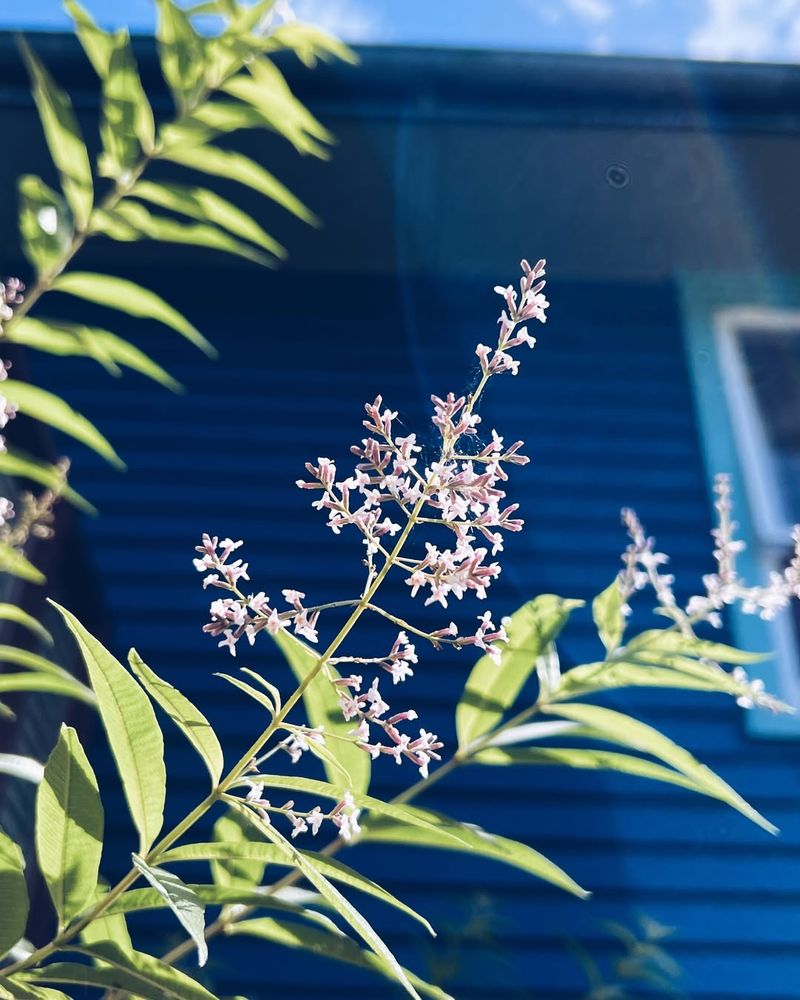
Lemon Verbena might have the strongest leaf scent of any plant on this list. Rub a single leaf between your fingers and the bright, clean lemon fragrance is almost overwhelming in the best way.
Aloysia citrodora produces that scent through a high concentration of citral, the same compound that gives lemon peel its sharp smell. In hot weather, the plant releases that citrus aroma passively into the air around it.
Planted along a foundation, it creates a strongly scented zone that many insects avoid.
It grows as a woody shrub and can reach four to six feet tall in warm climates. Regular trimming keeps it manageable and actually encourages fresh, highly aromatic growth.
New leaves carry a stronger scent than older, woody stems.
Full sun and well-draining soil are essential. It handles heat well but does appreciate deep watering once or twice a week during peak summer temperatures.
Mulching around the base helps retain soil moisture without keeping roots constantly wet.
Lemon Verbena is frost-sensitive, so in areas with occasional cold snaps, it may lose leaves and temporarily go dormant.
It usually recovers from the roots when temperatures warm again. Protecting the root zone with mulch over winter helps it bounce back faster.
Beyond pest deterrence, the leaves are edible and commonly used in teas and cooking. Planting it near your foundation gives you both a functional aromatic border and a useful culinary herb within easy reach.