How Oregon Gardeners Should Water Hydrangeas During A Heat Wave To Prevent Leaf Scorch
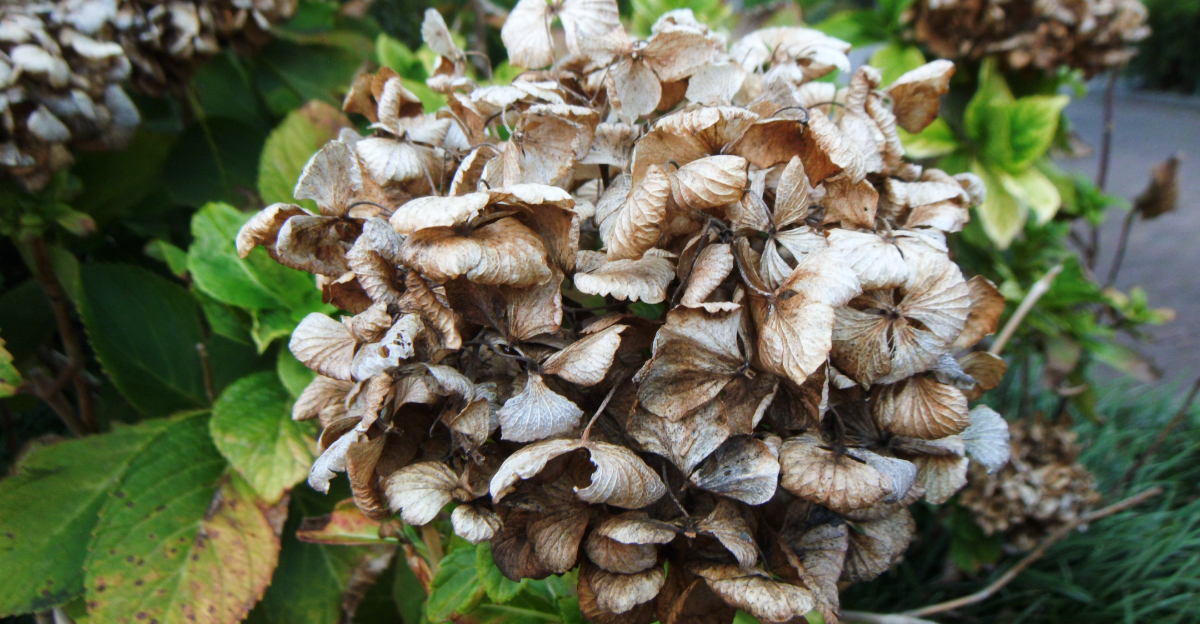
Oregon hydrangeas can look dreamy until a heat wave turns them into crispy drama queens. Big leaves lose moisture fast, and shallow watering only makes the problem worse.
When the weather gets rude, hydrangeas need slow, deep drinks that reach the root zone before the day gets hot. A quick splash over the top may feel helpful, but wet leaves and dry roots are a terrible combo.
The goal is steady soil moisture, not a daily panic soak at noon. Water early, aim low, mulch well, and check the soil before assuming the plant is fine.
Leaf scorch can happen fast in hot wind and afternoon sun, but smart watering gives hydrangeas a fighting chance.
With the right routine, those big blooms can survive summer without looking like they lost a fight with July.
1. Water Early Before Leaves Start Wilting
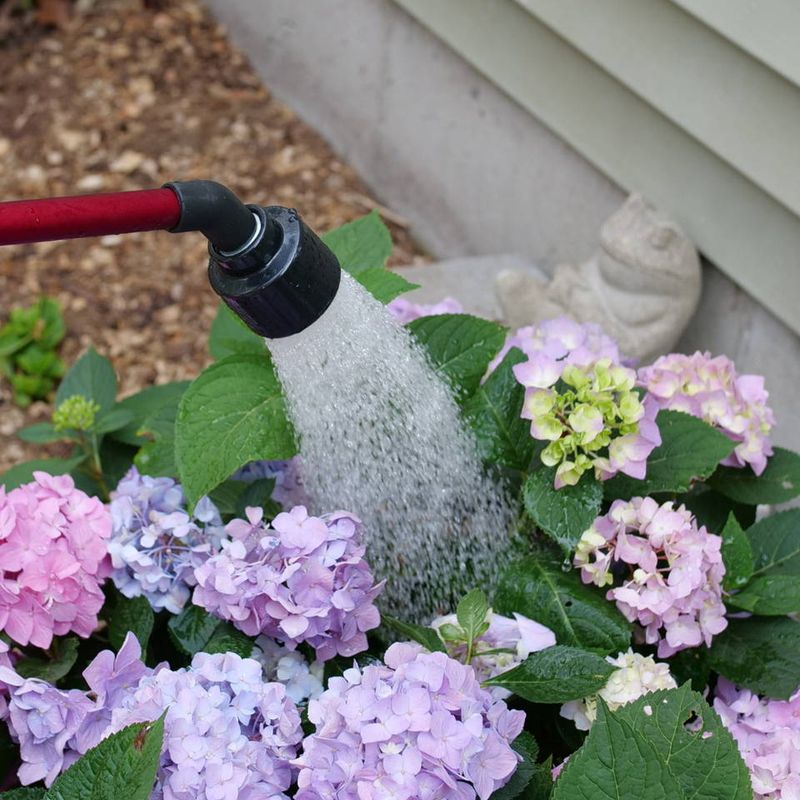
Morning is the magic window for watering hydrangeas during a heat wave. Getting water to the roots before the sun climbs high gives the plant time to absorb moisture before temperatures peak.
Most gardeners wait until they see drooping leaves, but by then, the plant is already under serious stress.
Watering before 9 a.m. is the sweet spot. The soil is still cool, which helps water soak in rather than evaporate right off the surface.
Early watering also means the foliage has time to dry if any water accidentally hits the leaves, which lowers the risk of fungal problems.
Think of it like drinking a big glass of water before a long run instead of waiting until you feel dizzy. Your hydrangeas work the same way.
They store moisture in their cells to handle the heat of the afternoon. If they start the day fully hydrated, they can handle much higher temperatures without showing signs of stress.
In Oregon, summer mornings are usually still comfortable and cool, making it a pleasant time to be outside in the garden. Try setting a reminder or pairing your watering routine with your morning coffee.
Consistency is key during a heat wave. Missing even one morning session can set your plants back significantly when daytime temperatures are pushing past 90 degrees Fahrenheit.
2. Deep Soaks Beat Quick Sprinkling
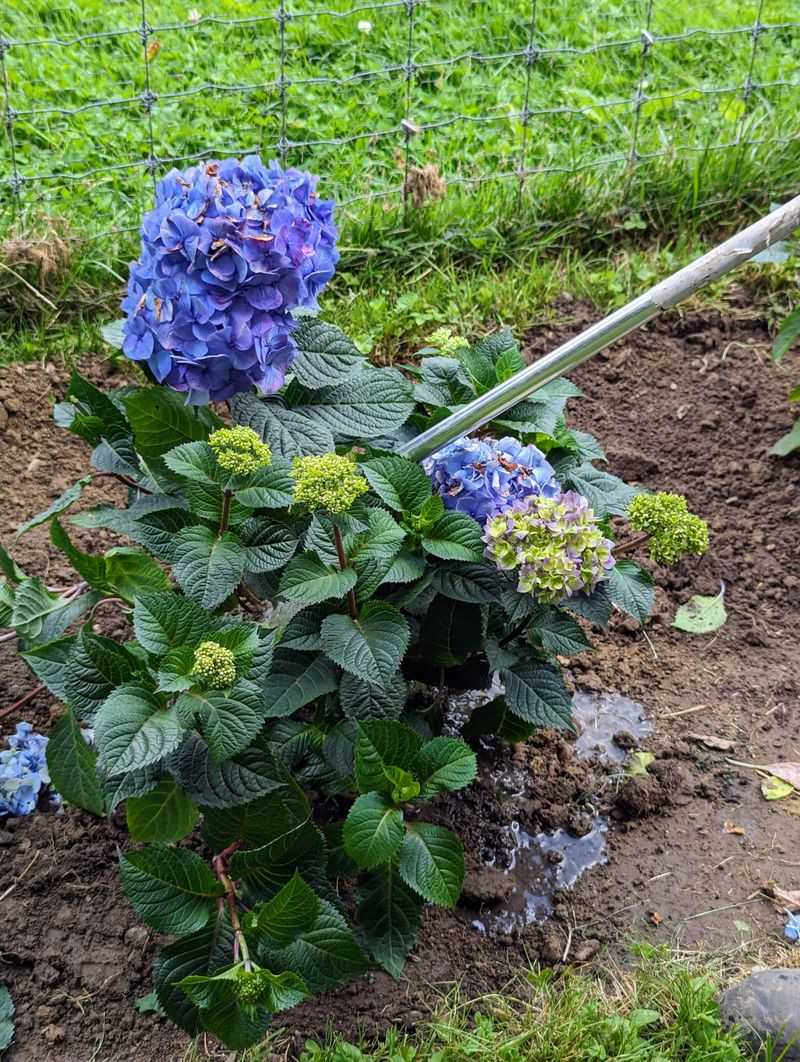
A quick splash of water might look helpful, but it barely reaches the roots where hydrangeas actually need it. Shallow watering trains roots to stay near the surface, which is exactly where soil dries out fastest during a heat wave.
Deep, slow watering encourages roots to grow down into cooler, more stable soil layers.
During hot weather, aim to water deeply at least every other day. Let the water run slowly for 20 to 30 minutes so it can penetrate 6 to 10 inches below the surface.
A soaker hose or drip irrigation system works really well for this because it delivers water slowly and directly to the root zone.
Here is a simple test: push a wooden skewer or your finger about 4 inches into the soil after watering. If it comes out dry, you need to water longer next time.
Your Oregon Garden Changes Every Week. Your Plan Should Too.
Gardening in Oregon changes quickly throughout the season. Every Friday you’ll receive a simple weekly plan showing exactly what to plant, prune, fertilize, harvest, and protect so you never miss the right timing.
If it comes out damp and cool, you are doing great. Hydrangeas have surprisingly deep root systems when they are properly established, and those deep roots are their best defense against heat stress.
Gardeners in Oregon sometimes assume that the famously rainy climate means they can get away with less effort in summer. But our dry season can be surprisingly harsh.
Committing to deep, thorough soaks during heat waves pays off big time in healthier plants with stronger root systems that bounce back faster after extreme temperatures pass.
3. Aim Water At The Root Zone
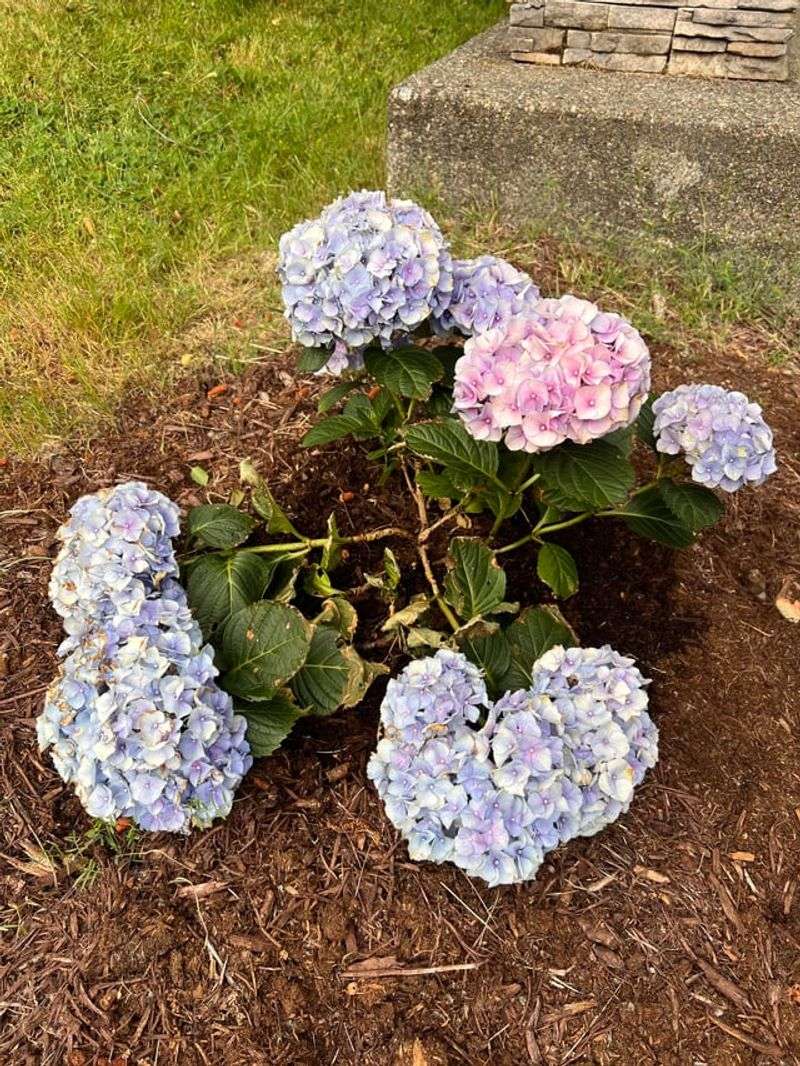
Spraying water all over the leaves of a hydrangea might feel satisfying, but it does not actually help the plant during a heat wave. Leaves cannot absorb water the way roots can.
Water sitting on foliage in hot weather can also act like a magnifying glass and contribute to scorching, especially if the droplets catch direct sunlight.
Always aim your hose or drip line directly at the base of the plant. The root zone typically extends out to the edge of the plant’s canopy, sometimes called the drip line.
Watering within that circle gives the roots the best chance to soak up what they need quickly and efficiently.
A helpful trick is to create a small shallow ring of soil around the base of the plant, almost like a tiny moat. This keeps water from running off and guides it straight down toward the roots.
It takes just a few minutes to set up and makes a noticeable difference in how well each watering session works.
During especially fierce heat waves across Oregon, every drop of water counts. Targeting the root zone also helps conserve water, which matters a lot during dry summers when water restrictions may be in effect.
Focused watering is smarter watering, and smart watering is what keeps hydrangeas healthy when the heat is relentless. Small adjustments in technique can lead to big improvements in plant health over time.
4. Keep Leaves Dry During Hot Afternoons
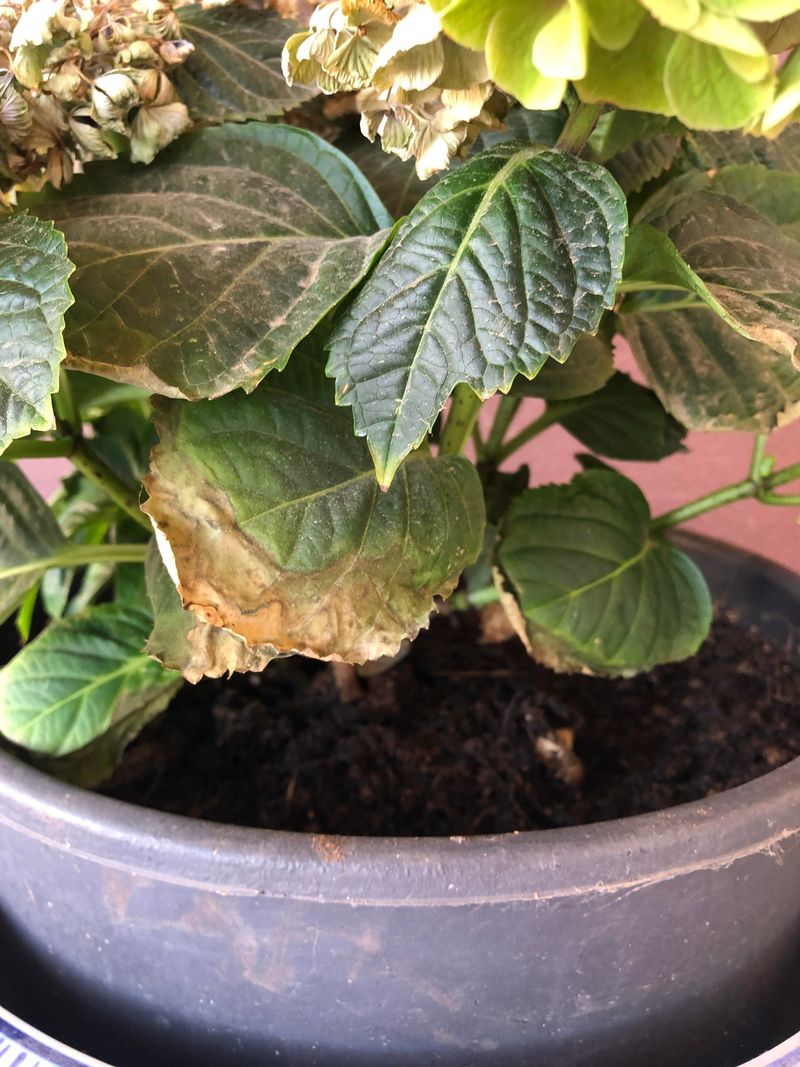
Wet leaves and afternoon sun are a bad combination for hydrangeas. When water droplets sit on leaves while the sun is blazing, they can intensify the heat and cause small burned patches that spread quickly.
This type of damage looks a lot like classic leaf scorch and can happen faster than most gardeners expect.
Try to avoid any kind of overhead watering after about 10 or 11 in the morning during a heat wave. If you use a sprinkler system, adjust the timer so it only runs early in the morning.
Hand watering in the afternoon should always be directed low, right at the soil, never at the foliage.
Some gardeners worry that their plants look wilted in the afternoon and feel the urge to spray the leaves to cool them down. While this can provide brief relief, it often causes more harm than good if the sun is still strong.
A better move is to add shade cloth temporarily or let the plant recover naturally as evening temperatures drop.
Hydrangeas are actually quite resilient. A little afternoon wilt is normal and does not always mean the plant is in serious trouble.
As long as the roots are well-hydrated from a morning watering session, most plants will perk back up once the sun starts going down.
Trusting the process and keeping leaves dry in the afternoon is one of the simplest ways to prevent scorch damage during a heat wave.
5. Mulch Before Soil Starts Baking
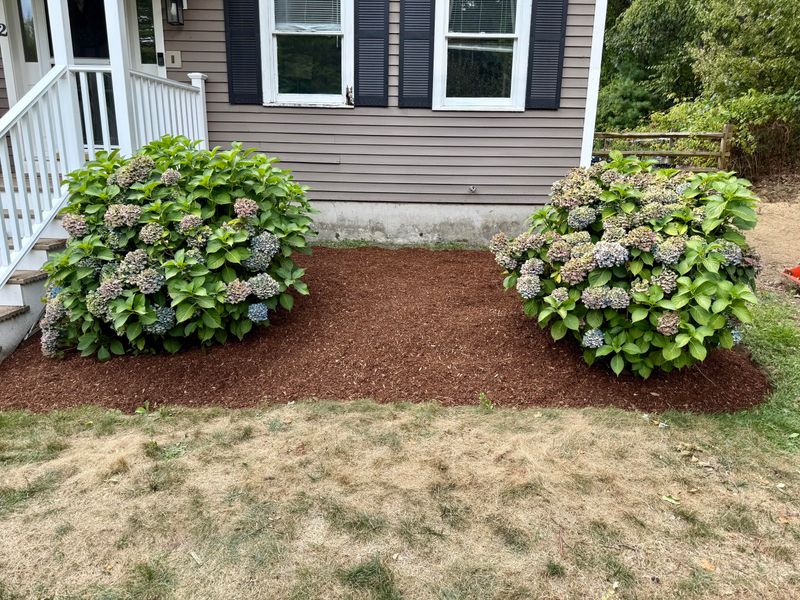
Mulch is one of the most underrated tools in a heat wave gardening plan. A thick layer of organic mulch spread around the base of your hydrangeas acts like a blanket for the soil, keeping moisture in and heat out.
Without it, bare soil can get scorching hot and dry out within hours on a 95-degree day.
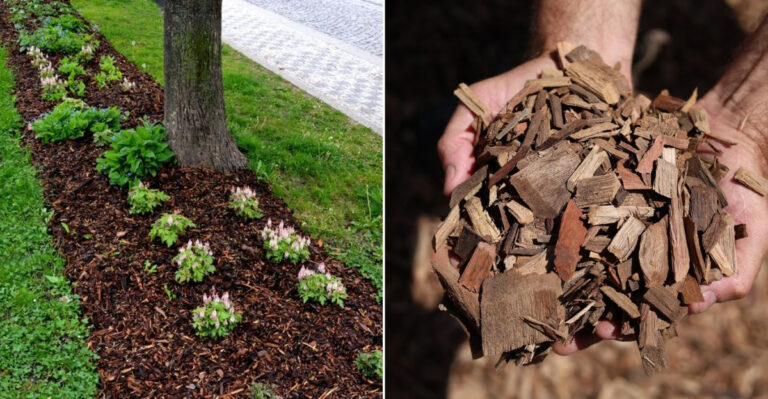
Aim for a mulch layer that is about 3 to 4 inches deep. Wood chips, shredded bark, straw, or compost all work well.
Spread the mulch out to the edge of the plant’s canopy, but keep it a few inches away from the main stem to allow for good air circulation and prevent rot.
Did you know that mulched soil can stay up to 10 degrees cooler than bare soil on a hot day? That temperature difference is huge for root health.
Cooler roots mean a plant that can keep pulling up water and nutrients even when the air temperature is brutal.
Mulch also slows evaporation dramatically, which means you may need to water less often even during extreme heat.
If you have not mulched yet and a heat wave is already in the forecast, do it right away. Even a quick application before temperatures peak can make a meaningful difference.
Oregon garden centers carry a variety of mulch options at affordable prices. It is one of the best investments you can make for your hydrangeas and your entire garden during summer.
6. Check Soil Before Watering Again
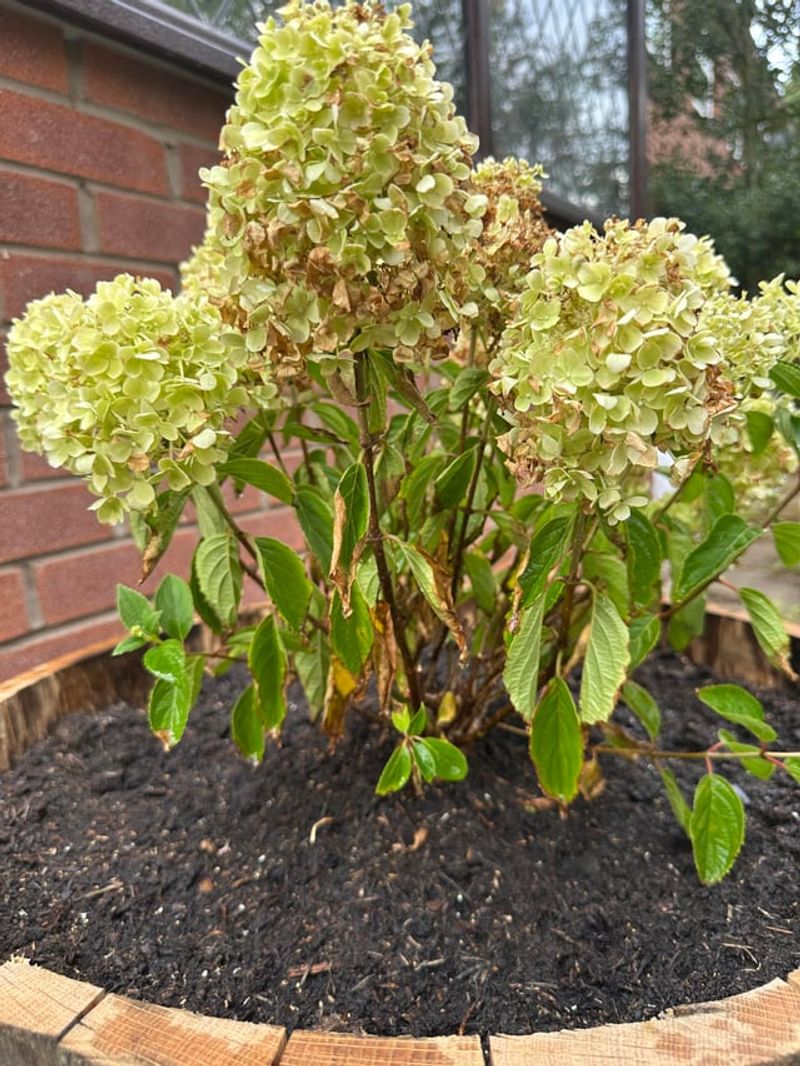
More water is not always better, even during a heat wave. Overwatering is a real problem that many well-meaning gardeners run into when they panic during hot weather.
Waterlogged roots cannot absorb oxygen, which stresses the plant just as much as drought does. The fix is simple: always check the soil before you water again.
Push your finger about 2 inches into the soil near the base of the plant. If it feels moist and cool, hold off on watering for another day.
If it feels dry and crumbly, it is time to water. This quick test takes about five seconds and can save you from making a costly mistake.
Clay-heavy soils, which are common in many parts of Oregon, hold moisture longer than sandy soils. Gardeners with clay soil may find that watering every other day is plenty, even during a heat wave.
Those with sandier soil or raised beds may need to water daily. Knowing your soil type helps you build a smarter watering schedule.
A soil moisture meter is another great tool if you want something more precise than the finger test. They are inexpensive and widely available at garden supply stores.
Simply insert the probe into the soil and read the moisture level on the dial. Keeping a simple watering log during heat waves can also help you spot patterns and adjust your routine before problems show up in your plants.
7. Potted Hydrangeas Need Daily Checks
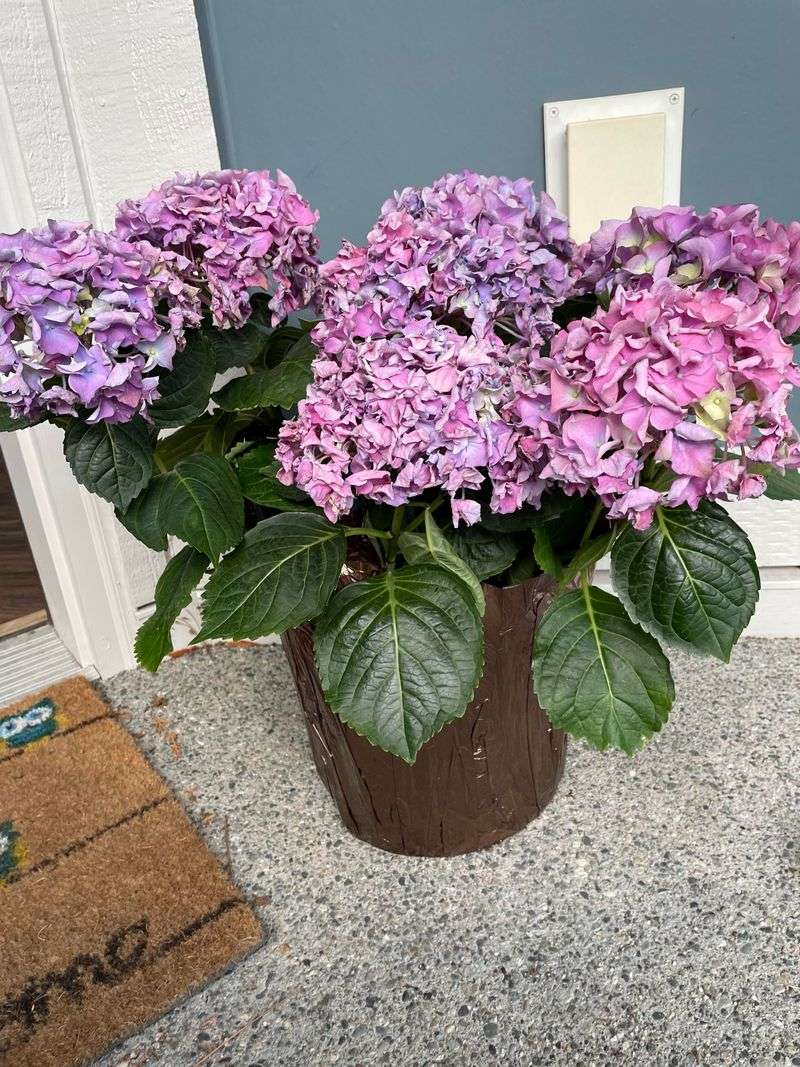
Container-grown hydrangeas are in a tougher spot than those planted in the ground. Pots heat up fast in direct sun and lose moisture much more quickly than garden soil.
During a heat wave, a potted hydrangea can go from perfectly watered to bone dry in less than a day. Daily checks are not optional when temperatures soar.
Every morning during a heat wave, check the top inch of soil in each pot. If it feels dry, water thoroughly until water drains freely from the bottom of the container.
This ensures the entire root ball gets hydrated, not just the top layer. Partial watering is one of the sneakiest causes of stress in container plants.
Pot color and material matter more than most people realize. Dark-colored pots absorb more heat and dry out faster.
If possible, move dark pots to a shadier spot or slip them inside a larger, lighter-colored container to create some insulation.
Unglazed terracotta pots are beautiful but lose water through their walls, so plants in terracotta may need watering twice a day in extreme heat.
Moving potted hydrangeas to a sheltered spot during a heat wave is perfectly fine and often the smartest move.
A shaded porch, a spot under a tree, or even a covered area on the north side of your home can reduce stress significantly.
Flexibility is one of the biggest advantages of container gardening, so use it to your plants’ benefit when the heat cranks up.
8. Afternoon Shade Helps More Than Extra Water
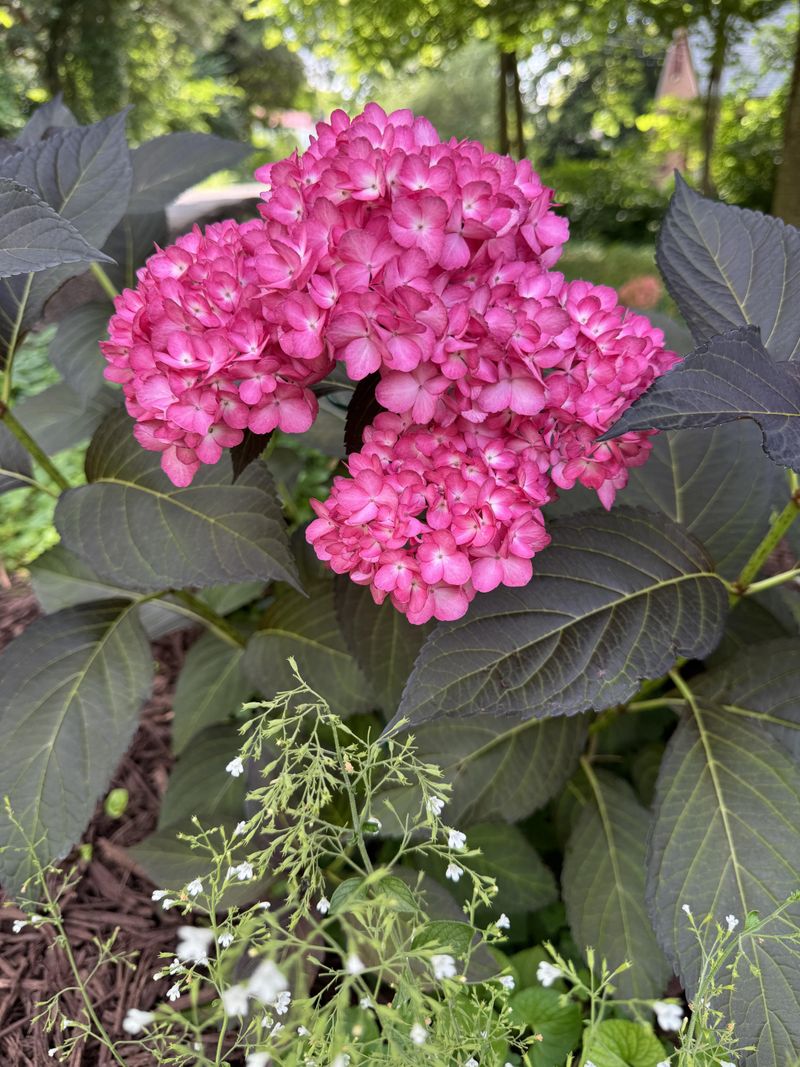
There is a limit to what water alone can do during extreme heat. Even perfectly watered hydrangeas can suffer leaf scorch if they are exposed to direct afternoon sun for hours on end.
Shade during the hottest part of the day, roughly between noon and 4 p.m., can reduce plant stress more effectively than any amount of extra watering.
Planting hydrangeas on the east side of a building, fence, or large tree is ideal in our climate.
They get bright morning sun, which they love, and natural shade in the afternoon, which protects them from the most intense heat.
If your hydrangeas are already planted in a full-sun spot, temporary shade cloth can be a lifesaver during a heat wave.
Shade cloth with a 30 to 50 percent density rating works well for most hydrangea varieties. You can drape it over a simple frame made from PVC pipes or garden stakes.
It takes about 15 minutes to set up and can be removed once temperatures return to normal. Many gardeners in warmer parts of Oregon keep shade cloth on hand specifically for heat emergencies.
Afternoon shade also reduces water loss through the leaves, which is called transpiration. When a plant is in the shade, it loses water more slowly, which means its internal moisture lasts longer.
Combining strategic shade with smart watering is the most effective one-two punch for keeping hydrangeas healthy and beautiful during the hottest weeks of summer.
9. Don’t Prune Scorched Leaves Too Soon
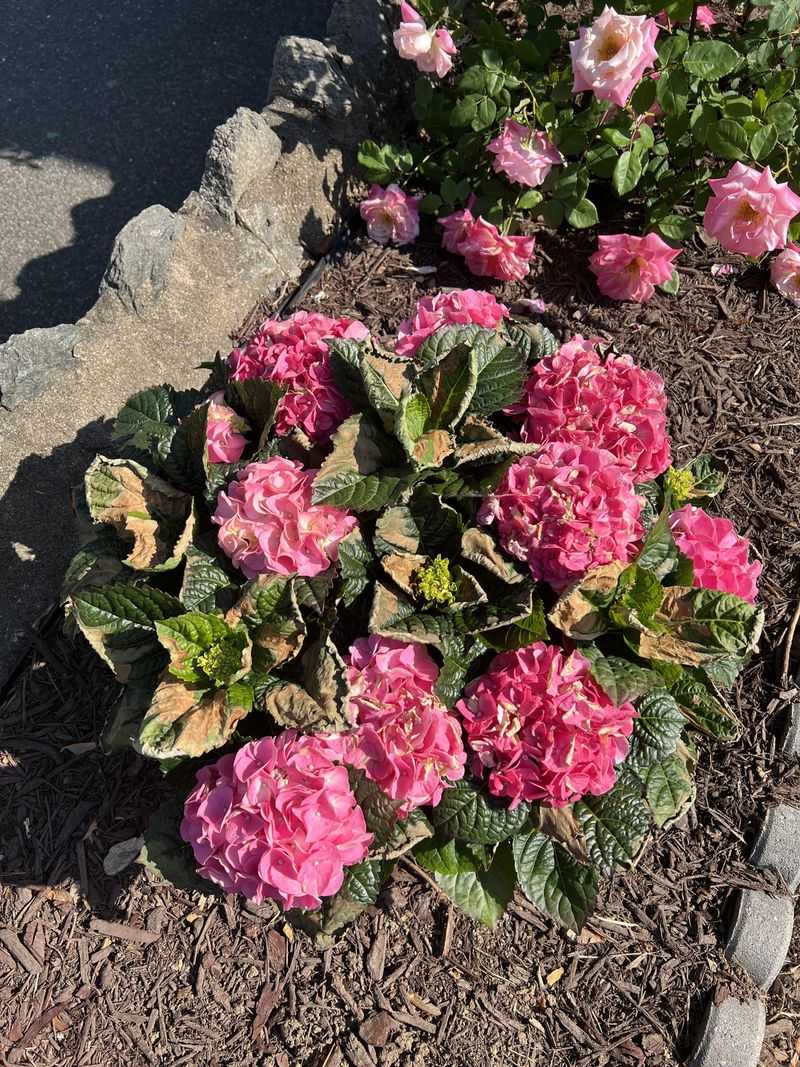
After a heat wave passes, it can be tempting to grab your pruning shears and cut off every brown, crispy leaf you see. Resist that urge, at least for a few weeks.
Scorched leaves, even ugly ones, still serve a purpose. They protect the healthier tissue underneath from sun exposure while the plant recovers its strength.
Removing too much foliage too soon puts extra stress on a plant that is already working hard to bounce back. Wait until you see clear signs of new healthy growth before you start cleaning things up.
Once you see fresh green leaves emerging, it is safe to remove the most damaged foliage without causing additional setbacks.
When you do prune, use clean, sharp shears and make cuts just above a healthy leaf node or bud. Avoid tearing or ripping damaged leaves off by hand, as this can leave ragged wounds that invite disease.
A light trim is usually all that is needed. You do not have to remove every imperfect leaf to help the plant look better and grow stronger.
After heat wave damage, focus on supporting recovery rather than perfection. Resume your regular watering schedule, keep the mulch topped up, and give the plant time to heal.
Most hydrangeas are remarkably tough and will push out fresh growth within a few weeks of a heat event. By late summer or early fall, many plants look nearly as good as they did before the heat wave hit.