Michigan Gardeners Are Pulling Out Their Liriope And Planting These Ground Covers Instead
Liriope arrived in Michigan gardens as a tidy, low-maintenance ground cover solution and delivered on that promise well enough to become a landscape staple across the state.
What became clear over time is that it sits at the edge of winter hardiness in Michigan’s coldest zones, emerging from brutal winters looking ragged and brown in ways that require significant cleanup before it recovers any visual appeal.
Beyond the cold hardiness issue, it contributes almost nothing to the local ecosystem and spreads slowly enough to leave gaps that weeds fill without hesitation.
Michigan gardeners who have pulled it are finding replacements that handle the winters honestly, cover ground more effectively, and do something genuinely useful for the landscape while they are at it.
1. Pennsylvania Sedge
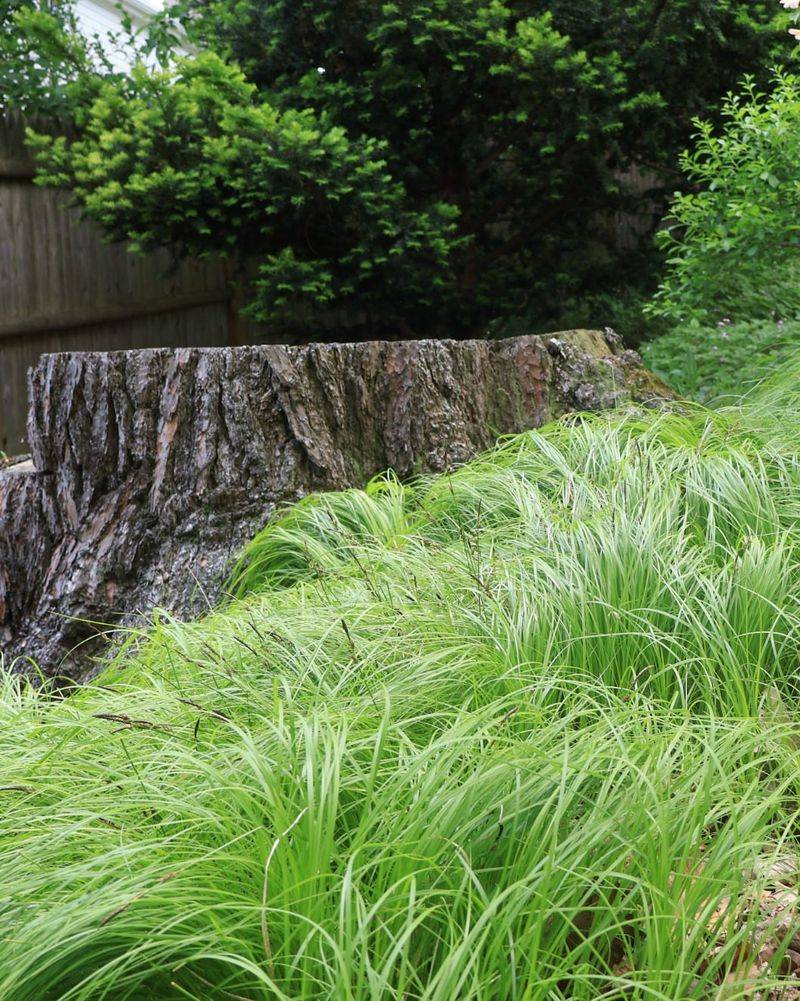
Soft, airy, and surprisingly tough, Pennsylvania sedge is one of those plants that makes a shaded garden feel like a quiet forest floor. It is a native sedge, not a true grass, but it looks so similar that most people do a double take the first time they see it.
That grass-like texture is actually one of its biggest selling points for Michigan gardeners who want a natural, low-maintenance look without fighting their landscape.
Pennsylvania sedge grows well in dry to medium shade, which makes it a strong candidate for spots under mature trees where other plants tend to struggle.
It forms loose, open colonies rather than a thick, instant carpet, so the effect is softer and more organic.
That relaxed spreading style suits woodland-style beds, shaded paths, and areas beneath large canopy trees where the soil tends to stay dry.
Unlike liriope, which can look stiff and out of place in naturalistic gardens, Pennsylvania sedge fits right in. It moves gently in a breeze, stays relatively low, and requires very little fussing once it gets established.
Mowing it back once a year in early spring keeps it looking fresh and tidy.
Gardeners who want texture in their shade beds rather than a solid, dense mat will find Pennsylvania sedge incredibly satisfying. It spreads slowly through rhizomes, so it fills in gradually without becoming pushy or invasive.
For a native, low-effort alternative to liriope, this one earns its place in any shade garden without question.
2. Wild Ginger
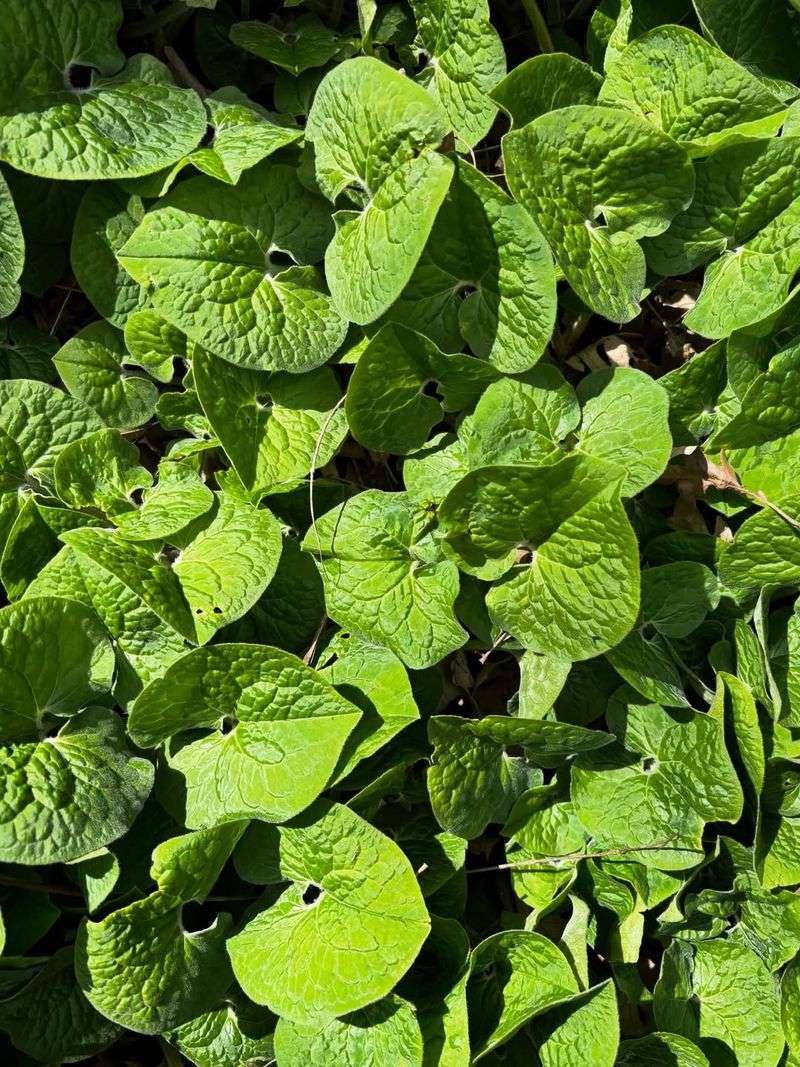
There is something almost magical about wild ginger. Its broad, heart-shaped leaves overlap in a way that creates a lush, full carpet on the woodland floor, and the effect is both striking and deeply natural.
Michigan gardeners who want a shade ground cover that looks like it belongs in a fairy tale setting will find wild ginger hard to resist once they see it thriving beneath a canopy of trees.
This native plant spreads slowly by rhizomes, gradually filling in shaded areas with a rich, dense layer of foliage.
It prefers moist, well-drained soil with plenty of organic matter, which makes it a great fit for garden beds that have been amended with compost or leaf mulch.
Once established, it holds moisture in the soil and helps keep weeds from taking hold, which is a big bonus for anyone tired of constant maintenance.
Your Michigan Garden Changes Every Week. Your Plan Should Too.
Gardening in Michigan changes quickly throughout the season. Every Friday you’ll receive a simple weekly plan showing exactly what to plant, prune, fertilize, harvest, and protect so you never miss the right timing.
Wild ginger is not a plant in a rush. It takes a season or two to really get going, but once it does, the payoff is a beautiful, weed-suppressing carpet that looks polished without any effort.
It works especially well under shrubs, along shaded borders, or in beds where you want rich leafy coverage without flowers stealing the show.
One fun detail worth knowing: wild ginger does produce small, hidden flowers near the soil surface in spring, but they are easy to miss beneath all those gorgeous leaves.
For gardeners replacing liriope in shaded spots, wild ginger brings a woodland warmth and native authenticity that liriope simply cannot match.
3. Foamflower
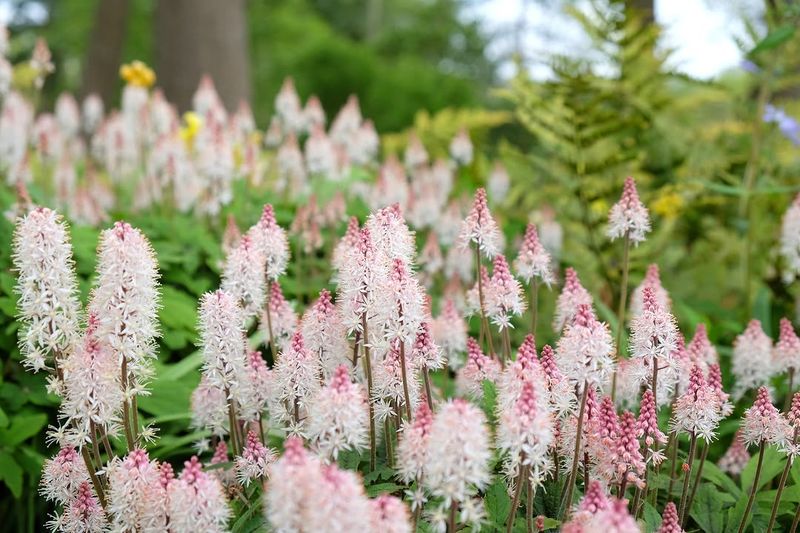
Few native plants can match the charm of foamflower when it bursts into bloom each spring.
Those delicate, frothy white flower spikes rise above the foliage like tiny fireworks, giving shaded garden beds a light, airy feel that liriope could never quite pull off.
Michigan gardeners who have tried foamflower for the first time often wonder why they waited so long to make the switch.
Foamflower, known botanically as Tiarella cordifolia, is native to eastern North America and feels completely at home in Michigan’s woodland-style gardens.
It thrives in partial shade to full shade and does best in soil that stays consistently moist but never waterlogged.
Adding a layer of organic mulch around the plants helps keep moisture levels steady, especially during dry summer stretches.
Beyond the spring flowers, the foliage itself is worth planting for. The leaves are lobed and often marked with interesting patterns or deeper coloring along the veins, giving the plant visual interest even when it is not in bloom.
Some varieties even take on warm reddish tones in fall, adding a seasonal bonus that makes the garden feel alive longer into the year.
Foamflower spreads by stolons, sending out short runners that root and form new plants nearby. The spread is manageable and easy to direct, so it fills in nicely without becoming a problem.
For shaded beds under trees or along woodland paths, foamflower offers the kind of natural, layered beauty that makes a Michigan garden feel genuinely special and thoughtfully planted.
4. Wild Strawberry
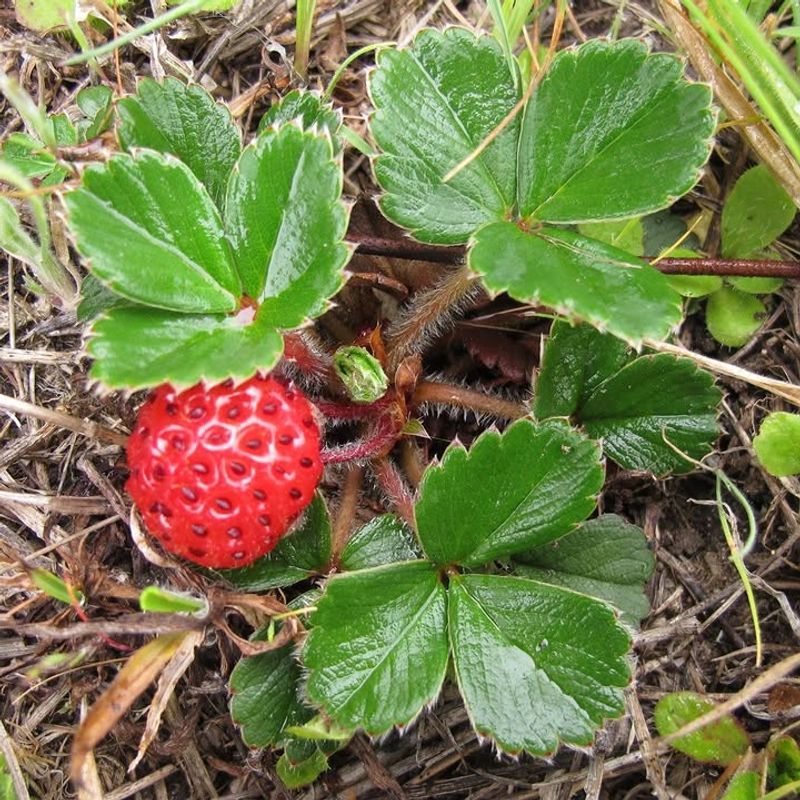
Wild strawberry is one of those plants that pulls double duty without even trying. It covers bare soil beautifully, produces cheerful white flowers in spring, and then sets tiny red fruits that birds and other wildlife absolutely love.
For gardeners who want a ground cover that gives back to the local ecosystem while looking great, wild strawberry is a genuinely exciting option.
This native spreads by runners, which are long horizontal stems that root wherever they touch the ground.
That spreading habit means wild strawberry can cover open areas fairly quickly, making it a smart pick for garden edges, naturalized beds, or any spot where bare soil tends to invite weeds.
It handles sun to part shade well, which gives it more flexibility than many native ground covers.
The plant stays low, usually only a few inches tall, so it never blocks views or competes with taller plants in the border.
The trifoliate leaves are bright green and attractive through the growing season, and they hold up well even in warm, dry stretches once the plant is established. A little extra water during the first season helps it get rooted and spreading faster.
Wild strawberry is best for gardeners who are comfortable with a plant that moves around a bit. It is not invasive, but it does spread with enthusiasm, and that energy is exactly what makes it such a reliable soil cover.
Replacing liriope with wild strawberry brings movement, wildlife value, and a relaxed, natural character to any Michigan yard that feels both honest and alive.
5. Barren Strawberry
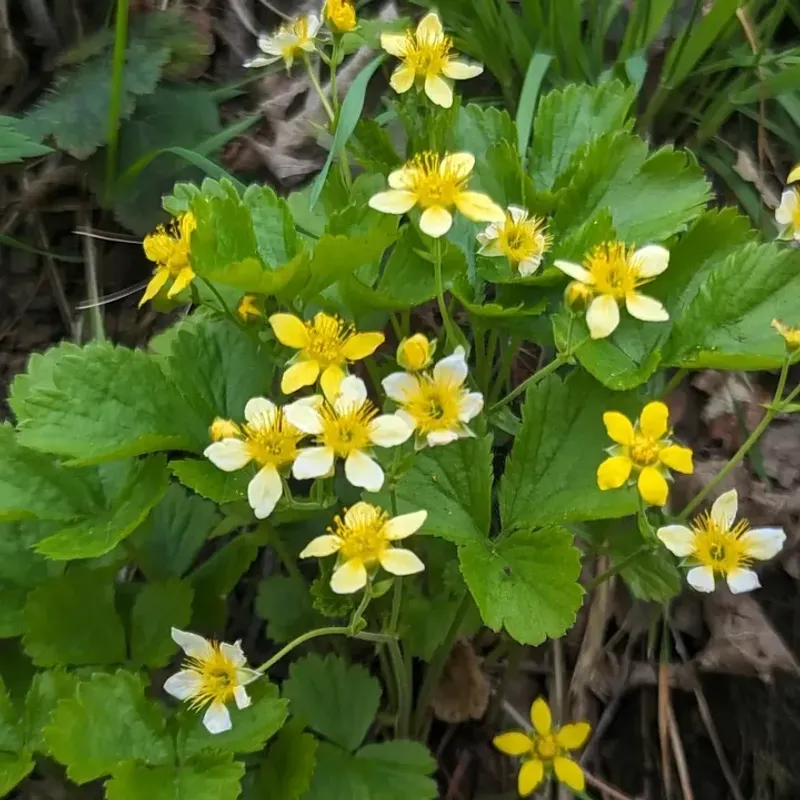
Do not let the name fool you. Barren strawberry may not produce edible fruit, but what it lacks in snacks it more than makes up for in charm and usefulness.
Those small yellow flowers that appear in spring are genuinely lovely, and the strawberry-like leaves stay attractive and tidy through most of the growing season.
For Michigan gardeners who want a neat, mat-forming ground cover with native roots, this plant deserves a serious look.
Barren strawberry, known as Waldsteinia fragarioides, is a low-growing native perennial that forms a dense, weed-suppressing mat over time. It is especially well suited to northern Michigan gardens, where its cold hardiness really shines.
Woodland edges, open thickets, and lightly shaded beds are all places where this plant settles in and thrives without much intervention.
One of its best qualities is how tidy it stays. Unlike some spreading natives that can start to look wild or unkempt, barren strawberry keeps a relatively organized, compact form.
The foliage is semi-evergreen in Michigan, meaning it often holds some color into late fall and comes back looking fresh in early spring, which extends the visual interest in the garden considerably.
Barren strawberry grows in average to dry soils and handles light shade without complaint. It spreads gradually by rhizomes, filling in slowly but steadily.
Gardeners replacing liriope in partially shaded spots near trees or along garden paths will find barren strawberry a reliable, attractive, and low-fuss alternative that brings quiet native beauty to the landscape all season long.
6. Partridgeberry
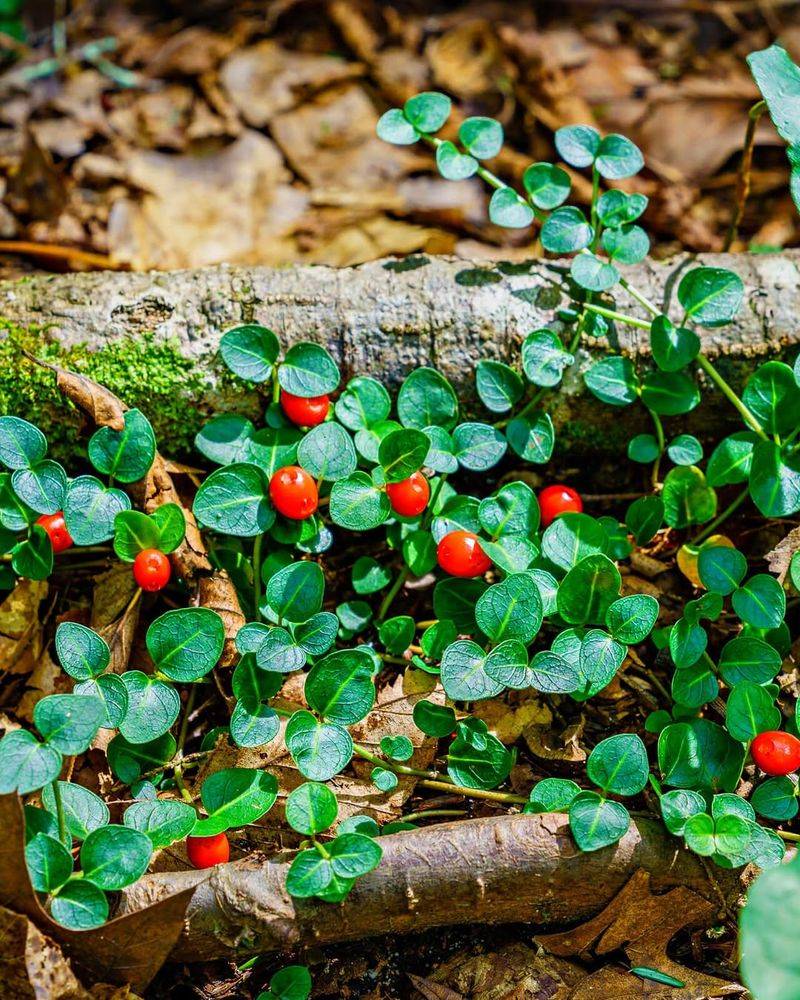
Partridgeberry is the kind of plant that stops people in their tracks the moment they notice it.
The glossy, deep green leaves are tiny and perfectly formed, the paired white flowers that appear in summer are delicate and sweet-smelling, and those bright red berries that follow in fall and winter look like little jewels scattered across the woodland floor.
For gardeners seeking something truly special for a shaded corner, partridgeberry brings a quiet, refined beauty that few plants can match.
This native evergreen creeper stays very low, usually no more than two inches tall, and spreads by trailing stems that root as they go.
It is a slow grower, so patience is part of the deal, but the result over time is a fine, intricate carpet of glossy foliage that looks polished year-round.
It works beautifully under acid-loving shrubs like azaleas or blueberries, in woodland garden beds, or in quiet shaded corners where a delicate native ground cover is just what the space needs.
Partridgeberry strongly prefers acidic, moist, well-drained soil with good organic matter. Planting it in a spot that mimics its natural woodland habitat gives it the best start.
Mulching with pine needles or shredded leaves helps maintain the right soil conditions and keeps moisture consistent through dry spells.
The red berries persist through winter and provide food for birds and small mammals, adding wildlife value to an already beautiful plant.
For gardeners replacing liriope in acidic shade conditions, partridgeberry is a slow but rewarding native choice that enriches the garden in every season.
7. Bearberry
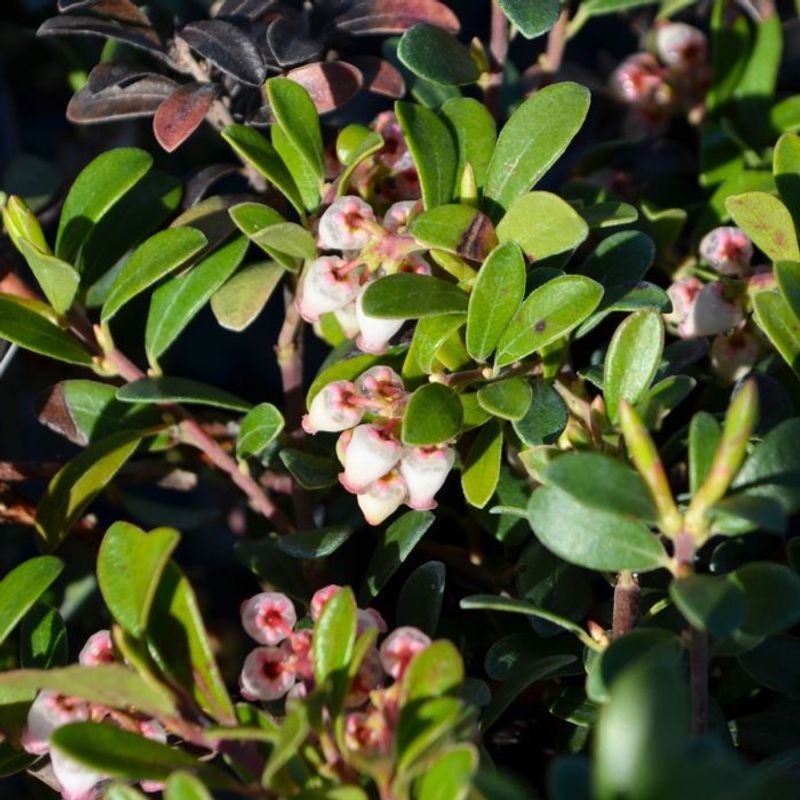
Sandy, dry, and sunny spots can be some of the trickiest places to find a good ground cover, but bearberry handles all three of those conditions with ease.
This native evergreen low-grower is practically built for Michigan’s sandy soils, dunes, and well-drained slopes where many other plants simply give up.
Gardeners who have struggled to find something that works in those tough dry areas will feel genuine relief when they discover how well bearberry performs.
Bearberry, known botanically as Arctostaphylos uva-ursi, spreads into a dense, weed-suppressing mat that stays low to the ground. Small, glossy leaves give it a neat, refined look through all four seasons.
In spring, tiny pink to white bell-shaped flowers appear and attract early pollinators, and by fall those flowers give way to bright red berries that birds find irresistible through the winter months.
This plant is native to Michigan and thrives in USDA hardiness zones 2 through 6, making it one of the most cold-tolerant ground covers available for northern gardeners. It prefers full sun to light shade and absolutely requires excellent drainage.
Planting it in heavy clay or consistently wet soil will cause problems, so sandy, lean, or rocky sites are where it truly belongs.
Bearberry is slow to establish but long-lived once it gets going. A little extra watering during the first season helps it settle in, but after that it is remarkably self-sufficient.
For Michigan gardeners replacing liriope on slopes, rock gardens, or open sunny areas with dry sandy soil, bearberry is a native solution that looks great and works hard year after year.
8. Creeping Juniper
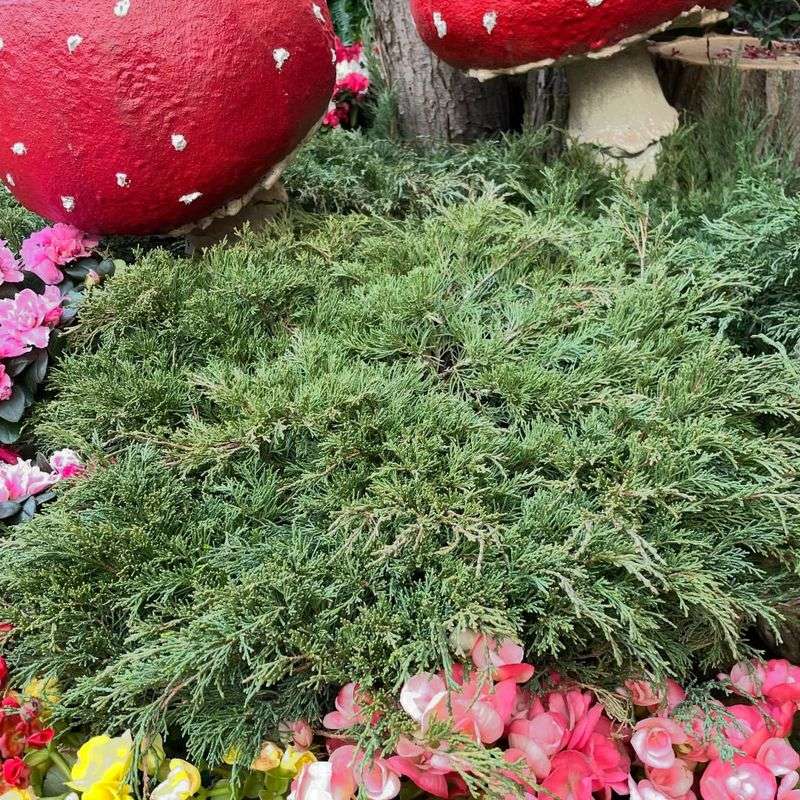
Bold, rugged, and evergreen all year long, creeping juniper brings a kind of dependable strength to Michigan landscapes that few ground covers can match.
It grows wide and low, hugging the ground as it spreads outward to form a dense mat of blue-green foliage that looks sharp in every season.
For gardeners who want year-round texture and color in sunny, dry spots where liriope has underperformed, creeping juniper is a genuinely rewarding upgrade.
Juniperus horizontalis, the native species found across much of North America including Michigan, is incredibly adaptable to lean, well-drained soils. Sandy loam, rocky ground, and even poor clay soils with good drainage are all workable for this plant.
It handles full sun beautifully and tolerates drought once established, making it one of the most low-maintenance evergreen ground covers available to Michigan gardeners.
Slopes, rock gardens, and open sunny areas are where creeping juniper really earns its reputation. Its spreading root system helps stabilize soil on inclines, reducing erosion without requiring any extra effort from the gardener.
The foliage often takes on attractive purple or bronze tones in winter, which adds unexpected color to the landscape during the months when most other plants have gone completely dormant.
Creeping juniper grows slowly at first but picks up pace after a couple of seasons. Spacing plants about three to five feet apart and keeping the area weed-free while they establish is the main job in the early years.
After that, this plant largely takes care of itself, delivering structure, texture, and native character to Michigan yards with very little asking in return.