Wisconsin Peony Care Tasks That Continue After Blooming Ends

Your peony blossoms are scattering petals across the mulch, and it might look like the show is over for the season. In reality, this quiet stretch between late spring and full summer is when the plant does its most important work underground.
Most Wisconsin homeowners assume peonies simply sit still until next year’s buds appear. Root systems are actually storing energy right now, and small missteps this month can echo into weaker blooms come next May.
Wisconsin summers swing fast, one week of sticky humidity can set the stage for fungal spots on peony foliage. Skip that window and your clump keeps building toward the kind of size neighbors stop to ask about.
This does not call for a complicated routine or hours of weekend labor. A handful of well timed tasks, done consistently, sets the stage for a spectacular return performance.
1. Removing Spent Blooms To Redirect The Plant’s Energy
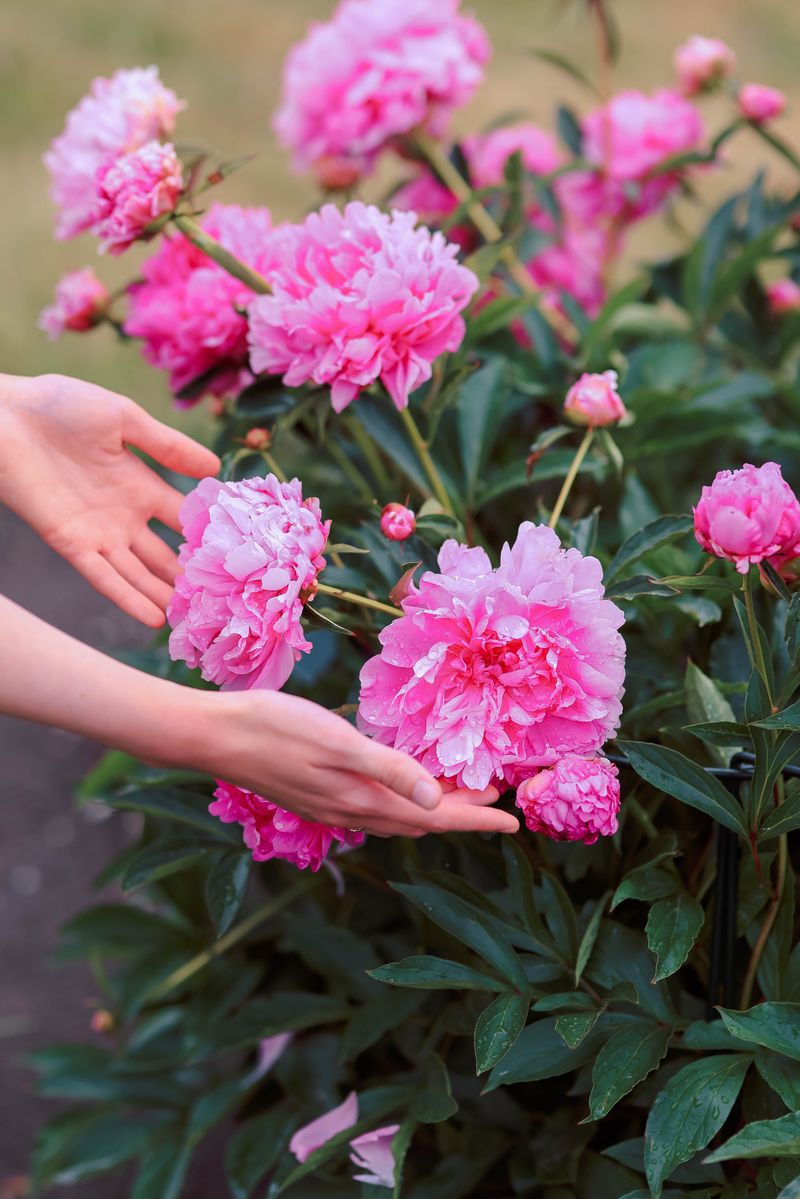
Snip those faded flowers off before they turn into a soggy mess on your stems. Removing spent blooms is one of the easiest wins in the garden, and it pays off big.
When a peony bloom fades, the plant will try to form seeds inside the spent flower head. That seed production pulls energy away from the roots and leaves.
Your goal is to stop that process cold by removing the bloom as soon as petals start dropping. Use clean, sharp pruning shears and cut the stem back to the first healthy leaf below the flower.
Do not just yank the petals off and call it done. A clean cut at the right spot keeps the stem looking tidy and prevents damage.
Leaving spent blooms on the plant also creates a damp environment where fungal issues love to start. In humid Wisconsin summers, that is a real concern.
Removing spent flowers reduces moisture buildup around the crown. Some gardeners feel guilty cutting their peonies back, like they are ending something beautiful too soon.
Flip that thinking around instead. You are actually telling the plant to store energy in its roots instead of wasting it on seeds nobody asked for.
Roots that store more energy over summer tend to produce bigger, more abundant blooms the following spring. One small snip now can mean a noticeably fuller display next May or June.
That trade-off is well worth a few minutes with your pruners.
2. Leaving The Foliage In Place Through The Rest Of Summer
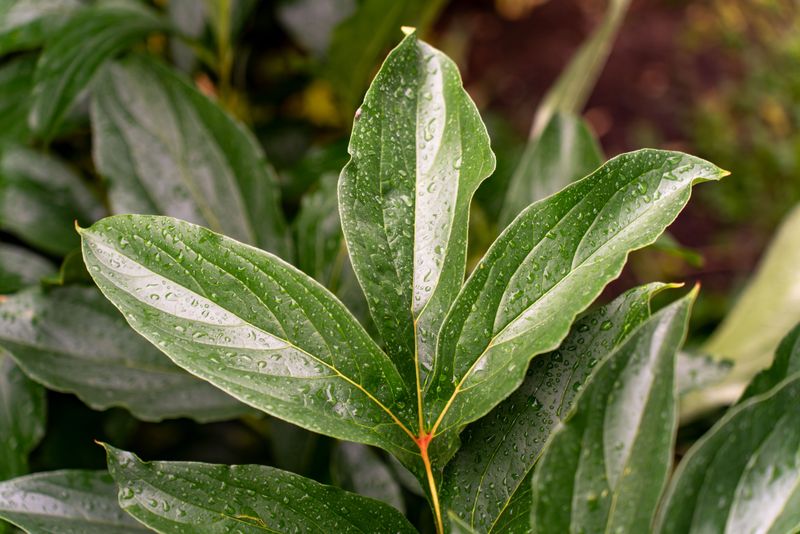
Green peony leaves after bloom season look a little plain, but they are doing the most important work of the year. Do not touch them yet.
Peony foliage acts like a solar panel for the plant’s root system. Every leaf is busy capturing sunlight and converting it into energy that gets stored deep underground.
That stored energy is exactly what fuels next spring’s flower buds. Cutting back the leaves too early is one of the most common mistakes home gardeners make.
It feels tidy, but it robs the plant of weeks of energy collection. The roots end up heading into fall and winter with a smaller fuel reserve than they need.
Your Wisconsin Garden Changes Every Week. Your Plan Should Too.
Gardening in Wisconsin changes quickly throughout the season. Every Friday you’ll receive a simple weekly plan showing exactly what to plant, prune, fertilize, harvest, and protect so you never miss the right timing.
Some people try to hide peony foliage by planting taller annuals around it during summer. That strategy can work well as long as the annuals do not overly shade the peony leaves.
Peonies need at least six hours of direct sunlight daily to photosynthesize effectively. The foliage also signals you when something is wrong.
Yellow leaves might point to a watering issue, while white powdery coating suggests a fungal problem. Keeping the leaves in place gives you a built-in early warning system for plant health.
Resist the urge to clean up the bed too aggressively before fall arrives. Let those leaves stand proud all through July, August, and September.
3. Watering Deeply During Dry Stretches
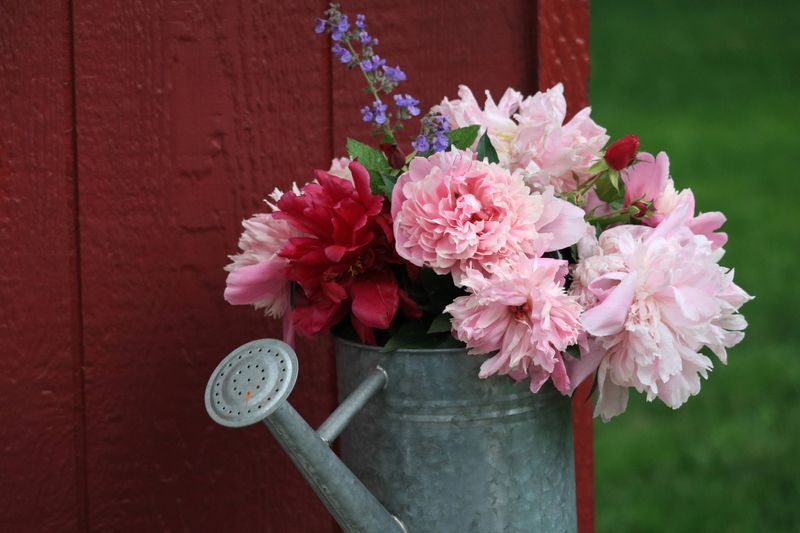
A week without rain in July can stress a peony more than most people realize. Deep, infrequent watering generally beats a quick daily sprinkle.
Peonies have thick, fleshy roots that reach down several inches into the soil. Shallow watering only wets the top layer and encourages roots to stay near the surface.
Surface roots are more vulnerable to heat, drought, and temperature swings. The goal is to water slowly and deeply so moisture penetrates at least eight to ten inches down.
A soaker hose laid around the base of the plant works beautifully for this purpose. It delivers water right where the roots need it without splashing the leaves.
Wet foliage is an open invitation for powdery mildew and other fungal issues. Overhead sprinklers are convenient, but they create exactly the moist leaf conditions that pathogens enjoy.
Watering at the base of the plant keeps leaves dry and reduces disease pressure significantly. Check the soil before you water by pushing a finger two inches into the ground near the plant.
If the soil feels moist at that depth, skip the watering for another day or two. Overwatering can rot those precious fleshy roots just as surely as drought can damage them.
During a dry stretch, plan to water established peonies once a week with a slow, deep soak. Newly planted peonies may need slightly more frequent attention in their first summer.
Consistent moisture now means stronger root development heading into fall and winter.
4. Deciding If Fertilizer Is Needed This Season
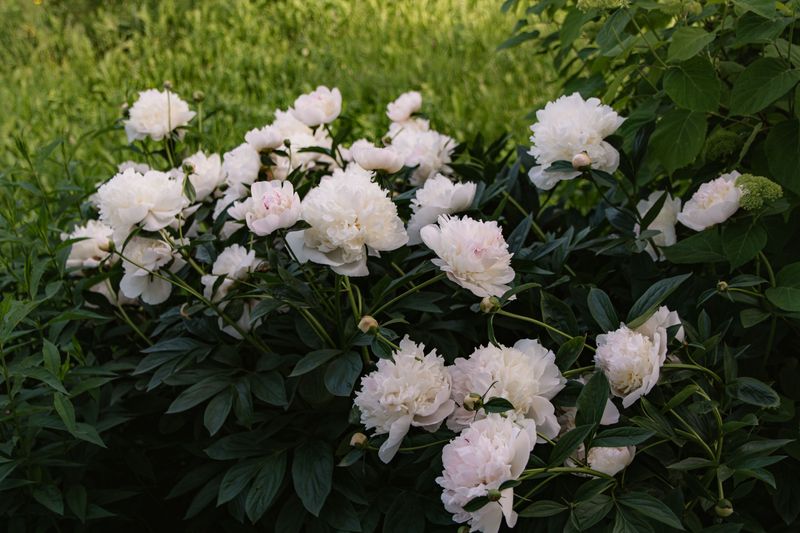
Fertilizing peonies after bloom is not always necessary, and doing it wrong can actually cause more harm than good. Know before you grab that bag from the shed.
Peonies are not heavy feeders compared to many other garden plants. In rich, well-amended soil, they often get everything they need without supplemental fertilizer.
Adding too much nitrogen in summer pushes leafy growth at the expense of next year’s flower buds. A soil test is the smartest first step before applying anything.
Your local county extension office can test your soil affordably and tell you exactly what nutrients are lacking. Guessing without data often leads to over-application, which can burn roots or throw off soil chemistry.
If your soil test shows low phosphorus, a light application of a low-nitrogen, phosphorus-rich fertilizer can support root development. Apply it around the drip line of the plant rather than directly on the crown.
Water it in thoroughly right after application so it reaches the root zone. Avoid high-nitrogen fertilizers during the post-bloom period.
Nitrogen pushes green growth, and lush leafy stems late in summer are more susceptible to fungal disease. The plant needs to be winding down, not revving up, as fall approaches.
Compost is a gentler option that many experienced gardeners prefer over synthetic products. A thin layer of finished compost worked lightly into the soil around the plant feeds slowly and improves soil structure.
5. Watching For Powdery Mildew In Humid Weather
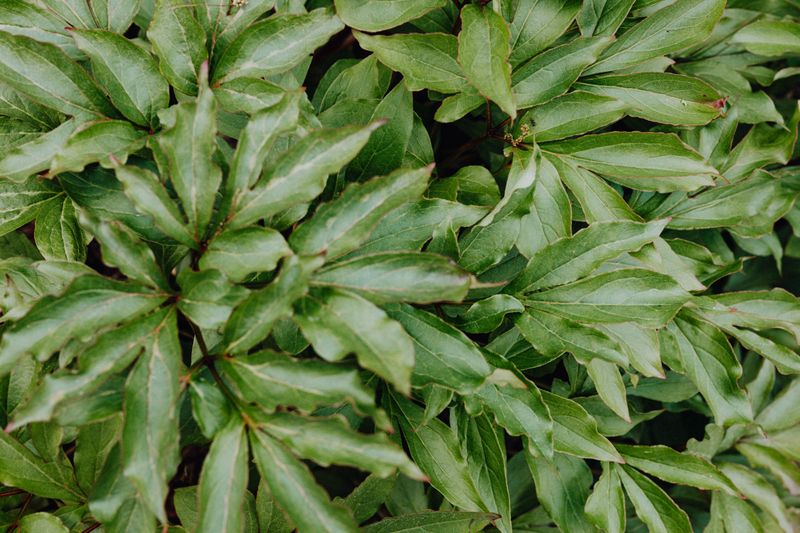
That white dusty coating on your peony leaves is not frost in July. Powdery mildew has arrived, and it spreads faster than most gardeners expect.
Powdery mildew is a fungal disease that thrives when days are warm and nights are cool and humid. Those conditions happen frequently in Wisconsin from late July through September.
The fungus does not need wet leaves to spread, which makes it sneakier than many other garden diseases. Infected leaves develop white or grayish powdery patches that gradually expand across the leaf surface.
The plant does not immediately collapse from this infection, but repeated seasons of heavy mildew weaken it over time. A weakened plant produces fewer and smaller blooms each year.
Good air circulation around the plant is one of the best preventive measures available. Avoid overcrowding peonies with other plants that block airflow through the foliage.
Thinning nearby vegetation can make a noticeable difference in how much mildew pressure a plant experiences. If you spot early signs of mildew, a spray of diluted neem oil or a baking soda solution can slow its spread.
Apply either treatment in the evening to avoid burning leaves in direct sunlight. Repeat applications every seven to ten days while humid conditions persist.
Removing and bagging affected leaves reduces the amount of fungal spores available to spread further. Do not compost mildewed foliage because the spores can survive and reinfect next season.
Catching mildew early makes management much more manageable and keeps your plants looking respectable all season long.
6. Supporting Stems If Storms Knock Them Over

Wisconsin summer storms can flatten peony stems in seconds. Getting those stems upright quickly protects the plant’s ability to keep photosynthesizing.
Peony stems are fibrous and relatively brittle once the blooming season ends. A heavy rainstorm or strong wind event can bend or snap them close to the base.
Stems lying flat on wet soil are prime candidates for rot and fungal infection. Gently lift fallen stems and use soft garden twine or foam-coated wire to tie them loosely to a stake.
Avoid pulling stems too aggressively because they can snap if they have been bent at a sharp angle. Slow, gentle repositioning gives you the best chance of saving the stem intact.
Peony cages installed in spring are the easiest way to prevent storm damage before it starts. If you missed that window this year, single bamboo stakes placed near leaning stems work well as a quick fix.
Tie the stem in at least two spots for better support and stability. A stem that stays upright continues feeding the root system with photosynthesized energy all season.
A stem flopped on the ground loses that function almost entirely and can also block sunlight from reaching other stems. Every upright leaf is a small factory working for next year’s blooms.
Check your plants the morning after any significant storm and make repairs quickly. Wet stems that stay damp against the soil deteriorate faster than most people expect.
A few minutes of post-storm attention keeps peony care on track through the roughest Wisconsin summer.
7. Marking Plant Locations Before Foliage Disappears In Fall

Peonies pull a disappearing act every fall, and then you accidentally dig right through them in spring. A simple marker now saves enormous frustration later.
Once peony foliage browns and gets cut back, the planting spot becomes hard to find until new red shoots emerge in spring. That gap in visibility causes all kinds of problems.
Gardeners plant bulbs on top of crowns, dig too close while turning soil, or accidentally mulch too deeply over the planting site. Place a durable marker at each peony location before the foliage gets cut back in fall.
Metal stakes, painted rocks, or commercial plant labels all work well for this purpose. Write the plant name on the marker if you grow multiple varieties so you remember which is which.
Marking locations also helps when planning garden changes over winter. Knowing exactly where your peonies sit lets you design new plantings around them confidently.
You avoid the awkward spring surprise of realizing you planted a shrub directly over a beloved perennial. Take a quick photo of your garden beds in late summer while the foliage is still visible.
A photo gives you a bird’s-eye reference for the whole layout that a single stake cannot provide. Keeping that photo on your phone costs nothing and saves real headaches come planting season.
Peonies planted in the right spot can live for fifty years or longer without being moved. Protecting their crown from accidental damage is one of the most underrated aspects of long-term peony care.
Mark them now and thank yourself every single spring.
8. Cutting Back Only After Foliage Turns Brown
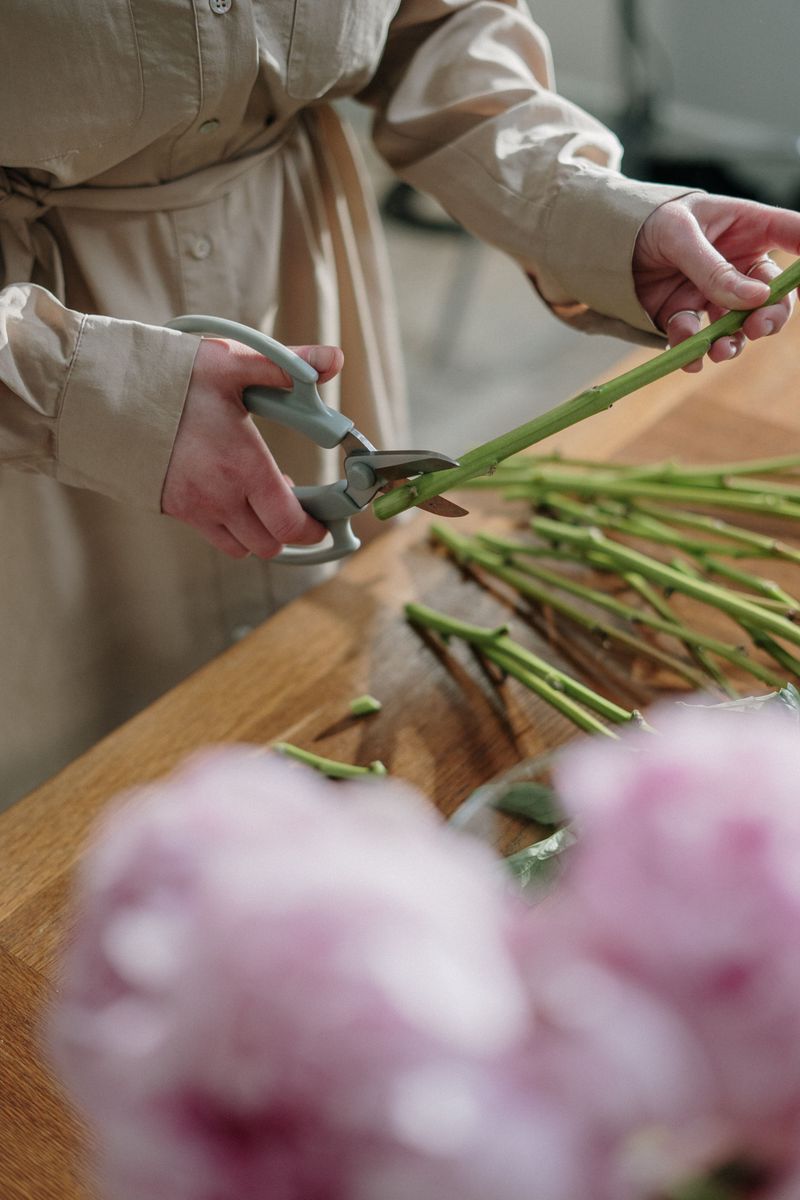
Cutting peonies back too early is one of the most common autumn garden mistakes. Wait for brown, and you will be rewarded with stronger plants every single spring.
The timing of fall cutback matters far more than most gardeners realize. Green foliage is still actively moving nutrients and energy down into the root system even in September.
Cutting while leaves are still green interrupts that final energy transfer at the worst possible moment. Wait until the foliage has fully browned and dried before reaching for your pruners.
In most parts of the state, that happens sometime between late October and early November depending on the season. A hard frost will speed up the browning process significantly.
Cut stems down to about one to two inches above the soil surface. Leaving a tiny stub helps you locate the crown during spring cleanup without accidentally damaging emerging shoots.
Cutting flush with the soil risks nicking the crown and creating an entry point for disease. Remove all cut foliage from the garden bed and dispose of it in the trash rather than the compost pile.
Peony foliage can harbor fungal spores and insect eggs that overwinter in the debris. Clearing it away breaks that cycle and reduces pest and disease pressure for next season.
Avoid piling heavy mulch directly over the crown after cutback because it can encourage rot and interfere with proper dormancy. A light layer of straw or shredded leaves around but not on top of the crown is plenty.
Ending peony care the right way in fall sets up every bloom you will enjoy next spring.