Georgia Gardens Get Months Of Color From This Underrated Shrub
Georgia summers can be brutal.
By late July, many flower beds look faded and worn out, leaving gardeners searching for something that keeps going strong in the heat.
Firebush is that something.
With its blazing orange-red blooms, its magnetic pull on hummingbirds, and its ability to thrive when other plants are struggling, firebush delivers months of bold color that most Georgia gardeners never expected from a single shrub.
Most people walk past it at the nursery without giving it a second look, which is honestly their loss.
This shrub does not demand attention during the shopping trip. It earns it quietly, from June through October, while everything around it starts to fade.
If your summer garden needs a boost, if you want something that works without being babied through every heat wave, and if you have any interest in watching hummingbirds from your porch on a July afternoon, this underrated beauty might be exactly what you have been missing.
Here are a few things worth knowing about firebush before you plant it in your Georgia garden.
Meet The Firebush
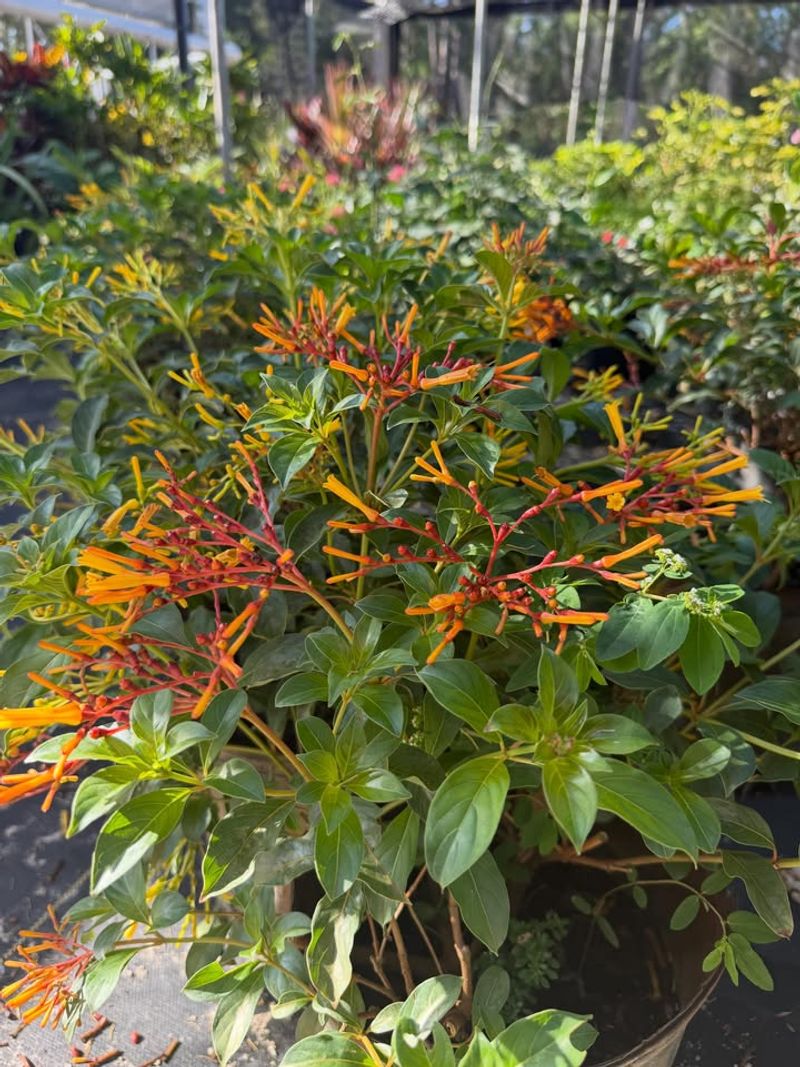
Some plants earn a reputation quietly, and firebush is one of them. Hamelia patens, commonly called firebush, is a tropical to subtropical shrub native to the Americas.
It grows wild from Florida down through Central and South America, and it has found a happy home in Georgia gardens where summers are long and hot.
UGA Extension recognizes firebush as a reliable warm-season shrub for Georgia landscapes.
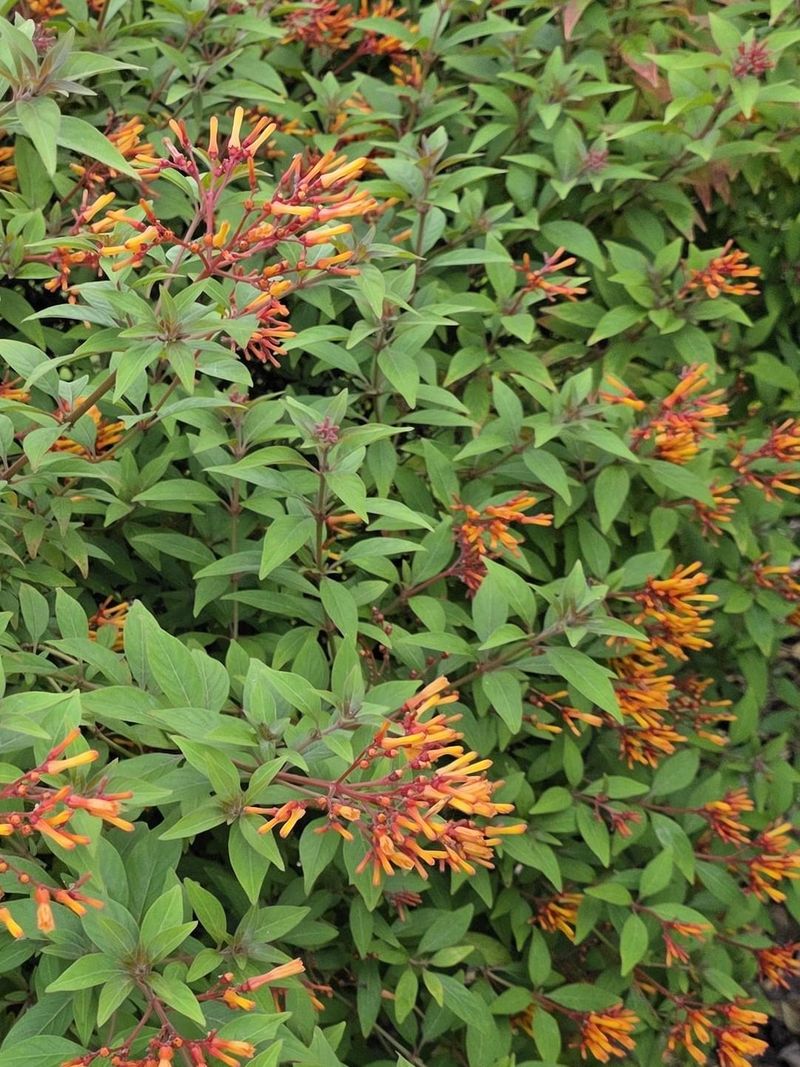
Its tubular orange-red flowers bloom from late spring all the way through fall, giving your yard a steady supply of color during the months when many other plants tap out.
That kind of staying power is rare and worth celebrating.
In southern Georgia, firebush can behave almost like a perennial shrub, returning from its roots after mild winters.
In northern Georgia, it tends to act more like an annual, putting on a big show before cold weather sets in. Either way, gardeners get a full season of blazing color without a lot of fuss.
Firebush grows quickly, filling in bare spots and thin borders with lush foliage and nonstop flowers.
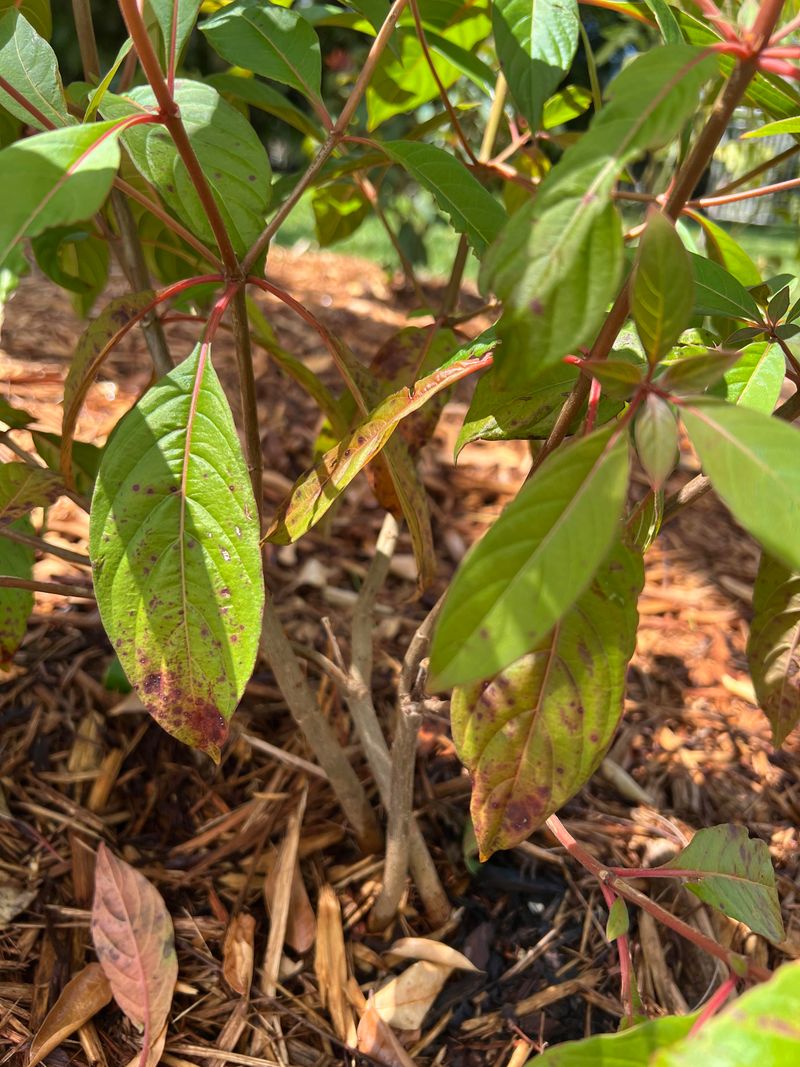
Its leaves sometimes take on reddish tones in full sun, adding even more visual interest beyond the blooms.
If you have been sleeping on this shrub, now is the time to wake up and plant one.
Red Orange Blooms Carry Summer
A hot July afternoon is when most flower beds wave the white flag.
Petunias get leggy, impatiens wilt, and even some perennials look tired.
That is exactly when firebush steps up and shows off.
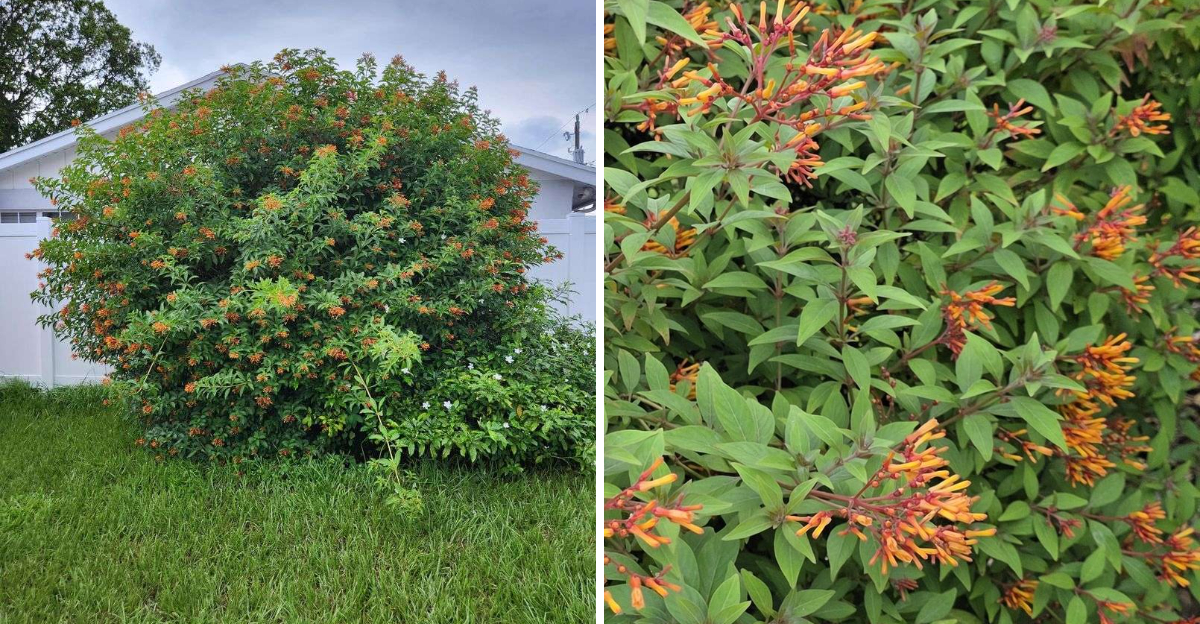
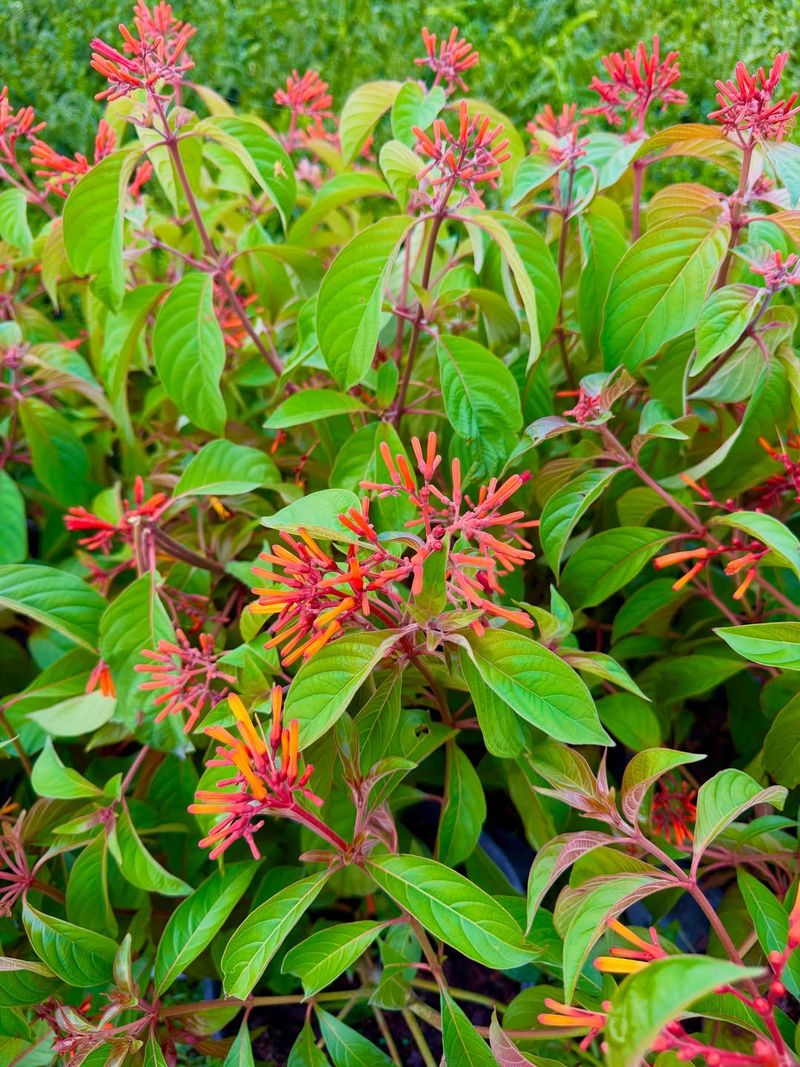
Its clusters of small, tubular orange-red flowers keep opening all summer long, refusing to slow down even when temperatures push past 95 degrees.
The bloom color is genuinely striking.
Depending on the light and the specific plant, flowers can range from bright tangerine orange to deep coral red. Some cultivars lean warmer and more golden, while others pop with a rich scarlet that looks almost painted on.
That warm color palette works beautifully against green foliage and looks stunning next to purple-flowering plants like salvia or verbena.
Your Georgia Garden Changes Every Week. Your Plan Should Too.
Gardening in Georgia changes quickly throughout the season. Every Friday you’ll receive a simple weekly plan showing exactly what to plant, prune, fertilize, harvest, and protect so you never miss the right timing.
One of the best things about firebush blooms is that they do not come in one big wave and disappear.
Flowers appear in loose clusters at the branch tips, and new buds keep forming throughout the growing season.
You get color in June, July, August, and September without deadheading or extra effort.
The show often continues into October in central and southern parts of Georgia, stretching the season even further.
For gardeners who want maximum color with minimum maintenance during the hottest months, firebush delivers a performance that few other shrubs can match.
Full Sun Brings Stronger Color
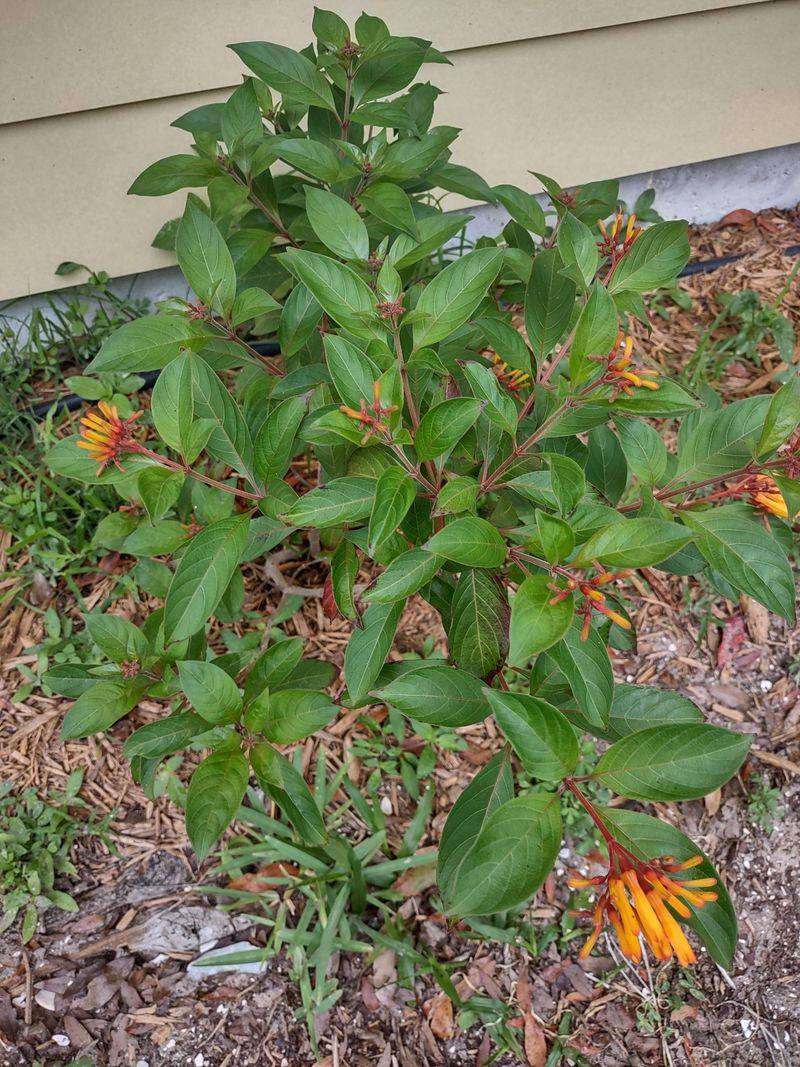
Planting firebush in full sun is one of the smartest moves a Georgia gardener can make.
This shrub absolutely loves direct sunlight and rewards you for giving it a spot with at least six to eight hours of sun each day.
The more sun it gets, the more intensely it blooms and the more vivid its foliage becomes.
In shadier spots, firebush will still grow, but the results are noticeably different.
Bloom production drops, the plant stretches toward available light and can get a little rangy, and the foliage color stays mostly green instead of picking up those attractive reddish tints.
If you have a hot, sunny border that bakes all afternoon, that is prime firebush territory. Most other plants would struggle there, but firebush thrives.
Georgia gardeners in the Piedmont and coastal plain regions have an advantage because those areas tend to get intense, sustained summer sun.
Planting firebush along a south-facing or west-facing wall or fence can amplify both heat and light, pushing the plant to its most colorful performance.
The reflected heat from brick walls or concrete does not bother this shrub at all. In fact, firebush seems to enjoy it.
Pairing firebush with other sun-loving plants like lantana, pentas, or ornamental grasses creates a bold, low-maintenance summer display that looks intentional and polished.
Give it the sun it craves, and it will give you color all season long without complaint.
Hummingbirds Find It Fast
Watch a firebush for about ten minutes on a warm summer morning, and chances are good you will spot a ruby-throated hummingbird zipping in for a visit.
These tiny birds have an almost uncanny ability to find nectar-rich flowers, and firebush is one of their favorites.
The long, tubular shape of the blooms is perfectly designed for hummingbird feeding, and the bright orange-red color is like a neon sign saying free food here.
According to UF IFAS and multiple extension resources, firebush is considered one of the top hummingbird-attracting plants for the southeastern United States.
It also pulls in butterflies, especially swallowtails and monarchs passing through on migration.
Later in the season, the small berries that follow the flowers attract mockingbirds, catbirds, and other fruit-eating birds. One shrub, a whole community of wildlife visitors.
Positioning firebush near a porch, deck, or large window gives you a front-row seat to all this activity.
There is something genuinely joyful about watching hummingbirds dart and hover while sipping from those blazing flowers.
You do not need a fancy feeder or special nectar solution. Just plant firebush, keep it healthy, and let nature handle the rest.
For Georgia gardeners who want to support local wildlife while also getting a gorgeous shrub that earns its keep, firebush checks every single box.
Water Deep While It Settles
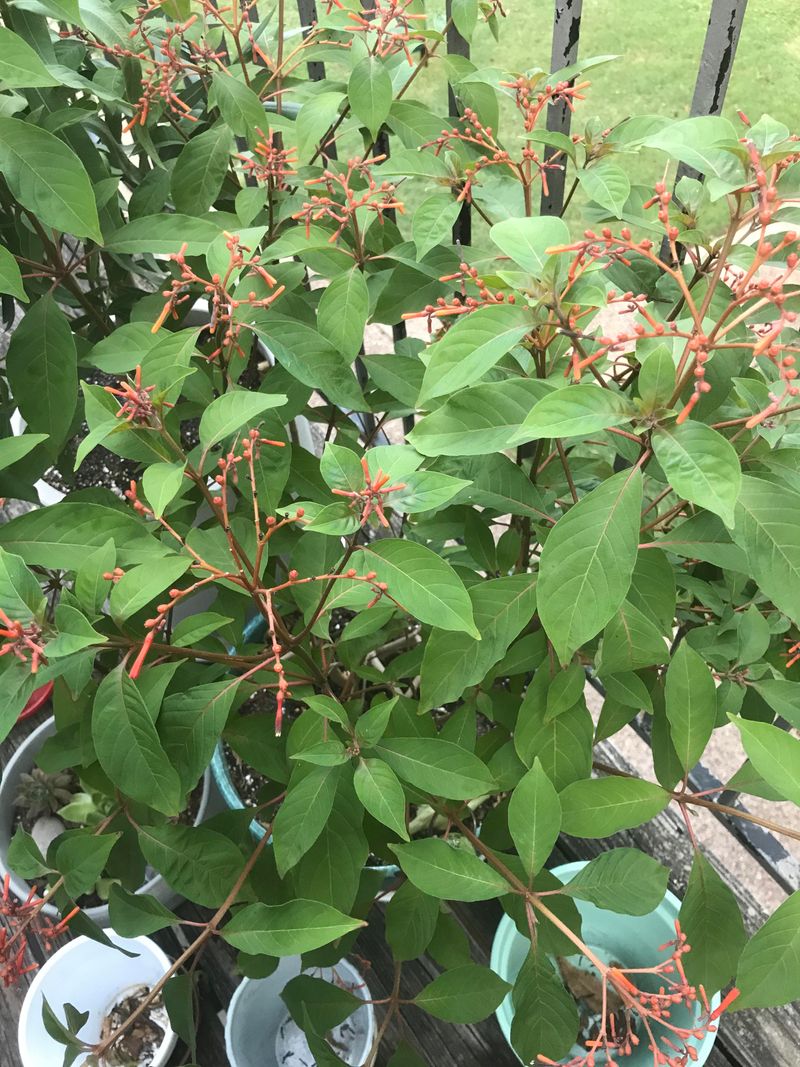
Getting firebush off to a strong start means paying close attention to watering during its first growing season.
A newly planted shrub needs time to push roots out into surrounding soil, and that process takes consistent moisture.
Plan to water deeply two to three times per week during the first month after planting, especially if summer heat is already cranking.
Deep watering is the key phrase here.
A quick sprinkle at the surface does not encourage roots to go down where moisture is more stable.
Instead, soak the root zone slowly and thoroughly, letting water penetrate six to eight inches into the soil. Using a soaker hose or drip irrigation makes this much easier and helps avoid wetting the foliage.
Once firebush is established, usually after one full growing season, its drought tolerance kicks in impressively.
Mature plants can handle dry spells that would stress many other landscape shrubs.
That toughness makes firebush a smart choice for Georgia gardeners who want color without babying their plants through every dry stretch.
Mulching around the base with two to three inches of pine straw or shredded bark helps hold soil moisture and keeps roots cooler during peak summer heat.
That small extra step makes a big difference during the establishment phase and beyond.
Prune Back In Late Winter
Late February or early March is the sweet spot for cutting firebush back in most parts of Georgia.
By then, the coldest nights are usually behind you, but new growth has not yet pushed out from the stems.
Pruning at this window lets you shape the plant cleanly without interfering with the fresh season ahead.
How hard you cut depends on how the plant wintered.
In southern Georgia, where firebush often survives as a woody perennial, you might just trim back the tips and remove any frost-damaged wood.
In the Atlanta area and north Georgia, plants frequently get knocked back hard by cold, and you may need to cut stems down to just a few inches above the soil line.
Do not panic if it looks severe. Firebush bounces back quickly once warm weather returns, often regaining several feet of growth by midsummer.
Shaping firebush while it is dormant also gives you control over its size and form before it hits its summer growth surge.
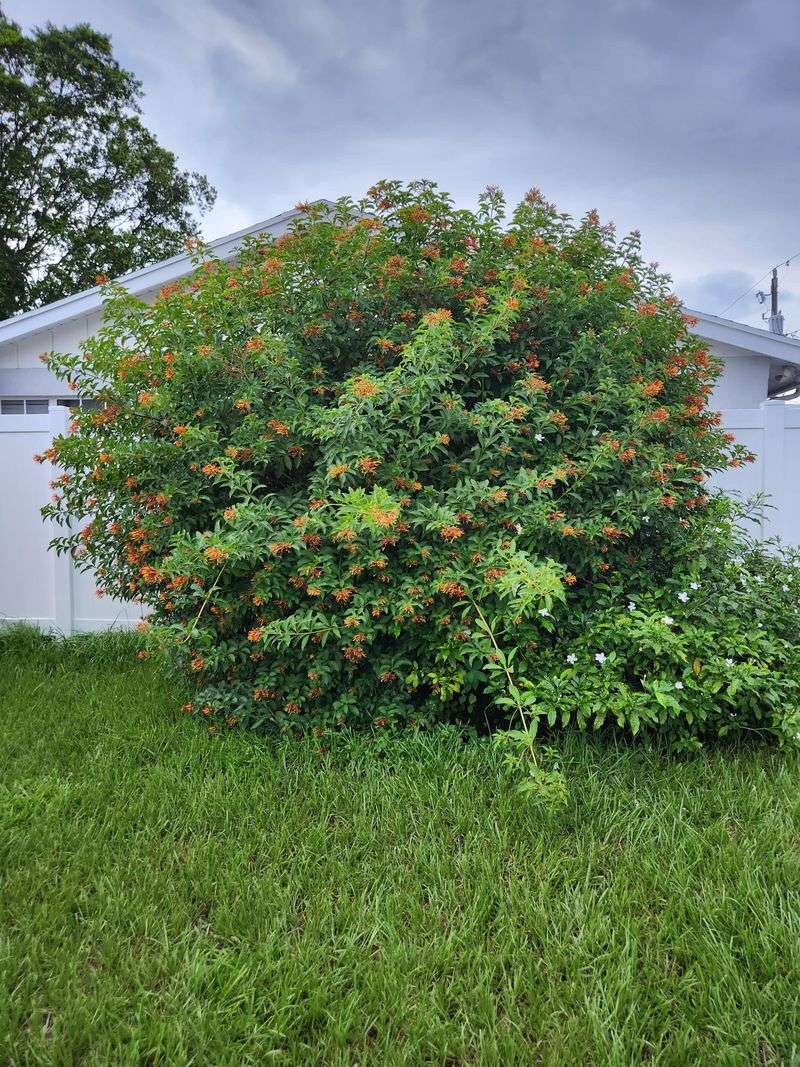
Left unpruned, firebush can reach six to ten feet in warm climates, which is impressive but may be more than a small border needs.
Regular late-winter pruning keeps plants at a manageable height, encourages bushier growth with more flowering tips, and prevents the leggy, open look that can develop on older stems.
Sharp, clean tools make the job easier and reduce the risk of tearing or damaging stems.
Containers Work In Cooler Areas
North Georgia gardeners face a real challenge with firebush.
Winter temperatures in the mountains and upper Piedmont can dip well below what this subtropical shrub can handle in the ground.
Containers solve that problem beautifully.
Growing firebush in a large pot lets you bring the plant inside or into a garage before hard freezes arrive, protecting the root system and giving the plant a head start the following spring.
Choose a container at least 15 to 20 gallons in size.
Firebush roots like room to spread, and a bigger pot also holds moisture more evenly during hot summer days on a sunny patio.
Use a quality potting mix with good drainage, and make sure the container has drainage holes. Sitting in waterlogged soil is one of the few things that will genuinely set this shrub back.
On a patio or deck, a container-grown firebush becomes a real showpiece.
The upright form, the colorful flowers, and the constant hummingbird traffic make it a conversation starter every time guests visit.
You can pair it in a large mixed planter with trailing sweet potato vine or compact pentas for a layered, tropical look that screams summer.
When temperatures start dropping in October, move the container to a protected spot, cut back watering, and let the plant rest.
Come spring, move it back into full sun, resume regular watering, and watch it explode back into growth.
Container culture puts firebush within reach for every Georgia gardener, no matter where they live.