Plant This Flower Next To Your Wisconsin Strawberries For Better Pollination
Wisconsin summers hand gardeners a short but generous window, and strawberries know exactly how to use it.
Sink your hands into the soil, plant the runners, water on schedule, and still end up with a handful of pale, disappointing berries.
The missing piece usually isn’t effort. It’s pollination, and most gardeners never think twice about it until their harvest falls flat.
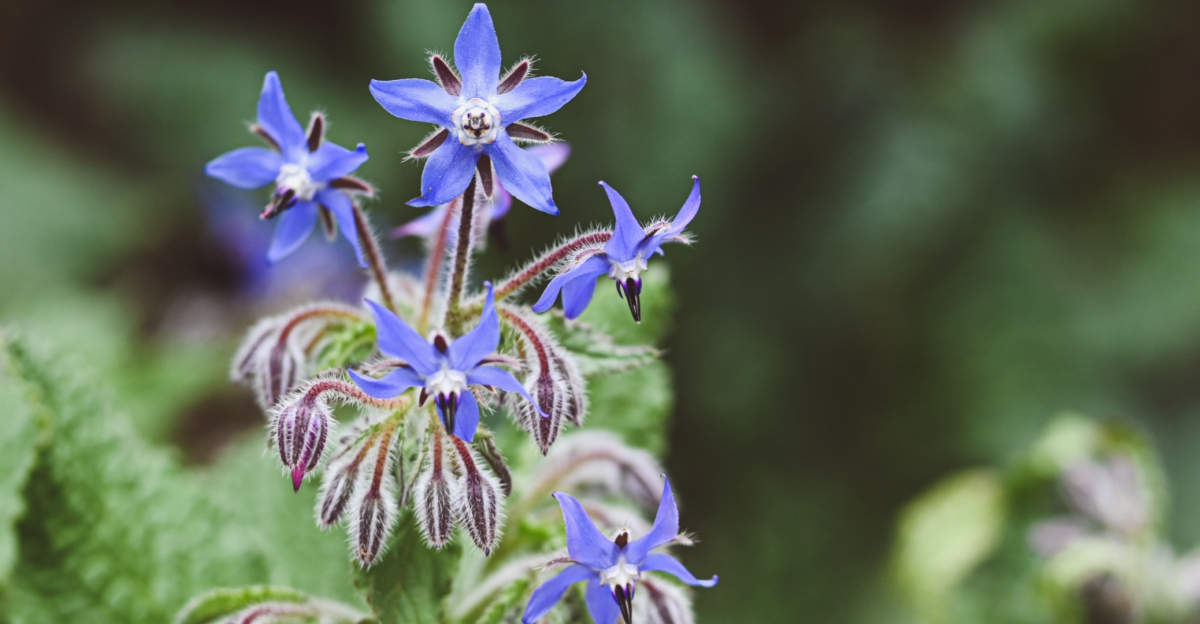
There’s a scrappy little herb with star shaped blue flowers that bees seem physically unable to walk past, and once it enters the picture, something shifts almost immediately.
Bees show up in droves, pollination rates climb, and berries start swelling into the fat, sweet fruit you actually pictured when you planted them.
Wisconsin gardens, with their patchwork of short growing seasons and unpredictable pollinator traffic, benefit especially from this method.
One humble companion plant, tucked quietly along the rows, and your strawberry patch stops underperforming and starts earning its space in the garden.
Why Strawberry Pollination Is Trickier Than You Think
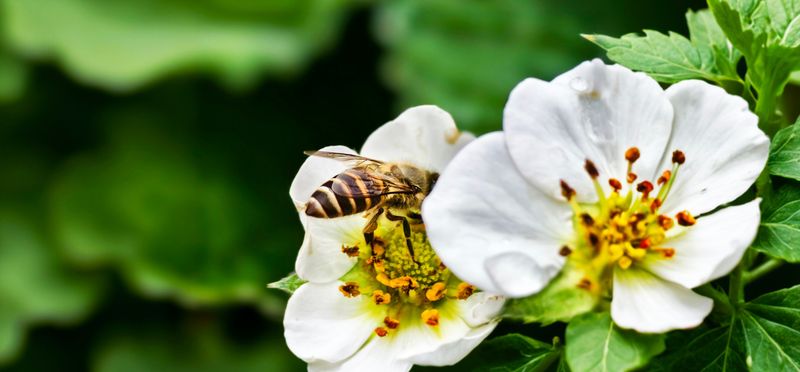
Strawberry flowers look simple, but getting them properly pollinated is surprisingly tricky. Each bloom needs multiple bee visits to produce a full, plump berry.
Without enough pollination, you end up with small, misshapen fruit that nobody wants on their shortcake. This is a real problem for Wisconsin gardeners who want consistent, market-worthy harvests.
Strawberries are self-fertile, meaning one plant can technically pollinate itself. But self-pollination alone rarely produces the big, round berries you’re dreaming about.
Bees transfer pollen between flowers far more efficiently than wind ever could. More bee visits mean more complete fertilization across every single seed on the berry’s surface.
Each tiny seed on a strawberry’s exterior needs its own fertilization event. Skip even a few of those, and the berry grows lopsided or stunted.
Wisconsin’s short growing season adds extra pressure. Cool spring temperatures can slow bee activity right when your strawberry plants are blooming their hardest.
That’s why attracting more pollinators to your patch is not just helpful but essential. Planting the right companion flower can change your entire harvest outcome for the better.
Better pollination leads to better fruit set, and better fruit set means more berries per plant. Once you understand this chain reaction, companion planting stops feeling optional.
Why Borage Is A Gardener’s Best-Kept Secret
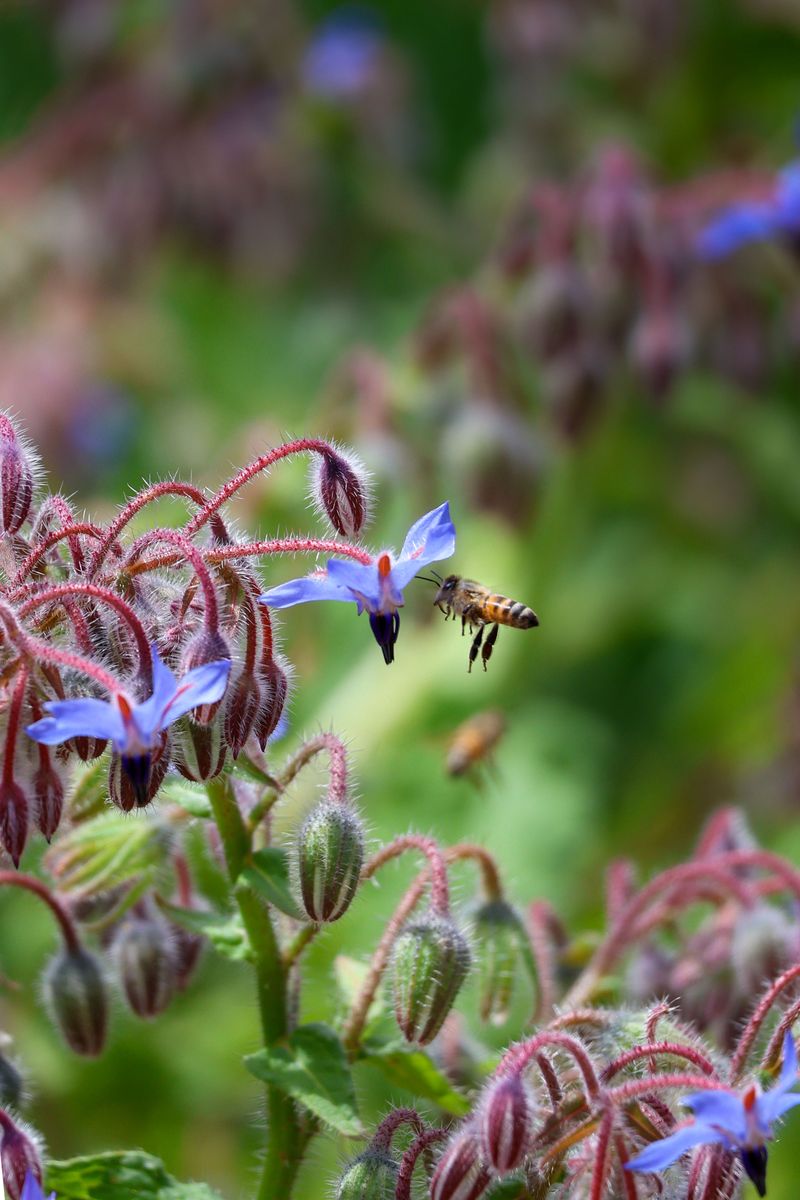
Borage is a favorite among experienced gardeners. It’s easy to grow, stunning to look at, and wildly attractive to pollinators.
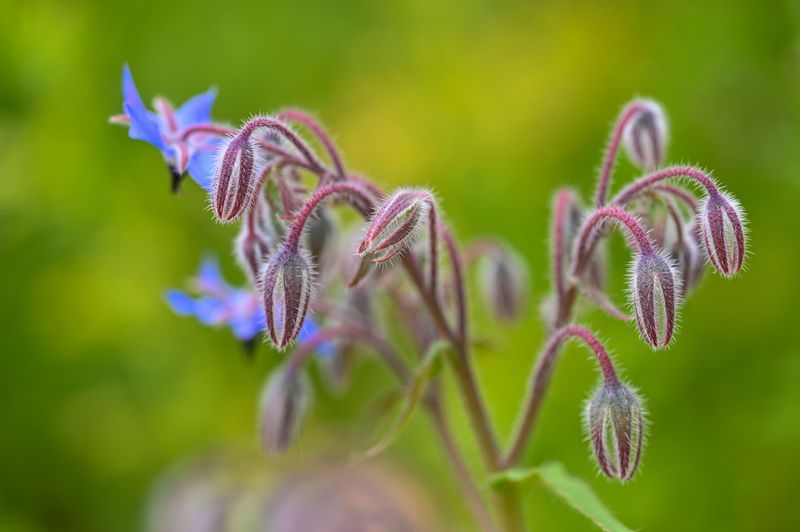
The star-shaped blue flowers bloom abundantly from early summer right through fall. That extended bloom window is a huge advantage for Wisconsin strawberry growers.
Bees, especially bumblebees, are strongly attracted to borage blossoms. Borage is widely observed to increase bee activity in nearby plantings, though specific figures vary by study and location.
Borage replenishes its nectar quickly, making it one of the more bee-friendly plants you can grow. Bees quickly learn where the good nectar is and keep coming back.
Once bees are regularly visiting your borage, they naturally spill over to your strawberry flowers too. That spillover effect is exactly what your harvest needs.
Your Wisconsin Garden Changes Every Week. Your Plan Should Too.
Gardening in Wisconsin changes quickly throughout the season. Every Friday you’ll receive a simple weekly plan showing exactly what to plant, prune, fertilize, harvest, and protect so you never miss the right timing.
Beyond pollination, borage has a reputation for improving the flavor of nearby fruits. Some gardeners report that their strawberries taste sweeter when grown near borage, though this hasn’t been scientifically confirmed.
It also contains trace minerals that may benefit the surrounding soil. Borage leaves decompose quickly and add organic matter back into garden beds.
Planting borage next to your strawberries is one of the easiest, lowest-cost upgrades you can make. This one flower offers benefits well beyond its size and cost.
The Science Behind Bigger Strawberry Yields
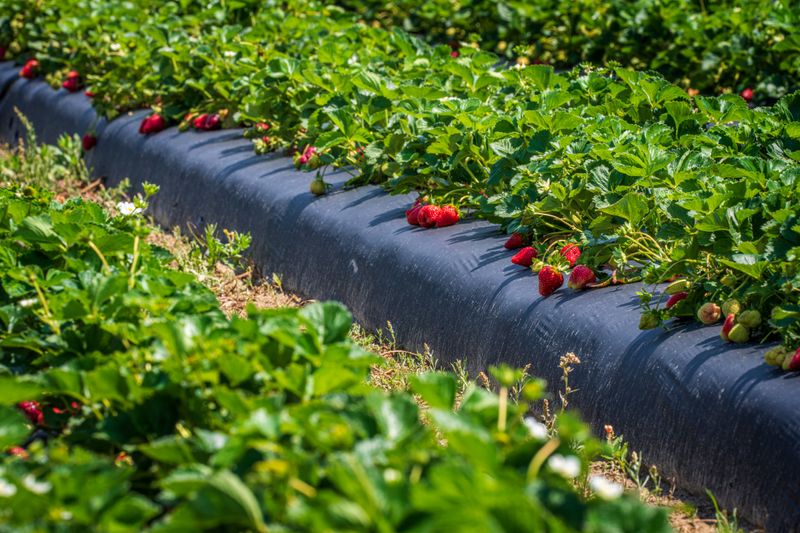
Science backs up what experienced gardeners have long suspected about companion planting. Research shows that better pollination directly increases strawberry fruit weight and size.
A well-pollinated strawberry flower produces a berry with fully developed seeds across its entire surface. Incomplete pollination leaves gaps, causing the berry to grow unevenly.
Borage attracts bumblebees at a higher rate than most garden flowers. Bumblebees are especially effective strawberry pollinators because of their size, hairy bodies, and high visit frequency, which help transfer more pollen between flowers.
When borage grows nearby, bumblebee activity in the entire garden bed increases noticeably. More bumblebees mean more complete pollination events per strawberry flower.
Research on strawberry pollination has found that well-pollinated berries can be significantly heavier than poorly pollinated ones.
For Wisconsin growers working with limited garden space, yield per plant matters enormously. Maximizing pollination is one of the smartest ways to get more from every square foot.
Borage makes that possible without any extra chemicals or complicated techniques. The science is straightforward, and the results speak clearly for themselves.
How To Plant And Grow Borage Alongside Strawberries
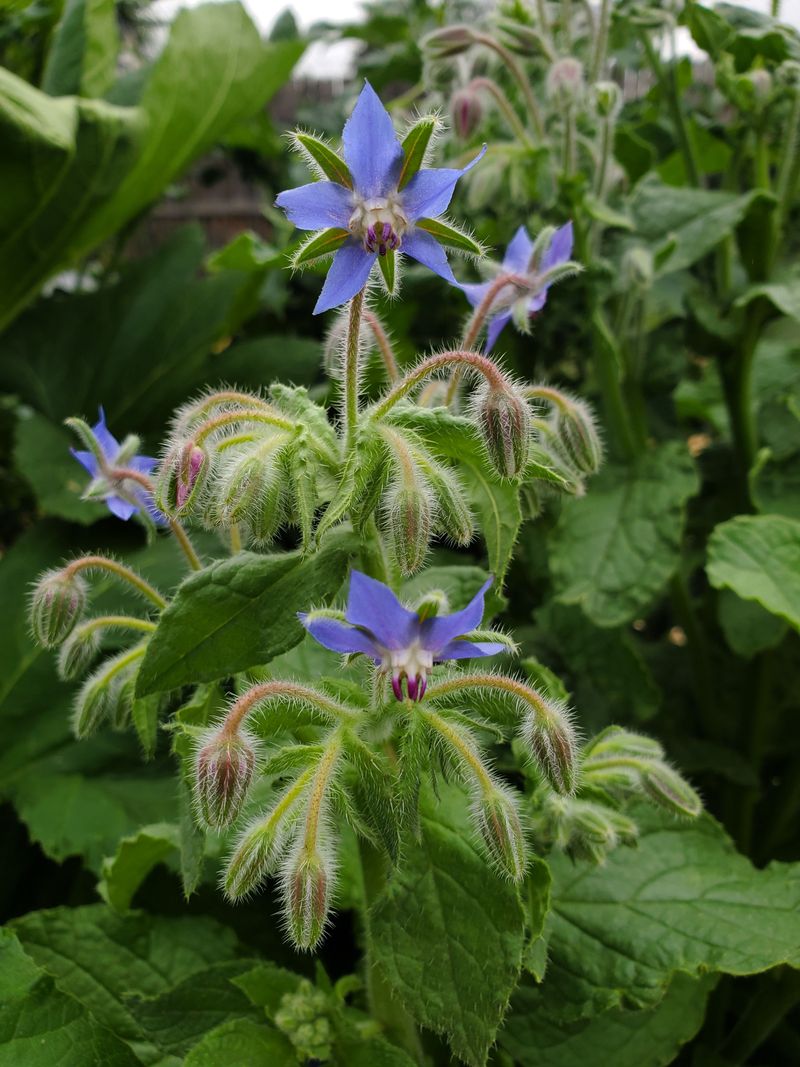
Planting borage is refreshingly simple, even for first-time gardeners. It grows fast from seed and rarely needs coddling once it gets started.
Direct sow borage seeds into your garden after the last frost date, which in Wisconsin is typically mid-May. Press seeds lightly into the soil and keep them moist until germination.
Borage prefers full sun and well-drained soil, conditions that strawberries also love. This natural compatibility makes them easy to grow side by side.
Space borage plants about 12 inches from your strawberry rows. Close enough to attract pollinators to the area, but not so close it crowds the berries.
Borage grows quickly and can reach two feet tall in a single season. Its large leaves provide light shade that helps keep strawberry soil from drying out too fast.
Water borage regularly during its first few weeks, then back off as the plant establishes itself. It’s surprisingly drought-tolerant once mature, making it low-maintenance all season.
Remove spent blooms occasionally to encourage continuous flowering throughout summer. More blooms mean more nectar and more bee activity across your whole garden.
Borage self-seeds readily, so expect volunteer plants to pop up next spring. That’s a free garden upgrade that keeps on giving year after year.
Safety Tips For Pet Owners
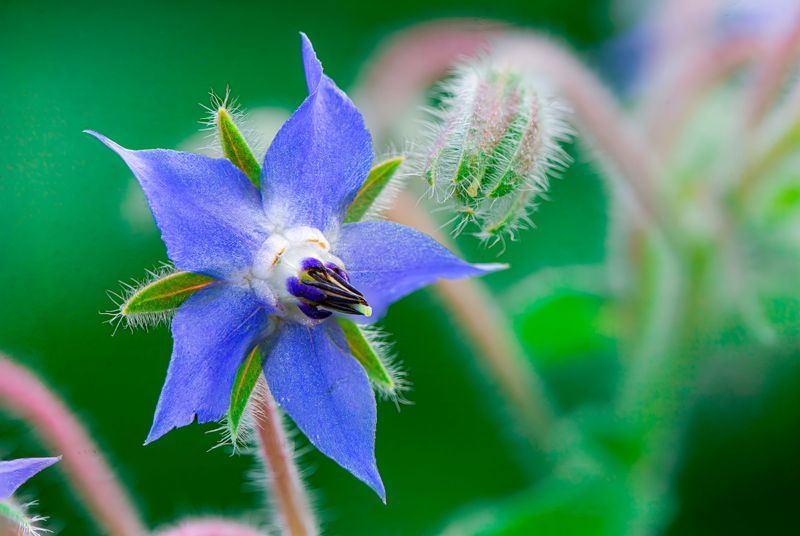
If you share your yard with dogs or cats, it’s smart to know what you’re planting. Borage is generally considered non-toxic to pets, which is great news for animal-loving gardeners.
The ASPCA does not list borage as a toxic plant for dogs or cats. That said, every animal reacts differently, so caution is still a reasonable approach.
Some pets may experience mild stomach upset if they eat large amounts of any plant material. Keep an eye on curious pets who like to snack on garden greenery.
Borage leaves are covered in fine, bristly hairs that most animals find unpleasant to chew. This natural deterrent often keeps pets from eating it in the first place.
If you have a dog who loves digging, plant borage in a raised bed. Raised beds protect both the plant and your strawberries from enthusiastic paws.
Cats are typically less interested in borage than in catnip or grass. Still, placing a small decorative fence around your garden gives you extra peace of mind.
Children can safely handle borage flowers, which are actually edible and taste faintly of cucumber. Letting kids pick the blossoms can make garden time a fun family activity.
Always wash hands after handling any garden plant, especially before eating. Good hygiene habits in the garden protect the whole family, two-legged and four-legged alike.
Other Companion Flowers Worth Considering
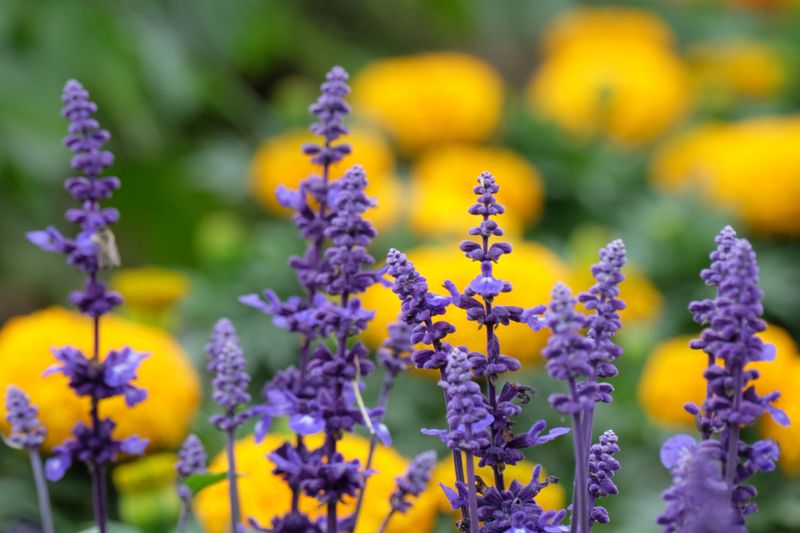
Borage is the star of this show, but it’s not the only flower that helps strawberries thrive. A few other blooms can round out your pollinator garden beautifully.
Phacelia is a lesser-known but incredibly powerful bee magnet. Its purple flowers produce abundant nectar and attract a wide range of native bee species.
Lavender is another excellent choice for Wisconsin strawberry beds. Its long bloom period and strong scent draw bees from impressive distances.
Marigolds do double duty in the garden by repelling certain pests while attracting pollinators. Their bright orange and yellow blooms are cheerful bonuses in any berry patch.
Catmint blooms early in the season, which is especially helpful in Wisconsin’s short spring. Early bloomers bring bees into your garden before other flowers even open.
Sweet alyssum grows low to the ground and fills gaps between strawberry plants naturally. Its tiny white flowers attract hoverflies, which are underrated but effective pollinators.
Cosmos are tall, airy, and extremely low-maintenance once established. They bloom prolifically and keep pollinators active in your garden well into early fall.
Mixing several of these companion flowers with borage creates a pollinator-friendly ecosystem. A diverse flower lineup ensures bee activity all season long, giving your strawberries every advantage possible.
When To Expect Results In Your Wisconsin Garden
Patience pays off in the garden, and borage rewards it quickly. Most gardeners notice increased bee activity within days of their borage plants blooming.
In Wisconsin, borage typically starts flowering in late June or early July when planted from seed in mid-May. That timing lines up well with the June-bearing strawberry bloom period.
Everbearing and day-neutral strawberry varieties bloom throughout summer, making borage an even better long-term companion. Its extended bloom season keeps pollinators engaged all the way through August.
By your second harvest, you should start seeing a noticeable difference in berry size and quantity. Bigger, fuller berries are the clearest sign that pollination has improved.
Some gardeners report seeing results as early as their first season with borage. The faster your borage establishes, the sooner your strawberries benefit from the extra bee traffic.
If your garden is new, give the whole system one full season to settle in. Companion planting works best when plants have time to develop alongside each other.
Keep a simple harvest journal to track berry count and size year over year. Comparing your numbers is a satisfying way to measure real, tangible progress.
Consistent pollination should show results in future harvests, with fuller, more evenly developed berries over time.