What Pennsylvania Should Plant Instead Of Ash Trees This Summer
Emerald ash borer has left a visible mark on Pennsylvania neighborhoods, and anyone who has watched a once-impressive ash tree decline over a few short seasons knows how dramatically a yard can change when a large canopy disappears.
That open sky where a tall tree used to stand is both a loss and an opportunity, and what gets planted there next actually matters quite a bit.
Replacing an ash with another single species planted everywhere is not the smartest long-term move, and Pennsylvania gardeners are in a genuinely good position to do better.
There is a solid lineup of native and well-adapted trees worth considering, and container-grown options can go in the ground this summer with the right care.
No need to wait until fall. The planting window is open right now.
1. Swamp White Oak Replaces Ash In Roomy Yards
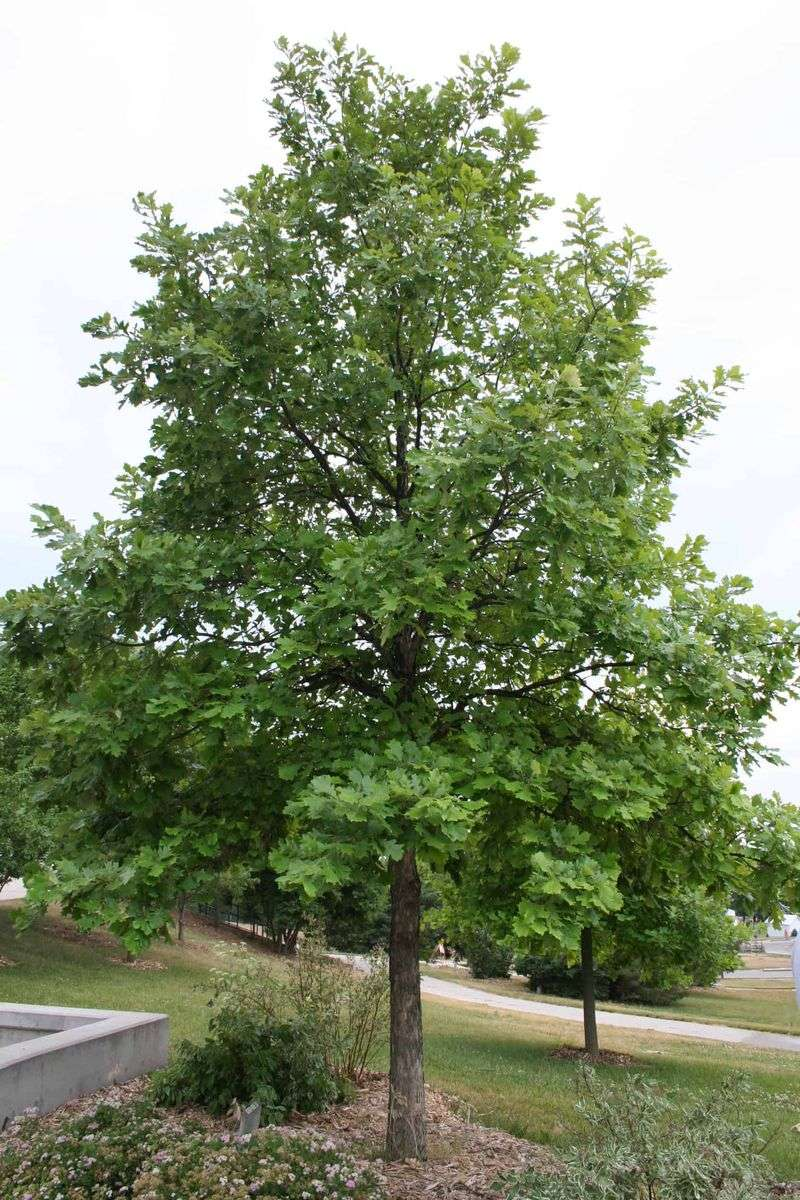
Picture a wide-open lawn where a mature ash once gave the whole yard its character. That kind of space calls for a tree with presence, and swamp white oak brings exactly that.
A native to Pennsylvania, this oak can grow into a broad, impressive shade tree that fills a roomy yard the way few other species can match.
Swamp white oak handles a wider range of soil conditions than its name might suggest. While it does especially well in moist, slightly acidic soils, it can also manage in average yard conditions with reasonable drainage.
Pennsylvania homeowners with low spots near a patio or a yard that stays damp after rain will likely find this tree fits right in.
Growth is steady rather than fast, so patience matters here. Young trees establish more reliably when planted in a spot with full sun and consistent moisture during their first couple of summers.
Container-grown swamp white oak planted this summer should get a generous layer of mulch kept away from the trunk, along with regular watering through dry stretches.
At maturity, this tree can reach 60 feet or more in height and spread, so it genuinely needs space. Wildlife value is strong too, with acorns supporting birds and small mammals across Pennsylvania neighborhoods.
For homeowners replacing a large ash in a yard with room to grow, swamp white oak is one of the most grounded choices available.
2. Sugar Maple Brings Long-Term Shade
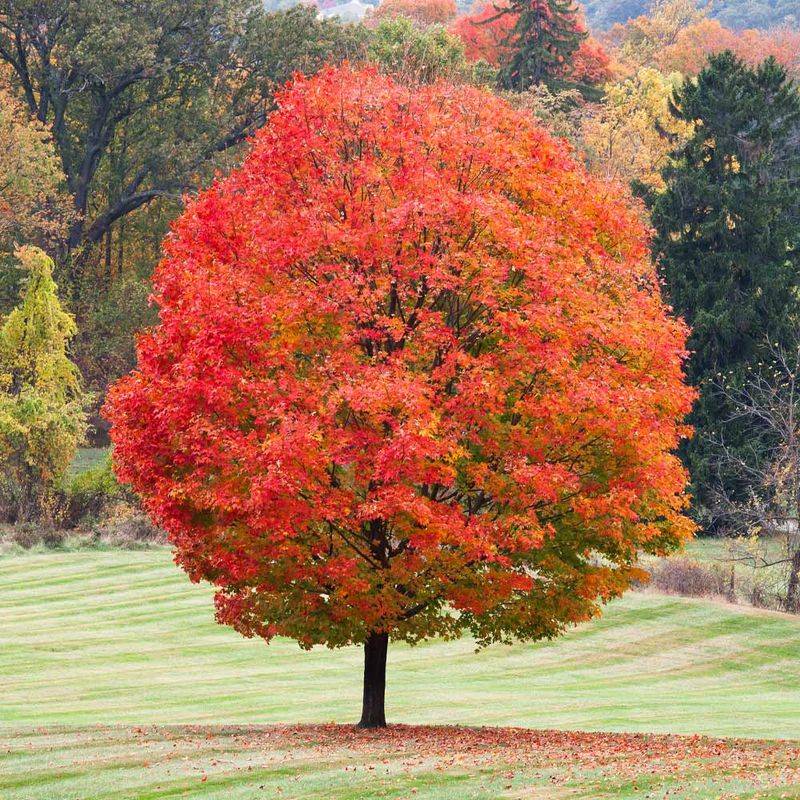
Few trees carry as much sentimental weight in Pennsylvania as the sugar maple. Walk through almost any older neighborhood and you will spot one anchoring a front yard or lining a street, its broad canopy making the whole block feel cooler.
Replacing a lost ash with a sugar maple is a long-term investment that pays off in decades of dependable shade.
Sugar maple grows best in well-drained, fertile soil with full to partial sun. It tends to struggle in compacted urban soil or spots that stay waterlogged, so site selection matters before planting.
Pennsylvania homeowners should take a close look at drainage and soil quality before putting a sugar maple in the ground, especially in a yard where an ash may have altered the soil over many years.
Your Pennsylvania Garden Changes Every Week. Your Plan Should Too.
Gardening in Pennsylvania changes quickly throughout the season. Every Friday you’ll receive a simple weekly plan showing exactly what to plant, prune, fertilize, harvest, and protect so you never miss the right timing.
Fall color is one of this tree’s most celebrated traits. Brilliant orange, red, and yellow leaves put on a show that few other shade trees rival in Pennsylvania’s autumn landscape.
That seasonal display, combined with a dense summer canopy, makes sugar maple one of the more rewarding choices for a long-term planting.
Summer planting is possible with container-grown stock, but sugar maple appreciates extra attention during hot or dry spells. Water consistently and mulch correctly to help roots settle in.
At maturity, expect a tree that can reach 60 to 75 feet, so give it room and avoid planting directly under power lines or too close to structures.
3. Black Gum Adds Strong Fall Color
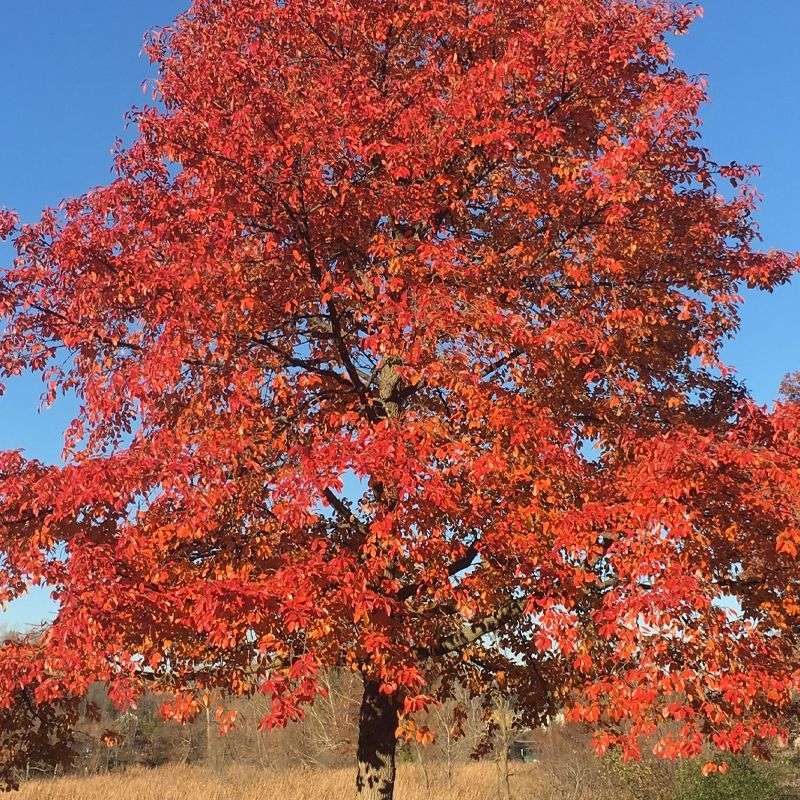
Some trees earn their reputation one season at a time, and black gum earns it every October. Along Pennsylvania streets and in residential yards, few native trees turn as early or as brilliantly in autumn.
Scarlet red leaves appear while many other trees are still holding onto green, making black gum a genuine standout in the fall landscape.
Beyond the seasonal color show, black gum is a tough and adaptable native tree. It handles moist soils well and can tolerate occasional wet conditions, which makes it useful in Pennsylvania yards with drainage challenges.
Full sun to partial shade suits it fine, and it tends to establish without too much fuss once the roots settle in.
Wildlife value adds another reason to consider this tree. Small dark fruits ripen in late summer and attract songbirds, making black gum a productive addition to any yard where wildlife habitat matters.
The tree grows at a moderate pace and can eventually reach 30 to 50 feet, fitting comfortably into mid-sized yards without overwhelming the space.
Container-grown black gum can go in the ground this summer, though consistent watering through heat and dry spells is important during the first season. Mulching around the base helps retain soil moisture and keeps roots cooler.
For Pennsylvania homeowners who want a native replacement that delivers color, wildlife value, and reasonable size, black gum checks several boxes without asking for too much in return.
4. Hackberry Fills Canopy Gaps Well
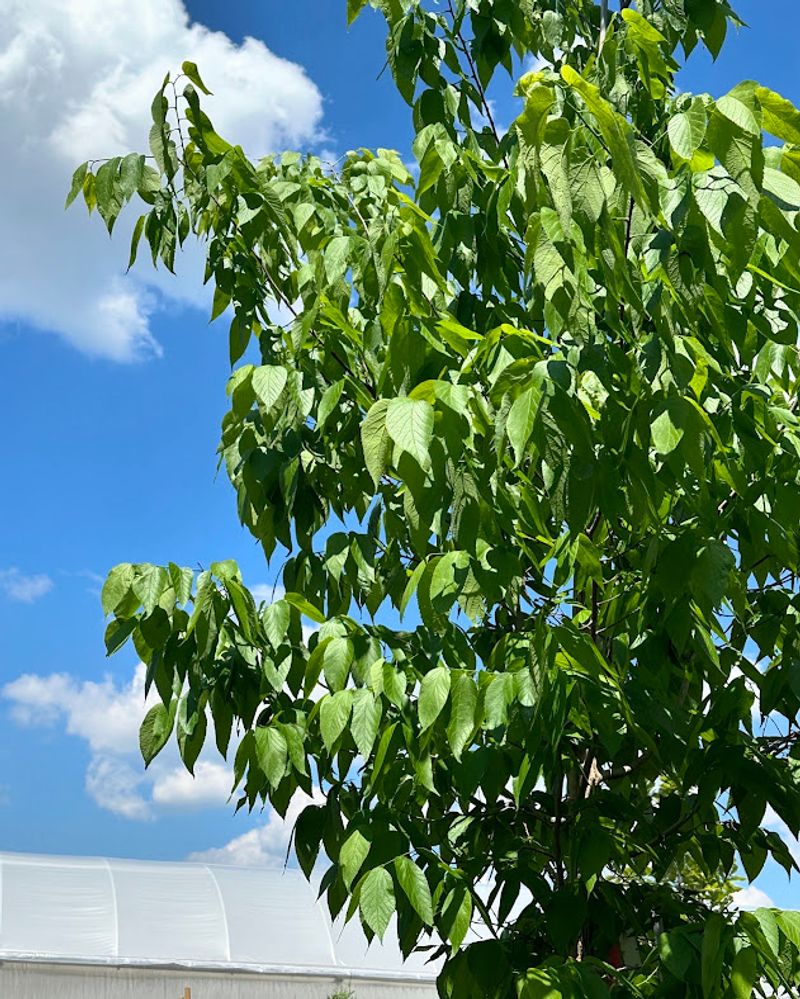
Canopy gaps left by removed ash trees can feel jarring, especially along streets and sidewalks where shade once made summer walks comfortable. Hackberry is one of those quietly capable trees that fills those gaps without demanding ideal conditions.
It handles urban stress, compacted soil, wind, and variable moisture better than many other shade trees, which makes it a practical choice for challenging Pennsylvania spots.
Native to much of the eastern United States, hackberry is well suited to Pennsylvania’s climate. It grows at a moderate to fairly quick pace and can reach 40 to 60 feet at maturity, spreading into a broad, somewhat irregular crown.
The canopy is open enough to allow some filtered light through, which works well for yards where growing grass under a dense tree has been a struggle.
Small berry-like fruits ripen in fall and are popular with birds, adding quiet wildlife value to a yard or streetside planting.
The distinctive corky, warty bark gives hackberry a recognizable look year-round, and the tree tends to hold its leaves later into fall than some other species.
For summer planting, container-grown hackberry should be watered regularly until roots are established. It is generally forgiving once settled in, but the first summer after planting is the most critical period.
Pennsylvania homeowners looking for a low-fuss native tree that can handle a tough spot while still contributing to neighborhood canopy will find hackberry worth a serious look.
5. American Sycamore Suits Big Moist Spaces
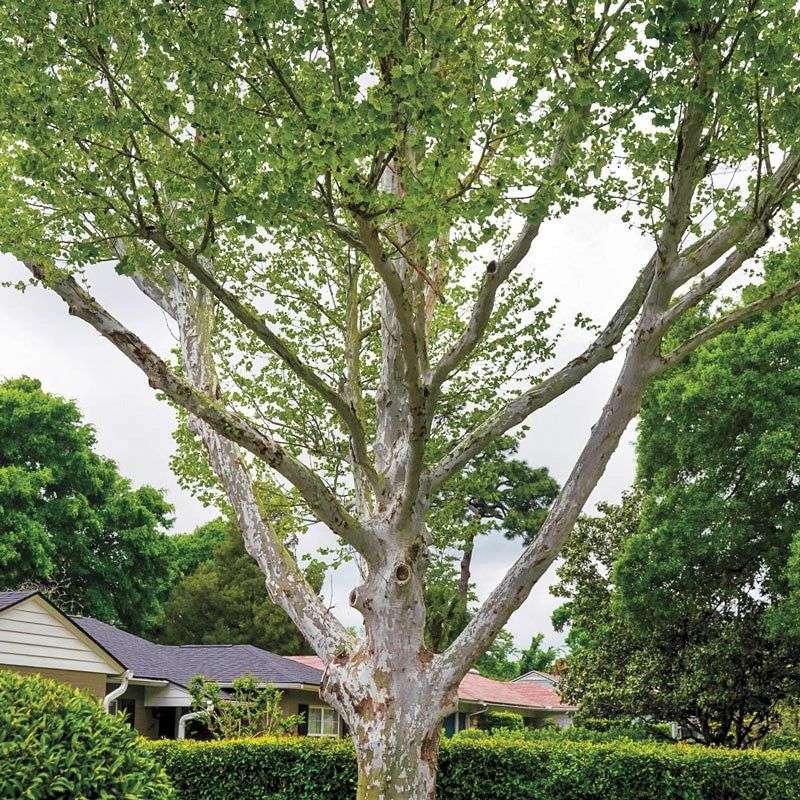
Not every yard has the space for a sycamore, but the ones that do are in for something remarkable.
American sycamore is one of the largest native trees in eastern North America, and in the right Pennsylvania setting, it grows into a genuinely commanding presence.
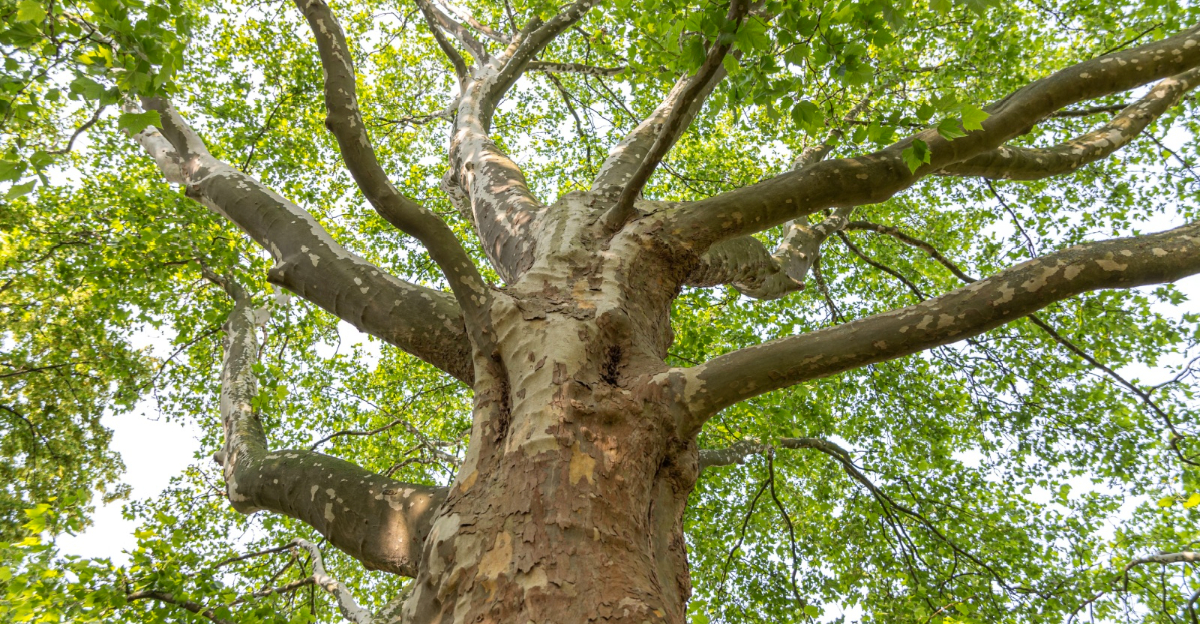
The patchy white and tan bark peels away in puzzle-like pieces, making it one of the most visually striking trees in any season.
Sycamore thrives in moist to wet soil and is especially well suited to low-lying areas, floodplains, and spots near streams or ponds.
Pennsylvania homeowners with a large yard that stays reliably moist, or a low area that holds water after rain, may find sycamore fits the site in a way that few other trees can.
It does not perform as well in dry or compacted soil, so site matching is important before planting.
Growth can be vigorous once the tree is established, and at maturity a sycamore may reach 75 to 100 feet or more. That scale means sycamore is not a tree for small yards or tight spaces near buildings.
However, for a large open property with the right moisture conditions, it offers canopy, wildlife habitat, and a distinctive character that replaces a lost ash with something genuinely different.
Summer planting works with container-grown stock if watering is consistent. Mulch well, keep the root zone moist during hot stretches, and give this tree the wide-open space it needs to grow into its full potential over the coming decades.
6. River Birch Handles Damp Yard Areas
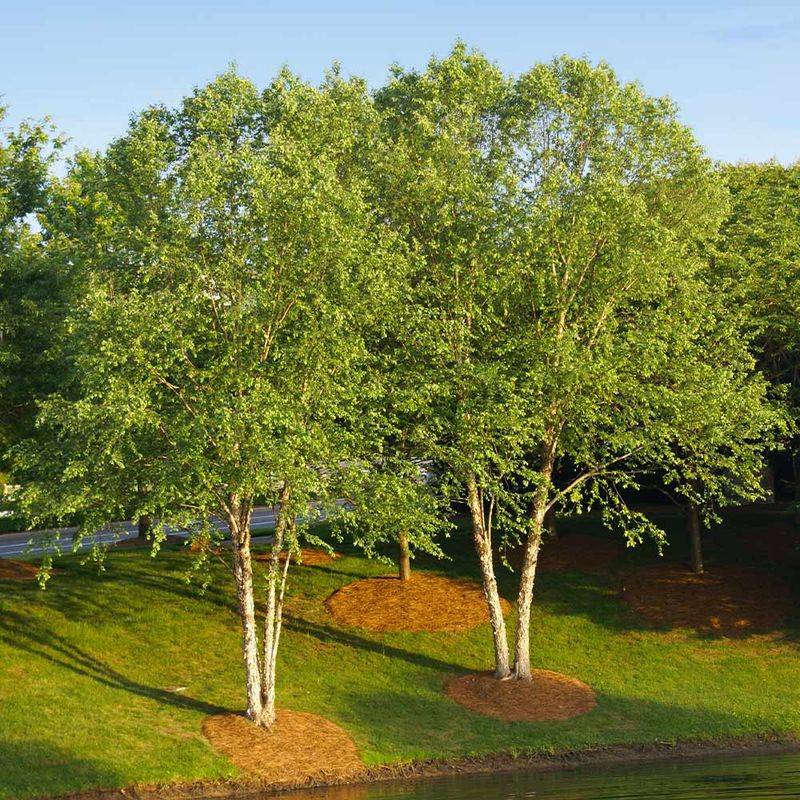
That low, damp corner of the yard where grass never quite thrives and water lingers after every rain – river birch was practically made for a spot like that.
One of the most adaptable native trees for wet or poorly drained Pennsylvania sites, river birch brings graceful structure and year-round interest to areas that challenge most other trees.
The peeling bark is the feature most people notice first. Curling layers of cinnamon, cream, and tan peel away from the trunk and branches, creating a texture that looks interesting even in winter when leaves are gone.
River birch is often planted in multi-stem form, which gives it a soft, natural look that suits informal yards and naturalistic landscapes well.
Growth tends to be fairly quick for a native tree, which can be encouraging for homeowners eager to restore some canopy after losing an ash. River birch can reach 40 to 70 feet at maturity, though many residential specimens stay closer to the lower end of that range.
It prefers full sun to partial shade and performs best in consistently moist, slightly acidic soil.
Summer planting is feasible with container-grown river birch, but keeping the root zone moist through Pennsylvania’s summer heat is essential during the first season. Mulch helps considerably.
For homeowners dealing with a soggy low spot or a yard near a stream or pond, river birch offers a native solution that turns a drainage challenge into a genuine landscape asset.
7. Serviceberry Fits Smaller Landscapes
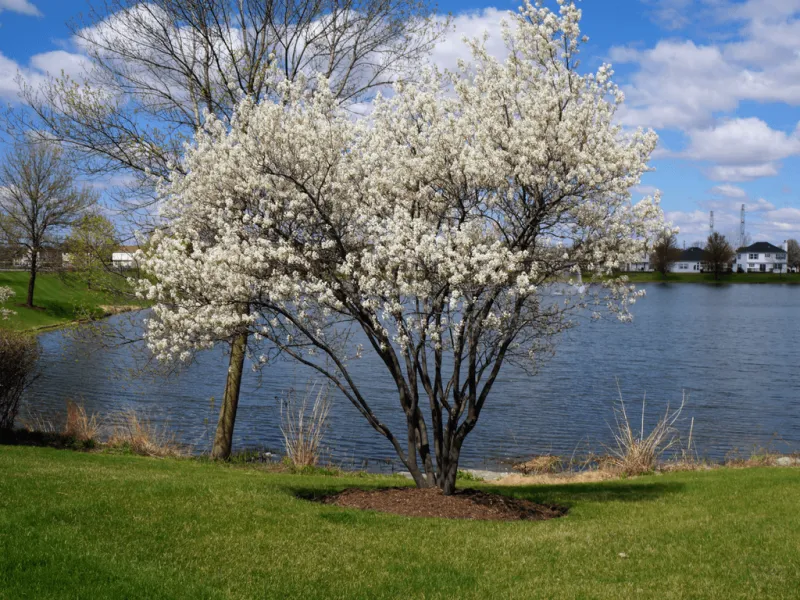
A compact front yard or a narrow planting strip between a sidewalk and a fence does not need a towering shade tree – it needs something that fits the scale of the space without outgrowing it in ten years.
Serviceberry, also called Amelanchier, is one of Pennsylvania’s most charming native small trees, and it earns admiration from the moment spring arrives.
White flowers appear very early in the season, often before most other trees have leafed out, giving serviceberry a brief but delightful bloom period that signals the end of winter.
Small, berry-like fruits follow in early summer, ripening to a dark red or purple and attracting birds quickly.
Homeowners who enjoy watching wildlife from a kitchen window will appreciate how much activity a serviceberry can bring to a small yard.
Fall color adds another season of interest, with leaves turning orange, red, and gold in autumn. Serviceberry typically grows 15 to 25 feet tall depending on the species and form, making it manageable in yards where a full-sized shade tree would simply be too large.
It grows in full sun to partial shade and handles a range of soil conditions reasonably well.
For Pennsylvania homeowners replacing a smaller ash or filling a modest space left by a removed tree, serviceberry offers genuine four-season appeal. Container-grown plants can go in this summer with careful watering.
It may not replace the canopy of a large ash, but in the right small-scale setting, serviceberry brings beauty and wildlife value that larger trees simply cannot match.
8. American Hornbeam Works Under Light Shade
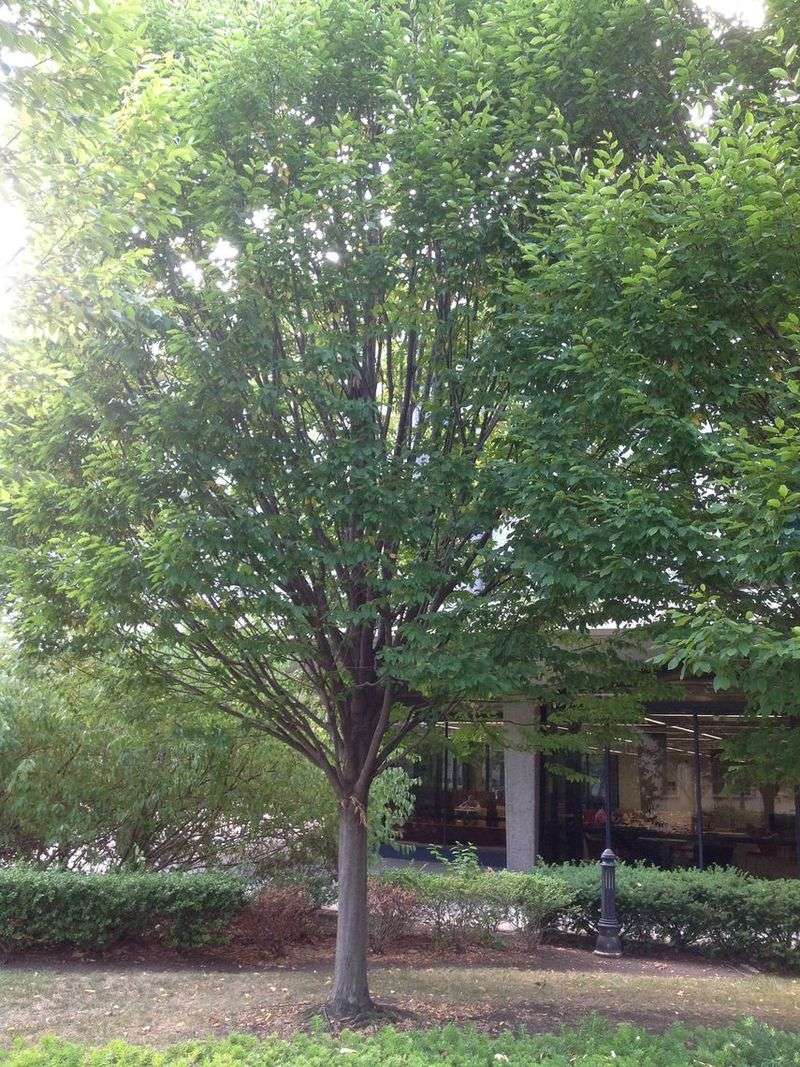
Along the shaded edge of a yard where sunlight filters through a neighboring tree’s canopy, most shade trees simply do not perform well. American hornbeam is different.
This small native tree is genuinely comfortable in part shade, which makes it useful in Pennsylvania yards where light is limited and most other tree options would struggle to establish properly.
Sometimes called musclewood for its smooth, sinuous gray bark that resembles flexed muscle, American hornbeam has a quiet elegance that rewards close attention.
It is not a tree that announces itself loudly, but once you notice its distinctive trunk and fine-textured foliage, it becomes one of the more memorable small trees in any Pennsylvania landscape.
Growth is slow, which means patience is part of the arrangement. American hornbeam rarely exceeds 20 to 30 feet at maturity, and it tends to develop a layered, somewhat irregular crown that fits naturally into woodland edges and shaded yard borders.
It prefers moist, well-drained soil and does not handle drought or compaction especially well, so site preparation before planting makes a meaningful difference.
Wildlife value is solid, with small nutlets providing food for birds and small mammals in fall and winter.
For Pennsylvania homeowners replacing a lost ash near a shaded property edge, or looking for a modest native tree that fits under the canopy of larger trees, American hornbeam offers a thoughtful, low-scale option.
Summer planting works with container stock, but consistent moisture and mulch are important through the first season.