Plant This Herb Next To Rosemary And Fill Your Virginia Garden With Flavor By Fall
If sage already has a spot in your Virginia garden, you’re closer to herb-garden glory than you think. There’s another plant it’s been waiting for.
Once they meet, they turn a few square feet into something special. Both crave full sun. Drought barely bothers them. Soggy roots are the one thing neither can stand.
That means a Virginia summer barely fazes them. Plant them close and they’ll lean on each other.
Their roots will tangle in the same loose, gravelly soil. Come August, you won’t just have two herbs.
You’ll have a fragrant, thriving patch. Silvery leaves will brush against purple spikes. Bees will drift in all afternoon. A soft, sweet scent will greet you before you even reach the gate.
Snip a few sprigs for dinner. Dry the rest for winter. Watch the whole bed shrug off heat that would wilt anything less stubborn. This is the pairing your garden has been missing.
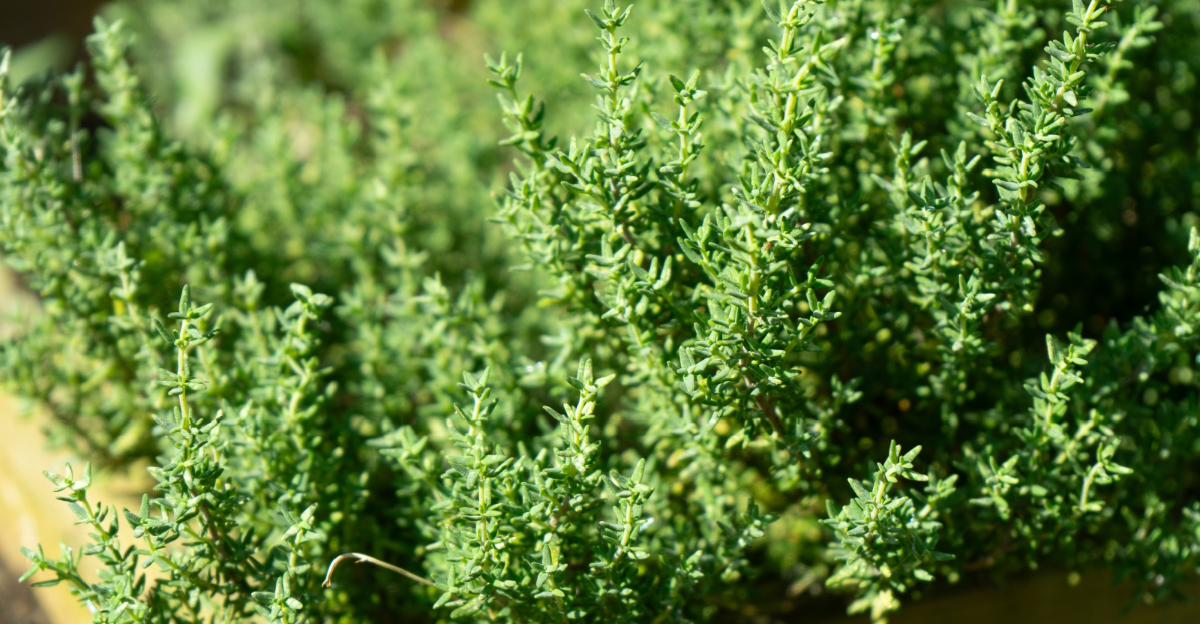
Why Thyme Is The Perfect Companion For Rosemary
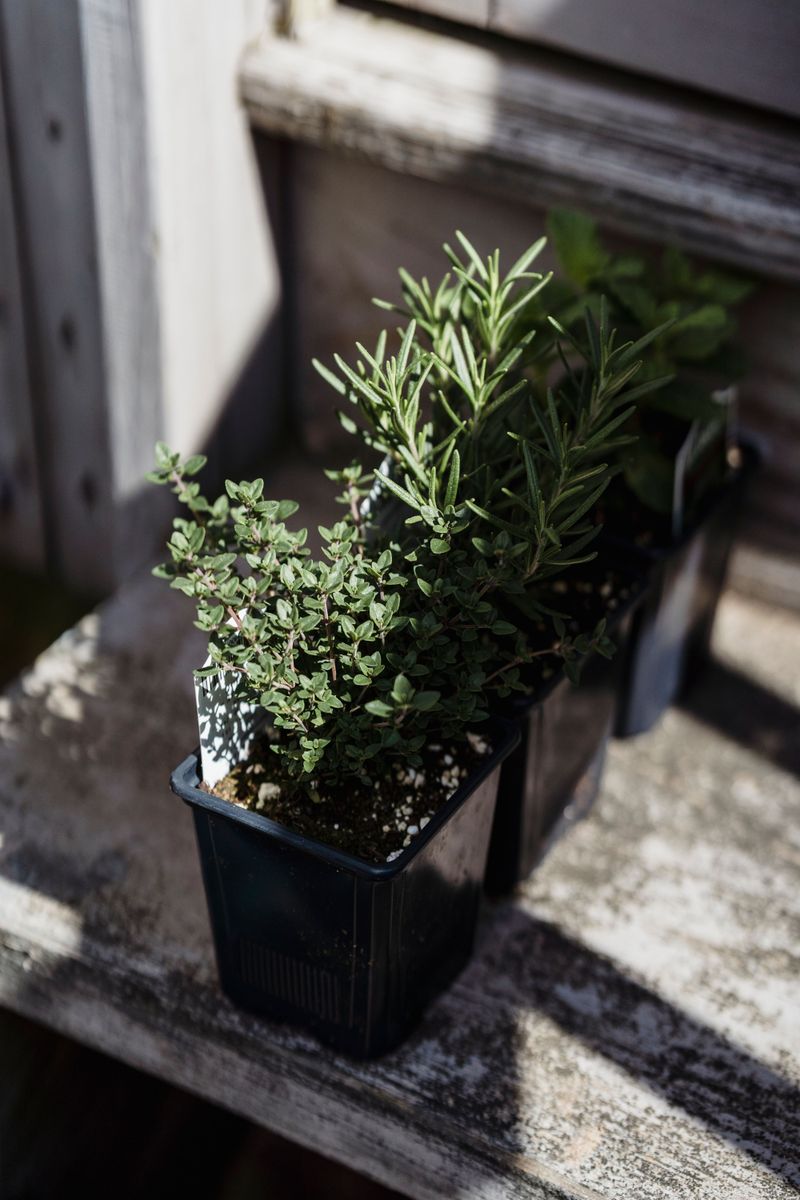
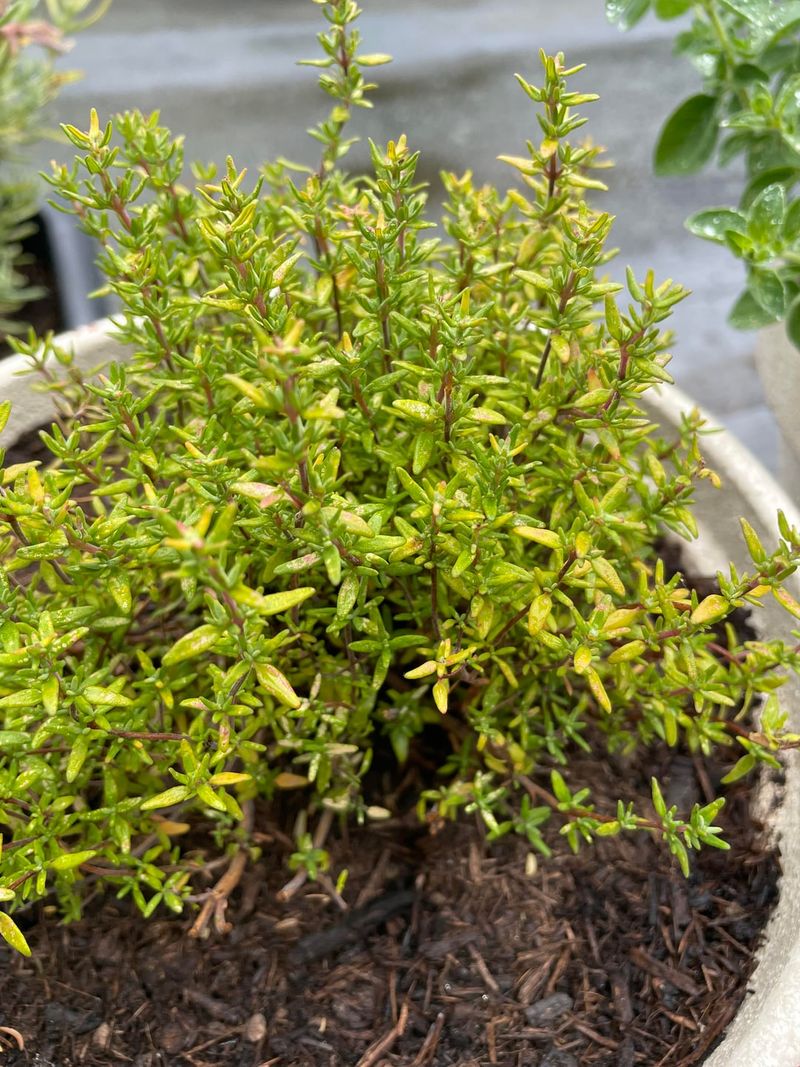
Thyme and rosemary are both native to the Mediterranean, which is why gardeners there have long grown them side by side.
Both plants speak the same language when it comes to growing needs. They crave full sun, dislike soggy roots, and thrive in well-drained soil.
Planting thyme next to rosemary creates a low-maintenance herb duo. You do not need to fuss over them much once they settle in.
Thyme acts as a ground cover beneath rosemary’s taller, woody stems. This pairing saves space and looks beautiful in any garden bed.
Beyond looks, thyme attracts pollinators like bees and butterflies. Rosemary benefits from that extra pollinator activity too.
The two herbs also share natural pest-repelling properties. Planting them together builds a stronger aromatic barrier against common garden insects.
Companion planting is one of the smartest moves a home gardener can make. Choosing thyme as rosemary’s neighbor is a decision you will not regret.
Gardeners across the state have discovered this pairing works season after season. Your fall harvest will thank you for making this choice now.
This herb combination is not just practical. It’s flavorful too. You get two powerhouse seasonings from one small garden corner.
Starting this pairing in spring gives both plants time to establish. By fall, you will have lush, fragrant growth ready to harvest.
Growing Conditions Both Herbs Share In Common
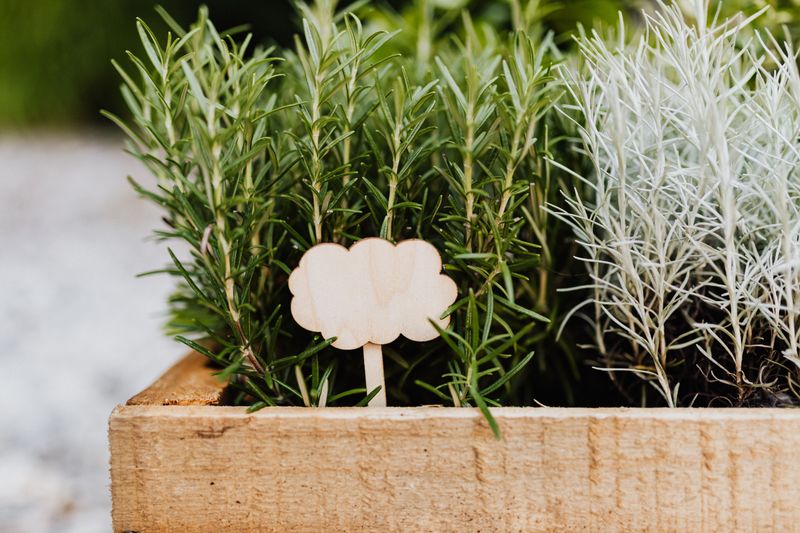
Sun is non-negotiable for both of these herbs. Aim for at least six to eight hours of direct sunlight each day.
Thyme and rosemary both struggle with wet feet. Waterlogged soil leads to root rot, which can quickly damage or destroy both plants.
Sandy or loamy soil works best for this pairing. Good drainage is the single most important factor in keeping both herbs healthy.
A soil pH between 6.0 and 8.0 suits both plants well. You can test your garden soil with a simple kit from any hardware store.
Neither herb needs rich, heavily fertilized ground to thrive. In fact, too much nitrogen makes the leaves less flavorful and more watery.
Your Virginia Garden Changes Every Week. Your Plan Should Too.
Gardening in Virginia changes quickly throughout the season. Every Friday you’ll receive a simple weekly plan showing exactly what to plant, prune, fertilize, harvest, and protect so you never miss the right timing.
Virginia summers can get very hot and humid. Luckily, both thyme and rosemary handle heat with ease once they are established.
Raised beds are a smart choice for this herb pair. They naturally improve drainage and warm up faster in spring.
Container gardening works beautifully for thyme and rosemary too. A large pot with drainage holes placed on a sunny porch does the job perfectly.
Both plants are drought-tolerant after their first season. Water them deeply but infrequently to encourage deep root growth.
Matching these two herbs by their shared growing needs is the key to a thriving garden. Give them the right conditions, and they will reward you with months of flavorful growth.
How To Plant Thyme Next To Rosemary Correctly
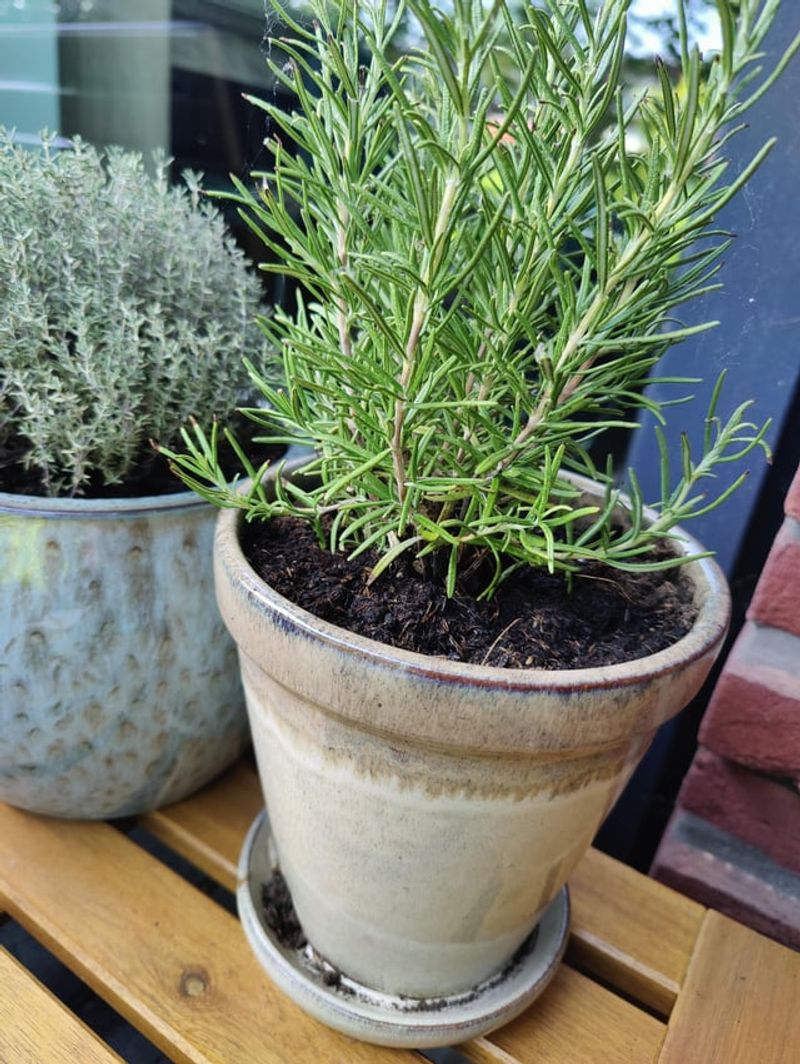
Timing matters when planting thyme beside rosemary. In Virginia, aim to plant after your area’s last frost date, which can range from late March in Tidewater to early May in the mountains.
Start with healthy transplants from a local nursery rather than seeds. Transplants give you a head start and establish faster in warm soil.
Space thyme plants about 12 inches away from your rosemary. This gives each plant room to spread without crowding the other.
Dig a hole just slightly larger than the root ball of your thyme. Loosen the surrounding soil so roots can spread outward easily.
Place the thyme at the same depth it sat in its original container. Planting too deep can cause the stem to rot near the soil line.
Water thoroughly right after planting to help roots settle in. After that first deep drink, pull back on watering frequency.
Mulching around both plants helps retain moisture during hot summer days. Use a thin layer of gravel or bark mulch, not thick organic piles.
Avoid planting thyme in low spots where rainwater collects. Both herbs need ground that drains quickly after a heavy downpour.
If your rosemary is already established, plant thyme on its sunny side. This ensures your thyme gets full light and does not get shaded out.
Proper placement from the start means fewer problems later. A little planning now leads to a thriving herb garden by fall.
Caring For Thyme And Rosemary Through Virginia’s Summer Heat
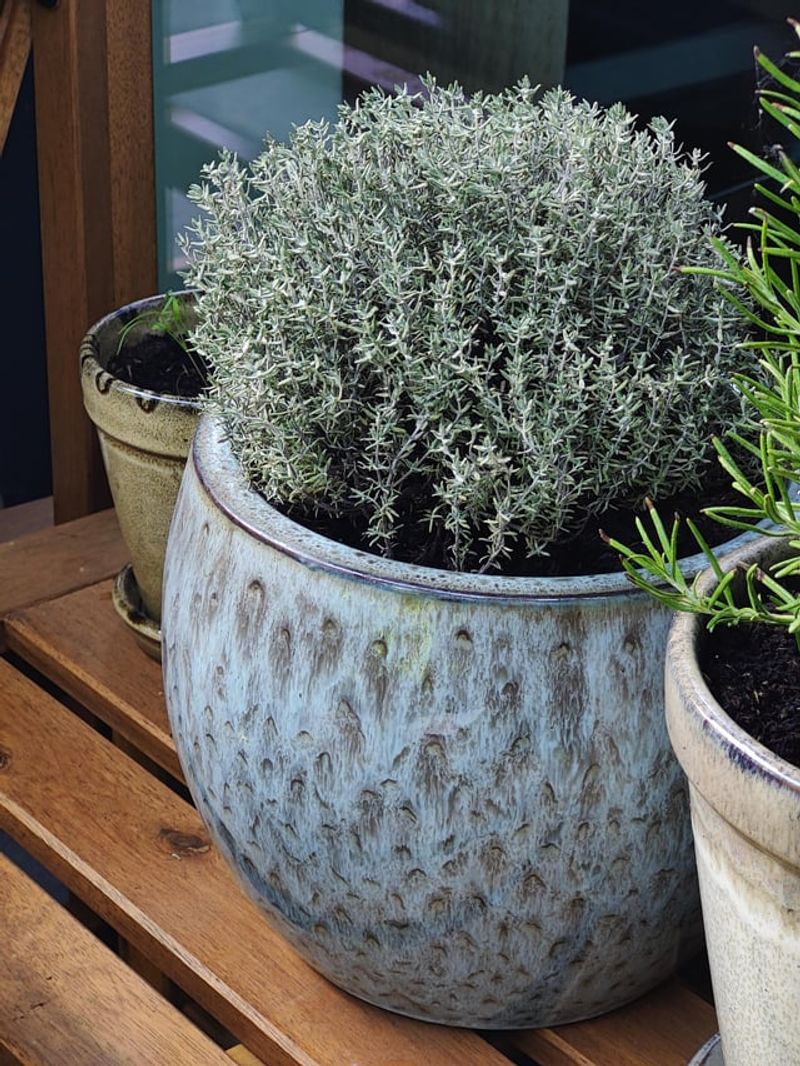
Summer in much of Virginia gets very hot, with some regions seeing temperatures well above 90 degrees for stretches at a time. Fortunately, thyme and rosemary are built for exactly this kind of heat.
Water your herb pair deeply once or twice a week during dry spells. Always let the soil dry out between watering sessions to prevent root issues.
Morning watering is the best approach during hot months. It gives leaves time to dry before evening, which reduces the risk of fungal problems.
Avoid overhead watering if possible for rosemary especially. Wet foliage on rosemary can lead to powdery mildew in humid conditions.
Trim thyme lightly throughout summer to keep it from getting woody. A quick snip after flowering encourages fresh, tender new growth.
Rosemary benefits from occasional shaping too. Pruning keeps it from becoming a leggy, overgrown shrub that takes over your garden bed.
Skip heavy fertilizing during summer months. Both herbs prefer lean conditions, and feeding them too much can actually reduce their aromatic intensity.
Watch for spider mites during hot, dry stretches. A strong blast of water from a hose usually knocks them off without chemicals.
Aphids occasionally target tender thyme growth in midsummer. Neem oil spray handles them quickly and safely without harming nearby plants.
Staying consistent with light care through summer keeps both herbs productive. A small effort every week means a big, flavorful harvest once fall arrives.
Harvesting And Using Both Herbs In The Kitchen

Few things smell better than fresh thyme and rosemary picked straight from the garden. That earthy, piney scent reaches you as soon as you brush against the leaves.
Harvest thyme by snipping stems about two-thirds of the way down. Never cut all the way to the woody base, or the plant struggles to regrow.
For rosemary, clip fresh sprigs from the tips of each branch. This encourages bushier, fuller growth rather than long, spindly stems.
Morning is the best time to harvest both herbs. Essential oils are most concentrated before the afternoon heat causes them to evaporate.
Thyme pairs beautifully with roasted chicken, soups, and grilled vegetables. Its flavor is earthy and slightly floral, which complements rosemary’s bold pine notes perfectly.
Rosemary shines in roasted potatoes, focaccia bread, and lamb dishes. Together, these two herbs create a flavor profile that feels rustic and deeply satisfying.
You can use both herbs fresh or dried for later use. Tie small bundles and hang them upside down in a dry, warm spot indoors.
Dried thyme and rosemary store well in airtight jars for up to a year. Label each jar with the harvest date so you always use the freshest supply.
Herb-infused olive oil is another fantastic way to preserve your harvest. Combine both herbs in a bottle of quality olive oil and let it steep for two weeks.
Growing your own seasoning changes the way you cook. Every meal feels more intentional when the flavor came from your own backyard.
Common Mistakes To Avoid With This Herb Pairing
Overwatering is the number one mistake gardeners make with this herb duo. Both plants are Mediterranean natives and expect dry conditions between waterings.
Planting in shade is another common error. Without enough sunlight, both herbs grow slowly and produce far less flavor.
Using heavy clay soil without amending it first is a recipe for trouble. Mix in coarse sand or perlite to improve drainage before planting.
Overcrowding the planting area is a mistake that sneaks up on you. Give each plant enough space to breathe, spread, and access full sunlight.
Skipping the pruning step leads to woody, unproductive plants by midsummer. Regular trimming keeps both herbs lush and encourages continuous new growth.
Fertilizing too heavily is a well-meaning mistake that backfires fast. Excess nutrients make leaves large but bland, stripping away the bold flavors you want.
Waiting too long to harvest is a missed opportunity. The longer you wait past peak growth, the tougher and more bitter the leaves become.
Planting in a low-lying area where water pools after rain is risky. Both herbs need ground that sheds water quickly to avoid root rot.
Ignoring pest pressure early in the season allows problems to grow. Check leaves weekly and address any issues before they spread to neighboring plants.
Avoiding these missteps makes the difference between a struggling garden and a thriving one. Plant thyme next to rosemary the right way, and your fall harvest will be strong and reliable.