The California Fire Risk Hiding In Your Yard During This Week’s Heat Wave
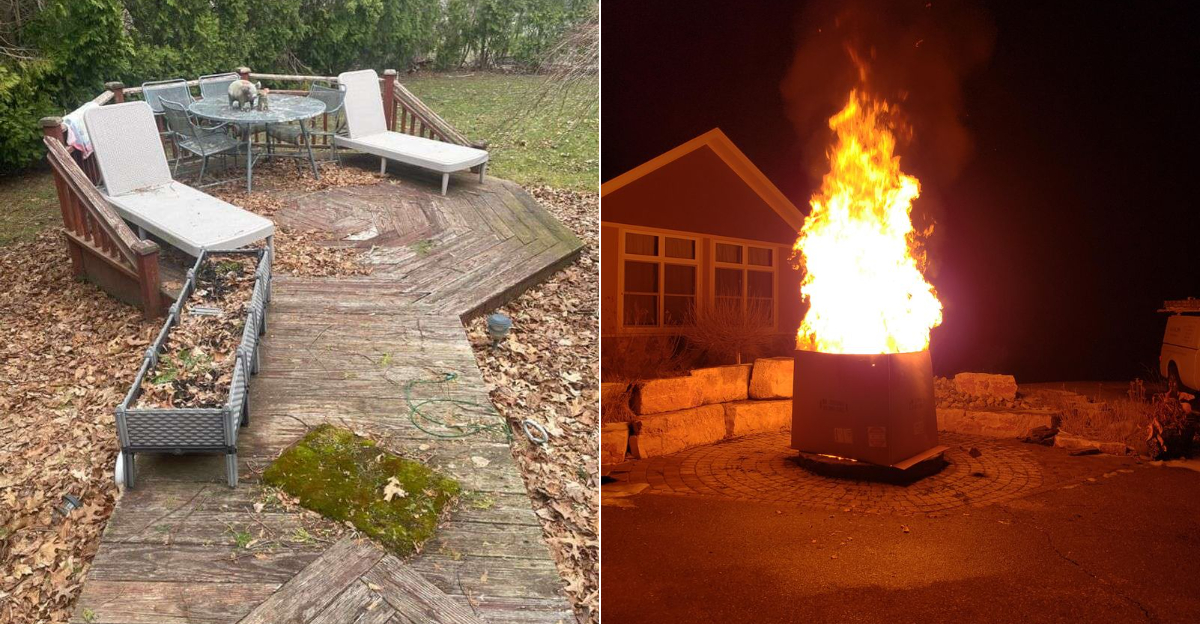
California yards can look calm during a heat wave, but some fire risks are quietly getting crunchier by the hour.
The sneaky danger is often hiding in dry leaves, dry grass, brittle shrubs, clogged gutters, and debris tucked near fences, decks, or siding.
Add extreme heat, hot wind, and one unlucky spark, and that “I’ll clean it up later” pile gets a lot less harmless. The scary part is that these hazards do not always look dramatic.
They look like normal summer mess, which is exactly why homeowners miss them. Before this week’s heat turns small yard clutter into serious fuel, it is worth doing a fast fire-risk check.
A cleaner, leaner yard can still look good, but it should not be giving flames an easy path to the house.
1. Deck Clutter Is The Hidden Fire Risk
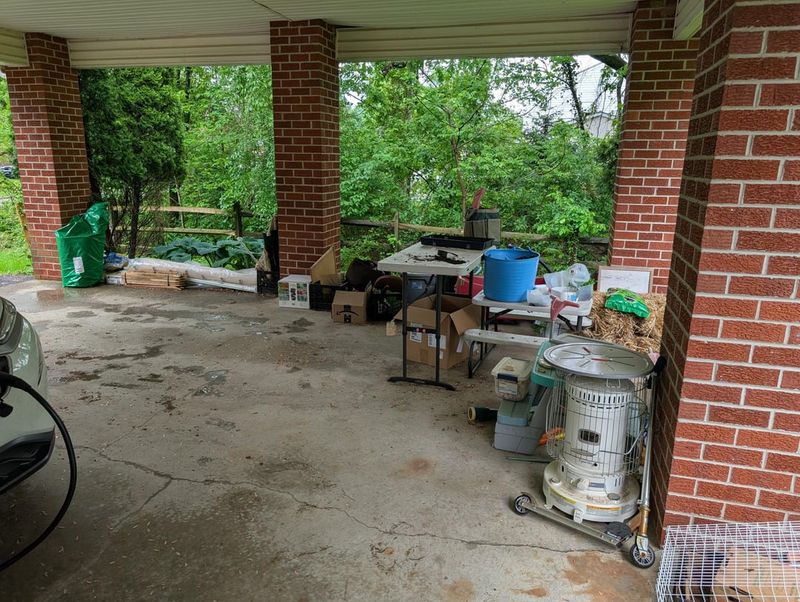
Most people think of wildfires starting out in the hills or dry brush far from home. But firefighters say one of the most overlooked fire starting zones is right on your deck.
Clutter builds up fast outdoors, especially when life gets busy.
Old flower pots, garden tools, empty bags, broken furniture, and plastic containers can pile up without you even noticing. During a heat wave, all of that stuff gets bone dry.
When an ember floats over from a nearby fire, it only needs a second to ignite something.
Decks made of wood are especially risky because the surface itself can catch fire. Add dry clutter on top, and you have a situation that can get out of hand in minutes.
Clearing your deck is not just about looks. It is about safety.
Go through your deck today and ask yourself what actually needs to be there. Move anything flammable to a garage or storage shed.
Keep the surface clear, especially near railings and walls where embers tend to collect.
Even a small pile of dried leaves trapped in a corner can act like a fire starter. Sweep your deck regularly during fire season.
A clean deck gives embers nowhere to land and nothing to grab onto. It is one of the easiest and most effective things you can do right now.
2. Patio Cushions Can Become Ember Fuel
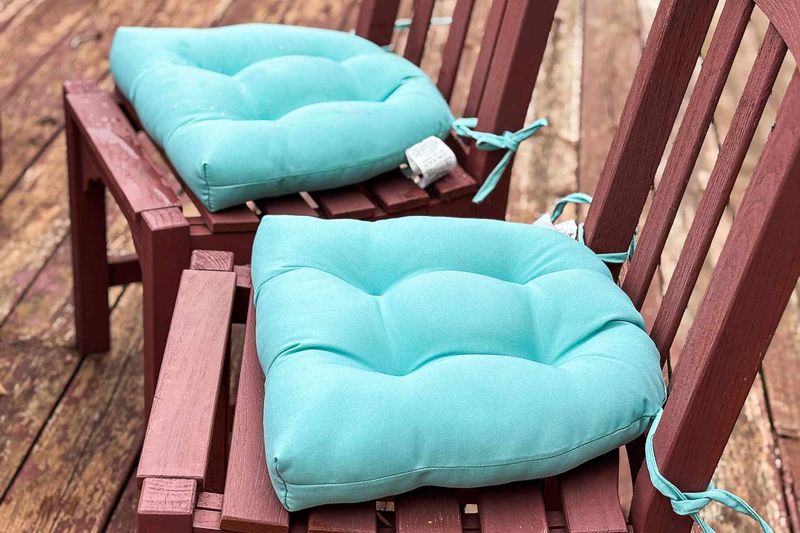
Patio cushions are comfortable, colorful, and a staple of any outdoor living space. But during fire season, they can quietly become one of the most flammable things in your yard.
Most cushion covers are made from synthetic fabrics that catch fire quickly.
Foam filling inside the cushions is especially dangerous. It burns hot and fast.
When an ember lands on a dry cushion, it does not need long to get things going. And because cushions are often left outside all season, they tend to be dried out and weathered by the time a heat wave arrives.
Faded, cracked, or torn cushions are even more vulnerable because the inner foam is exposed. Storing your cushions inside during extreme heat warnings is a smart habit.
It takes only a few minutes but could prevent a serious situation.
Your California Garden Changes Every Week. Your Plan Should Too.
Gardening in California changes quickly throughout the season. Every Friday you’ll receive a simple weekly plan showing exactly what to plant, prune, fertilize, harvest, and protect so you never miss the right timing.
If you do not want to bring them inside every time, consider buying a fire-resistant storage bin designed for outdoor use.
Some products are built to resist sparks and embers, giving you a safer option. Look for bins labeled with flame-resistant materials.
When red flag warnings are issued for your area, treat your patio cushions the same way you treat other fire risks. Get them off the furniture and into a protected space.
Your patio can look great again once the danger passes.
3. Wooden Planters Sit Too Close To Siding
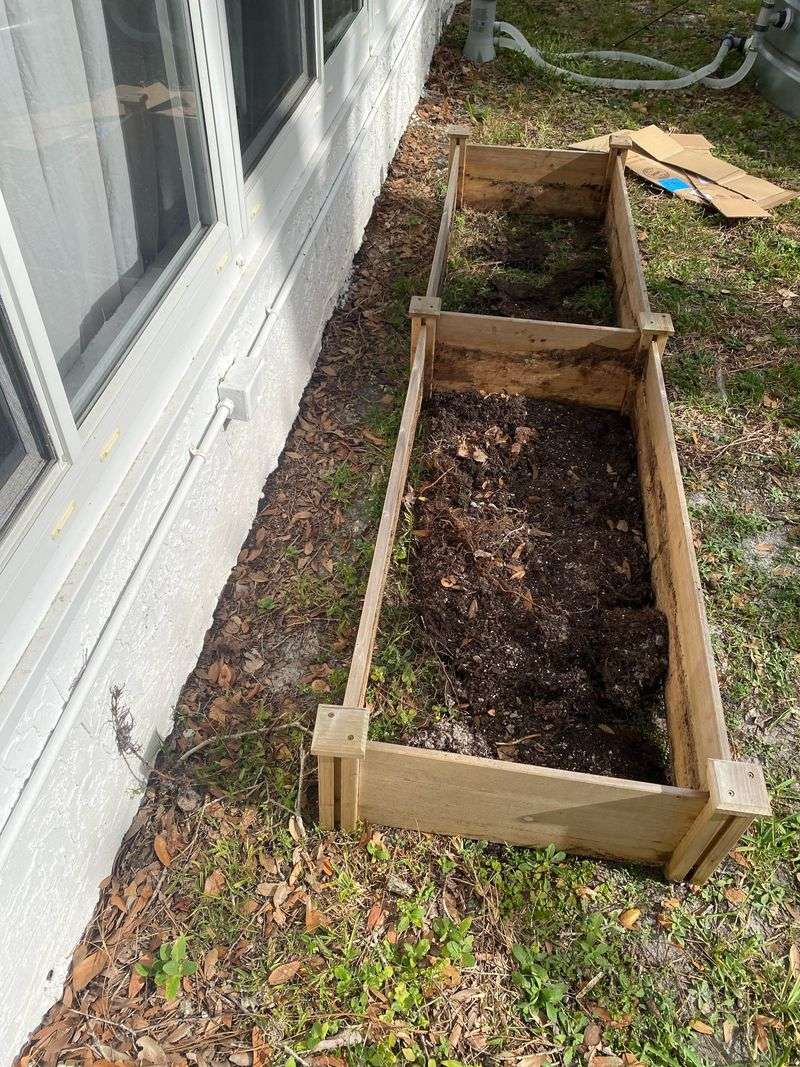
Wooden planters add charm to any porch or patio. They look natural and work well for flowers, herbs, and small shrubs.
But when they are pushed right up against your home’s siding, they create a direct fire path to your house.
Wood is obviously flammable. During a heat wave, wooden planters that have been baking in the sun for weeks become extremely dry.
If an ember lands in the planter or on the dry soil inside, the planter itself can catch and spread fire to whatever is nearest. That includes your siding, your porch railing, and your home’s exterior walls.
Moving planters at least three feet away from the house is a simple fix that makes a big difference. Try placing them on a stone patio or gravel area away from the structure.
This creates a buffer zone that slows fire spread.
Also check what is growing in the planters. Dried-out plants are more flammable than healthy ones.
Water your plants regularly during the heat wave, or remove anything that has already withered. Replace wooden planters with ceramic, concrete, or metal versions for a safer long-term option.
Many homeowners in California have made this simple switch and reduced their ember ignition risk significantly.
Small changes in placement and materials can have a meaningful impact when fire conditions are at their worst.
4. Doormats Can Burn Right At The Door
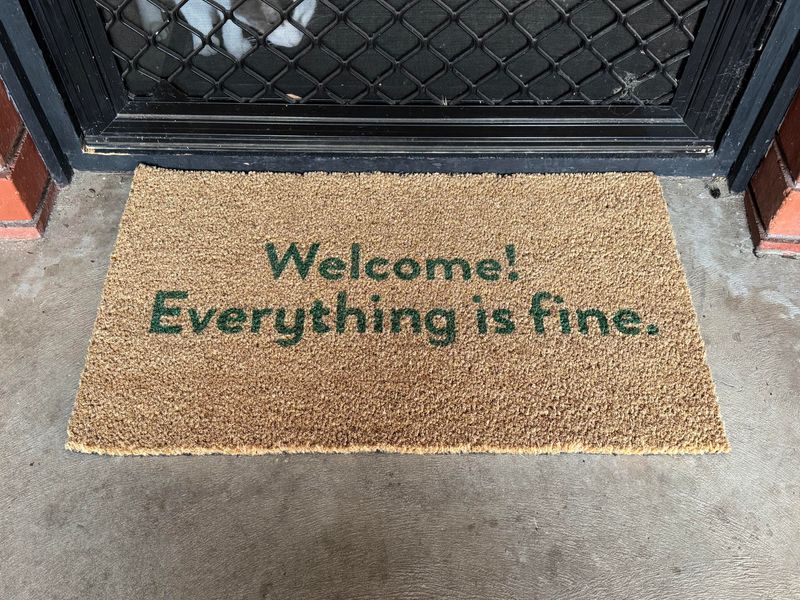
Here is something most people never think about: the doormat sitting at your front door could be one of the most dangerous items on your property during fire season.
Natural fiber doormats made from coir, jute, or sisal are extremely flammable. They dry out quickly in the heat and can ignite from a single ember.
The worst part is where they sit. A doormat placed right in front of your door is just inches from your home’s entry point.
If it catches fire, the flames can spread to the door frame, the door itself, and then inside. It is a fast path from outside to inside.
Synthetic rubber-backed mats are not much better. Many rubber materials release toxic fumes when burned and can melt onto surfaces, making cleanup and fire control harder.
During a heat wave or red flag warning, the safest choice is to bring your doormat inside or swap it for a non-flammable alternative.
Some hardware stores carry fire-resistant door mats designed for high-risk areas. They are worth the investment if you live in a fire-prone region.
Look for mats made from fiberglass or treated materials that resist ignition.
It sounds like a small thing, but fire safety experts point to entry points as critical areas to protect. Keeping your doorstep clear of flammable items gives your home a better chance during a fire event.
5. Cardboard Boxes Do Not Belong Outside
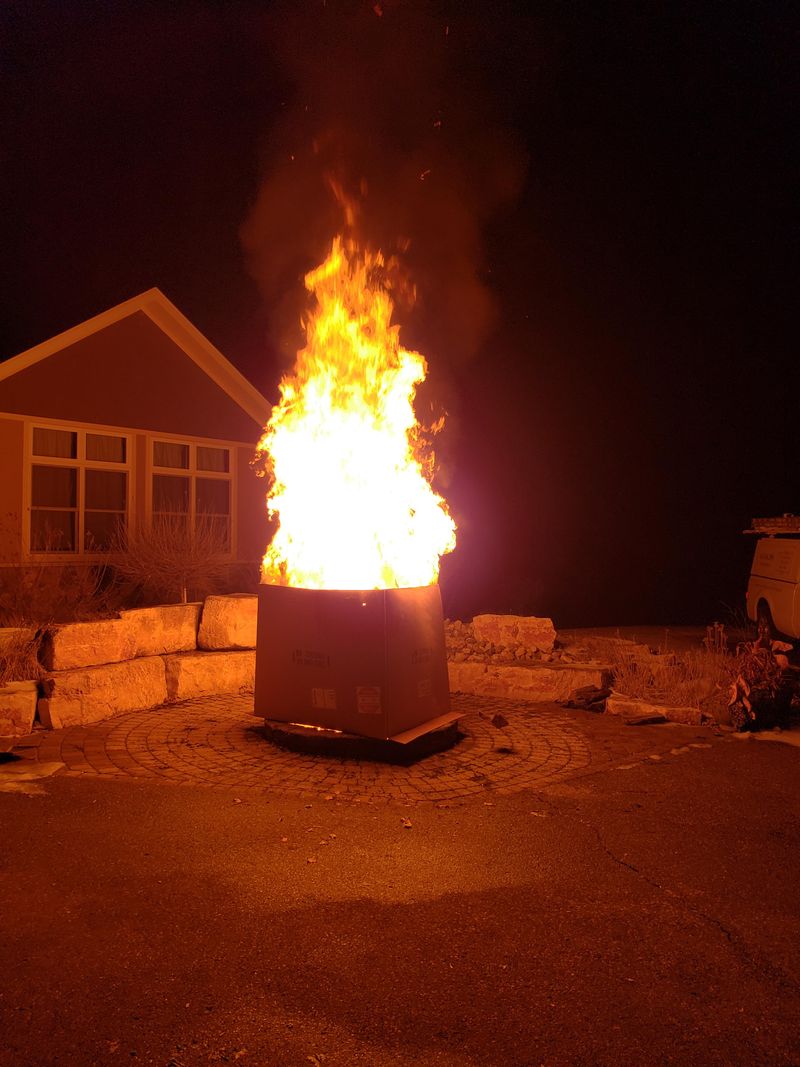
After a big delivery or a move, it is tempting to leave cardboard boxes stacked outside until trash day. But cardboard is one of the most flammable materials you can leave in your yard.
It dries out almost instantly in hot weather and ignites easily from embers or sparks.
Cardboard has a very low ignition temperature. That means it does not take much heat to get it burning.
During a heat wave, cardboard left outside in direct sunlight can become dangerously dry in just a few hours. A floating ember from a nearby fire could set off a stack of boxes in seconds.
This is a risk that often goes unnoticed because cardboard seems harmless. People use it every day for recycling, moving, and storage.
But outside, during fire season, it is a serious hazard. Break down your boxes and store them in the garage or recycling bin right away.
If your recycling bin is kept outdoors, try to keep it away from fences, walls, and the house itself. A bin full of paper and cardboard sitting next to a wooden fence is a combination that can escalate quickly under fire conditions.
Residents in fire-prone areas of California are encouraged to reduce outdoor combustibles as much as possible during heat waves. Cardboard is an easy fix.
Get it inside or get it gone before the next red flag warning hits your neighborhood.
6. Withered Leaves Collect Beneath Furniture
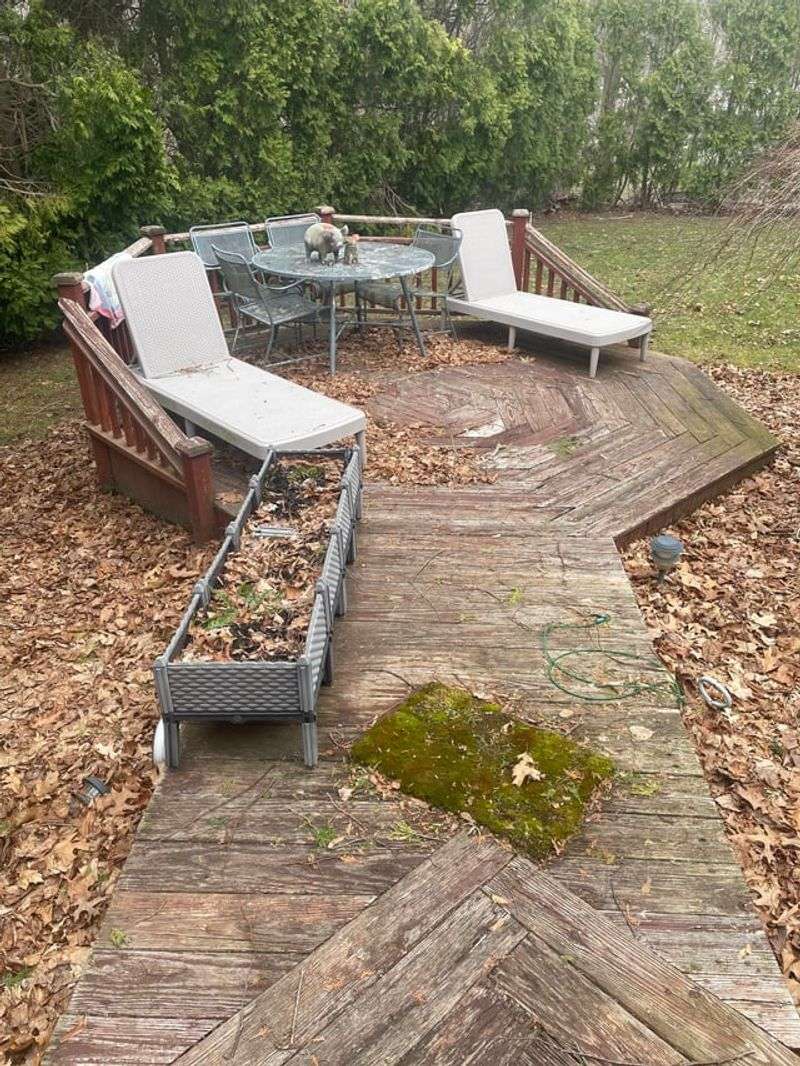
Outdoor furniture has a sneaky problem during fire season in California. Leaves, pine needles, and other dry debris collect underneath chairs, tables, and benches throughout the year.
Most homeowners sweep the visible areas but forget to check underneath their patio furniture.
During a heat wave, that layer of dry leaves becomes a ready-made fire starter. Embers that float in from a distance can land under a table or chair and find exactly the fuel they need to get a fire going.
The furniture itself then becomes part of the problem, especially if it is made of wood or has fabric cushions nearby.
Getting into the habit of checking under your outdoor furniture once a week during fire season is a smart move. Use a broom or leaf blower to clear out any debris.
Pay special attention to areas near fences, walls, and corners where leaves tend to collect and get trapped.
If your yard has trees that drop a lot of leaves or needles, you may need to sweep more often. Pine needles are particularly flammable and can form a thick mat under furniture that burns fast and hot.
Removing them regularly reduces your risk significantly.
Even a thin layer of dry leaves can be enough to catch and hold an ember. Do not underestimate this simple hazard.
A quick sweep of your outdoor space before a heat wave could be one of the most important things you do this summer.
7. Move Firewood Away From The House
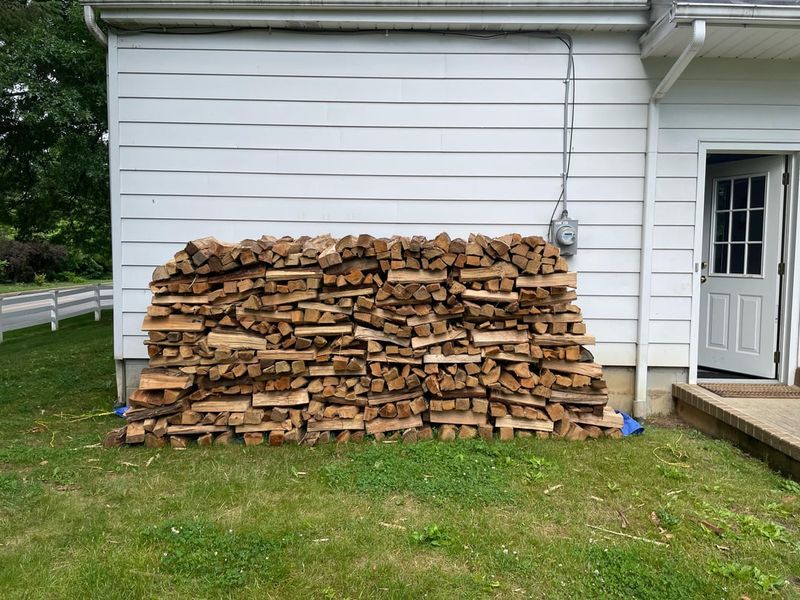
Storing firewood close to the house feels convenient, especially when you use it often. But during fire season, a stack of firewood right against your exterior wall is one of the highest-risk situations you can create.
Wood is obviously flammable, but stacked firewood holds more heat, dries out faster, and gives embers a large surface area to land on.
Fire safety guidelines from agencies across California recommend keeping firewood at least 30 feet from any structure. That might sound like a lot, but it is based on how fast fire can travel from a wood pile to a home.
Even 10 to 15 feet of distance is far better than having it pressed against the siding.
Covered wood piles also present a risk if the cover is made of a flammable tarp. Use a metal or fire-resistant cover instead.
Make sure the wood is elevated off the ground to prevent moisture buildup and reduce contact with dry grass and leaves beneath the pile.
If 30 feet is not possible in your yard, move the wood as far as you can and place it on a gravel or concrete surface. Remove any dry grass or debris around the base of the pile.
This limits how quickly fire can travel if the wood does ignite.
Taking time to relocate your firewood before a heat wave is a straightforward action that significantly lowers your home’s fire exposure. Many families in fire-prone communities have made this a regular part of their seasonal routine.
8. Heat Waves Make Dry Clutter More Dangerous
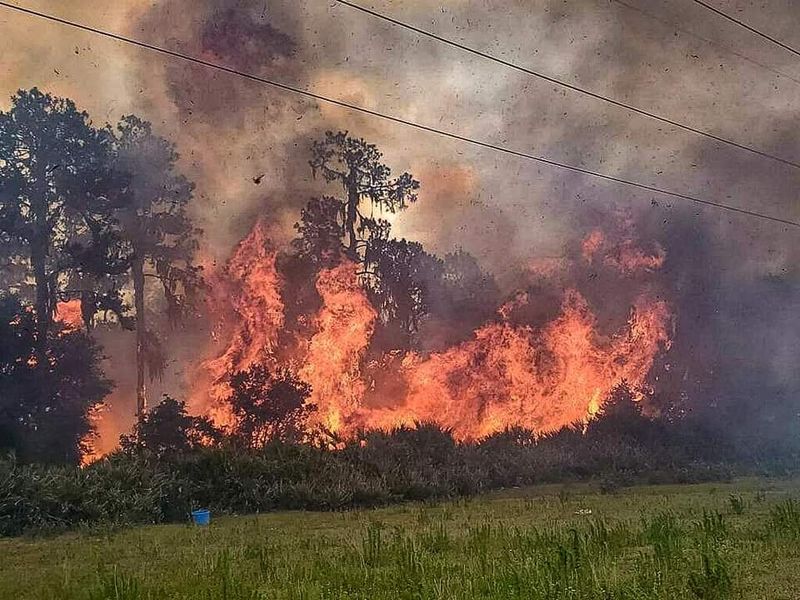
A heat wave does not just make you uncomfortable. It transforms your yard into a much more fire-prone environment.
High temperatures pull moisture out of everything fast. Wood, fabric, plastic, paper, and plant material all become drier and more flammable within just a day or two of extreme heat.
Things that seemed fine last week can become serious hazards by the time a heat wave peaks. That is why fire season preparation is not a one-time task.
It needs to happen before and during every major heat event. Checking your yard at the start of a heat wave is just as important as clearing it at the start of summer.
Wind makes things even worse. Heat waves in California are often accompanied by strong, dry winds that can carry embers for miles.
A single ember landing on a dry cushion, a pile of leaves, or a forgotten cardboard box can trigger a fire that spreads to your home in minutes.
Walk through your yard with fresh eyes before each heat wave. Look for anything dry, loose, or flammable near your home.
Create a simple checklist and go through it every time a heat advisory is issued for your area.
Sharing this habit with your neighbors also helps. Community-wide awareness during heat waves reduces overall fire risk in your neighborhood.
Small actions, done consistently, add up to real protection when conditions are at their most dangerous.