Why North Carolina Marigolds Suddenly Wilt In Summer And The Hidden Problem To Check First
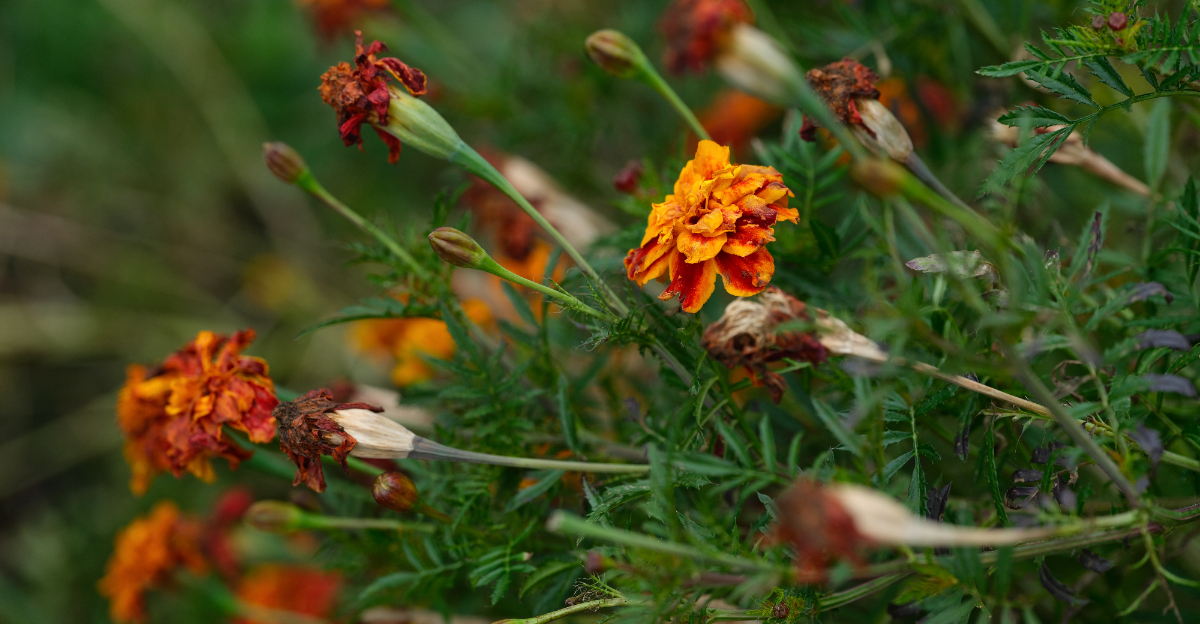
Marigolds are supposed to be bulletproof in a North Carolina summer. They are heat lovers, drought tolerant, and cheerful through conditions that send more delicate plants into full retreat.
When a marigold that looked healthy last week is suddenly wilting despite adequate water and sunshine, the instinct is to water more and hope for the best. That instinct leads directly away from the actual problem in most cases.
The hidden cause behind sudden marigold wilt in North Carolina summer heat is almost never what it appears to be from above the soil line.
Checking below it first before doing anything else saves plants that would otherwise be lost to a completely fixable problem that more watering actively makes worse.
1. Check The Root Zone First

Before anything else, the root zone deserves your full attention. When marigolds suddenly wilt in North Carolina’s summer heat, many gardeners assume the plant just needs more water.
That assumption can actually make things worse if the real problem is happening underground, out of sight.
Roots are responsible for pulling water and nutrients up into the plant. When something goes wrong in the root zone, the whole plant feels it almost immediately.
The tricky part is that the soil surface can look perfectly fine, maybe even a little damp, while the soil several inches down tells a completely different story.
Grab a trowel or even just your finger and push a few inches into the soil near the base of the plant. You might find it bone dry below the surface, which means water is not reaching the roots at all.
Or you might find it soggy and compacted, which is just as harmful because roots need oxygen to function well.
North Carolina summers bring both intense heat waves and sudden heavy rainstorms, and either extreme can create root zone problems fast.
Compacted soil is another common culprit because it prevents water from moving through properly, leaving roots either flooded or starved depending on the situation.
Always start your diagnosis here. The root zone is the hidden command center of your marigold plant, and checking it first saves you time, effort, and the frustration of treating the wrong problem.
Once you know what the roots are dealing with, every other fix becomes much clearer and more effective.
2. The Soil Has Dried Out Below The Surface
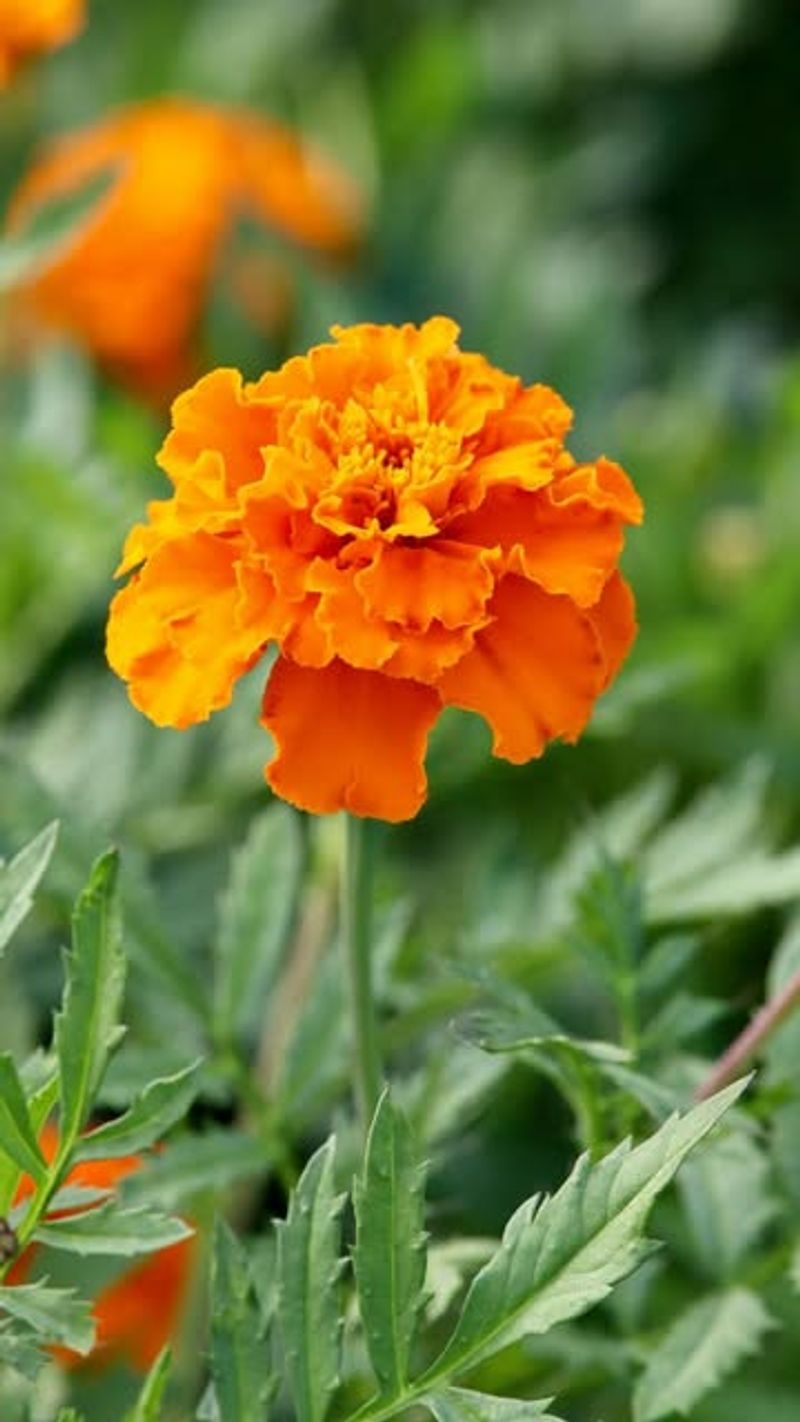
North Carolina summers can be brutally hot, and the sun bakes garden beds faster than most people expect.
One of the sneakiest reasons marigolds wilt is that the soil dries out well below the surface while the top inch still feels slightly cool or moist to the touch. That top layer is misleading, and trusting it is a common mistake.
Marigold roots grow several inches into the ground, so they need moisture at depth, not just at the surface. When the deeper soil dries out completely, roots cannot pull up enough water to keep the plant hydrated through the heat of the day.
The leaves and stems lose moisture faster than the roots can replace it, and wilting follows quickly.
Your North Carolina Garden Changes Every Week. Your Plan Should Too.
Gardening in North Carolina changes quickly throughout the season. Every Friday you’ll receive a simple weekly plan showing exactly what to plant, prune, fertilize, harvest, and protect so you never miss the right timing.
Before reaching for the hose, push your finger or a wooden dowel about three to four inches into the soil. If it comes out dry or barely damp, the plant genuinely needs a deep, slow watering.
If it comes out wet, the problem likely lies elsewhere. Shallow daily sprinkling feels helpful, but it actually encourages roots to stay near the surface where they are even more vulnerable to heat and drought.
Deep, less frequent watering trains roots to grow downward where the soil stays cooler and holds moisture longer.
Aim to water slowly and thoroughly, giving the soil time to absorb the moisture rather than letting it run off.
Adding a layer of mulch around your marigolds also helps lock in soil moisture between watering sessions, making a real difference during long hot spells.
3. Heavy Rain Or Overwatering Has Hurt The Roots
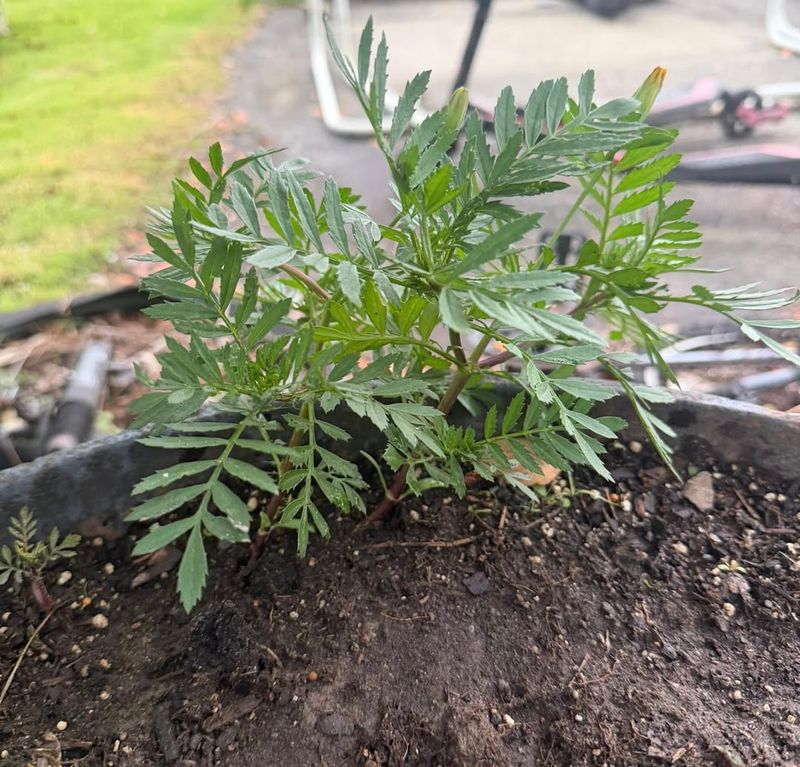
Too much water is just as damaging as too little, and this surprises a lot of gardeners. Marigolds are naturally tough, drought-tolerant plants that prefer well-drained soil.
When roots sit in soggy ground for too long, they struggle to absorb oxygen, and the plant starts to look wilted even though there is plenty of water around it.
North Carolina summers are known for sudden heavy thunderstorms that can dump inches of rain in a short amount of time. If your garden bed does not drain well, that water has nowhere to go, and roots end up sitting in saturated soil for hours or even days.
Repeated overwatering through a fixed daily schedule can create the same problem over time without gardeners realizing it.
Check the soil around your marigolds after a big rain. If water is still pooling near the base of the plant the next morning, drainage is a real issue that needs attention.
Improving drainage might mean loosening compacted soil, adding organic matter like compost, or even raising the bed slightly so water can flow away from the root zone.
Avoid watering on a strict calendar schedule during summer. Instead, check the actual soil moisture before deciding whether to water.
Marigolds generally do better with a cycle of drying slightly between waterings rather than staying constantly wet. Letting the top inch or two of soil dry out before watering again gives roots the breathing room they need to stay healthy and strong through the season.
4. Stem Rot Is Starting Near The Soil Line
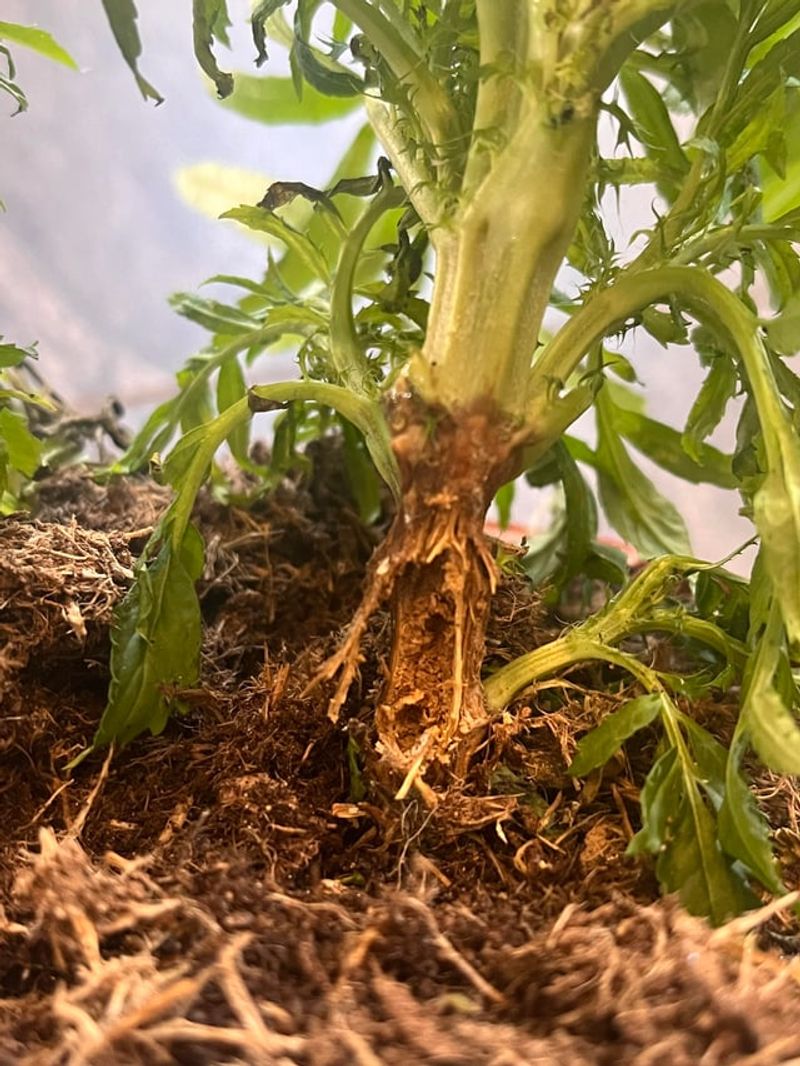
Humid North Carolina summers create ideal conditions for fungal problems, and stem rot is one of the most damaging.
It starts quietly at the base of the plant, right where the stem meets the soil, and by the time wilting becomes obvious, the damage is often already well underway. Catching it early makes a big difference.
Stem rot is caused by soil-dwelling fungi that thrive in warm, moist conditions. When humidity is high and the base of the plant stays consistently wet, those fungi get a foothold and begin breaking down the stem tissue.
The stem loses its ability to move water up to the leaves and flowers, which is why the plant wilts even when the surrounding soil seems moist enough.
Inspect the base of each wilting marigold carefully. Healthy stem tissue should feel firm and look green or tan.
Rotting tissue often looks darker, feels soft or mushy, and may appear sunken or collapsed. Even a small area of rot near the soil line can cut off water flow to the entire plant above it.
One very common mistake is piling mulch directly against the stems of marigolds. Mulch is helpful for retaining moisture and moderating soil temperature, but when it stays pressed against the stem, it traps moisture and encourages rot to develop.
Always keep a small gap between the mulch layer and the base of each plant stem.
Good air circulation around plants also helps reduce humidity at the soil level, making it harder for stem rot fungi to get started in the first place.
5. Southern Blight Is Active In Hot Humid Weather
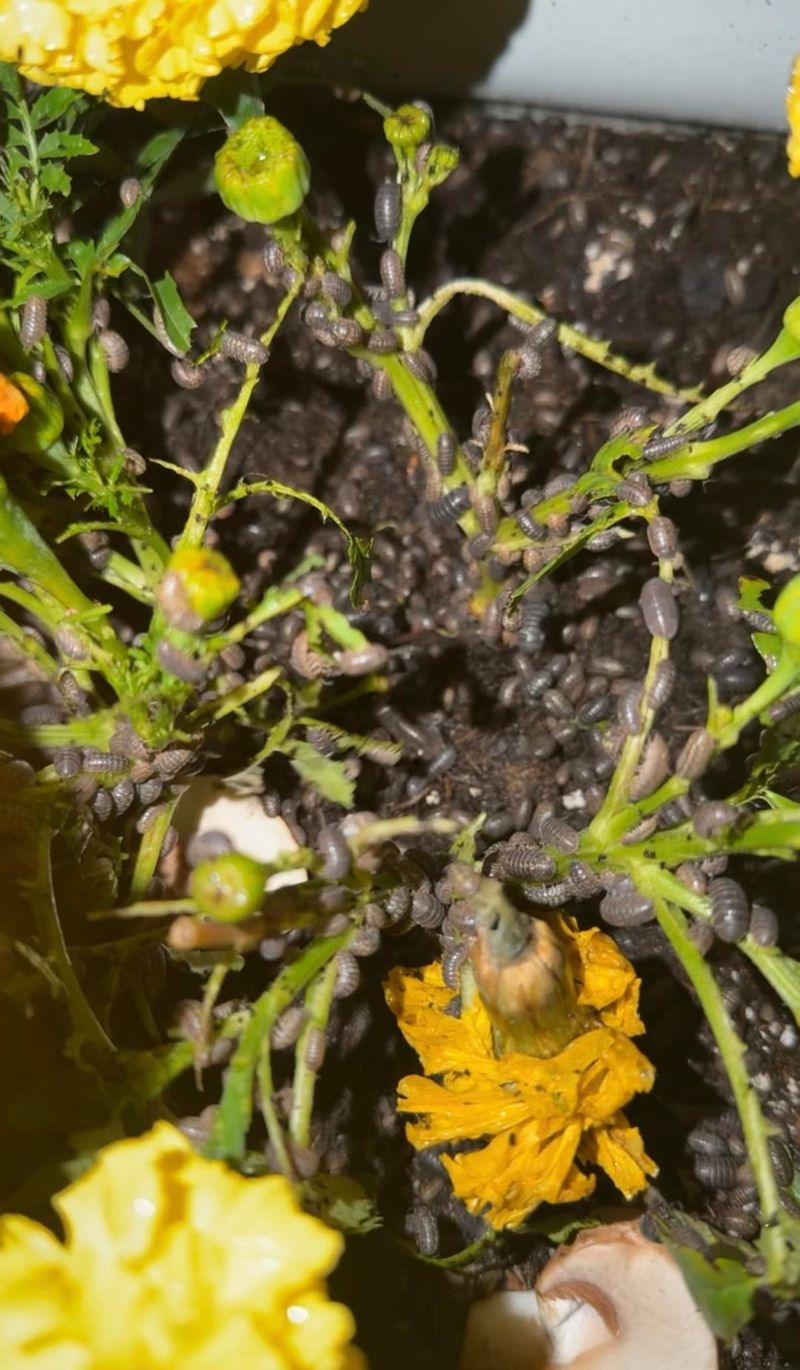
Southern blight is a serious fungal disease that gardeners in warm, humid states like North Carolina need to know about. It spreads quickly in hot summer weather, and marigolds are among the plants it can affect.
The wilt it causes can look sudden and dramatic, almost as if the plant collapsed overnight.
The disease is caused by the fungus Athelia rolfsii, which thrives when soil temperatures are high and moisture is plentiful. It attacks the base of the plant at or just below the soil line, rotting the stem and cutting off the plant’s ability to move water upward.
Once a plant is severely affected, recovery is extremely difficult. The most distinctive sign of southern blight is white, cottony fungal growth visible at the base of the plant near the soil.
Look closely and you may also spot small, round structures about the size of mustard seeds that start out white and turn tan or brown as they age.
These are called sclerotia, and they can survive in the soil for years, making future infections more likely.
If you spot these signs, remove the affected plant material carefully and avoid spreading the contaminated soil to other parts of the garden. Do not compost affected plant material because the sclerotia can survive the composting process.
Removing nearby debris and fallen organic matter from the bed also helps reduce the spread of the fungus to neighboring plants.
Rotating plants in affected beds and improving drainage are practical long-term strategies that help reduce southern blight pressure over time.
6. Root Knot Nematodes Are Damaging The Roots
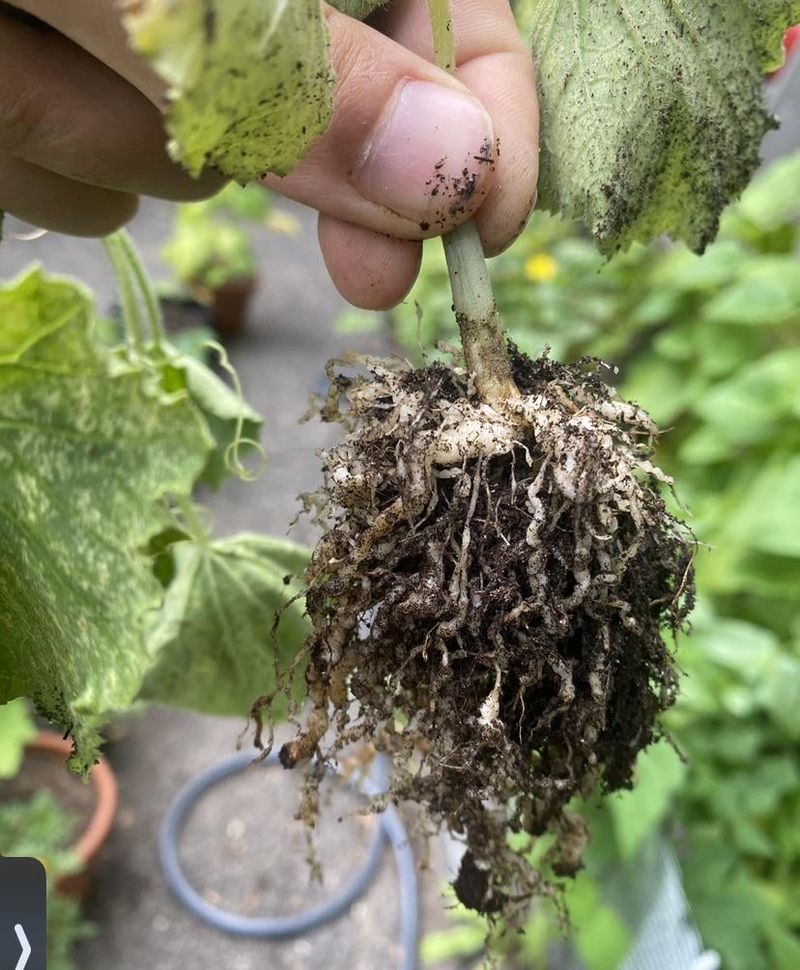
Root knot nematodes are one of those problems you cannot see coming until the damage is already done. These microscopic roundworms live in the soil and feed on plant roots, and they are unfortunately very common in North Carolina’s sandy soils.
Marigolds affected by them often look weak, stunted, and wilted during hot weather even when watering seems adequate.
What makes nematodes so tricky is that the damage happens entirely underground. Above the soil, a plant might just look like it is struggling with heat or drought.
The real story only becomes clear when you pull the plant and examine the roots directly. Healthy marigold roots should be slender and relatively smooth.
Roots damaged by root knot nematodes develop swollen, lumpy growths called galls, which disrupt the root’s ability to absorb water and nutrients efficiently.
These galls are not subtle once you know what to look for. They appear as rounded swellings along the root, sometimes clustered together and sometimes spread out along the length of the root system.
A plant with heavily galled roots simply cannot support itself during the stress of summer heat, no matter how well you water it.
The most reliable way to confirm a nematode problem is to contact your local North Carolina Cooperative Extension office. They can guide you through the process of submitting a soil or root sample for testing.
Knowing for certain whether nematodes are present helps you make smarter decisions about what to plant in that bed going forward and whether soil treatment is worth pursuing.
7. Spider Mites Are Feeding During Hot Dry Weather
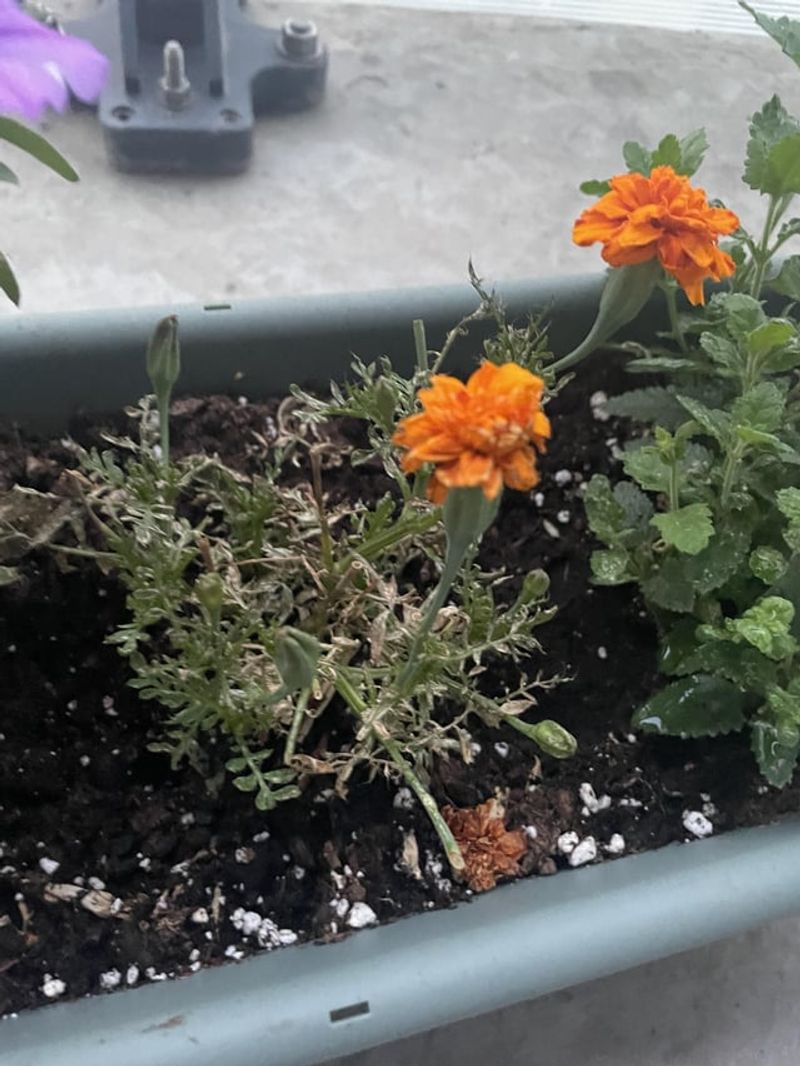
Spider mites are tiny, but the damage they cause is anything but small. During hot, dry stretches of North Carolina summer, spider mite populations can explode on marigolds surprisingly fast.
Because the mites themselves are nearly invisible to the naked eye, many gardeners do not realize they have an infestation until the plant already looks stressed and worn down.
These pests prefer the undersides of leaves, where they pierce plant cells and feed on the contents. Over time, this feeding drains the plant’s energy and interferes with its ability to photosynthesize properly.
A plant under heavy mite pressure can look wilted or exhausted even when soil moisture levels seem perfectly fine, which makes the problem easy to misdiagnose.
The signs to watch for are specific. Leaves may develop a speckled or stippled appearance, almost like tiny yellow or white dots scattered across the surface.
In more advanced cases, the foliage takes on a bronzed or dull, washed-out color. Fine, silky webbing on leaf undersides or between stems is another telltale sign that spider mites have moved in and settled comfortably.
A quick test is to hold a white sheet of paper under a suspect leaf and tap it gently. If tiny specks fall onto the paper and start moving, spider mites are almost certainly your culprit.
A strong spray of water directed at the undersides of leaves can knock populations down quickly. Repeating this every few days during dry hot spells helps keep numbers manageable without reaching for chemical treatments right away.
8. New Plants Were Set Out During Intense Heat
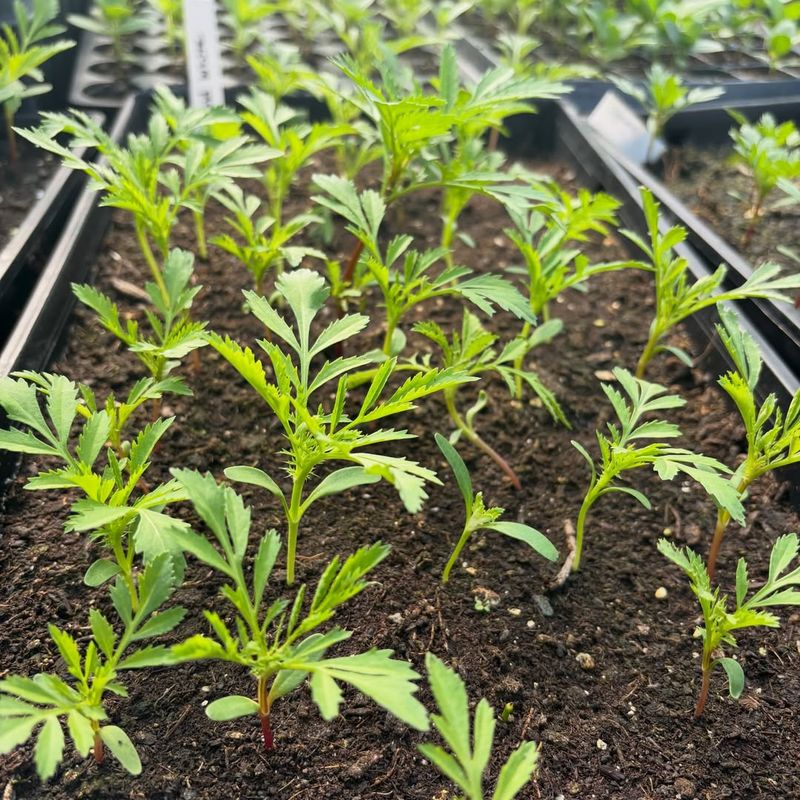
Planting marigolds during the hottest stretch of a North Carolina summer is one of the fastest ways to end up with wilting plants right out of the gate.
Young transplants come from the controlled environment of a greenhouse or nursery, and moving them into a full-sun garden bed on a 95-degree afternoon puts them under enormous stress before their roots even have a chance to settle in.
Transplant shock is real, and it shows up as wilting, drooping leaves, and a plant that looks like it is struggling to hold itself upright.
The roots have not yet spread into the surrounding soil, so the plant is entirely dependent on whatever moisture is immediately available at the root ball.
On a hot afternoon, that moisture evaporates faster than the plant can replenish it through its limited root system.
Watering deeply right at planting time is one of the most important steps you can take.
Slow, deep watering encourages the roots to push outward and downward into the surrounding soil, which is exactly what the plant needs to anchor itself and access moisture more reliably.
Avoid letting the root ball dry out completely during the first week or two after planting.
Providing temporary shade during the hottest part of the afternoon, typically between noon and four o’clock, gives new transplants a chance to adjust without the added pressure of peak sun intensity.
A piece of shade cloth or even a lightweight fabric propped over the plants for a few days can make a noticeable difference.
Hold off on fertilizing until the plants show clear signs of recovery and new growth, since fertilizer on stressed roots can cause more harm than good.