Why July Is The Worst Month To Add New Sod In Florida And What To Do Instead
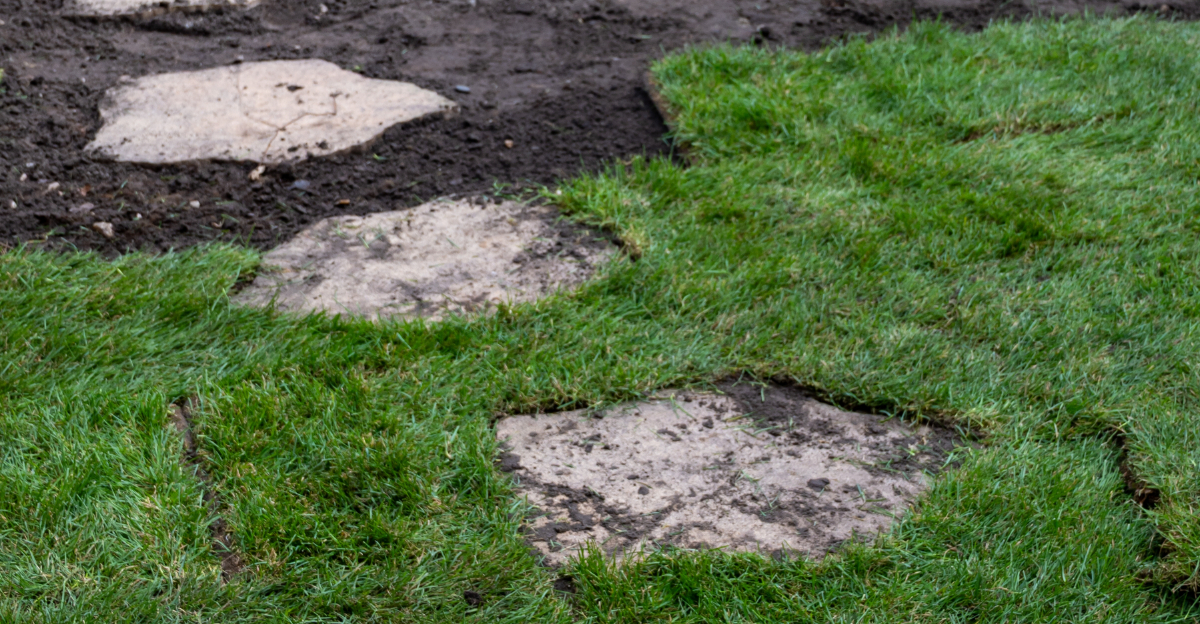
New sod in Florida July sounds reasonable on paper. The rainy season is running, water is free, and the logic of letting nature do the irrigation work seems sound.
That logic falls apart fast once the sod is down and the real conditions of a Florida July start working against it. July is genuinely one of the hardest months to establish new sod in Florida.
Heat stress and disease pressure create difficult conditions for new sod. Inconsistent rainfall that soaks one area and skips the next makes those conditions even harder for new root systems to handle.
Failure rates in July sod installations run higher than most landscapers will volunteer upfront. There are better moves for a Florida lawn that needs help right now.
Options that work with July conditions rather than against them, and set up a stronger result than rushed sod ever delivers in the middle of summer.
1. Stop Laying Sod In Peak Summer Stress
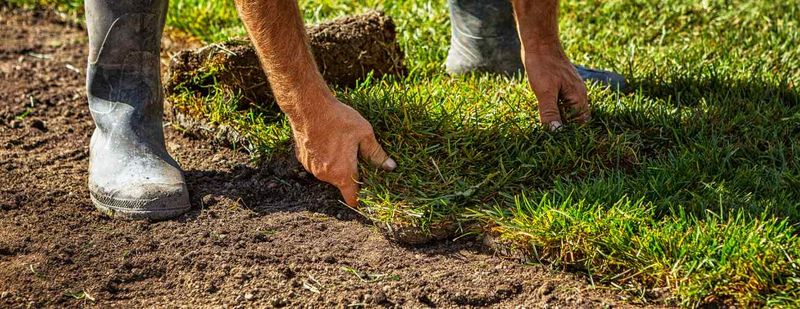
Fresh sod laid during a Florida July is starting life with the odds stacked against it. New turf arrives with shallow roots, sometimes only half an inch deep.
Those fragile roots need steady moisture and moderate temperatures to grab hold of the soil beneath them. July offers neither.
Daytime temperatures regularly climb above 90 degrees across most of the state. The ground surface itself can reach far higher.
That intense heat pulls moisture out of sod quickly, and when new roots cannot reach deep water yet, the turf dries out fast between watering cycles.
Afternoon thunderstorms add another layer of stress. Heavy rain can wash sod off graded soil, create pooling that promotes fungal disease, and give Florida homeowners a false sense that watering is covered.
Humidity also stays high through the night, which encourages brown patch and other turf diseases that attack stressed grass.
The real issue is not that July sod is impossible. It is that the margin for error is extremely thin.
Miss one watering cycle, hit a stretch of cloudy days followed by brutal sun, or deal with a sudden downpour, and new sod can fail before it ever roots.
Most experienced turf professionals and UF/IFAS extension resources recognize summer installation as a high-risk window.
It demands near-constant attention and precise irrigation management.
2. Wait For Better Rooting Weather
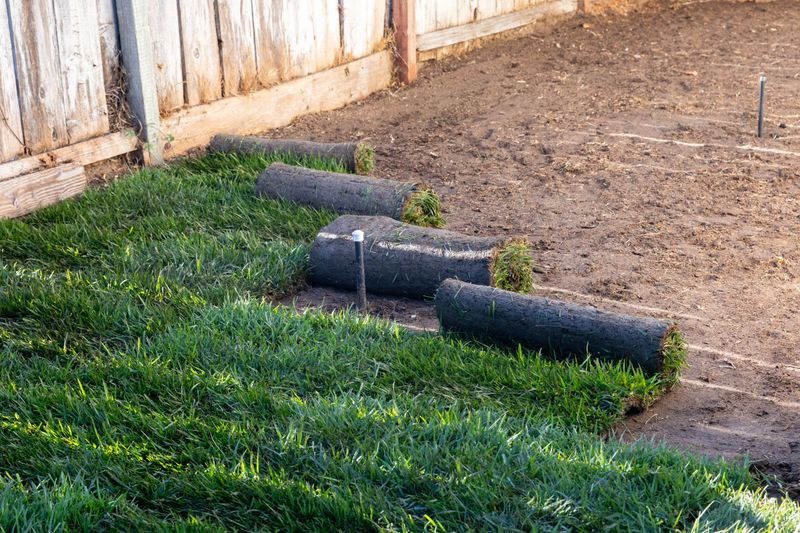
Timing is one of the most powerful tools a Florida homeowner has when it comes to sod success. Grass roots grow best when soil temperatures are warm but air temperatures are not punishing.
In the Sunshine State, spring often offers that balance before summer heat peaks.
According to UF/IFAS turfgrass guidance, warm-season grasses like St. Augustinegrass and Bahiagrass establish best when temperatures are consistently warm but not extreme.
Late February through May tends to give new sod a fighting chance, especially in central and southern regions.
Early fall, typically September into October, can also be a reasonable window in many local yards as temperatures begin to ease.
Rainfall patterns matter too. Spring rains in this state are generally lighter and more predictable than the heavy afternoon storms of summer.
Your Florida Garden Changes Every Week. Your Plan Should Too.
Gardening in Florida changes quickly throughout the season. Every Friday you’ll receive a simple weekly plan showing exactly what to plant, prune, fertilize, harvest, and protect so you never miss the right timing.
That means irrigation needs are more manageable and disease pressure is lower during those months.
Every region is different. Panhandle communities may have slightly cooler spring windows, while coastal areas in southern regions may stay warm year-round.
Check with your county extension office before scheduling a sod project. They can advise on the best grass type for your specific location and soil conditions.
Delaying a sod project by a few weeks or months is not giving up. It is giving your future lawn a genuinely better chance to root deeply and establish well.
3. Fix The Soil Before Buying Sod
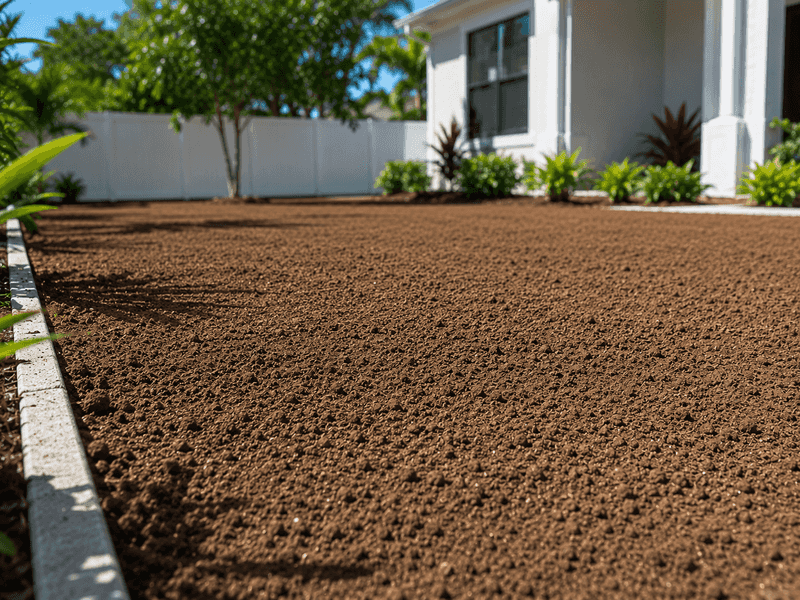
Many sod projects fail before a single roll is ever laid. The real problem often lives in the ground itself.
Compacted clay soil, uneven grading, buried debris, and poor drainage can all prevent new sod from rooting properly, no matter how carefully you water.
Start by removing old grass, weeds, and any leftover roots from the area. Rake the surface smooth and check that it slopes gently away from your home to encourage drainage.
Low spots that hold water after rain will create soggy areas where turf struggles and fungal problems develop.
Soil testing is a practical step that many homeowners skip. Your county extension office can help you submit a sample and interpret the results.
If your soil pH is off or nutrients are lacking, correcting those issues before laying sod gives the new grass a real foundation to work from.
Compacted soil is another common barrier. A core aerator can help loosen tight ground so roots can penetrate more easily.
Adding a thin layer of quality topsoil or compost to sandy areas helps with moisture retention, which is especially useful in this state where sandy soils drain quickly.
Laying sod over unprepared ground is like painting over a cracked wall. It may look fine at first, but the underlying problems will show through.
Take the time to fix the soil, and your sod investment will go much further when conditions are right.
4. Patch Small Bare Spots Instead
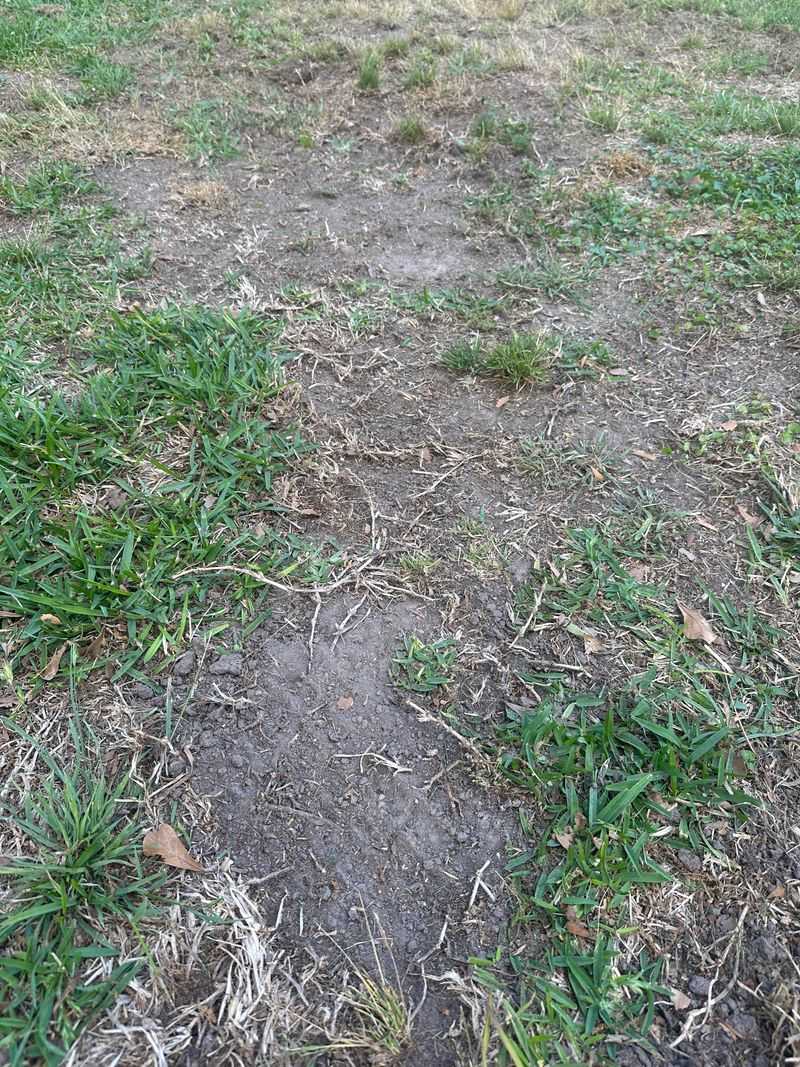
Not every lawn problem needs a full sod replacement. When the damage is limited to a few bare or thin areas, a targeted patch approach can be more practical than a large installation.
That is especially true during a stressful summer month.
Small patches are easier to monitor than a full lawn. You can watch a two-foot square of new sod much more closely than fifty square feet.
You can also adjust water by hand if needed and keep foot traffic away from that specific spot. That level of attention is hard to maintain over a wide area during July heat.
Protect exposed soil in damaged areas by keeping it shaded with a thin layer of straw or by limiting how much sun bakes the bare ground. This slows moisture loss and discourages weed seeds from settling in while you wait for better sod timing.
Check whether your irrigation system reaches the patched areas evenly. Dry corners or missed zones are a common reason small patches fail.
Adjust sprinkler heads or use a hand hose to fill coverage gaps during the establishment period.
Honest expectations matter here. Not every summer patch will succeed perfectly.
Some may need a second attempt once temperatures cool. That is okay.
A small, careful repair is still better than a rushed full installation that struggles across the entire yard. Patience with small fixes often leads to a stronger, more uniform lawn when the right season arrives.
5. Water Existing Turf The Smart Way
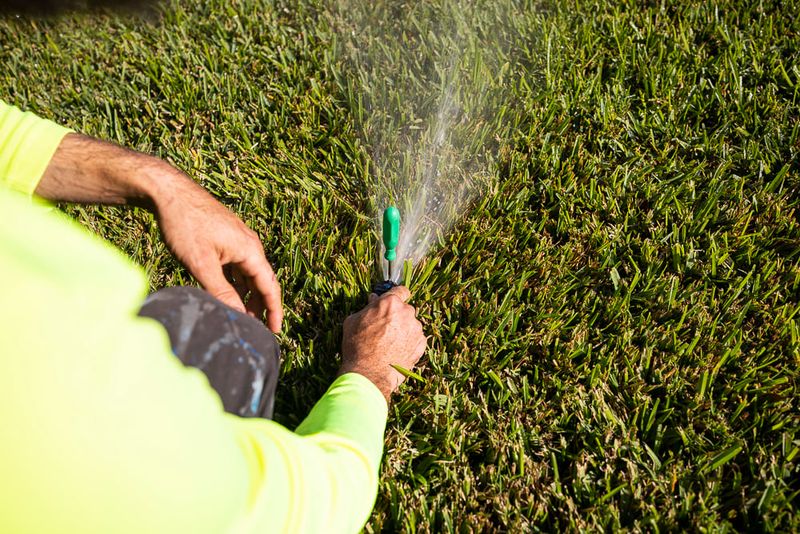
Before spending money on new sod, take a good look at the lawn you already have. July is one of the most important months to fine-tune your watering habits.
Doing it right can protect your existing turf through the toughest stretch of the year.
Water early in the morning, ideally between 4 a.m. and 8 a.m. Morning watering lets moisture soak into the soil before the heat of the day causes evaporation.
It also allows grass blades to dry out during daylight hours, which reduces the risk of fungal disease that thrives on wet turf overnight.
Avoid watering every day. Light, frequent watering encourages shallow root growth, which makes turf more vulnerable to heat and drought.
Instead, water deeply and less often, allowing the soil to dry slightly between cycles. UF/IFAS recommends watering only when turf shows signs of wilt, such as folded blades or a blue-gray tint.
Always check your local water management district rules and any county watering restrictions before running your irrigation system. Many areas in this state have specific watering days and times that must be followed.
After heavy rain, skip your scheduled irrigation cycle. Overwatering weakens grass and creates conditions for disease.
A simple rain sensor on your irrigation controller can help automate this process and keep your lawn healthy without wasting water through the summer months.
6. Control Weeds Before They Take Over
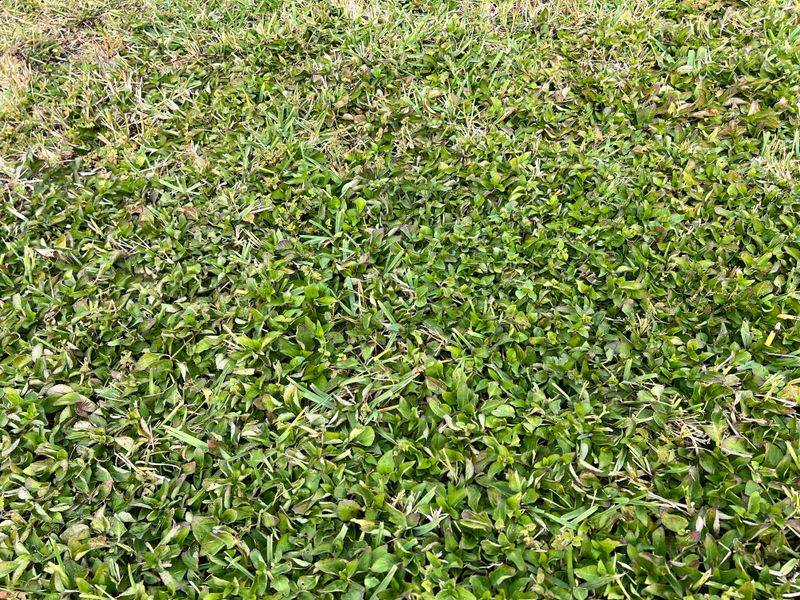
Bare soil in July is an open invitation for weeds. When turf thins out or bare patches appear, weed seeds move in quickly because they have plenty of sun, warm soil, and summer rain to work with.
Staying ahead of this problem is smarter than trying to fix it after weeds are fully established.
Hand-pulling is one of the safest options during summer heat. For small areas, removing weeds by the root before they go to seed can prevent thousands of future seedlings.
Wear gloves and pull after rain when the soil is softer to get the whole root system out cleanly.
Reducing open soil is another effective strategy. Keeping existing grass healthy and dense leaves less room for weeds to establish.
This is where smart watering, avoiding over-mowing, and proper mowing height all work together to create a lawn that naturally resists weed pressure.
If you are considering a herbicide product, read the label carefully before applying anything. Many pre-emergent and post-emergent herbicides carry restrictions about temperature, grass type, and timing.
Applying the wrong product in peak summer heat can stress or harm your existing turf. Your county extension office can recommend safe and appropriate options for your specific grass type.
Cleaning up weeds before a fall sod project is one of the best investments you can make. New sod has a much better chance when it is not competing with established weed roots from day one.
7. Plan A Fall Sod Project Now
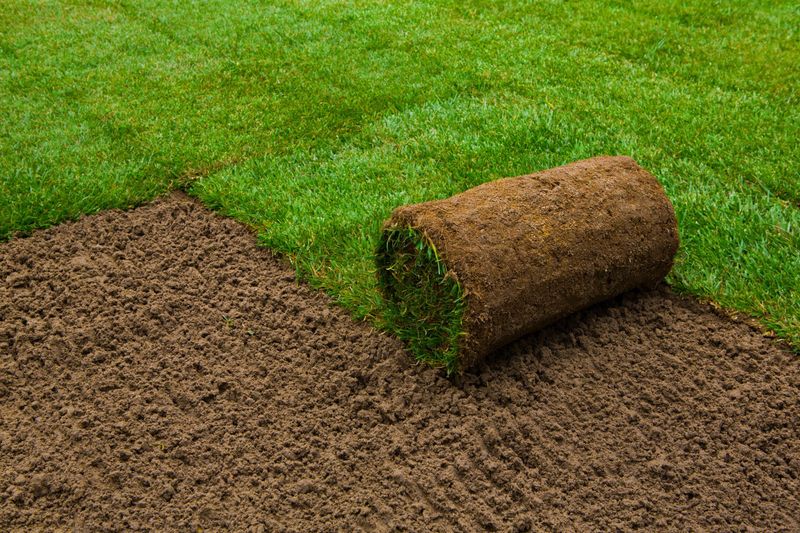
July may not be the right time to lay sod, but it is a great time to plan one. Using these summer weeks to get organized means you will be fully ready when fall conditions arrive.
A prepared homeowner almost always gets better results than one making decisions in a rush.
Start by measuring your lawn area accurately. Knowing your square footage helps you order the right amount of sod without overpaying or coming up short.
Sketch out the area on paper or use a simple measuring app to get a reliable number.
Choose your grass type carefully. St. Augustinegrass is a popular choice for shaded and coastal areas, while Bahiagrass handles dry, open spaces well.
Zoysiagrass is gaining popularity for its density and drought tolerance. Check with your county extension office or local UF/IFAS resources to match the right variety to your specific sun exposure, soil type, and maintenance level.
Review your irrigation system now. Walk through each zone, check for broken heads, uneven coverage, or dry corners.
Fixing these issues before sod arrives saves you from watering problems during the critical first few weeks of establishment.
Also check local watering restrictions so you know what your irrigation schedule can look like after installation. Some water management districts allow temporary exceptions for new sod, but you need to apply in advance.
Planning now means no surprises when fall arrives and conditions are finally in your favor.
8. Use July To Prep Not Plant
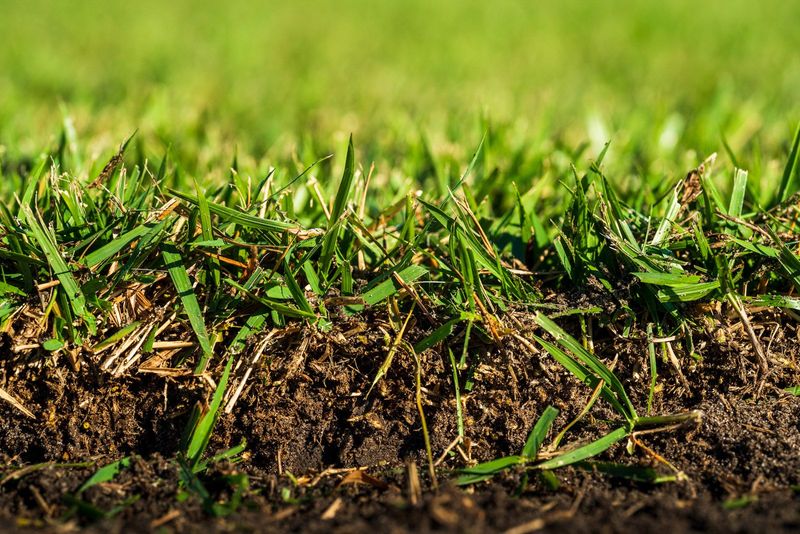
July does not have to be a wasted month for lawn improvement. Shifting your focus from planting to preparing is a smart move that sets the stage for a much stronger sod project when temperatures cool and conditions improve.
Use this time to complete soil work. Aerate compacted areas, remove old weeds and roots, fix low spots that collect water, and check drainage along the edges of your yard.
These tasks are easier to do without sod in the way, and completing them now means you will not be scrambling to do them right before delivery day in the fall.
Check your irrigation system thoroughly. Run each zone and watch for dry spots, overlapping areas, or broken heads.
Adjust spray patterns so the whole lawn gets even coverage. New sod needs consistent moisture across every square foot during its first few weeks, and gaps in coverage can cause uneven rooting or dry patches.
Research your grass options and get quotes from reputable local sod farms. Ask about delivery schedules, sod freshness, and how long the rolls have been cut.
Fresh sod roots faster than sod that has been sitting in a stack for days in summer heat.
Patience is not the same as doing nothing. Every step you complete in July is one less problem your new sod will face in the fall.
A lawn built on solid preparation has the best chance to root well, fill in evenly, and thrive through the seasons ahead.