Signs Arizona Citrus Fruit Is Getting Too Much Direct Sun
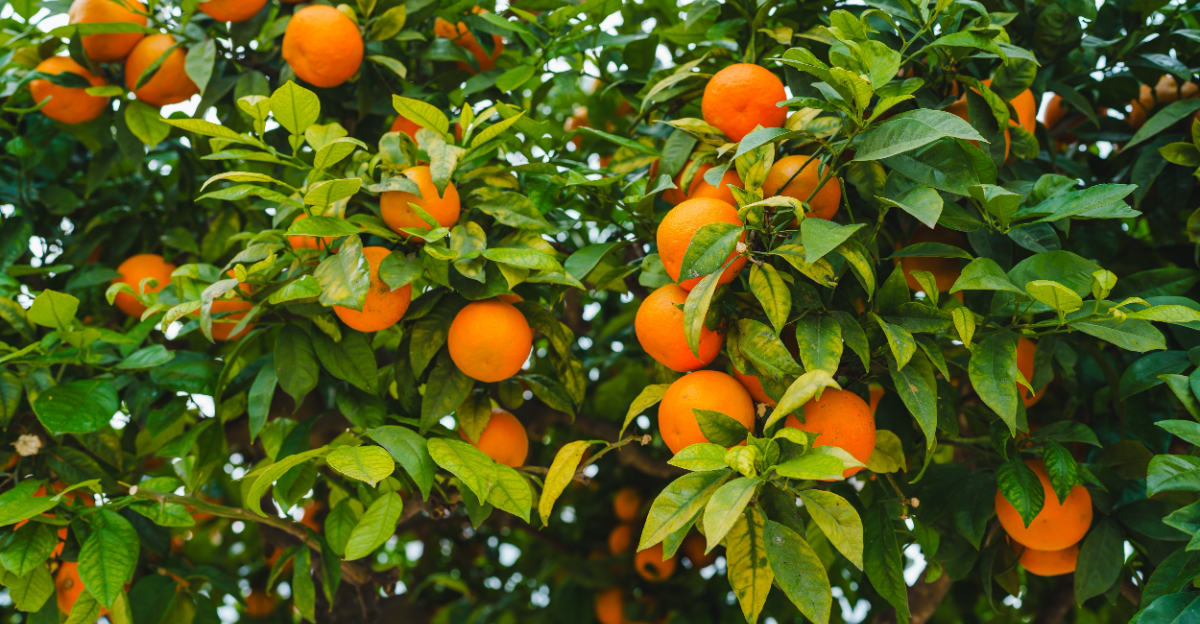
It is amazing how quickly one small change can grab your attention when everything seemed perfectly fine just a few days earlier.
You glance over at the tree, then look again because something does not seem quite right.
That moment usually brings more questions than answers. You start wondering if the weather has finally caught up with it or if something else is happening that you cannot see yet.
Summer has a way of testing even the healthiest plants, and problems often appear before people expect them. Waiting too long can turn a small issue into a much bigger one.
That is why so many homeowners across Arizona take a closer look at their citrus fruit this time of year.
The earliest signs of too much direct sun are easy to miss, but spotting them early can make a big difference.
1. Light Patches Are Usually The First Sign
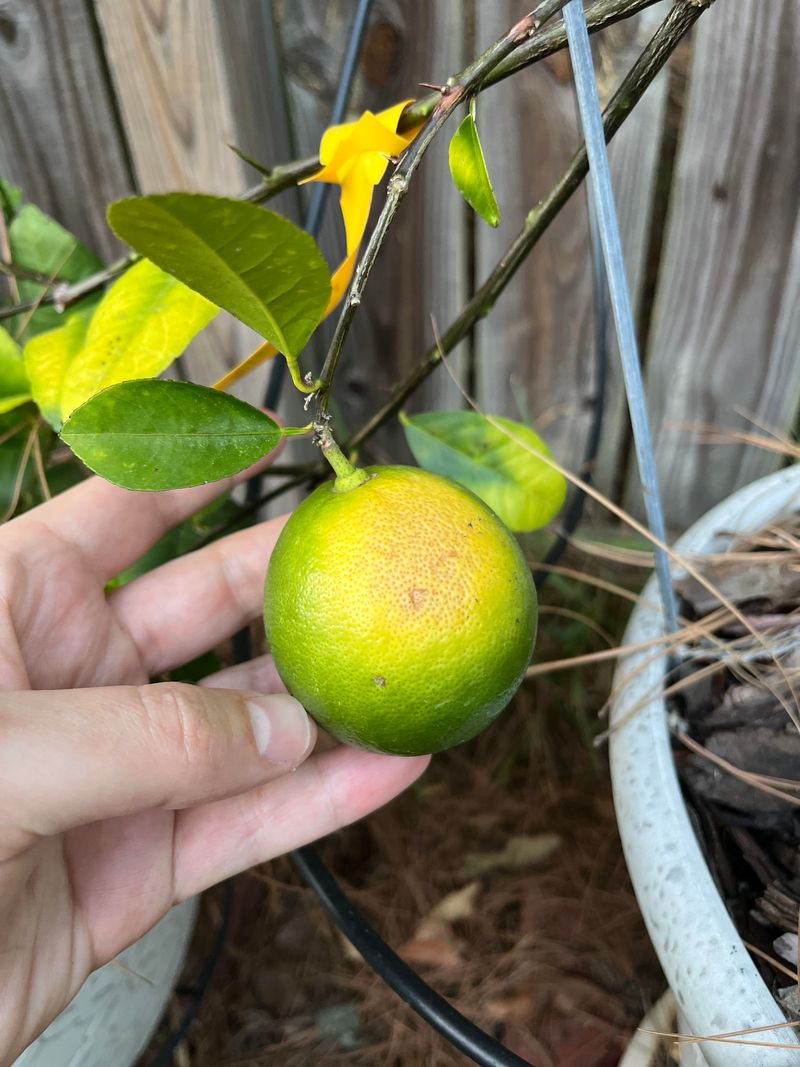
Pale, washed-out patches on your citrus fruit are a quiet alarm worth paying attention to. Before any visible damage sets in, the color on the sun-facing side of the fruit starts to fade.
That shift in tone is often the earliest clue that something is off.
Sunscald typically begins as a soft discoloration rather than a dramatic blemish. The affected area may look bleached or slightly yellowish compared to the healthy green or orange skin around it.
Many gardeners mistake this for normal ripening, but it usually appears too early in the season for that.
Citrus skin is sensitive to prolonged direct exposure, especially during peak afternoon hours. In hot desert climates, the sun angle between noon and 4 p.m. can be brutal on exposed fruit.
Checking your trees during that window helps you catch light patches before they develop into something harder to manage.
Rotating your attention to the south and west-facing sides of each tree is a smart habit. Those sides absorb the most intense rays and tend to show early stress first.
Once you spot fading, acting quickly with some shade protection can prevent the damage from spreading further.
2. Brown Spots Start Showing On The Peel
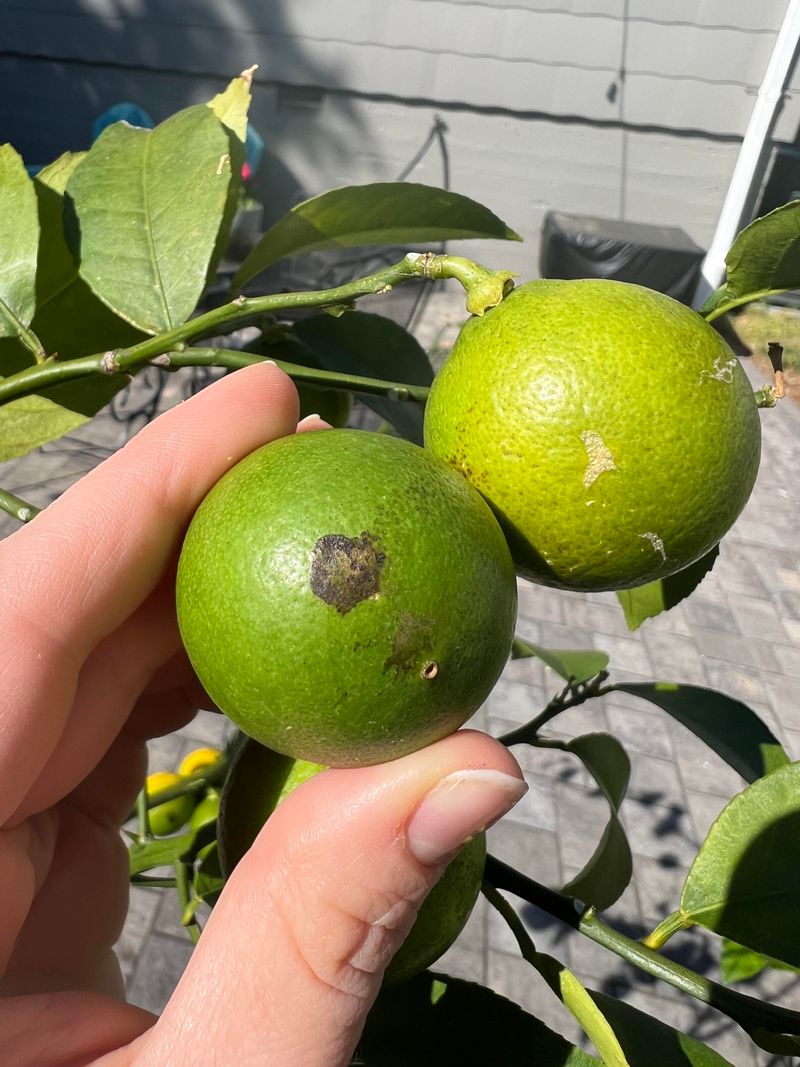
Brown spots on citrus peel are hard to ignore once they appear, and they usually mean sun damage has moved past the early stage. These spots tend to form on the side of the fruit facing the afternoon sun.
They can range from small, scattered marks to larger merged patches depending on how long the fruit has been exposed.
Unlike fungal spots, sun-related browning tends to feel dry and slightly sunken when you press on it. Fungal damage often looks wet or fuzzy at the edges, so texture can help you tell the difference.
Knowing which one you are dealing with matters because the fixes are completely different.
Brown spots from sun exposure do not spread to neighboring fruit the way a disease might. However, the damaged skin can crack or soften over time, which then invites secondary problems like mold or insect activity.
Catching these spots early reduces that risk considerably.
Your Arizona Garden Changes Every Week. Your Plan Should Too.
Gardening in Arizona changes quickly throughout the season. Every Friday you’ll receive a simple weekly plan showing exactly what to plant, prune, fertilize, harvest, and protect so you never miss the right timing.
Fruit with minor brown patches on the peel can still be edible inside, depending on how deep the damage goes. Cutting through the spotted area usually reveals whether the flesh underneath has been affected.
When the interior looks and smells fine, the fruit is likely still usable despite the cosmetic damage on the outside.
3. Cracked Rinds Can Develop In Extreme Heat
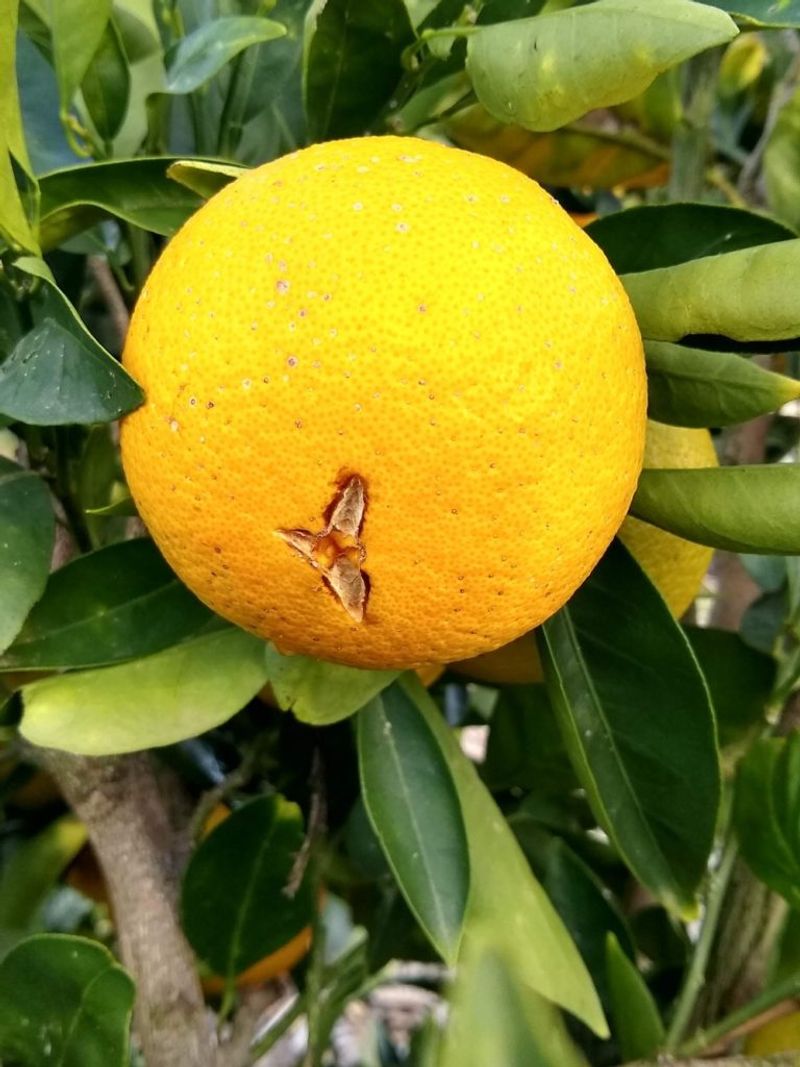
A cracked rind is one of the more dramatic signs that citrus fruit has taken on too much heat stress. When the outer skin dries out faster than the interior can adjust, the peel splits under pressure.
It looks almost like the fruit tried to expand and the skin could not keep up.
Extreme heat accelerates moisture loss from the peel itself. When the rind loses flexibility, even minor internal pressure from juice or growth can cause it to crack.
Irregular watering during heat waves makes this problem more likely because the fruit swells and shrinks as moisture levels change.
Cracked rinds expose the fruit’s interior to outside air, insects, and bacteria. Once that protective layer is broken, the shelf life of the fruit drops significantly.
Harvesting cracked fruit promptly and using it right away is usually the best option at that point.
Preventing cracks starts with consistent moisture management. Deep, regular watering during hot stretches helps the tree maintain steady internal pressure in the fruit.
Mulching around the base of the tree also slows soil moisture loss, which supports more stable conditions for fruit development even during the most intense heat of summer.
4. The Sunny Side Shows Damage First
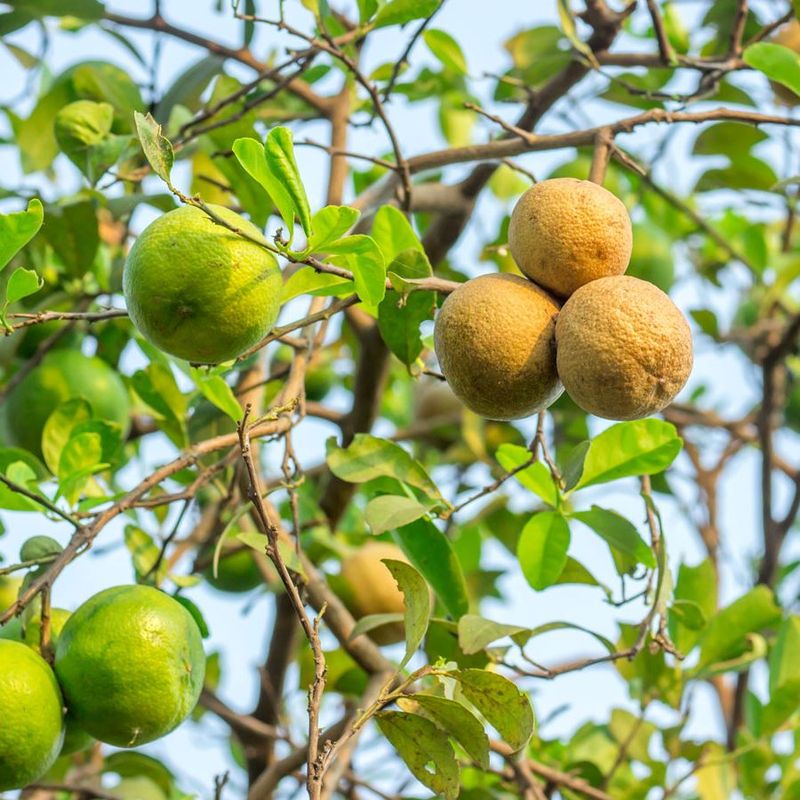
Citrus fruit rarely develops sun damage evenly. One side usually shows the first signs, and it is almost always the side facing the strongest afternoon sun.
Recognizing that pattern early makes it easier to protect the fruit before the damage becomes more noticeable.
The south- and west-facing sides of citrus fruit receive the most intense sunlight during the hottest part of the day. Because of that direct exposure, the fruit’s surface can become much hotter than the surrounding air.
As temperatures climb, the peel is more likely to develop discoloration, dry patches, or other signs of sun stress.
Checking your fruit every few days during the hottest weeks of summer is a simple habit that can pay off. Take a close look at the side facing the afternoon sun and gently feel the peel.
Changes in texture or firmness may appear before the damage becomes easy to see from a distance.
Protecting fruit starts with maintaining good canopy coverage. Healthy leaves provide natural shade that helps reduce direct sun exposure during the hottest hours of the day.
Avoid removing too much foliage when pruning, especially in summer, since exposed fruit is more vulnerable to heat.
5. Leave Enough Leaves To Shade The Fruit
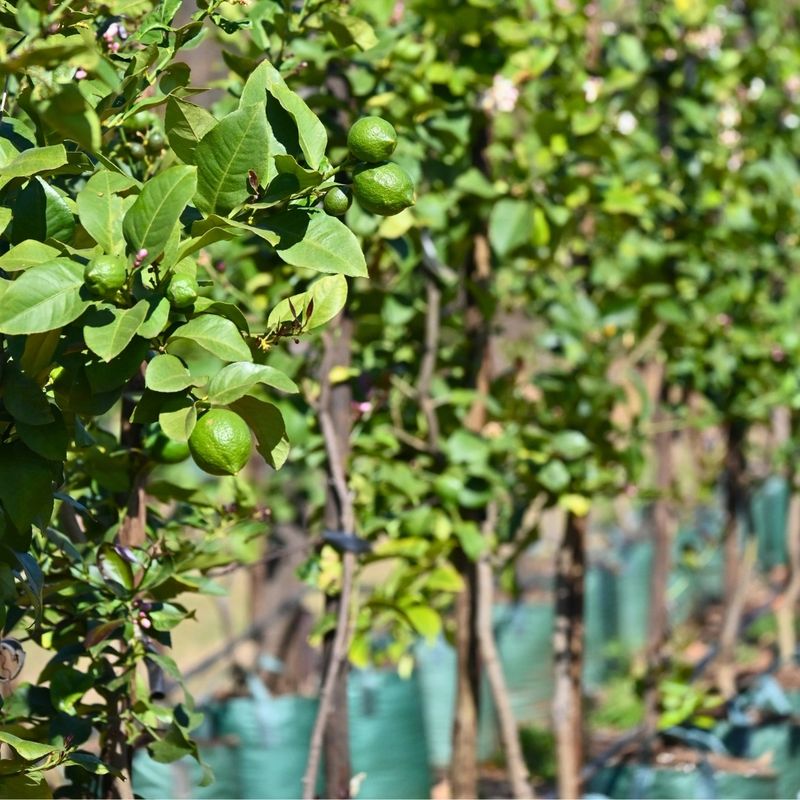
Leaves are not just for photosynthesis. On a citrus tree, they also act as a natural sunscreen for the developing fruit underneath.
Pruning too aggressively strips away that built-in protection, and the fruit pays the price.
Over-pruning is a common mistake, especially in spring when people want to tidy up their trees before summer. Cutting back too many branches opens up the canopy and suddenly exposes fruit that was previously shaded.
That kind of abrupt exposure can trigger sunscald within days during a heat wave.
A good rule of thumb is to avoid removing more than about a quarter of the canopy at one time. Light, selective pruning keeps airflow moving without gutting the natural shade the tree provides.
Timing also matters. Heavy pruning is better suited for late winter before new growth pushes out.
If your tree already looks sparse after pruning, temporary shade cloth can fill the gap while new growth fills back in. Healthy leaf density builds up over a season or two with consistent care.
Feeding the tree with an appropriate citrus fertilizer during the growing season supports that recovery and encourages the kind of full, leafy canopy that naturally protects fruit from the harshest summer sun.
6. Use Shade Cloth During Heat Waves
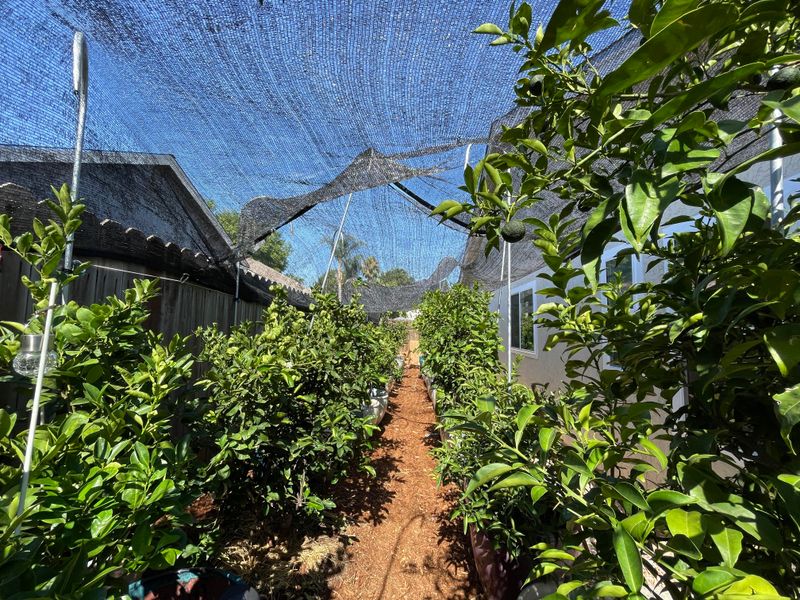
Shade cloth is one of the most practical tools a desert citrus grower can reach for during an extreme heat event. It does not require any permanent changes to your yard, and it can be set up in under an hour.
A 30 to 40 percent shade rating is usually enough to take the edge off without cutting out too much light for the tree.
Draping shade cloth over the canopy during a forecasted heat wave can lower the surface temperature of exposed fruit by several degrees. That reduction may seem small, but it can mean the difference between minor stress and visible damage.
Lightweight, breathable fabric works better than solid covers because it still allows some airflow around the tree.
Securing the cloth loosely matters. Wrapping it too tightly against the branches can trap heat rather than deflect it.
Using stakes or a simple frame to keep the cloth elevated slightly above the canopy creates a buffer zone that helps cool air circulate underneath.
Remove the shade cloth once temperatures drop back to a more manageable range. Leaving it on longer than needed can reduce sunlight enough to slow fruit development or affect sugar content.
Using it as a targeted, short-term tool during the worst heat stretches tends to give the best results without creating new problems for the tree.
7. Adjust Watering During Extreme Heat
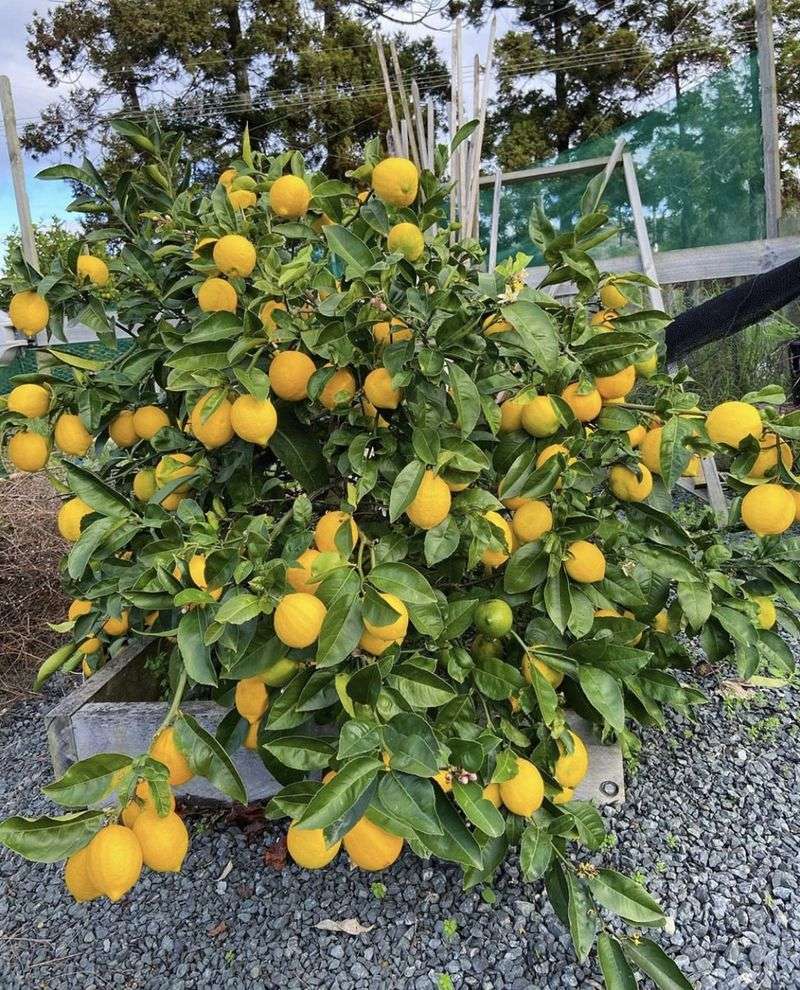
Water management shifts during a heat wave, and citrus trees need that adjustment quickly. When temperatures spike, soil moisture evaporates faster and the tree’s demand for water goes up at the same time.
Sticking to a regular watering schedule without accounting for that change can leave the tree short on moisture when it needs it most.
Deep, infrequent watering works better than frequent shallow watering for citrus in hot climates. Shallow watering encourages roots to stay near the surface where soil dries out fastest.
Deep watering pushes moisture down into the root zone, where it stays accessible longer and supports the tree through multi-day heat events.
Adding a layer of organic mulch around the base of the tree helps slow evaporation between watering sessions. A 3 to 4 inch layer kept a few inches away from the trunk can make a noticeable difference in how long the soil retains moisture.
That steady moisture level also reduces the risk of fruit cracking from inconsistent hydration.
Watch for drooping leaves or dull-looking foliage as signs the tree is running low on water. Those visual cues are often more reliable than a fixed schedule during unusual weather.
Adjusting based on what the tree is actually showing you tends to produce better outcomes than relying on routine alone during the hottest stretches of the year.