8 Plants For A Missouri Deck That Can Handle Full Sun And Reflected Heat
Your deck in July can turn into something closer to a griddle than a garden. Concrete soaks up sun all afternoon, then radiates it back well after sunset, and most flowers simply cannot keep up with that kind of punishment.
Add Missouri’s thick summer humidity into the mix, and you’ve got a recipe for wilted stems and crispy leaves by mid-season.
Here’s the twist: a handful of plants actually treat that heat like an invitation, not a threat. These are the varieties that shrug off scorching afternoons, skip the drama, and keep pushing out blooms while everything else gives up.
Some pack serious color, others bring texture or fragrance, and a few double as kitchen staples. A single hanging basket or a whole row of containers, either way, these eight plants are built to handle the worst Missouri summer can throw at them.
1. Lantana
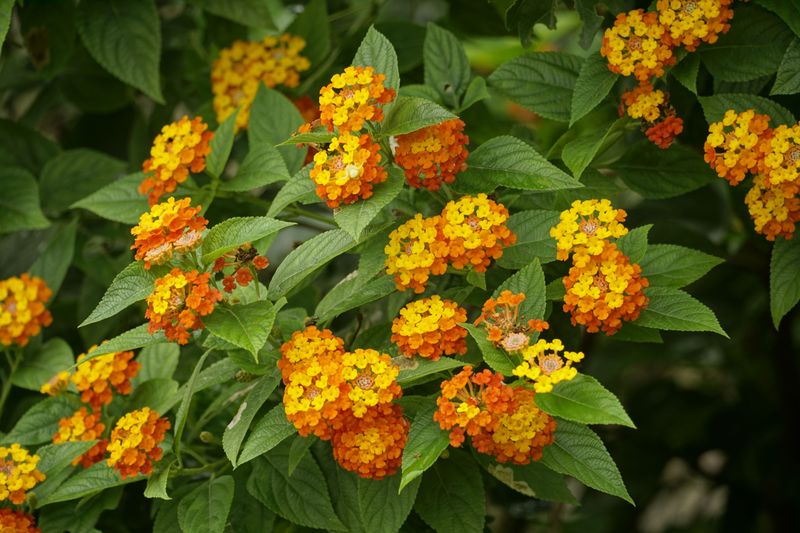
Lantana is basically the superhero of the summer deck garden. It laughs at heat, shrugs off drought, and keeps blooming when every other plant has given up.
Native to tropical regions, lantana was built for punishment. Missouri summers, with their relentless sun and steamy humidity, are basically its happy place.
Each flower cluster is a tiny fireworks show. Colors shift as the blooms age, so one plant can display orange, yellow, pink, and red all at once.
Pollinators go absolutely wild for lantana. Butterflies and hummingbirds will visit your deck all day long, turning your outdoor space into a living nature documentary.
Plant lantana in a large container with fast-draining potting mix. Give it at least six hours of direct sun, and water only when the top inch of soil feels dry.
Removing spent blooms is optional, which is a huge bonus for busy gardeners. The plant self-cleans pretty well and keeps producing blooms without much fussing from you.
One heads-up for pet owners: lantana berries are toxic to dogs and cats. Keep that in mind if your furry friends share your deck space.
Feed lantana with a balanced slow-release fertilizer at planting time. After that, it barely needs anything extra to put on a spectacular show all summer long.
By September, when other containers look ragged, lantana still looks fresh and full. It is the plant that earns its spot every single season on a Missouri deck.
2. Petunia
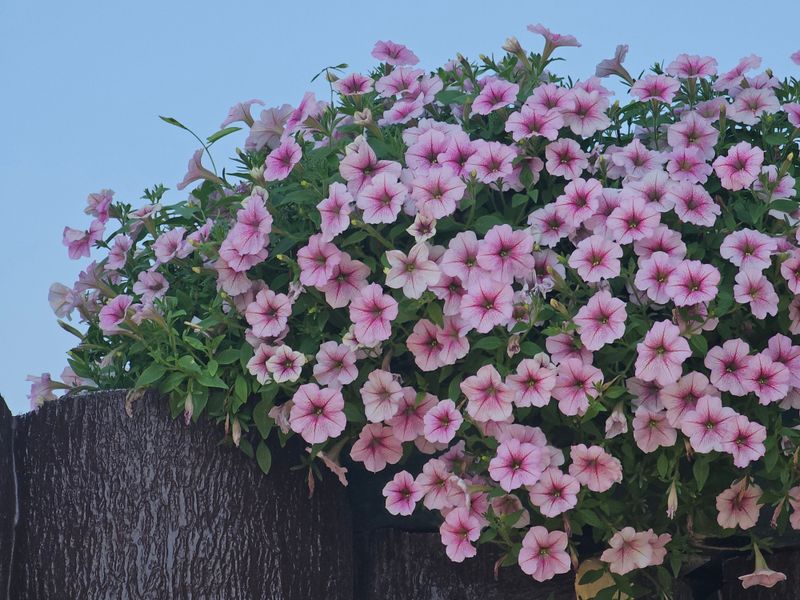
Petunias are the classic crowd-pleaser, but do not let that fool you into thinking they are boring. Modern varieties like Wave and Supertunia are absolute workhorses in hot conditions.
They cascade beautifully over container edges, creating that lush, overflowing look that makes a deck feel like a professional garden. One plant can spread up to four feet in a single season.
Full sun is non-negotiable for petunias. Give them less than six hours and they get leggy, bloom less, and start looking sorry for themselves pretty quickly.
Watering is where most people go wrong with petunias. They need consistent moisture, so check containers daily during peak summer heat because they can dry out fast.
Your Missouri Garden Changes Every Week. Your Plan Should Too.
Gardening in Missouri changes quickly throughout the season. Every Friday you’ll receive a simple weekly plan showing exactly what to plant, prune, fertilize, harvest, and protect so you never miss the right timing.
Fertilizing makes a massive difference with these plants. Use a liquid bloom-booster fertilizer every one to two weeks and the flower count will genuinely surprise you.
If your petunias start looking scraggly mid-summer, do not panic. Cutting them back by about one-third sparks fresh growth and a second wave of blooms within weeks.
Sticky stems are just part of the deal with petunias. That slightly tacky texture is totally normal and does not mean anything is wrong with your plant.
Trailing varieties work especially well in hanging baskets on deck hooks. They create a stunning curtain of color that softens the hard edges of railings and fences beautifully.
For a Missouri deck in full sun, petunias deliver reliable, showy performance from late spring straight through the first frost of fall.
3. Vinca
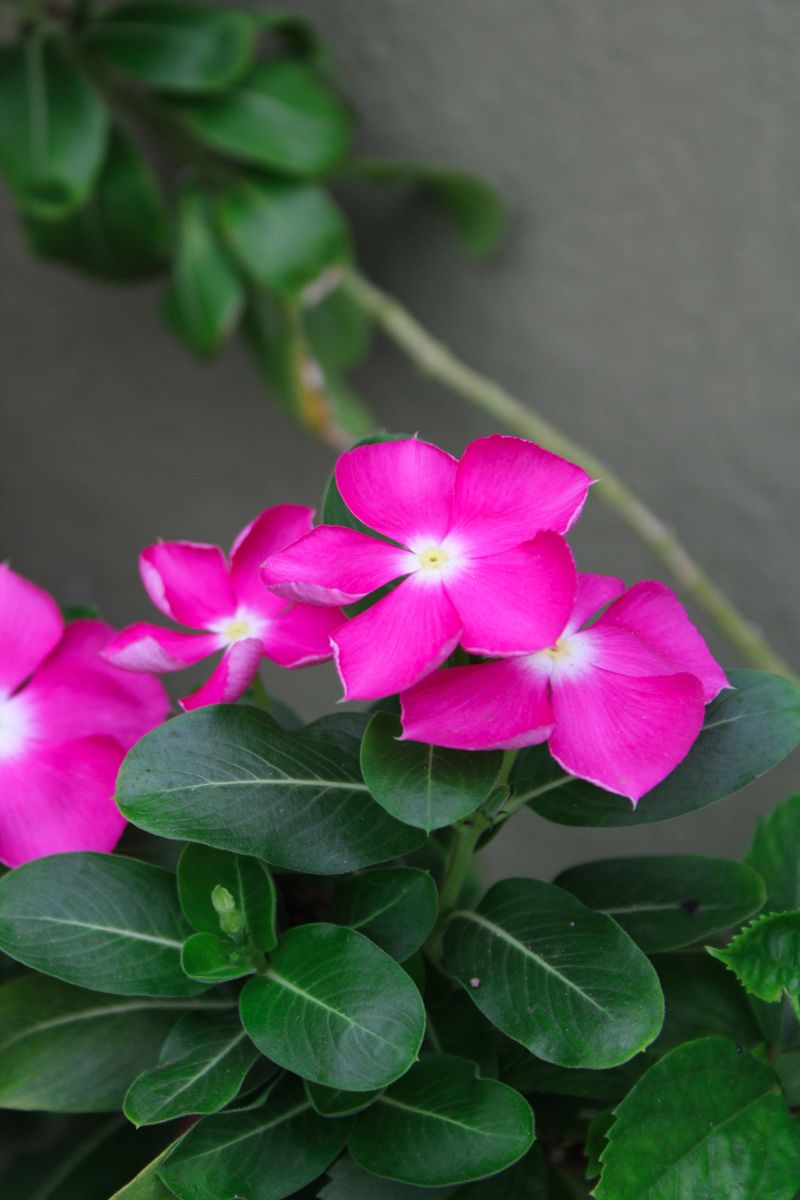
Vinca is the plant that looks delicate but is secretly tougher than almost everything else on your deck. Those cheerful, pinwheel-shaped flowers keep coming even when the heat index hits triple digits.
Also called annual vinca or periwinkle, this plant thrives in the exact conditions that make most other flowers sulk. Hot pavement, reflected heat, and blazing afternoon sun are basically its ideal setup.
One of vinca’s biggest selling points is its drought tolerance. Once established in a container, it handles dry spells with impressive grace and rarely needs daily watering.
The glossy, dark green leaves look great even without flowers, which means the plant always has visual appeal. That healthy shine also signals that the plant is genuinely happy in the heat.
Choose a well-draining potting mix and a container with good drainage holes. Vinca hates sitting in soggy soil, and root rot can take it down faster than any heatwave.
Colors range from pure white to deep magenta, coral, and lavender. Mixing several shades in one large planter creates a bold, eye-catching display that looks intentional and polished.
Vinca does not need removing spent blooms, which earns it serious points for low maintenance. Old blooms fall off cleanly on their own, keeping the plant looking tidy without any extra effort.
Pests and diseases rarely bother healthy vinca plants. As long as air circulates well around the foliage, it stays clean and vigorous all season long on your Missouri deck.
4. Calibrachoa
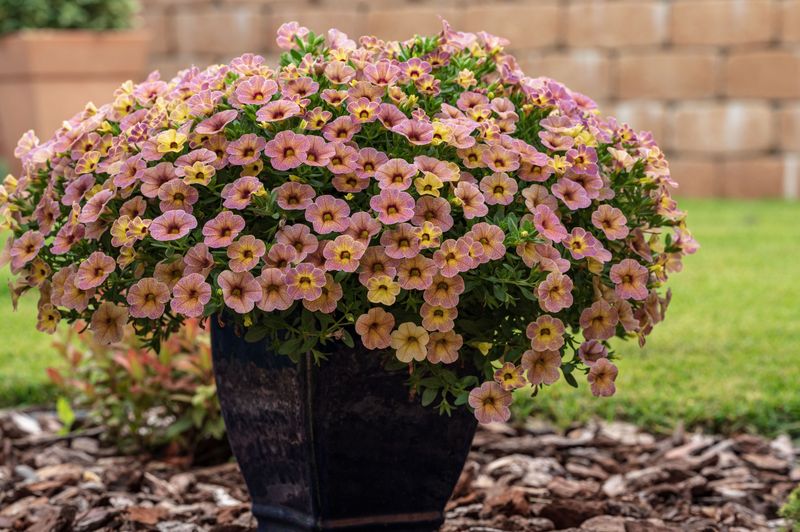
Calibrachoa goes by the nickname Million Bells, and one look at a mature plant tells you exactly why. Hundreds of tiny, petunia-like flowers cover every trailing stem in a nonstop floral explosion.
What makes calibrachoa special for a hot deck is its ability to bloom without stopping from spring to frost. Removing spent blooms is not required, no mid-summer slump, just relentless color output.
These plants love heat and full sun, making them a natural fit for south or west-facing decks. The more sun they get, the more generously they bloom all season long.
Hanging baskets are where calibrachoa truly shines. The trailing stems spill down in a graceful cascade, and the sheer flower density creates a look that stops people in their tracks.
Watering calibrachoa requires some attention because it dries out quickly in containers. Check the basket daily in hot weather, and water thoroughly whenever the top inch of soil feels dry.
Fertilizing is essential for keeping the bloom show going strong. Use a water-soluble, high-phosphorus fertilizer every one to two weeks to fuel that impressive flower production all summer.
One fun fact: calibrachoa actually belongs to the same plant family as petunias, though it was later reclassified into its own genus. Native to South America, it only reached American gardens in the 1990s.
Pair calibrachoa with upright plants like angelonia or zinnia for a stunning thriller-spiller combination. That contrast in height and texture makes your containers look like they came from a professional garden center.
5. Angelonia
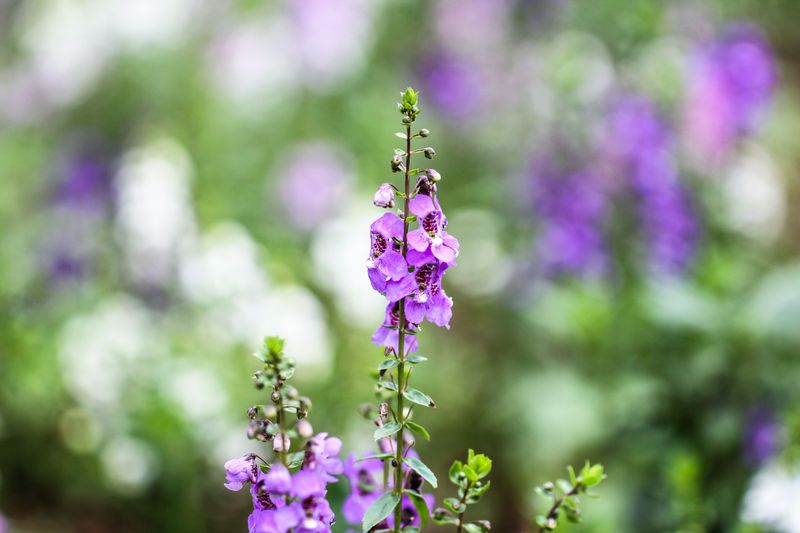
Angelonia smells like grape bubblegum, which is possibly the best surprise any plant has ever delivered. Brush past it on your way to the grill and you get an instant mood boost.
Often called summer snapdragon, angelonia produces tall, elegant spikes covered in small orchid-like flowers. It adds vertical drama to containers and planters that flat, mounding plants simply cannot provide.
Heat is angelonia’s fuel source. The hotter and sunnier your deck gets, the more this plant seems to thrive, pumping out new flower spikes without any encouragement from you.
Unlike traditional snapdragons, angelonia does not fade or get leggy in summer heat. It stays upright, tidy, and full of blooms straight through the most brutal Missouri August on record.
Colors include purple, pink, white, and bicolor combinations. Purple varieties tend to be the most vigorous and show up beautifully against light-colored deck furniture or railings.
Watering angelonia is straightforward once you understand its roots. It prefers to dry out slightly between waterings, making it more forgiving than thirstier plants on your deck.
Removing spent blooms is not necessary, but trimming spent spikes encourages faster reblooming. A quick snip every couple of weeks keeps the plant looking sharp and producing fresh flower spikes consistently.
Pair angelonia with trailing plants like calibrachoa or sweet potato vine for a dynamic container combo. Its upright habit creates the perfect anchor in a mixed planter on a sun-baked Missouri deck.
6. Zinnia
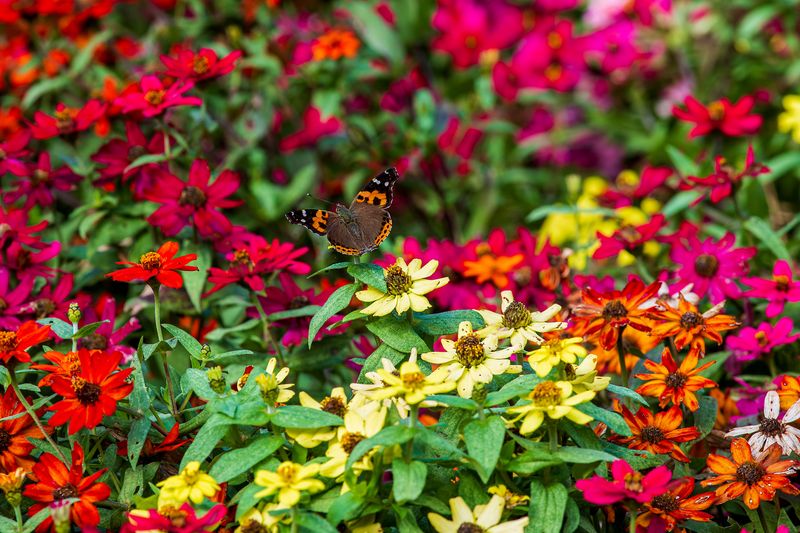
Zinnias are pure joy in flower form. Big, bold, and blazingly colorful, they bring an almost reckless cheerfulness to any deck container that desperately needs some personality.
These plants were practically engineered for hot, sunny conditions. Originating in the dry plains of Mexico, zinnias are hardwired to perform in exactly the kind of heat that Missouri summers deliver.
The color range is staggering: cherry red, electric orange, lemon yellow, coral, hot pink, white, and even bicolored varieties. Mixing them in one large planter creates a fiesta-level display.
Zinnias grow quickly from seed or transplant, which means you can start fresh mid-season if an earlier planting does not work out. Few plants offer that kind of flexibility for deck gardeners.
For containers, choose compact varieties like Profusion or Zahara. These stay bushy and manageable without getting floppy, which is a real advantage in a windy deck environment.
Water zinnias at the base of the plant and keep the foliage dry. Wet leaves invite powdery mildew, which is their one real weakness in the humid Missouri summer air.
Butterflies absolutely flock to zinnia blooms. A large container of zinnias on your deck will attract painted ladies, swallowtails, and monarchs throughout the entire growing season.
Remove spent blooms regularly to keep new flowers coming fast and furiously.
7. Rosemary
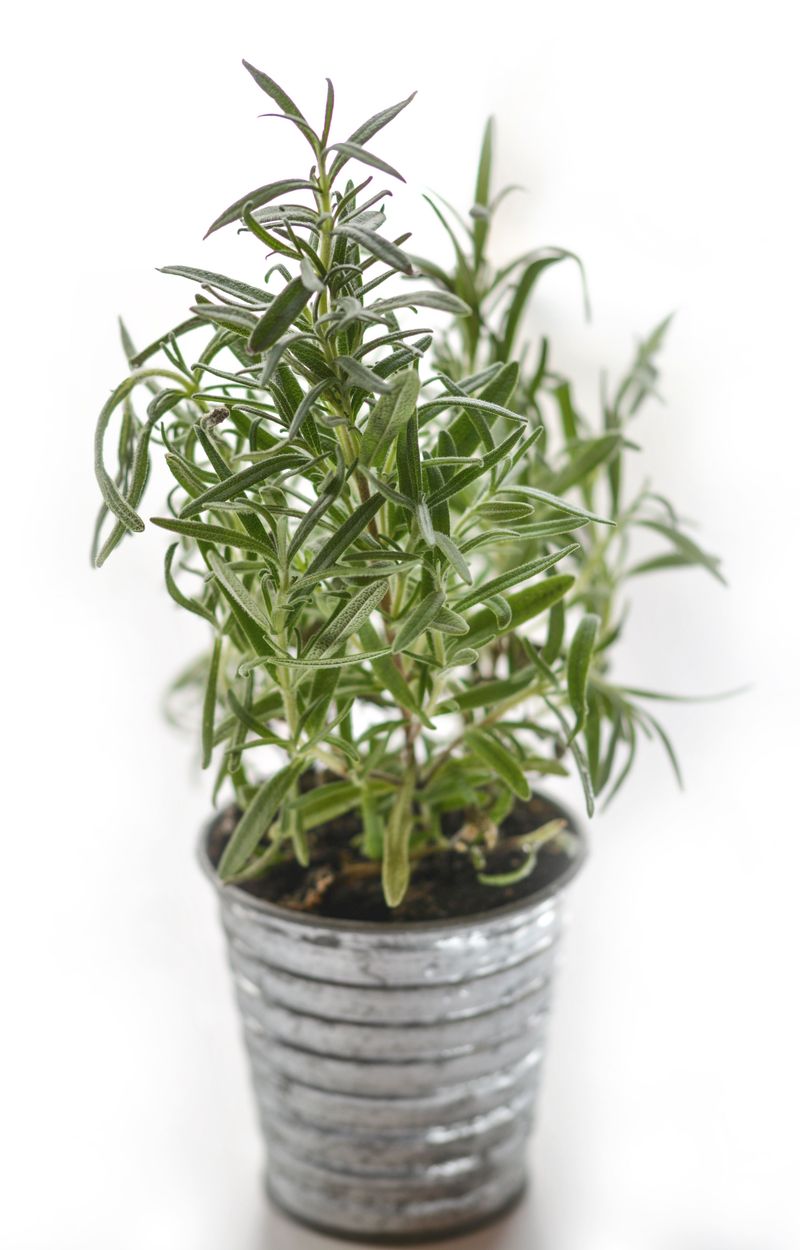
Rosemary is the herb that moonlights as an ornamental plant and never gets enough credit for it. Silvery-green, aromatic, and architectural, it looks stunning on a sunny deck all season long.
Originally from the sun-baked Mediterranean coast, rosemary was built for hot, dry, reflected-heat situations. A Missouri deck in August is basically a vacation destination for this tough little shrub.
The woody stems and needle-like leaves give rosemary a sculptural quality that softer plants lack. It adds structure and texture to a deck planting scheme without demanding constant attention.
Plant rosemary in terracotta or unglazed ceramic pots because these materials allow the soil to breathe and dry out properly. Good drainage is the single most important factor in keeping rosemary happy.
Water deeply but infrequently, letting the soil dry almost completely between sessions. Overwatering is far more dangerous to rosemary than drought, so err on the side of too little rather than too much.
Full sun is non-negotiable for this herb. At least six to eight hours of direct light keeps rosemary compact, flavorful, and healthy throughout the growing season.
Bonus: snip fresh sprigs for the kitchen whenever you need them. Grilled chicken, roasted potatoes, and homemade focaccia all taste dramatically better with rosemary harvested steps from your back door.
In Missouri, rosemary may survive mild winters outdoors, but bringing it inside is the safer bet. A sunny window keeps it alive and ready to return to your deck the following spring.
8. Sedum
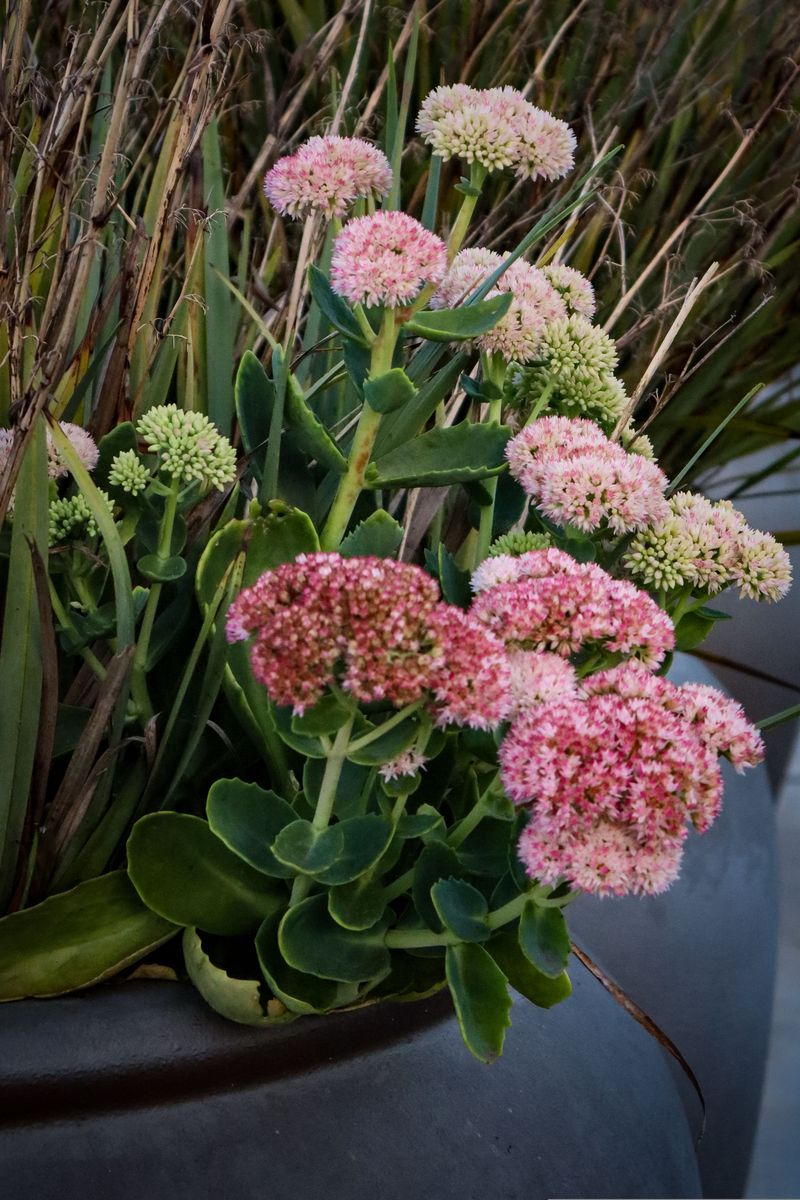
Sedum is the plant for gardeners who want stunning results with almost no effort. Thick, fleshy leaves store water like tiny reservoirs, making sedum nearly impossible to lose to neglect.
Also called stonecrop, sedum comes in a wild variety of colors, textures, and growth habits. From low, spreading ground-huggers to upright, fall-blooming varieties, there is a sedum for every container situation.
Reflected heat from a deck surface does not faze sedum one bit. It actually prefers the kind of harsh, dry conditions that would send most other plants into decline.
Choose a gritty, fast-draining potting mix designed for succulents or cacti. Regular potting soil holds too much moisture and can cause the roots to rot before you even notice a problem.
Watering sedum is delightfully simple: water thoroughly, then ignore it for a week or two. That cycle of deep watering followed by a dry period mimics its natural habitat perfectly.
Upright varieties like Autumn Joy produce large, flat flower clusters that turn from pink to deep burgundy as fall approaches. That late-season color is a rare and valuable quality in a deck plant.
Sedum pairs beautifully with other drought-tolerant plants like rosemary or trailing ice plant in mixed containers. The contrast of textures and colors creates a sophisticated, low-maintenance display that looks intentional and curated.
Sedum is the quiet, reliable performer your Missouri deck needs when full sun and reflected heat push everything else to its limits.