How To Adjust Your Watering Routine For Missouri’s Hottest Month
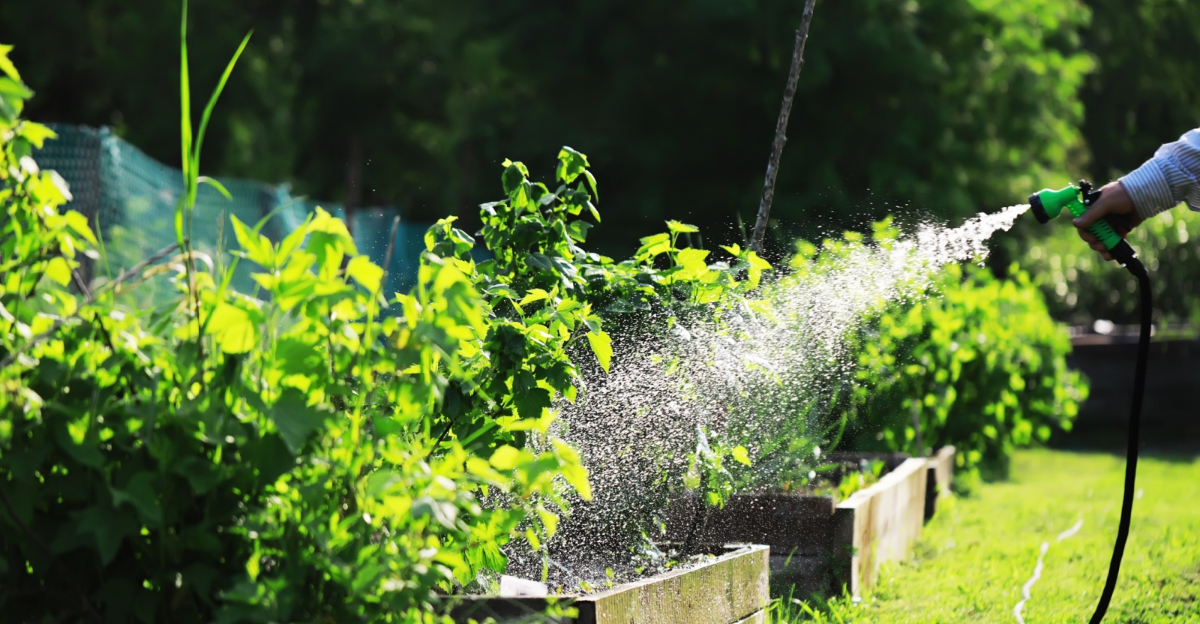
August in Missouri doesn’t ease you into anything. One week you’re dealing with thunderstorms, the next you’re watching the thermometer flirt with triple digits while the grass crunches under your feet.
Your garden feels every degree of it. Roots that were happy in June are now working overtime just to keep the plant standing upright by 3pm.
This is the month where watering on autopilot stops working. Water too little and you’ll watch leaves curl and blooms drop overnight.
Water too much, at the wrong time, and you’re just smothering your roots in soggy soil under a Missouri sun that shows no mercy.
The gardeners who make it through August with a yard full of color aren’t lucky. They’ve simply figured out when, how much, and where their plants need water most.
Get that rhythm down now, and you’ll be picking tomatoes and watching zinnias bloom well into October.
1. Water Deeply Two To Three Times Per Week
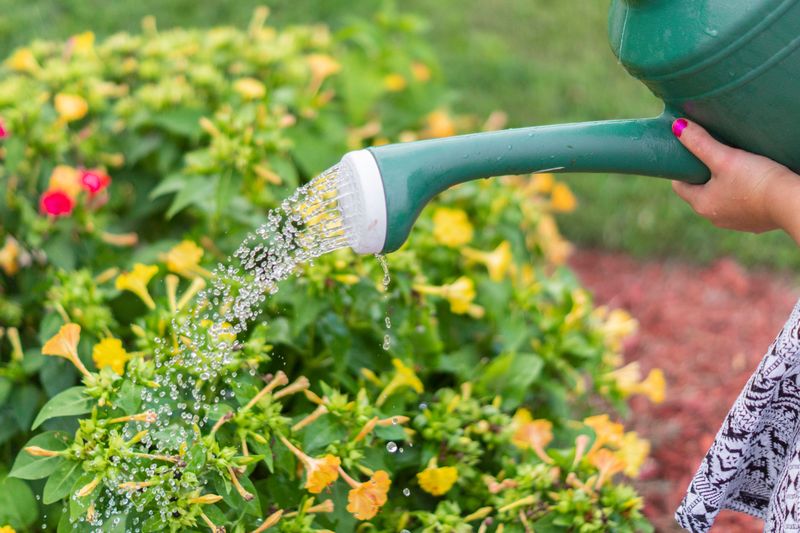
Shallow watering is a common mistake. It trains roots to stay near the surface, where the soil dries out fastest.
Deep watering pushes moisture down six to eight inches into the soil. Roots follow that water downward, making plants stronger and more heat-tolerant.
Two to three sessions per week is the sweet spot for most Missouri lawns and gardens in peak summer. Each session should last long enough to soak the ground thoroughly, not just wet the top inch.
A slow, steady stream works better than a fast blast. Slow watering gives the ground time to absorb moisture instead of letting it run off.
Use a soaker hose or a drip system if you want serious efficiency. These tools deliver water directly to the root zone with almost no waste.
Check after watering by pushing a wooden dowel or stick into the soil. If it slides in six inches without much resistance, your watering session did its job.
Skipping a session during a heat wave can put real stress on your plants. Stressed plants attract pests and drop fruit prematurely, so consistency is everything.
Deep watering also encourages soil microbes that help break down nutrients. Healthy soil biology means your plants eat better even when temperatures soar.
Think of each watering session as an investment. A little effort now saves you from replanting an entire garden bed later.
2. Check Soil Moisture Daily With A Finger Test
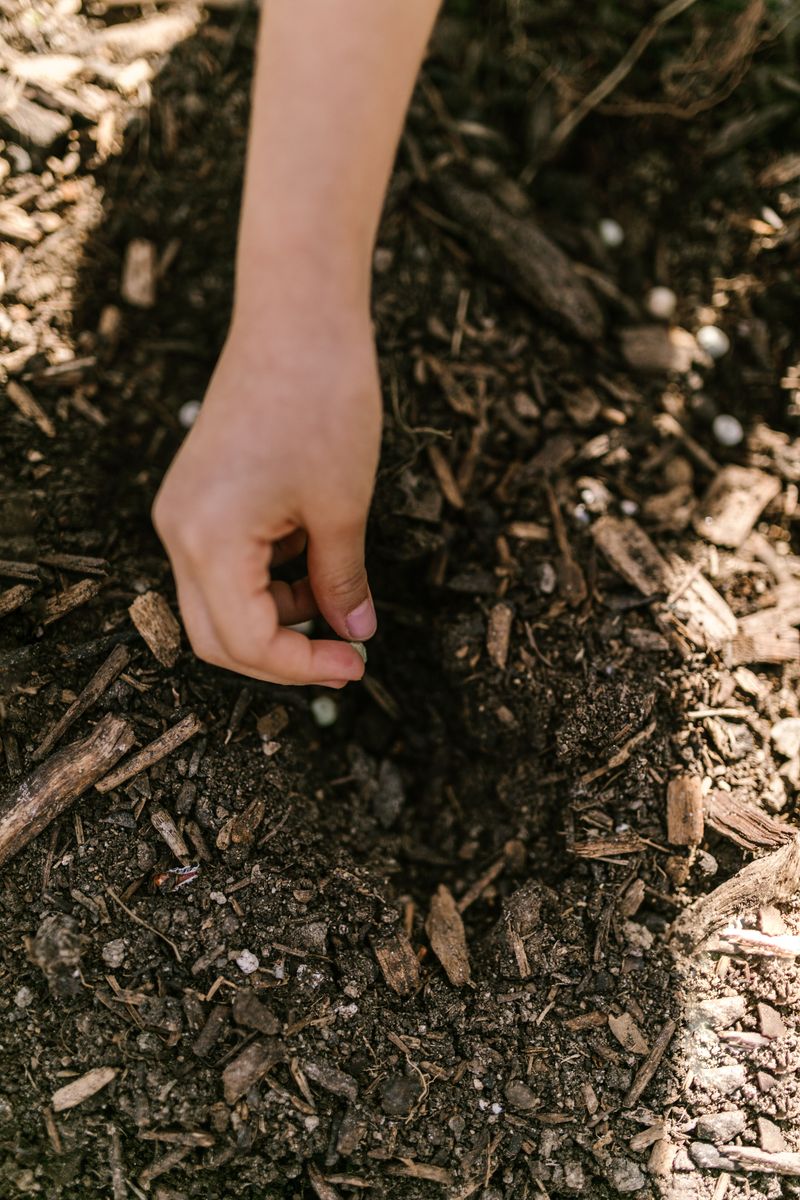
Your finger is the best moisture meter money cannot buy. Push it one inch into the soil near your plant’s base every single morning.
If the soil feels dry at that depth, water immediately. If it still feels cool and slightly damp, you can skip that day without worry.
This simple habit takes about thirty seconds per plant. It saves you from both overwatering and underwatering, which are equally damaging to roots.
Overwatering in summer invites root rot, especially in clay-heavy Missouri soils that drain slowly. Too much moisture suffocates roots just as effectively as drought does.
Your Missouri Garden Changes Every Week. Your Plan Should Too.
Gardening in Missouri changes quickly throughout the season. Every Friday you’ll receive a simple weekly plan showing exactly what to plant, prune, fertilize, harvest, and protect so you never miss the right timing.
The finger test also helps you notice patterns. Some spots in your yard dry out faster because of sun exposure or slope, and daily checks reveal those trouble zones quickly.
Potted plants dry out much faster than ground plants, so check those first. Container soil can go from moist to bone-dry in a single hot afternoon.
After a few weeks of daily checks, you will start to predict which plants need water before they even show stress. That knowledge is genuinely useful for any gardener.
Wilting leaves in the morning are a red flag. Plants that droop at sunrise are already under serious heat stress and need water right away.
Make the finger test part of your morning coffee routine. Pair it with something enjoyable, and you will never forget to do it again.
3. Morning Watering Beats Evening For Disease Prevention
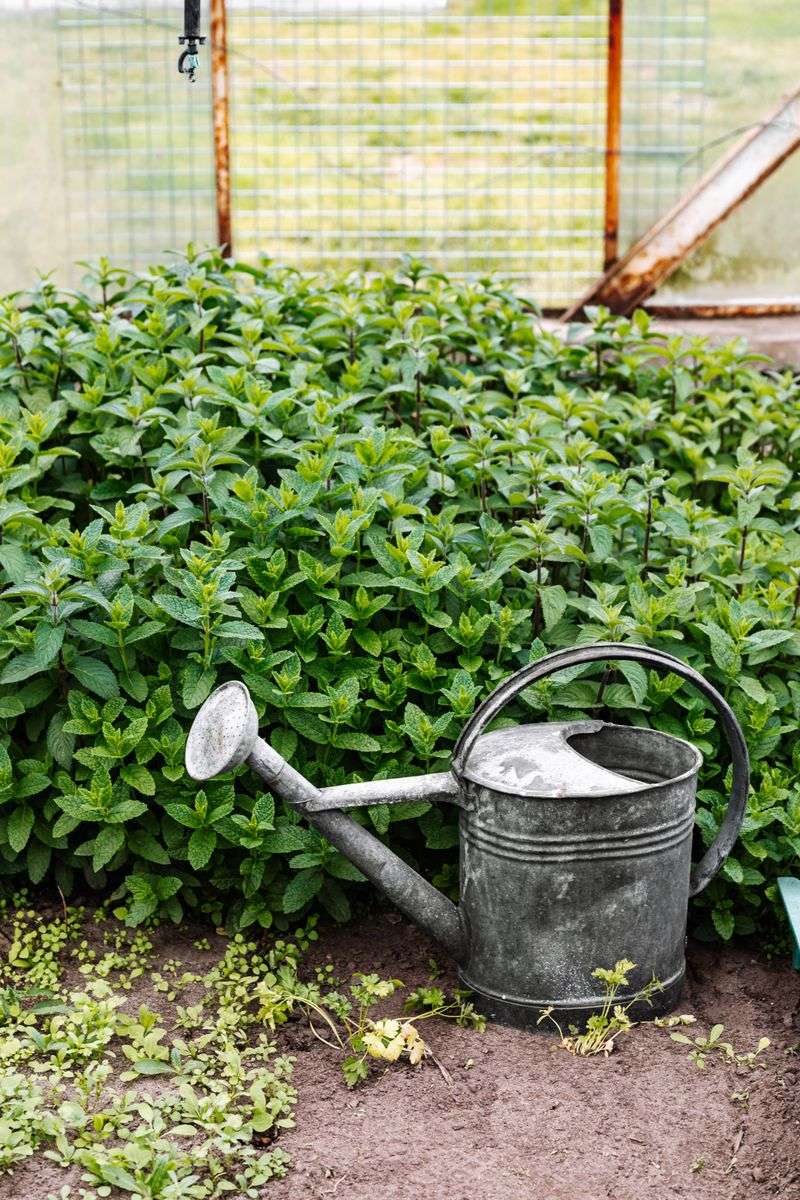
Early morning watering is one of the smartest moves a gardener can make. The sun is low, temperatures are cooler, and the water actually reaches the roots instead of evaporating instantly.
Watering in the evening leaves foliage wet overnight. Wet leaves in warm, humid conditions are basically an invitation for fungal diseases like powdery mildew and leaf blight.
Missouri summers are already humid enough to encourage disease. Adding nighttime moisture to the equation tips the scales in the wrong direction for your plants.
Morning watering gives leaves time to dry as the sun rises. Dry foliage by midday means far less risk of the mold and mildew that plagued last summer’s garden.
Aim to water between six and nine in the morning for best results. That window captures cool air, lower wind speeds, and maximum soil absorption.
If morning watering is genuinely impossible for your schedule, aim for early afternoon rather than evening. Give leaves at least four hours of sun to dry before dark.
Using drip irrigation or soaker hoses bypasses the foliage problem entirely. Water goes straight to the soil, so the timing matters slightly less.
Adjusting your watering routine for Missouri’s hottest month means working with the sun, not against it. Morning sessions are a simple change with a huge payoff.
Healthy plants resist pests better too. A disease-free garden is a resilient garden, no matter how brutal the summer gets.
4. Container Plants Need Water Every Single Day
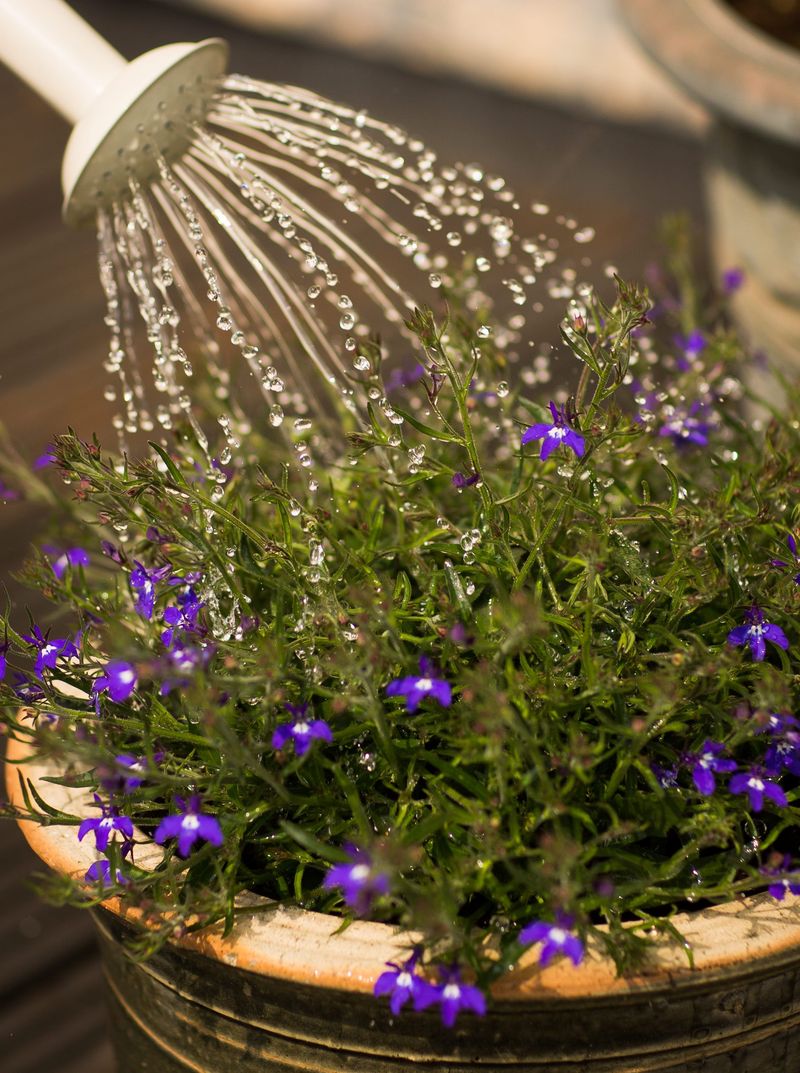
Container plants are the drama queens of the garden world. They dry out fast, show stress quickly, and need attention every single day during peak heat.
Pots heat up from all sides, unlike ground soil which stays cooler beneath the surface. That means the root zone inside a container can reach dangerous temperatures within hours of sunrise.
Check your containers first thing every morning without exception. Small pots may even need a second watering in the late afternoon during triple-digit heat stretches.
Water until it drains freely from the bottom holes. That ensures the entire root ball gets moisture, not just the top layer of potting mix.
If water runs straight through without being absorbed, the soil may have dried out and shrunk away from the pot’s edges. Soak the container in a bucket of water for twenty minutes to rehydrate it fully.
Grouping containers together slows down moisture loss. Pots clustered in a shady corner stay cooler and retain water longer than isolated ones baking in full sun.
Self-watering containers are a game changer for busy gardeners. They hold a reservoir of water at the bottom that roots can draw from throughout the day. Terra cotta pots are beautiful but thirsty.
They pull moisture out through their walls, so plants in clay pots need more frequent watering than those in plastic or glazed ceramic. Daily attention to containers pays off with blooms that last all season long.
5. Mulch Heavily To Reduce Watering Frequency
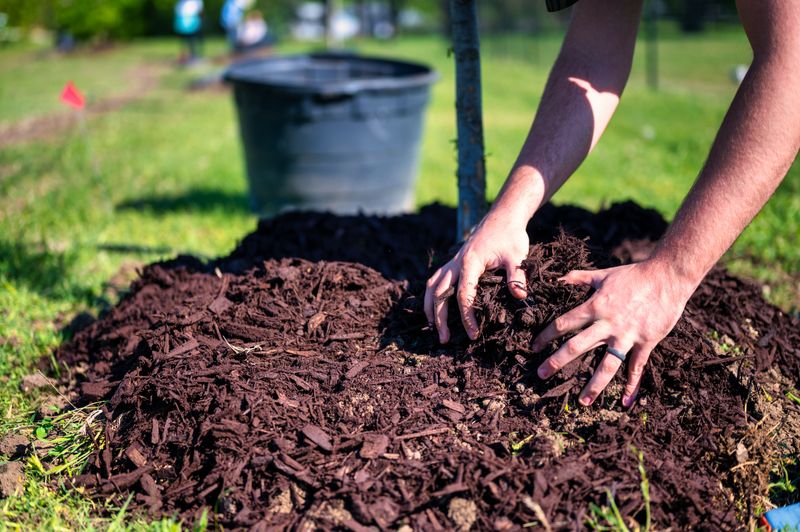
Mulch is basically a cooling blanket for your soil. A thick layer traps moisture underground, where roots actually live and drink.
Without mulch, the August sun can dry out the top few inches of soil surprisingly fast. With three to four inches of mulch, that same soil stays moist noticeably longer between waterings.
Wood chips, straw, and shredded leaves all work well. Each type breaks down over time and feeds the soil with organic matter as a bonus.
Apply mulch in a wide circle around each plant, keeping it a few inches away from the stem. Mulch piled against the stem traps moisture against the bark and causes rot.
Reducing your watering frequency by even one session per week adds up fast. Less watering means lower water bills, less time with a hose, and fewer chances for overwatering mistakes.
Mulch also keeps soil temperatures lower, which is a huge benefit for shallow-rooted plants like lettuce and herbs. Cooler roots mean less heat stress during the worst afternoons.
In a garden without mulch, weeds compete with your plants for every drop of water. Mulch suppresses those weeds, so your plants get the full benefit of each watering session.
Adjusting your watering routine for Missouri’s hottest month gets much easier when mulch is doing half the work.
Lay it down once, and it works for you all season. Think of mulch as free insurance against drought stress.
6. Tomatoes And Peppers Want Consistent Even Moisture
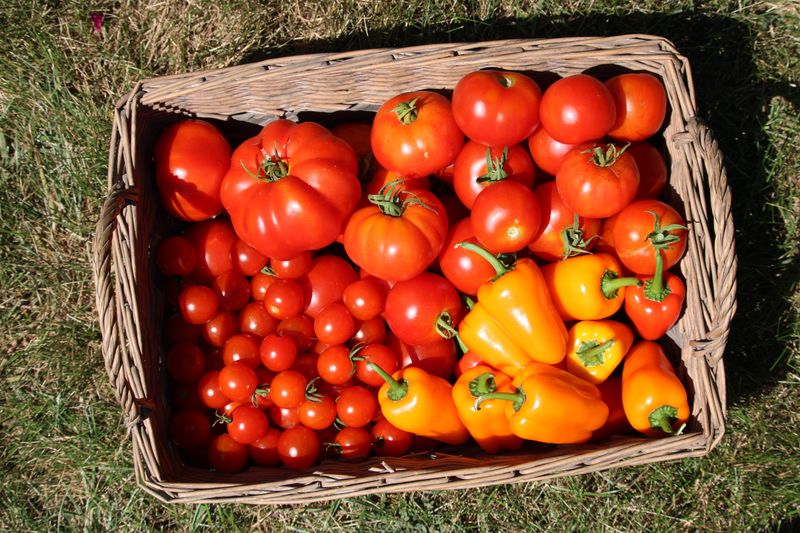
Tomatoes are one of the most popular backyard crops around, and also one of the most sensitive to irregular watering. Inconsistent moisture causes a frustrating condition called blossom end rot.
Blossom end rot looks like a dark, sunken bruise on the bottom of the fruit. It happens when calcium cannot move properly through the plant due to uneven soil moisture levels.
Peppers face the same challenge. Both crops need steady, predictable hydration from the time flowers appear through harvest.
Aim for one to two inches of water per week for tomatoes and peppers combined. Split that across two or three sessions rather than dumping it all at once.
Soaker hoses laid at the base of each plant are ideal for these crops. They deliver water slowly and directly to the roots without wetting the foliage above.
Wet tomato leaves invite early blight and septoria leaf spot, both common in humid summers. Keeping water off the leaves dramatically reduces those problems.
Mulching around tomatoes and peppers is especially important. A thick layer of straw locks in soil moisture between watering sessions and keeps the ground temperature stable.
If you notice the fruit cracking after a heavy rain following a dry spell, inconsistent moisture is the culprit. Prevent cracking by never letting the soil dry completely between sessions.
Consistent care turns a good tomato harvest into a great one. Your sandwiches will thank you.
7. Increase Frequency During Heat Waves Above 95°F
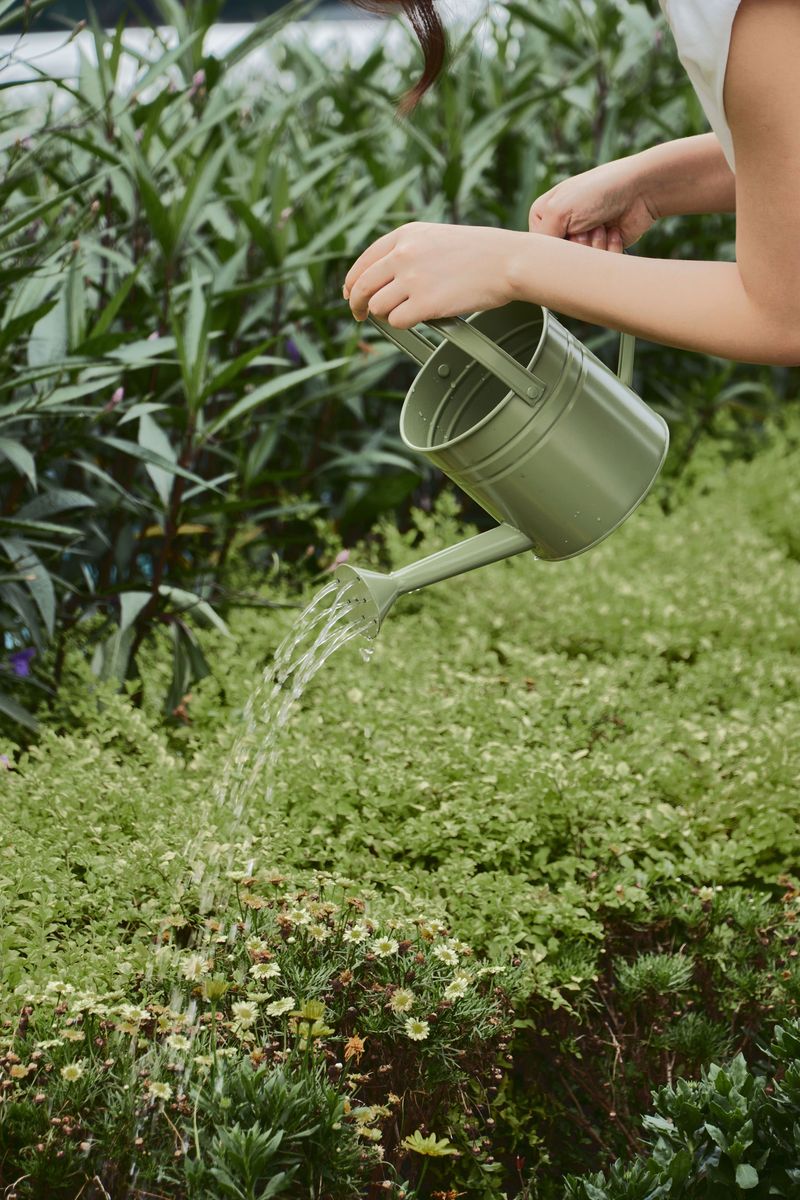
When the forecast hits 95 degrees and keeps climbing, your normal watering schedule is no longer enough. Heat waves call for quick adjustments.
At temperatures above 95 degrees, soil loses moisture much faster than normal. Plants that were fine with three sessions per week suddenly need four or five.
Watch your plants closely during heat waves. Drooping leaves in the early morning, before the sun is high, signal that roots are already struggling to keep up.
Add an extra watering session in the late afternoon during extreme heat stretches. Aim for around four or five in the afternoon, when the worst heat has passed but the sun still helps dry the foliage.
Shade cloth is a smart tool to pair with increased watering. A thirty to forty percent shade cloth over vulnerable plants reduces ground temperature and slows moisture loss significantly.
Avoid watering during the absolute peak of the afternoon, around one to three. Water evaporates before it reaches the roots, and you waste both water and effort.
Heat waves above 95 degrees are hard on cool-season crops like lettuce and spinach. Consider harvesting those plants early rather than fighting to keep them alive through extreme conditions.
Adjusting your watering routine for Missouri’s hottest month means staying flexible. A heat wave is not the time to stick rigidly to a schedule written in cooler weather.
Respond to what your garden is telling you, and you will come out of summer with plants still standing strong.
8. Learn To Tell The Difference Between Heat Stress And Overwatering
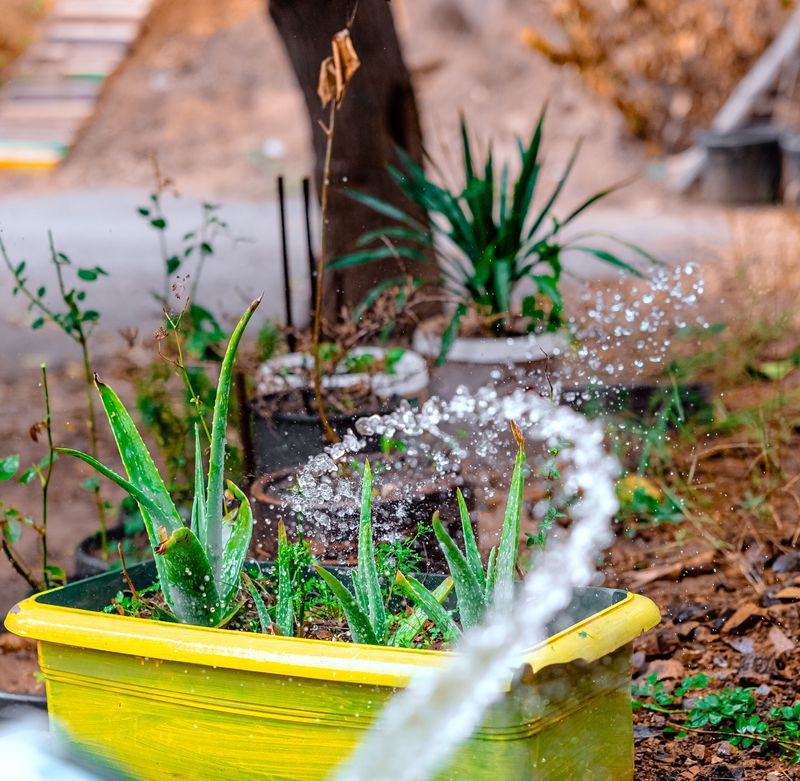
Wilted leaves send a confusing signal in August. Plants droop when they’re thirsty, but they also droop when their roots are sitting in water that never drains.
Treating both the same way makes the problem worse. Heat-stressed plants usually perk back up within an hour or two once temperatures drop in the evening.
If a plant is still wilted at sunrise, the issue is almost never heat. That’s usually root rot from soil that stayed wet too long.
Check the soil before reaching for the hose again. Dry, crumbly soil confirms drought stress and calls for a deep watering session.
Soil that’s dark, cool, and heavy with moisture means the roots are already having a hard time getting air, and more water only adds to the problem.
Yellowing lower leaves paired with an earthy, damp smell near the base are classic overwatering signs. Curling, crispy leaf edges point toward drought instead.
Missouri’s clay-heavy soil makes this mix-up especially common, since water sits near the surface longer than gardeners expect.
Ease up on watering, let the topsoil dry out fully, and give roots a chance to recover before starting a normal schedule again.
Reading these signals correctly saves plants that a wrong guess would otherwise put in serious danger.