8 Reasons Minnesota Peonies Still Need Special Care In July After Blooming Ends
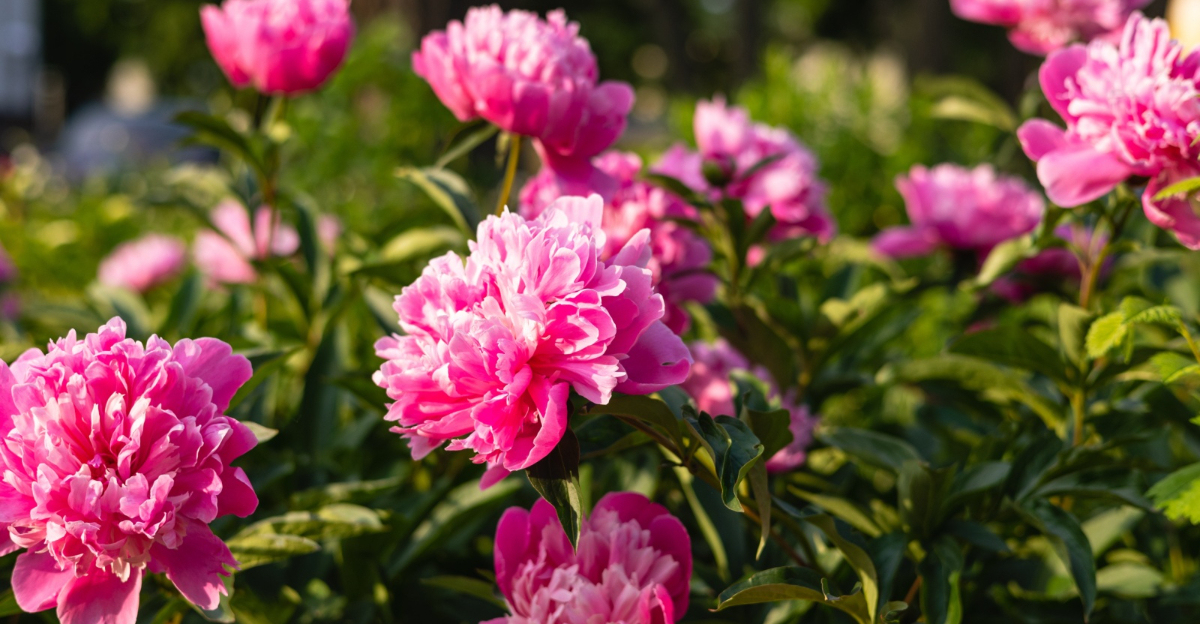
The blooms are done, but don’t put your trowel away yet. That bare, petal-less peony bush standing in your Minnesota garden right now is quietly preparing for next year’s growth.
July decides whether that comeback actually happens. Minnesota’s thick summer air clings to your skin by mid-morning. That kind of humidity is exactly the environment fungal spores love best.
Meanwhile, those green leaves you might be tempted to ignore are still grinding away. They’re feeding the roots that will produce every single bloom you see next June.
Skip this month, and you’re leaving next year’s flower show up to chance. Stay engaged, though, and you’re basically writing next spring’s success story in advance.
This isn’t busywork. It’s the quiet, unglamorous stretch where real gardeners separate themselves from the ones who only show up for the pretty part. Your peonies aren’t finished with you yet, not even close.
1. Foliage Keeps Photosynthesizing To Fuel Next Year’s Blooms
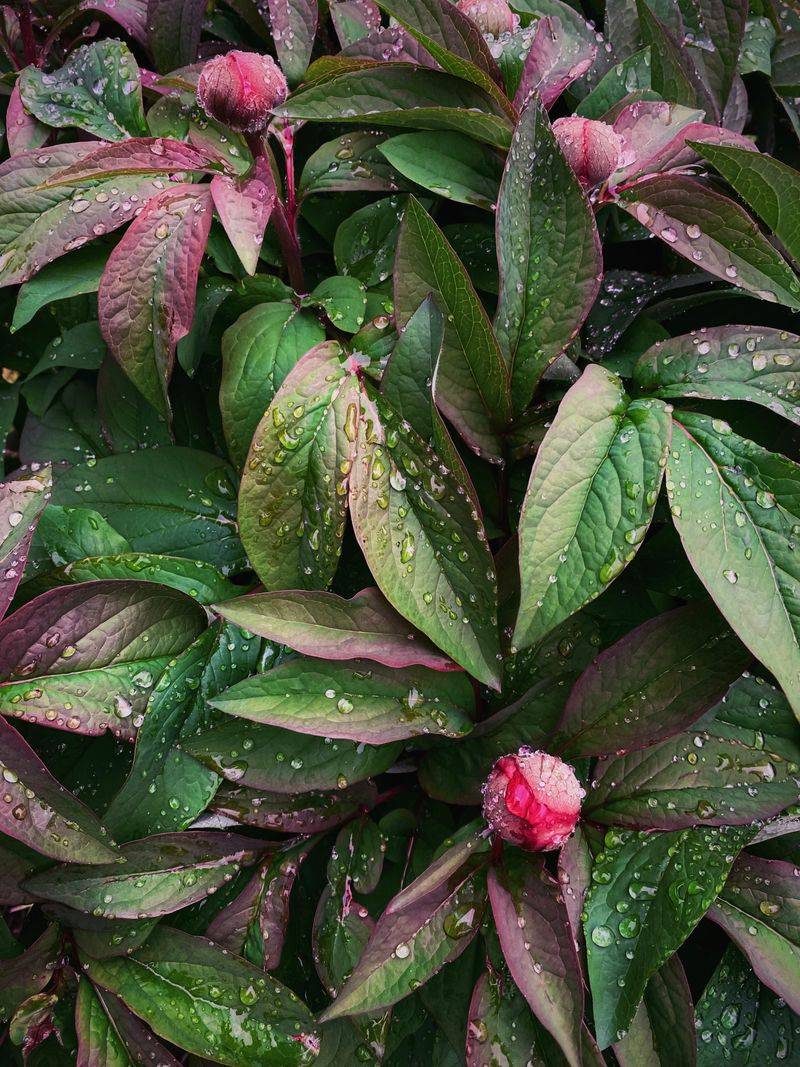
Those big, glossy leaves are not just decoration after the flowers fade. Every single leaf is a tiny solar panel. It’s quietly charging up the roots for next spring’s show.
Peonies store energy in their underground root systems all summer long. The leaves are the engine driving that whole process.
They convert sunlight into sugars the plant banks for later use. If you cut the foliage back too early, you rob the plant of its fuel source.
Gardeners who trim leaves in July often wonder why their blooms seem smaller the following year. Some wonder why there are fewer blooms altogether.
Let the green growth do its job all the way through summer and into fall. The leaves will naturally yellow and fade back on their own schedule. That timing is set by the plant, not by the calendar on your wall.
Minnesota peonies after blooming ends still have months of important work ahead underground. Minnesota’s growing season gives roots plenty of time to build strength before the first frost arrives.
Respecting that invisible labor is the first step toward consistently stunning blooms season after season.
Think of the foliage as the plant’s energy source. Cut it early, and you’re reducing next year’s stored reserves.
2. Humid July Air Raises Risk Of Fungal Disease
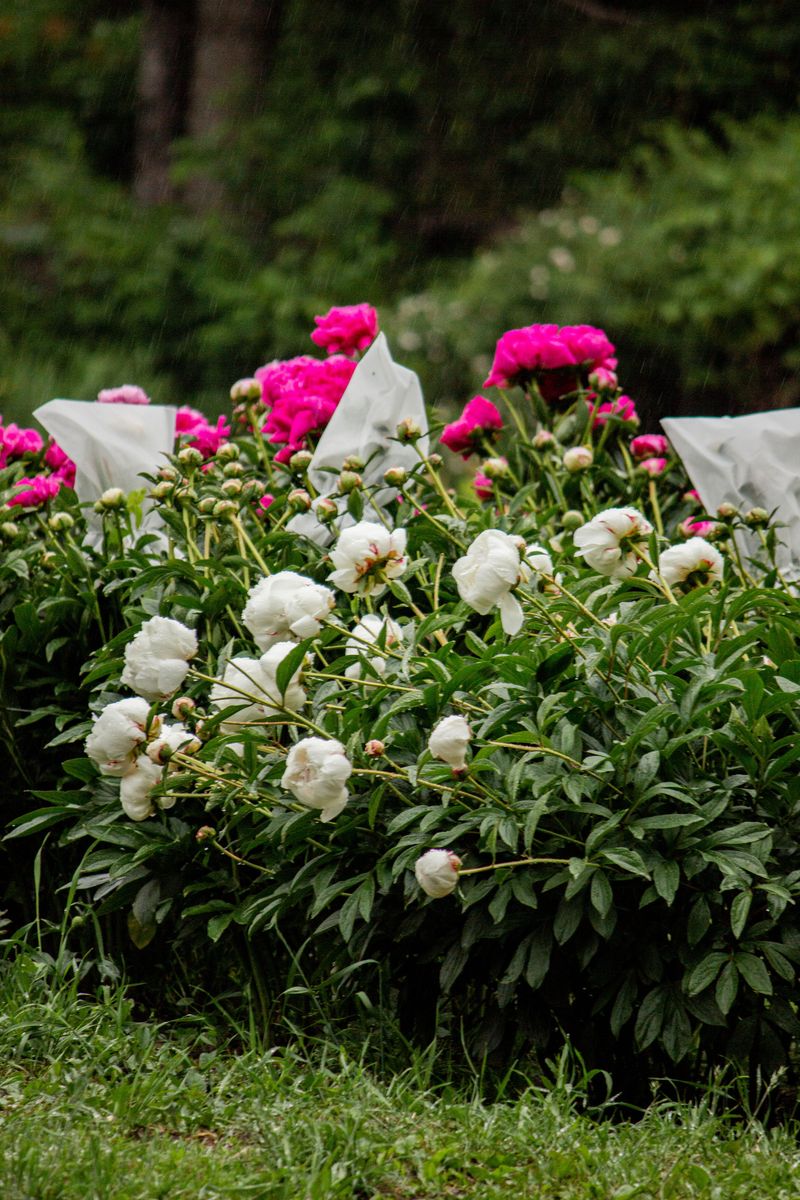
Minnesota in July feels like living inside a warm, wet towel some days. That thick, sticky humidity creates the perfect conditions for fungal spores to spread across your peony leaves, and it doesn’t take long for trouble to set in.
Fungal diseases thrive when air circulation is poor and moisture lingers on leaf surfaces. A dense clump of peony foliage creates exactly the kind of sheltered, damp microclimate that fungi favor most.
The thicker the growth, the longer that moisture sticks around. Spacing matters more than most gardeners realize during summer months. Plants crowded together trap humid air between their leaves.
That trapped moisture creates conditions that are hard to manage once they take hold, especially after a run of rainy days.
Your Minnesota Garden Changes Every Week. Your Plan Should Too.
Gardening in Minnesota changes quickly throughout the season. Every Friday you’ll receive a simple weekly plan showing exactly what to plant, prune, fertilize, harvest, and protect so you never miss the right timing.
Check your plants on muggy mornings when dew clings longest to the foliage. That is prime time to spot early signs of trouble before a small problem spreads across the whole garden bed.
A few dark spots today can mean a much larger problem by August. Thinning out surrounding plants slightly can improve airflow without harming anyone.
Better circulation means leaves dry faster. Faster drying means fungal spores have far less time to settle in and multiply.
Minnesota peonies after blooming ends face their biggest seasonal threat right now, not in spring. Staying alert through July gives you a real head start on keeping foliage clean and healthy all the way to frost.
3. Botrytis Blight Can Spread Quickly Through Damp Leaves
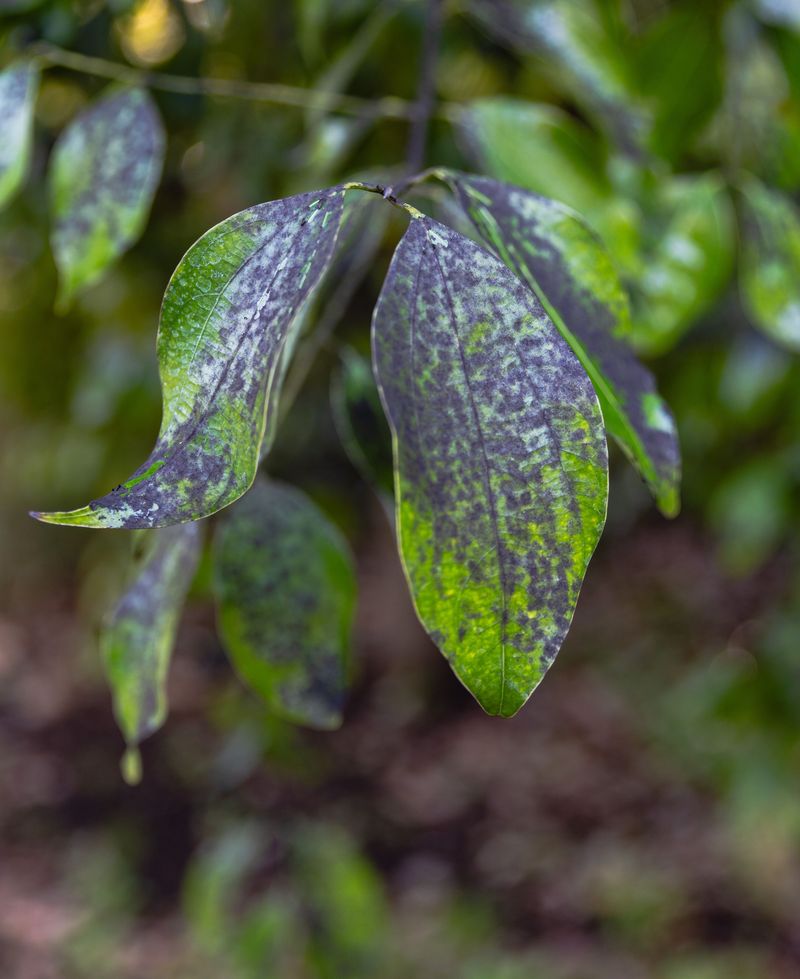
Botrytis blight is one of the most common threats to peonies, and it can appear quickly without warning. One damp week in July is all it takes for this gray mold to move from leaf to leaf quickly.
You will first notice small, water-soaked spots that quickly turn brown and mushy. Left unchecked, those spots develop a fuzzy gray coating that releases thousands of spores into the air with every gust of wind.
It spreads faster than most gardeners expect. Those airborne spores land on neighboring leaves and start the whole cycle over again.
Within days, what started as one spotted leaf can become an entire plant covered in blight, and neighboring plants can follow soon after.
Catching it early is everything with botrytis. Clip off any affected leaves the moment you spot discoloration, and drop them straight into a bag, never the compost pile.
Use clean shears each time to avoid spreading spores yourself.
Compost piles are warm and moist, which means diseased material keeps spreading even after you remove it from the garden. Bag it, seal it, and send it out with the trash instead.
Minnesota peonies after blooming ends are especially vulnerable because the foliage is dense and summer rains are frequent. Checking plants every few days through July is a small habit that pays enormous dividends come next spring.
4. Watering Deeply Still Supports Strong Root Development
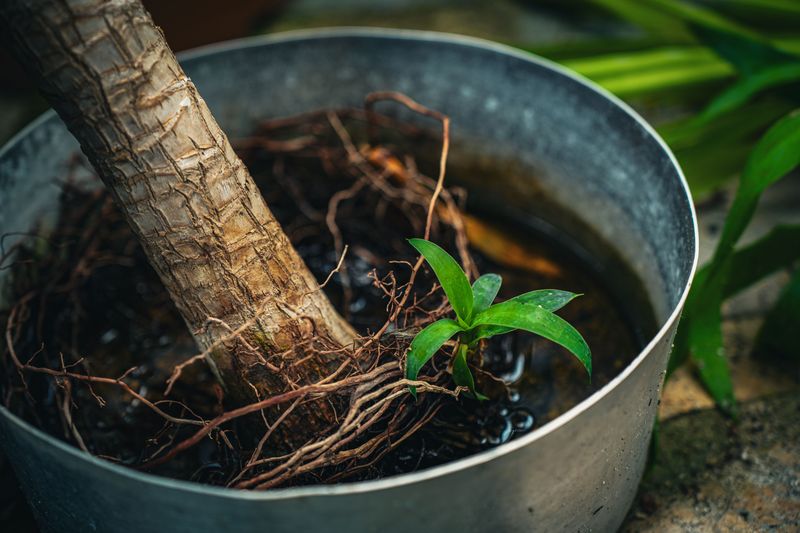
Peonies look tough once the blooms are gone, but their roots are still actively growing and expanding through July.
Shallow, frequent watering trains roots to stay near the surface where they are most vulnerable to heat and drought.
Deep watering, on the other hand, encourages roots to push downward into cooler, more stable soil.
That deep root system is what gives peonies their legendary staying power through hot Minnesota summers.
Aim to water slowly and thoroughly, letting moisture soak at least eight to ten inches into the ground. A slow trickle from a garden hose at the base of the plant works far better than a quick sprinkle from above.
Water in the morning so any splash on leaves has time to evaporate before nightfall. Wet foliage sitting overnight is an open invitation for the fungal problems we already know are lurking in July air.
Sandy soils in some parts of the state drain fast and may need watering twice a week during dry spells. Clay-heavy soils hold moisture longer but can become waterlogged, so check the soil before reaching for the hose.
Minnesota peonies after blooming ends are quietly building the root strength that determines next year’s bloom count. Every deep watering session is a direct investment in the flower show you want next June.
5. Removing Spent Flower Heads Prevents Seed Pod Formation
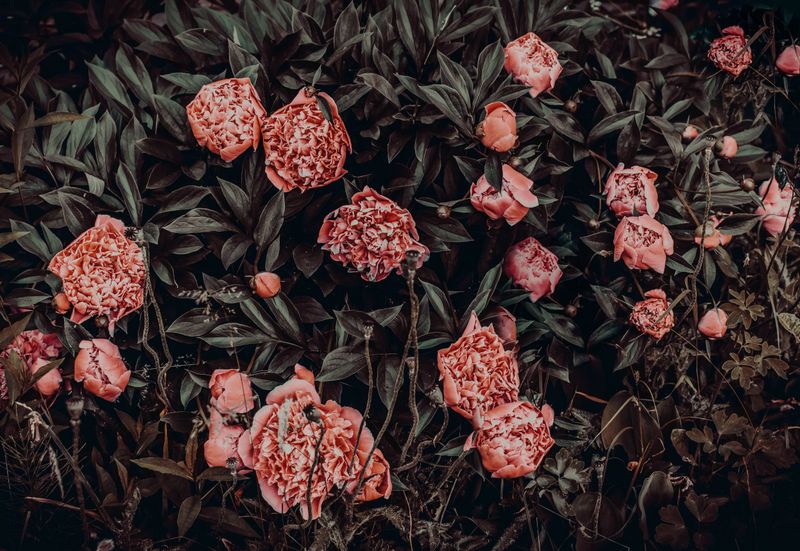
Those brown, crinkled flower heads clinging to your peony stems are not just unsightly, they are energy drains. If the plant puts effort into forming seed pods, it pulls resources away from root storage and next year’s bud development.
Removing spent blooms, which simply means snipping off flowers after they fade, redirects the plant’s focus back where it belongs.
Snip the old flower head off just below the base of the bloom, leaving the stem and leaves fully intact. Those leaves still have important work to do.
Seed pods on peonies are surprisingly large and take a significant amount of energy to develop fully.
Most garden peonies grown from seed will not bloom true to the parent plant anyway, so there is little reason to let pods form.
Use clean, sharp pruners every time you remove spent blooms. Dirty or dull blades can bruise stem tissue and create entry points for the same fungal diseases we are already watching for this month.
A clean cut heals faster and shuts the door on infection. Wipe your blades with rubbing alcohol between cuts if you suspect any disease is present on the plant.
That one small step prevents you from accidentally spreading problems from one stem to the next.
Minnesota peonies after blooming ends benefit enormously from this simple act of removal. Fifteen minutes with a pair of pruners in early July can mean dozens more blooms waiting for you next May.
6. Weeds Compete Aggressively For Nutrients During Summer Growth
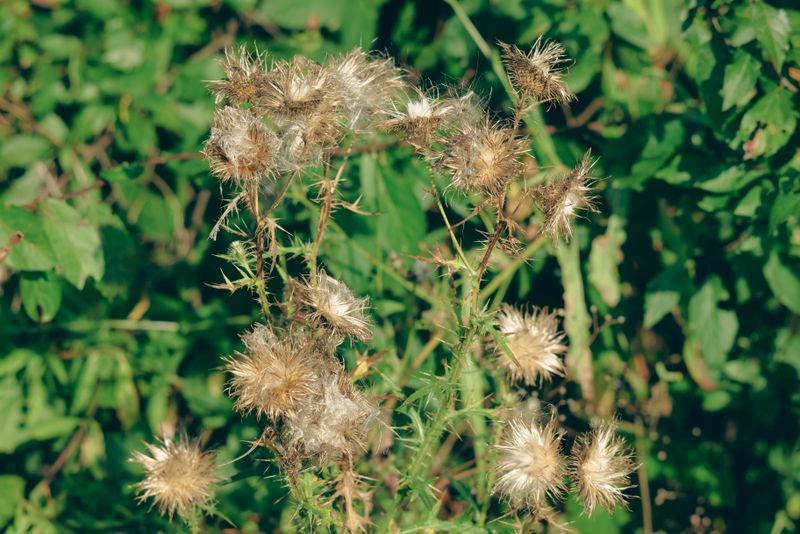
Weeds in July grow continuously. They grow fast, spread wide, and steal exactly the nutrients your peonies need to build strong roots for next season.
Common summer weeds like creeping Charlie, crabgrass, and thistle are especially aggressive competitors in Minnesota gardens. They establish quickly after rain and can crowd peony root zones before they’re noticed.
Pulling weeds by hand is still the safest approach near peonies. Herbicides can drift onto peony foliage or leach into the root zone, causing damage that does not show up until the following spring.
A two to three inch layer of organic mulch around the base of each plant does wonders for weed suppression.
Shredded wood mulch, straw, or composted leaves all work well and also help the soil retain moisture between waterings.
Keep mulch a few inches away from the base of the stems to prevent moisture buildup right at the crown.
Crown rot develops more easily in a wet, smothered stem base, and a small gap in the mulch ring reduces that risk.
Minnesota peonies after blooming ends are in full root-building mode, and every nutrient stolen by a weed is a nutrient lost from next year’s blooms.
A consistent weeding routine through July keeps your plants well-fed and your garden looking sharp all season long.
7. Overhead Watering Encourages Powdery Mildew On Leaves
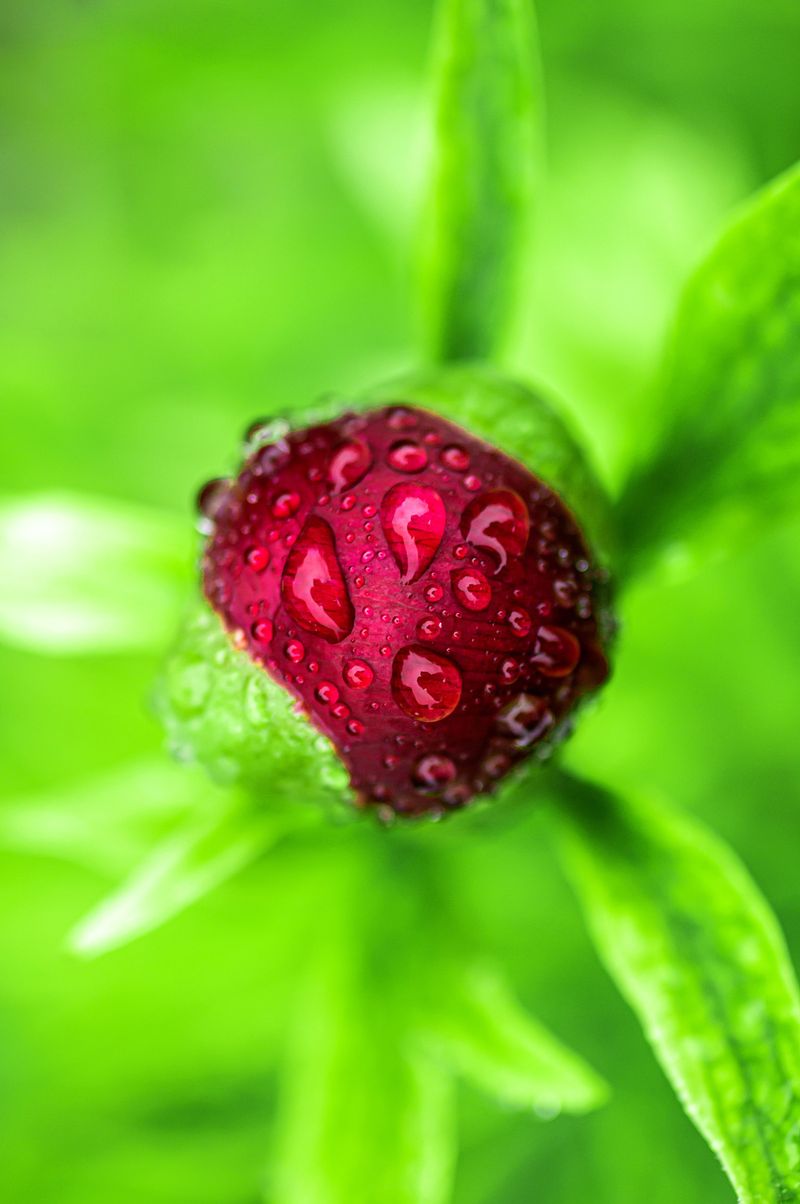
Powdery mildew has a signature look that is hard to miss once you know it. A chalky white coating dusts across the leaf surface like someone shook a bag of flour over your plants.
Unlike botrytis, powdery mildew actually thrives in warm, dry conditions with high humidity, not just wet ones.
Overhead watering deposits moisture directly on leaves, creating the perfect surface environment for spores to germinate and spread.
Switching to drip irrigation or soaker hoses is one of the most effective changes a home gardener can make in summer.
Water goes straight to the root zone where it is needed, and the foliage stays dry and far less hospitable to mildew.
If you must use a sprinkler system, run it early in the morning so leaves have the entire day to dry out.
Evening watering is the least ideal option because damp leaves sitting through a warm July night create favorable conditions for mildew spores.
Powdery mildew rarely destroys a peony outright, but it weakens the foliage significantly. Weakened leaves photosynthesize less efficiently, which circles back to the root energy storage problem we talked about earlier.
Minnesota peonies after blooming ends deserve smarter watering habits, not just more water.
Adjusting your technique now protects the foliage that is quietly doing the most important work of the entire growing season.
8. Cutting Back Diseased Foliage Stops Disease From Spreading
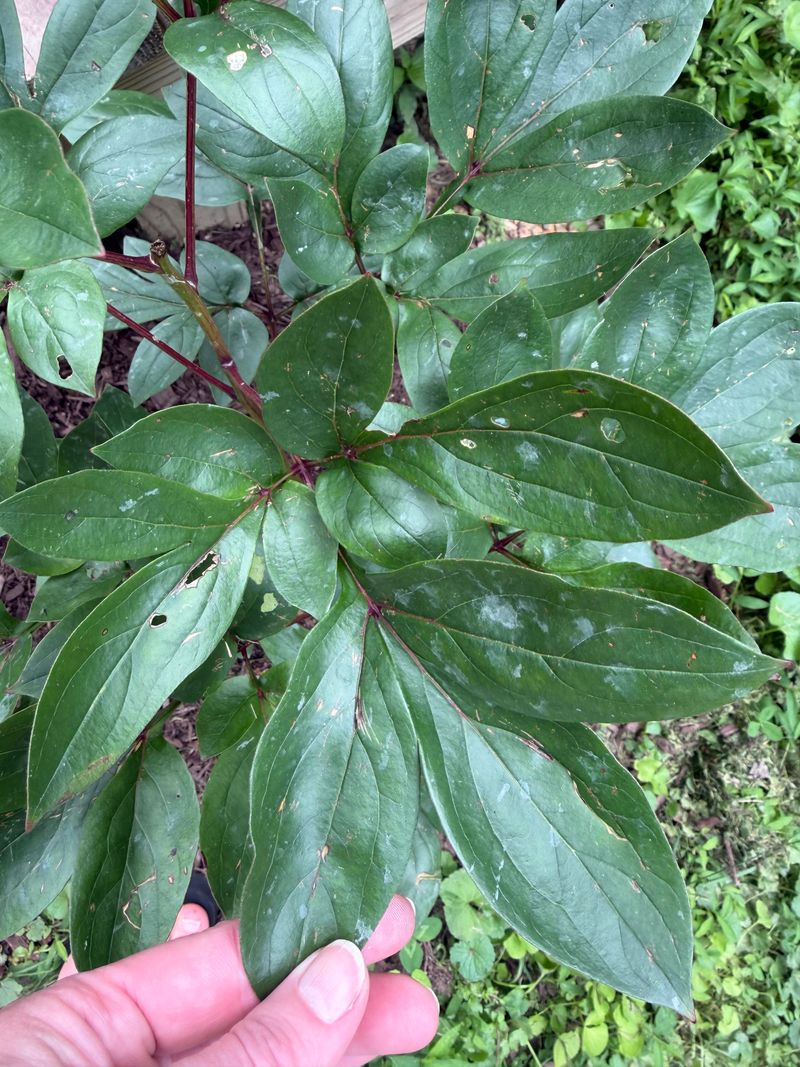
Spotted, brown, or mold-covered leaves are not going to heal themselves once disease sets in.
Removing them quickly and cleanly is the most effective tool you have for stopping the spread before it gets out of hand.
Wait too long and the spores travel to healthy leaves, neighboring plants, and even overwinter in the soil to re-infect next year.
Speed and decisiveness are your best friends when disease appears in July. Always use gloves and sanitized pruners when removing diseased foliage.
Touching infected leaves with bare hands and then touching healthy ones is a fast way to carry trouble from one part of the garden to another.
Cut the affected stem or leaf all the way back to a healthy junction rather than just trimming the damaged tip.
Partial removal often leaves behind infected tissue that continues spreading beneath the surface.
Never toss diseased clippings into your compost bin, no matter how tempting it is to reduce waste.
Compost piles rarely get hot enough to destroy fungal spores, meaning you could spread the problem throughout your entire garden next season.
Minnesota peonies after blooming ends can recover beautifully from disease if you act fast and clean up thoroughly.
Staying sharp through July sets the stage for the breathtaking spring blooms that made you fall in love with these plants in the first place.