What To Do First When Gopher Mounds Show Up In An Oregon Yard
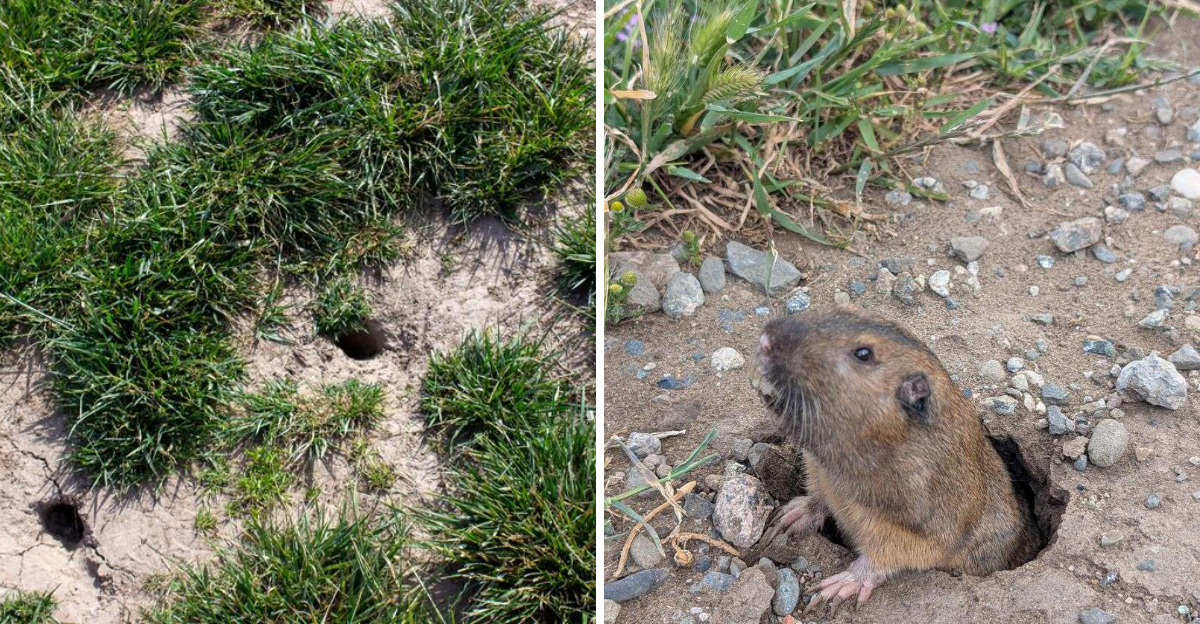
Oregon yards can hide a whole underground mystery beneath one fresh mound.
You see soil pushed up beside the lawn or raised bed, and the guesses start fast. Gopher. Mole. Vole. Some tiny dirt criminal with excellent timing.
That guess matters.
In Oregon’s soft, wet soils, the wrong answer can send you chasing the wrong problem all season. Gophers chew roots and push fan-shaped mounds.
Moles hunt insects and raise ridges. Voles work close to the surface, leaving narrow runways and clipped stems.
Same yard drama, very different suspects.
So what should you do the moment a gopher mound appears?
Start with identification before traps, repellents, or panicked shovel work enter the picture. The first clues sit in the mound shape, tunnel pattern, plant damage, and timing.
Read them correctly, and every next step becomes smarter, faster, and much less frustrating for the Oregon homeowner staring at fresh dirt over morning coffee.
That is the difference between a useful response and a long, muddy backyard guessing game all season long.
1. Confirm The Crescent Mound
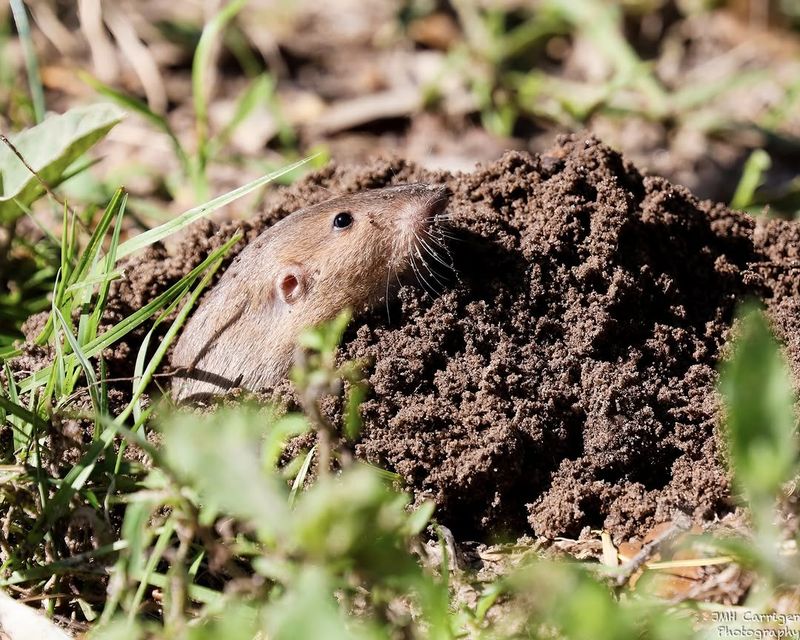
That mound of fresh dark soil sitting in your yard is not random.
Pocket gophers in Oregon push soil out of their tunnels in a very specific pattern, and learning to read it saves you from chasing the wrong animal.
A gopher mound is shaped like a crescent or a fan, not a perfectly round volcano.
The soil comes out to one side, which is where the gopher dug its exit tunnel. That side will look higher and more packed than the rest.
Mole mounds, by contrast, look more like little volcanoes pushed straight up from below, with soil scattered evenly in a circle around a center point.
Oregon State University Extension confirms that Botta’s pocket gopher is the most common species found in Oregon gardens and farm fields.
These animals are rarely seen above ground, so the mound is often your only clue. They are active year-round, even in wet Oregon winters, which is why mounds can pop up anytime.
Look closely at the mound before touching anything.
Fresh mounds feel moist and smell earthy. If the soil has dried out and crusted over, the tunnel below may already be abandoned.
Getting this identification step right means every action you take after this will actually target the right animal.
2. Find The Plug Before Acting
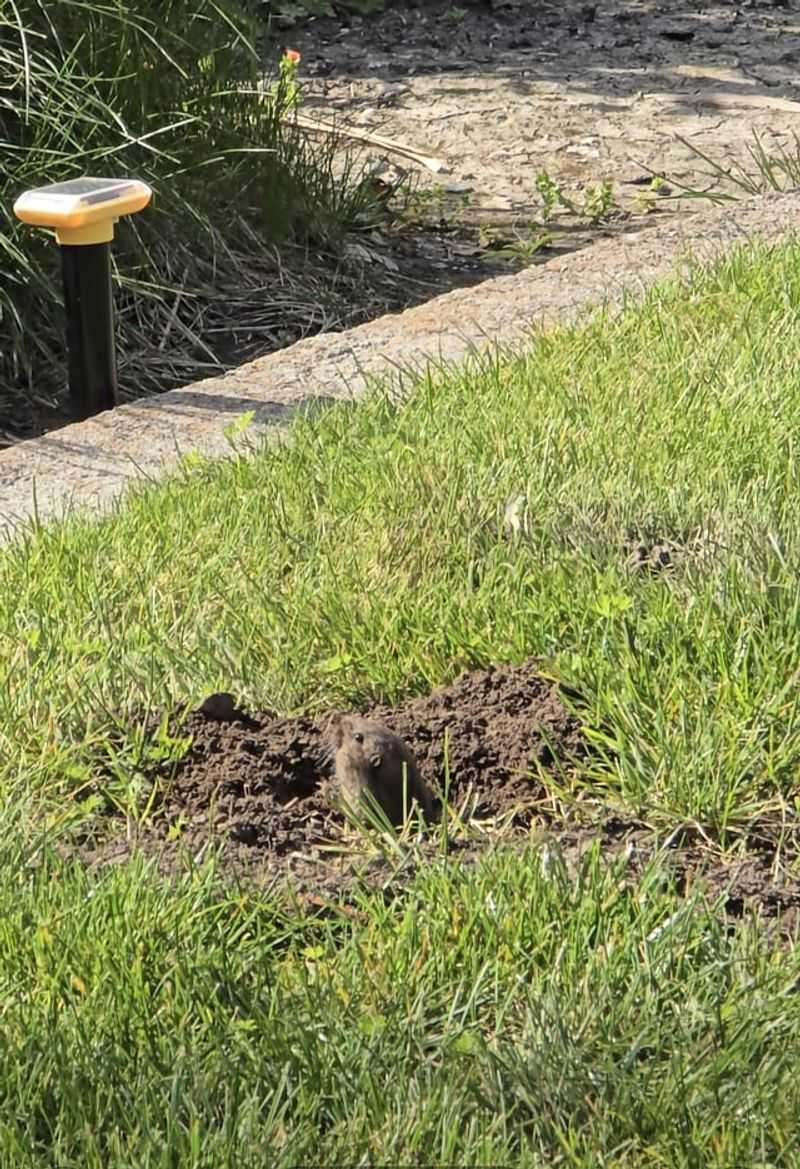
Somewhere near that crescent mound is a small plugged hole, and finding it tells you more than the mound itself ever could.
The plug is a gopher’s sealed side entrance, packed tightly with soil to keep out predators and cold air. It sits a few inches to one side of the main mound, often flush with the ground surface.
Moles do not plug their entrances this way.
Voles leave small round openings at ground level, usually hidden under grass or mulch, and their tunnels run very shallow just beneath the surface.
A plugged entrance with a crescent mound nearby is a strong sign you are dealing with a gopher and not one of its look-alike neighbors.
Your Oregon Garden Changes Every Week. Your Plan Should Too.
Gardening in Oregon changes quickly throughout the season. Every Friday you’ll receive a simple weekly plan showing exactly what to plant, prune, fertilize, harvest, and protect so you never miss the right timing.
To find the plug, gently flatten the mound with your foot and look for a slight depression or a firm circular patch of packed soil nearby.
Probing the area with a thin rod or screwdriver can help you locate the main tunnel running horizontally underground.
Oregon State University Extension recommends probing about a foot away from the mound on the flat side to find the main tunnel run.
Knowing where the tunnel runs is critical before you set traps or apply any bait. Acting without locating the plug first is like trying to catch a fish without knowing where the water is.
3. Protect Raised Beds With Wire
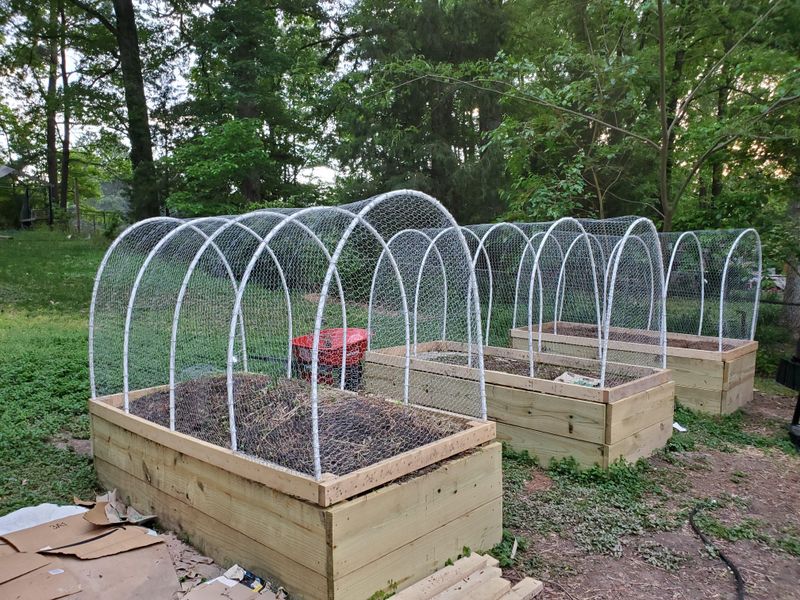
Raised beds feel like the safest spot in an Oregon garden, but gophers disagree.
They tunnel up from below with surprising ease, treating a bed full of loose, rich soil and tender vegetable roots like an all-you-can-eat buffet. The fix is simple and permanent: hardware cloth on the bottom.
Use galvanized hardware cloth with a quarter-inch or half-inch mesh opening.
Chicken wire is not a good substitute because the openings are too large and the wire rusts quickly in Oregon’s wet climate.
Cut the hardware cloth to fit the bottom of your raised bed frame, then bend the edges up along the sides by three to four inches to create a shallow tray shape. This prevents gophers from sneaking in along the edges.
Staple or nail the cloth securely to the wood frame before you add any soil.
OSU Extension recommends this approach as one of the most reliable long-term protections for raised beds in gopher-prone areas of Oregon.
Think of the wire as a permanent investment that pays off every single growing season without any extra effort from you.
4. Save Roots With Underground Baskets
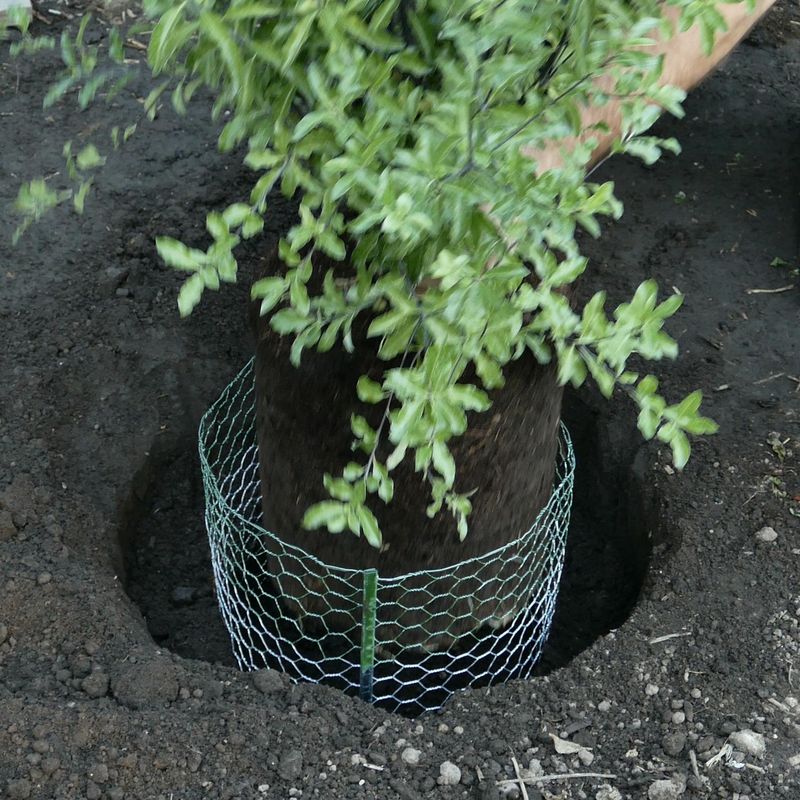
Planting a young fruit tree or a prized perennial in Oregon gopher country without protection is a gamble.
Gopher baskets give your plants a fighting chance by surrounding the root zone with a wire barrier that goes in the ground at planting time.
Gopher baskets are cylindrical cages made from galvanized wire mesh.
They come in several sizes, from small ones meant for bulbs and perennials to large ones designed for young trees and shrubs.
You can also make your own from hardware cloth, cutting and bending it into a cylinder with a closed bottom. Leave the top open so roots can grow outward and upward as the plant matures.
Place the basket in the planting hole before you set the plant inside.
The basket does not need to be permanent because as the plant grows larger, its roots become woody and less appealing to gophers looking for tender material.
Oregon gardeners who grow dahlias, tulips, and other bulbs often use smaller wire baskets to protect individual bulbs or clusters.
Losing an entire tulip bed to a single hungry gopher in one night is a memorable and frustrating lesson.
Baskets are the kind of low-effort, high-reward solution that makes the whole garden feel a little more secure, root by root and season by season.
5. Clear Fresh Mounds For Monitoring
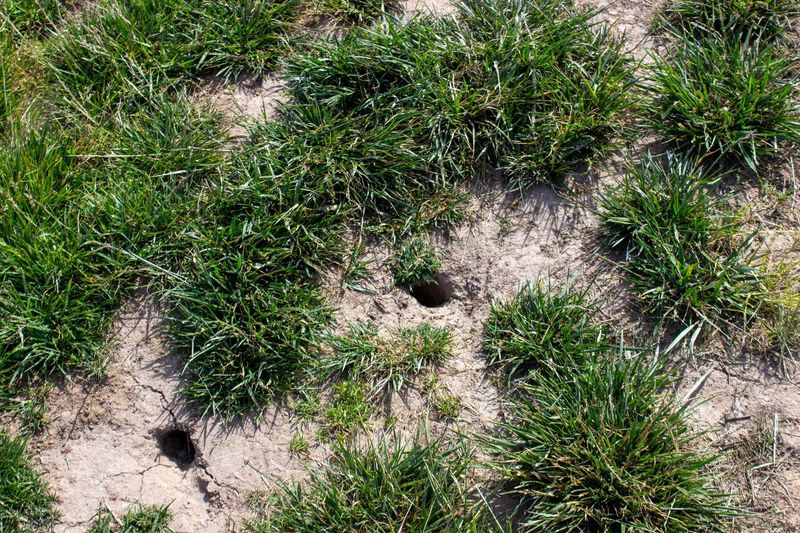
Fresh mounds are your best monitoring tool, but only if you reset them first.
Flattening or removing new mounds gives you a clean baseline so that any new activity stands out immediately. Think of it as pressing the reset button on your gopher tracking system.
Use a flat shovel or your boot to spread the loose mound soil across the surrounding grass or garden bed.
You do not need to haul it away. Just flatten it so the ground surface looks uniform again. Mark the date somewhere simple, like a small flag or a note on the back door, so you remember when you cleared the mounds.
Check the area every one to two days.
New mounds appearing within 24 to 48 hours tell you the gopher is actively using that tunnel system and has not moved on.
No new mounds after several days may mean the animal has shifted to another part of your yard or that a predator has handled the problem naturally.
This monitoring step also helps you see whether your trapping or baiting efforts are working.
Oregon State University Extension recommends this simple monitoring habit as a practical first step before committing to any specific control method in your yard.
6. Avoid Random Flooding Tricks
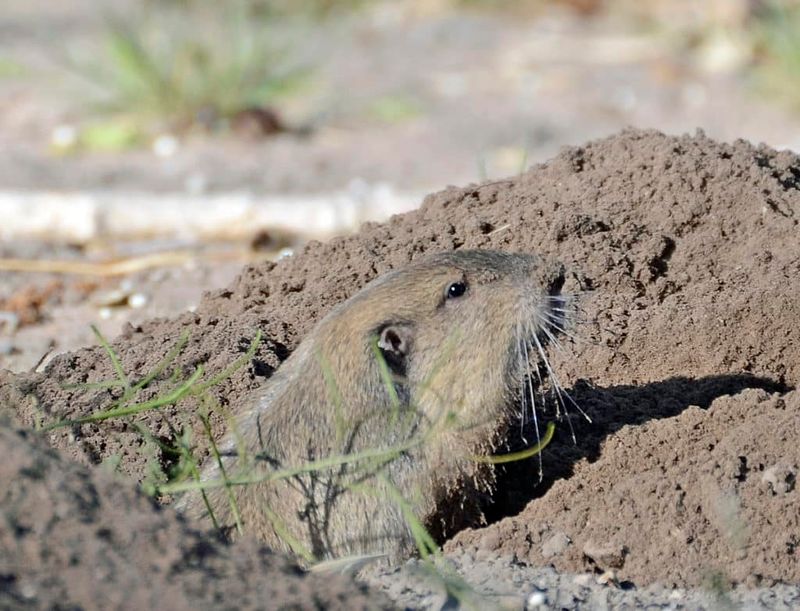
Flooding a gopher tunnel sounds satisfying in theory.
You stick the hose in the hole, turn on the water, and imagine the problem washing away. The reality is far less dramatic and considerably more wasteful, especially in a state that takes water conservation seriously.
Gopher tunnel systems are extensive and complex, often running ten to twenty feet or more in length with multiple branches and chambers.
Water poured into one entrance simply drains into the soil or flows out through a different exit. Gophers are also surprisingly good at relocating quickly within their tunnel network when water enters one section.
Oregon’s water rules vary by region and season.
Using large amounts of water for pest control during dry summer months may conflict with local restrictions in parts of the Willamette Valley and Southern Oregon.
Beyond the water waste, flooding can also damage soil structure and compact your garden beds.
OSU Extension does not recommend flooding as an effective gopher control method because the results are inconsistent and the effort rarely matches the outcome.
Save the hose for your tomatoes and let more reliable strategies handle the tunneling trouble underground.
7. Use Baits Only By The Label
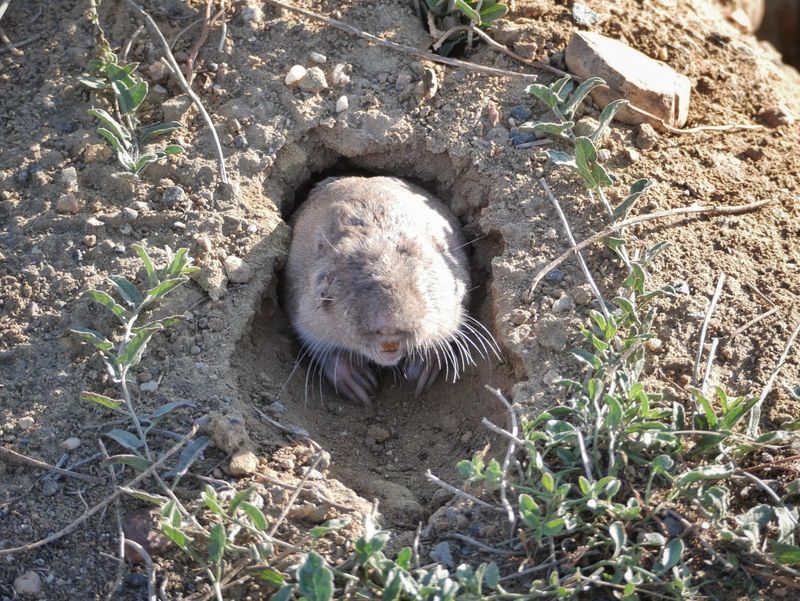
Bait products for gophers can be effective, but they come with real responsibilities.
Oregon has specific rules about where and how rodenticides can be used, and the product label is not just a suggestion. It is the law. Every word on that label matters.
Most gopher baits are placed directly into the tunnel using a bait applicator tool, not scattered on the surface.
Surface placement creates serious risks for pets, birds of prey, and other wildlife that share Oregon yards and green spaces. Hawks, owls, and neighborhood cats can all be harmed by improperly placed bait.
Read the label before you open the package.
Check whether the product is registered for use in Oregon, whether it requires a specific applicator tool, and whether there are any restrictions near vegetable gardens, water sources, or areas where children play.
Some products require you to close off the tunnel opening after placement to reduce exposure risks.
Oregon State University Extension recommends checking with your local OSU Extension office if you have questions about which products are approved and appropriate for your specific situation.
Getting this step right protects your whole neighborhood, not just your garden.
8. Call Help For Big Tunnel Systems
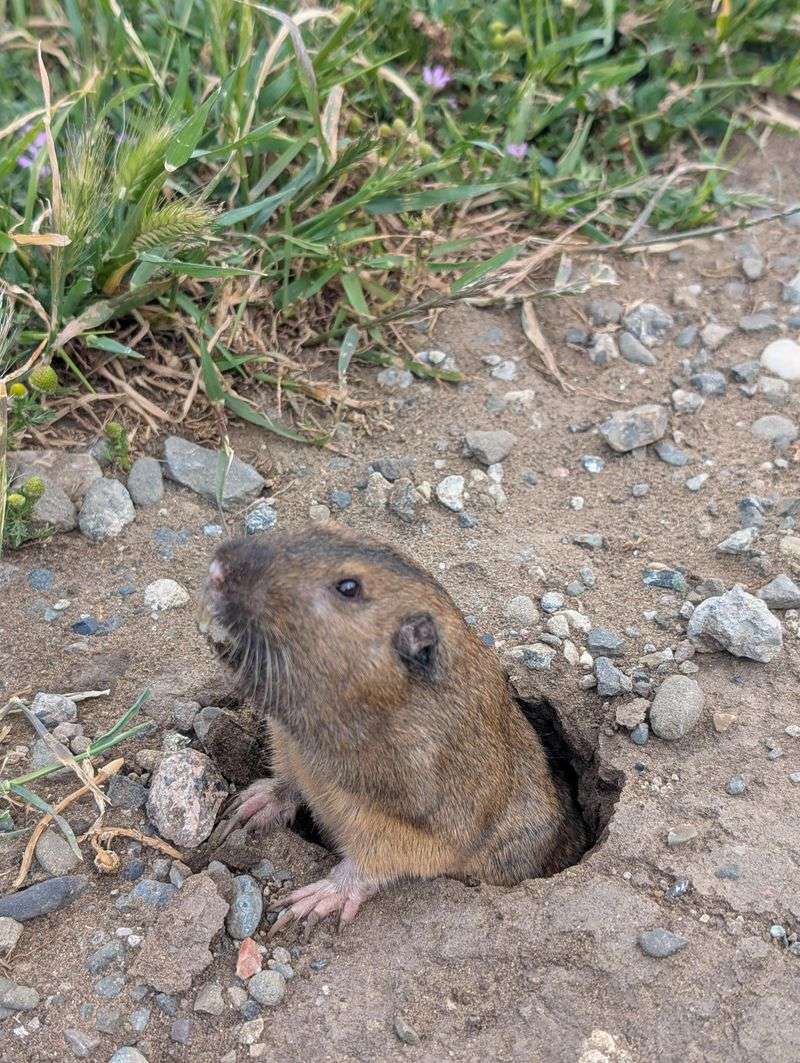
Some gopher situations are simply bigger than a single trap and a weekend afternoon.
When mounds are appearing across a large area of your yard, popping up near a foundation, or returning repeatedly despite your best efforts, it is time to call in a professional.
Licensed pest management professionals in Oregon understand local gopher behavior, tunnel patterns, and the regulations that apply to more powerful control options.
They have access to tools and products that are not available over the counter, and they know how to use them safely and effectively.
A professional can map a large tunnel system and target it more precisely than most homeowners can manage on their own.
A tunnel system that runs under a fence line and into a neighbor’s yard, or one that threatens underground irrigation lines, is a situation where expert assessment prevents much larger and more expensive problems down the road.
Contact your local OSU Extension office before hiring anyone.
They can recommend reputable professionals in your area and help you ask the right questions during any consultation.
Oregon also has licensing requirements for pest control applicators, so always confirm that any company you hire holds a current Oregon Department of Agriculture license.
Knowing when to ask for help is not giving up. It is the smartest move a gardener can make when the tunnels go deeper than expected.