11 Popular Plants Tennessee Gardeners Can Now Find In Better Varieties
Tennessee summers don’t play fair. One week it’s a gentle spring rain. The next it’s ninety degrees with humidity thick enough to wilt a stone. For years, gardeners here just accepted the losses.
Tomato plants that gave up in July. Hydrangeas that faded after one hot spell. Roses that needed constant spraying just to get by. That’s no longer the deal you have to make.
A new generation of plant varieties has been developed specifically to handle rough conditions like ours. The results are hard to ignore.
We’re talking tomatoes bred to resist fungal disease. Hydrangeas built to keep blooming well past their usual window.
Roses tough enough to skip the chemical babysitting. Tennessee’s climate has always demanded resilient plants, and breeders finally caught up.
If your garden has ever felt like an uphill climb against the heat, these varieties are worth a second look.
1. Tomatoes
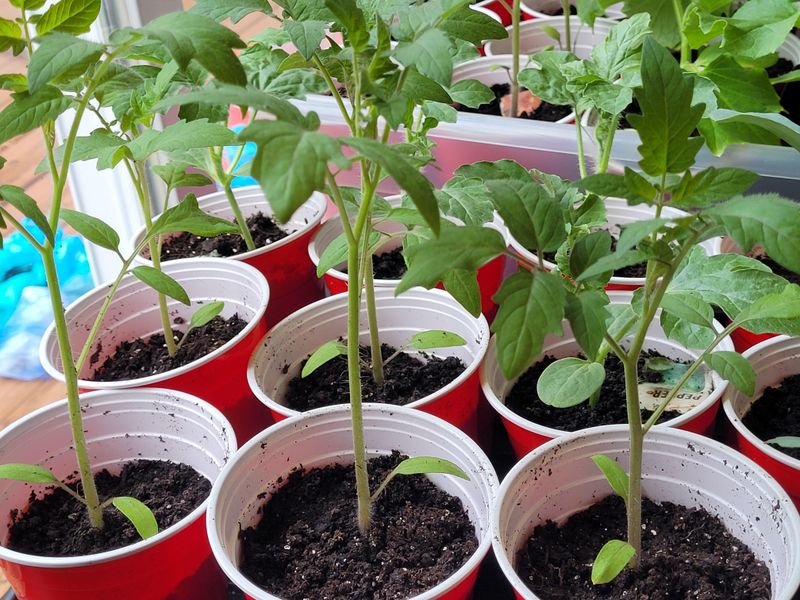
Every Tennessee gardener has a tomato story, and most of them involve disappointment. Blight shows up, the heat spikes, and suddenly your prize plants start declining by midsummer.
Newer varieties like ‘Mountain Merit’ and ‘Defiant’ were bred specifically to fight back against early and late blight. These plants stay healthy longer, which means more fruit on your plate and far less frustration.
‘Cherokee Purple’ remains a favorite for its rich, complex flavor, and pairing it with good airflow and mulching helps it hold up better in humid conditions.
For cherry tomatoes, ‘Juliet’ and ‘Sun Gold’ remain crowd favorites known for their strong, dependable vigor. Both produce heavily from midsummer straight through fall.
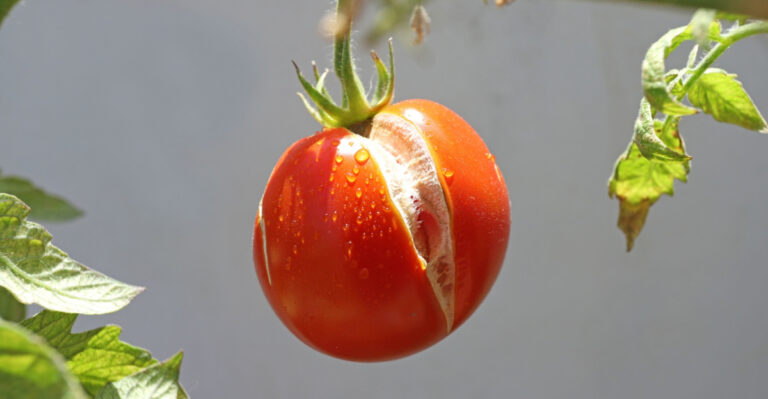
Planting in raised beds with good drainage gives these new varieties an extra edge. A consistent watering schedule also keeps splitting and cracking to a minimum.
Better tomatoes are not just a dream anymore. Tennessee gardeners finally have the tools to grow a reliable, flavorful harvest every single season.
2. Peppers
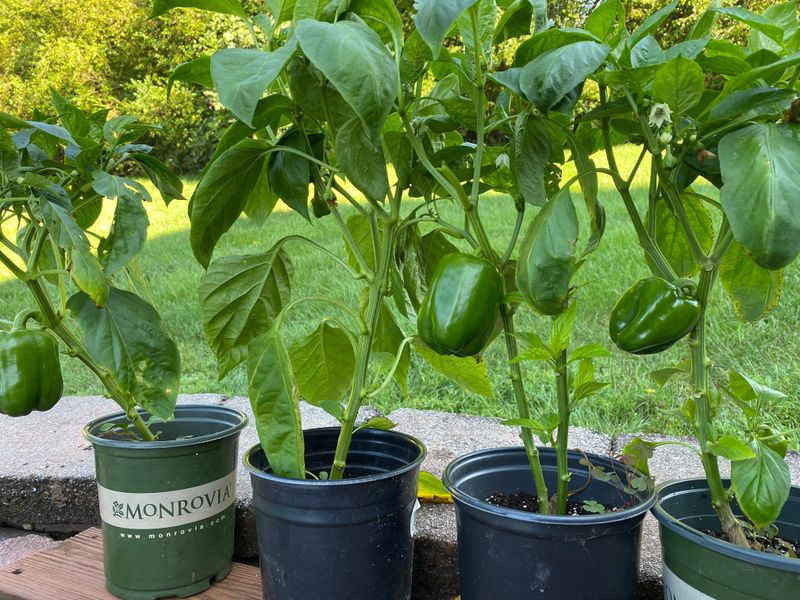
Peppers have always loved the South’s heat, but older varieties sometimes struggled with bacterial spot and uneven ripening. Breeders took notice and got to work.
New bell pepper varieties like ‘Archimedes’ and ‘Aristotle’ offer strong resistance to bacterial spot, which is a serious issue in humid climates. Fruit sets more reliably, even when summer temperatures push past 90 degrees.
Hot pepper fans are not left out of the fun either. Improved jalapeño varieties bred at institutions like New Mexico State University produce consistently sized pods with predictable heat levels.
Banana peppers now come in varieties with thicker walls and better shelf life after picking. That matters a lot when you’re preserving or pickling a big harvest.
Starting seeds indoors about eight weeks before your last frost date gives peppers a strong head start. Transplanting into warm soil, around 65 degrees or higher, keeps growth steady.
With better varieties now available at local nurseries, growing a successful pepper crop feels less like a gamble. Pick the right one, and your garden beds will reward you generously all summer long.
3. Hydrangeas
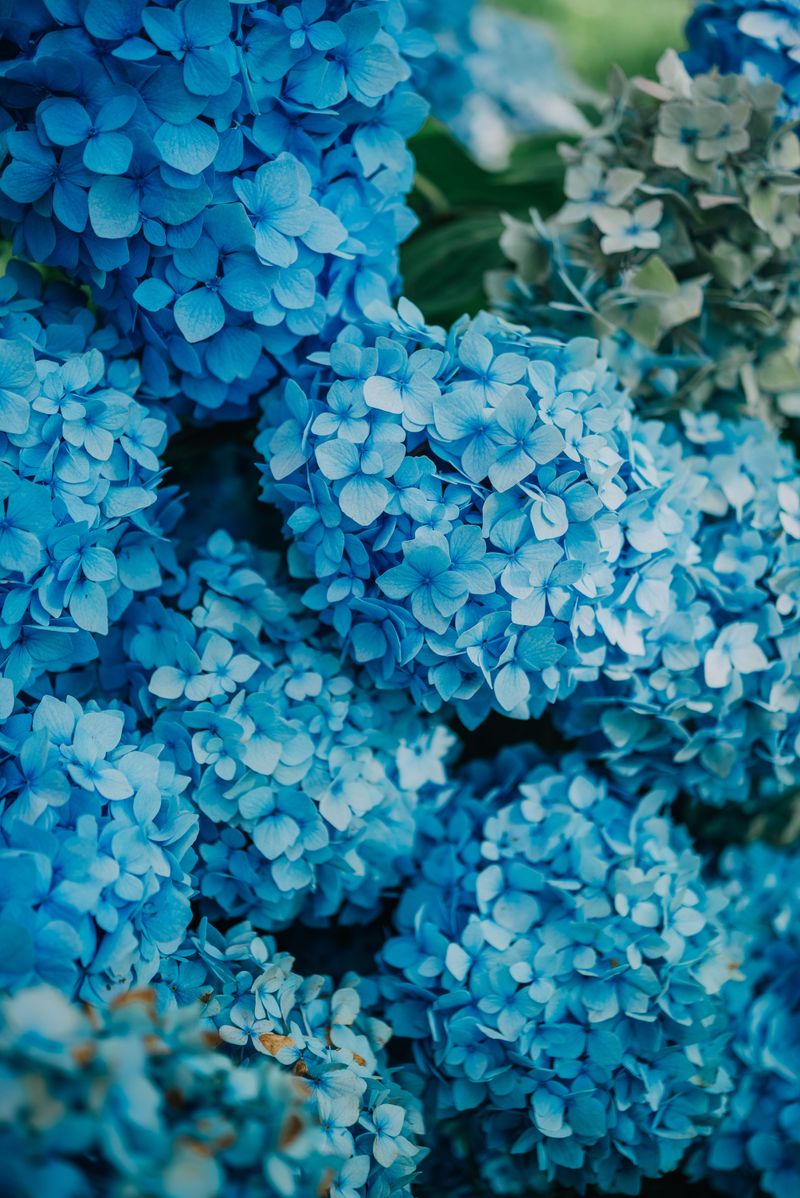
Few plants stop people in their tracks quite like a hydrangea in full bloom. The good news is that modern varieties make that show last much longer than it used to.
Your Tennessee Garden Changes Every Week. Your Plan Should Too.
Gardening in Tennessee changes quickly throughout the season. Every Friday you’ll receive a simple weekly plan showing exactly what to plant, prune, fertilize, harvest, and protect so you never miss the right timing.
‘Incrediball’ produces massive white snowball blooms on sturdy stems that don’t flop over after a rainstorm. That sturdiness alone makes it a game-changer for Southern gardeners tired of staking their plants.
‘Endless Summer’ and its newer siblings bloom on both old and new wood, solving the classic problem of late frost damaging next season’s buds. You get flowers even after a rough winter.
‘Let’s Dance Rhythmic Blue’ offers reblooming ability with rich color that responds to soil pH. Add sulfur to deepen the blue, or lime to push toward pink.
Planting in a spot with morning sun and afternoon shade keeps hydrangeas happy through intense summer heat. Consistent moisture is key, so mulching heavily around the base helps lock it in.
These newer hydrangea varieties are genuinely easier to grow and more rewarding to look at. Tennessee gardeners who plant them this spring will be showing them off for years to come.
4. Coneflowers
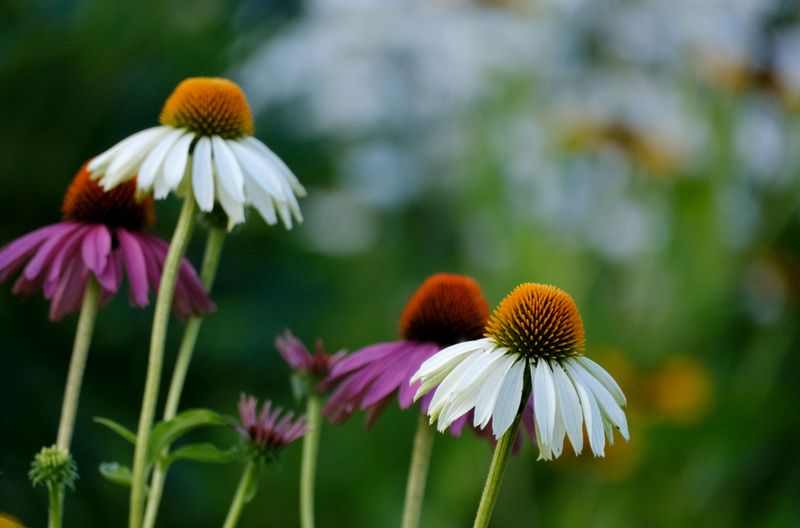
Coneflowers used to come in one color: purple. Now they show up in coral, gold, white, red, and even double-petaled forms that look almost too fancy to be wildflowers.
‘Magnus’ is a standout classic purple variety, with large blooms and strong stems that hold up through wind and rain. Butterflies and bees absolutely swarm it all season.
‘Cheyenne Spirit’ won an All-America Selections award for good reason. It produces a wild mix of warm colors from a single seed packet, making every planting a surprise.
Compact types like ‘Pow Wow White’ add clean, tidy blooms to garden beds. They’re eye-catching without being high-maintenance.
Coneflowers thrive in well-drained soil and full sun, making them a natural fit for Tennessee’s long growing season. Once established, they handle drought with impressive calm.
Removing spent blooms encourages more flowers through the season, but leaving some seed heads in fall feeds goldfinches through winter. That’s a two-for-one deal any gardener can appreciate.
These improved coneflowers bring bold color and wildlife value to any yard. Plant a few varieties together and watch your garden transform into something truly spectacular.
5. Daylilies
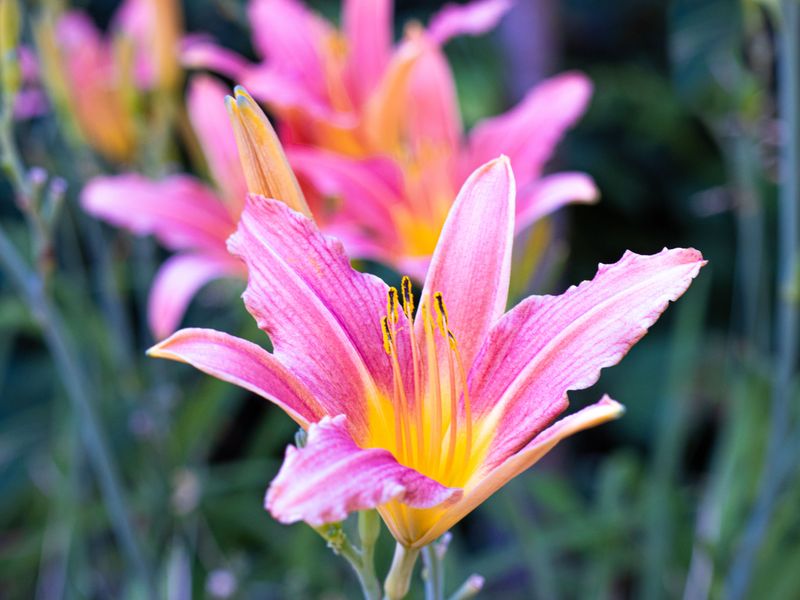
Daylilies are the workhorses of the Southern garden, blooming faithfully even when everything else looks stressed. Newer cultivars take that dependability and add jaw-dropping beauty on top.
‘Rosy Returns’ is a reblooming pink daylily that flowers multiple times from late spring through fall. Compact and tidy, it fits beautifully along borders or in containers.
‘Happy Returns’ is a cheerful yellow variety that blooms early and keeps going strong. Both are far more floriferous than older types, meaning more blooms per plant per season.
Tetraploid varieties like ‘Strawberry Candy’ have thicker petals that hold up better in heat and humidity. Colors are also more saturated and vibrant compared to older diploid types.
Extended-blooming varieties now mean individual flowers stay open longer, sometimes into the evening. That’s a big deal for gardeners who work during the day and enjoy their yards after dinner.
Daylilies prefer full sun but tolerate some afternoon shade without complaint. Dividing clumps every three to four years keeps them blooming at their peak.
With so many improved selections available, choosing just a few feels nearly impossible. Start with reblooming types and build your collection from there.
6. Roses
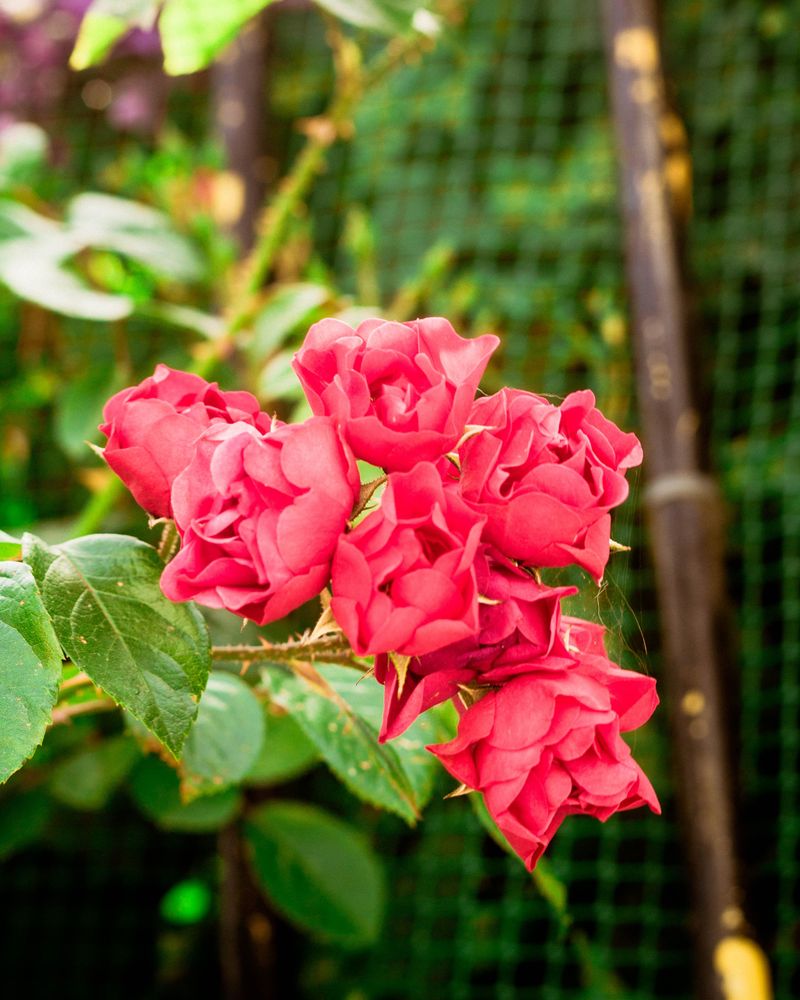
Roses used to have a reputation for being demanding, disease-prone, and frankly exhausting. Modern breeding has flipped that narrative almost completely upside down.
The Knock Out series marked a major shift when it arrived, and breeders have kept improving it since. ‘Double Knock Out’ offers fuller blooms, while newer additions bring deeper reds, softer pinks, and coral shades.
‘Drift’ roses are another strong option, staying low and spreading wide as a ground cover. They rebloom constantly and resist black spot well.
The ‘Oso Easy’ series from Proven Winners offers outstanding disease resistance with minimal pruning needed. Removing spent blooms is optional, a welcome change for gardeners used to more demanding rose care.
For climbing roses, ‘Westerland’ and ‘Fourth of July’ bring fragrance back into the picture, something often missing from early disease-resistant breeding.
Planting roses in full sun with good air circulation prevents most fungal issues before they start. A slow-release fertilizer in spring gives them a strong foundation for the season.
Today’s roses are built for real gardeners with real lives. You get the beauty of roses without most of the usual maintenance.
7. Hostas
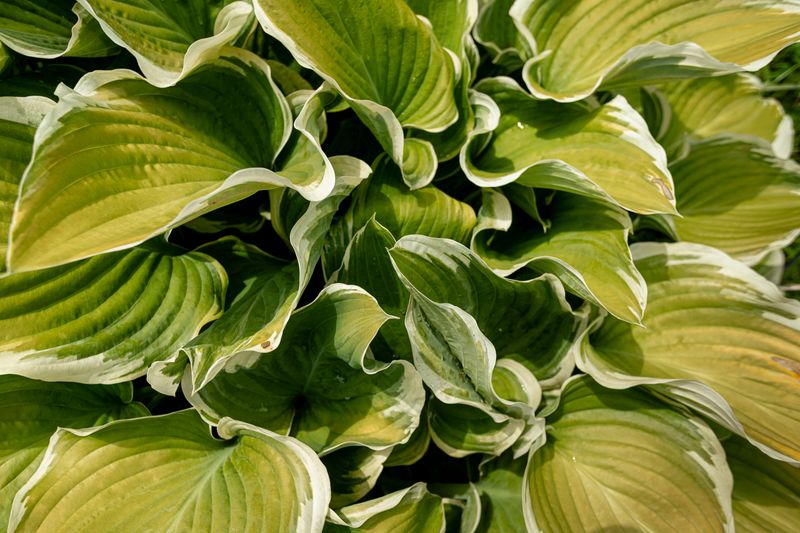
Hostas are the undisputed champions of shady spots, and plant breeders have been on a creative streak with them lately. New varieties push the boundaries of size, color, and texture in ways that feel almost unreal.
‘Sum and Substance’ is a giant gold-leafed hosta that can reach four feet wide. It’s bold enough to anchor an entire shade garden on its own.
‘Halcyon’ remains a classic blue-toned choice, but newer blue varieties like ‘Empress Wu’ take things to a grand scale. ‘Empress Wu’ is one of the largest hostas ever developed, growing massive in just a few years.
Miniature hostas have also improved dramatically, with tiny varieties like ‘Blue Mouse Ears’ offering big personality in small packages. They’re perfect for containers or tucked into rock gardens.
Slug damage has always been the main complaint with hostas, and breeders have responded. Thicker-leaved varieties are naturally more resistant, making maintenance much less of a chore.
Hostas prefer consistent moisture and rich, well-amended soil for best results. A layer of compost each spring keeps them lush and vigorous through the whole season.
Shade gardens just got a serious upgrade. With so many stunning new hostas available, there’s no reason any dark corner of your yard should look boring.
8. Coral Bells
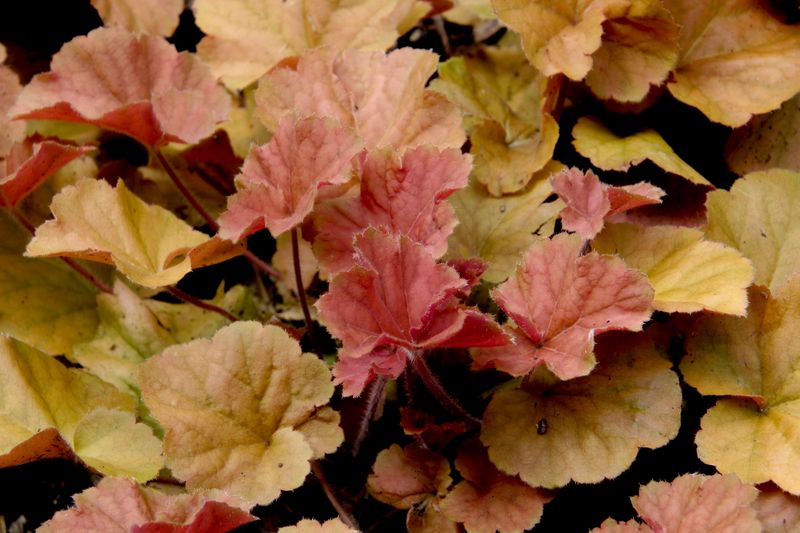
Coral bells used to be a quiet, understated plant. Then breeders got creative, and now they come in colors that look like they belong in a paint store.
Varieties like ‘Caramel’ and ‘Marmalade’ bring warm amber and orange tones that glow beautifully in partial shade. Paired with blue hostas, the color contrast is absolutely striking.
‘Midnight Rose’ features deep burgundy leaves speckled with pink, giving it a striking, artistic look that draws attention in any bed.
Newer heuchera varieties are also more heat-tolerant than earlier selections, which struggled in Southern summers. Breeders have prioritized hardiness alongside beauty, and it shows in the results.
‘Primo’ series plants from Walters Gardens offer exceptional vigor and larger leaf size. They fill in quickly and hold their color well even through the hottest months.
Coral bells prefer well-drained soil and partial shade, though many newer types tolerate more sun than their predecessors. Dividing them every few years keeps the crowns healthy and productive.
These plants prove that foliage can be just as striking as flowers. A few heucheras can add lasting color to any shaded corner of your garden.
9. Black-Eyed Susans
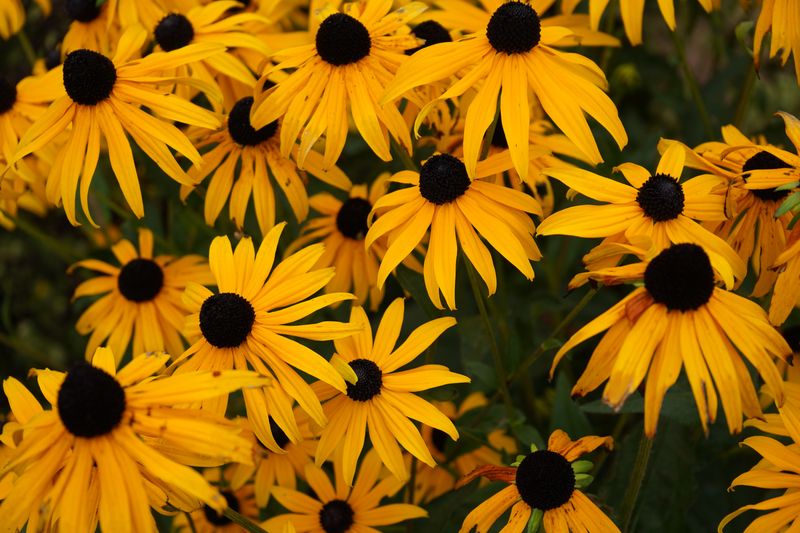
Black-eyed Susans are a Southern classic, but older types tended to flop, spread aggressively, and burn out fast. Newer selections have quietly fixed all of those problems.
‘American Gold Rush’ is a standout variety developed specifically for better garden performance. It stays compact, blooms heavily, and shows strong resistance to powdery mildew.
‘Goldsturm’ has long been a reliable choice, valued for its consistent size and dependable blooming. Consistent plant size makes garden design much easier to manage.
‘Cherry Brandy’ adds a twist with blooms that blend gold, orange, and deep burgundy. It’s a dramatic departure from the traditional yellow and black combination most people picture.
These plants thrive in full sun and tolerate dry spells once established. That drought tolerance makes them especially valuable during Tennessee’s unpredictable summer dry stretches.
Leaving seed heads standing through winter provides food for birds and adds structural interest to the garden. Goldfinches are particularly fond of picking through the dried cones.
Black-eyed Susans pair beautifully with coneflowers, ornamental grasses, and salvias in naturalistic plantings. Better garden varieties ensure that classic Southern charm now comes with modern reliability built right in.
10. Petunias
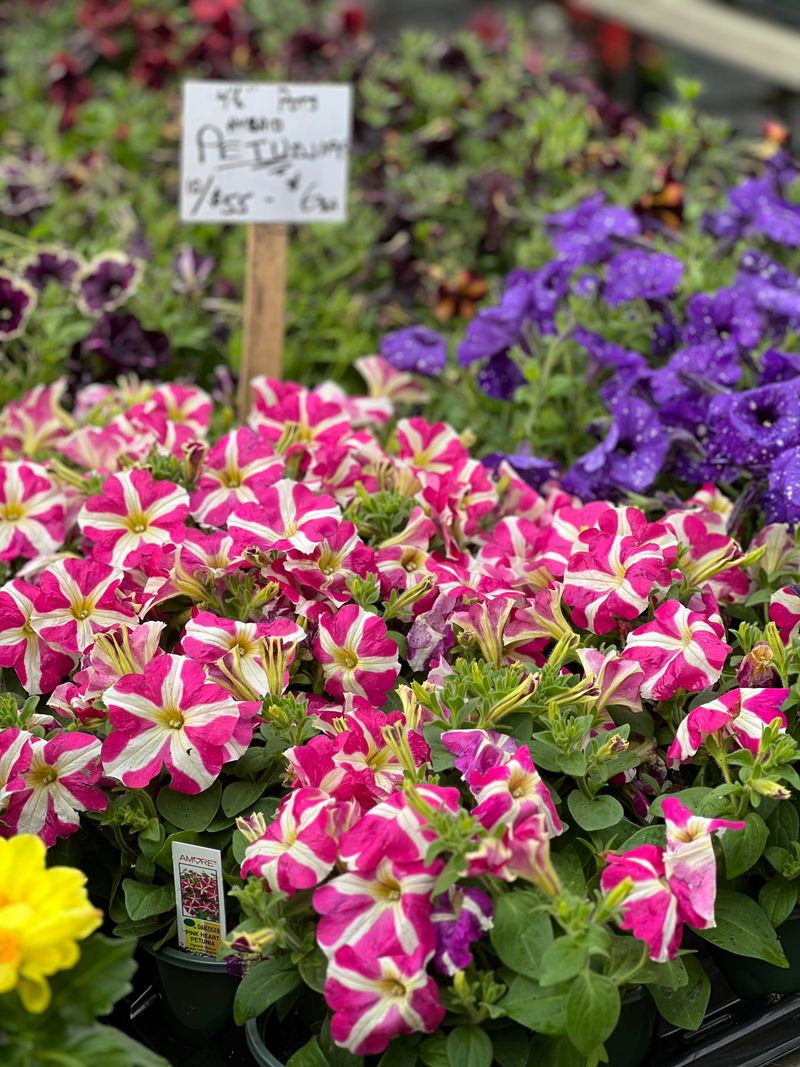
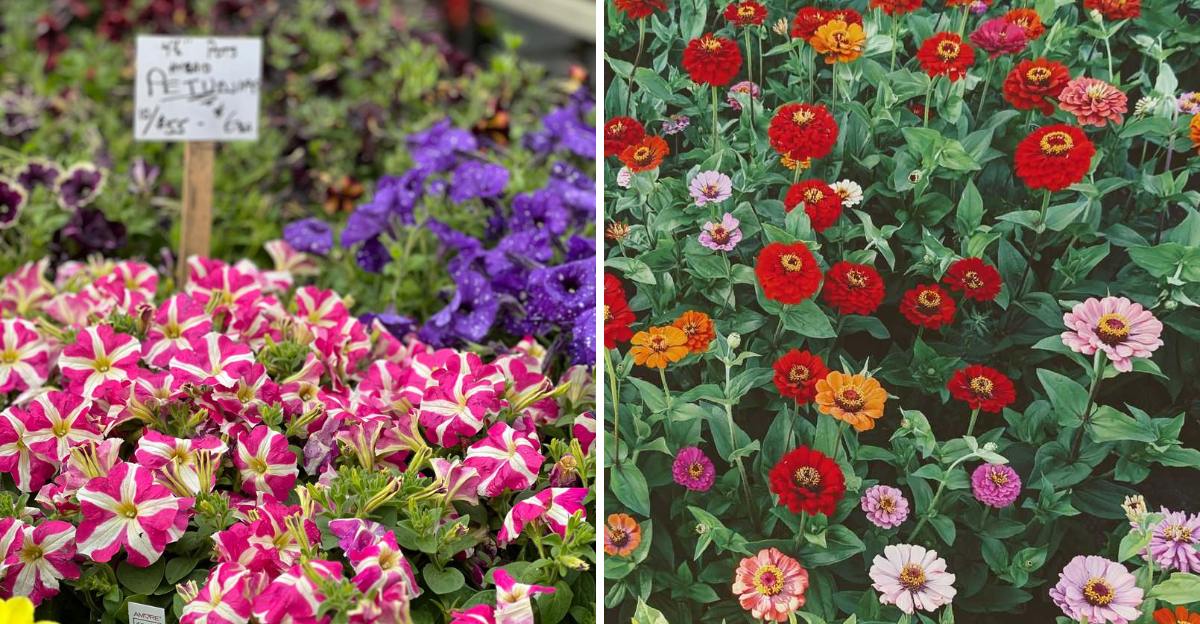
Petunias have been a garden staple for generations, but older varieties had a bad habit of getting leggy and stopping blooms by midsummer. Modern breeding solved that problem beautifully.
‘Wave’ petunias changed the game with their spreading, ground-covering habit and non-stop flowering. They cascade over containers and fill garden beds without needing constant trimming.
‘Supertunia’ varieties from Proven Winners push performance even further. They bloom from planting until frost, requiring only a light feeding every few weeks to keep going strong.
‘Crazytunia’ series brings bold, unusual patterns like striped and star-shaped markings that older petunias never offered. Each plant becomes a conversation piece in its own right.
Heat tolerance has also improved dramatically in newer selections. Where old petunias would fizzle out in August heat, modern types keep pumping out blooms right through the hottest days.
Petunias prefer full sun and well-drained soil, whether in the ground or in containers. Watering at the base rather than overhead helps prevent botrytis, a common fungal issue in humid weather.
Better petunia varieties mean more color, less work, and a longer season of enjoyment. For any Tennessee porch or patio, they remain one of the smartest planting choices available.
11. Zinnias
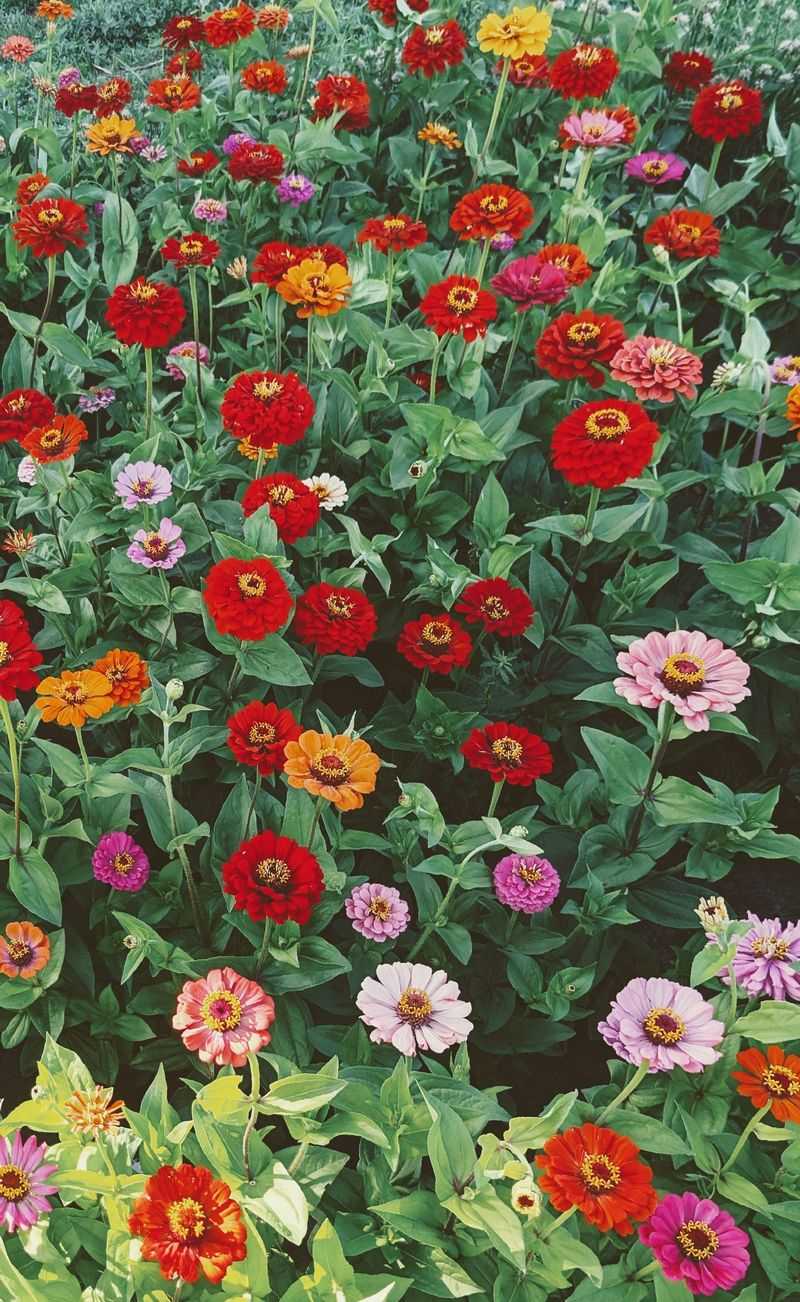
Zinnias are an easy-to-grow summer annual, and breeders have been actively improving them. From powdery mildew resistance to new flower forms, the options today are genuinely exciting.
‘Benary’s Giant’ series produces enormous blooms on sturdy stems that hold up beautifully as cut flowers. Colors range from coral and salmon to deep burgundy and lime green.
‘Profusion’ series won multiple All-America Selections awards for its disease resistance and compact habit. These plants look tidy all season without any trimming required.
‘Zahara’ varieties take heat and humidity in stride, which is exactly what Tennessee summers demand. Powdery mildew, which used to affect older zinnia plantings, is rarely a problem with these newer types.
For something unexpected, ‘Queen Red Lime’ offers blooms that shift from creamy green to raspberry pink as they age. Each flower becomes a different color depending on its stage of development.
Zinnias grow best in full sun with warm soil and good air circulation between plants. Direct sowing after the last frost date gives them a fast, easy start with minimal fuss.
These improved garden favorites prove that the classics keep getting better. Plant a row of modern zinnias this season and watch your yard come alive with color and butterflies.