8 Blueberry Growing Mistakes Every Tennessee Gardener Should Avoid
You pull out another struggling bush on a sweltering Tennessee afternoon, dirt under your nails and jaw tight.
The roots are shallow, pale, and wrong. Another summer lost on a mistake you still can’t name.
Blueberries decline quietly with no dramatic wilt and no obvious pest, just slow, maddening deterioration while you water faithfully and wonder what you’re missing.
What if the thing holding back your harvest is so simple you’ve walked past it a hundred times?
Many gardeners repeat the same eight fixable errors season after season and bush after bush.
You’ve probably made at least one and every single one is avoidable. It’s time your patch stopped being a science experiment and started being a harvest.
1. Correcting Soil PH Too Late Is Quietly Holding Your Blueberry Harvest Back
Most plants are pretty forgiving about soil, but blueberries are not. Blueberry growing mistakes often start right here, before a single berry ever forms.
Blueberries need a soil pH between 4.5 and 5.5 to absorb nutrients properly. If your soil is too alkaline, the plant basically starves, even when fertilizer is present.
Tennessee soils often run between 6.0 and 7.0, which sounds close but is actually way off for blueberries. That gap makes a massive difference in how the plant functions.
When pH is too high, iron and manganese become locked out of the roots. You’ll notice yellowing leaves and weak growth that no amount of watering will fix.
Testing your soil before planting is the smartest first move you can make. A basic pH test kit from any garden center costs just a few dollars.
To lower pH, gardeners typically use elemental sulfur or acidifying fertilizers. Mixing in peat moss during planting also helps create a naturally acidic environment.
The tricky part is that pH correction takes time, sometimes months. Starting early gives the soil a chance to adjust before your plants go in the ground. Check your pH every spring and adjust as needed, because soil conditions shift over time.
Staying on top of this one detail separates struggling bushes from thriving ones. Your blueberries are always giving you feedback, so learn to read the signs early.
2. Planting Only One Variety And Getting Far Less Fruit Than You Should
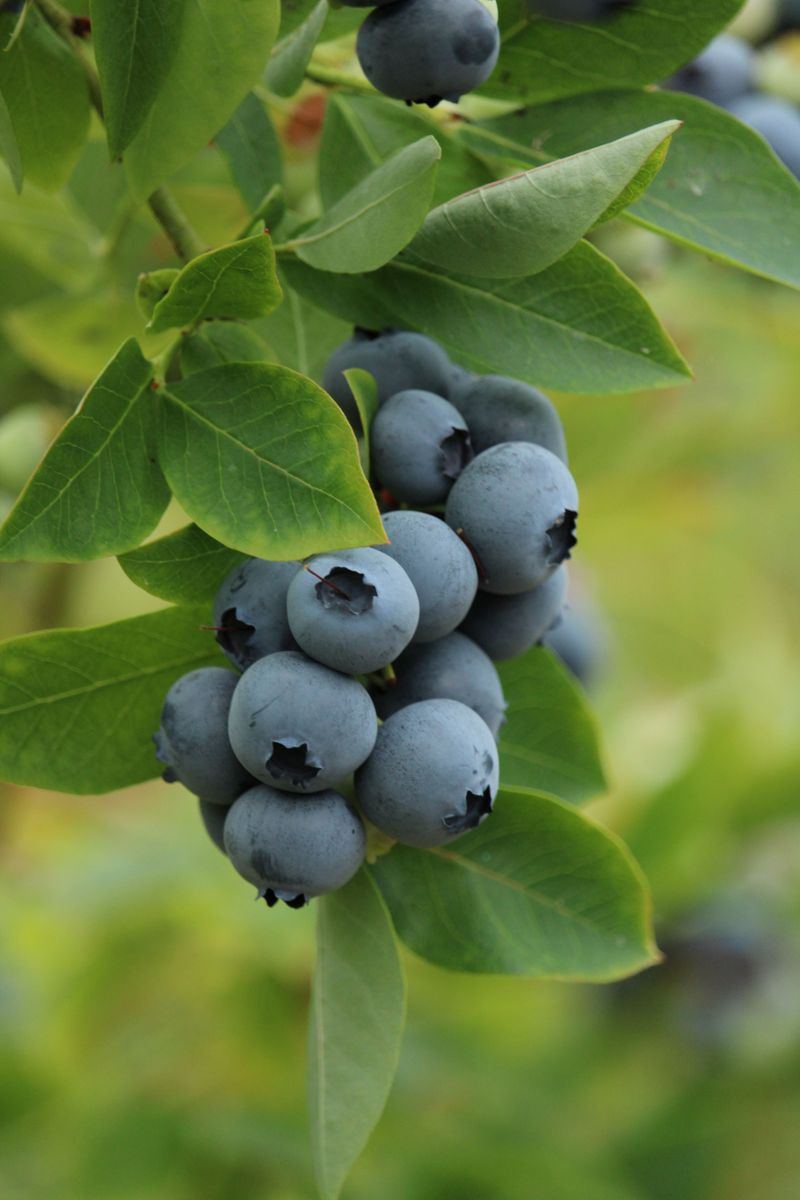
Lonely blueberry bushes are unproductive blueberry bushes, and that’s a fact most new gardeners learn the hard way. Most varieties planted alone will produce very little fruit, no matter how well you care for them.
Blueberries are not fully self-pollinating, meaning they need a partner to produce well. Cross-pollination between two compatible varieties dramatically increases your berry yield.
Think of it like this: one bush is a conversation starter, but two bushes are an actual conversation. The pollen swap between varieties triggers better fruit set and larger berries.
For Tennessee growers, pairing varieties like Tifblue and Climax is a popular and effective choice. Both ripen around the same time, which makes cross-pollination easy and natural.
Plant compatible varieties near each other, usually within the same bed or nearby row. Bees and other pollinators will do the rest of the work for you.
Your Tennessee Garden Changes Every Week. Your Plan Should Too.
Gardening in Tennessee changes quickly throughout the season. Every Friday you’ll receive a simple weekly plan showing exactly what to plant, prune, fertilize, harvest, and protect so you never miss the right timing.
Some gardeners mistakenly buy two plants of the same cultivar, thinking that counts as two varieties. It does not, and your harvest will reflect that misunderstanding.
Read the label carefully when shopping at a nursery or ordering online. Variety names matter a lot more than most people realize when it comes to blueberries.
Adding a second compatible variety is one of the simplest upgrades you can make to your whole setup.
Two bushes side by side could double or even triple your annual harvest. More variety means more berries, and more berries means a better summer.
3. Choosing Northern Highbush Varieties In A Southern Climate
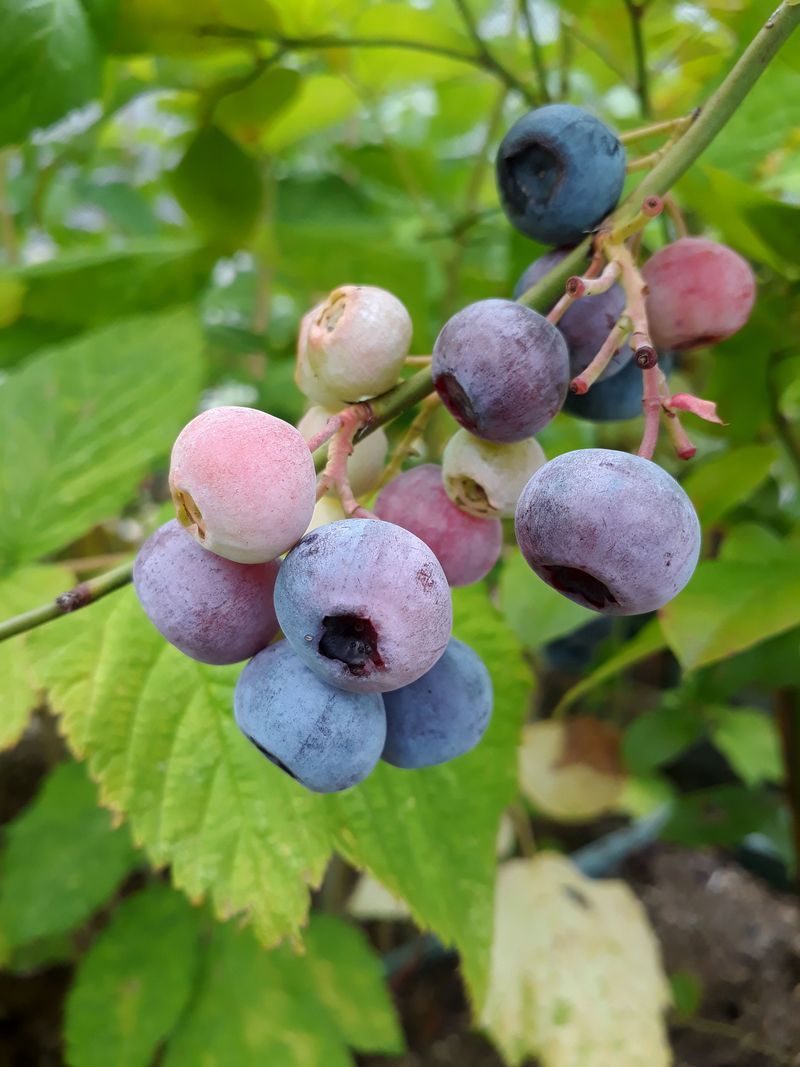
Walk into any big-box garden center and you’ll likely find Northern highbush blueberries front and center. They look great in the store, but they can suffer badly once summer heat arrives in Tennessee.
Northern highbush varieties are bred for cooler climates with cold winters and mild summers. Tennessee’s heat and humidity push them past their comfort zone, leading to poor growth and low yields.
The better choices for Tennessee depend on your region. Rabbiteye varieties are the best all-around option for most of the state, while Northern Highbush is preferred for cooler, higher-elevation areas of East Tennessee.
Southern Highbush is only suitable for the warmer, lower-elevation areas of southern Tennessee (Zone 7a and warmer). These cultivars were specifically developed to handle long, hot growing seasons with grace.
Rabbiteye blueberries, in particular, are champions of Southern gardens. They’re drought-tolerant, heat-resistant, and can live for decades when planted in the right spot.
Popular rabbiteye picks include Tifblue, Brightwell, and Powderblue. Each of these performs reliably across most of Tennessee’s growing zones.
Southern highbush options like O’Neal and Sunshine Blue also do well here. They tend to ripen earlier in the season, giving you fresh berries before summer’s peak heat arrives.
Chill hours are another factor worth understanding. Northern highbush plants need 800 to 1,000 chill hours per winter, and Tennessee rarely delivers that consistently.
When your plants don’t get enough chill hours, they struggle to break dormancy properly in spring. That leads to uneven flowering, poor fruit set, and general disappointment.
Matching your plant to your climate is not optional, it’s the foundation of every successful harvest.
4. Planting In Heavy Clay Soil Without Improving Drainage
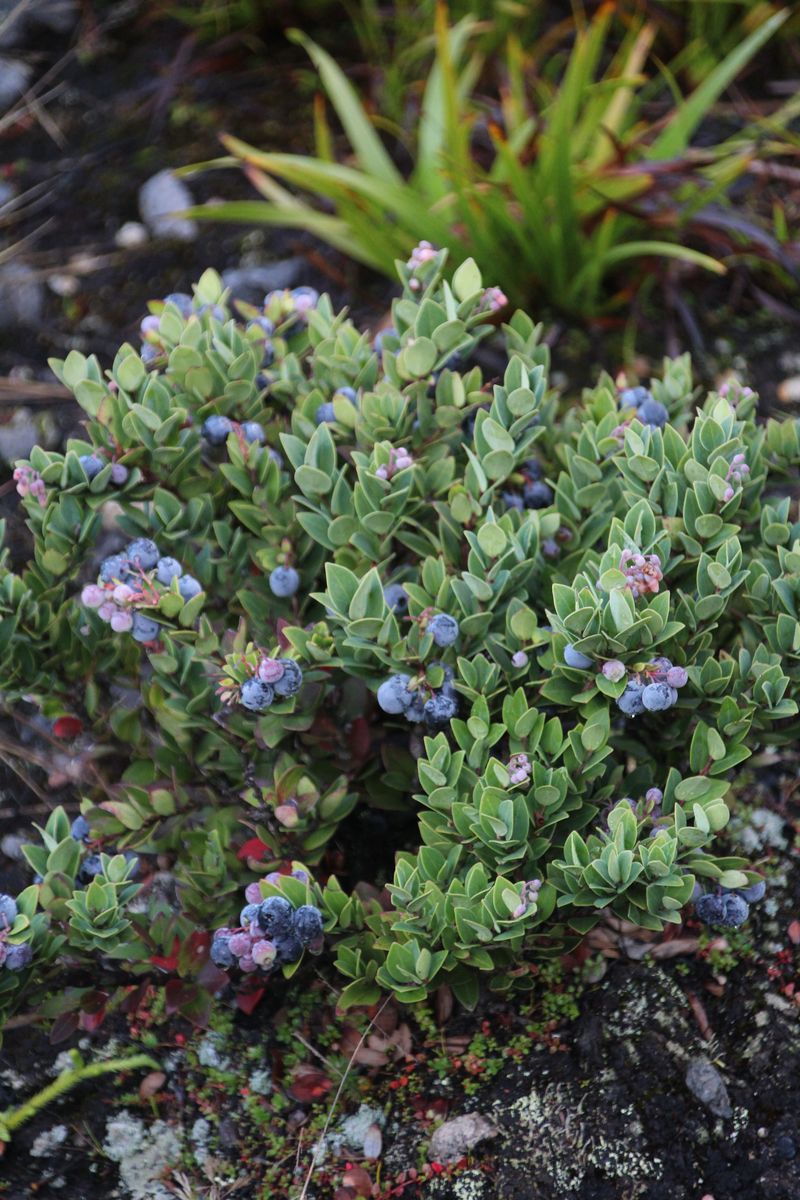
Clay soil is sneaky because it looks rich and dark, but it holds water far too long for blueberry roots to stay healthy. Standing water around the roots is one of the fastest ways to ruin an otherwise healthy plant.
Blueberries need soil that drains well and stays consistently moist, not soggy. That balance is nearly impossible to achieve in heavy clay without some serious soil amendment.
When roots sit in waterlogged ground, oxygen gets cut off. Without oxygen, roots begin to deteriorate, and the plant above the soil starts showing signs of stress within weeks.
Raised beds are a fantastic solution for Tennessee gardeners dealing with clay-heavy yards. Building up even 12 inches of amended soil creates the drainage blueberries crave.
A good raised bed mix for blueberries includes pine bark fines, peat moss, and a small amount of coarse sand. This combination drains fast while still holding some moisture between rain events.
If raised beds aren’t an option, amending your existing soil is the next best move. Work in large amounts of peat moss and pine bark to break up the clay structure. Avoid adding too much sand without also adding organic matter.
Adding sand in small amounts without organic matter can actually compact clay further and make drainage even worse. Planting on a gentle slope can also help water naturally move away from the root zone.
A little elevation goes a long way toward keeping your roots happy and breathing. Healthy roots mean healthy harvests, so get the foundation right from day one.
5. Mulching Too Thin And Losing Moisture Fast
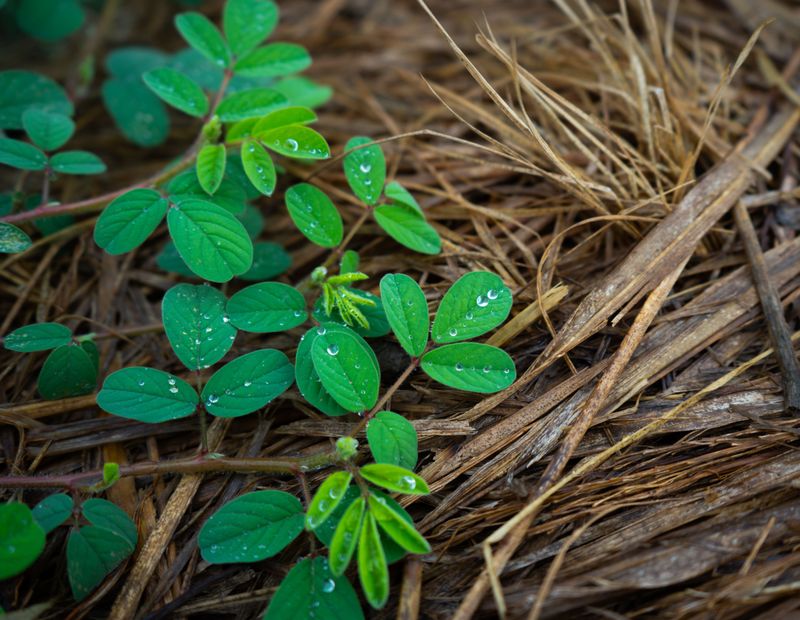
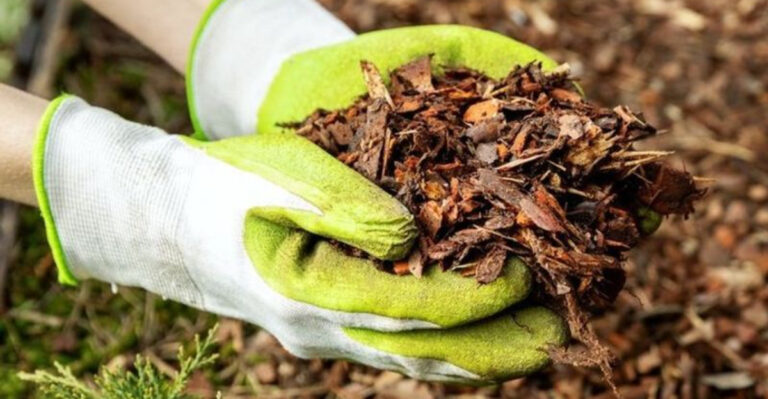
Skimping on mulch is one of those blueberry growing mistakes that seems minor but causes major problems all season long. A thin layer just doesn’t cut it when summer temperatures climb past 90 degrees.
Blueberries need a full 4 to 6 inch layer of mulch to stay happy. Anything less, and the soil dries out too fast, roots overheat, and moisture stress sets in quickly.
Pine bark mulch or pine straw are the best choices for blueberries in this region. Both break down slowly, feed the soil with organic matter, and naturally help lower pH over time.
Wood chips from hardwood trees can work too, but avoid dyed or treated mulch products. Those can introduce chemicals that interfere with the soil biology blueberries depend on.
Spread your mulch in a wide circle around each bush, extending at least 2 feet from the base. This protects the shallow feeder roots that spread outward just below the surface.
Keep mulch pulled a few inches away from the main stem. Piling it against the trunk traps moisture and can lead to crown rot or fungal issues.
Refresh your mulch layer each spring before the heat arrives. It breaks down over time, so topping it off is a regular part of good blueberry maintenance.
A well-mulched blueberry bed holds moisture longer, stays cooler in summer, and suppresses weeds that compete for nutrients.
That’s a lot of benefit from a simple bag of pine bark. Thick mulch is cheap insurance against a brutal Tennessee summer.
6. Pruning Too Hard Before The Bush Has Settled In
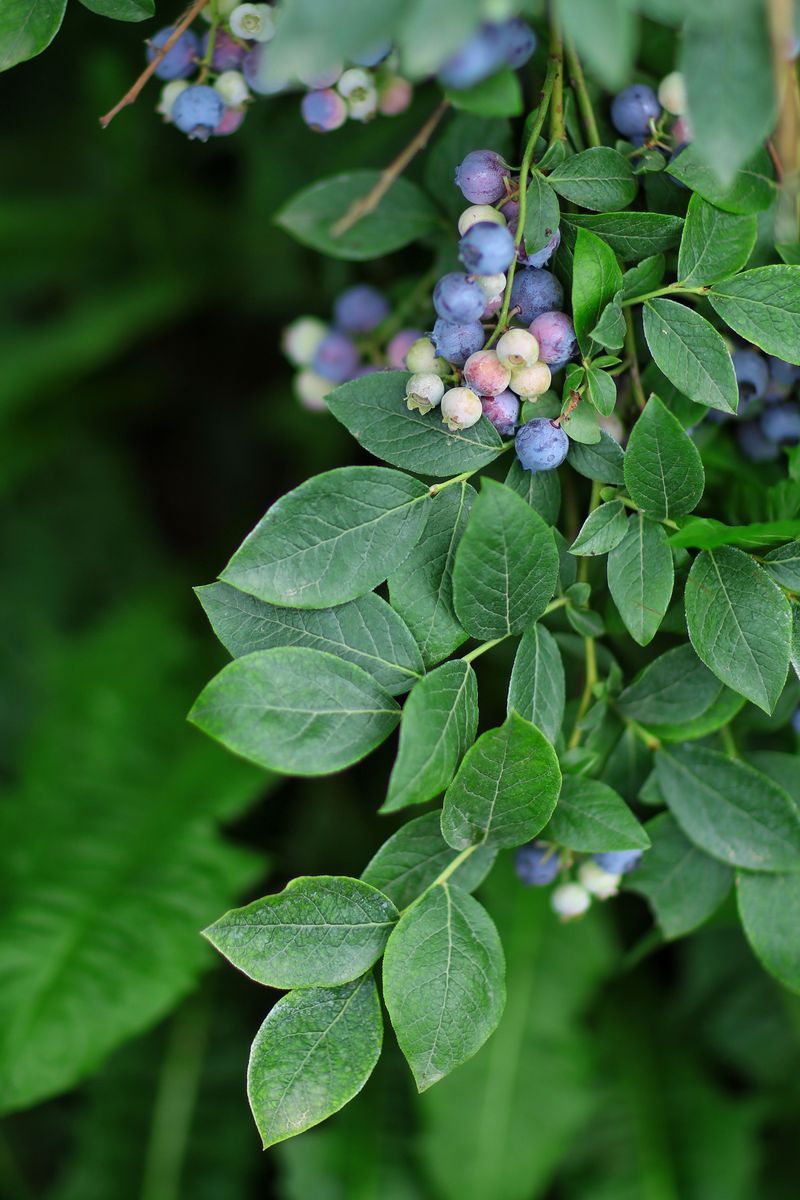
New blueberry gardeners often get excited with pruning shears and go a little overboard. Cutting back too much on a young bush can set it back by an entire growing season.
Blueberry plants need their first two to three years to establish a strong root system. Heavy pruning during that window diverts energy away from roots and toward wound recovery.
The temptation to prune early is understandable because the bush can look scraggly and uneven. But that awkward shape is actually the plant putting energy exactly where it needs to go.
For the first couple of years, limit pruning to removing broken, or crossing branches only. Leave the rest of the plant alone and let it focus on building a strong foundation.
After year three, you can start proper shaping and thinning. Remove older canes that are more than six years old, as they produce less fruit over time.
The goal of mature pruning is to keep the bush open in the center for good air circulation. Crowded centers lead to fungal problems and uneven ripening throughout the plant.
Prune in late winter, just before new growth starts pushing out. This timing reduces stress and allows the plant to channel fresh energy into new productive canes.
Sharp, clean tools matter more than most gardeners realize. Dull blades crush stems instead of cutting cleanly, which creates entry points for disease. Patience with pruning pays off in a bigger, healthier harvest every single year.
7. Using The Wrong Fertilizer And Quietly Working Against Your Own Soil
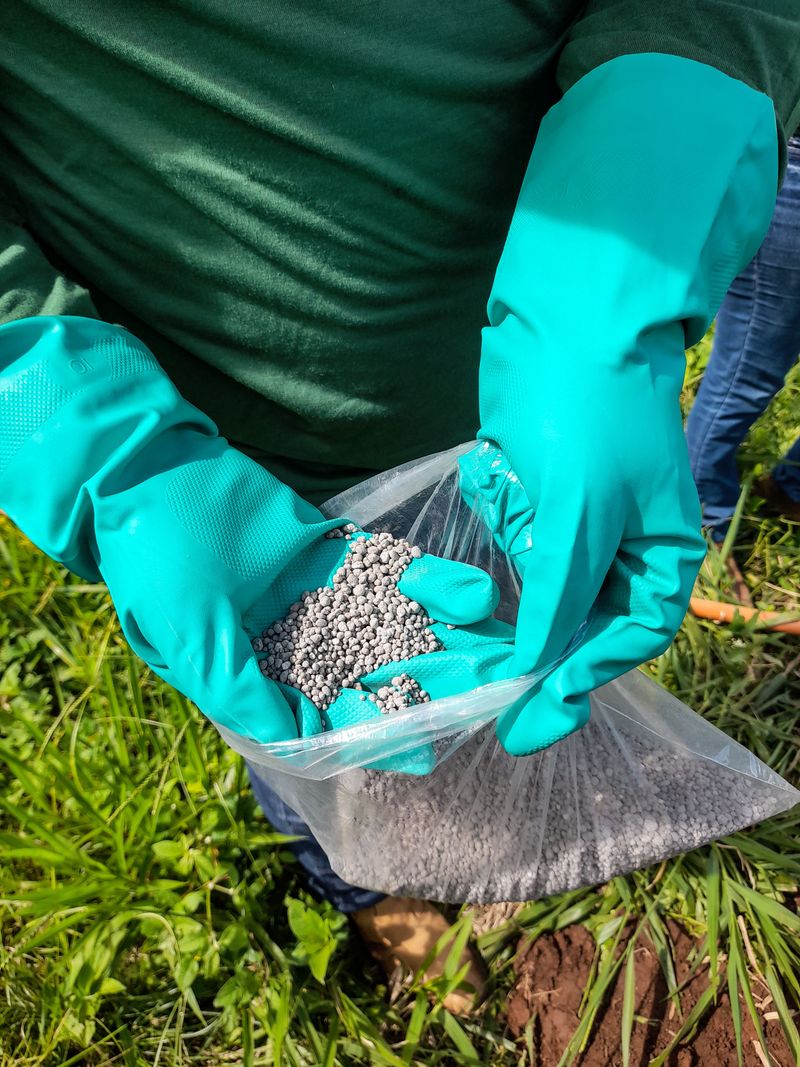
Grabbing a general-purpose fertilizer off the shelf feels like a reasonable move, but it can seriously backfire with blueberries. Most standard fertilizers contain forms of nitrogen that push soil pH higher over time.
Blueberries are extremely sensitive to pH shifts, and even a small rise can lock out key nutrients. What looks like a feeding solution can quietly become the source of your plant’s biggest struggle.
Avoid fertilizers containing nitrate-based nitrogen, such as calcium nitrate or potassium nitrate. These raise soil alkalinity fast and can damage blueberry roots in the process.
Instead, look for fertilizers formulated specifically for acid-loving plants. Products labeled for azaleas, rhododendrons, or blueberries use ammonium sulfate as their nitrogen source.
Ammonium sulfate lowers pH slightly while feeding the plant, making it a natural fit for blueberry care. It’s one of the most recommended fertilizers among experienced blueberry growers.
Apply fertilizer in early spring when buds begin to swell, and again after harvest in midsummer. Feeding at the wrong time, like late fall, pushes tender new growth that frost can damage easily.
Never over-fertilize, because more is not better with blueberries. Too much nitrogen causes lush green growth with very little fruit production.
Always follow the label rate and err on the side of less when in doubt. A light feeding done consistently beats a heavy feeding done once and forgotten.
Feed smart, feed specific, and your blueberries will reward you with seasons of sweet abundance.
8. Skipping Bird Netting Until The Berries Are Already Gone
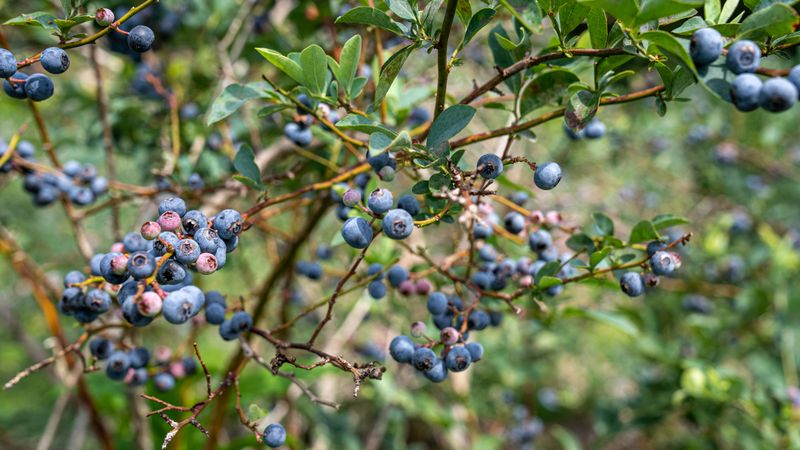
You walk outside one morning expecting a full harvest, and the branches are bare. Birds found your blueberries before you did, and they didn’t leave a single one behind.
This is one of the most frustrating blueberry growing mistakes a gardener can make. The fix is simple, but the timing is everything.
Birds start scouting your bushes the moment berries begin to turn color. By the time berries are fully ripe, flocks can strip a bush clean in a single morning.
Netting should go up the moment you notice berries starting to blush with color. Waiting until they look fully ripe is usually waiting too long.
Use lightweight bird netting with a mesh size of half an inch or smaller. Larger openings let determined birds squeeze through and help themselves anyway.
Drape the netting loosely over the bushes and secure the edges at ground level. Tight netting that touches the branches lets birds peck right through from outside.
Some gardeners build simple wooden or PVC frames to hold the netting above the plant. This keeps fruit clean, makes harvesting easier, and prevents birds from reaching berries through the mesh.
Reflective tape, fake owls, and wind spinners can help deter birds early in the season. But once birds are committed to a food source, only physical netting reliably keeps them out.
Protect your blueberries early and you’ll actually get to taste the harvest you worked so hard to grow all season long.