The Pennsylvania Rust Belt Cities Where Yards Are Struggling Most This Summer
Not every Pennsylvania yard is working with ideal conditions. Across the state’s Rust Belt cities, homeowners are dealing with a unique combination of challenges that make growing a healthy, thriving yard significantly harder than it might be elsewhere.
Aging infrastructure, compromised soil, limited green space, and decades of industrial history have left their mark on the land in ways that still show up in yards today. This summer those challenges are front and center.
Compacted soil, poor drainage, elevated contamination levels, and the heat island effect that comes with dense urban development are making it harder for plants to establish and thrive.
And unlike suburban or rural yards, Rust Belt homeowners often have fewer resources and less space to work with when things start going wrong.
But understanding what’s actually happening in these yards is the first step toward doing something about it. Here’s a look at the Pennsylvania Rust Belt cities where yards are struggling most this summer and what’s really behind it.
1. Reading
Berks County is officially under a Drought Warning right now, and Reading yards are feeling every bit of it. When a county reaches Drought Warning status, that means water supplies are already being affected and the ground has been seriously dry for a while.
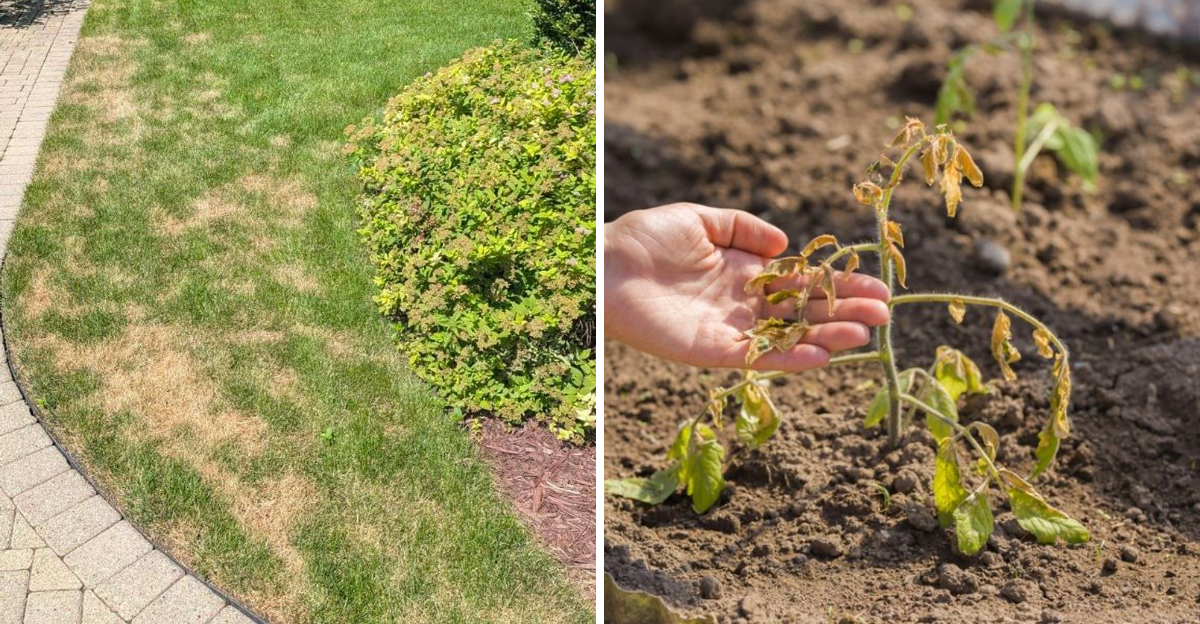
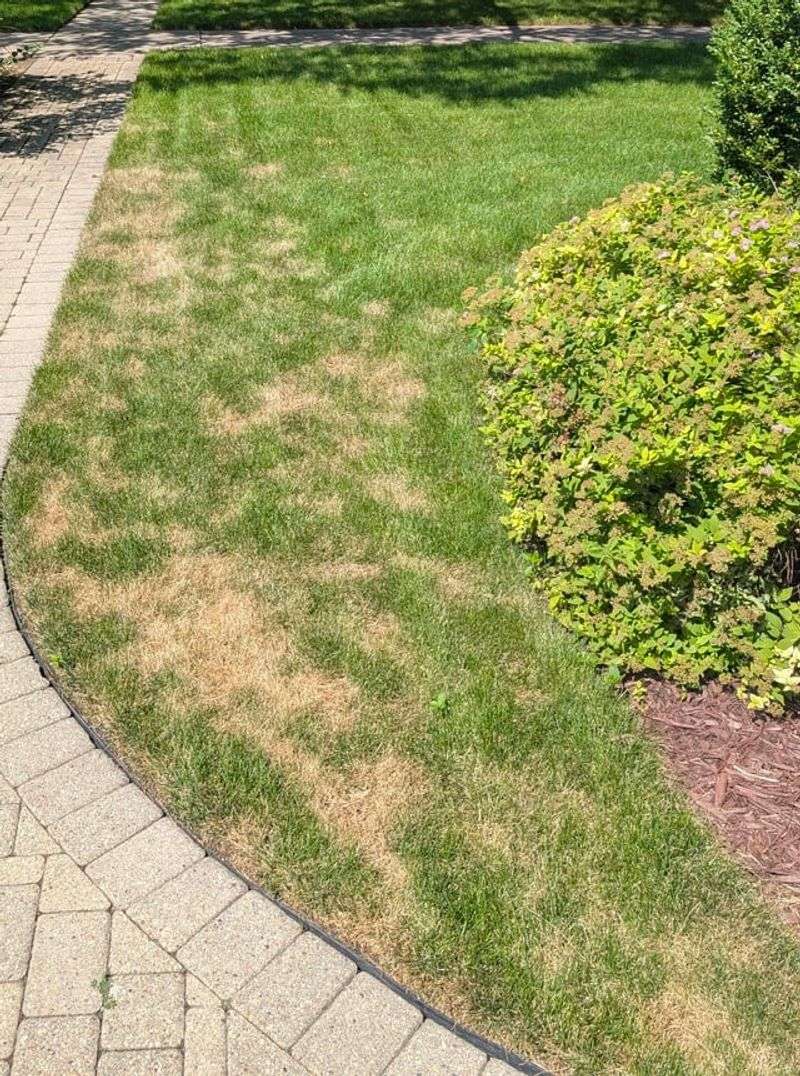
For Reading homeowners, that translates to lawns turning brown fast, garden beds drying out between waterings, and street trees starting to look stressed.
One of the biggest challenges in Reading is the mix of older housing stock and smaller lots. Many yards have compacted soil from decades of foot traffic and limited shade.
Compacted soil does not hold water well, so even when it does rain, moisture runs off instead of soaking in. That makes drought stress hit harder and faster than in areas with healthier soil.
If your Reading yard is struggling, start by watering deeply but less often. Deep watering encourages grass roots to grow downward, which helps them find moisture even when the top layer of soil dries out.
Water early in the morning to reduce evaporation. Adding a layer of mulch around garden beds can also slow down moisture loss dramatically.
Try to hold off on fertilizing right now, since pushing new growth during a drought just stresses plants more. Raise your mower blade too, because taller grass shades the soil and keeps it cooler.
Reading may be dealing with a tough summer, but a few smart habits can keep your yard from suffering more than it has to.
2. Allentown
Allentown is no stranger to tough summers, but this year feels different. Lehigh County sits under a Drought Warning, which puts Allentown homeowners on high alert for yard damage.
The city has a lot of pavement, from driveways and sidewalks to streets and parking areas. All that hard surface absorbs heat during the day and radiates it back out at night, creating what experts call an urban heat island effect.
That extra heat makes drought stress even worse for turf and shrubs. Grass planted near pavement gets hit from two directions at once: dry air above and hot ground below.
Your Pennsylvania Garden Changes Every Week. Your Plan Should Too.
Gardening in Pennsylvania changes quickly throughout the season. Every Friday you’ll receive a simple weekly plan showing exactly what to plant, prune, fertilize, harvest, and protect so you never miss the right timing.
Older neighborhoods in Allentown often have shallow soil over compacted fill, which limits how deep roots can go. Shallow roots mean plants run out of stored moisture much faster when rain does not come.
The good news is that there are real things you can do to help your yard right now. First, check whether Allentown has any watering restrictions in place, since drought warnings sometimes come with limits on outdoor water use.
If watering is allowed, focus on your most vulnerable plants first, like newly planted shrubs, young trees, and vegetable gardens. Established trees and older shrubs can usually handle a bit more stress.
Group your watering sessions in the early morning hours to get the most out of every drop. Spreading a two-inch layer of wood chip mulch around the base of shrubs and garden plants can cut moisture loss significantly. Small steps add up fast when the heat is relentless.
3. Bethlehem
Bethlehem has a unique challenge this summer because it sits right at the edge of two different drought zones. Lehigh County, which covers part of the Bethlehem area, is under a Drought Warning.
Northampton County, which covers the other part, is under a Drought Watch. That means some Bethlehem neighborhoods are dealing with more severe conditions than others, but the whole city is feeling the pressure.
Yards in Bethlehem face a combination of problems. The soil in many older parts of the city has been disturbed and compacted over many decades of industrial and residential use.
That kind of soil drains poorly in wet weather and dries out very quickly during dry spells. Heat buildup from roads and older buildings makes the situation worse, especially in neighborhoods close to downtown.
For Bethlehem homeowners, the priority right now should be protecting what you already have. Newly planted trees and shrubs need the most attention because their root systems have not had time to spread out and find deeper moisture.
Give them a slow, deep drink of water at least twice a week if watering restrictions allow. For lawns, try not to panic if the grass goes brown.
Many grass types go dormant during drought and bounce back when rain returns. Avoid walking on dormant grass too much, since it is more fragile than healthy turf.
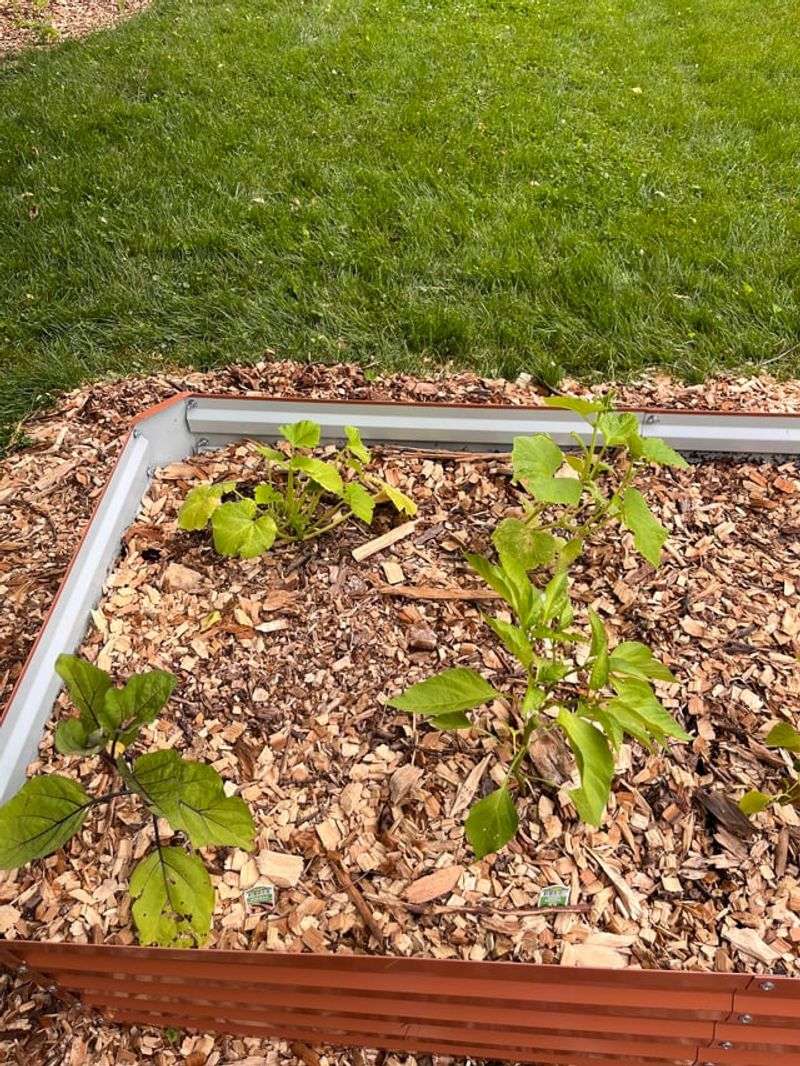
If you have a vegetable garden, keep it mulched and watered consistently. Vegetables cannot go dormant the way grass can, so they need steady moisture to keep producing through the summer heat.
4. Lancaster
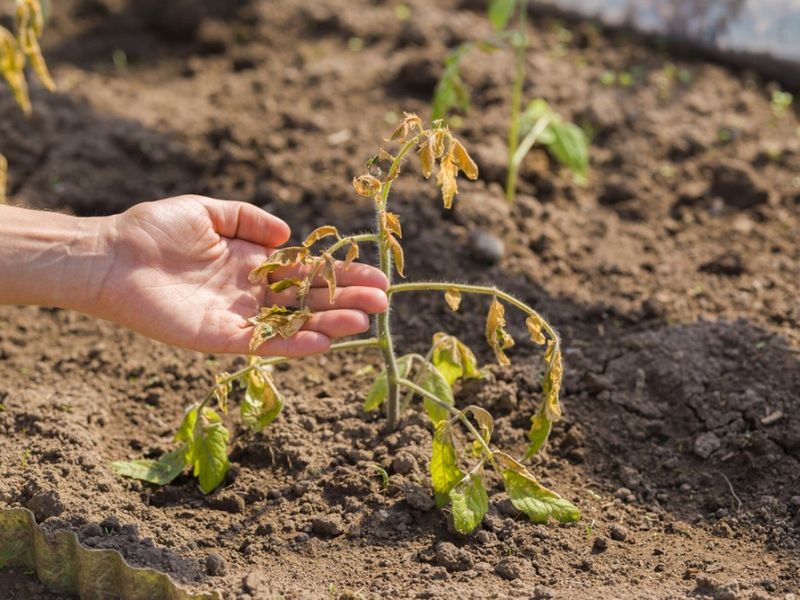
Lancaster County is under a full Drought Warning this summer, making Lancaster one of the hardest-hit cities on this list. What makes Lancaster especially vulnerable is the variety of yard types found across the city.
Some neighborhoods have mature trees and established landscaping, while others have newer developments with shallow-rooted lawns and recently planted ornamentals that have not had time to settle in.
Shallow-rooted lawns are the first to show drought stress because their roots simply cannot reach deeper moisture in the soil. You will notice the grass turning a grayish-blue color before it goes fully brown.
That color change is actually the plant pulling water away from its leaves to protect its roots. It is a sign that your lawn is stressed but not yet past saving.
Vegetable gardens in Lancaster are also at serious risk right now. Unlike ornamental plants, vegetables need consistent moisture to produce fruit and stay healthy.
Tomatoes, peppers, cucumbers, and squash are all very sensitive to uneven watering during drought. Inconsistent moisture can cause problems like blossom end rot in tomatoes and bitter cucumbers.
To protect your vegetable garden, water at the base of plants rather than from overhead, use soaker hoses or drip irrigation if possible, and mulch heavily around every plant. For ornamental beds, deadhead spent flowers to reduce the plant’s water demand.
Lancaster gardeners who stay proactive right now will have a much better chance of keeping their yards looking decent through the rest of the summer.
5. Lebanon
Lebanon County is sitting under a Drought Warning, and local yards are already showing the strain. Lebanon is a smaller city, but it packs a lot of residential green space into its neighborhoods.
Backyard gardens are common here, and many residents take real pride in their lawns and flower beds. That makes this summer especially frustrating for local homeowners watching their hard work fade in the heat.
During a drought warning, the ground loses moisture faster than most people expect. Even if you watered your garden last week, the soil can dry out completely within a few days during a hot stretch.
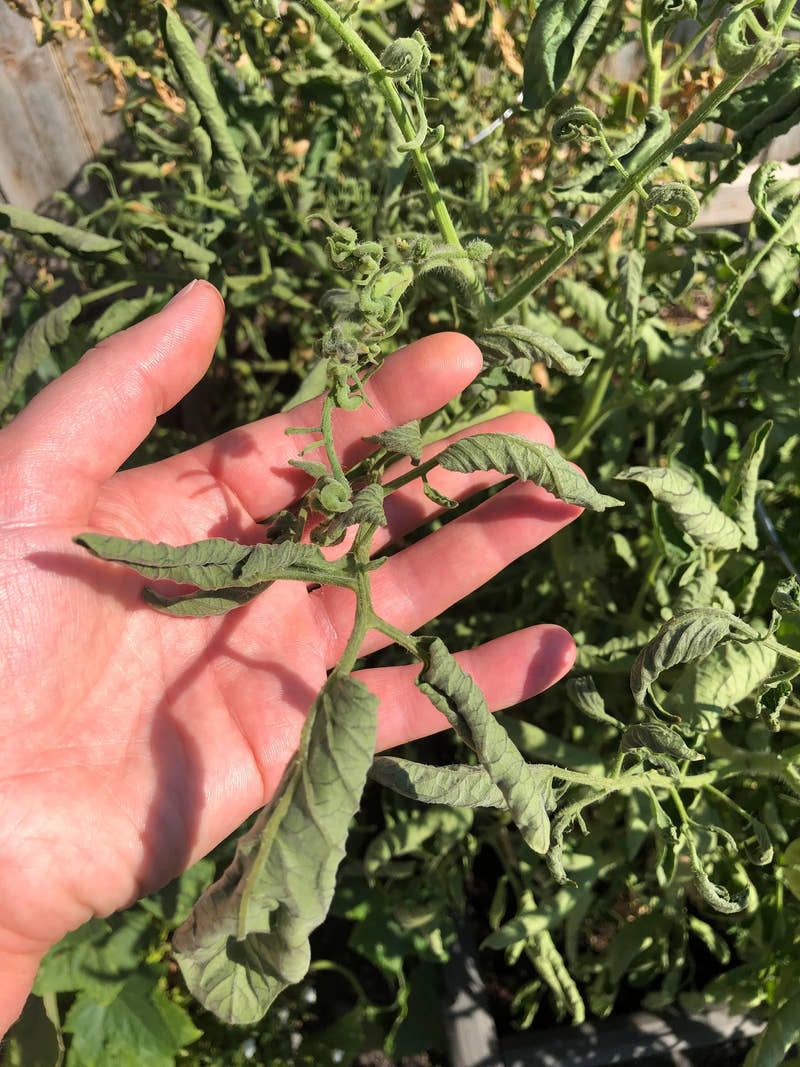
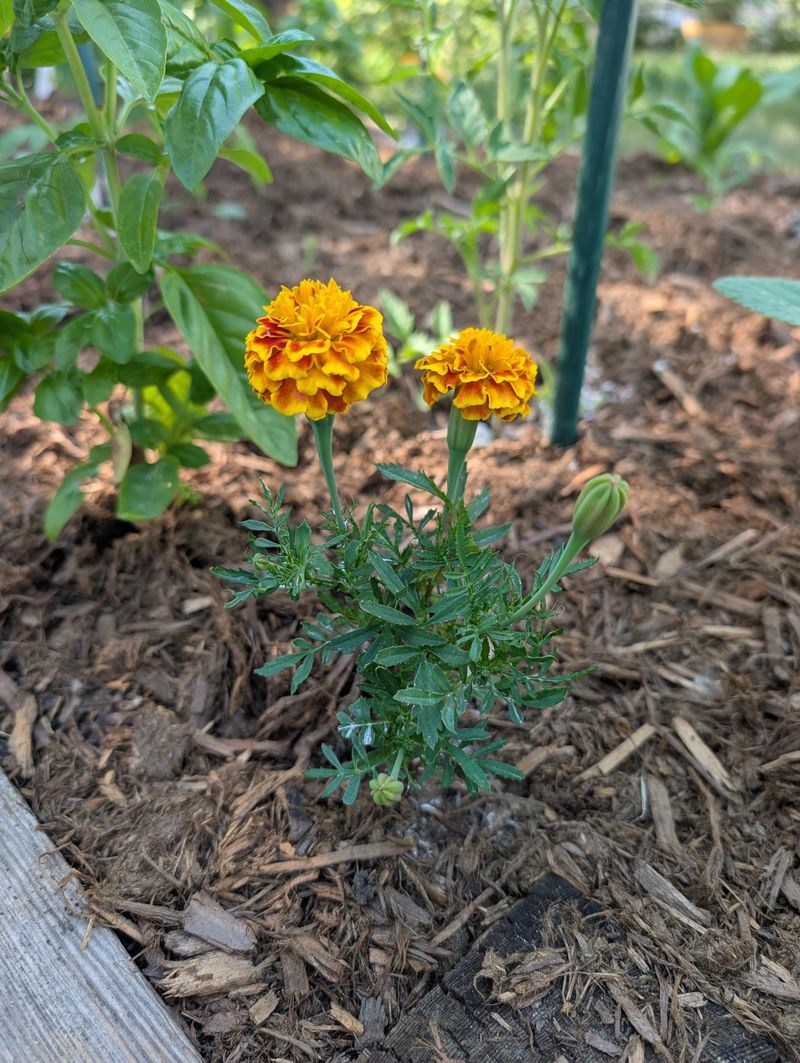
Plants under drought stress often look wilted in the afternoon but perk back up at night when temperatures drop. That cycle is exhausting for plants and can weaken them over time, making them more vulnerable to insects and disease.
Mulch is one of the most powerful tools Lebanon gardeners have right now. A two to three inch layer of organic mulch around garden plants can cut soil moisture loss by up to fifty percent.
That means you can water less often while still keeping roots comfortable. Deep watering once or twice a week is far better than light watering every day.
Deep watering encourages roots to grow down into cooler, moister soil layers. Reducing how often you mow can also help, since longer grass blades shade the soil and slow evaporation.
Lebanon yards do not have to look terrible this summer. With the right habits in place, you can protect your plants and come out the other side with a yard worth showing off again.
6. York
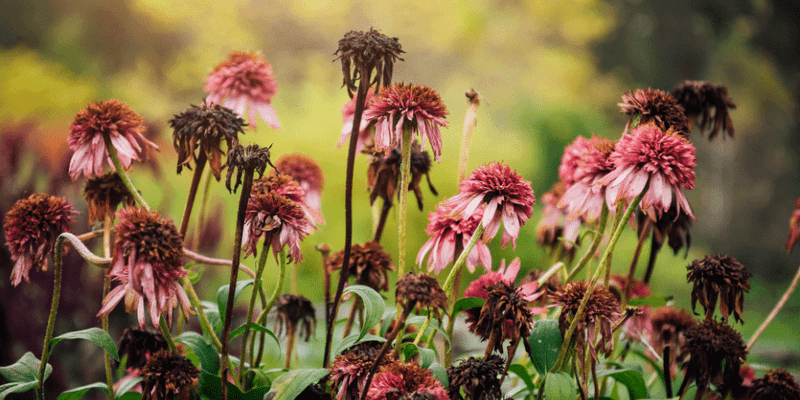
York County is currently under a Drought Watch, which is one level below a Drought Warning. That might sound less serious, but do not let the label fool you.
A Drought Watch means conditions are developing that could lead to more severe drought if rain does not come soon. For York homeowners, that is a heads-up to start taking action now before things get worse.
Yards in York face some specific challenges. The city has a lot of older residential lots with compacted soil that has been packed down over many years.
Compacted soil is especially bad during drought because water runs off the surface instead of soaking in.
Thin turf areas are also common in parts of York, and thin grass is much less drought-tolerant than thick, healthy turf because there are fewer roots to pull moisture from the soil.
Sunny yards without tree cover are especially at risk this summer. Direct sun all day long can raise soil temperature dramatically, which speeds up evaporation and stresses grass roots.
If you have areas of your yard that get full sun all day, those spots will likely show drought stress first. Consider adding temporary shade cloth over sensitive garden beds if the heat becomes extreme.
For your lawn, avoid mowing below three inches right now. Taller grass does a better job of shading its own roots and holding onto soil moisture.
York may not be at the most severe drought level yet, but acting early makes a real difference in how your yard holds up through the rest of summer.
7. Harrisburg
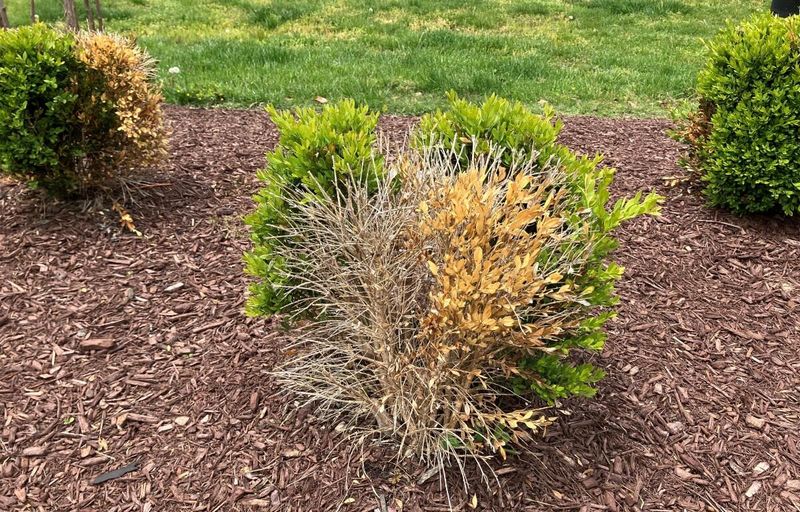
Dauphin County, home to Pennsylvania’s capital city of Harrisburg, is under a Drought Watch this summer. Harrisburg sits along the Susquehanna River, but that does not mean local yards are getting the moisture they need.
Urban heat, reduced tree canopy in some neighborhoods, and older soil conditions all combine to make drought stress hit harder than the official drought level might suggest.
One thing that sets Harrisburg apart is how much the urban environment changes the way yards behave during dry spells. City blocks absorb and hold heat throughout the day.
When nighttime temperatures stay high, plants never get a real break from the stress. Ornamental beds planted near buildings or along south-facing walls are especially vulnerable because they get extra reflected heat on top of direct sun exposure.
Harrisburg gardeners should pay close attention to any plants that were installed in the past year or two. Young plants with limited root development are far more sensitive to drought than established ones.
Water them deeply and consistently, even if the rest of your yard seems to be managing. Older lawns in Harrisburg may go dormant and turn brown, which is a natural survival response.
Dormant grass is not gone for good. It will green up again when cooler, wetter weather returns.
The key is to avoid stressing it further by walking on it too much or trying to force growth with fertilizer during the drought. Give your yard some patience and the right kind of care, and Harrisburg’s green spaces will recover when the rain finally comes back.