The Overlooked Pennsylvania Porch Plant That Helps Deter Pests And Welcomes Guests
Pennsylvania front entries have a way of looking perfectly fine without ever looking particularly interesting, and the stretch between spring color and full summer bloom can feel especially uninspiring.
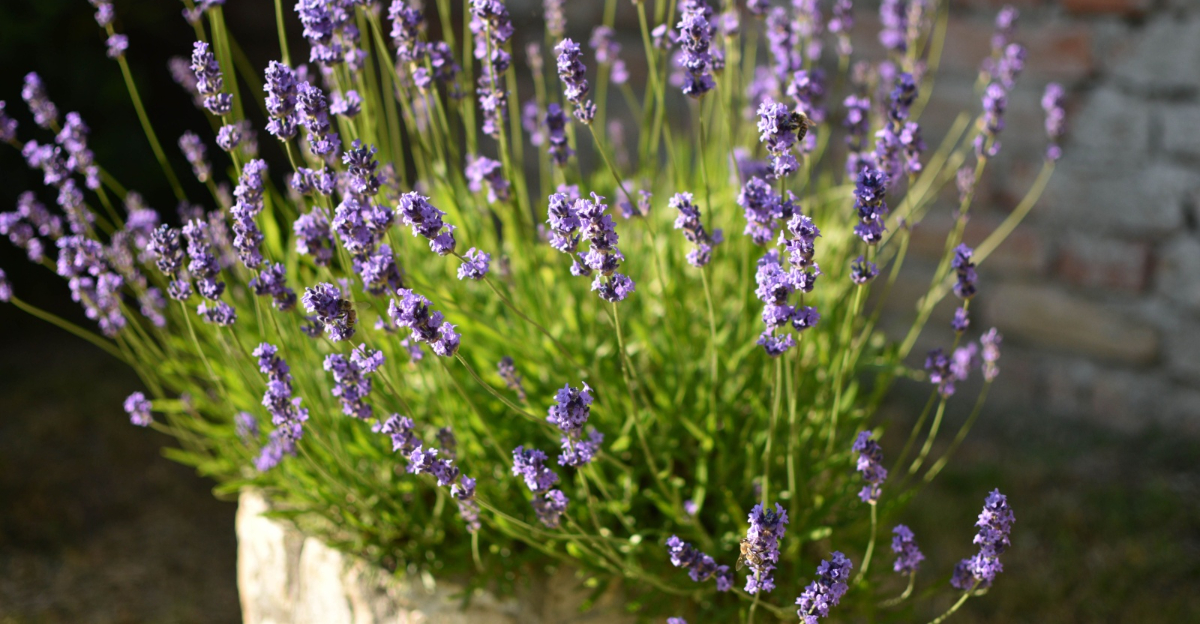
Lavender is one of those plants that quietly fixes that problem without asking for much in return.
Soft purple blooms, genuinely amazing fragrance, and a compact habit that fits neatly beside a welcome mat or along sunny porch steps.
It is the kind of plant that makes guests notice the entry before they even reach the door, which is honestly a pretty impressive trick for something that fits in a container.
Lavender does have its preferences, good drainage being the main one, and it is not a solution to every porch concern.
But as a low-fuss, good-looking entryway companion for a sunny Pennsylvania porch, it has earned its spot with very little argument.
1. Lavender Adds Fragrance By The Front Door
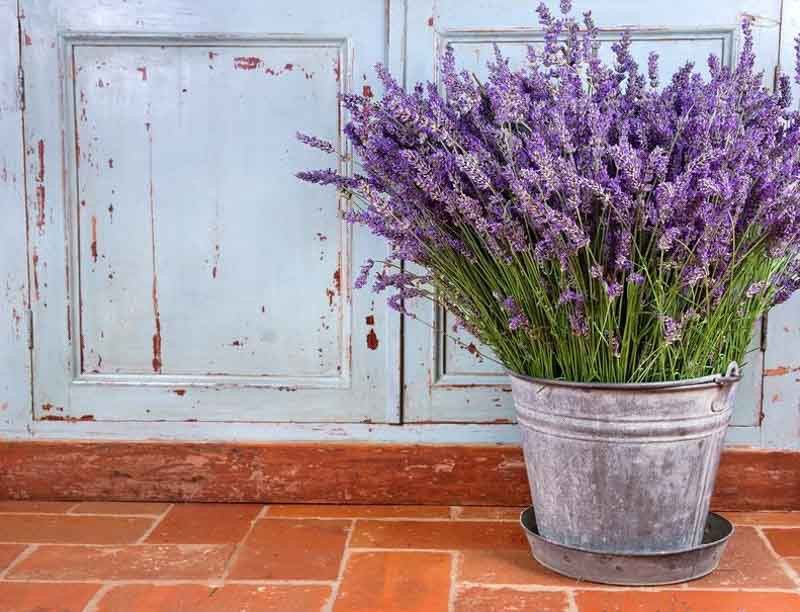
Walking up to a front door and catching a soft herbal scent before you even knock is one of those small pleasures that makes a home feel genuinely welcoming.
Lavender placed near the entry creates exactly that kind of first impression, releasing fragrance gently into the air whenever a breeze moves through or someone brushes past the stems.
For Pennsylvania homeowners who want their front porch to feel a little more alive, a potted lavender plant beside the door is one of the simplest ways to get there.
The fragrance comes from natural aromatic oils found in the plant’s leaves and flower spikes. These oils are present even when the blooms are not fully open, which means the scent can linger through much of the growing season.
On warm Pennsylvania summer afternoons, that herbal fragrance tends to be especially noticeable near the steps.
Placing lavender close to the door rather than at the far edge of the porch helps maximize the scent experience for anyone arriving or leaving. A single well-tended container can be enough to make the entry feel fresher without overwhelming guests.
Pairing two pots on either side of the door creates a more symmetrical look while doubling the gentle fragrance near the threshold.
It is a low-cost, beginner-friendly way to add character and a pleasant atmosphere to any Pennsylvania front entry without a lot of complicated maintenance or gardening experience required.
2. Purple Blooms Make A Porch Feel Welcoming
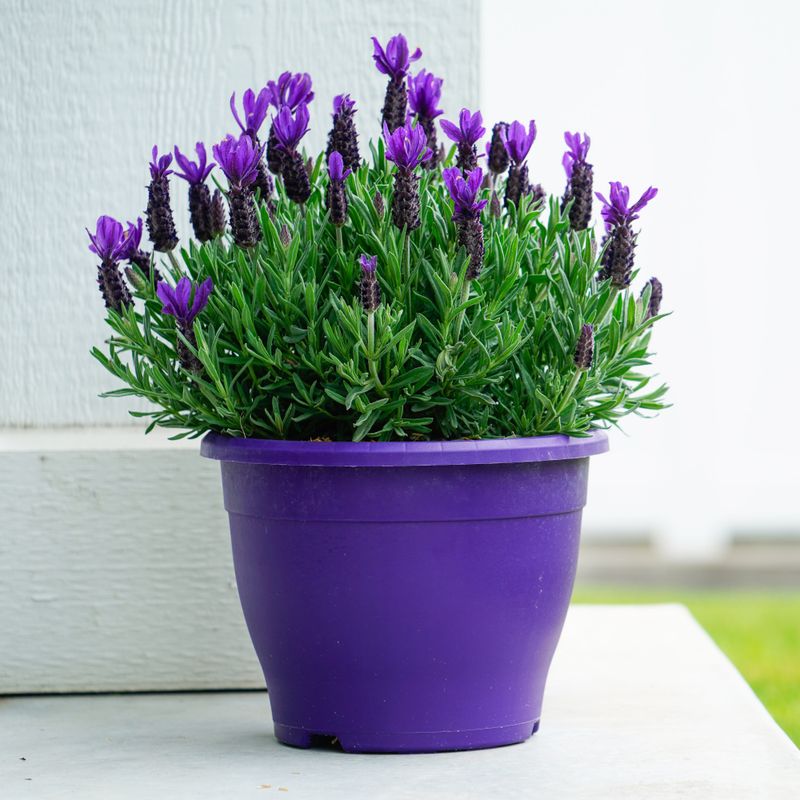
Purple flowers beside a welcome mat send a quiet but clear message to anyone arriving at your door: someone cares about this space.
Lavender’s slender purple flower spikes have a classic, timeless look that pairs well with nearly any porch color or style, from painted Victorian woodwork to modern stone steps.
For Pennsylvania homeowners, that pop of color can carry a front entry through the warmest months of the year with very little effort.
Lavender typically blooms in late spring through midsummer, depending on the variety and local growing conditions.
During that window, the purple spikes stand tall above the silvery-green foliage, creating a display that feels both polished and relaxed at the same time.
Your Pennsylvania Garden Changes Every Week. Your Plan Should Too.
Gardening in Pennsylvania changes quickly throughout the season. Every Friday you’ll receive a simple weekly plan showing exactly what to plant, prune, fertilize, harvest, and protect so you never miss the right timing.
Even after the blooms fade, the soft gray-green leaves continue to add texture and a subtle herbal scent near the door.
From a curb appeal standpoint, a flowering lavender plant in a clean container reads as intentional and inviting. Neighbors and guests tend to notice it, and it often sparks conversation about what variety it is or how easy it might be to grow.
That kind of small, friendly detail can make a Pennsylvania front entry feel more personal and less generic.
Choosing a container color that complements the purple blooms, like a warm terracotta or a soft white pot, can pull the whole look together and make the porch feel like a genuinely welcoming place to arrive.
3. Aromatic Oils May Help With Some Pests
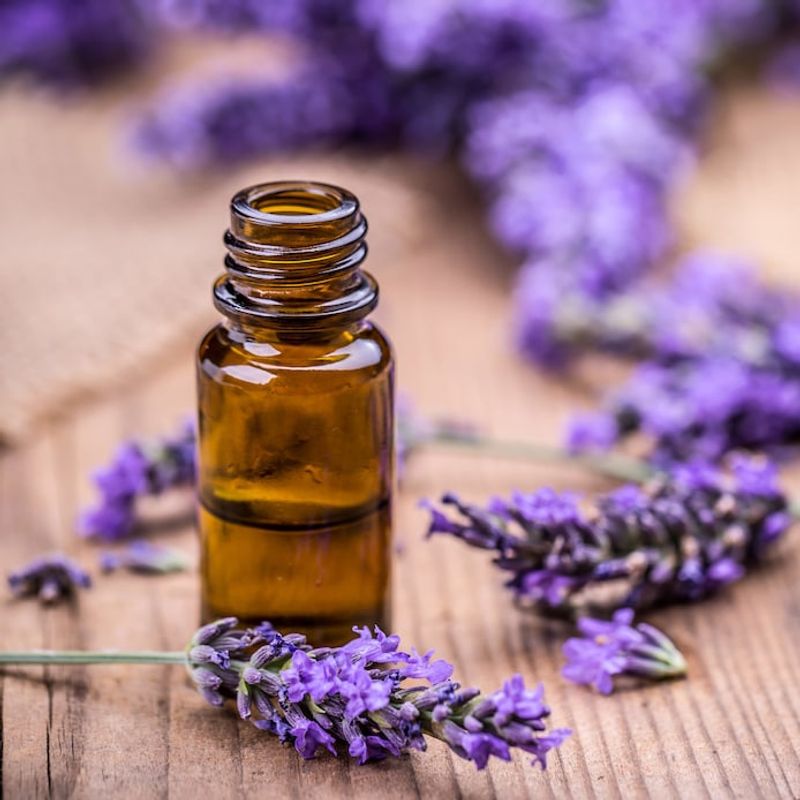
Fragrant leaves near the door do more than smell pleasant for guests.
Lavender contains natural aromatic compounds that have drawn interest from researchers and home gardeners alike, particularly around the question of whether scent might make an entry feel less inviting to certain insects.
Some studies suggest that lavender’s essential oils may have repellent effects on specific insects under controlled conditions, though results vary and a living potted plant is not the same as a concentrated oil application.
For Pennsylvania homeowners, this means a porch lavender plant could be one small, pleasant part of a broader pest-aware approach to outdoor living.
It would be an overstatement to call it a stand-alone pest solution, but it also would not be accurate to dismiss the aromatic connection entirely.
Thinking of lavender as a fragrant herb that may make some insects less comfortable near the door is a reasonable and honest way to frame its role on the porch.
Mosquitoes, moths, and some flies are among the insects that appear to respond to lavender’s scent in certain research settings.
However, outdoor conditions like wind, humidity, and Pennsylvania summer heat can all affect how noticeable the scent is at any given moment.
Combining a healthy lavender plant with other good porch habits, like removing standing water and keeping food covered during outdoor gatherings, tends to be a more effective strategy than relying on fragrance alone to manage insect activity around the entry.
4. Sunny Steps Suit Lavender Best
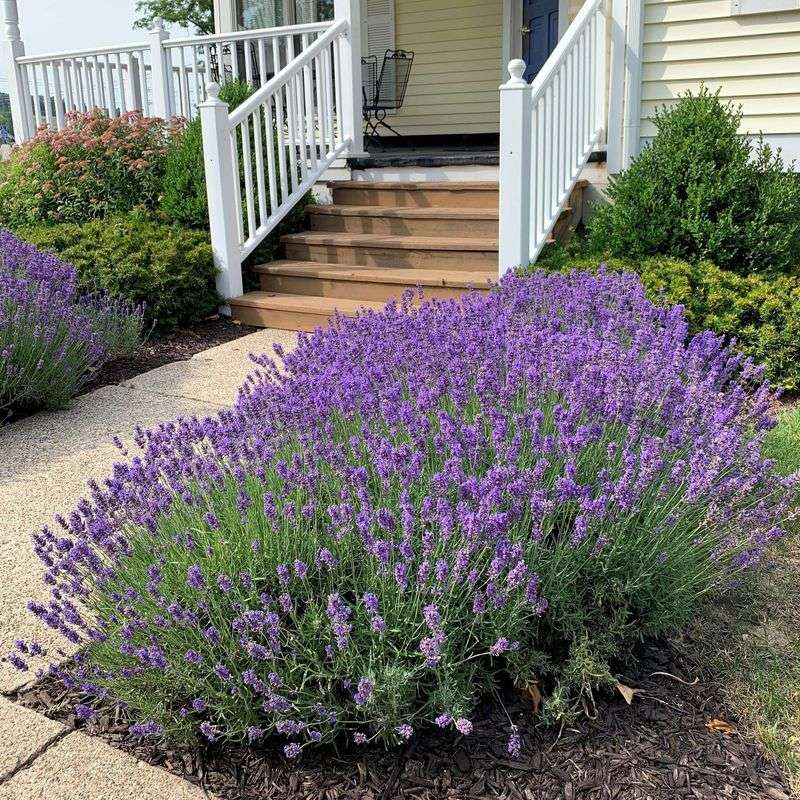
Front steps that get a good stretch of direct sunlight each day are some of the best spots a Pennsylvania homeowner can offer a lavender plant. Lavender originates from sunny, open landscapes and genuinely thrives when it receives six or more hours of direct sun.
Steps that face south or west often provide exactly the kind of bright, warm exposure this herb prefers, especially during Pennsylvania’s longer summer days.
Shaded porches or entries blocked by large trees tend to be less suitable for lavender, and plants grown in too much shade may produce fewer blooms and weaker stems over time.
If your Pennsylvania porch gets mostly afternoon shade, it may be worth experimenting with another fragrant herb, or moving the lavender container to the sunniest corner available.
Even a partially shaded spot can sometimes work if the morning sun is strong and consistent.
One practical advantage of growing lavender on porch steps rather than in a garden bed is that steps often absorb and reflect heat, creating a slightly warmer microclimate that lavender tends to appreciate.
Stone or brick steps in particular can hold warmth through the afternoon, helping the plant stay comfortable even on cooler Pennsylvania spring and fall days.
Positioning the container where it catches the most available light also helps the soil dry out between waterings, which matters a great deal for keeping lavender roots healthy and the plant looking its best through the season.
5. Good Drainage Keeps Lavender Happier
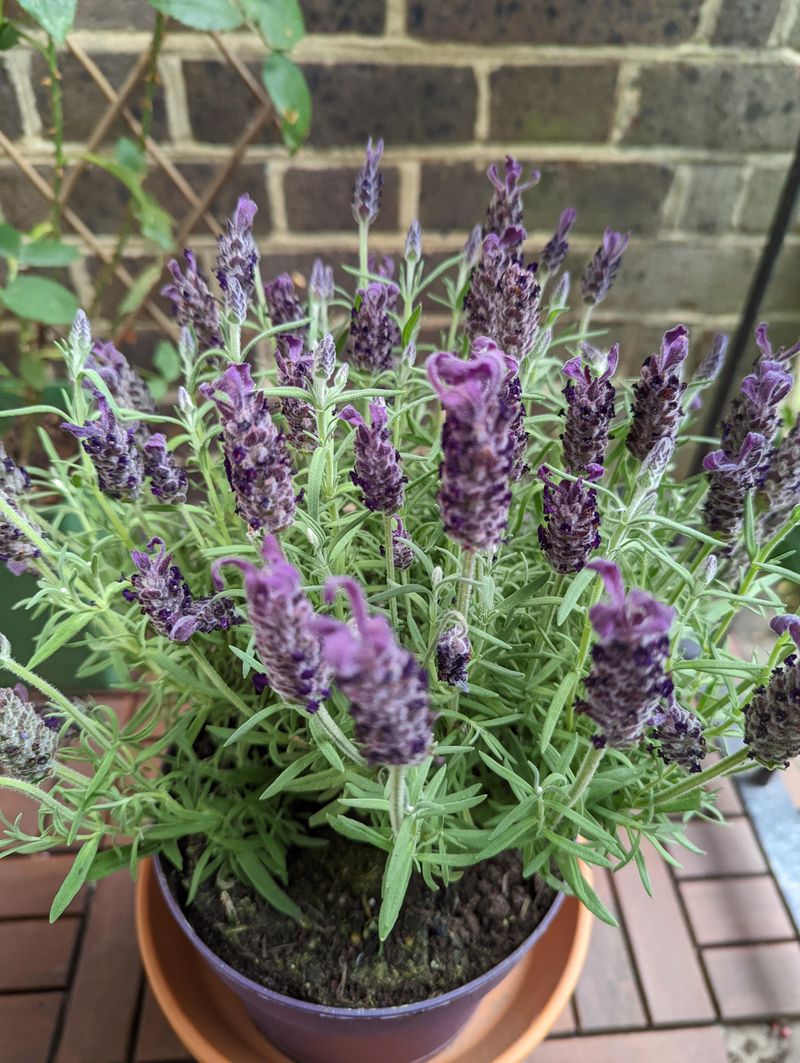
Pots drying quickly in warm weather are not a problem for lavender; they are actually a sign that conditions are close to what this herb prefers.
Lavender is well known for struggling in soggy soil, and one of the most common reasons a porch lavender plant declines is water sitting around the roots for too long.
Good drainage is not optional with this herb. It is one of the most important factors in keeping the plant healthy through a Pennsylvania summer.
When choosing a container for porch lavender, look for one with drainage holes at the bottom that allow excess water to flow out freely after rain or watering.
Avoid using saucers that collect and hold standing water directly under the pot, since that moisture can wick back up and keep the root zone wetter than lavender prefers.
Raising the pot slightly on pot feet or small risers can improve airflow and help water drain away from the base more efficiently.
Potting mix also plays a role in drainage. Standard all-purpose potting soil can hold more moisture than lavender roots prefer, so mixing in some perlite or coarse sand can help improve drainage and reduce the risk of waterlogged conditions.
In Pennsylvania, where summer rain can arrive in heavy bursts, a fast-draining mix gives the plant a better chance of drying out between wet spells.
Checking the soil before watering rather than following a rigid schedule helps avoid overwatering, which is one of the most beginner-friendly habits to build early in the season.
6. Containers Make Porch Growing Easier
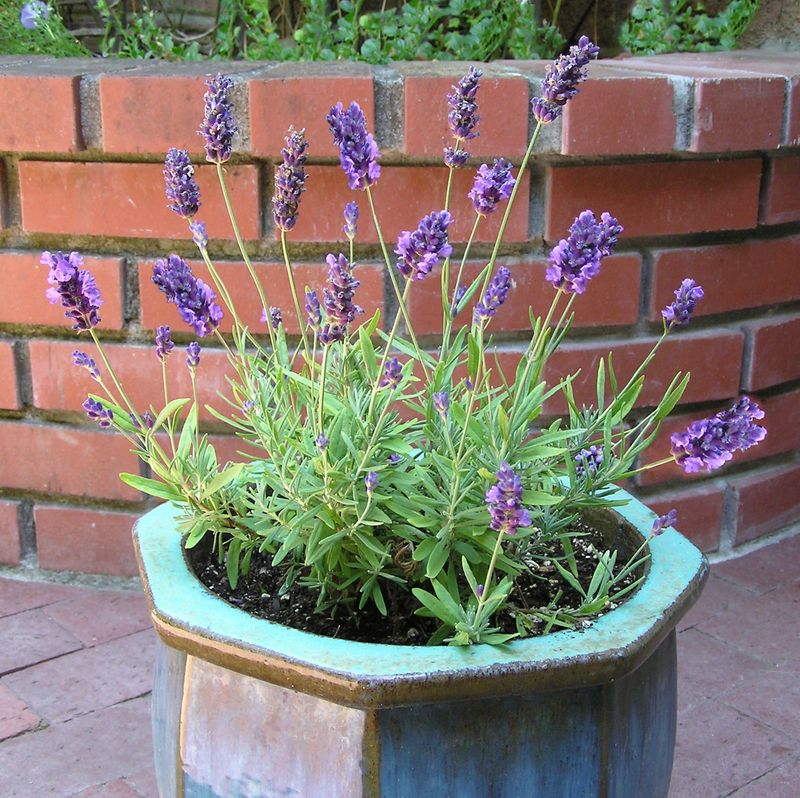
Growing lavender in containers on a Pennsylvania porch gives homeowners a level of control that in-ground planting simply cannot match.
You can move the pot to follow the sun as the season shifts, bring it under cover during unusually heavy rain, or reposition it when you rearrange porch furniture for a gathering.
That flexibility is especially useful for Pennsylvania gardeners who are still figuring out which spots on their porch get the best light and airflow throughout the season.
Container growing also makes it easier to manage soil conditions. Rather than dealing with heavy clay or nutrient-poor ground soil, which are common in parts of Pennsylvania, you fill the pot with a mix suited specifically to lavender’s preferences.
Starting fresh each season with clean potting mix reduces some of the soil-related challenges that can affect in-ground lavender over time.
Choosing the right container size matters more than many beginners expect. A pot that is too small can dry out within hours on a hot Pennsylvania summer day, requiring very frequent watering.
A container that is too large may hold excess moisture around the roots, which lavender does not handle well. A medium-sized container, roughly ten to fourteen inches in diameter, tends to work well for a single lavender plant on a front porch.
Terracotta pots are a popular choice because they are porous and allow some moisture to evaporate through the walls, which naturally helps keep the root zone from staying too wet between waterings.
7. Cleanup Still Matters More Than Scent
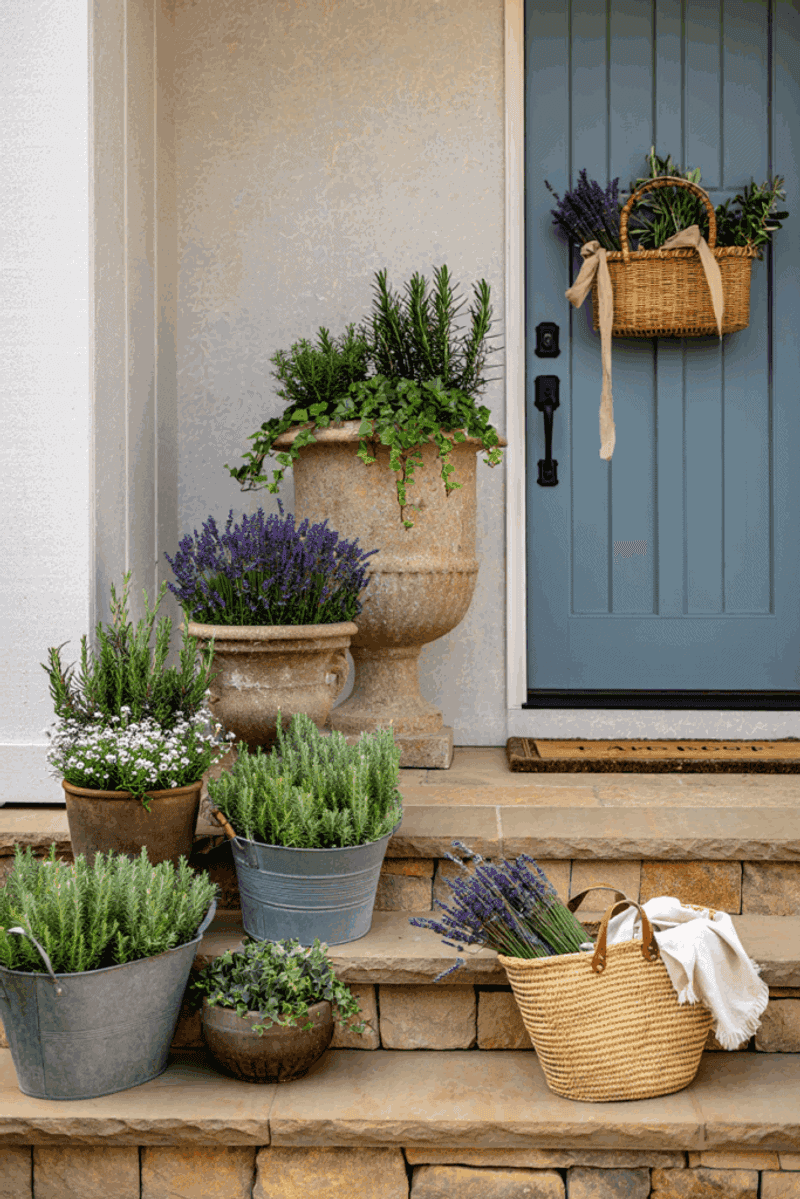
Crumbs from a cookout, sweet spills near outdoor seating, and a forgotten trash bag by the steps can quickly undo whatever pleasant atmosphere a fragrant lavender plant adds to a Pennsylvania front porch.
Scent is a nice bonus, but it is not a substitute for basic cleanliness around an entry.
Insects are generally drawn to food residue, moisture, and shelter more reliably than they are deterred by herbal fragrance, so keeping the porch tidy remains one of the most practical things a homeowner can do.
After outdoor gatherings on a Pennsylvania summer evening, a quick sweep of the porch floor and a wipe-down of tables and chair armrests removes the food traces that tend to attract ants, flies, and other uninvited visitors.
Emptying and rinsing recycling bins regularly near the porch also helps reduce sweet smells that can bring insects closer to the entry.
These habits take only a few minutes but make a real difference in how pest-friendly or pest-unfriendly the space feels overall.
Standing water in saucers, low spots on the porch floor, or forgotten water bowls near outdoor seating can also be a factor worth addressing, since still water attracts mosquitoes looking for a place to breed.
Combining a clean, well-maintained porch with a fragrant lavender plant creates an entry that feels both welcoming to guests and less hospitable to insects.
Scent and cleanliness working together is a more realistic approach than counting on any single plant to handle the job alone.
8. A Tidy Plant For A Fresh Entryway
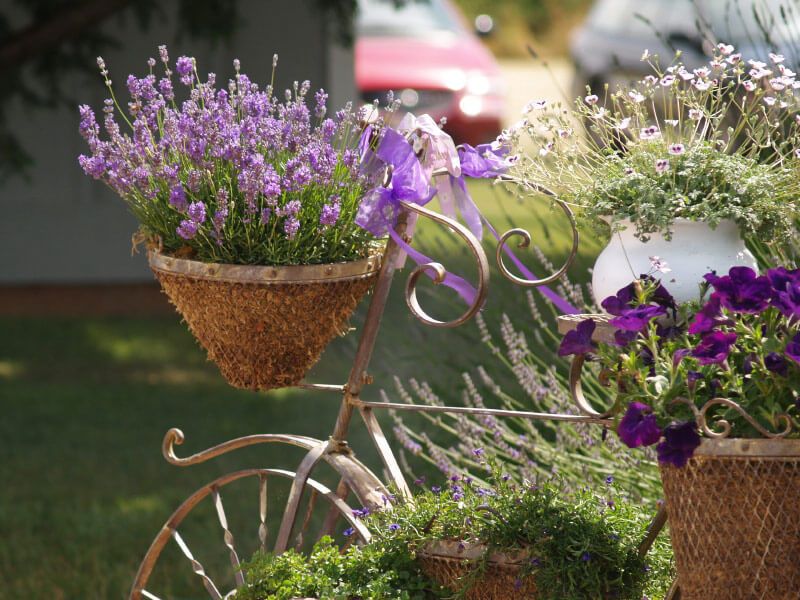
After a summer rain, a well-kept lavender plant on a Pennsylvania front step can look remarkably fresh.
The moisture releases a soft herbal scent from the leaves, the silvery-green foliage catches the light, and the whole entry feels cleaner and more put-together than it did before the rain arrived.
That kind of effortless, natural appeal is a big part of what makes lavender worth considering for a Pennsylvania front porch.
Keeping lavender tidy does not require a lot of skill or time. Removing spent flower stems after blooming encourages the plant to stay compact and can sometimes prompt a second flush of flowers later in the season.
Trimming back leggy or overgrown stems in spring helps maintain a neat shape and prevents the plant from becoming too woody at the base over time.
A clean, well-shaped lavender plant simply looks more intentional beside a front door than a scraggly or overgrown one.
For Pennsylvania homeowners who want an entry that feels fresh, fragrant, and genuinely welcoming without a complicated gardening routine, lavender checks most of the boxes.
It rewards basic care with good looks, pleasant scent, and soft purple color through the warmest months of the year.
Pairing the plant with a clean porch, swept steps, and a tidy welcome mat creates the kind of entry that guests notice in a positive way, not because of any single dramatic feature but because everything feels considered and cared for from the moment someone walks up.