The Slug Control Mistake Oregon Gardeners Make That Creates A Bigger Population Next Season
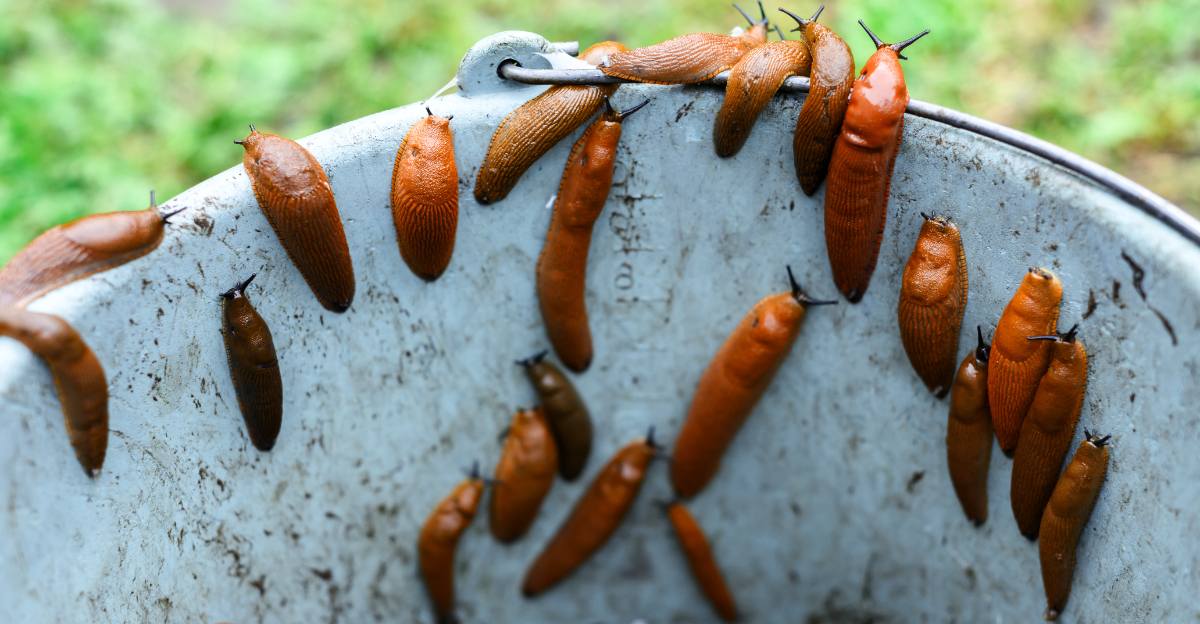
Oregon slugs already act like they own the garden, so helping them multiply is deeply unfair. The big mistake is leaving eggs, hiding spots, and damp debris behind after a quick cleanup.
Removing a few visible slugs feels satisfying, but it does not solve the next generation waiting under boards, pots, mulch, and soggy leaves. That is how one small slug problem turns into a slimy encore next season.
The sneaky part is that the yard may look cleaner while the real population is still tucked away. Oregon’s mild, moist conditions make those hidden eggs even more annoying.
Before you celebrate a few captured slugs, check the places they actually use as nurseries. A smarter cleanup now can mean fewer midnight leaf-munchers later.
1. Leaving Damp Hideouts
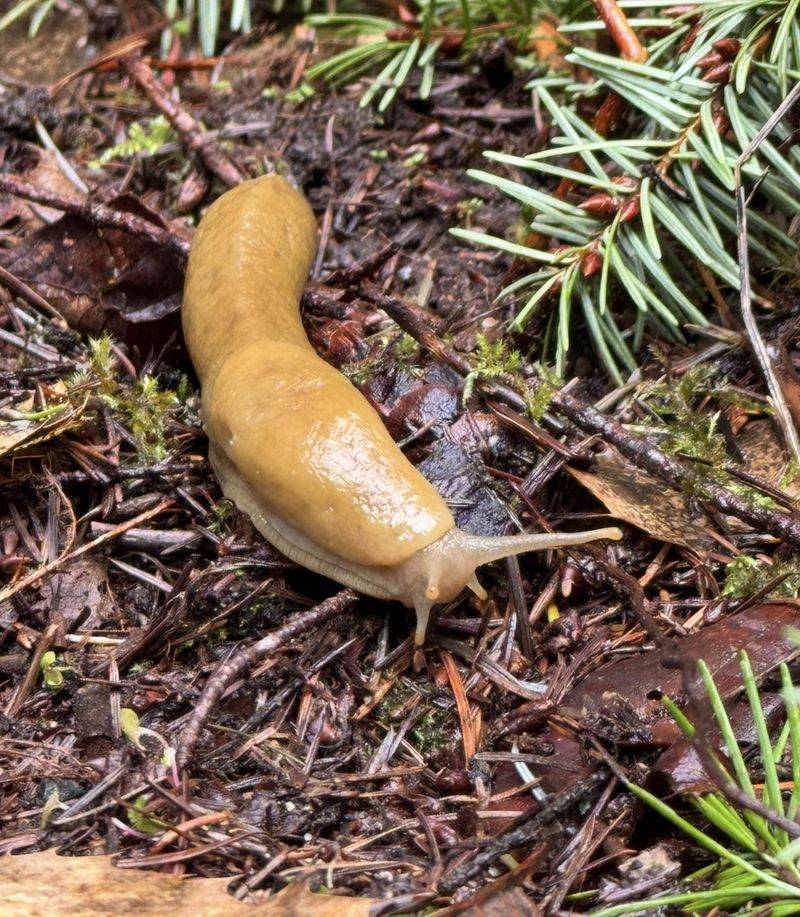
Most gardeners focus on what slugs eat, but the real problem often starts with where they hide. Slugs need cool, moist shelter during the day to survive.
When gardens are full of damp hideouts, slugs have everything they need to rest, stay safe, and come out feeding every single night.
Old boards, broken pots, flat rocks, and low ground cover pressed against the soil are all prime slug real estate. These spots trap moisture and block sunlight, creating the perfect dark, wet environment slugs love.
Many gardeners never think to check under these items, so slug populations quietly grow without anyone noticing.
Removing damp hideouts is one of the fastest ways to reduce slug numbers. Walk your garden and flip over anything flat that has been sitting on the soil.
You may be shocked by how many slugs are sheltering underneath. Clear out items you do not actually need in the garden.
Prop up anything that must stay, like containers or stepping stones, so air can flow underneath. This small change makes those spots far less attractive to slugs.
Reducing shelter means slugs have fewer safe places to spend the day, which makes them more exposed and more vulnerable to drying out. Over time, fewer slugs survive to reproduce, and your garden becomes a much harder place for them to call home.
2. Slugs Love Mulch, Leaves, And Boards
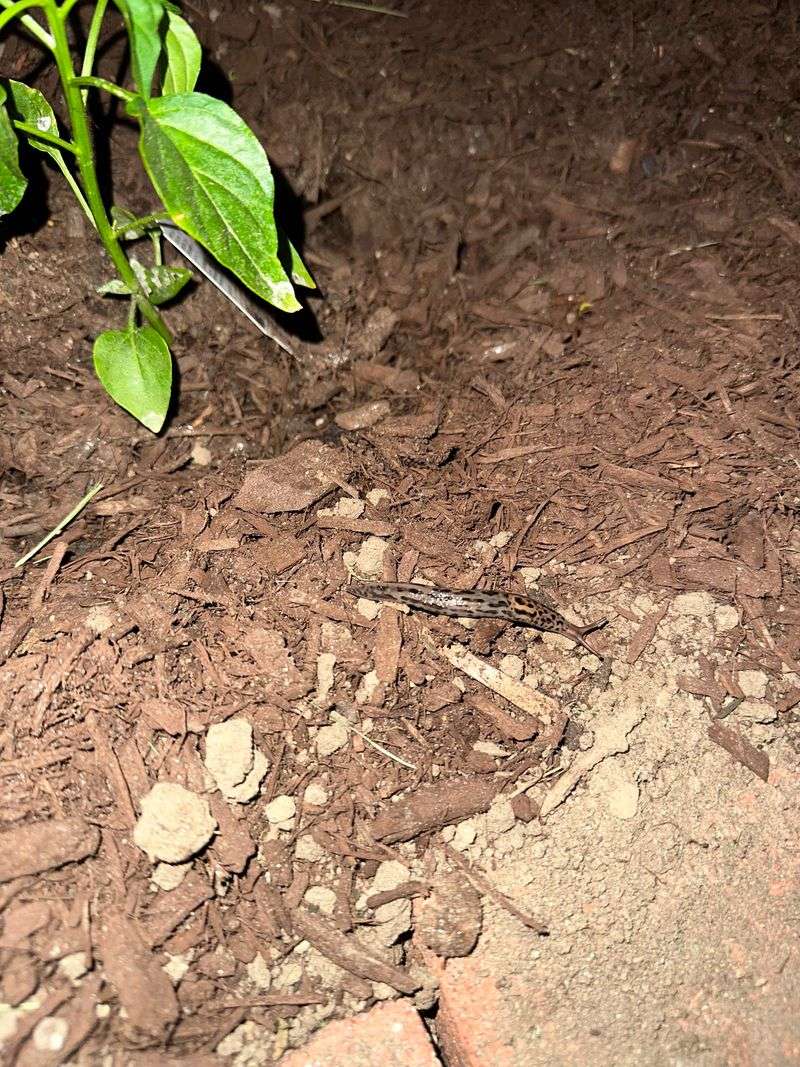
There is nothing a slug loves more than a thick layer of mulch. Gardeners add mulch for all the right reasons, such as keeping soil moist, reducing weeds, and improving soil health.
But heavy mulch also creates a cool, wet tunnel system that slugs use to move around and hide without ever being exposed to sunlight or predators.
Fallen leaves are just as inviting. A pile of wet leaves sitting against your garden bed is basically a slug hotel.
Boards left on the ground work the same way. Anything that holds moisture and blocks light becomes a safe space where slugs can breed and multiply without being bothered.
That does not mean you should stop mulching. It means you should mulch smarter.
Keep mulch layers thinner, around two inches or less. Pull mulch slightly away from plant stems so slugs cannot travel directly from their hiding spot to their food source without crossing open ground.
Your Oregon Garden Changes Every Week. Your Plan Should Too.
Gardening in Oregon changes quickly throughout the season. Every Friday you’ll receive a simple weekly plan showing exactly what to plant, prune, fertilize, harvest, and protect so you never miss the right timing.
Rake up fallen leaves regularly, especially in fall and early spring. Do not let leaf piles sit against fences, raised beds, or garden borders for weeks at a time.
Remove any boards or flat objects that have been on the ground long enough to collect moisture underneath. These simple habits take away the shelter slugs depend on and force them into the open, where they are far less likely to survive.
3. Cool Weather Lets Slugs Rebuild
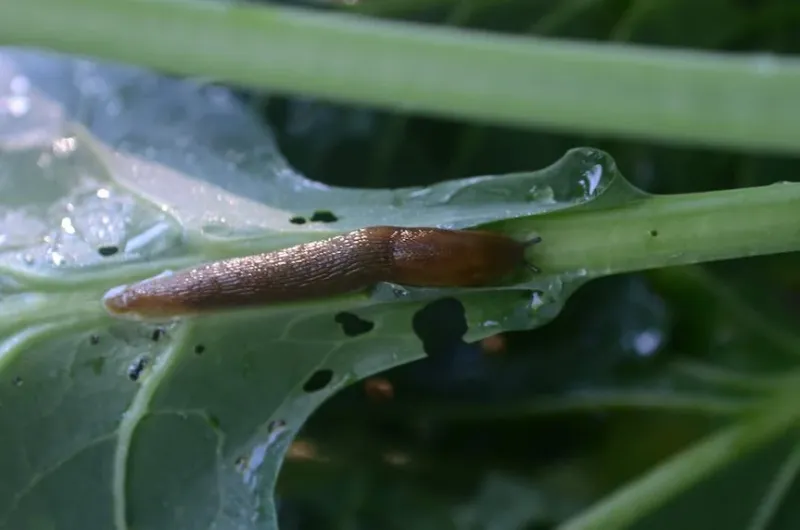
Slugs do not slow down the way many gardeners expect them to during cooler months. In fact, the mild, wet springs and falls common throughout Oregon are prime slug-building seasons.
When temperatures drop but stay above freezing, slugs become very active. They feed heavily, lay eggs, and rebuild their numbers after summer.
Many gardeners make the mistake of relaxing their slug control efforts once summer heat fades. They assume cooler weather means fewer slugs or that the problem will sort itself out before next year.
Unfortunately, the opposite is true. Cool, damp weather is when slugs thrive the most in our climate.
Staying active with your slug management during fall and early spring makes a huge difference. Continue checking for slugs in the evening and early morning during these seasons.
Set out traps, remove debris, and keep garden beds tidy even when the growing season feels like it is winding down.
Slugs that survive and reproduce in fall will hatch out in massive numbers the following spring. Breaking that cycle requires effort during the cooler months, not just during peak growing season.
Think of fall slug control as an investment in next year’s garden. Every slug you manage now is dozens fewer that will show up in spring to chew through your seedlings and tender new growth when your plants are at their most vulnerable.
4. Fall Cleanup Matters More Than Gardeners Think
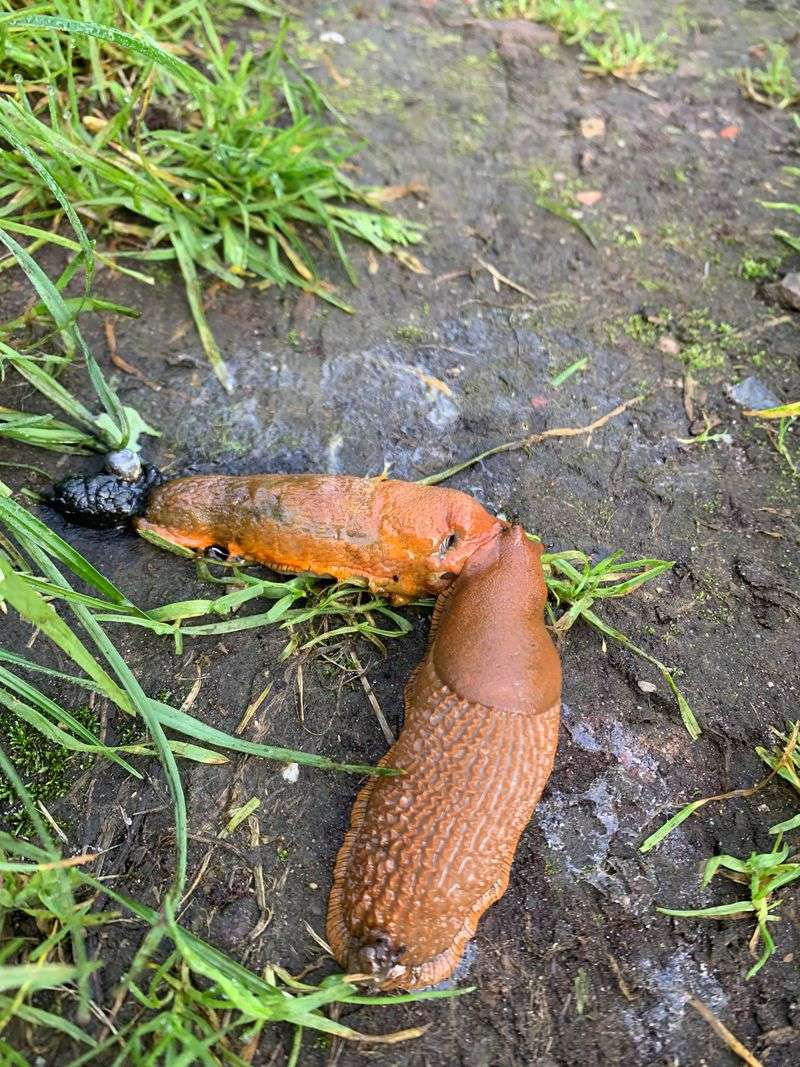
When the growing season ends in Oregon, it is tempting to leave the garden as-is and deal with cleanup in the spring. But skipping fall cleanup is one of the biggest gifts you can give to slugs.
Withered plant material, old stems, and fallen leaves left over winter create a warm, moist shelter where slug eggs and adult slugs can survive the cold months safely.
Fall cleanup is not just about making the garden look tidy. It is about removing the conditions that allow slugs to overwinter successfully.
When you clear away foliage and spent plants, you expose the soil surface to cold air, frost, and drying winds. This makes survival much harder for slugs and their eggs.
Start your fall cleanup as soon as plants begin to go dormant. Pull out annuals, cut back perennials, and remove any plant debris from the soil surface.
Do not leave large piles of material sitting in the garden for weeks. Bag it, compost it in a hot compost pile, or take it to yard waste collection.
Pay special attention to areas around raised beds, fences, and garden borders where debris tends to pile up. These edges are favorite overwintering spots for slugs.
A thorough fall cleanup takes a few hours but pays off in a dramatically smaller slug population the following spring. It is one of the most effective and low-cost slug management strategies available to home gardeners.
5. Eggs Hide Where Soil Stays Moist
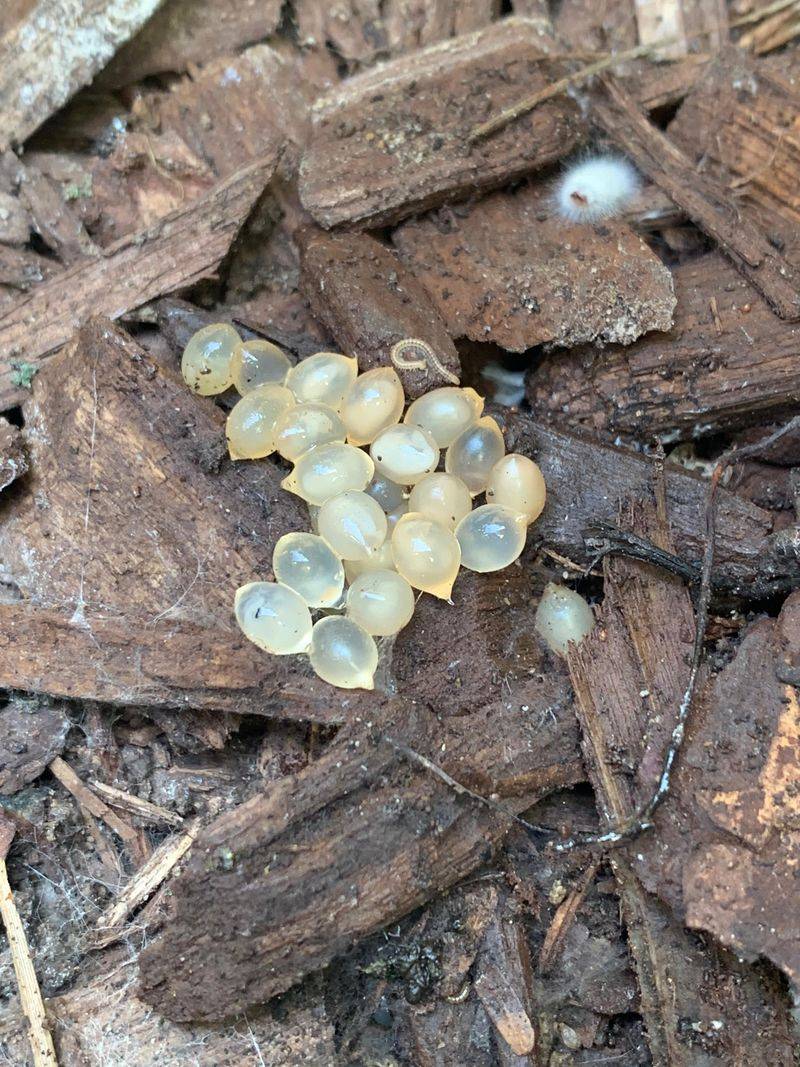
Slug eggs are one of the sneakiest parts of the whole problem. They are tiny, round, and pearly white, often laid in clusters just below the soil surface or tucked under debris.
A single slug can lay dozens of eggs at a time, and those eggs are nearly invisible unless you are specifically looking for them.
Eggs are almost always found in spots where the soil stays consistently moist. Garden beds that never fully dry out, areas under mulch, spots beneath low-growing ground cover, and shaded corners near walls are all common egg-laying sites.
These are exactly the kinds of spots that many gardeners never disturb or inspect.
Turning the soil in early fall and again in early spring is one of the best ways to expose slug eggs.
When eggs are brought to the surface, they dry out quickly or get eaten by birds and other garden visitors. Even a shallow cultivation of two to three inches is enough to disrupt most egg clusters.
After turning the soil, leave it loose and exposed for a few days before replanting or adding mulch. This gives birds extra time to find and eat exposed eggs.
Reducing moisture in problem areas also helps. Fix any drainage issues, avoid overwatering, and let the soil dry slightly between waterings when possible.
Fewer surviving eggs means fewer slugs hatching out in spring, which gives your plants a much better chance at a healthy start.
6. Thick Debris Protects Next Season’s Slugs
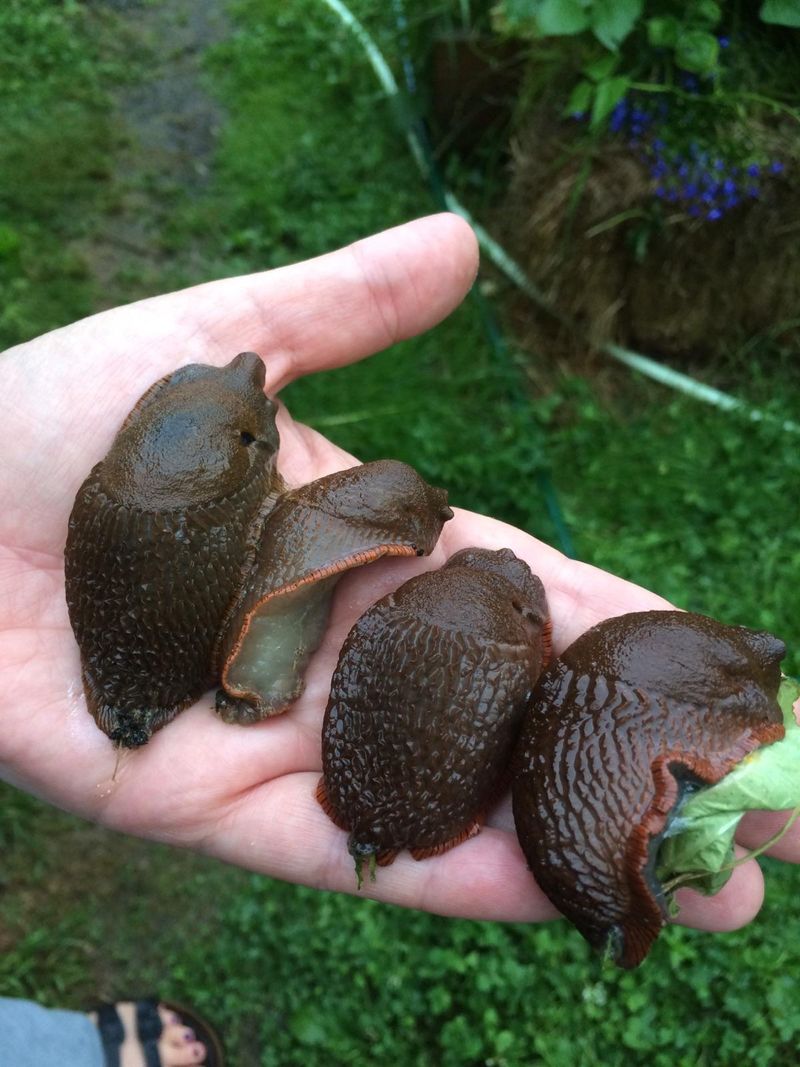
Leaving thick layers of debris in the garden over winter is like tucking slugs in for a cozy nap.
Piles of withered plant material, old straw, and decomposing organic matter hold heat and moisture close to the soil.
Slugs and their eggs nestle into these layers and stay protected from the frost and cold that would otherwise reduce their numbers.
The thicker the debris layer, the better the insulation for overwintering slugs. Gardeners who leave several inches of old material on their beds are essentially helping next year’s slug population get a strong head start.
By the time spring arrives to Oregon, those slugs are already active, well-fed, and ready to reproduce again.
Reducing debris thickness is a straightforward fix with a big payoff. After clearing out plants in fall, avoid piling up thick layers of unprocessed material directly on garden beds.
If you use a winter mulch for frost protection, choose a finer material and keep the layer as thin as practical for your climate needs.
Consider using row covers or cold frames instead of heavy mulch for protecting sensitive plants in winter. These options provide frost protection without creating ideal slug habitat.
Removing debris in early spring, before soil temperatures warm up, also helps disrupt slugs before they become active.
Getting ahead of the season by just a week or two can significantly reduce the number of slugs that survive to feed on your first plantings of the year.
7. Traps Only Work If You Empty Them
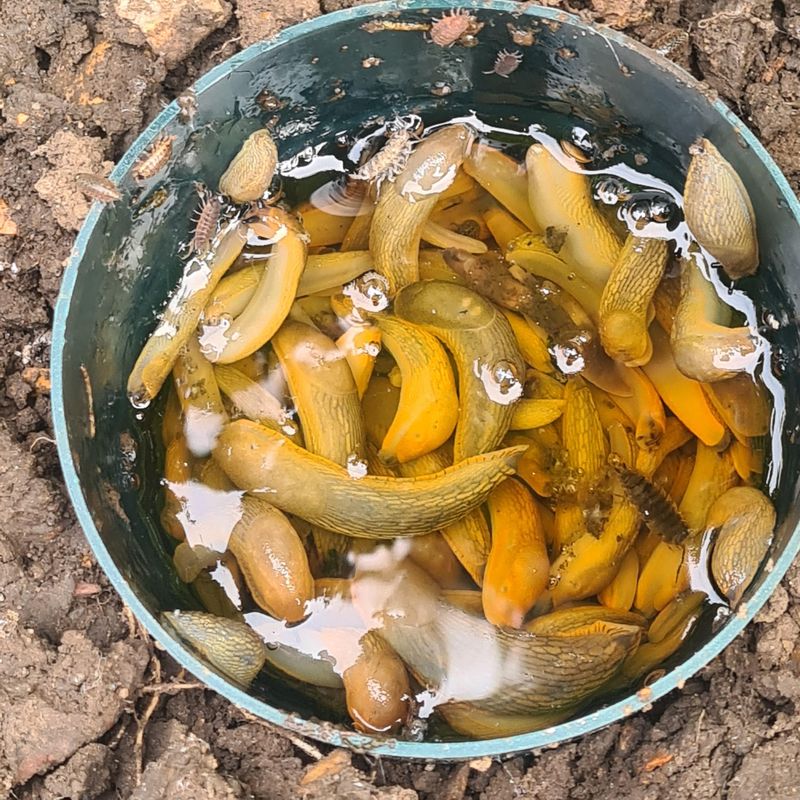
Yeast traps are a popular and genuinely effective tool for catching slugs. Gardeners sink small containers into the soil, fill them with a yeast-and-water mix, and slugs are attracted to the smell and fall in.
It sounds simple, and it works, but only if the traps are maintained properly and consistently.
The most common mistake with traps is not emptying them often enough. A trap that fills up with slugs and liquid stops working.
New slugs will not enter a trap that is already full or has gone stale. Worse, a neglected trap can actually become a damp, sheltered spot that attracts more slugs to that area of the garden.
Check and empty traps every one to two days during active slug season. Refill them with fresh bait each time.
Keep traps evenly spaced throughout the garden rather than clustering them all in one spot. More coverage means more slugs intercepted before they reach your plants.
Position traps at soil level so slugs can easily enter. Place them near plants that slugs target most, such as hostas, lettuce, and young seedlings.
During rainy stretches, check traps more frequently since rain dilutes the bait and fills containers faster. Used consistently and maintained well, traps can make a noticeable dent in your slug population.
But a forgotten trap is a wasted opportunity, and in a wet season, those opportunities add up quickly.
8. Morning Checks Catch Slugs In Hiding
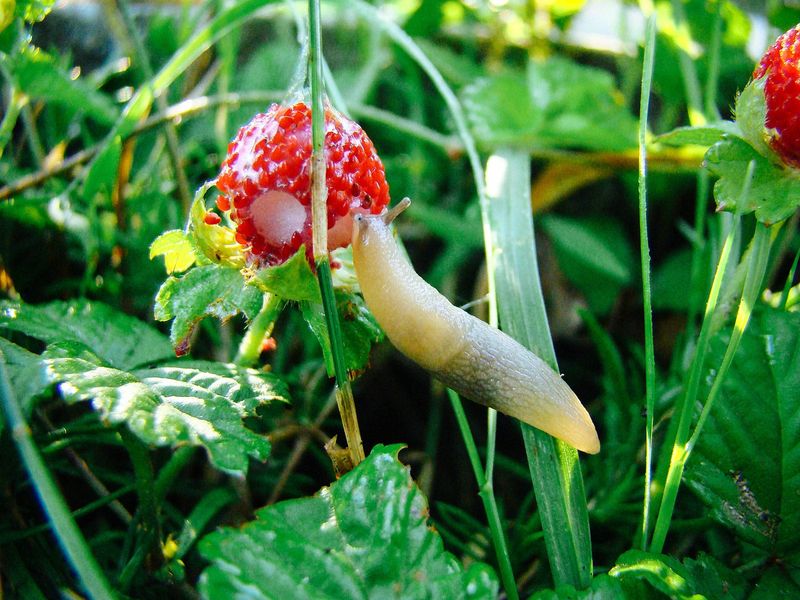
Timing your slug checks makes a surprisingly big difference. Most Oregon gardeners do a quick walk-through during the day, when slugs are already deep in hiding.
Slugs are nocturnal, meaning they come out to feed at night and retreat to cool, dark hiding spots just before daylight. By midday, they are almost impossible to find.
Early morning is the sweet spot for catching slugs before they fully disappear. In the hour just after sunrise, many slugs are still on the move or just beginning to tuck themselves away.
Checking under leaves, around plant bases, and beneath any flat objects at this time will turn up far more slugs than a midday inspection ever would.
Carry a container of soapy water with you on your morning rounds. Drop any slugs you find directly into the container.
This is a quick, chemical-free way to remove slugs from your garden without any special products. It takes only a few minutes each morning and adds up to real results over a season.
Evening checks work well too, especially on overcast or rainy nights when slugs are most active. Use a flashlight and walk your garden beds about an hour after dark.
You will likely find more slugs out in the open than you ever expected. Combining morning and evening checks with good garden hygiene creates a consistent pressure on slug populations that makes it much harder for them to rebuild season after season.