These Native Oregon Ferns Thrive In Shady Yards When Planted In Spring
Shady yards have a reputation for being the hard part of Oregon gardening. The spots under trees, along north-facing fences, beside the house where sunlight barely reaches.
Most plants sulk in those conditions or give up entirely. Native ferns do the opposite. They were made for exactly this, and spring is when they hit the ground with the most momentum.
Oregon’s native ferns have been thriving in low-light conditions for thousands of years without any help from gardeners.
That history shows. They establish reliably, spread at a satisfying pace, and turn problem areas into some of the most lush and visually interesting corners of the yard.
There’s also something deeply fitting about growing plants that actually belong to this landscape. They look at home here because they are, and that sense of place is something no imported shade plant can quite replicate.
1. Western Sword Fern
Ask any Oregon gardener which native fern is the most reliable, and the Western Sword Fern will almost always come up first. This plant is a true Pacific Northwest classic.
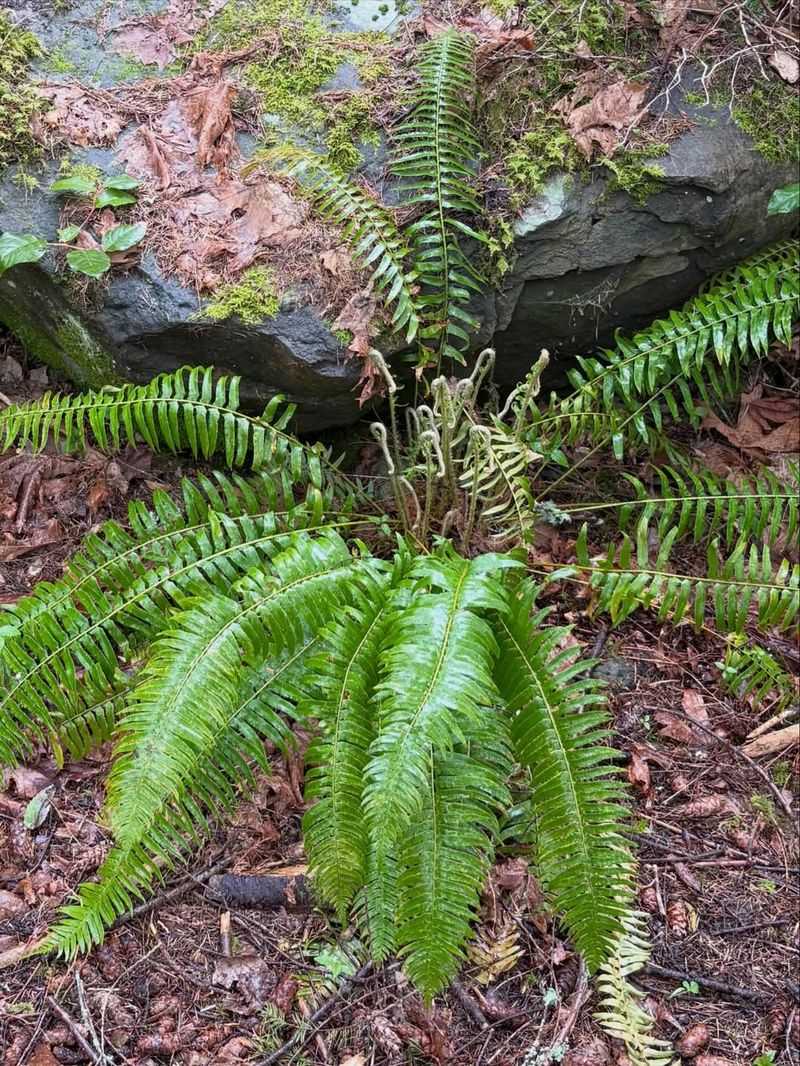
Its bold, arching fronds can grow up to four feet long, creating a dramatic, full look in shady spots.
Polystichum munitum, its scientific name, is found naturally throughout western Oregon in dense forests and along shaded hillsides. It grows in thick clumps that get bigger and more impressive every year.
The deep green color stays vibrant even through Oregon’s gray winters, making it one of the few plants that looks good year-round.
Planting it in spring gives the roots time to establish before summer heat arrives. It prefers well-drained, slightly acidic soil rich in organic matter.
Adding a layer of compost when planting really helps. Once settled in, it needs very little water or attention.
It handles dry shade better than most ferns, which makes it incredibly useful under large trees where moisture is hard to come by. This fern also provides shelter for birds and small wildlife.
It truly earns its place as a garden staple across Oregon.
2. Deer Fern
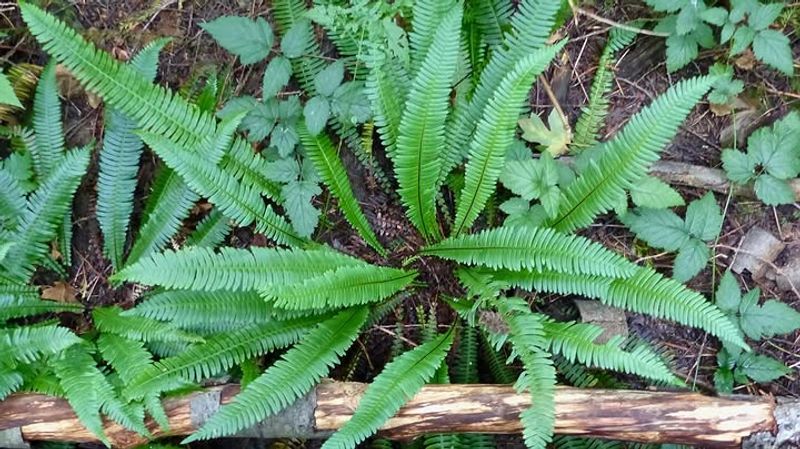
There is something quietly elegant about the Deer Fern. Unlike many ferns that all look the same, this one has two distinct types of fronds growing from the same plant.
The outer fronds spread low and flat, while the inner fertile fronds stand tall and narrow in the center.
Blechnum spicant is its scientific name, and it grows naturally in moist, shaded forests throughout western Oregon. It loves the kind of cool, humid conditions found near streams and in dense woodlands.
Spring planting works especially well because the plant can soak up moisture as the season progresses.
This fern prefers consistently moist, acidic soil with good drainage. It does not like to dry out, so placing it in a spot that retains some moisture is key.
Adding leaf mulch around the base helps keep the roots cool and damp. It grows slowly but steadily, eventually forming a neat, attractive clump.
The evergreen fronds stay green all year in Oregon’s mild coastal and valley climates. Deer Fern pairs beautifully with mosses and shade-loving wildflowers, creating a layered, natural woodland look.
Your Oregon Garden Changes Every Week. Your Plan Should Too.
Gardening in Oregon changes quickly throughout the season. Every Friday you’ll receive a simple weekly plan showing exactly what to plant, prune, fertilize, harvest, and protect so you never miss the right timing.
It is an excellent choice for rain gardens or low spots in shaded yards.
3. Licorice Fern
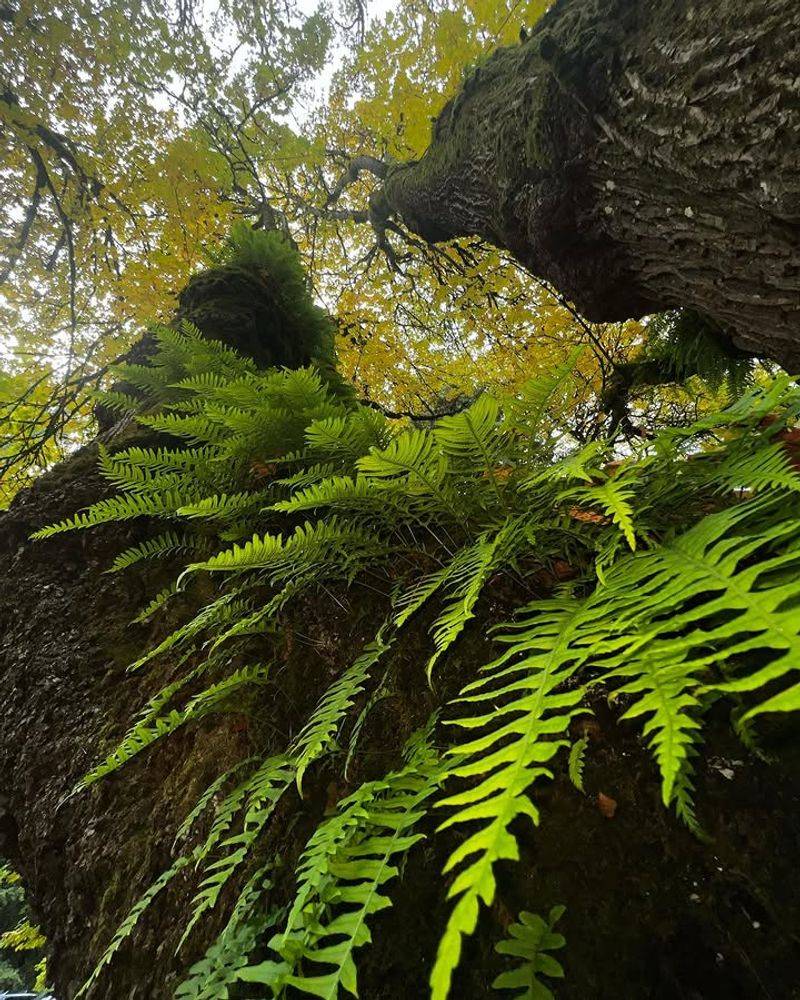
Few plants are as surprising and charming as the Licorice Fern. It gets its name from the sweet, licorice-like scent of its roots, which Native peoples in Oregon historically chewed for their flavor.
That fun little detail alone makes it a great conversation starter in any garden.
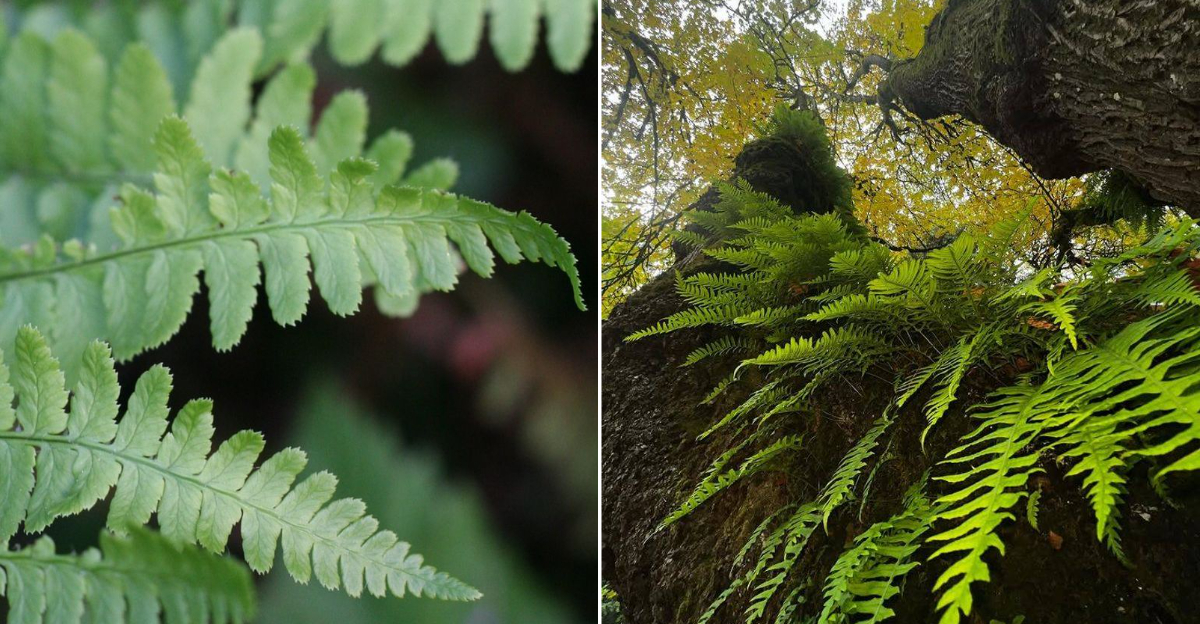
Polypodium glycyrrhiza thrives in a way most ferns do not. It actually loves to grow on mossy rocks, fallen logs, and even the bark of big-leaf maple trees.
In shaded Oregon yards, it can creep across stone walls or root itself into gaps between rocks, giving your garden a wild, ancient look.
Planting it in spring in moist, humus-rich soil gets it off to a strong start. It prefers partial to full shade and does not like hot, dry conditions.
One quirky trait is that it goes dormant in summer when conditions get too dry, then bounces back to life in fall when the rains return. This makes it perfectly timed for Oregon’s wet season.
It stays evergreen through winter, providing color when little else is growing. For anyone wanting a truly unique and low-effort native fern, this one delivers charm and character in every frond.
4. Lady Fern
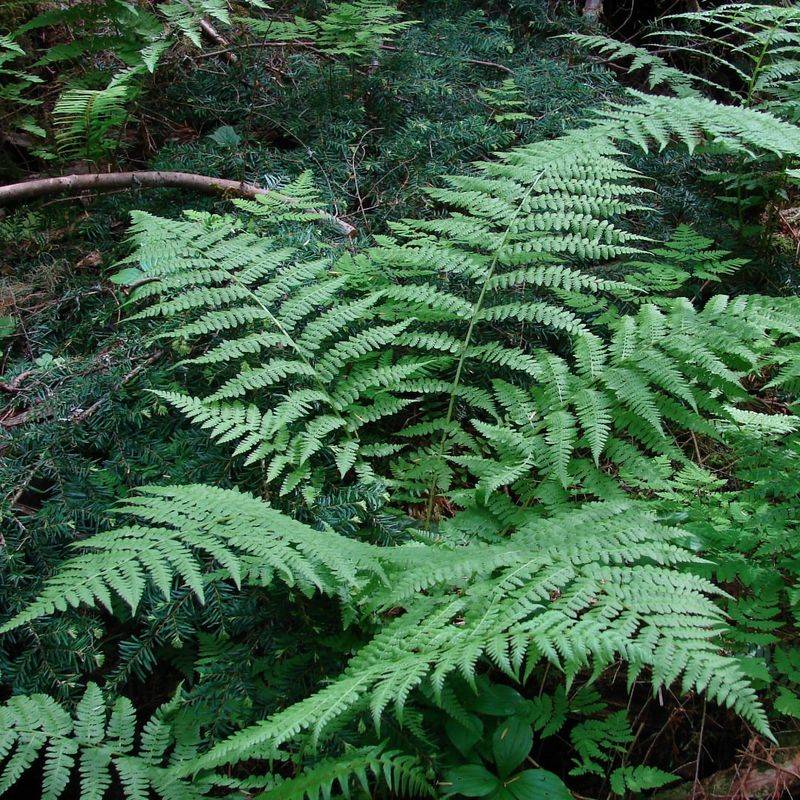
Graceful and feathery, the Lady Fern is one of the most visually striking native ferns you can grow in Oregon. Its fronds are finely divided and bright green, creating a soft, airy texture that looks almost delicate.
But do not let that fool you. This plant is surprisingly tough.
Athyrium filix-femina grows naturally in moist forests, stream banks, and shaded meadows across Oregon. It can reach up to five feet tall under ideal conditions, making it one of the larger native ferns available.
Planted in spring, it establishes quickly and fills out beautifully by summer.
It prefers rich, consistently moist soil and thrives in deep to partial shade. Adding compost to the planting hole gives it a strong boost.
Unlike some ferns, Lady Fern is deciduous, meaning the fronds turn golden in fall and fade back in winter. New fronds emerge fresh and bright each spring, which makes the seasonal cycle genuinely exciting to watch.
It works wonderfully along stream edges, in rain gardens, or in any low-lying shaded area in an Oregon yard. Wildlife also benefits from this fern.
Insects use it for shelter, and birds nest nearby in the thick clumps it forms over time. It is a true garden workhorse.
5. Five-Finger Maidenhair Fern
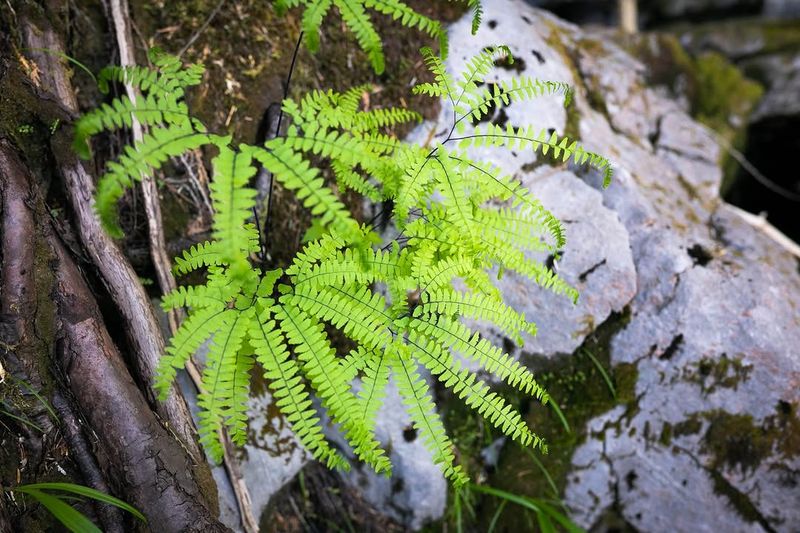
There is no other fern quite like the Five-Finger Maidenhair. Its fan-shaped leaflets sit atop thin, shiny black stems that look almost like they were drawn by hand.
The whole plant has a delicate, artistic quality that makes it stand out in any shaded garden setting.
Adiantum aleuticum is its scientific name, and it grows naturally on rocky slopes, near waterfalls, and in moist forest clearings throughout Oregon. The name comes from the five-fingered shape of each frond, which spreads outward like an open hand.
It is a plant that genuinely stops people in their tracks.
Spring planting is ideal because this fern needs time to settle its roots before the heat of summer. It prefers moist, well-drained soil with a slightly alkaline to neutral pH, which is a bit different from most other Oregon ferns.
Adding a little lime to overly acidic soil can help. It grows best in partial to full shade and appreciates consistent moisture.
Avoid planting it in spots with heavy foot traffic since the stems are fragile. Once established, it spreads slowly into beautiful, flowing clusters.
It pairs especially well with mosses and ferns with darker, bolder foliage. For Oregon gardeners who want something truly eye-catching, this fern delivers every single time.
6. Coastal Wood Fern
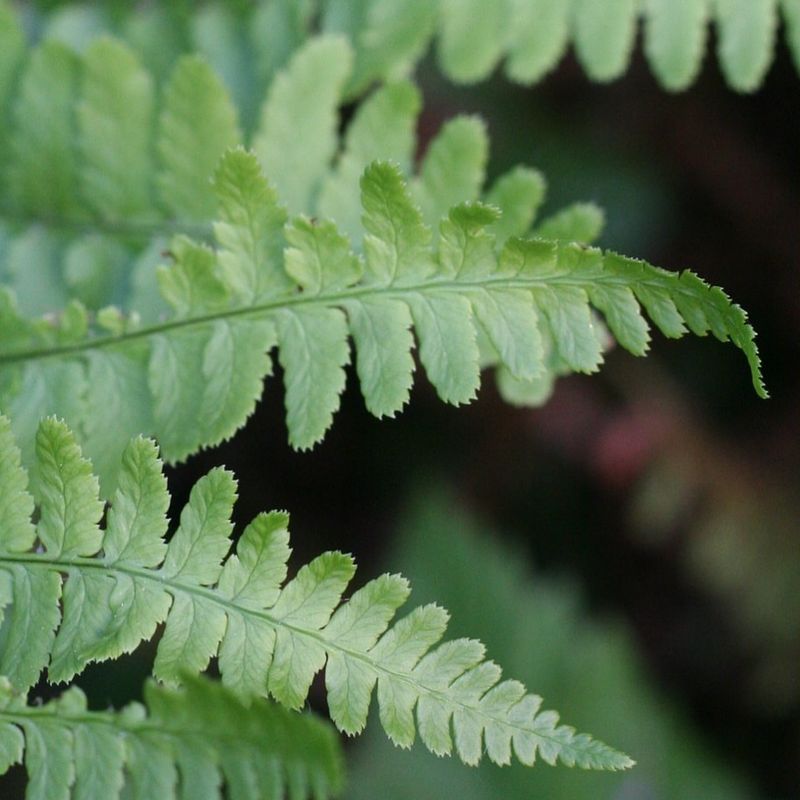
Along the Oregon coast, the weather can be tough. Heavy rain, strong winds, and salty air make gardening a real challenge.
The Coastal Wood Fern handles all of that without missing a beat, making it one of the most practical choices for gardeners in western Oregon.
Dryopteris arguta is a sturdy, semi-evergreen fern with leathery, dark green fronds that hold up well in exposed or windy shaded spots. It grows naturally in coastal scrub, oak woodlands, and forested hillsides across the region.
Its thick fronds are more resistant to wind damage than the lacy, delicate types.
Planting in spring allows this fern to root deeply before the wet Oregon winters arrive. It prefers well-drained soil and tolerates drier conditions better than many of its relatives.
Full shade to partial shade suits it best. Once established, it is remarkably self-sufficient and needs very little maintenance.
It forms upright, vase-shaped clumps that reach about two to three feet tall, fitting neatly into garden borders or naturalized areas. This fern also pairs nicely with native shrubs like salal and Oregon grape.
For coastal Oregon homeowners who want a reliable, attractive fern that handles tough conditions without much fuss, this is a top contender that rarely disappoints season after season.
7. Spreading Wood Fern
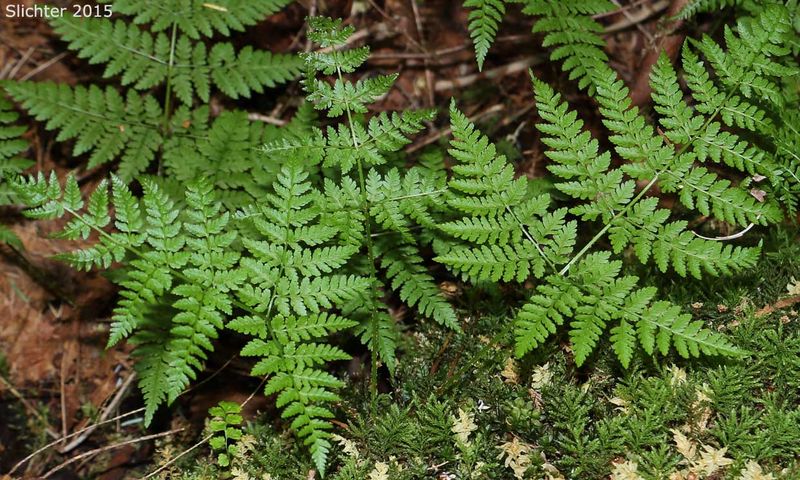
Some ferns sit neatly in one spot. The Spreading Wood Fern has bigger plans.
True to its name, it gradually spreads outward, filling shaded areas with lush, overlapping fronds that create a dense, carpet-like ground cover effect over time. It is a natural space-filler in the best possible way.
Dryopteris expansa grows throughout moist, shaded forests in Oregon, especially at higher elevations and along the western slopes of the Cascades. Its fronds are finely divided and bright green, giving it a softer appearance than some of the tougher wood ferns.
It can reach two to three feet in height and spreads gradually through underground rhizomes.
Spring is the perfect time to plant it because the cool, moist soil helps the rhizomes spread and establish. It thrives in rich, humus-heavy soil with consistent moisture and prefers deep to partial shade.
It does not handle drought well, so keeping the soil evenly moist during the first growing season is important. Mulching with bark or leaf litter really helps retain that moisture.
Over a few years, a single plant can fill a surprisingly large area, making it cost-effective for covering ground under trees or along shaded fence lines. Oregon gardeners looking for a fern that does the work of spreading on its own will love this one.
8. Oak Fern
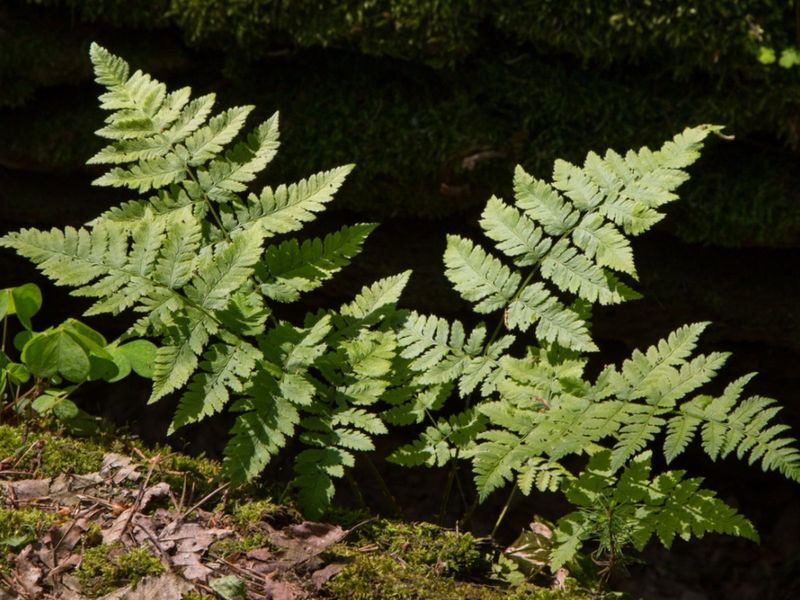
Tiny but perfectly formed, the Oak Fern is one of those plants that makes you stop and look more closely. Each frond is divided into three equal triangular sections, giving it a symmetrical, geometric beauty that feels almost too precise to be natural.
It is small in size but big on charm.
Gymnocarpium dryopteris grows in cool, shaded forests and along rocky slopes throughout Oregon, especially in the Cascade Range. It spreads through slender underground rhizomes, forming a low, delicate carpet of green that looks stunning under tall trees.
The fronds hover just above the ground on thin, wiry stems.
Planting in spring gives it a head start before the forest canopy fills in and reduces light. It prefers cool, moist, acidic soil rich in organic matter and needs consistent shade to perform its best.
It does not tolerate heat or direct sun well at all. Keeping the soil moist and adding a layer of leaf mulch mimics its natural forest floor habitat perfectly.
This fern is ideal for small spaces or as an underplanting beneath larger ferns and native shrubs. It grows slowly, so patience is rewarded with a beautifully natural-looking ground cover.
Oregon gardeners with cool, moist, deeply shaded spots will find this fern a genuine treasure worth every bit of care.
9. Giant Chain Fern
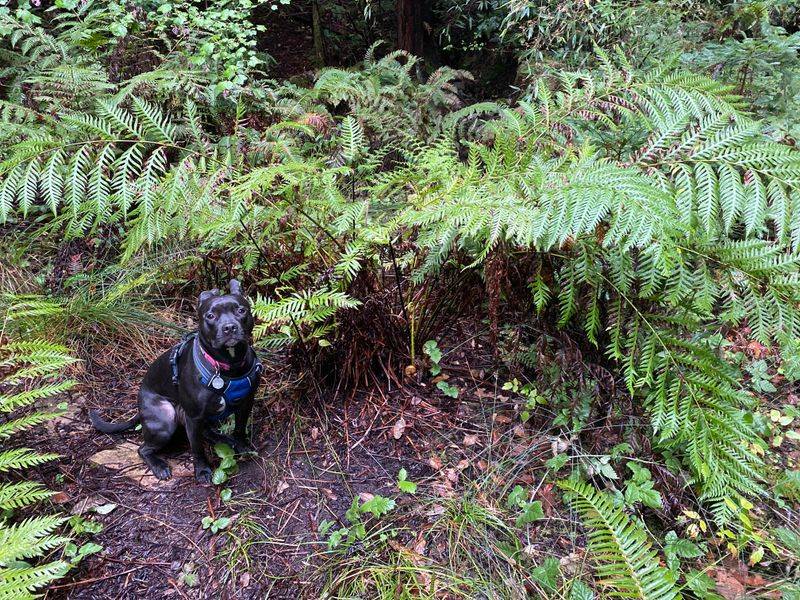
When people say they want a dramatic fern, the Giant Chain Fern is the answer. This is the largest native fern in Oregon, and it earns that title with fronds that can stretch up to nine feet long in ideal conditions.
Planted in a shaded yard, it creates an instant, bold statement that looks like something out of a prehistoric forest.
Woodwardia fimbriata grows naturally along stream banks, in boggy areas, and in deeply shaded, moist forests throughout western Oregon. It forms massive, upright clumps with long, arching fronds that have a chain-like pattern of spore cases on the underside, which is where the name comes from.
The fronds are leathery and dark green.
Spring planting is strongly recommended because this fern needs a full growing season to get its roots established. It requires consistently moist to wet soil and thrives in full to partial shade.
It does not handle drought well and will struggle in dry, sandy soils. Rich, humus-heavy soil near a water feature or low-lying wet area suits it perfectly.
Once established, it is a long-lived, low-maintenance plant that grows more impressive with each passing year. It provides excellent shelter for birds, amphibians, and insects.
Oregon gardeners with wet, shaded areas often say this fern completely transforms those spaces into something truly spectacular.
10. Parsley Fern
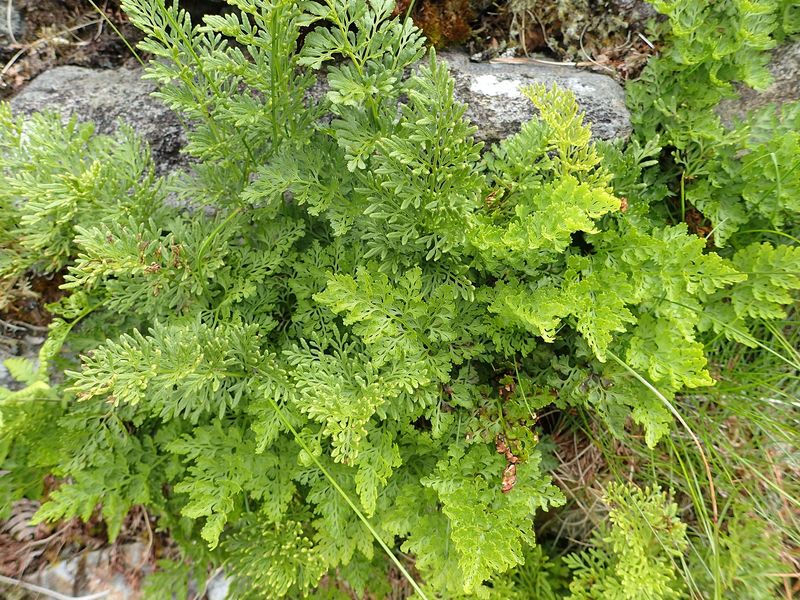
Named for its resemblance to the herb you find in a kitchen garden, the Parsley Fern is a quirky and endearing native plant that brings something truly different to Oregon gardens. Its finely divided, bright green fronds really do look like oversized curly parsley, and that unusual appearance makes it a fun and unexpected addition to shaded spaces.
Cryptogramma acrostichoides grows naturally on rocky slopes, talus fields, and mountain cliffs throughout Oregon, especially in the Cascades and coastal ranges. It is a tough little fern adapted to thin, rocky soils and exposed, high-elevation conditions.
In garden settings, it works beautifully in rock gardens or along stone walls where other plants struggle.
Planting in spring gives it time to settle into its rocky environment before winter. It prefers well-drained, gritty soil and partial to full shade.
Good drainage is absolutely critical because it does not tolerate waterlogged conditions at all. Unlike many ferns, it actually prefers a leaner, less fertile soil that mimics its rocky natural habitat.
Avoid over-fertilizing, which can cause soft, weak growth. It grows in small clumps and stays relatively compact, reaching about six to twelve inches tall.
For Oregon gardeners with rocky, shaded slopes or raised stone beds, this fern fills a niche that few other plants can match, and its herby appearance always draws curious questions from visitors.