Oregon Yard Habits That Attract Barn Owls And What That Does To The Rodent Population In Your Yard
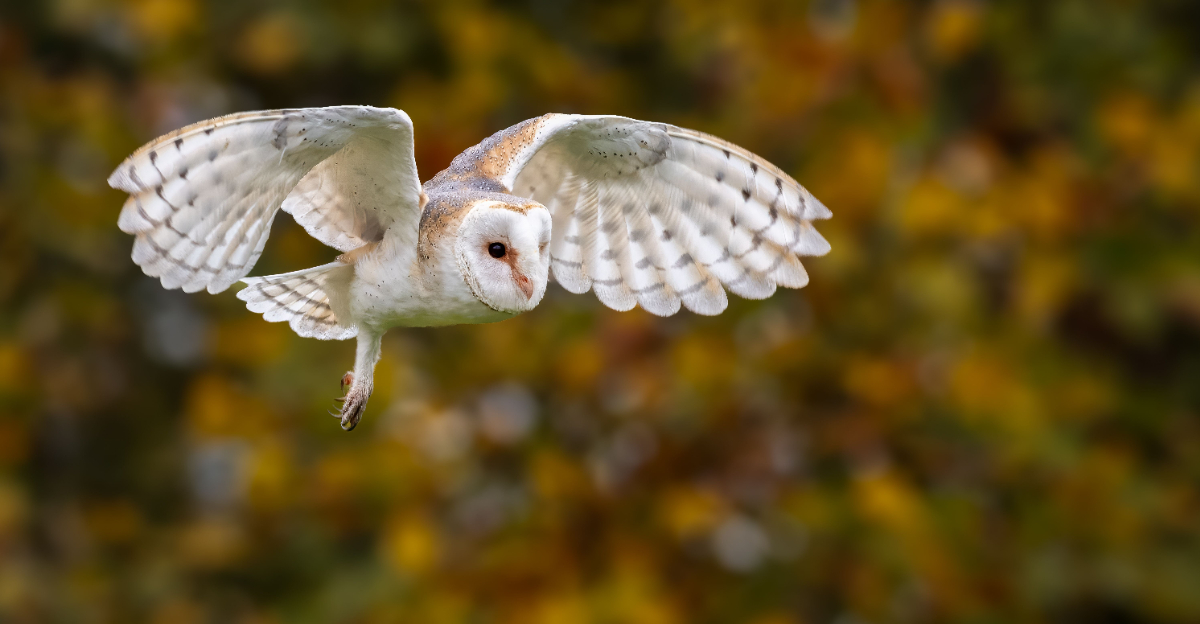
Barn owls do not show up in Oregon yards for the vibes alone, though the vibes certainly help. They are looking for hunting space, shelter, and a steady supply of small rodents.
If your yard has the right setup, it may become a much more interesting stop on their nightly route. That can be great news if mice or voles have been acting way too comfortable.
Barn owls are skilled hunters, and their presence can help put pressure on local rodent activity. Still, attracting them is not about tossing out bait or turning your yard into a wildlife free-for-all.
The goal is a safer habitat that supports owls without creating new problems. With the right habits, your yard can feel more balanced, more alive, and a lot less welcoming to tiny furry freeloaders.
1. Skip Rodenticides That Poison The Food Chain
Most people reach for rodent poison the moment they spot a mouse trail near the garden shed. It feels like the fastest fix.
But here is what most product labels never mention: when a rodent eats that poison and staggers around slowly, it becomes very easy prey for a barn owl.
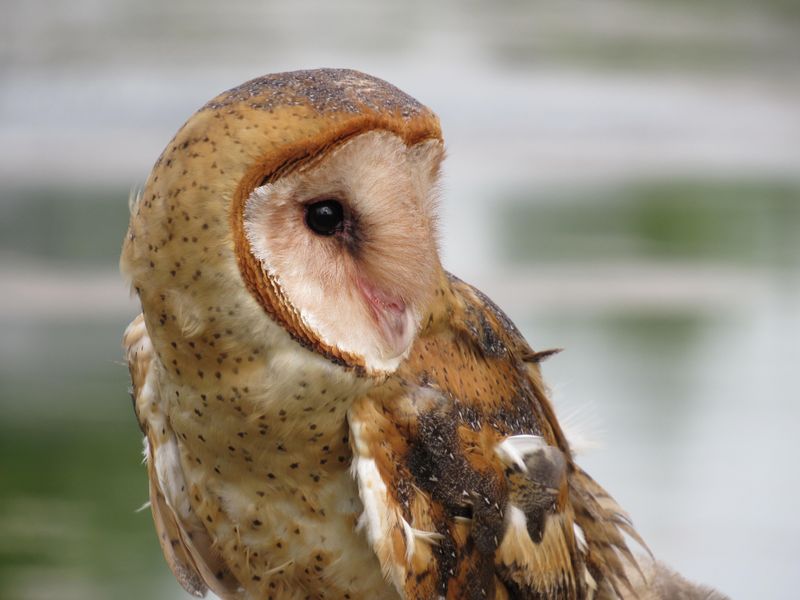
The owl swoops down, grabs the poisoned rodent, and swallows it whole. That poison does not vanish inside the rodent.
It transfers directly into the owl. This process is called secondary poisoning, and it has caused serious population drops in barn owls across Oregon.
When you stop using rodenticides, something surprising happens fairly quickly. Barn owls begin to trust your yard as a safe hunting zone.
They return night after night because the prey is healthy and the food chain is clean. A single barn owl family can catch over 1,000 rodents in one nesting season.
That number is not an exaggeration. Researchers studying barn owl behavior in Pacific Northwest farmlands have confirmed these figures.
Skipping rodent poison does not mean giving up on rodent control. It means switching to a method that works around the clock without any effort from you.
Sticky traps and snap traps near entry points can handle acute problems. But letting barn owls handle the open yard and field edges is far more effective long term.
Clean food chains mean more owls, and more owls means far fewer rodents.
2. Leave Some Open Ground For Hunting
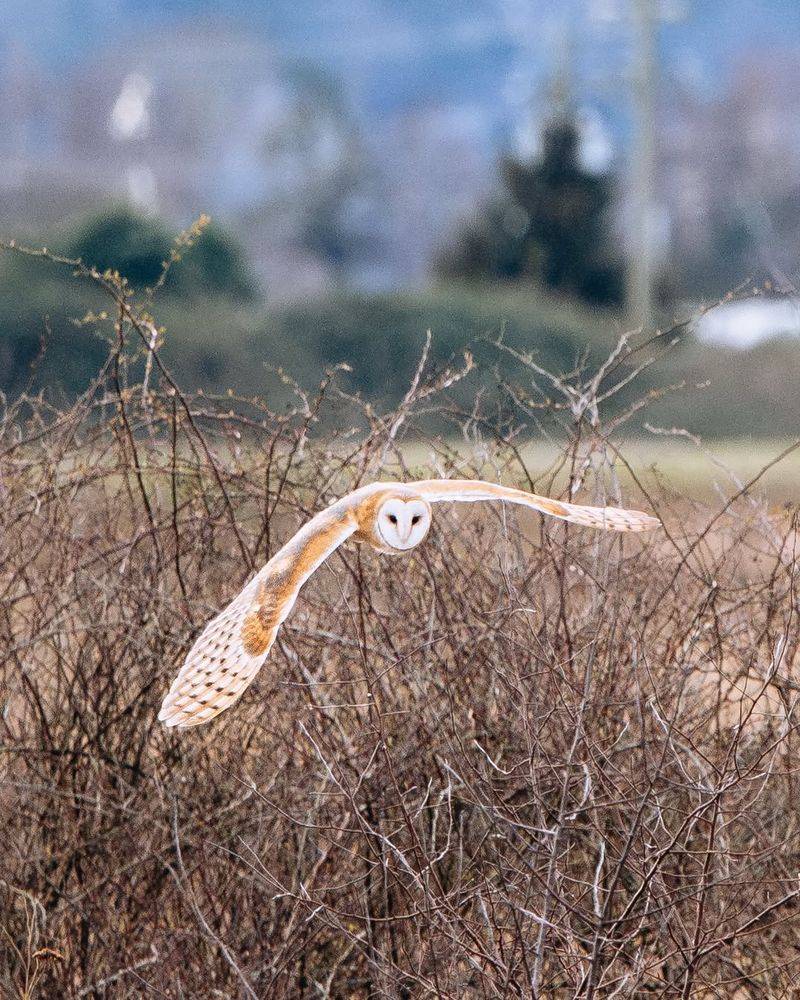
Barn owls do not hunt in thick brush or dense shrubs. They need open space to fly low and fast across the ground.
That low gliding flight is how they detect the tiny sounds and movements of rodents hiding in the grass below.
If your entire yard is packed with raised beds, dense ground cover, and tight shrubs, there is nowhere for a barn owl to work. The bird will simply fly over and move on to a neighbor’s property that offers better access to prey.
Keeping at least one section of your yard open and low-cut gives barn owls a clear runway. Mow a strip along the fence line or near the garden perimeter.
Keep that strip short and free of clutter. Rodents still travel through these areas, but they lose their cover and become visible targets.
Your Oregon Garden Changes Every Week. Your Plan Should Too.
Gardening in Oregon changes quickly throughout the season. Every Friday you’ll receive a simple weekly plan showing exactly what to plant, prune, fertilize, harvest, and protect so you never miss the right timing.
In Oregon, many properties mix lawn with natural areas, and that combination works well. The contrast between open grass and taller edges actually concentrates rodent movement into predictable zones.
Barn owls learn these patterns fast.
Once a barn owl figures out where rodents cross your yard regularly, it will return to that same spot repeatedly. Open ground is not wasted space.
It is a hunting lane that works for you every single night. Fewer rodents crossing that strip means less damage to your garden, less burrowing near foundations, and fewer unwanted guests overall.
3. Keep Rough Grass At The Yard Edge
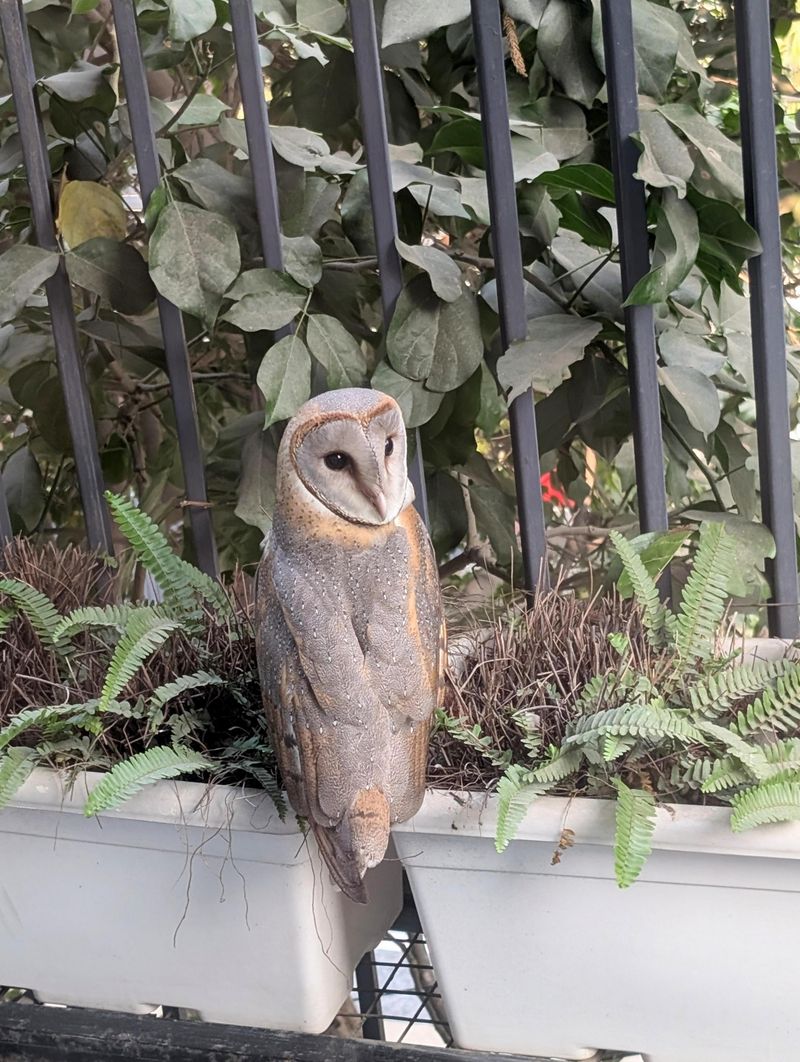
Not everything in your yard needs to be perfectly manicured. Leaving a rough, slightly wild strip of grass along the edges of your property does something really useful.
It creates a natural corridor where voles, mice, and shrews love to travel.
These small rodents feel safe moving through tall grass because it hides them from above. What they do not realize is that a barn owl’s hearing is so precise it can locate a mouse under six inches of grass and snow.
The rough edge does not protect the rodents. It just concentrates them in one predictable place.
For you, that is great news. When rodents funnel into the yard edge, barn owls know exactly where to patrol.
You will often see these birds hovering or perching near rough grass margins before making a strike. That behavior is a sign your yard is working as a natural hunting ground.
Oregon native grasses like tufted hairgrass and red fescue grow naturally along fence lines and property edges. Letting these grasses grow a little taller in fall and winter costs nothing and requires no extra effort.
Just skip the final mow of the season along those strips.
Rodent populations that build up along these edges rarely stay contained. They push toward sheds, garages, and homes.
Barn owls hunting those margins every night keep that pressure from building up. It is a low-effort habit with a measurable payoff.
4. Install Nest Boxes Only In The Right Place
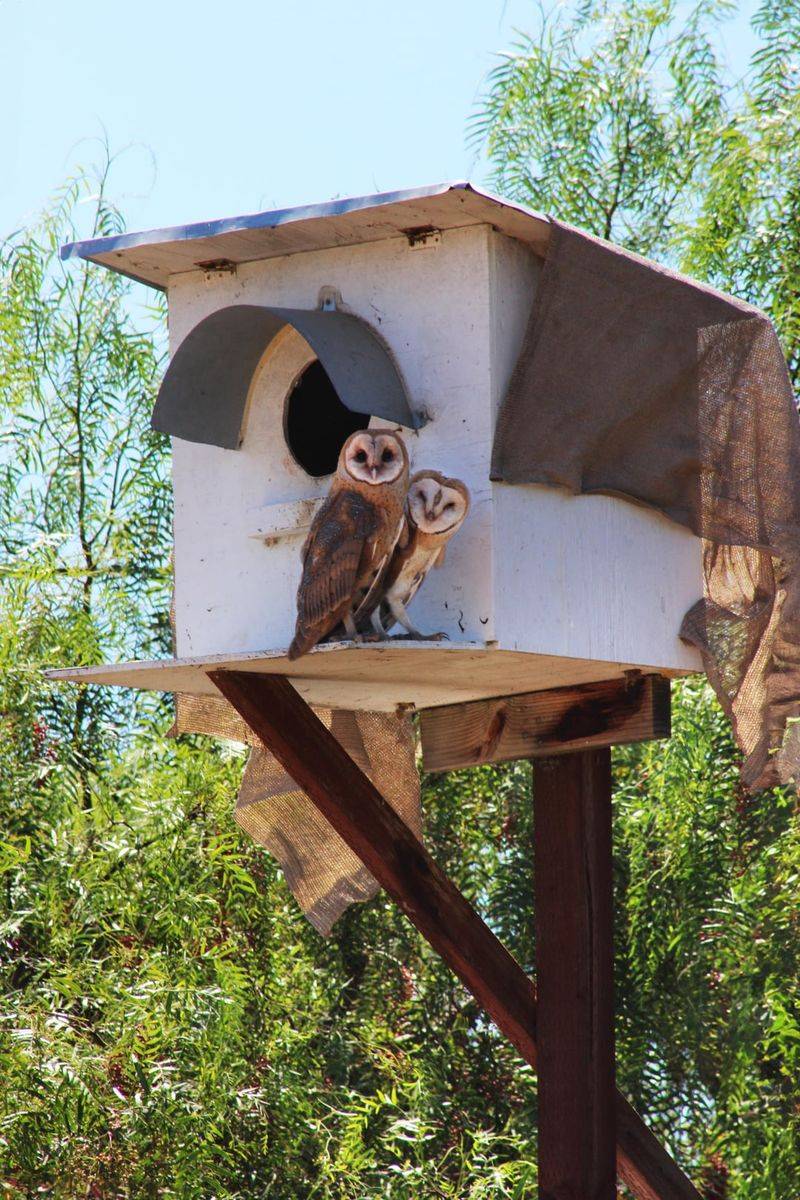
Putting up a barn owl nest box is one of the most direct ways to invite these birds onto your property. But placement matters more than most people expect.
A box in the wrong spot will sit empty for years while a well-placed one gets claimed within a single season.
Barn owls need a clear flight path to and from the box entrance. Mount the box at least ten to fifteen feet off the ground on a sturdy post or the side of a barn.
Avoid mounting it on trees where branches block the entrance or where squirrels can easily reach it.
Face the entrance away from the prevailing wind and rain. In Oregon, that typically means facing the box toward the south or southeast.
Barn owls do not build nests inside, so you do not need to add nesting material. A clean, dry box with the right dimensions is all they need.
The standard interior size for a barn owl box is roughly twelve by sixteen inches with a four-inch entrance hole. You can find plans online or purchase pre-built boxes from wildlife supply stores.
Once a pair moves in, they can raise two clutches of chicks per year in good conditions.
Each clutch can include four to seven owlets. That family unit will hunt your property intensely all season.
Studies from agricultural areas in our state show that farms with active nest boxes see rodent populations drop noticeably within one full season. Placement is the key that unlocks all of that.
5. Give Owls A Quiet Route To Hunt
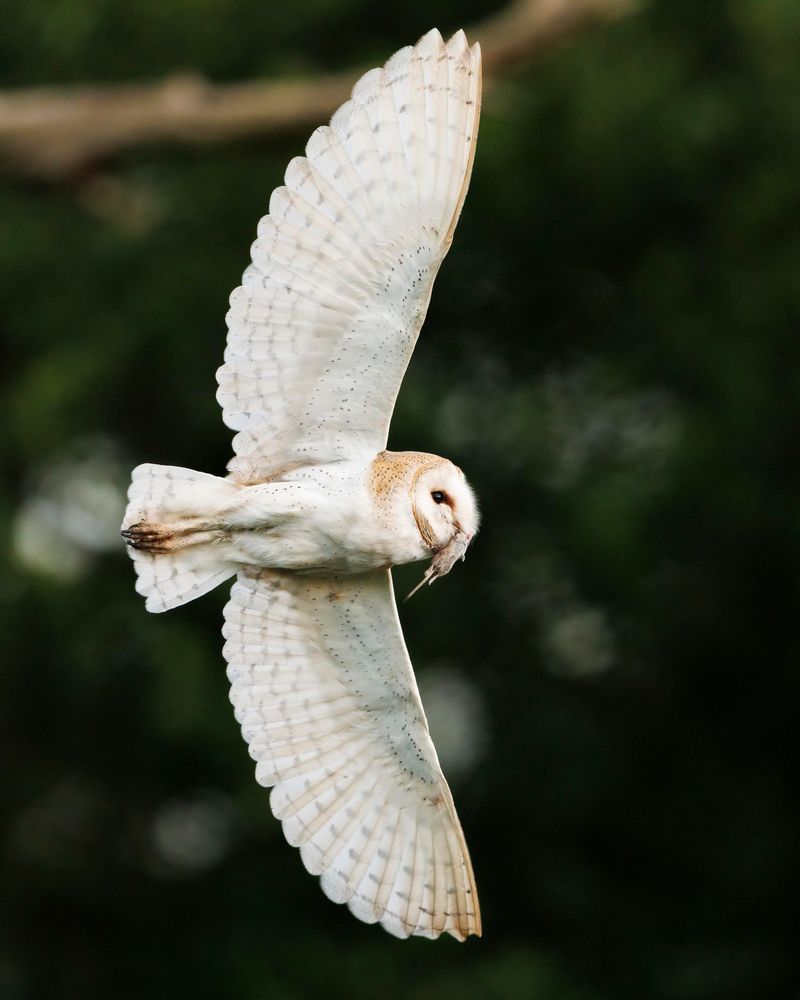
Barn owls are creatures of habit. They prefer to use the same flight paths night after night when hunting.
These routes usually follow tree lines, hedgerows, fence lines, or the edges between open lawn and taller vegetation.
If your yard has constant noise, foot traffic, or unpredictable disturbances at night, barn owls will avoid it. They are not aggressive birds, and they do not adapt well to chaos.
A yard that feels safe and predictable is a yard they will return to consistently.
You can help by keeping nighttime activity near owl hunting zones to a minimum. Do not run loud equipment after dark near field edges.
Avoid letting dogs roam the yard perimeter unsupervised at night. Even motion-activated sprinklers placed in hunting corridors can disrupt owl behavior over time.
Think of it like creating a quiet highway through your property. Trees and tall shrubs on one side, open ground on the other, and nothing in between to startle or redirect the owl mid-hunt.
Once a barn owl identifies that corridor as reliable, it will use it every single night.
Rodents along that corridor face intense pressure. Barn owls can hear a mouse heartbeat from fifty feet away in complete darkness.
When the hunting route is consistent and undisturbed, the owl becomes extraordinarily efficient. Populations of voles and mice along that path drop sharply within just a few weeks of regular nightly hunting.
6. Don’t Flood The Yard With Night Lights
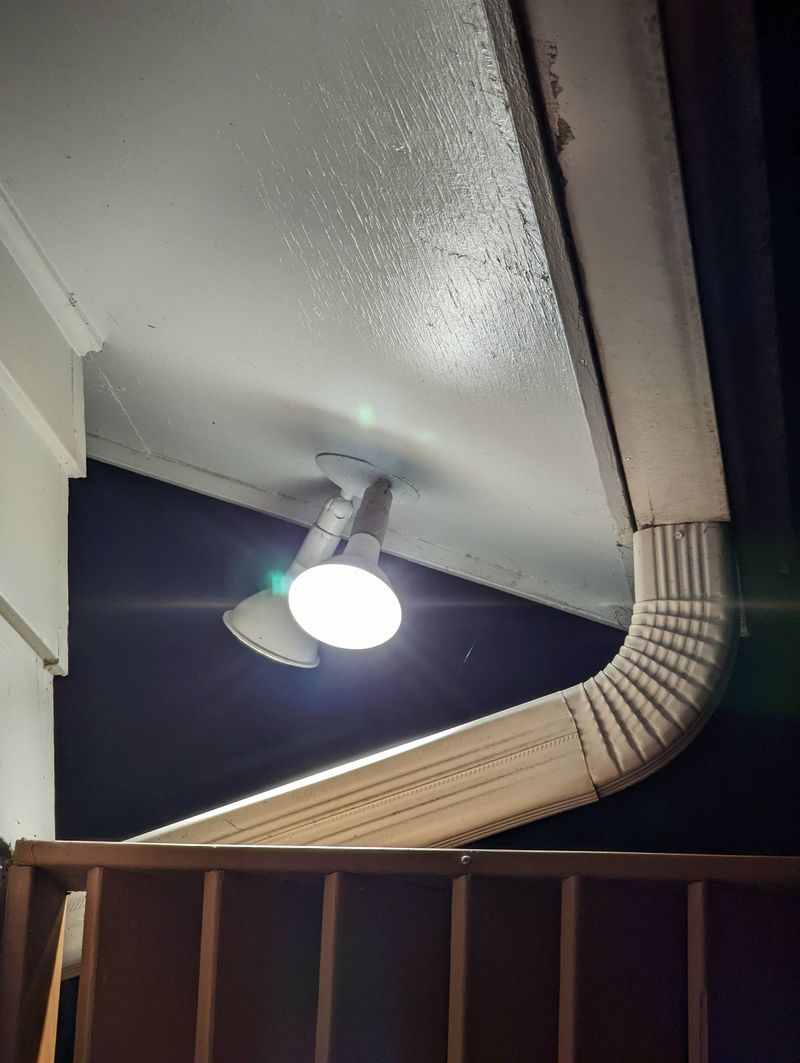
Bright outdoor lighting is one of the most overlooked reasons barn owls avoid suburban yards. Many homeowners leave floodlights, string lights, or motion-sensor lights running all night.
That kind of brightness fundamentally changes how barn owls can hunt.
Barn owls rely almost entirely on sound to locate prey in the dark. Their eyes are designed for low-light conditions, not bright artificial light.
Flooded yards confuse their visual system and make them feel exposed and vulnerable. They tend to avoid well-lit areas entirely.
Rodents, on the other hand, are smart enough to stay in the shadows created by bright light. They use those dark patches to move around safely.
So heavy lighting actually helps rodents more than it hurts them, while actively discouraging the one predator that could control them.
Switching to low, directed lighting near walkways and doors is a smarter approach. Use warm-toned bulbs instead of bright white LEDs when outdoor lighting is necessary.
Keep lights pointed downward and away from field edges and open hunting zones.
Many rural and semi-rural Oregon homeowners have already made this shift as part of broader wildlife-friendly landscaping. The results are consistent.
Darker yards see more barn owl activity within weeks. More barn owl activity means fewer rodents moving freely across the property at night.
It is a simple change that costs nothing extra and delivers real results without any traps, chemicals, or ongoing effort on your part.
7. Protect Pets Without Removing Owl Habitat
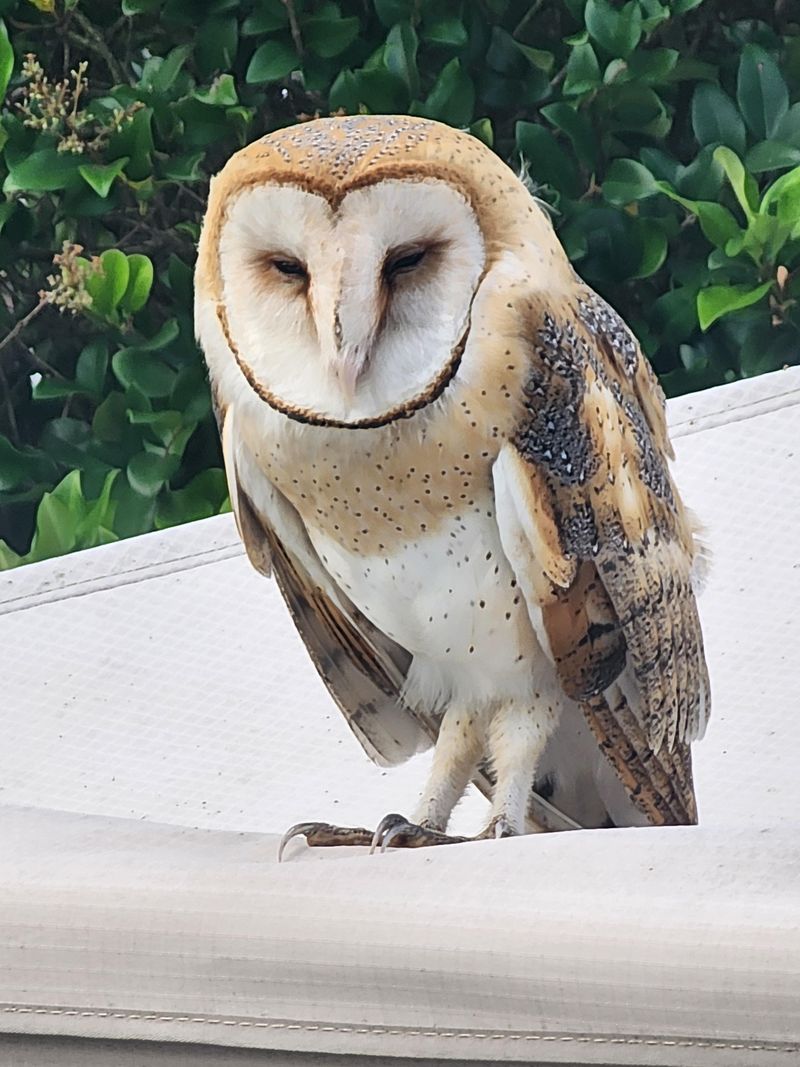
A common concern among pet owners is whether barn owls pose a risk to small animals. It is a fair question, and the answer is reassuring for most people.
Barn owls typically weigh less than one pound and hunt prey that weighs less than they do.
Small mice, voles, shrews, and young rats are their primary targets. A healthy adult cat or dog is not prey for a barn owl under any normal circumstances.
The risk is minimal, but it is still smart to take basic precautions, especially with very small pets like guinea pigs or young rabbits kept outdoors.
Use enclosed hutches or covered pens for small outdoor pets at night. This protects them from a range of predators, not just owls.
Hawks, raccoons, and foxes are far more likely to target a small rabbit than a barn owl is. A secure enclosure handles all of those risks at once.
The important thing is to avoid overreacting by removing habitat features that attract barn owls.
Cutting down all rough grass, adding floodlights, and clearing open ground to protect pets actually creates a bigger rodent problem.
Rodents carry diseases, damage gardens, and attract other predators that are far more dangerous to pets than barn owls.
Keeping owl habitat intact while using smart, simple enclosures for vulnerable pets gives you the best of both outcomes. Your small animals stay safe, and your yard stays protected by one of nature’s most efficient rodent hunters.
8. Avoid Sealing Every Rural Edge Too Tightly
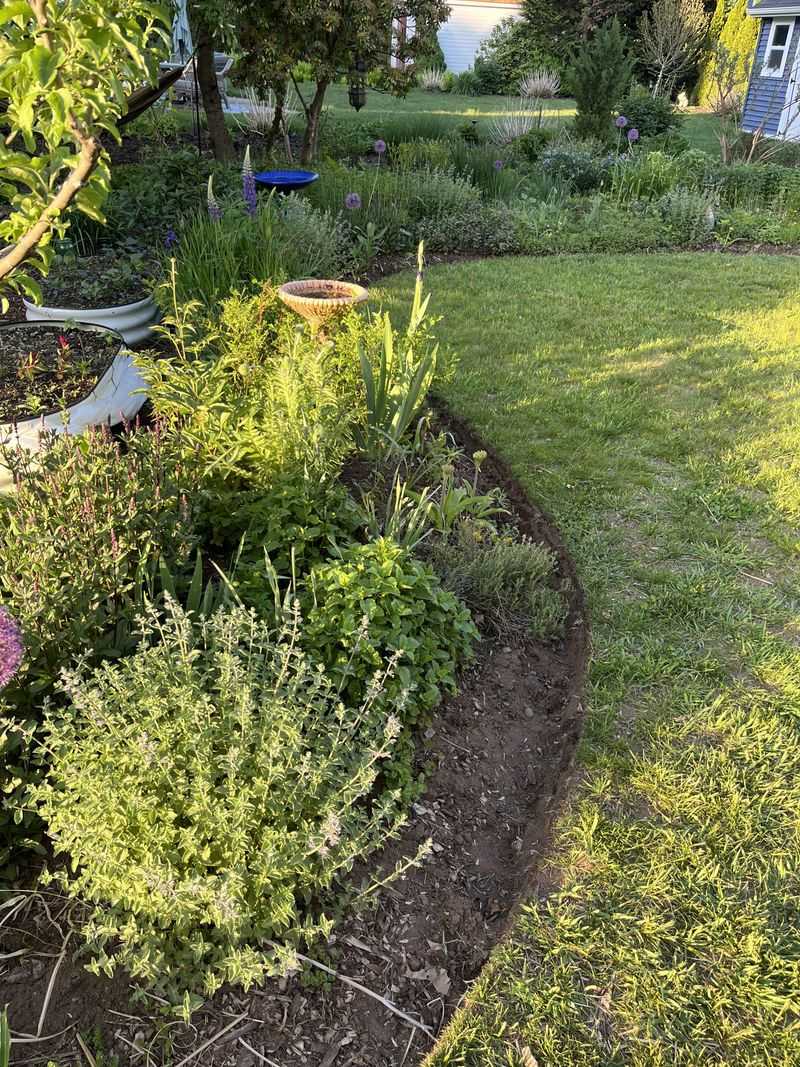
There is a temptation to clean up every corner of a rural property. Old fence posts get replaced, brush piles get removed, and every rough edge gets trimmed back to bare ground.
That kind of tidiness feels satisfying, but it quietly destroys barn owl habitat one project at a time.
Rough edges, old posts, and untrimmed vegetation serve a purpose in a working yard ecosystem. They are the places where small rodents hide, nest, and travel.
Without those micro-habitats, rodent populations actually scatter more widely and become harder to control naturally.
Barn owls need perching spots along hunting routes. An old fence post, a snag, or a low tree branch gives them a place to pause, listen, and scan before striking.
Remove all of those features and the owl has nowhere to rest between passes. It will simply move on to a property that offers better structure.
In rural parts of Oregon, the most rodent-free properties tend to be the ones that look a little rough around the edges. That is not a coincidence.
Those properties support full predator ecosystems, including barn owls, red-tailed hawks, and other natural hunters that work together to keep rodent numbers low.
Leaving a few old posts standing, keeping a brush pile in an out-of-the-way corner, and letting fence edges stay a little wild costs nothing.
It preserves the very features that make your property attractive to barn owls and keeps your rodent population under steady, natural control all year long.