Why California Tomatoes Taste Bland In Extreme Heat And How To Improve Flavor
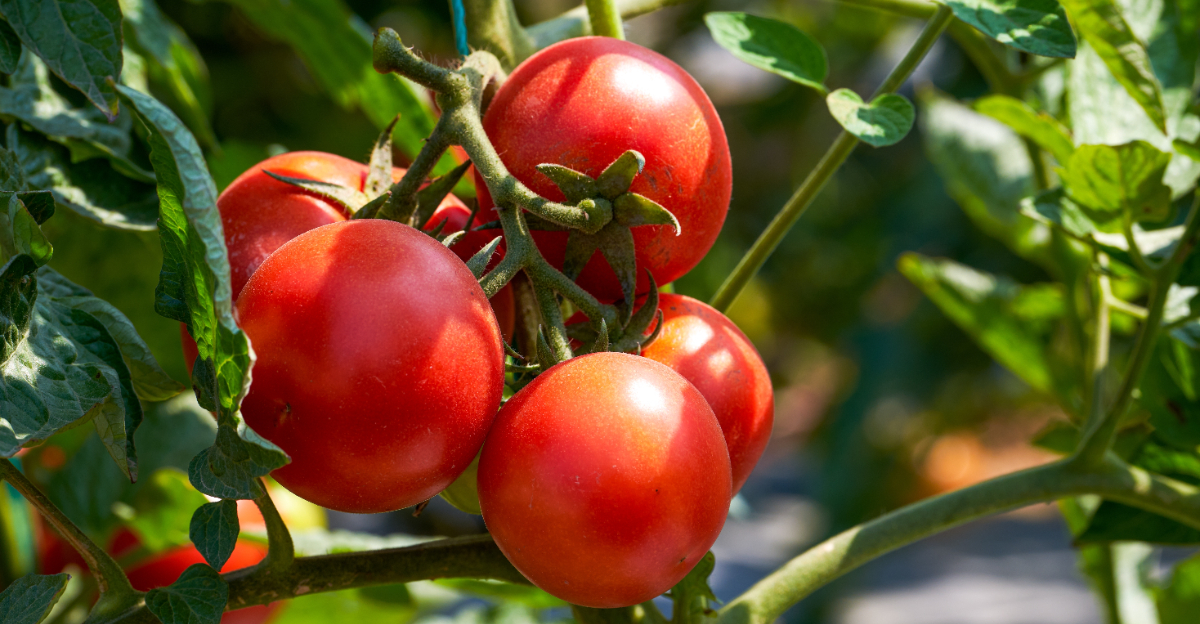
California tomatoes can look gorgeous in extreme heat and still taste like they forgot their whole personality. That is a rude surprise after weeks of watering, staking, and bragging.
Hot spells can mess with the flavor in ways that are not always obvious at first. One day you expect sweet, juicy tomato magic, and the bite lands flat.
Before you blame the variety or your gardening skills, it helps to know what heat does behind the scenes. The right changes can help your next harvest taste richer, sweeter, and much less disappointing.
Summer may be acting dramatic, but your tomatoes do not have to taste like garden water.
1. Extreme Heat Slows Flavor Development
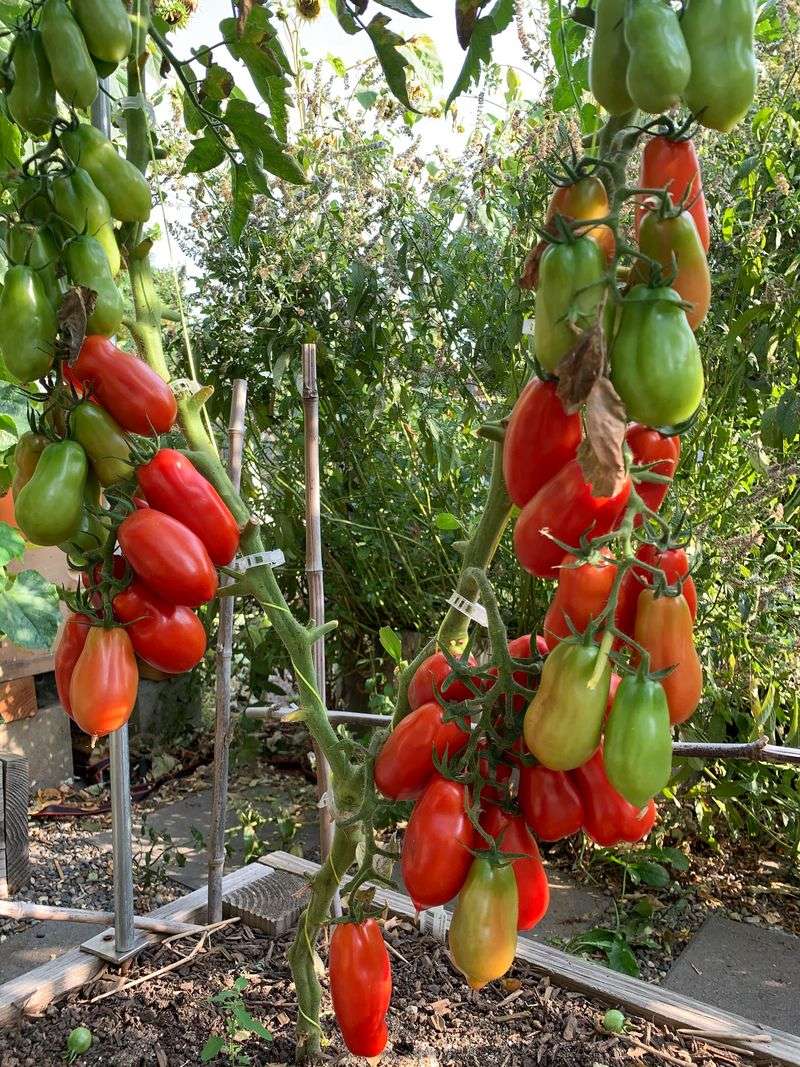
Most people assume tomatoes love hot weather, and they do, up to a point. Once temperatures push past 95 degrees Fahrenheit during the day, something goes wrong inside the fruit.
The chemical processes that build sweetness and deep flavor start to slow down or stop entirely.
Tomatoes get their rich taste from a mix of sugars, acids, and aromatic compounds. These compounds develop slowly as the fruit ripens.
But extreme heat rushes the ripening process, which means the fruit turns red before those flavors have time to fully form.
Think of it like baking a cake at too high a temperature. The outside looks done, but the inside is still raw.
That is basically what happens to tomatoes in a brutal heat wave. The skin softens and colors up fast, but the flavor chemistry inside never catches up.
Growers in the Central Valley and other hot inland areas know this problem well. When daytime temps stay above 100 degrees for days in a row, even the best tomato varieties produce flat, watery fruit.
The fix starts with understanding the timing. Planting earlier in spring or switching to fall crops can help your tomatoes ripen during cooler stretches.
Choosing heat-tolerant varieties bred specifically for warm climates also gives you a head start on better flavor.
2. Too Much Water Can Dilute Tomato Taste
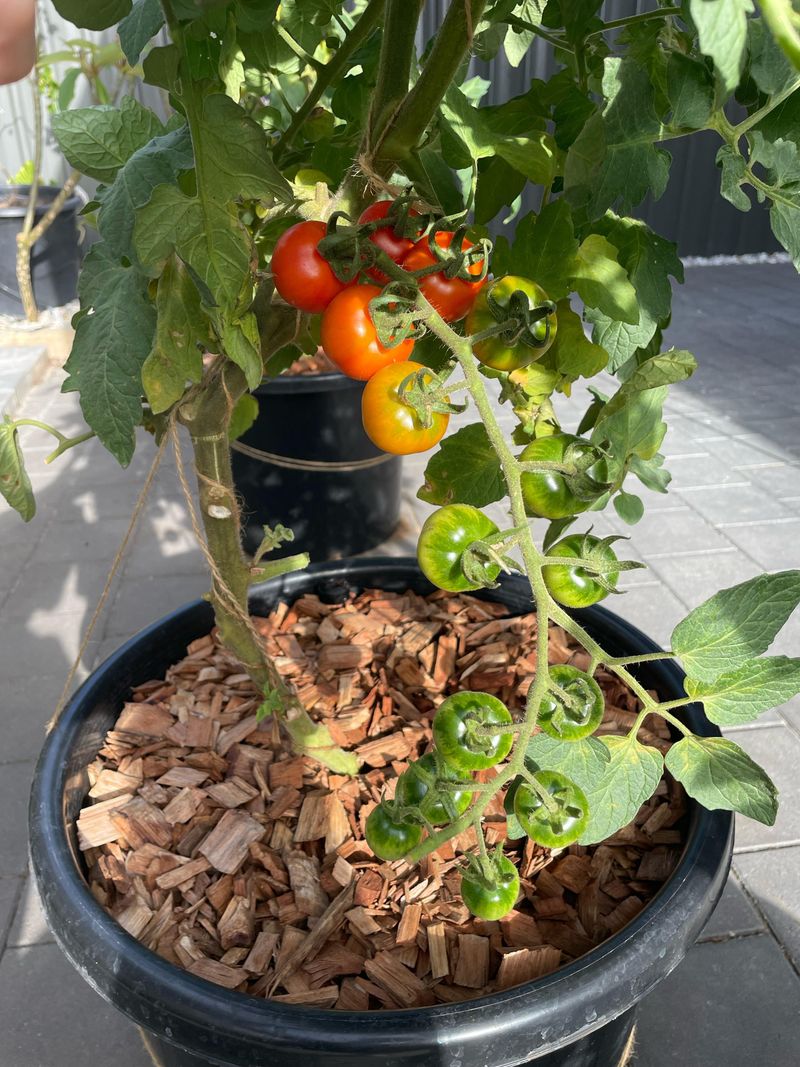
Watering tomatoes feels like the right thing to do when it is blazing hot outside. But there is a real risk in going overboard.
When plants soak up more water than they need, that extra moisture gets pushed right into the fruit, literally watering down the sugars and acids that create bold tomato flavor.
Commercial growers in California actually use a technique called deficit irrigation. They give tomatoes slightly less water than the plants want, especially as fruit ripens.
This mild stress concentrates the sugars inside the tomatoes, making them taste richer and more intense.
You do not need to stress your plants to the point of wilting. The goal is to find the sweet spot where the soil stays consistently moist but never soggy.
Deep, infrequent watering is usually better than shallow, daily watering. It encourages roots to grow deeper into the soil, where temperatures are more stable.
A good rule of thumb is to water tomatoes about one to two inches per week, adjusting for how hot and dry the weather is. Stick your finger two inches into the soil.
Your California Garden Changes Every Week. Your Plan Should Too.
Gardening in California changes quickly throughout the season. Every Friday you’ll receive a simple weekly plan showing exactly what to plant, prune, fertilize, harvest, and protect so you never miss the right timing.
If it feels dry at that depth, it is time to water. If it still feels damp, wait another day.
Consistent moisture without excess is the key to keeping flavor strong even when summer heat is at its worst.
3. Uneven Watering Stresses Ripening Fruit
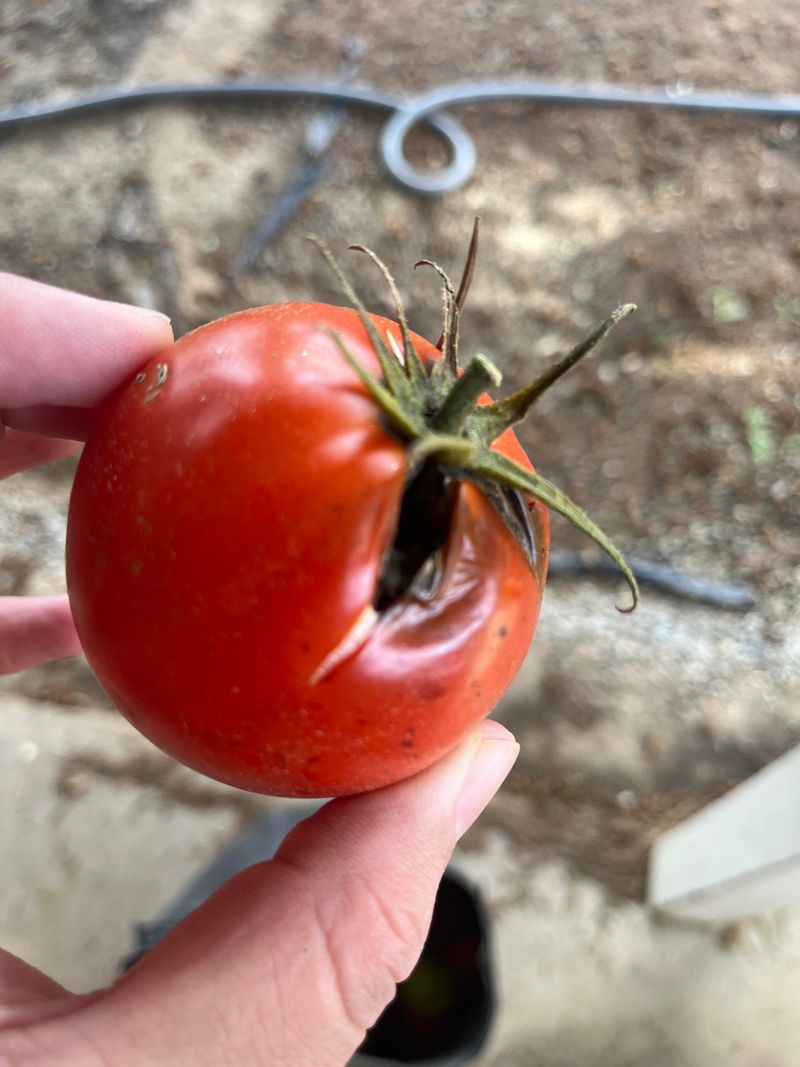
Letting the soil dry out completely and then flooding it with water is one of the most common mistakes tomato growers make. That feast-or-famine cycle confuses the plant and causes serious problems inside the fruit.
One of the most visible signs is blossom end rot, a dark, sunken spot that forms on the bottom of the tomato.
Cracking is another big issue. When a dry tomato plant suddenly gets a huge drink of water, the fruit expands rapidly on the inside while the skin stays tight on the outside.
The skin splits open, leaving ugly cracks that let in bacteria and ruin the texture. Neither problem is good for flavor.
Beyond the physical damage, uneven watering sends stress signals through the plant. Stressed plants put their energy into survival rather than flavor production.
The sugars and acids that make tomatoes taste great take a back seat when the plant is just trying to stay alive.
Drip irrigation is one of the best solutions for this problem. It delivers water slowly and steadily right to the root zone, keeping moisture levels consistent throughout the day.
Soaker hoses work in a similar way and are more affordable for home gardeners. Pairing either option with a simple timer takes the guesswork out of watering and keeps your tomatoes much happier during long, hot summer stretches.
4. Hot Nights Keep Tomatoes From Resting
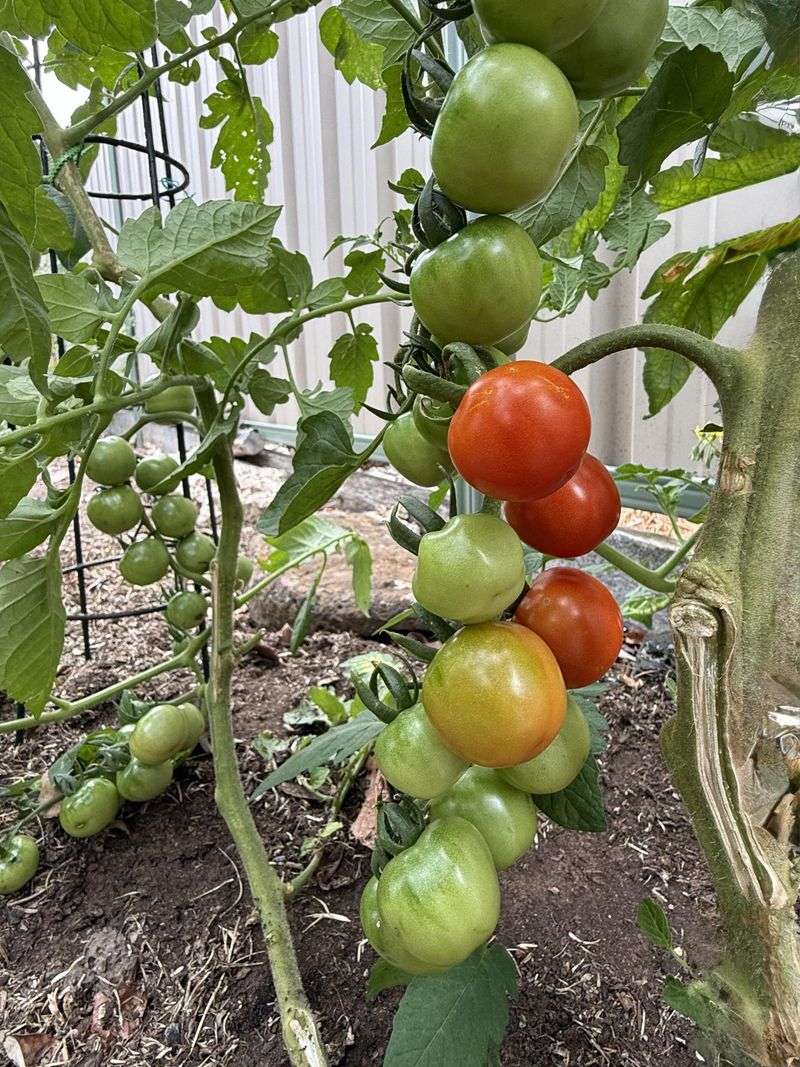
Daytime heat gets most of the attention, but nighttime temperatures matter just as much for tomato flavor.
When nights stay above 70 degrees Fahrenheit, tomato plants never really get a chance to rest and recover.
That constant warmth burns through the plant’s energy reserves and interrupts important ripening processes.
During cooler nights, tomatoes convert starches into sugars. That conversion is a big part of what makes a tomato taste sweet.
When nights stay warm, that process slows way down. The fruit keeps ripening on the outside, but the sugar development inside falls behind.
The result is a tomato that looks perfectly ripe but tastes disappointingly flat.
Inland areas of California, including parts of the Sacramento Valley and the Inland Empire, often see nights that stay well above 70 degrees during summer heat waves.
Coastal regions tend to have cooler nights, which is one reason tomatoes grown near the ocean often taste better during summer months.
California gardeners dealing with hot nights can try a few strategies. Planting tomatoes on the west side of a building or fence can reduce heat absorption in the evening.
Choosing varieties that are known to set fruit in warm conditions also helps. Some gardeners even mist their plants lightly in the evening to bring the temperature down a bit around the fruit. Every little bit of cooling helps when the nights refuse to cooperate.
5. Sunscald Damages Flavor Before Harvest
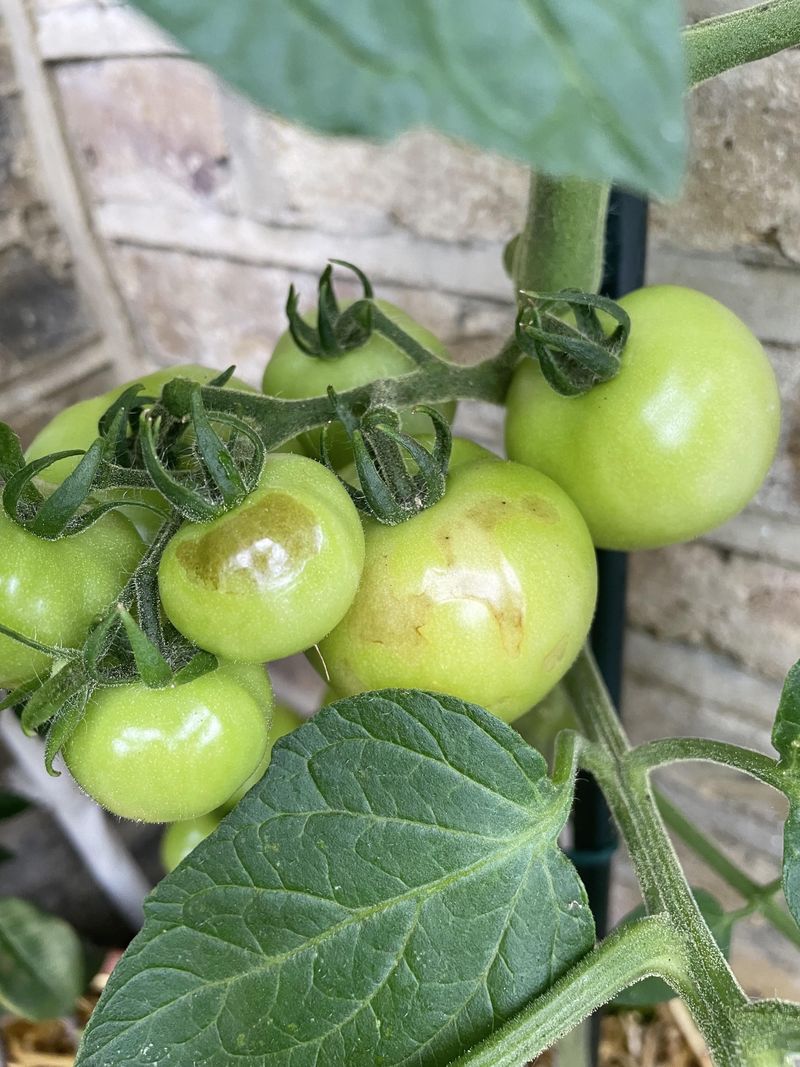
Sunscald is something a lot of gardeners mistake for a disease, but it is actually a heat injury.
When the sun hits a tomato directly for too long, especially on fruit that has been recently exposed by leaf loss, the skin and flesh underneath can get cooked right on the vine.
The damaged area turns pale, white, or yellowish and feels papery to the touch.
Inside a sunscalded tomato, the flesh breaks down. The cells that hold flavor compounds get destroyed by the intense heat, leaving behind a mushy, tasteless patch.
Even if the rest of the fruit tastes okay, the sunscalded section is a total loss.
Hot, dry summers in California create perfect conditions for sunscald. When plants lose leaves due to disease or heavy pruning, fruit that was previously shaded suddenly gets full sun exposure.
The skin temperature on a directly sun-hit tomato can reach well above 120 degrees Fahrenheit, which is hot enough to cause real cellular damage.
Keeping your tomato plants well-leafed is one of the best defenses. Avoid aggressive pruning during heat waves.
If you notice exposed fruit, you can drape a light row cover or shade cloth over the plant to protect it. Some gardeners use old bedsheets on the hottest days.
Protecting the fruit from direct sun not only prevents sunscald but also keeps the internal temperature lower, which helps preserve flavor compounds right up until harvest.
6. Picking Too Early Leaves Tomatoes Flat
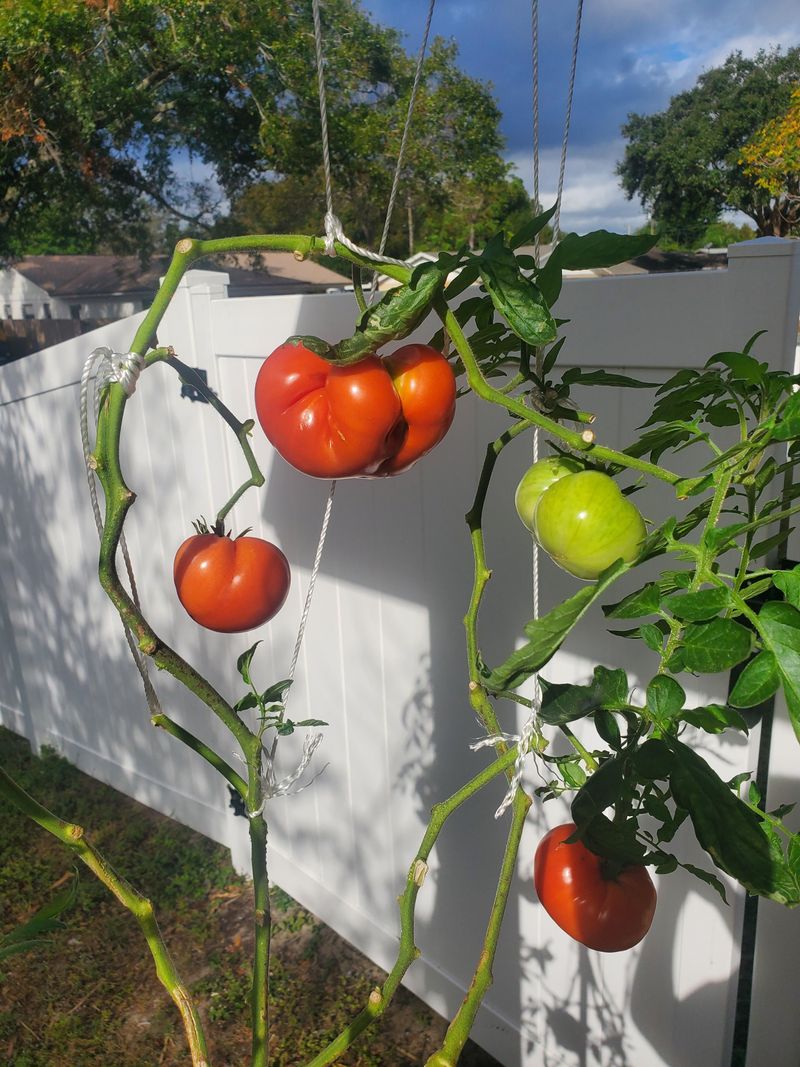
Pulling tomatoes off the vine before they are fully ready is one of the quickest ways to end up with bland fruit.
A lot of growers, especially commercial ones, harvest tomatoes early so they can survive long trips to stores without bruising. But flavor pays a heavy price for that convenience.
Once a tomato is picked, it will continue to ripen, but it cannot build new sugars or acids the same way it would on the vine. The vine is essentially the tomato’s flavor factory.
Cut off the connection too soon, and you are left with a fruit that ripens in color but never fully develops in taste.
During heat waves, it is tempting to pick tomatoes early to save them from sunscald or cracking. That instinct makes sense, but there is a better middle ground.
A tomato that has reached the breaker stage, meaning it has just started to show a blush of color, can be brought indoors to finish ripening at room temperature. It will taste better than a fully green tomato picked early.
Never put unripe tomatoes in the refrigerator. Cold temperatures stop flavor development completely and turn the texture mealy.
A shaded countertop or a cool indoor spot is the best place to let them finish. Waiting even an extra day or two on the vine, when conditions allow, always rewards you with noticeably better flavor and a juicier bite.
7. Heavy Fertilizer Pushes Watery Growth
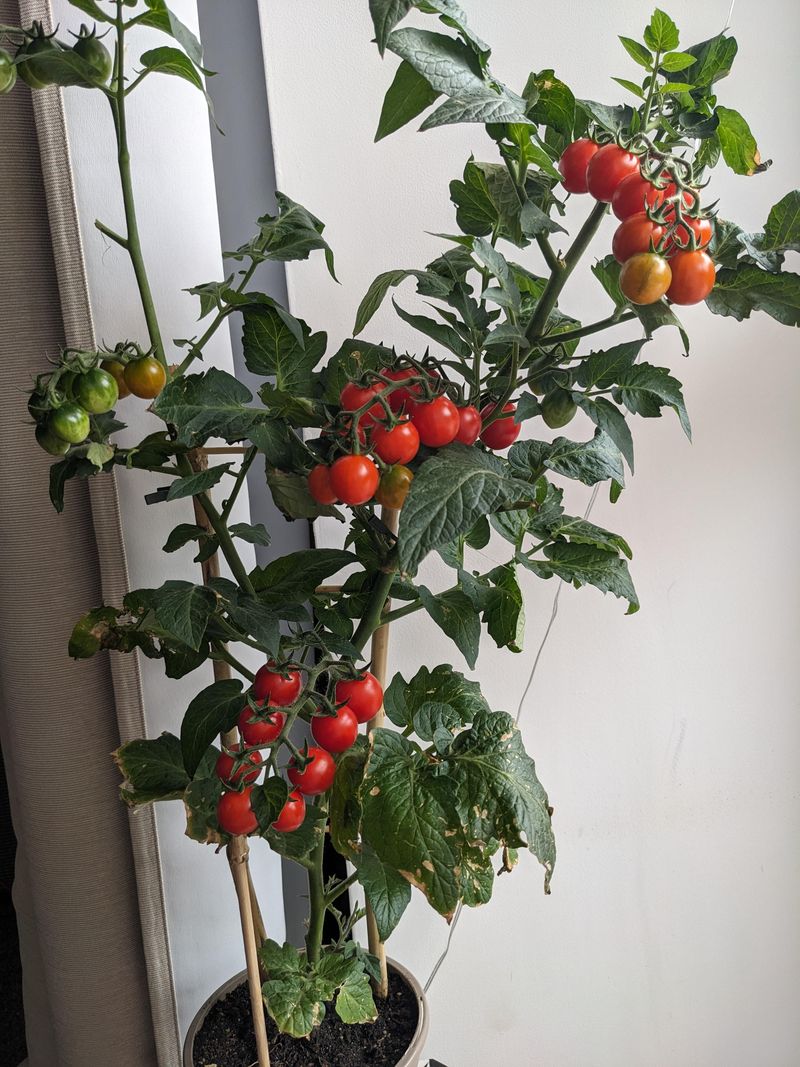
More fertilizer does not always mean better tomatoes. In fact, dumping too much nitrogen on your plants during summer can actually make the flavor worse.
Nitrogen is great for pushing leafy, green growth, but it does not do much for the sugars and acids that give tomatoes their punch.
When plants get a heavy nitrogen hit, they put their energy into growing bigger leaves and longer vines. The fruit that forms tends to be large and watery rather than dense and flavorful.
You might end up with impressive-looking tomatoes that taste like slightly flavored water. That is not exactly the goal.
Experienced gardeners in California often switch their fertilizing strategy once plants start flowering and fruiting. They back off the nitrogen and switch to a fertilizer that is higher in phosphorus and potassium.
Those two nutrients support root health, flower development, and fruit quality. They help the plant put its energy into making the fruit taste great rather than just growing bigger.
Organic fertilizers like fish emulsion, compost tea, and bone meal release nutrients slowly and gently, which is much less likely to cause the rapid, watery growth that comes from synthetic nitrogen.
A soil test can also tell you exactly what your garden needs so you are not guessing.
Feeding your tomatoes smarter, not heavier, is one of the easiest ways to get noticeably better flavor by the end of the season.
8. Mulch Keeps Roots Cooler And Steadier
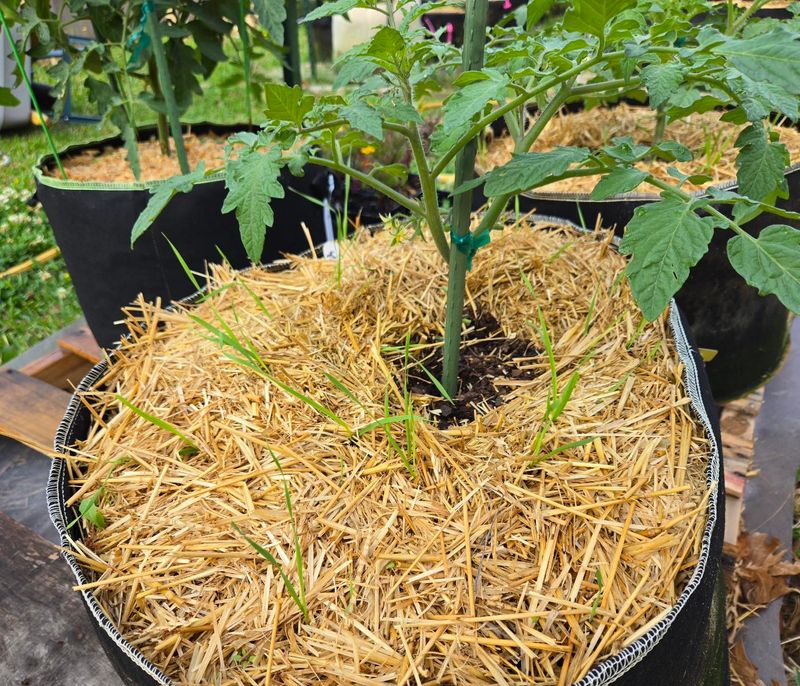
Bare soil in a California summer garden absorbs an enormous amount of heat. On a 100-degree day, the top few inches of unprotected soil can reach temperatures that are genuinely damaging to roots.
Hot roots mean a stressed plant, and a stressed plant puts out bland fruit. A simple layer of mulch changes everything.
Straw, wood chips, shredded leaves, and even cardboard all work as mulch. Spread two to four inches around the base of your tomato plants and you can drop the soil temperature by 10 to 20 degrees.
That cooler root zone helps the plant stay calm and focused on doing its job, which is producing flavorful, well-developed fruit.
Mulch also holds moisture in the soil much longer between waterings. That means the roots have steadier access to water throughout the day, which directly supports more consistent ripening.
Less stress from drying out equals better flavor development inside the fruit.
Straw is a popular choice because it is light, easy to spread, and breaks down slowly over the season.
Wood chips work well too, though they should be kept a few inches away from the main stem to prevent rot.
Whichever material you use, the payoff is real. Gardeners who mulch their tomato beds during hot summers consistently report better tasting fruit compared to those who leave the soil bare.
It is one of the easiest improvements you can make with very little effort or cost.
9. Afternoon Shade Helps During Heat Waves
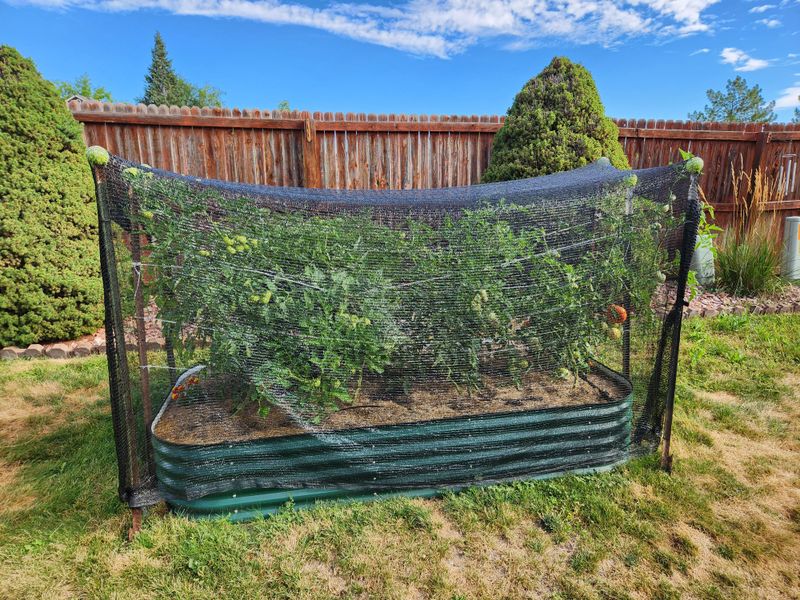
Full California sun is usually the advice you hear for growing tomatoes, and for most of the year, that is exactly right.
But during a brutal heat wave, full afternoon sun can push fruit temperatures so high that flavor compounds literally break down before you ever pick the tomato.
A little strategic shade during the hottest part of the day can turn things around fast.
Shade cloth rated at 30 to 40 percent is a popular solution among gardeners in our hotter inland regions. Stretched over simple stakes or a basic frame, it blocks enough light to bring temperatures down without cutting off the sunlight the plant needs to photosynthesize.
Morning sun still gets through, which keeps the plants growing strong.
Even natural shade from a nearby tree or a tall fence can help if it falls across the garden in the afternoon hours.
West-facing exposure is usually where the most damaging heat comes from, so blocking that angle makes the biggest difference.
Some gardeners plant tall sunflowers or corn on the west side of their tomato beds to create a living shade barrier.
The benefits go beyond flavor. Shaded fruit is less likely to suffer sunscald, and the plants tend to hold their blossoms better in shaded conditions.
Tomato flowers drop when temperatures get too extreme, which means fewer fruits overall.
A little afternoon shade during a heat wave can protect both the quantity and quality of your harvest at the same time.