Why Your Oregon Hydrangea Leaves Are Turning Brown At The Edges In Summer
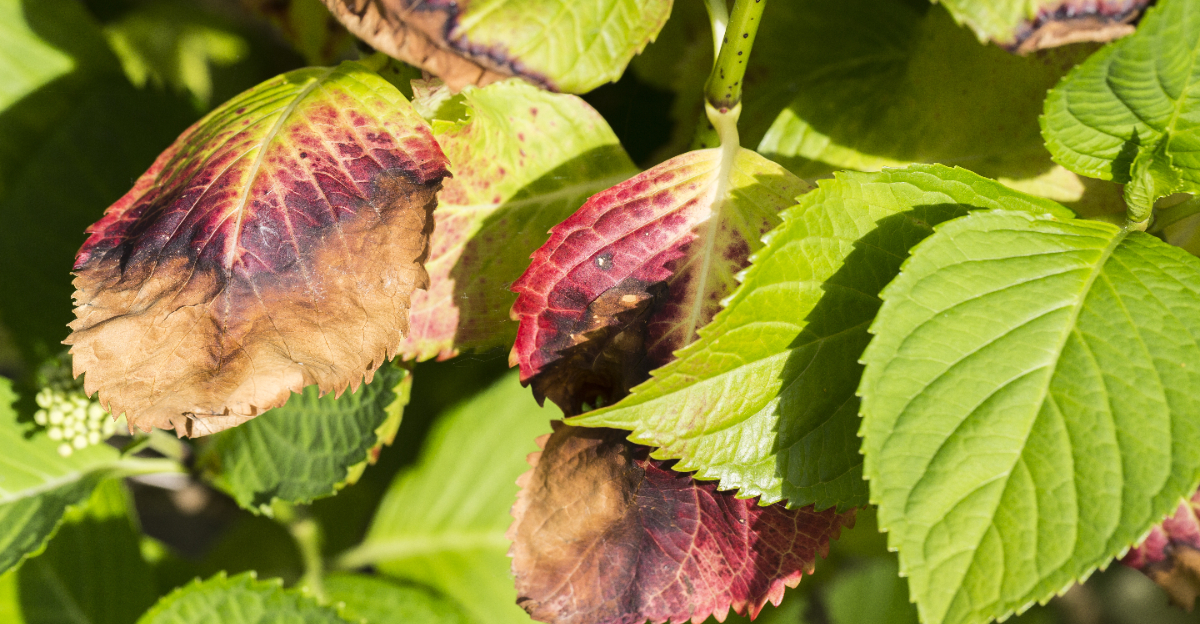
Brown edges on hydrangea leaves can make an Oregon garden feel like summer turned too harsh overnight. The plant may still be blooming, but those crisp-looking margins are hard to ignore.
Often, the issue starts when roots cannot keep up with warm afternoons and drying soil. Too much direct sun can add even more stress, especially on leaves that were used to softer spring weather.
Watering can be tricky too. A quick sprinkle may not reach deep enough where the roots need it most.
Before you assume the whole shrub is in trouble, look at the pattern. Brown edges can tell you a lot about heat, moisture, and placement.
Once you read the clues, it becomes much easier to help your hydrangea recover and stay better protected through summer.
1. Brown Edges Usually Mean Summer Leaf Scorch
Leaf scorch is one of the most common summertime complaints from hydrangea growers across Oregon. It happens when the leaf loses water faster than the roots can replace it.
The edges, being the farthest from the stem, are usually the first to show the damage.
When temperatures rise quickly and the sun beats down hard, the outer edges of hydrangea leaves dry out and turn brown. This browning is not a disease.
It is a physical reaction to heat and water stress. Think of it like a piece of paper left in the sun too long.
The good news is that leaf scorch usually does not spread through the plant like a sickness. The rest of the leaf stays green and continues to work normally.
The plant is still alive and growing, even if the edges look rough.
You can often prevent scorch by giving your hydrangeas more water during hot spells. A deep watering every two to three days works better than a quick daily sprinkle.
Keeping the soil consistently moist is the goal, especially during heat waves.
If you notice the browning happening every summer in the same spot, consider whether the plant is getting too much direct afternoon sun.
Moving the plant or adding shade cloth can make a big difference. Leaf scorch is your hydrangea’s way of asking for a little more care.
2. Oregon Heat Can Stress Bigleaf Hydrangeas Fast
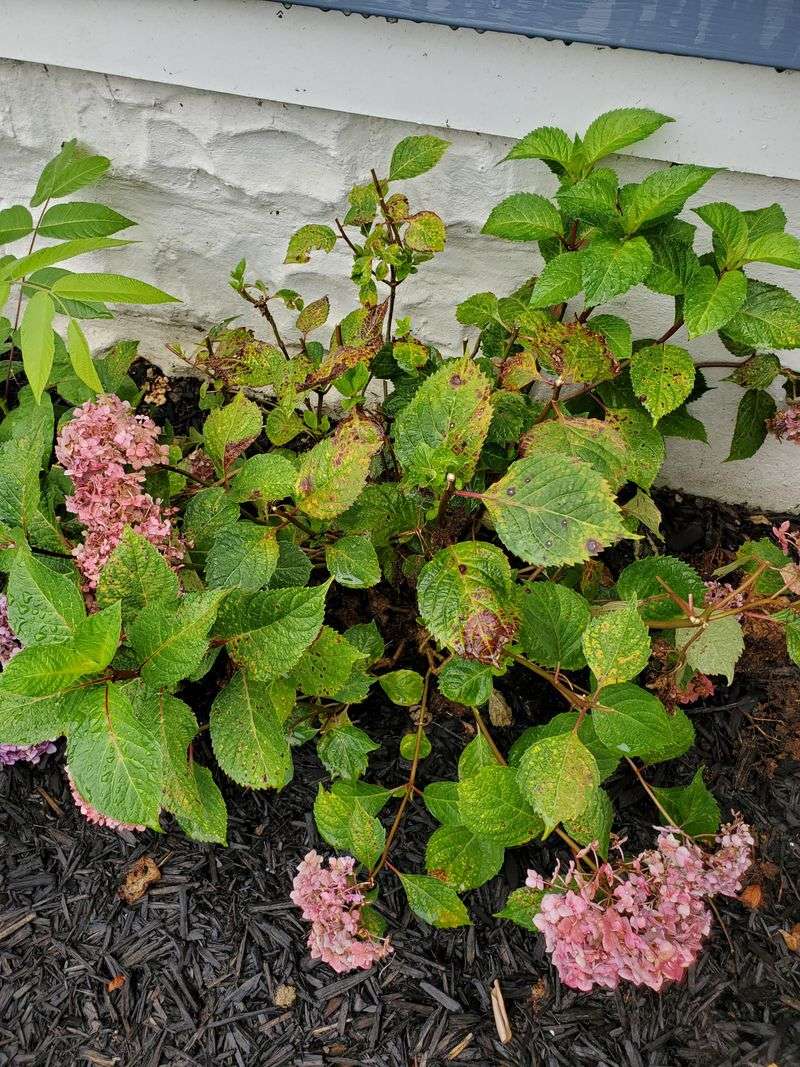
Bigleaf hydrangeas, also known as Hydrangea macrophylla, are the most popular type grown in Oregon. They are stunning when in bloom, but they are also the most sensitive to summer heat.
Their large, wide leaves lose moisture quickly on hot days.
Oregon has a reputation for mild, rainy weather, but summers here can get surprisingly hot. Temperatures in the Willamette Valley and southern parts of Oregon regularly climb into the 90s.
Bigleaf hydrangeas planted in spots that once felt shady may suddenly be exposed to more sun as the season changes.
When heat stress hits, leaves may not just brown at the edges. They can also wilt during the hottest part of the day, even when the soil is moist.
This wilting is a normal protective response. The plant is trying to reduce the surface area exposed to the sun.
Your Oregon Garden Changes Every Week. Your Plan Should Too.
Gardening in Oregon changes quickly throughout the season. Every Friday you’ll receive a simple weekly plan showing exactly what to plant, prune, fertilize, harvest, and protect so you never miss the right timing.
If your hydrangeas wilt in the afternoon but perk back up in the evening, they are likely just heat-stressed rather than thirsty. However, if they stay wilted into the evening, they need more water.
Consistent watering is key during heat waves.
Planting bigleaf hydrangeas where they get morning sun and afternoon shade is the ideal setup in our climate. Eastern exposures work really well.
A little planning at planting time can save a lot of stress for both you and your hydrangeas later on.
3. Too Much Afternoon Sun Can Crisp The Leaves
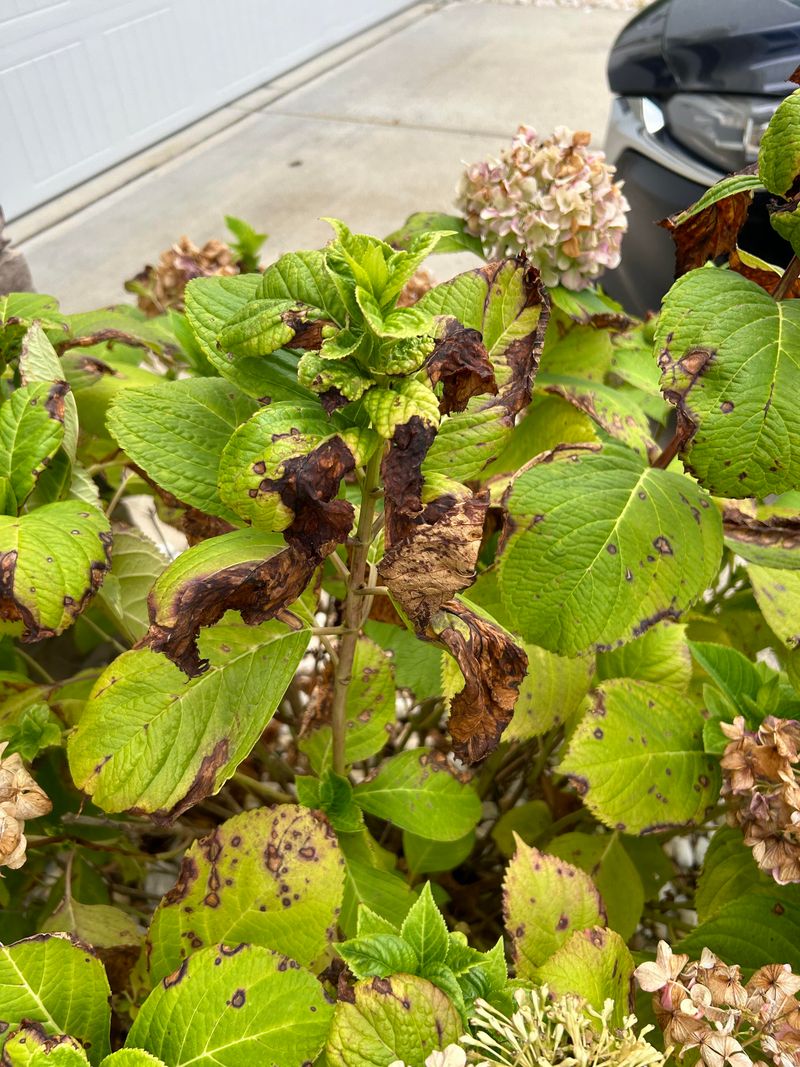
Afternoon sun is the harshest sun of the day. Between noon and four in the afternoon, the sun’s rays are the most direct and intense.
Hydrangeas sitting in that window of light take the hardest hit.
Many gardeners plant hydrangeas in spots that look fine in spring. But as summer arrives and the sun angle changes, those same spots can become blazing hot.
A location that felt partly shaded in April may turn into a full-sun zone by July.
The leaves on the sun-facing side of the plant will usually show the worst browning. You might notice that the back of the plant, which faces away from the afternoon sun, looks much healthier.
That difference tells you exactly what is causing the damage.
One practical fix is to add a shade structure or plant a taller shrub nearby to block the late-day sun. Shade cloth stretched over a simple frame works well for potted hydrangeas.
Even a few hours of afternoon shade can reduce browning dramatically.
If the plant is in the ground and the browning is severe every year, transplanting it to a better location in fall is worth considering. Hydrangeas transplant well in cooler weather.
Moving them to a spot with eastern morning sun and afternoon shade will help them thrive through the hottest months.
4. Dry Soil Is Often The Real Problem
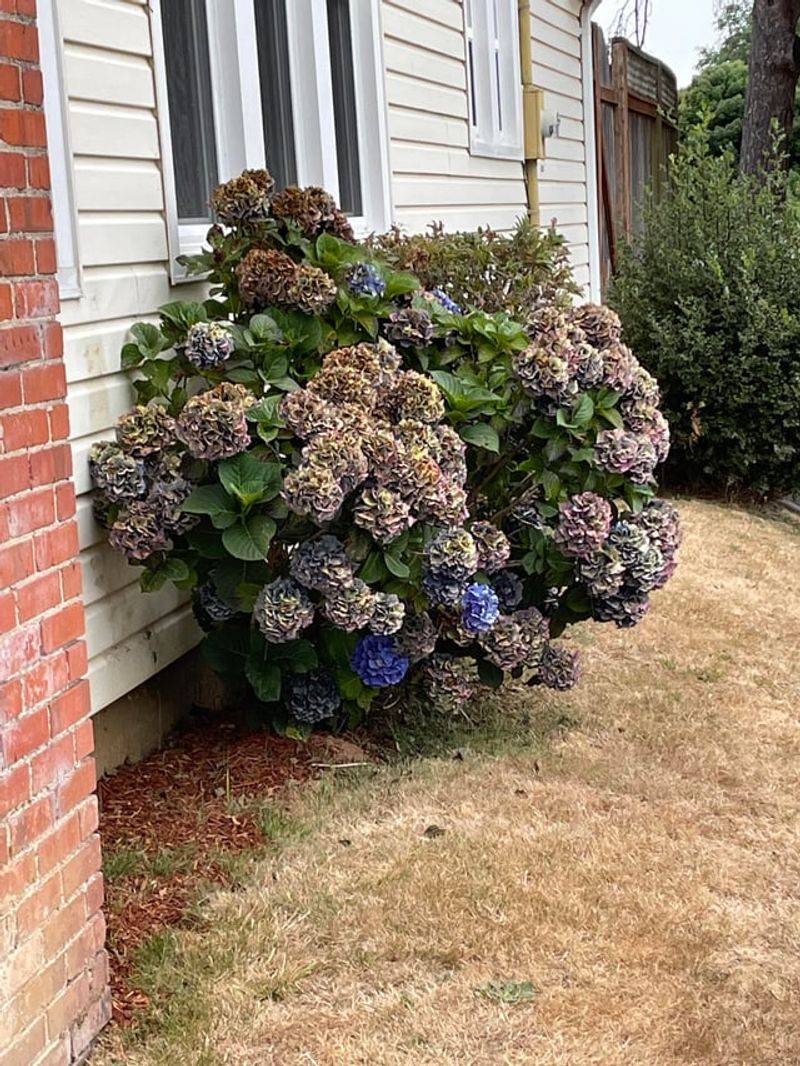
Soil moisture is everything when it comes to healthy hydrangeas. These plants have a name that literally comes from the Greek word for water.
They need consistent moisture to keep their large leaves looking green and fresh.
During summer, soil can dry out much faster than you might expect. Sandy or rocky soils lose moisture within hours of watering.
Even clay soils, which hold water longer, can crack and harden during prolonged dry spells. Either way, your hydrangea suffers.
A simple way to check soil moisture is to push your finger about two inches into the ground near the base of the plant. If it feels dry at that depth, it is time to water.
Do not wait until the leaves are wilting to act.
Hydrangeas in pots dry out even faster than those in the ground. Pots sitting in the sun can heat up quickly, cooking the roots and drying the soil.
Check potted hydrangeas daily during hot weather and water them whenever the top inch of soil feels dry.
Improving your soil with compost can help it hold moisture better over time. Working a few inches of compost into the planting area each fall builds a richer, more moisture-retentive soil structure.
This small seasonal effort pays off big the following summer when heat arrives and your hydrangeas stay looking lush instead of brown.
5. New Hydrangeas Need Extra Summer Water
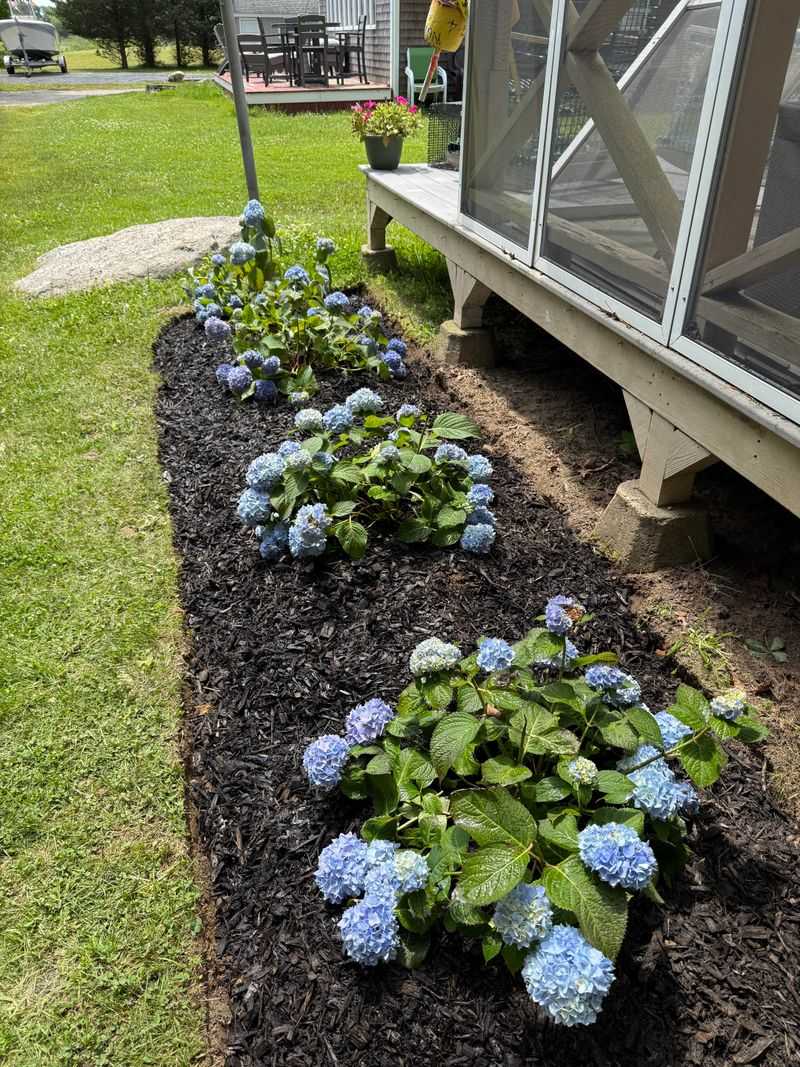
Brand-new hydrangeas are in a tough spot during their first summer. They have not had time to establish a deep root system, so they cannot pull water from deeper soil layers the way older plants can. Every hot day is a challenge for them.
A hydrangea planted in spring may look great through June, then suddenly start browning in July when the real heat hits. This is not a sign that the plant is failing.
It simply needs more support while it gets settled in.
New plants should be watered deeply every two days during hot summer weather. The goal is to keep the root zone consistently moist without waterlogging it.
Slow, deep watering encourages roots to grow downward, which helps the plant become more drought-tolerant over time.
Adding a thick layer of mulch around new hydrangeas right after planting is one of the best things you can do. Mulch slows evaporation and keeps the soil cooler.
It also reduces how often you need to water, which is a win on busy days.
Most hydrangeas take a full year or two to fully establish. During that time, treat them like new arrivals that need extra attention.
By the second or third summer, a well-watered and well-mulched hydrangea will handle the heat much better and show far less browning at the edges.
6. Reflected Heat Can Make Browning Worse
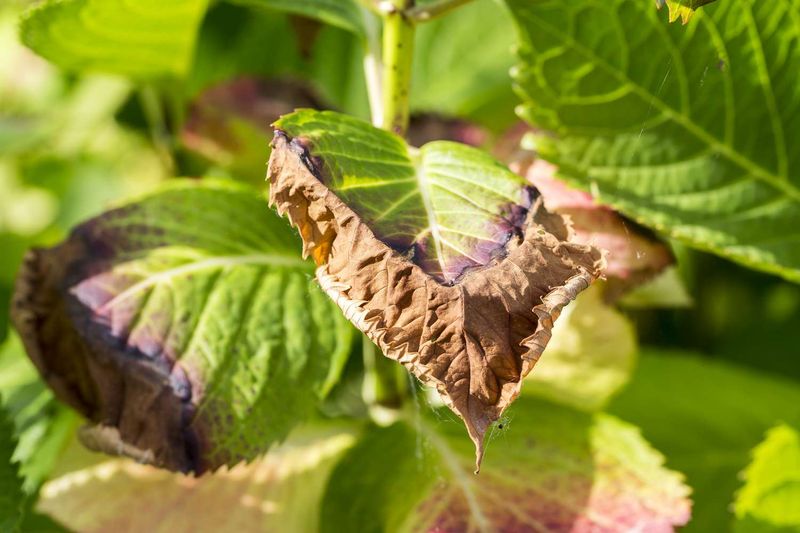
Not all heat comes directly from the sun. Surfaces like concrete driveways, brick walls, fences, and pavement absorb heat during the day and then release it back into the surrounding air.
Plants near these surfaces feel the heat from two directions. A hydrangea planted next to a south-facing wall, for example, gets direct sun from above and reflected heat from the wall behind it.
That combination creates a microclimate that can be several degrees hotter than the rest of the yard.
The leaves burn faster in that kind of environment.
Light-colored walls and surfaces reflect more heat than dark ones. A white stucco wall or a light concrete path can act almost like a mirror for solar energy.
If your hydrangea is planted near one of these surfaces, that reflected heat could be the main cause of the browning.
Fixing this issue might be as simple as moving the plant away from the reflective surface. Even a foot or two of extra distance can lower the heat exposure noticeably.
Adding a layer of mulch also helps insulate the roots from the ground-level heat that radiates up from pavement.
If moving the plant is not an option, try adding a physical barrier between the wall and the hydrangea.
A trellis with a climbing vine, a row of taller plants, or even a shade screen can block some of that reflected heat and protect the leaves from burning.
7. Do Not Rush To Prune Scorched Leaves
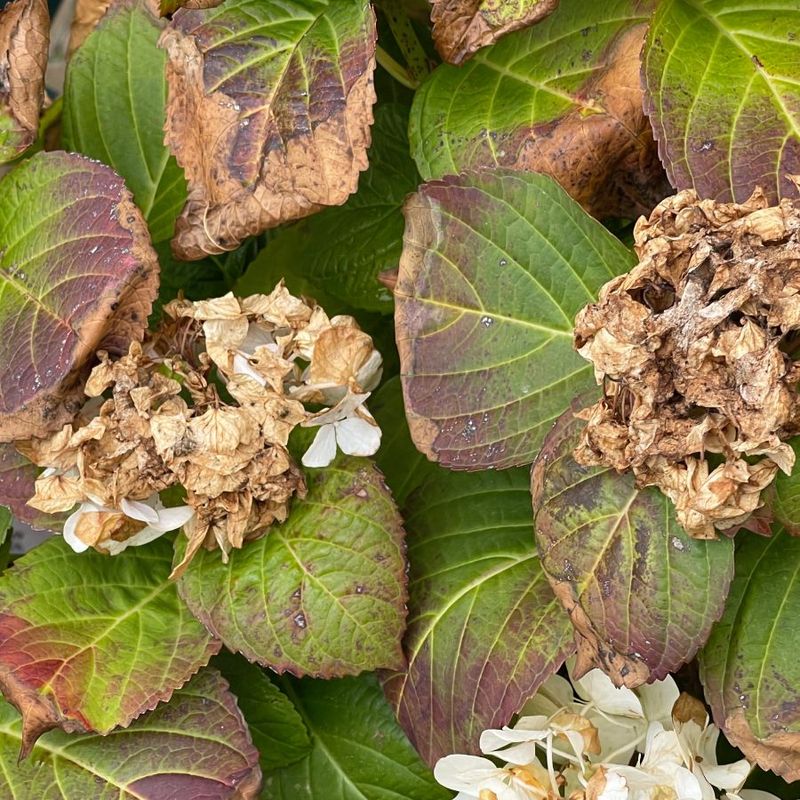
When you see brown, crispy edges on your hydrangea leaves, the first instinct might be to grab the pruning shears and cut them off. It seems logical.
But in most cases, pruning scorched leaves in summer is not the best move.
Scorched leaves, even with brown edges, are still doing their job. The green parts of the leaf are still producing energy through photosynthesis.
Removing them takes away food the plant needs to stay strong during a stressful time of year.
Cutting leaves in summer also opens up wounds on the plant that can let in pests or disease. The hot, dry conditions of summer are not ideal for healing.
It is better to let the plant keep its leaves and focus on improving the growing conditions instead.
Wait until late summer or fall to remove any heavily damaged foliage. By then, the plant will have had time to recover, and cooler temperatures will make any pruning cuts heal faster.
You can also do a light cleanup of the worst-looking leaves without going overboard.
The goal in summer is to support the plant, not to make it look perfect. Focus on watering deeply, adding mulch, and reducing sun exposure.
Once conditions improve, most hydrangeas will push out fresh, healthy new growth that quickly overshadows the old scorched edges. Patience really does pay off with these plants.
8. Water Deeply Instead Of Sprinkling The Leaves
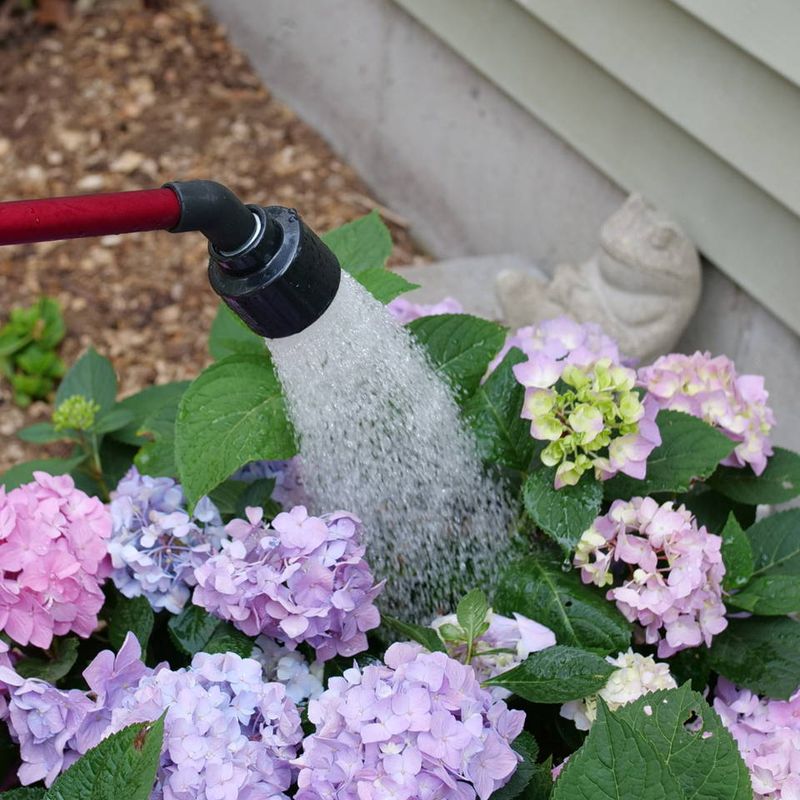
How you water matters just as much as how often you water. Many gardeners use a sprinkler or hose to quickly wet the surface of the soil and the leaves.
This type of watering feels helpful, but it often does more harm than good for hydrangeas.
Shallow watering encourages roots to stay near the surface. Surface roots dry out faster during heat waves and have less access to the cooler, moister soil below.
Over time, a hydrangea watered shallowly becomes more vulnerable to drought and heat stress.
Wetting the leaves can also cause problems. When water sits on leaves in the hot sun, it can actually intensify the heat on the leaf surface.
It can also encourage fungal growth if the leaves stay wet overnight. Keeping water at the soil level is a much better approach.
Deep watering means applying water slowly and directly at the base of the plant. A soaker hose or drip irrigation system is perfect for this.
You want the water to soak at least six to eight inches into the soil, reaching the deeper root zone.
If you use a regular hose, let it run slowly at the base of the plant for several minutes rather than giving a quick blast. Doing this every two to three days during hot weather will build a deep, moisture-rich root zone.
Plants watered this way handle summer heat far better than those given frequent shallow sprinkles.
9. Mulch Helps Keep Hydrangea Roots Cool
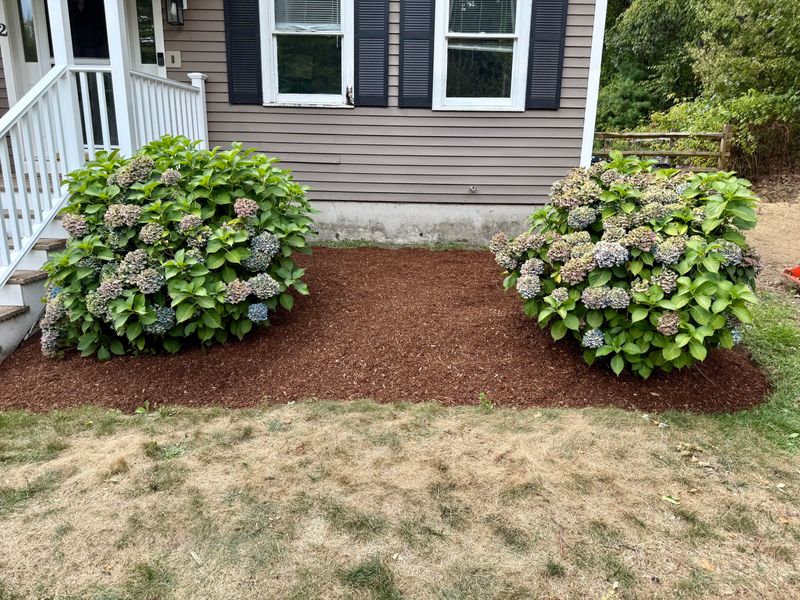
Mulch is one of the simplest and most effective tools a gardener has for protecting hydrangeas in summer.
A thick layer of organic mulch around the base of the plant acts like a blanket, keeping the soil beneath it cooler and moister than bare ground.
Without mulch, the soil surface heats up quickly in the sun. Hot soil stresses roots, reduces water uptake, and speeds up moisture evaporation.
All of these things make leaf scorch and browning much more likely. Mulch breaks that cycle.
Wood chips, shredded bark, straw, and leaf litter all work well as mulch. Apply a layer about three to four inches thick around the plant, keeping the mulch a few inches away from the main stem.
Mulch piled directly against the stem can hold too much moisture and cause rot.
Besides keeping roots cool, mulch also feeds the soil as it breaks down over time. Organic mulches slowly decompose and add nutrients and organic matter to the soil.
This improves soil structure, drainage, and water retention all at once.
Many Oregon gardeners apply fresh mulch in late spring, just before the dry season begins. This timing gives the mulch a chance to settle before the heat arrives.
Refreshing the mulch layer each year keeps it effective. It is one of the lowest-effort, highest-reward habits you can build into your summer garden routine.
10. When Brown Edges May Be A Disease Problem
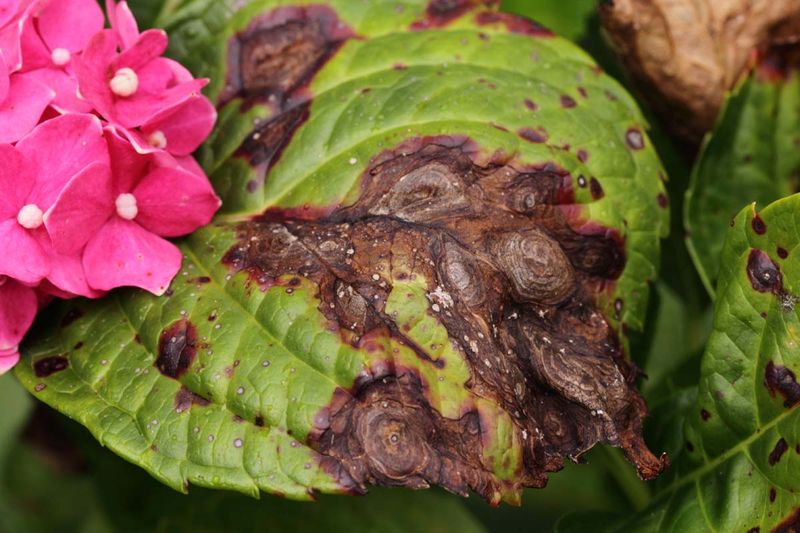
Most brown edges on hydrangea leaves in summer come from heat and water stress. But sometimes, disease can cause similar-looking damage.
Knowing the difference helps you treat the problem correctly and avoid wasting time on the wrong fix.
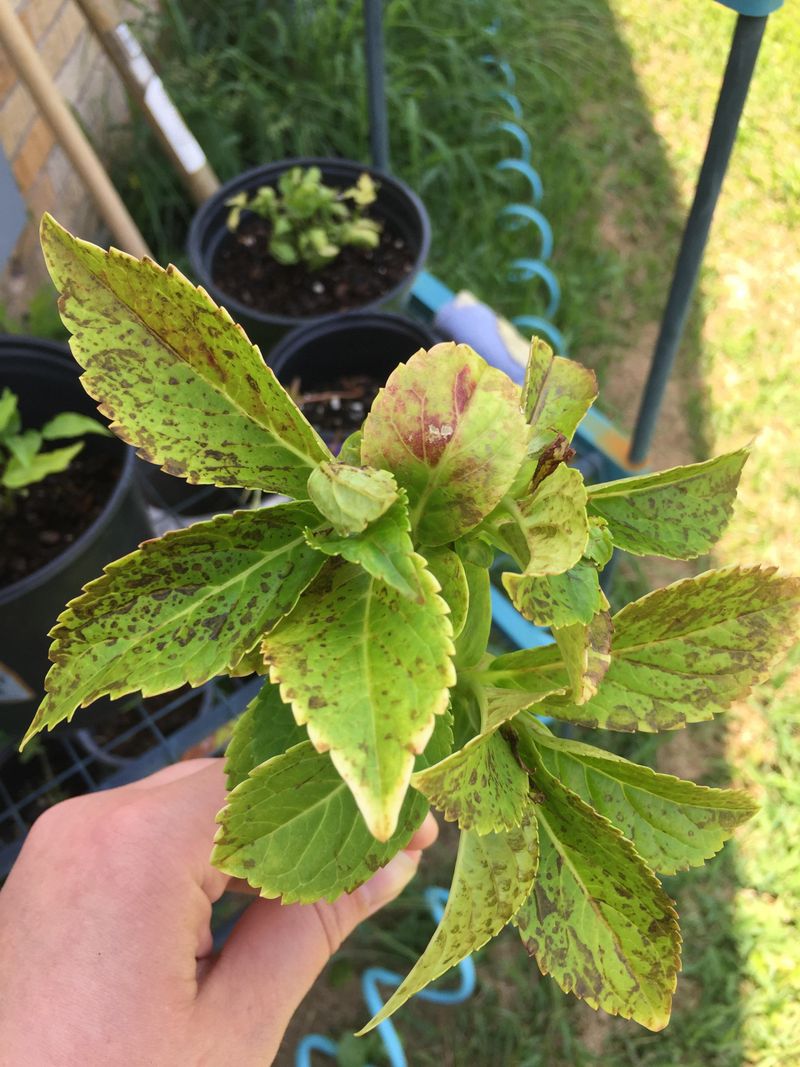
Fungal diseases like leaf spot and anthracnose can cause brown patches and discoloration that starts at the edges or in the middle of the leaf.
Unlike scorch, these spots often have a darker border or a yellow halo around the brown area. The pattern looks less uniform than heat damage.
Bacterial leaf spot is another possibility. It shows up as water-soaked patches that turn brown or black.
It tends to spread quickly in warm, humid conditions, especially if the leaves stay wet after watering. This is one more reason to water at the base rather than overhead.
If you suspect disease rather than scorch, look closely at the pattern of browning. Scorch tends to affect the very edges evenly.
Disease spots are usually more irregular, scattered, or have distinct borders. Removing affected leaves and improving air circulation can help slow the spread.
Avoid overhead watering and crowding plants too closely together. Good airflow around the plant reduces humidity and makes it harder for fungal spores to take hold.
If the problem persists, a copper-based fungicide spray can help manage fungal issues without harming the plant or the surrounding garden environment.