How To Make Your Arizona Yard Safer For Desert Tortoises
It is easy to think a yard is safe because nothing looks out of place. Most of us rarely stop to consider how everyday features might affect the wildlife living nearby.
Small changes around the house can create challenges that people never intended. The good news is that many of those problems are surprisingly easy to fix.
A few thoughtful adjustments can make a space much friendlier without changing the way it looks or feels. That is one reason more people are paying closer attention to the impact their landscapes have on native animals.
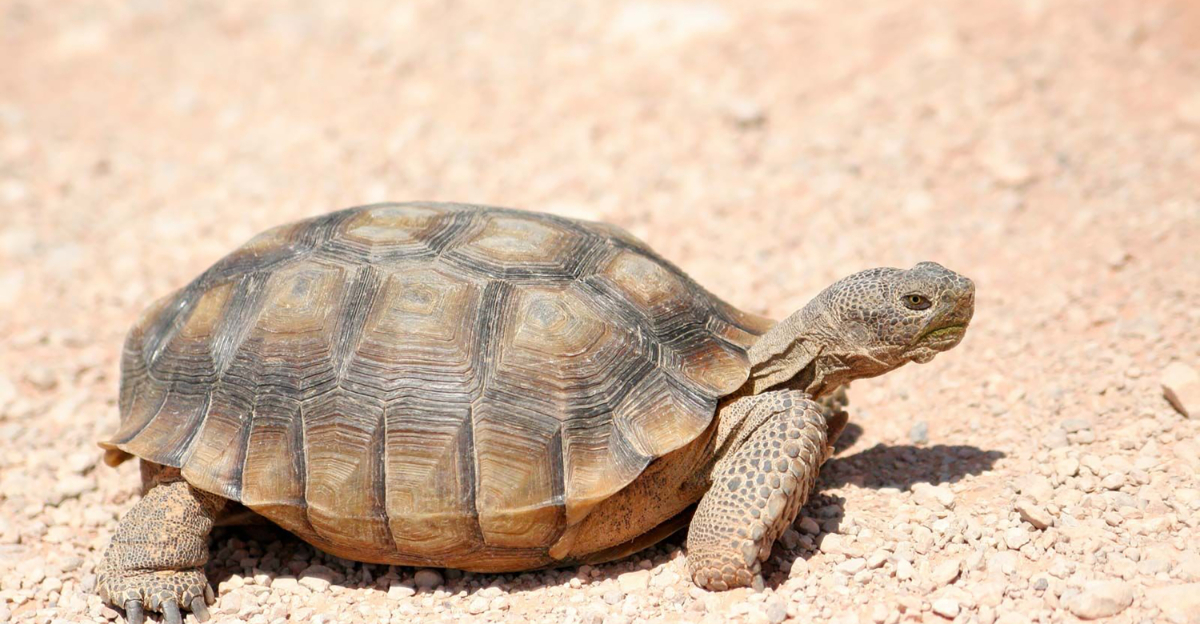
Desert tortoises have shared the landscape with people for generations. Giving them a safer place to move through is becoming more important in Arizona as neighborhoods continue to grow.
A few simple changes today can help protect these remarkable animals while keeping your yard just as enjoyable for you.
1. Use Fencing That Tortoises Cannot Get Trapped In
Fencing that looks harmless can actually trap a tortoise in seconds. Many standard fences have gaps, loose wires, or decorative openings that a tortoise can wedge its head into.
Once stuck, it cannot back out on its own.
Chain-link fencing is one of the biggest offenders. Tortoises push against it and can get a leg or neck caught in the gaps.
Wrought iron with wide spacing poses a similar problem.
Solid block walls are generally safer, but even those need attention at ground level. Check for spaces where the wall meets uneven ground.
A gap as small as a few inches can be enough for a tortoise to get stuck or squeeze through into an unsafe area.
Hardware cloth or tight wire mesh placed along the bottom of existing fences is a practical fix. It should be buried a few inches underground since tortoises are strong diggers.
Secure it flat against the fence with no gaps or bends that could snag a foot or shell.
Walk your fence line a few times a year and after heavy rains. Erosion can open up new gaps near posts or along the base.
Catching these early makes a real difference.
2. Cover Window Wells And Other Deep Openings
Window wells are practically invisible hazards for tortoises. A tortoise walking along a foundation can tumble straight in without any warning.
Once inside, it cannot climb out on its own.
Even shallow wells become dangerous traps. A tortoise stuck inside is exposed to intense reflected heat, especially on a warm desert afternoon.
Stress and dehydration can set in faster than most people expect.
Window well covers are widely available at hardware stores and are easy to install. Look for covers made from sturdy metal mesh or solid polycarbonate.
Avoid flimsy plastic versions that crack in the sun after a season or two.
Beyond window wells, scan your yard for other sunken openings. Old irrigation valve boxes, drainage grates, and uncapped pipes all pose similar risks.
A tortoise can fall into any of these and become trapped without any visible sign from above.
Drainage channels and dry creek beds with steep sides should also be checked. If the sides are too vertical for a tortoise to climb, add a rough ramp made from stacked flat rocks or a piece of textured board.
Your Arizona Garden Changes Every Week. Your Plan Should Too.
Gardening in Arizona changes quickly throughout the season. Every Friday you’ll receive a simple weekly plan showing exactly what to plant, prune, fertilize, harvest, and protect so you never miss the right timing.
Simple additions like these cost almost nothing but can make a real difference.
Check covered openings after storms or heavy winds.
3. Check Under Vehicles Before Driving Away
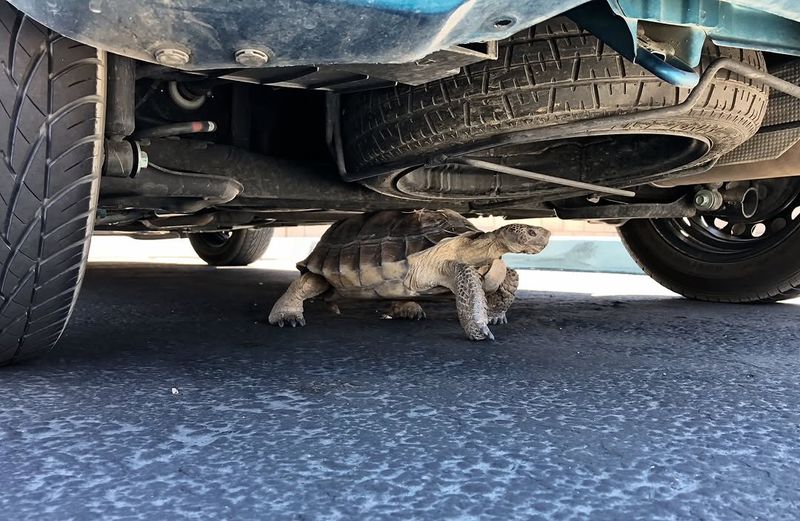
Vehicles and tortoises are a dangerous combination. Tortoises are drawn to shady spots under cars, especially during the hottest parts of the day.
Parked vehicles create cool, dark shelter that tortoises actively seek out.
Most people never think to check under their car before pulling out. A tortoise resting directly behind a rear tire is nearly impossible to spot from the driver seat.
Even a slow reverse can cause serious injury to an animal that size.
Make it a habit to do a quick visual sweep before moving any vehicle. Walk around both sides and check under the bumpers and along the tires.
It takes less than thirty seconds and can prevent a tragic accident.
Driveways near desert washes, rocky terrain, or open lots see tortoise activity more often. If your property backs up to natural desert land, the chances of a tortoise sheltering under your vehicle go up considerably.
Encourage everyone in your household to do the same check. Kids especially can get into the habit early.
Post a small reminder near the garage door or on the dashboard if needed. Building the habit takes only a few days.
Tortoises are not fast movers, but they can shift position while a car sits idle for hours.
4. Remove Trash And Debris That Can Trap Wildlife
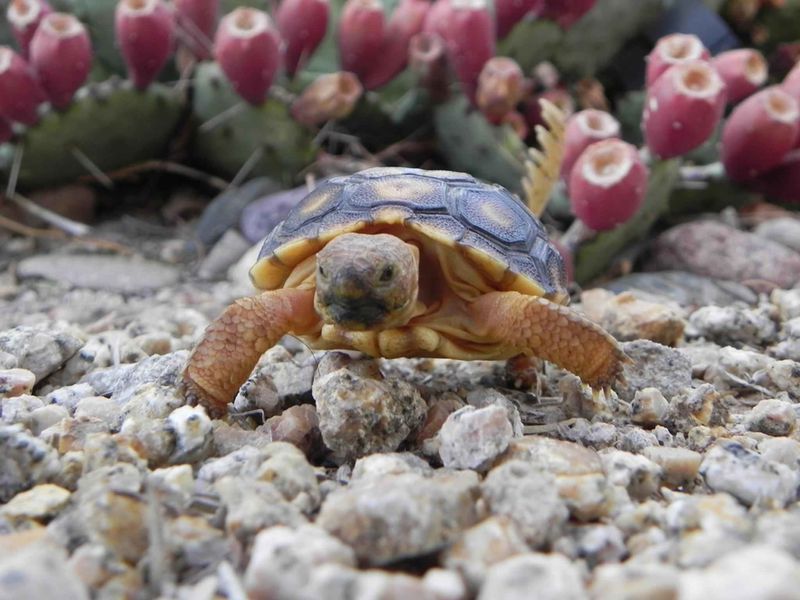
Old junk piled in a yard is not just an eyesore. Loose netting, plastic bags, wire scraps, and broken containers can trap a tortoise in ways that are hard to predict.
A tortoise nosing around debris can get tangled or wedged in seconds.
Netting is especially risky. Fruit tree netting, old bird netting, and erosion control mesh all have the same problem.
A tortoise walks into it, legs get tangled, and it cannot free itself. The more it struggles, the tighter the tangle gets.
Plastic bags and food wrappers are another concern. Tortoises sometimes attempt to eat them, mistaking them for food.
Ingesting plastic can cause serious internal blockages. Keep trash contained and secured so pieces cannot blow around the yard.
Old buckets, broken pots, and deep containers should be removed or stored upside down. A tortoise can fall into an open bucket and get stuck.
Even a few inches of collected rainwater inside a container poses a drowning risk for small or juvenile tortoises.
Do a thorough yard sweep a couple of times per season. Look along fence lines, behind sheds, and under bushes where debris collects.
Pay extra attention after monsoon season, when wind and water push all kinds of materials into unexpected corners of the yard.
5. Keep Dogs Away From Tortoises
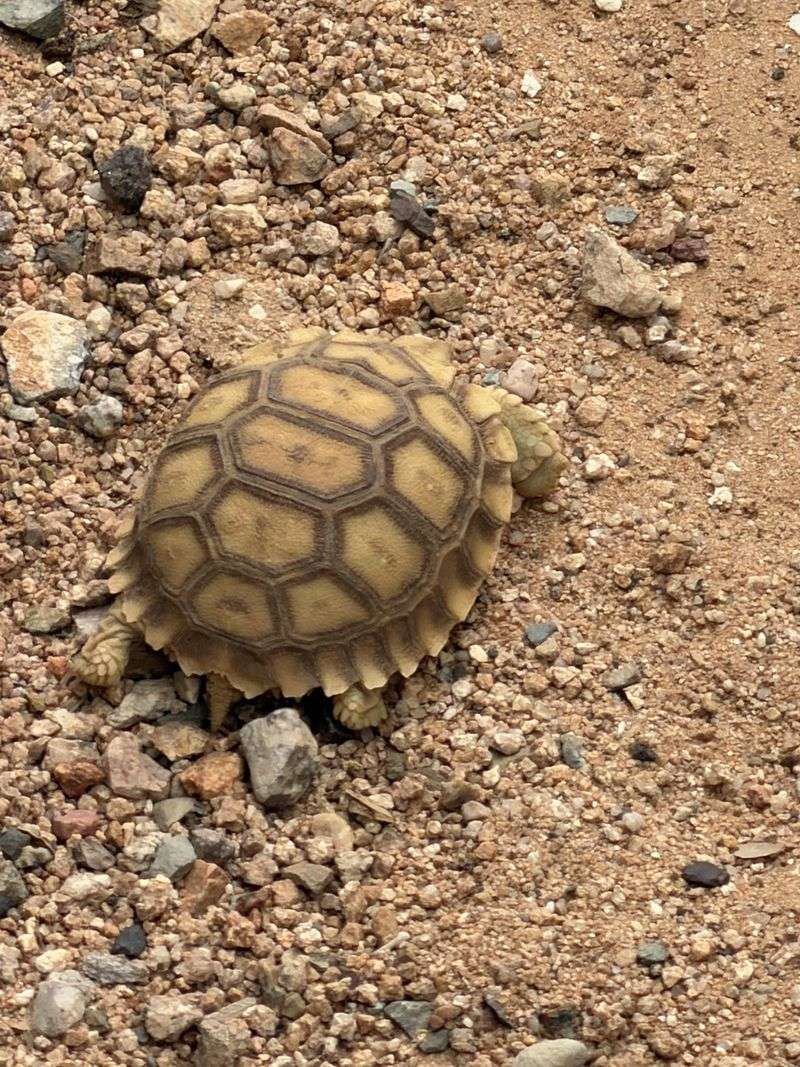
Dogs and tortoises do not mix well. Even a friendly, curious dog can injure a tortoise badly without meaning any harm.
Pawing, mouthing, or flipping a tortoise can crack its shell or cause internal injury.
Larger dogs can cause damage quickly. Smaller dogs are not necessarily safer since terriers and similar breeds have strong prey instincts.
A dog that has never shown aggression toward wildlife may still react unpredictably when it encounters a tortoise up close.
Supervised outdoor time is key if your dog shares space with tortoises. Never leave a dog unattended in an area where a tortoise is present.
Even a few unsupervised minutes can result in a serious situation.
Physical separation is the most reliable solution. A fenced-off section of the yard gives tortoises a dog-free zone to move around safely.
The barrier does not need to be elaborate, but it should be solid enough that a motivated dog cannot push through or dig under it.
If a tortoise regularly visits your yard from a neighboring property, post a note or talk to your neighbors. Coordinating supervision schedules helps reduce the chance of an accidental encounter.
Training your dog to leave wildlife alone is worth the effort. Basic commands like leave it can be reinforced with patience and consistency.
Professional trainers with experience in wildlife coexistence can offer guidance if needed.
6. Leave Native Plants Where They Can Provide Shelter
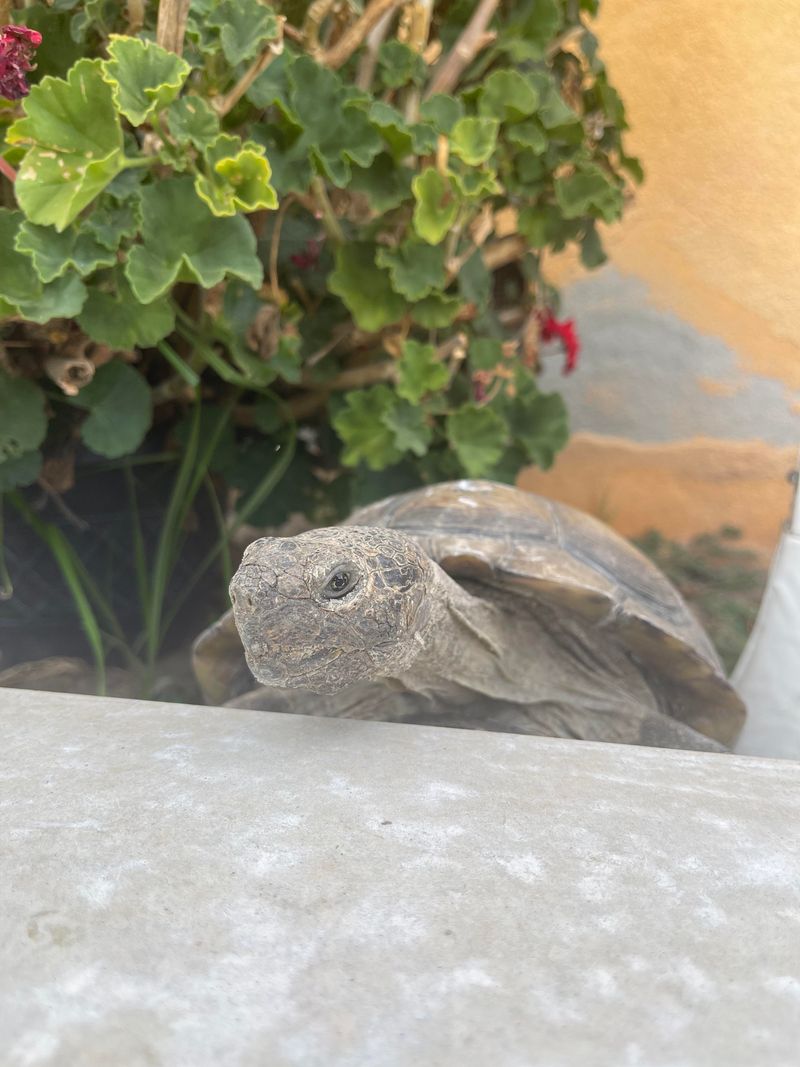
Native plants do more than look good in a desert yard. Low-growing shrubs and groundcover plants create natural shelter that tortoises actively use.
Removing them strips away resting spots that tortoises rely on during the hottest parts of the day.
Brittlebush, creosote, and desert broom all provide low shade at ground level. A tortoise tucked under a dense shrub stays significantly cooler than one sitting in the open.
Shade from native plants is more effective than most people expect.
Palo verde trees offer dappled shade that moves throughout the day. Tortoises will shift positions to follow that shade as the sun moves.
Keeping mature native trees is one of the easiest things a homeowner can do to support tortoise comfort.
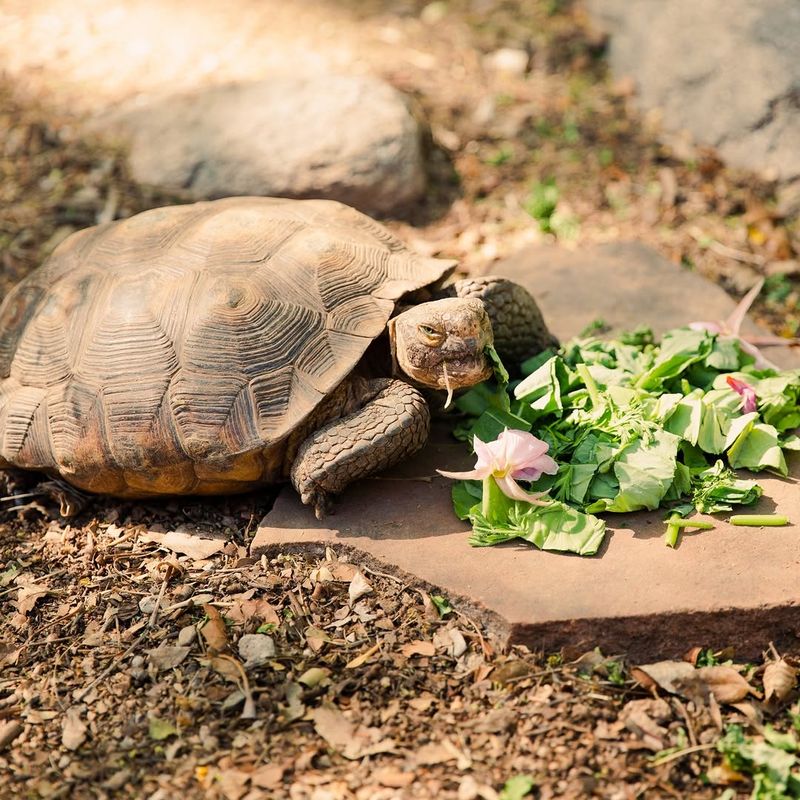
Removing native groundcover to install gravel or turf takes away more than shade. It eliminates plant material that tortoises may graze on, including dried grasses, fallen flowers, and soft leaves.
These make up a natural part of their diet.
When landscaping, consider leaving buffer zones of undisturbed native vegetation near walls and fence lines. Tortoises prefer edges and transition zones.
A strip of native plants along a wall gives them cover while moving through the yard.
Not every plant needs to stay, but think carefully before clearing large sections.
7. Avoid Using Rodent Poisons Around Your Property
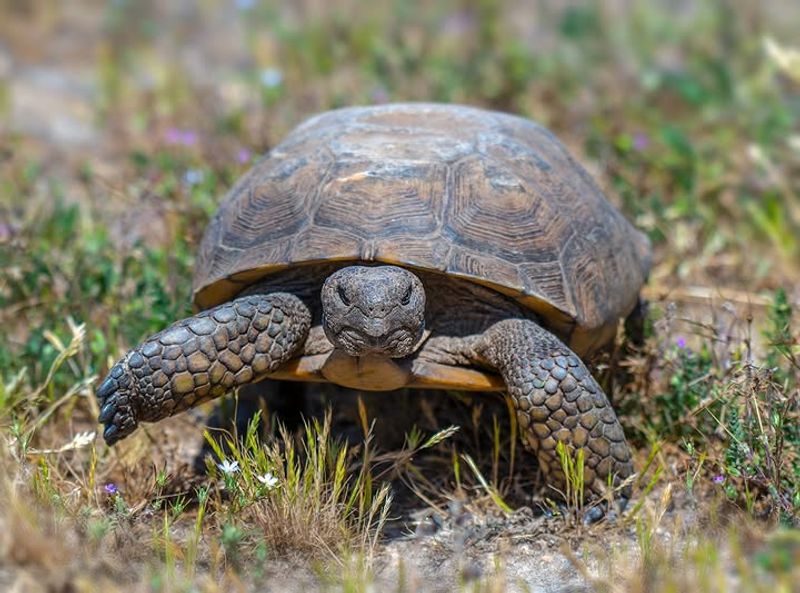
Rodent poisons are widely used in desert neighborhoods, but they can affect more than just rodents. Choosing safer rodent control methods helps protect the wildlife that shares the same habitat.
Desert tortoises do not eat rodents, but they still benefit from a healthier environment. Many native animals help keep rodent numbers under control.
Using fewer rodenticides helps those animals continue playing their natural role. It also helps maintain a healthier desert ecosystem for many native species.
Anticoagulant rodenticides are especially concerning. Birds of prey, coyotes, foxes, and other wildlife can be affected after eating poisoned rodents.
Using less of these products helps support the natural balance of wildlife around your property.
Snap traps placed inside enclosed bait stations are a more targeted alternative. Stations keep the traps inaccessible to tortoises and other non-target animals.
Proper placement matters, so follow manufacturer instructions carefully.
Exclusion methods work well too. Sealing gaps around sheds, removing food sources like fallen fruit, and securing trash bins reduce rodent activity without any chemical risk.
Prevention often works better than treatment once a rodent problem has taken hold.
Talk to a pest control professional who has experience working in wildlife-sensitive areas.