How Borers And Bark Beetles Threaten Arizona Trees In Summer Heat
Arizona summers are genuinely tough on trees. We’re talking 110 degree heat, soil that dries out almost faster than you can water it, and a sun that shows absolutely zero mercy from June through September.
Most trees handle it reasonably well when they’re healthy and well-managed. But here’s where things get interesting.
A tree that’s already stressed from drought, uneven irrigation, or sun damage is essentially sending out a signal to a very specific group of insects that the timing is right. Borers and bark beetles are opportunists in the truest sense of the word.
They’re not interested in strong, healthy trees. They’re looking for the ones that are already struggling, and Arizona summers create plenty of those opportunities.
Knowing what to watch for and how to keep your trees in good shape is genuinely one of the best moves you can make right now.
1. Drought-Stressed Trees Become Easier Targets
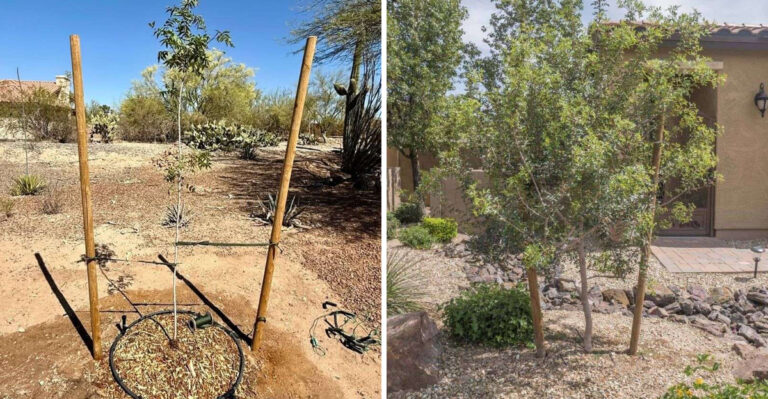
Walking through an Arizona yard in July, it is hard to miss how thirsty some trees look. Leaves may appear wilted or smaller than usual, and the soil around the base often pulls away from the roots like dried clay.
Trees in this condition are sending a quiet signal that their defenses are already stretched thin.
Healthy trees can produce resins and other natural compounds that help push back against insects trying to bore into the bark. When a tree is water-stressed, that energy gets redirected just to keep the tree alive, and those defenses drop.
Borers and bark beetles are well-adapted to find trees in exactly this weakened state.
In Arizona, prolonged dry spells combined with high heat can push even established trees into a vulnerable cycle.
A tree that looked fine in spring may show noticeable stress by midsummer if irrigation was inconsistent or if roots were already dealing with compacted soil.
Shallow watering, overwatering, and underwatering can all contribute to root stress that weakens the whole tree above ground.
Homeowners who notice thinning canopies, early leaf drop, or bark that looks sunburned should take those signs seriously.
Getting irrigation right before summer peaks gives trees a much better chance of staying strong enough to resist pest pressure on their own.
2. Summer Heat Can Weaken Tree Defenses
Few things test a tree’s resilience quite like an Arizona summer. When daytime temperatures stay above 100 degrees for weeks at a stretch, trees face a constant drain on their energy reserves.
Photosynthesis slows, water loss through leaves increases, and the roots may struggle to pull enough moisture from hot, dry soil.
Trees rely on stored energy to produce defensive chemicals and to seal off wounds. When that energy runs low because of heat stress, the tree’s ability to respond to threats drops noticeably.
Some trees may even begin pulling resources away from outer branches and bark layers, which are exactly the areas borers and bark beetles target first.
Arizona’s desert climate creates conditions where heat stress and drought stress often hit at the same time.
Your Arizona Garden Changes Every Week. Your Plan Should Too.
Gardening in Arizona changes quickly throughout the season. Every Friday you’ll receive a simple weekly plan showing exactly what to plant, prune, fertilize, harvest, and protect so you never miss the right timing.
Shade trees planted in exposed spots, trees growing in reflected heat from walls or pavement, and young trees with shallow root systems tend to feel this the hardest.
Even mature trees can struggle if they go into summer already depleted from a dry spring.
Homeowners sometimes focus only on watering schedules, but soil health and mulching also play a real role.
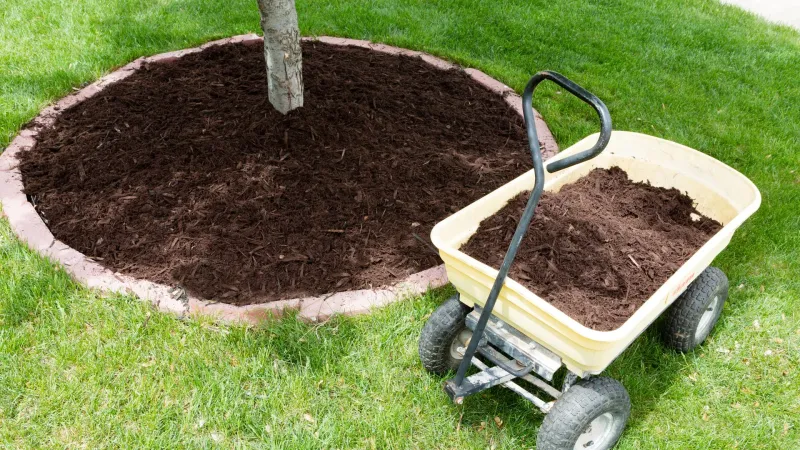
A thick layer of organic mulch around the base of a tree can help keep root zones cooler and hold moisture longer, giving the tree a better foundation to handle the stress of an Arizona summer without losing its natural defenses.
3. Borers Often Move Into Trees Already Under Stress
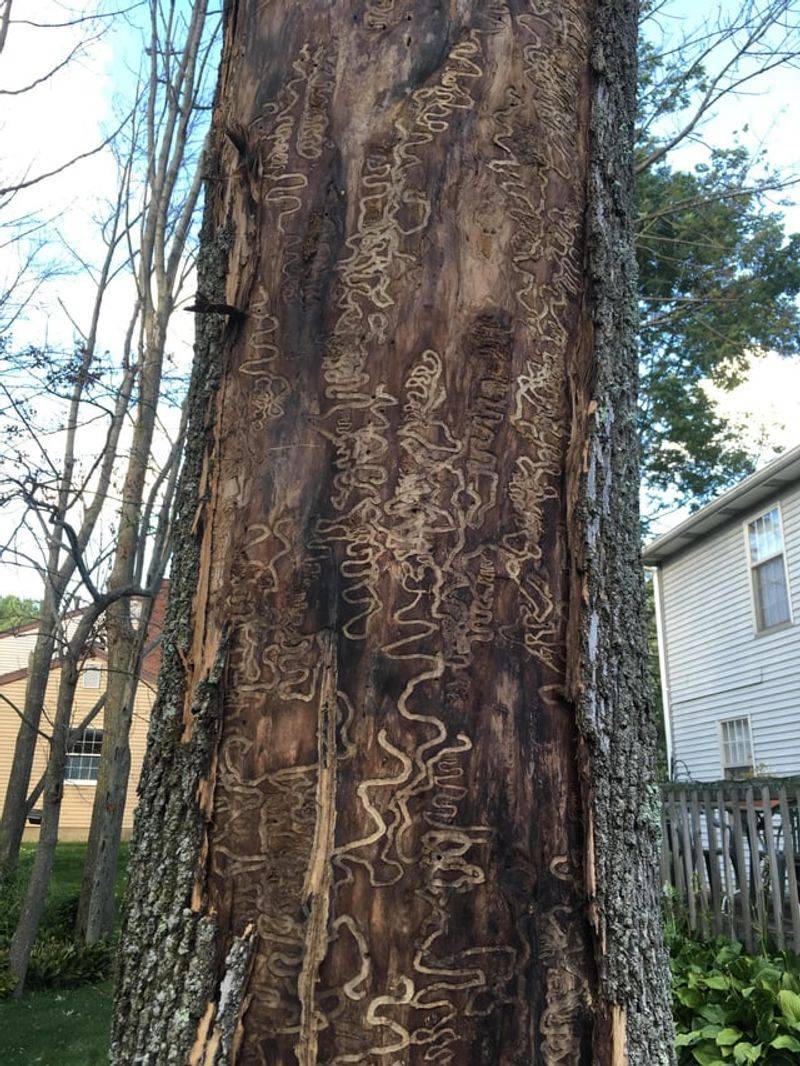
Most wood-boring insects are opportunists. Rather than randomly attacking any tree they come across, many species are drawn specifically to trees that are already struggling.
A tree giving off certain chemical signals from heat damage, drought stress, or mechanical injury can actually attract borers looking for a suitable place to feed and reproduce.
Once inside the bark, borer larvae tunnel through the inner wood layers that carry water and nutrients up and down the tree. These tunnels disrupt the flow of resources and can cause sections of the tree to decline faster than they otherwise would.
The damage is often hidden until it has already progressed significantly.
In Arizona, several borer species are known to target stressed shade trees, fruit trees, and ornamental trees in residential yards.
Flatheaded borers and roundheaded borers are among the types that can show up when trees are weakened by heat, poor soil conditions, or root problems.
Different borers prefer different host trees, so the pest involved can vary depending on what species are planted in the yard.
Catching borer activity early gives homeowners more options for managing the situation. Keeping trees well-watered, avoiding unnecessary wounds, and watching for early symptoms like small holes, oozing sap, or unusual bark discoloration can all help.
When in doubt, consulting a certified arborist familiar with Arizona landscapes is a smart step before problems get harder to address.
4. Bark Beetles Can Be Serious For Pines And Conifers
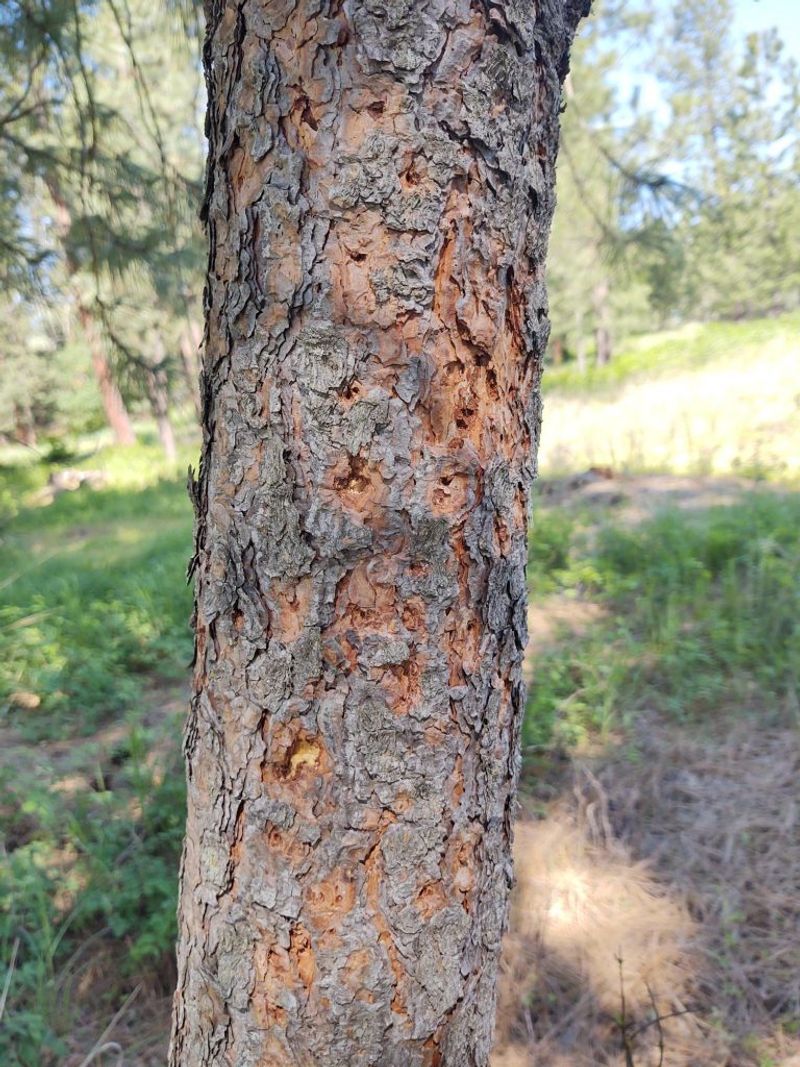
Pine trees growing in Arizona’s higher elevations, including ponderosa pines and other conifers, face a real challenge from bark beetles during hot, dry summers.
These small insects bore through the outer bark and lay eggs in the inner bark layer, where the larvae feed and develop.
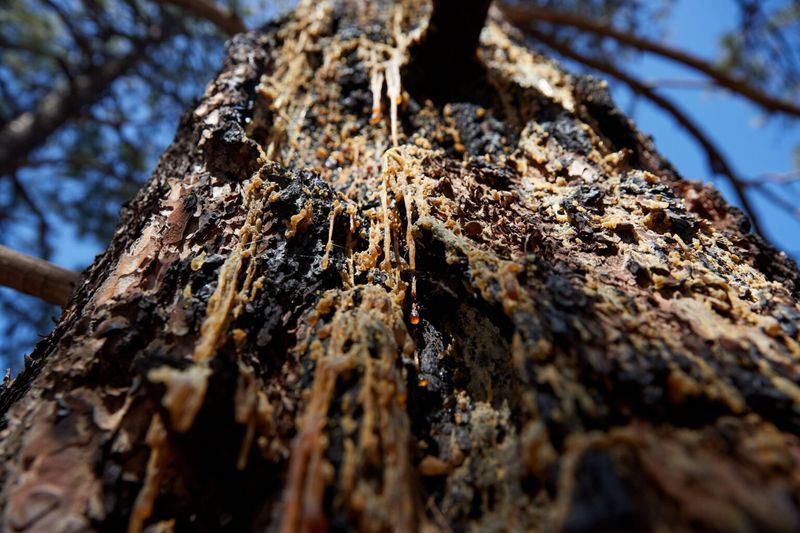
A healthy pine can often push back by flooding beetle entry points with sticky resin, but a stressed tree may not produce enough to do that effectively.
Several bark beetle species are found in Arizona, and some can build up populations quickly when conditions favor them.
Extended drought reduces the resin flow that pines depend on for defense, and high temperatures can speed up beetle development cycles, meaning more generations can complete in a single season.
This combination makes drought years particularly risky for Arizona pines.
Homeowners with pines or other conifers in their yards, or on properties near forested areas, should keep a close eye on tree health during summer.
A tree that was thriving in previous years may show stress symptoms faster than expected during a stretch of extreme heat and low rainfall.
Early action gives the tree a better chance of recovering before beetle pressure becomes overwhelming.
Supplemental watering during dry spells, avoiding soil compaction near the root zone, and keeping trees free from unnecessary wounds can all support pine health.
Trees that go into summer well-hydrated tend to maintain stronger natural defenses against bark beetle activity.
5. Tiny Holes And Boring Dust Can Signal Activity
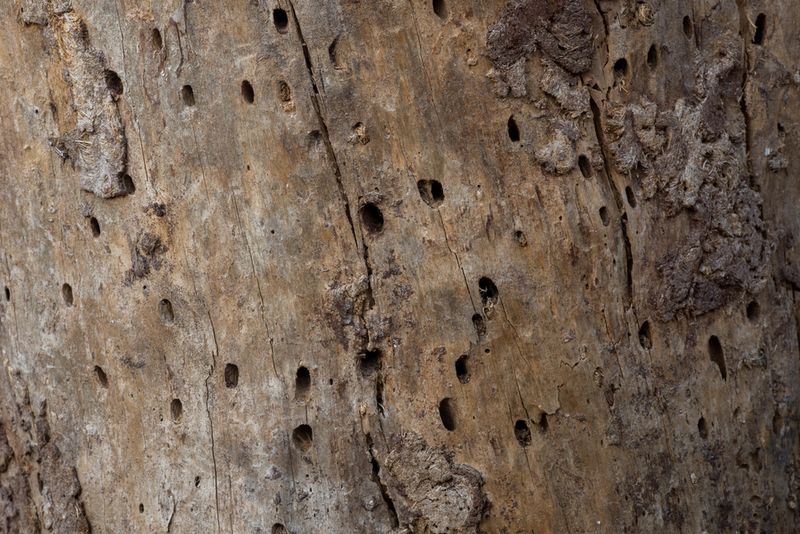
Spotting the first signs of borer or bark beetle activity can feel like finding a small clue in a larger puzzle.
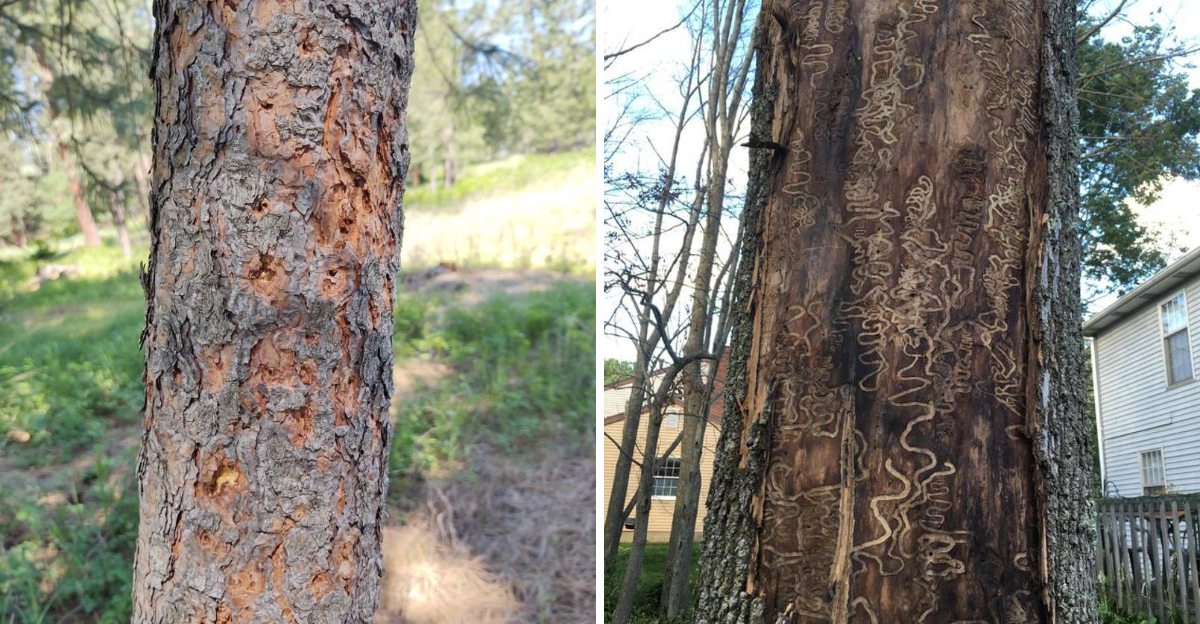
The holes left behind by these insects are often small – some barely the size of a pencil tip – and they can be easy to overlook unless you are specifically checking for them.
Taking a slow walk around your trees and looking closely at the bark can reveal problems that are not obvious from a distance.
Boring dust, sometimes called frass, is one of the more telling signs. It looks like fine sawdust or a gritty powder and often collects in bark crevices or at the base of the trunk.
Some beetles also leave behind pitch tubes, which are small blobs of resin mixed with sawdust that form where the insect entered the tree. These are especially common on pines.
In Arizona’s summer heat, checking trees during cooler parts of the day makes the inspection more manageable and easier to focus on.
Look for any unusual discoloration of the bark, areas where the bark seems to be separating or cracking in unusual patterns, or spots where sap is seeping unexpectedly.
These can all point toward insect activity beneath the surface.
Not every hole or sap spot means a serious infestation, since other factors can cause similar symptoms. Getting a second look from someone experienced with Arizona tree pests can help confirm what is actually happening before deciding on next steps.
6. Needle Color Changes Can Point To Pine Trouble
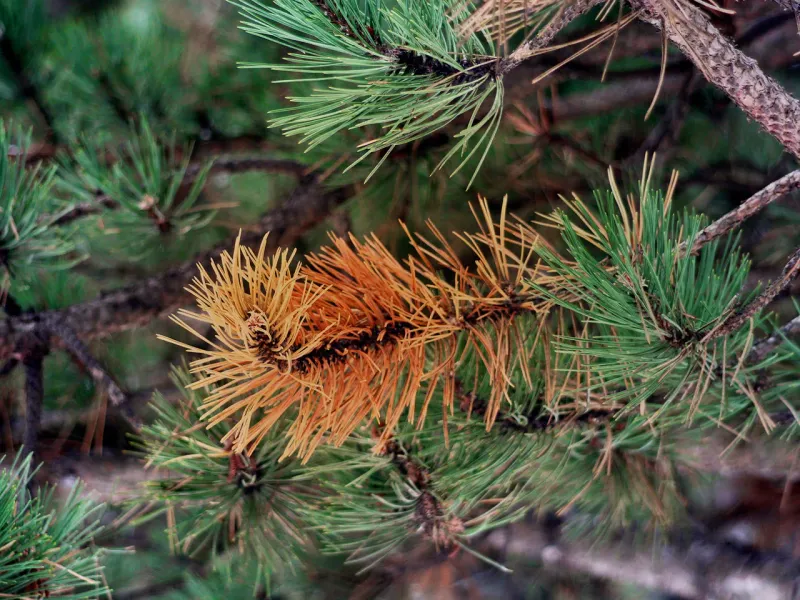
There is something unsettling about watching a pine tree’s needles shift from deep green to a dull yellow or reddish brown.
For many Arizona homeowners with pines in their yards or near their properties, that color change can be one of the first visible signs that something is wrong below the surface.
Needle discoloration does not always mean bark beetles are involved, but it is a symptom worth investigating promptly.
When bark beetles disrupt the flow of water and nutrients through the inner bark, the needles are among the first parts of the tree to show the effects. The change often starts on one section of the tree and can spread as the damage progresses.
In some cases, the color shift moves through the canopy over a period of weeks rather than happening all at once.
It is worth noting that other issues, including drought stress, root problems, fungal disease, or even normal seasonal needle drop, can also cause color changes in pines. Misidentifying the cause can lead to the wrong response, which is why careful inspection matters.
Looking for pitch tubes, exit holes, or boring dust alongside the needle changes can help build a clearer picture of what is happening.
Arizona pines growing in areas with heavy summer heat and limited rainfall are under the most pressure.
Giving pines consistent deep watering during dry stretches, especially at the outer edge of the root zone, supports the tree’s ability to move water and nutrients even when conditions get tough.
7. Freshly Stressed Or Damaged Wood Can Attract Problems
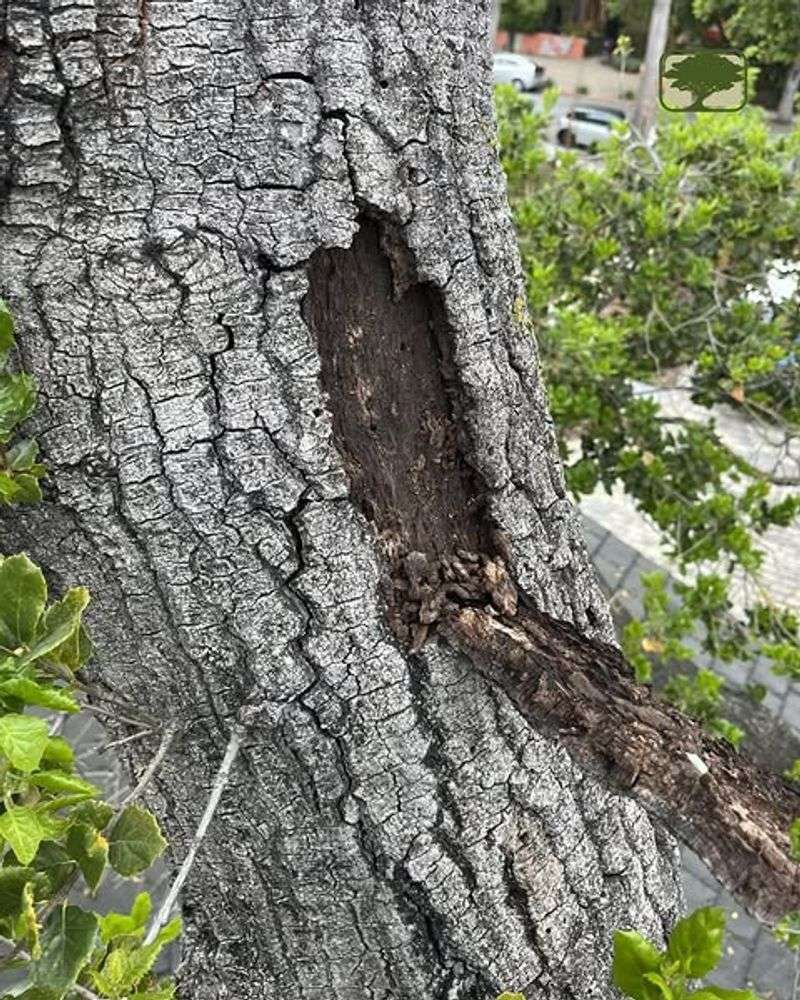
A freshly cut branch or a crack left by a summer storm can do more than just leave a tree looking rough.
Open wounds and freshly exposed wood can release chemical signals that certain wood-boring insects are drawn to, particularly during the warm months when beetles are most active.
Arizona summers create conditions where trees may face both physical damage and insect pressure at the same time.
Pruning is a necessary part of tree care, but the timing and technique matter more than many homeowners realize.
Large cuts made during peak summer heat leave the tree managing two challenges at once – healing the wound while also coping with heat and drought stress.
Whenever possible, major pruning is better suited for cooler seasons when the tree has more energy to respond and insect activity is lower.
Storm damage is harder to control, but acting quickly after a significant branch break can help. Cleaning up jagged wounds with a proper cut rather than leaving torn bark exposed reduces the surface area available for insects to access.
Avoid applying wound sealants or paints to cuts, as research suggests these can sometimes trap moisture and do not consistently improve outcomes.
Root damage from construction, soil compaction, or trenching near trees can also stress the wood from the ground up.
Protecting the root zone during any yard work or renovation project is a practical step that supports the long-term health of Arizona trees, especially heading into the most demanding months of summer.
8. Prevention Usually Starts With Better Tree Care
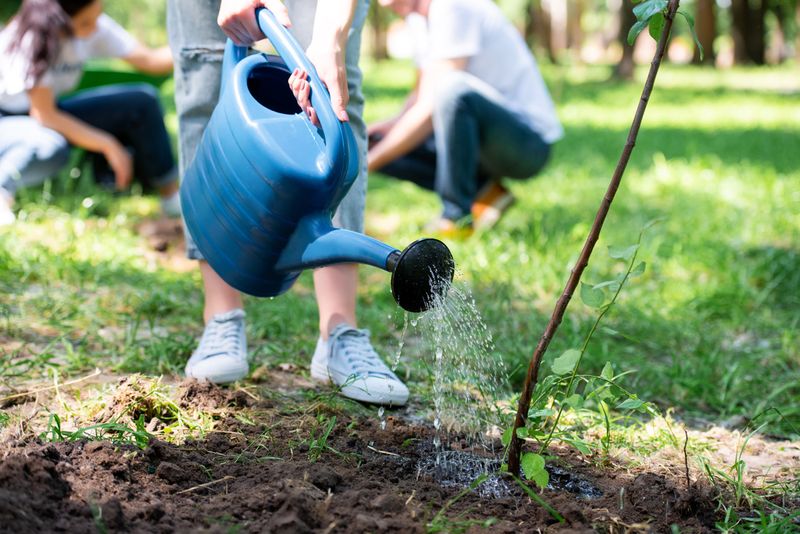
Reducing the risk of borer and bark beetle problems in Arizona largely comes down to keeping trees as healthy and vigorous as possible before insects ever become a concern.
A well-cared-for tree is not invincible, but it has far better tools to handle pest pressure than one that is already running low on resources heading into summer.
Deep, infrequent watering encourages roots to grow deeper into the soil where moisture is more stable. Shallow watering keeps roots near the surface, where heat and evaporation take a heavier toll.
For most established shade trees in Arizona, watering slowly and thoroughly every one to two weeks during summer, depending on soil type and tree size, supports a healthier root system overall.
Mulching around the base of trees, keeping mulch a few inches away from the trunk itself, helps regulate soil temperature and moisture. Avoiding mechanical damage from lawn equipment, string trimmers, and careless digging near roots is also worth the effort.
Small wounds may seem minor, but they add up and can create entry points for insects over time.
Choosing tree species that are well-suited to Arizona’s climate and planting them in appropriate locations reduces long-term stress.
A tree fighting heat reflection from a south-facing wall or struggling in compacted urban soil faces more challenges than one planted thoughtfully.
Getting an arborist familiar with Arizona conditions to evaluate tree health before summer peaks can make a real difference in catching problems early and keeping trees thriving through the heat.