How To Choose A Shade Sail That Keeps Arizona Patios Cooler
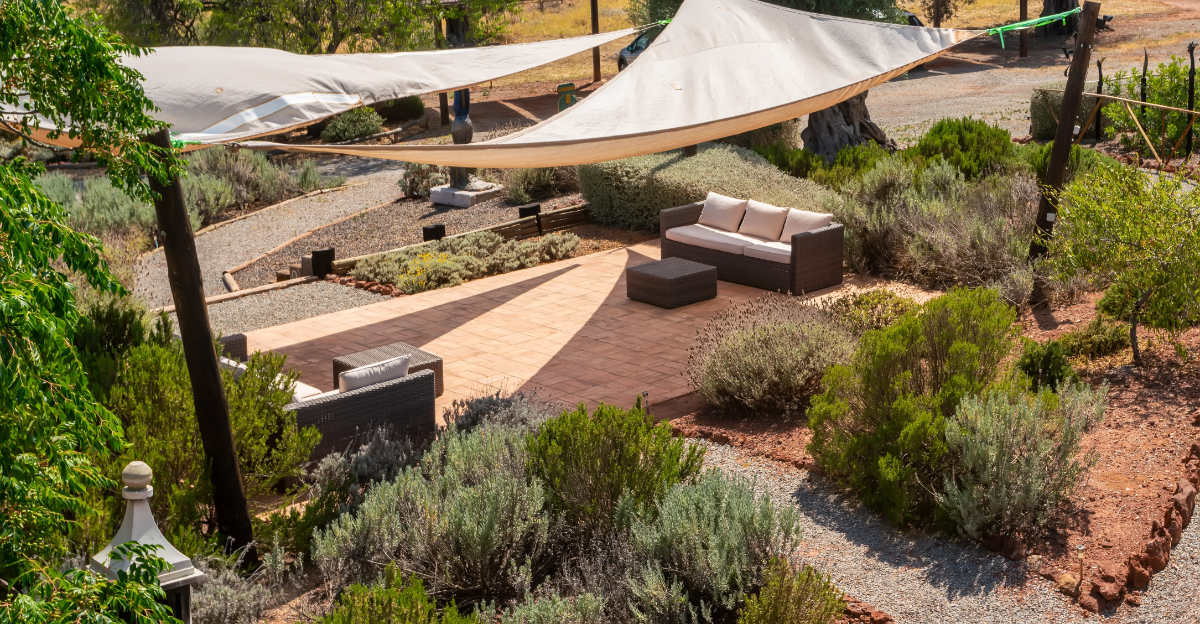
Planning to spend time on the patio sounds great until the afternoon heat changes your mind.
A space that feels comfortable in the morning can become difficult to enjoy just a few hours later.
That is when many homeowners start looking for a better way to create lasting shade. The first option is not always the right one, even if it looks perfect in a photo.
Small details can make a surprising difference once the hottest days arrive. Picking the right material and design matters much more than most expect.
A shade sail can completely change how an outdoor space feels. Choosing one for an Arizona patio takes more than matching colors or measuring the area.
The right choice can help reduce heat and make the space far more comfortable throughout the summer.
1. Light Colors Reflect More Sunlight
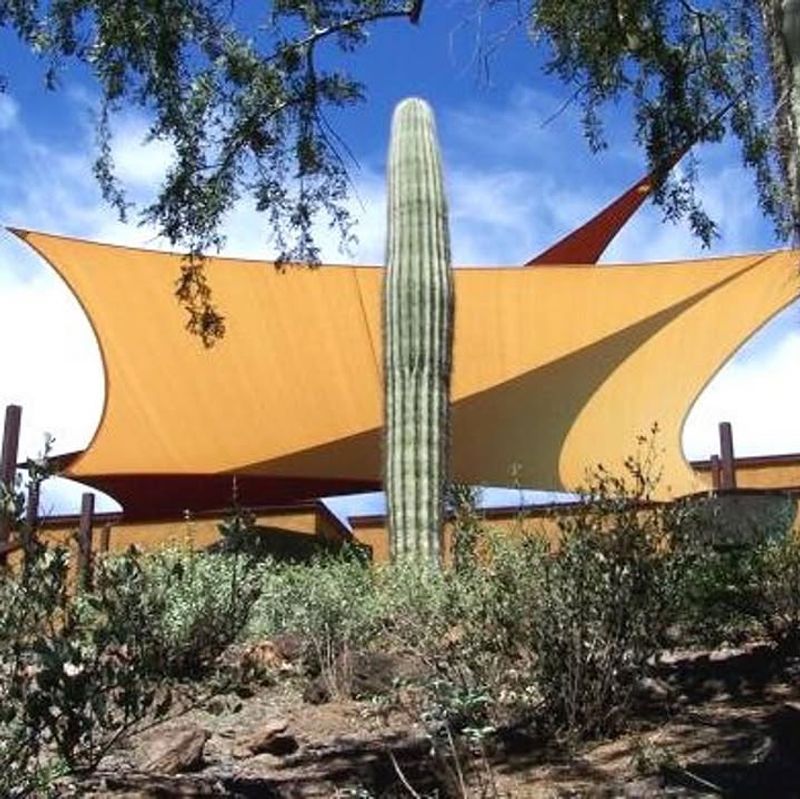
Color does more work than most people realize when it comes to shade sails. Light shades like white, cream, beige, and pale gray bounce sunlight away instead of soaking it in.
That reflection keeps the fabric from heating up, which means less warmth radiates down onto the people sitting below.
Dark-colored shade sails absorb solar energy. On a hot afternoon, a dark sail can actually add heat to the space underneath it.
Light colors do the opposite, helping the area stay noticeably cooler without any extra effort.
Choosing a lighter color also helps with glare. Bright desert sun reflects off surfaces at intense angles, and a white or cream sail softens that harshness without blocking your view of the sky.
Some manufacturers offer dual-layer or coated fabrics in lighter shades that boost reflectivity even further. Worth asking about when you shop.
One thing to keep in mind is that lighter fabrics can show dirt and dust more easily, especially in dry, dusty climates. Regular rinsing with a garden hose keeps them looking clean.
A light-colored sail that stays clean works better than a dark one that stays hot.
2. Knitted Fabric Lets Hot Air Escape
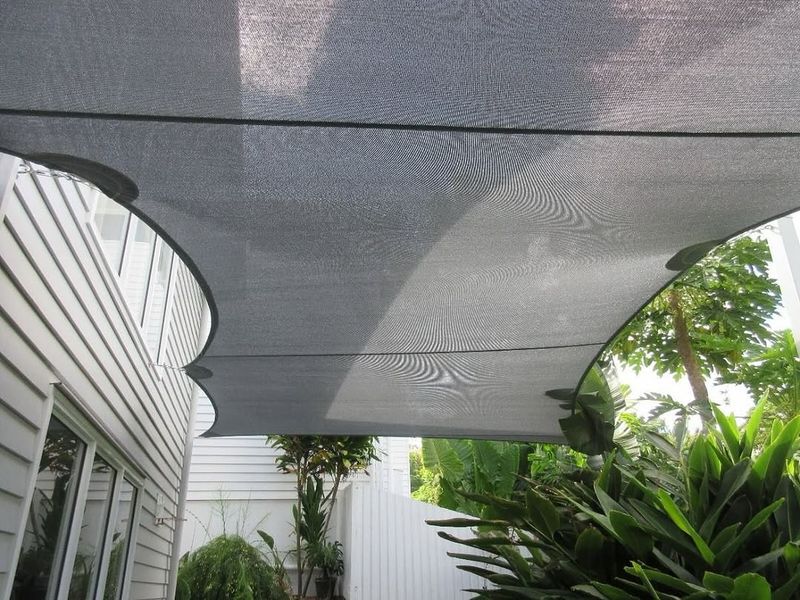
Hot air rises, and a shade sail that traps it underneath does more harm than good. Knitted shade sail fabric is woven with tiny gaps that let warm air flow upward and escape.
That ventilation keeps the space below from turning into a heat pocket on a still summer day.
Solid waterproof fabrics block airflow, making the space underneath feel warmer.
Sitting under one on a calm afternoon can feel stuffy and uncomfortable, even with shade overhead.
Knitted fabric solves that problem by keeping air moving, which makes a surprising difference in how cool the space feels.
Most knitted shade sails are made from high-density polyethylene, commonly called HDPE. It is lightweight, strong, and designed specifically for outdoor use.
The knitted structure also makes the material more flexible, which helps it handle wind without putting too much stress on the mounting points.
Knitted fabric is widely available and comes in dozens of colors and sizes. Checking the label or product description for the word “knitted” or “HDPE” helps confirm you are getting an airy fabric rather than a solid one.
Your Arizona Garden Changes Every Week. Your Plan Should Too.
Gardening in Arizona changes quickly throughout the season. Every Friday you’ll receive a simple weekly plan showing exactly what to plant, prune, fertilize, harvest, and protect so you never miss the right timing.
In hot climates, ventilation matters just as much as shade coverage, so do not overlook this detail when comparing options at the store or online.
3. Breathable Material Reduces Heat Buildup
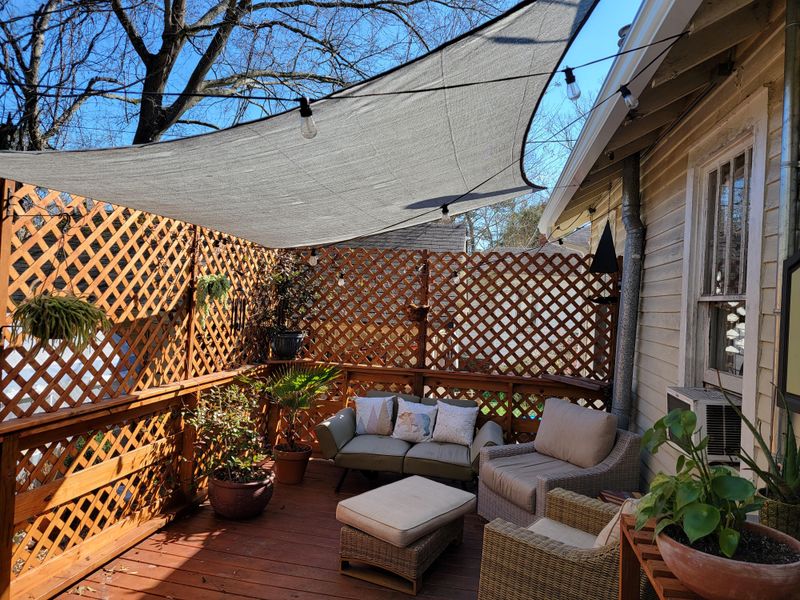
Breathability in a shade sail is not just a selling point. It is the difference between a shaded space that feels refreshing and one that still feels suffocating.
Breathable materials allow warm air to pass through the fabric rather than collecting beneath it.
Non-breathable materials like solid tarps or vinyl panels block airflow completely. Under intense desert sun, the trapped heat underneath those panels can make the space feel almost as hot as standing in direct sunlight.
Breathable fabric changes that dynamic significantly.
Look for materials rated with an air permeability value when shopping. Higher permeability means more airflow.
Some product listings include this spec, and it is a reliable indicator of how well the sail will ventilate your patio.
Breathable shade sails also handle wind better than solid alternatives. Because air passes through the fabric instead of pushing against it, the sail stays stable and puts less strain on anchor points during gusty conditions.
That structural benefit matters a lot in open outdoor spaces where wind direction shifts throughout the day.
Pairing a breathable shade sail with outdoor fans or misters can push the cooling effect even further. The fabric does not interfere with airflow from those devices the way solid materials would.
Getting the material right is a foundational step before adding any other cooling features to your patio setup.
4. Higher Shade Ratings Provide More Sun Protection
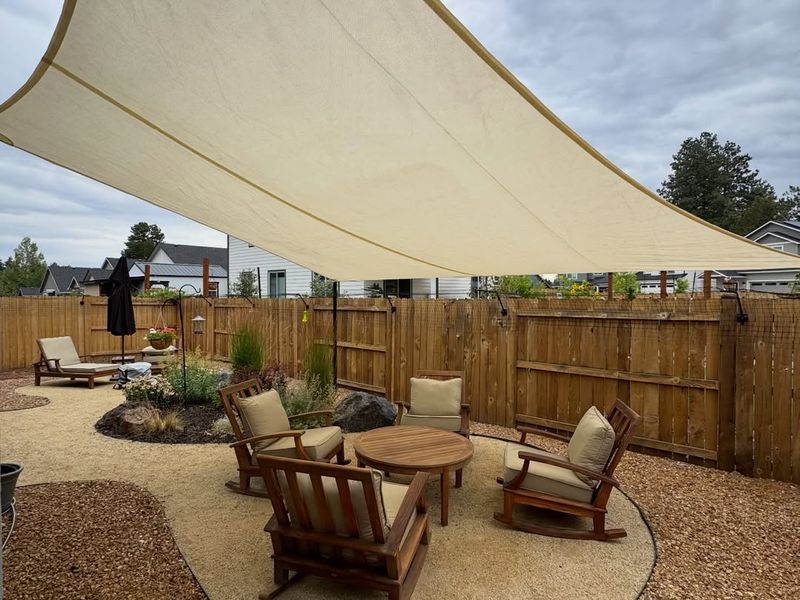
Shade ratings tell you how much sunlight a sail blocks. A sail rated at 90 percent blocks nine-tenths of the sun hitting the fabric.
A sail rated at 70 percent lets significantly more light through. That gap matters when the sun is beating down at full intensity.
For patios in hot, sun-heavy climates, a shade rating of at least 90 percent is worth prioritizing.
Lower-rated sails can work well in mild conditions, but they may not provide enough coverage when temperatures climb into the triple digits and sun angles are steep.
Shade ratings are usually listed in product descriptions or printed directly on the fabric tag. Some brands use terms like “shade factor” or “solar blockage percentage.”
Comparing the product specifications makes it easier to evaluate different options.
Keep in mind that shade rating and UV protection rating are related but not identical. A sail with a high shade rating tends to offer strong UV protection as well, but checking both specs separately is a smart habit.
Some fabrics are engineered specifically to filter UV radiation even when the shade percentage is moderate.
Reading the full product specs before purchasing helps you get a sail that handles both heat and sun exposure effectively, rather than just one or the other.
5. UV-Stabilized Fabric Lasts Longer In Desert Sun
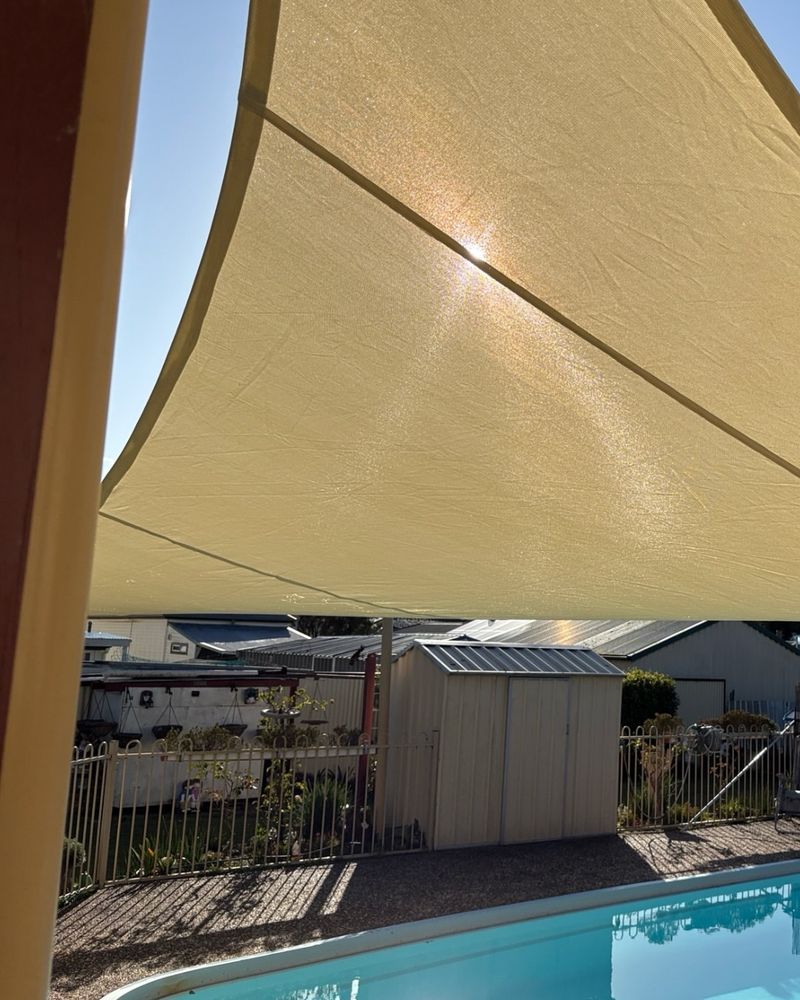
Fabric that has not been UV-stabilized breaks down fast under relentless sun exposure. Colors fade within a season, stitching weakens, and the material loses its structural strength.
UV stabilization is a chemical treatment built into the fabric that slows that breakdown process considerably.
Standard outdoor fabrics can degrade noticeably within one or two summers in a high-sun environment.
UV-stabilized options are designed to resist that damage over multiple years, though the exact lifespan still depends on how much direct sun exposure the sail receives daily.
High-density polyethylene shade sails are commonly UV-stabilized during manufacturing. The treatment is worked into the fibers themselves rather than applied as a surface coating, which means it does not wash off or wear away as quickly.
That built-in protection is more reliable than surface treatments on cheaper materials.
When comparing products, look for language like “UV-stabilized,” “UV-treated,” or “UV-resistant” in the product description. Some manufacturers list expected lifespan in years based on UV testing.
Those figures give you a realistic sense of how long the sail should hold up before needing replacement.
Spending a little more on UV-stabilized fabric upfront can save money over time. Replacing a cheap sail every season adds up quickly.
A quality stabilized sail, properly installed and maintained, typically holds its strength and color for several years in demanding outdoor conditions.
6. Proper Size Creates More Usable Shade
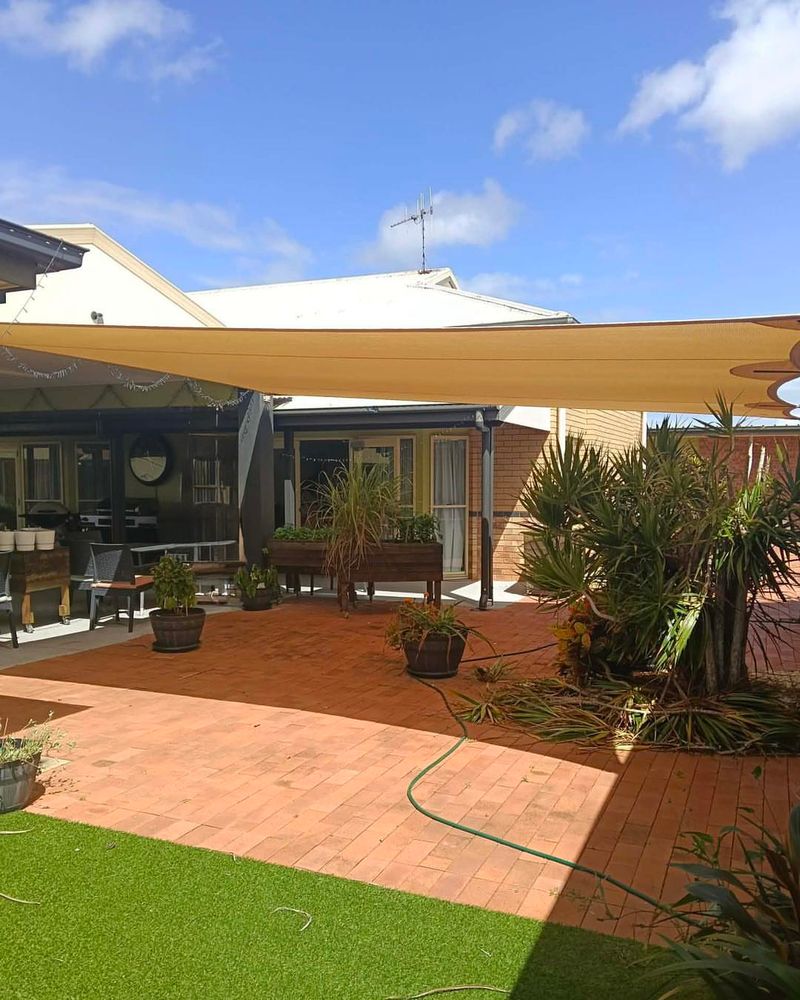
Getting the size wrong is one of the most common mistakes people make with shade sails. A sail that is too small leaves edges of the patio exposed, and those hot spots can make the whole area feel uncomfortable even when most of it is covered.
Measuring your patio before shopping is a straightforward step that many people skip. Note the length and width of the area you want covered, then factor in the mounting height.
A sail installed at a steep angle covers less ground area than one mounted flatter, so installation angle affects how much space you actually shade.
Overlapping two smaller sails can cover a large area effectively when a single large sail is not available in the right shape. Triangular and square sails each have different coverage patterns.
Choosing the right shape for your patio layout matters as much as choosing the right size.
Shade sails do not need to cover every square inch to be useful. Covering the primary seating area and any direct west-facing exposure tends to have the biggest impact on comfort.
West-facing sun in the late afternoon is often the most intense, and blocking that angle makes a noticeable difference in how long the patio stays usable in the evening hours.
7. Durable Materials Hold Up Better Outdoors
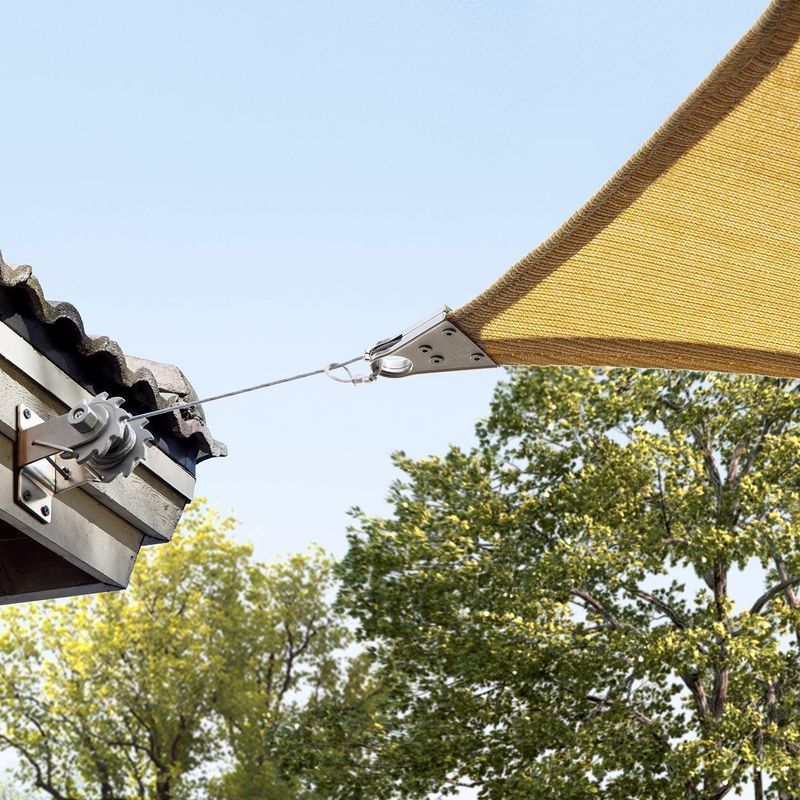
Cheap shade sails look fine in the store but often fall apart within a single season. Reinforced stitching, rust-resistant hardware, and high-quality fabric make the difference between a sail that holds up and one that needs replacing every year.
Corner reinforcements are worth inspecting closely. The corners take the most stress during installation and when wind pulls at the fabric.
Double-stitched or welded corner patches hold up far better than single-layer corners that can tear under tension.
Hardware matters just as much as fabric. Stainless steel D-rings, turnbuckles, and carabiners resist rust and corrosion in outdoor environments.
Cheaper zinc or painted steel hardware can corrode within a season, especially in humid or coastal areas. Even in dry desert climates, repeated temperature swings can stress low-quality metal fittings over time.
Look for sails that come with a warranty. A manufacturer willing to back their product for two or more years is signaling confidence in the materials they used.
That is a useful indicator when comparing options that look similar on the surface.
Proper installation also extends the life of even the best sail. Keeping the fabric pulled taut reduces flapping, which reduces wear on seams and corners.
Taking the sail down during extreme wind events, when possible, helps preserve the hardware and fabric for the long run.