The Maryland Eastern Shore Plants Handling Both Wet Springs And Dry Summers
Maryland’s Eastern Shore doesn’t do moderate. One month the fields sit underwater from relentless spring rain, the next the same ground cracks open under a summer sun that shows no mercy.
Ordinary plants can’t keep up with a swing like that, and most quietly give out somewhere between the flood and the drought. A handful of natives, though, treat this chaos as home turf.
They pull through the soggy months, then keep going once the water disappears and the heat sets in, without missing a beat. Centuries on this unpredictable ground taught them how to roll with whatever the sky decides to do.
If you’re building a rain garden, putting in a spot for pollinators, or simply done watching shrubs go dormant every August, these are the plants worth your soil.
1. Atlantic Ninebark
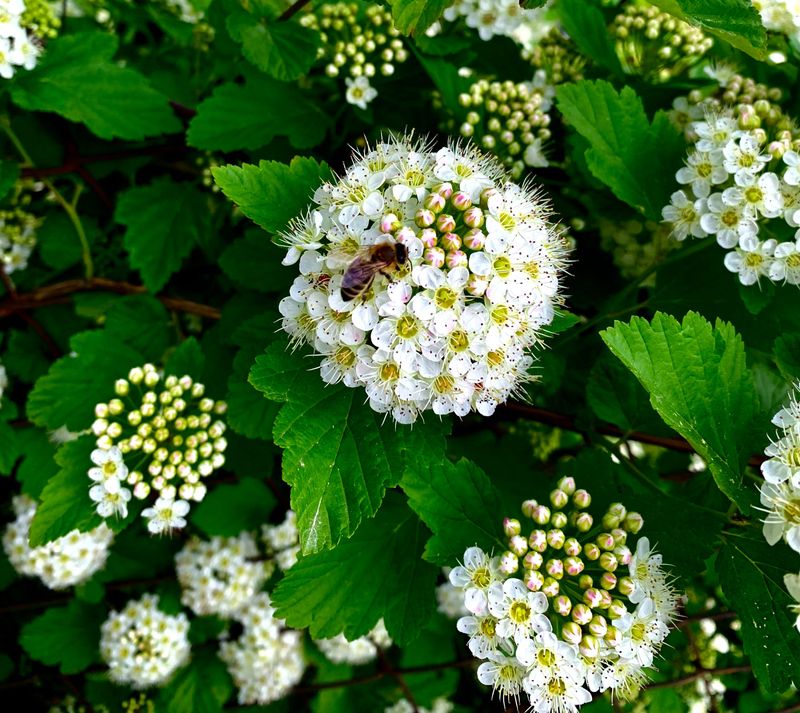
Peeling, papery bark gives Atlantic Ninebark its name and its charm. This shrub sheds its bark in layered strips as it matures.
Gardeners love it because it handles both wet springs and dry summers without complaint. Atlantic Ninebark grows along stream banks and forest edges naturally, so flooded soil in spring feels like home.
Its deep root system then locks in moisture when July heat arrives. You get a plant that adapts instead of struggling through seasonal swings.
The white flower clusters bloom in late spring, drawing in native bees and butterflies by the dozens. After blooming, reddish seed pods appear and give the plant a second wave of visual interest.
Birds snack on those pods throughout fall and early winter, making this shrub a steady food source well past summer. Pair it with other moisture-tolerant natives like Winterberry Holly or Switchgrass in a mixed border.
Grouping flood-tolerant shrubs together spreads out bloom times and berry production, giving pollinators and birds something to visit across a longer stretch of the year. This shrub can reach six to ten feet tall, so give it room to spread.
Plant it along fence lines, rain gardens, or low spots in your yard where water pools after storms. It thrives in full sun to partial shade without demanding much from you.
Pruning is simple. Cut it back hard in early spring before new growth emerges, and it bounces back stronger each season.
Avoid heavy fertilizing since rich soil encourages weak, floppy branches instead of sturdy ones. Atlantic Ninebark brings four-season interest, wildlife value, and real staying power.
Once established, this native shrub holds its shape and keeps performing with very little upkeep. Few shrubs give back this much for so little effort.
2. Winterberry Holly
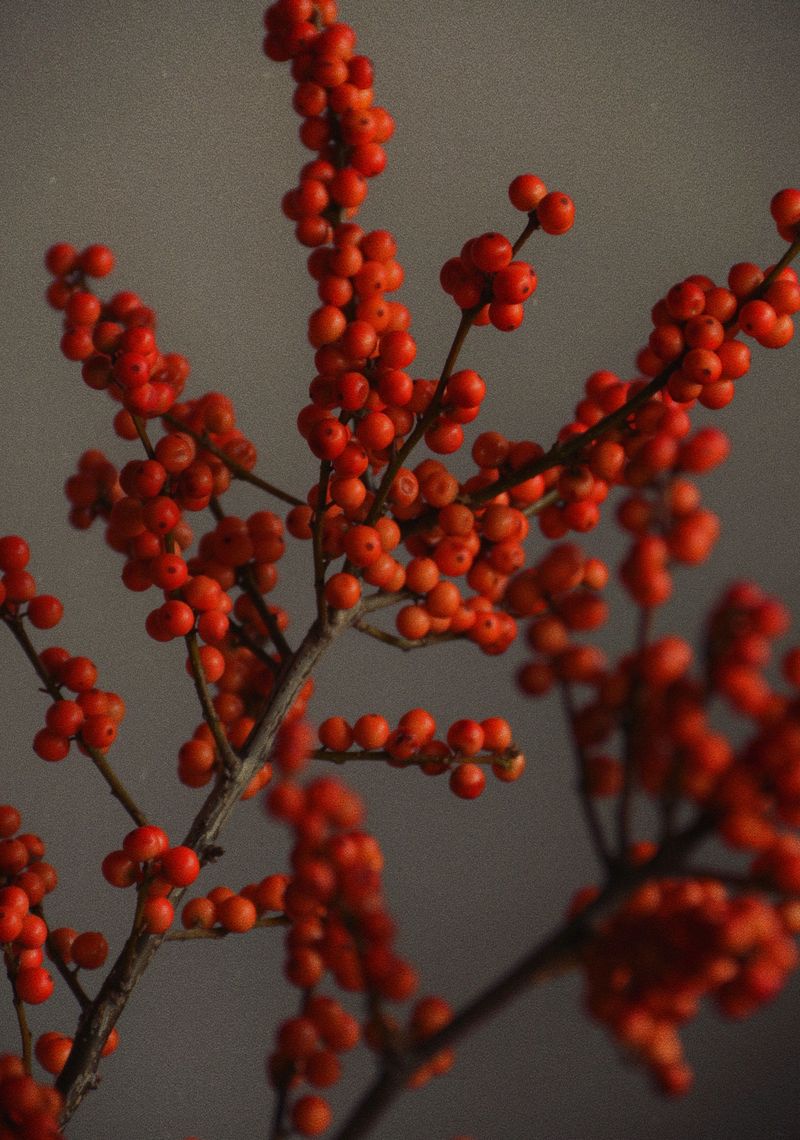
Winterberry Holly turns bare winter branches into a display of vivid red berries when everything else looks grey and quiet. It is one of the most striking native plants you can grow on the Eastern Shore.
That color show arrives exactly when the rest of the yard has gone dormant. This holly thrives in wet, poorly drained soils where most shrubs simply rot away.
Your Maryland Garden Changes Every Week. Your Plan Should Too.
Gardening in Maryland changes quickly throughout the season. Every Friday you’ll receive a simple weekly plan showing exactly what to plant, prune, fertilize, harvest, and protect so you never miss the right timing.
Spring flooding does not stress it out because it evolved in swampy ground. When summer dries out the soil, established plants pull moisture from deeper layers without missing a beat.
You need both a male and female plant to get berries, so buy them in pairs. One male plant can pollinate up to five females, so plan your planting accordingly.
Your local nursery can help you match compatible varieties for the best berry production. Birds flock to those berries in large numbers.
Cedar waxwings, bluebirds, and American robins visit Winterberry Holly in late fall and winter when food gets scarce. Planting a cluster of these shrubs near a window turns your yard into a live nature show.
Winterberry Holly prefers full sun for the heaviest berry set, though it tolerates partial shade. Avoid planting it in dry, sandy upland spots since it genuinely loves moisture.
A rain garden or low area of your yard suits it perfectly. Winterberry Holly stands out for its year-round payoff.
Spring brings fresh green growth, summer offers lush foliage, and fall delivers a striking berry display. Few native shrubs work this hard for your landscape.
3. Virginia Sweetspire
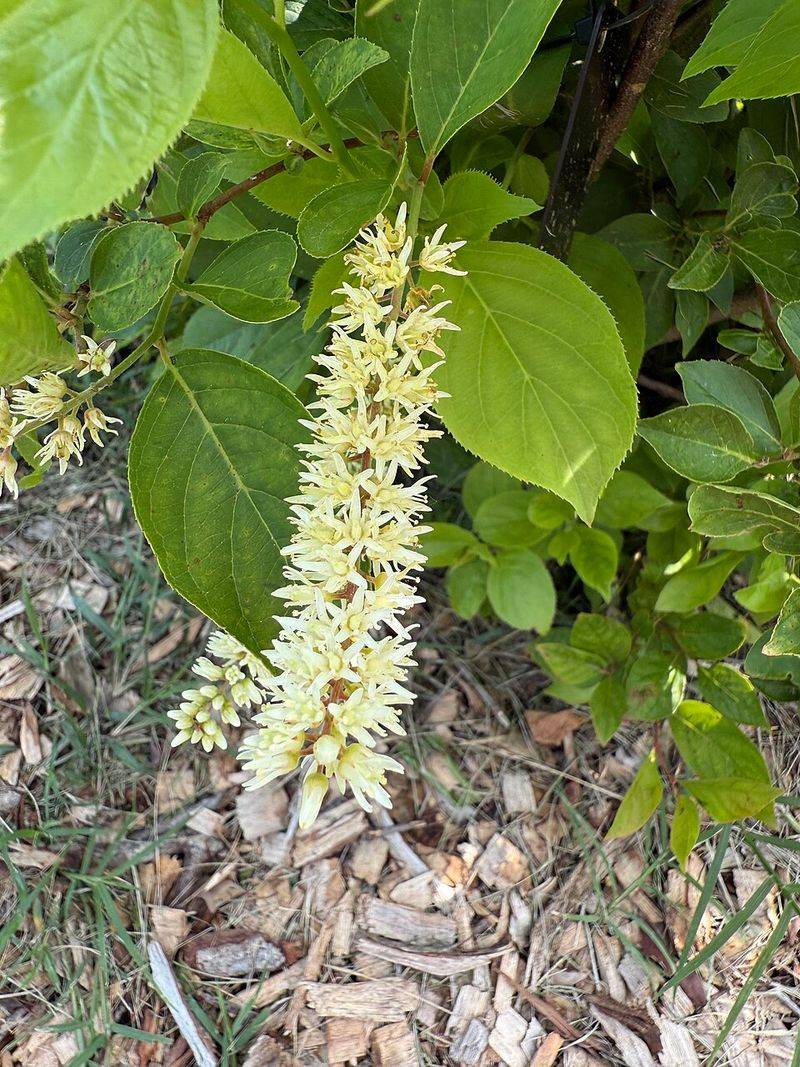
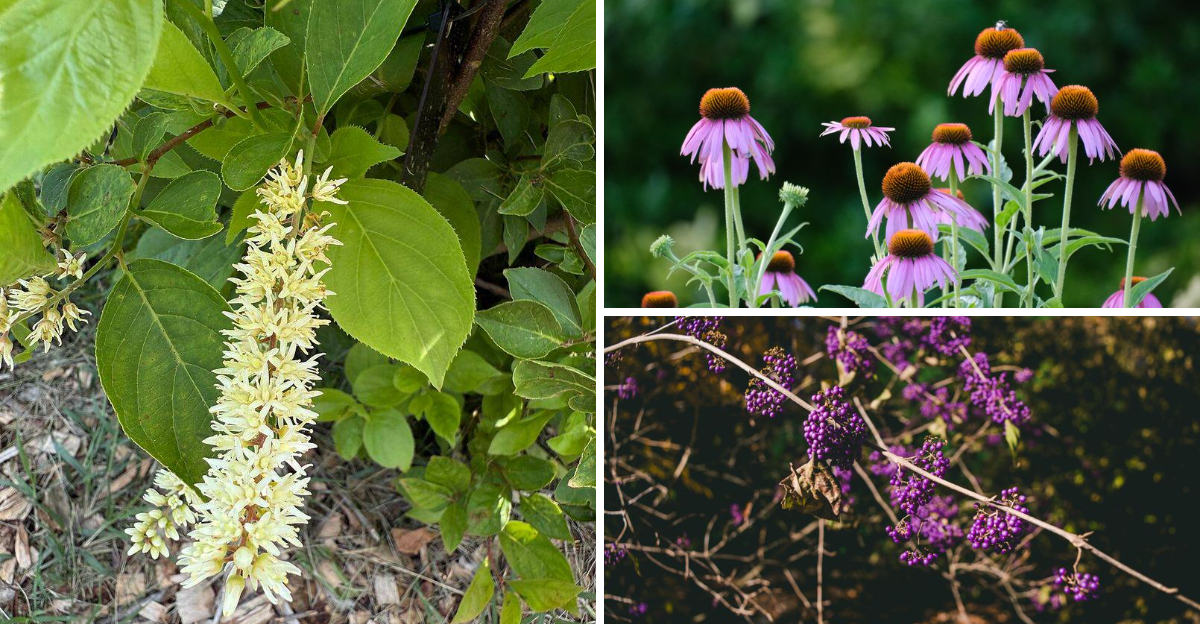
Some shrubs bloom beautifully but fall flat the rest of the year. Virginia Sweetspire refuses to be a one-trick plant, delivering fragrant white flower spikes in summer and striking red-purple foliage in autumn.
It earns its space in the garden across most of the year. Native to the Eastern Shore and surrounding regions, this shrub naturally grows along stream banks and woodland edges.
Wet spring soils feel completely normal to it, and its fibrous root system holds moisture efficiently when dry weather hits. That combination makes it a reliable workhorse for unpredictable Mid-Atlantic seasons.
The drooping white flower clusters appear in June and July, releasing a sweet fragrance that carries on warm summer air. Pollinators, especially native bees and beetles, flock to those blooms in strong numbers.
After the flowers fade, the foliage quietly shifts toward its fall color show. Virginia Sweetspire spreads slowly by root suckers, eventually forming a graceful colony.
This spreading habit makes it excellent for stabilizing stream banks or filling in low spots where erosion is a problem. Space plants about four feet apart to allow natural expansion without overcrowding.
It grows three to five feet tall in sun or shade, which gives you flexible placement options. Use it beneath larger trees, along shady rain garden edges, or as a foundation planting near downspouts.
Minimal pruning keeps it tidy without sacrificing next season’s blooms. Virginia Sweetspire is the kind of plant that makes neighbors stop and ask questions.
It rewards very little effort with fragrance in summer and color in fall. Plant it once and enjoy it for decades.
4. Red Chokeberry
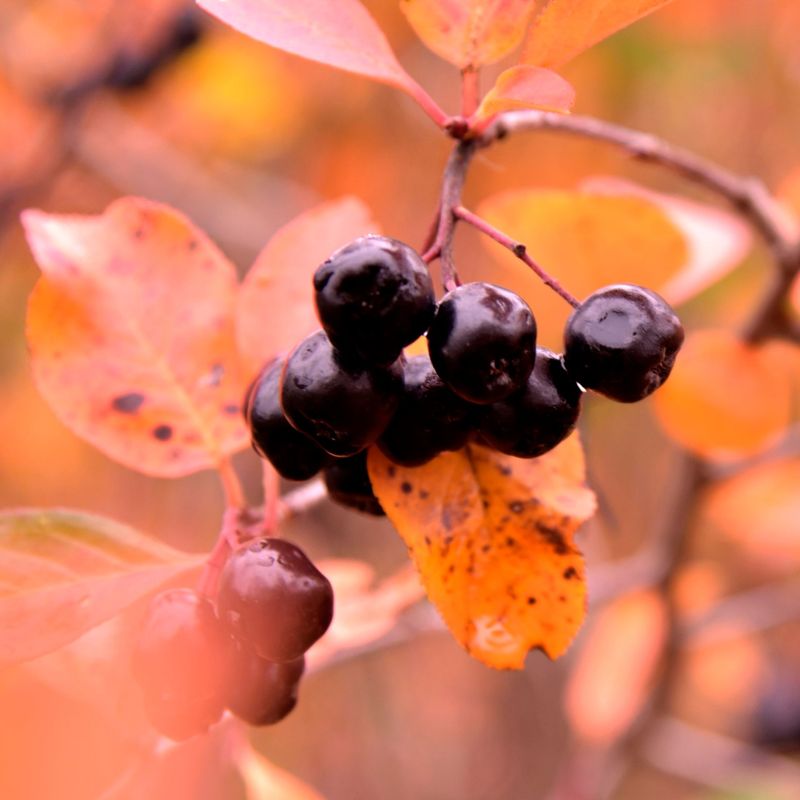
Red Chokeberry does not get nearly enough credit for how tough it actually is. This native shrub handles standing water in spring without rotting, then shrugs through summer drought without wilting.
This is the quiet overachiever of the Eastern Shore native plant world. White flower clusters open in early spring, often before most gardeners have even pulled out their tools for the season.
Those blooms attract early pollinators when food sources are still limited. After the flowers drop, the plant gets busy producing clusters of glossy red berries by midsummer.
Birds and small mammals love the berries, though humans find them quite tart, hence the chokeberry name. The wildlife value alone makes this shrub worth planting in any Eastern Shore yard.
Mockingbirds and catbirds seem especially fond of picking the clusters clean by October. The fall foliage is another unexpected bonus.
Leaves turn a deep, burnished red-orange that holds its own next to a garden maple. You get three distinct seasons of visual interest from one low-maintenance plant.
Pair it with other wet-dry survivors like Atlantic Ninebark or Winterberry Holly for a hedgerow that holds up through the same seasonal swings.
Red Chokeberry grows four to eight feet tall and spreads by suckering to form a dense thicket over time. Use that habit intentionally by planting it along property borders or wet ditches where you want natural screening.
This shrub tolerates clay, sandy loam, and everything in between. Red Chokeberry proves that resilience and beauty are not mutually exclusive.
The plant asks for almost nothing and gives back season after season. Tough, beautiful, and native, this shrub checks nearly every box.
5. Switchgrass
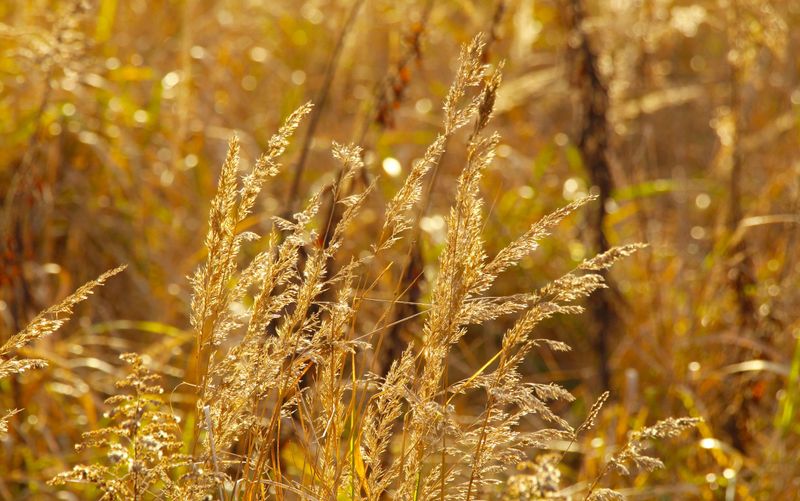
Not every plant hero in the garden is a flowering shrub. Switchgrass is a native warm-season grass that brings movement, texture, and wildlife value to Eastern Shore landscapes in a way that few other plants can match.
It is rugged, graceful, and easy to work into almost any planting. Switchgrass naturally grows in coastal prairies and marsh edges across the Mid-Atlantic, so it is well suited to the Eastern Shore’s seasonal extremes.
Spring flooding simply does not faze it since its roots are designed for wet, heavy soils. Come August, those same deep roots reach down for moisture that shallow-rooted plants cannot access.
The seed heads emerge in midsummer as feathery clouds of pink and red that sway beautifully in the breeze. By fall, the entire clump shifts to golden amber tones that glow in low autumn light.
Leaving the seed heads standing through winter gives birds a reliable food source during cold months. Switchgrass grows three to six feet tall depending on the variety, and cultivars like Shenandoah and Heavy Metal offer compact, upright options for smaller spaces.
Plant it in masses for the best visual effect, or use single clumps as anchor plants in mixed native borders. Full sun brings out the best color.
Cutting it back to about four inches in late winter is the only real maintenance task required. New growth emerges quickly in spring, and the cycle starts fresh.
Very little fertilizer or irrigation is ever needed. Switchgrass earns its place in the landscape year after year. It asks for almost nothing and delivers movement, texture, and wildlife value in return.
6. Eastern Purple Coneflower
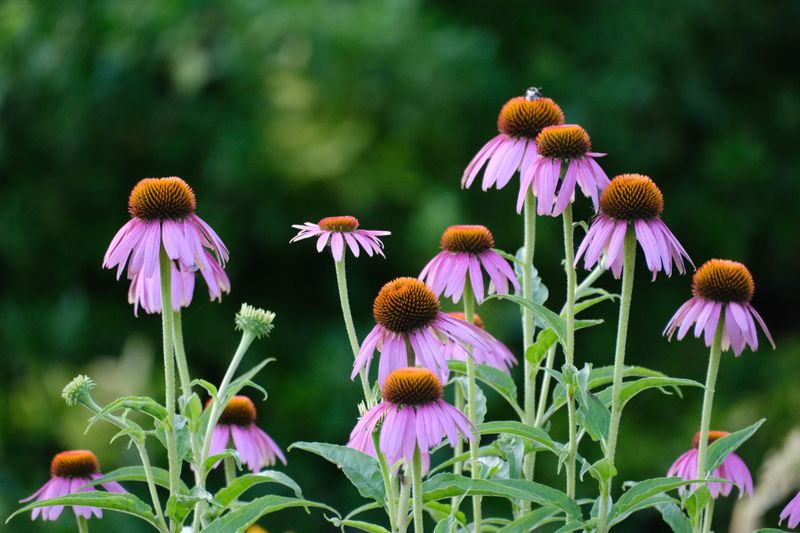
Walk past a patch of Eastern Purple Coneflower in July and it’s easy to see why gardeners keep coming back to it. The bold purple-pink petals and spiky orange cones create a cheerful display that stops people mid-stride.
It looks like summer on full display. Native across much of the eastern United States, this coneflower handles the Eastern Shore’s wet spring soils better than most people expect.
Its taproot system drains well even in heavy clay, then reaches deep into dry soil when summer heat arrives. That adaptability is built right into how the plant grows.
Goldfinches are the biggest fans of the seed heads. Once the petals drop in late summer, those orange cones become a bird feeder you never have to refill. Leaving the spent flowers standing through fall and winter is both wildlife-friendly and honestly quite beautiful in a rustic way.
Eastern Purple Coneflower blooms from June through September with minimal upkeep required. Cutting spent flowers back by half encourages a second flush of blooms on lateral branches. This simple trick stretches the flowering season by several extra weeks.
Plant it in full sun for the strongest stems and most vibrant color. Partial shade works but often produces taller, floppier plants that need staking. Well-drained to average soil suits it best, though it handles brief wet periods without any issues.
Eastern Purple Coneflower is the kind of plant that makes a whole yard feel alive. Once it establishes, it self-seeds gently and spreads into a naturalized patch. Few plants deliver this level of cheerful, low-effort reliability.
7. American Beautyberry
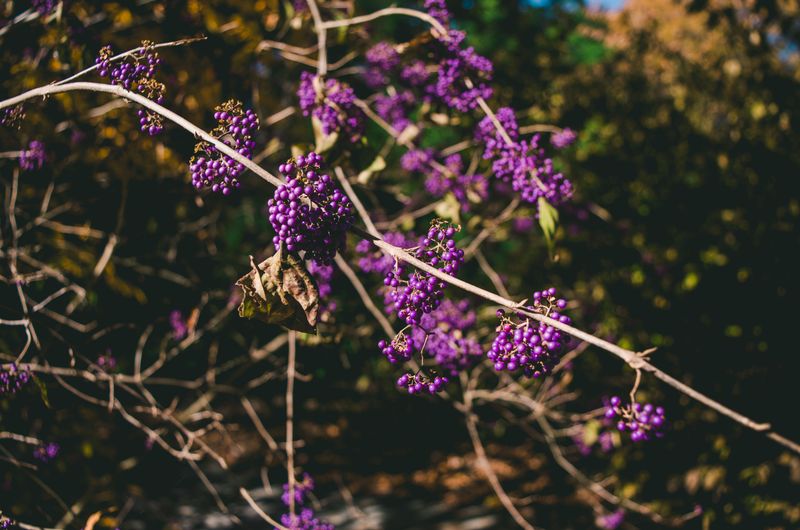
Few native plants stop visitors in their tracks quite like American Beautyberry in full berry mode. The clusters of magenta-purple berries pack so tightly around each stem that the whole shrub looks almost artificial.
People are often surprised those colors occur naturally. American Beautyberry grows wild across the southeastern United States and adapts well to the Eastern Shore’s shifting water patterns.
Spring wet spells do not rot its roots since it evolved in moist woodland understories. Summer drought slows growth slightly but rarely threatens an established plant.
The berries appear in late summer and last well into fall, creating a striking display precisely when most other plants are winding down. Wildlife treats those berries like a seasonal buffet.
Dozens of bird species, including mockingbirds, robins, and brown thrashers, feast on them before winter arrives. Interestingly, deer tend to avoid this shrub, which is a rare and welcome bonus for Eastern Shore gardeners dealing with browse pressure.
The leaves contain compounds that repel insects, and some people even use crushed leaves as a natural mosquito deterrent on outdoor adventures. That is a fun fact worth sharing at your next cookout.
American Beautyberry grows four to six feet tall and wide, preferring partial shade but tolerating full sun with adequate moisture. Prune it hard in late winter since it blooms and fruits on new wood.
That harder pruning actually produces more berry clusters the following season. American Beautyberry is the showstopper that earns every bit of attention it gets.
Plant one and prepare to answer questions from every neighbor who walks by.